
20 Ways To Conquer Hating A Certain Food

We all have that one food that makes us scrunch up our faces and push away our plates. Maybe it’s brussels sprouts, oysters, or even something as common as mushrooms.
The good news?
Your taste buds can change, and with a little creativity, you might just find yourself enjoying that once-hated food. Here are 20 practical ways to transform your food enemies into friends.
1. Try Different Cooking Methods
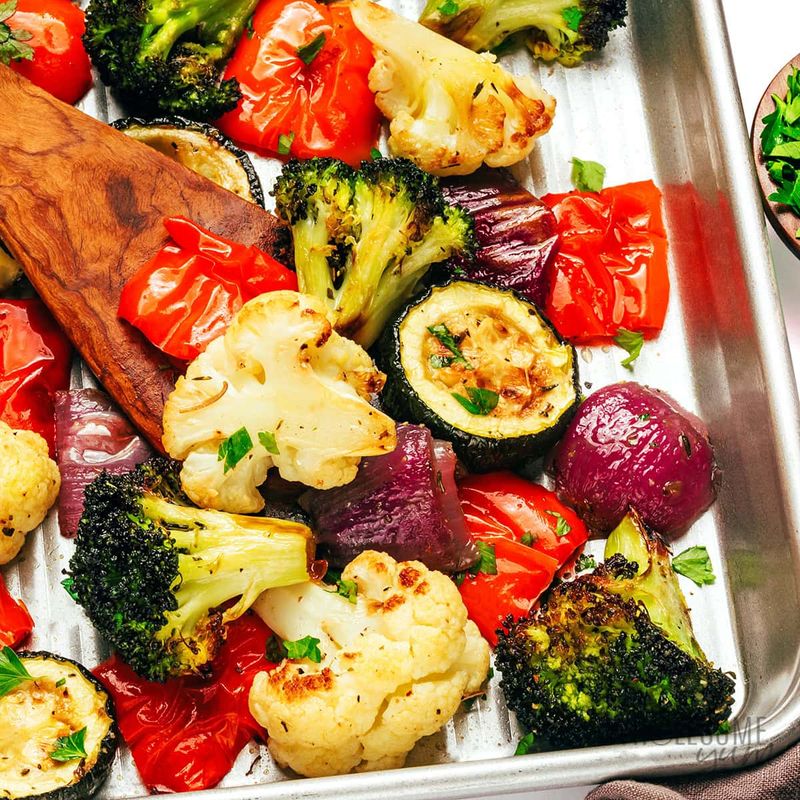
Raw tomatoes making you gag? Try them roasted! The cooking process transforms textures and flavors dramatically.
Many foods we hate in one form become delicious in another. Boiled brussels sprouts might be bitter, but roasted with olive oil until crispy? Game changer!
2. Pair It With Foods You Love
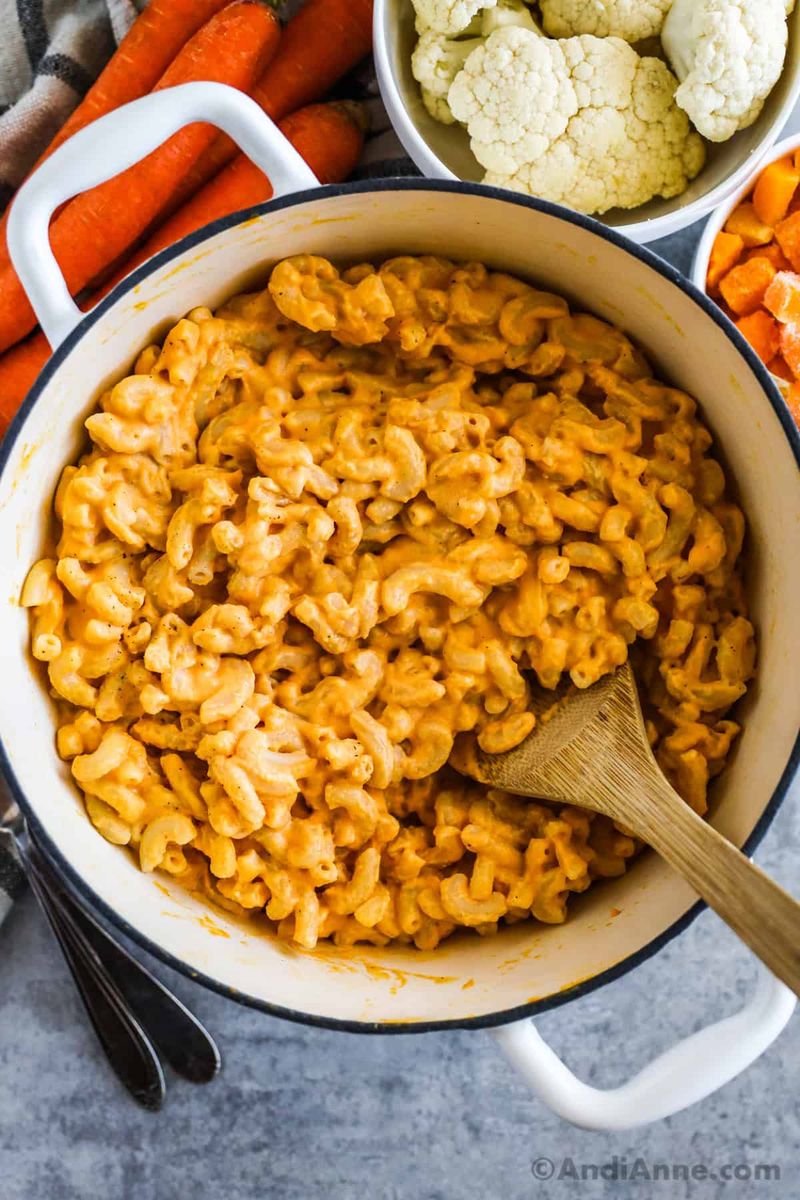
Sneaky but effective! Combine the disliked food with something you adore. Can’t stand cauliflower? Mix small pieces into mac and cheese.
Your brain forms positive associations through this pairing trick. Eventually, the hated food begins absorbing some of that love-by-association, making it more palatable on its own.
3. Start With Tiny Portions
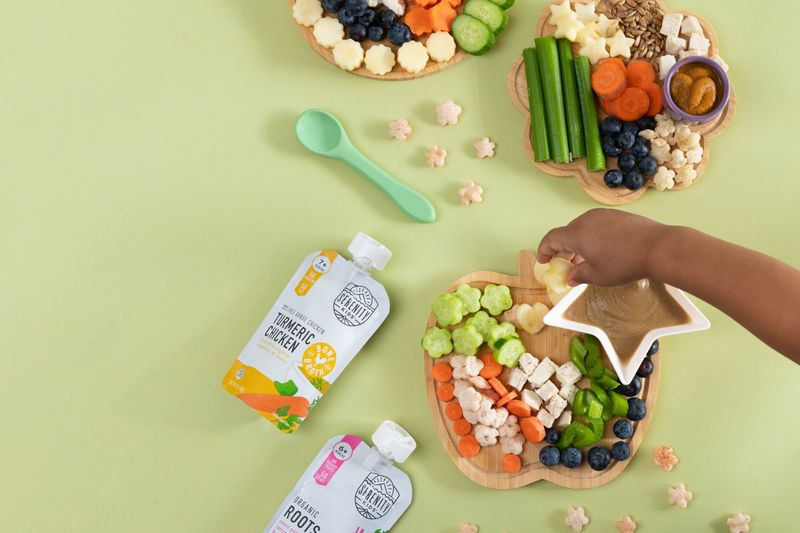
Baby steps are key! Begin with portions so small you barely notice them. A single pea. One mushroom slice.
Gradually increase the amount over weeks. This gentle exposure therapy works wonders because you’re not overwhelming your taste buds. Many former food-haters swear this method changed everything!
4. Explore Different Varieties
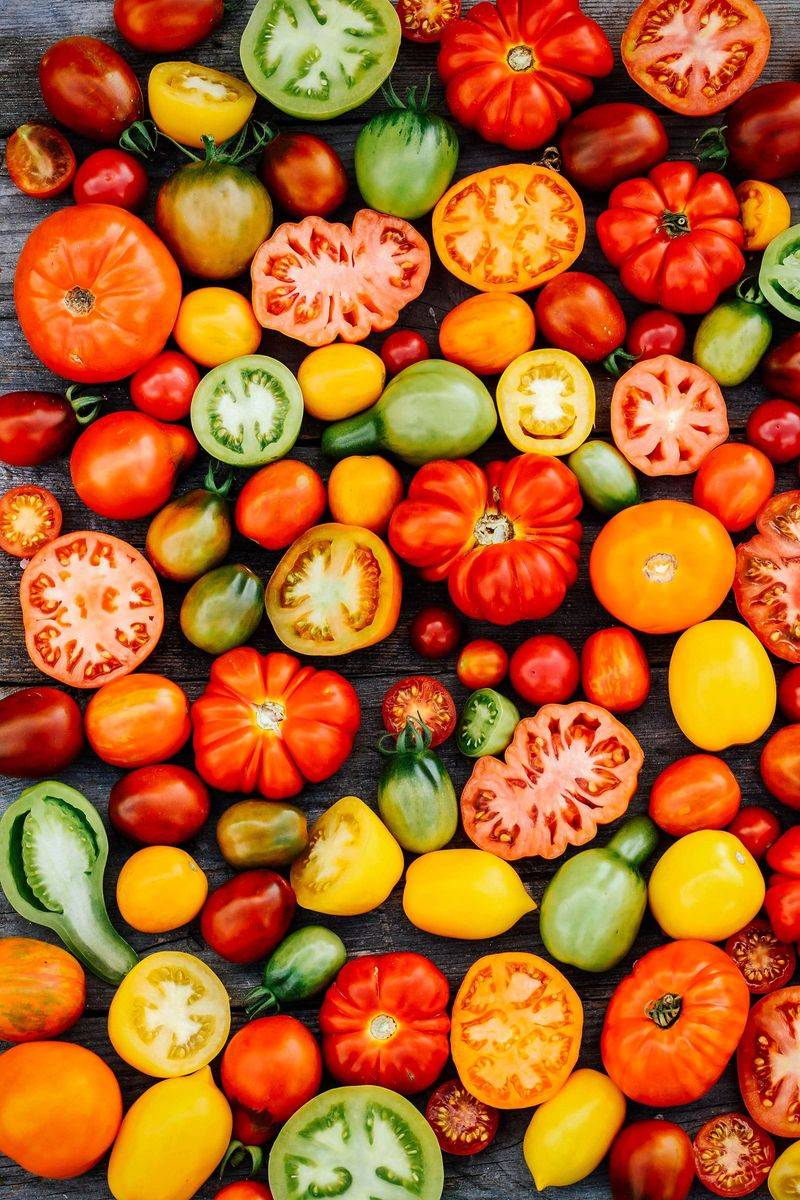
Hate tomatoes? There are hundreds of varieties with vastly different flavors! Sweet cherry tomatoes bear little resemblance to acidic beefsteaks.
Many foods come in surprising varieties with dramatically different taste profiles. That bitter eggplant experience might not represent the sweeter Japanese varieties you haven’t tried yet.
5. Mask The Texture

Often it’s texture, not flavor, that turns us off. Mushrooms too slimy? Chop them super fine!
Blending into smoothies, pureeing into sauces, or mincing into tiny pieces can eliminate the textural problems while keeping nutritional benefits. Your brain won’t trigger that “ick” response when the problematic texture disappears.
6. Use Strong Seasonings
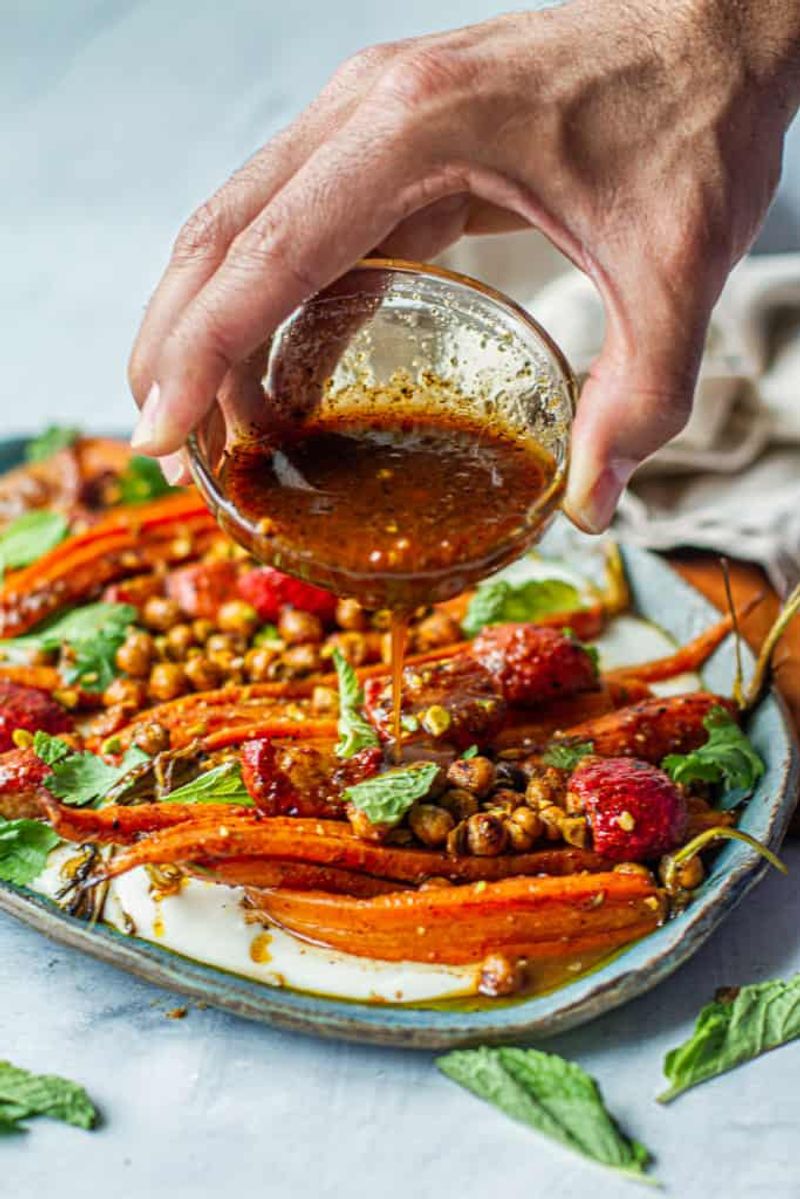
Spices are your secret weapon! Hate kale? Toss it with enough garlic, lemon, and red pepper flakes, and you might forget what you’re eating.
Bold flavors can transform foods dramatically. Many cultures developed spicy cuisines partly to make certain ingredients more palatable. The right seasoning blend can completely reinvent a dreaded vegetable.
7. Create A Positive Environment

Atmosphere matters more than you think! Try that dreaded food during a fun picnic or dinner party rather than alone.
Our brains form powerful associations between experiences and flavors. Forcing yourself to eat something while stressed creates negative connections. Pleasant surroundings and good company can literally make food taste better!
8. Learn The Food’s Story
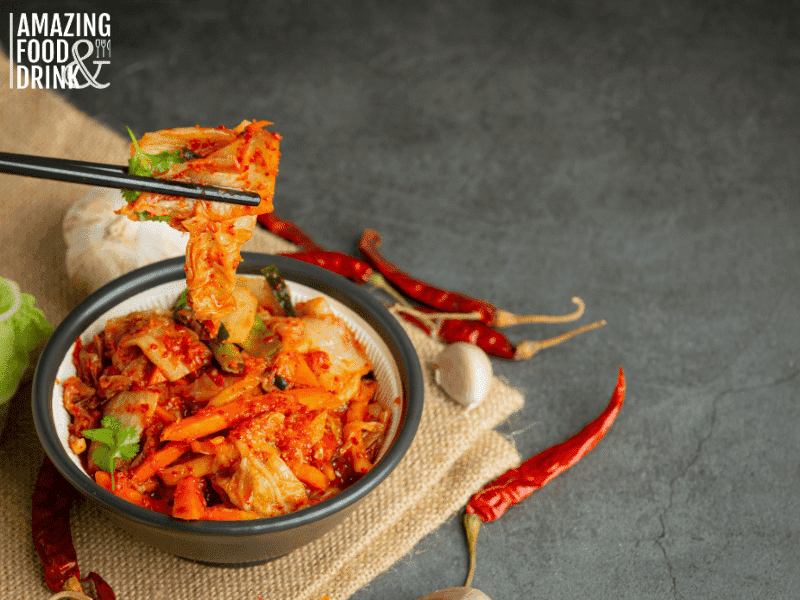
Curiosity can change perception! Research the history of that food you hate. Learning how kimchi saved Koreans from starvation might give you new appreciation.
Understanding cultural significance creates emotional connections. Watch documentaries about how it’s grown or made. Knowledge often transforms our relationship with foods that once seemed strange or unappealing.
9. Prepare It Yourself
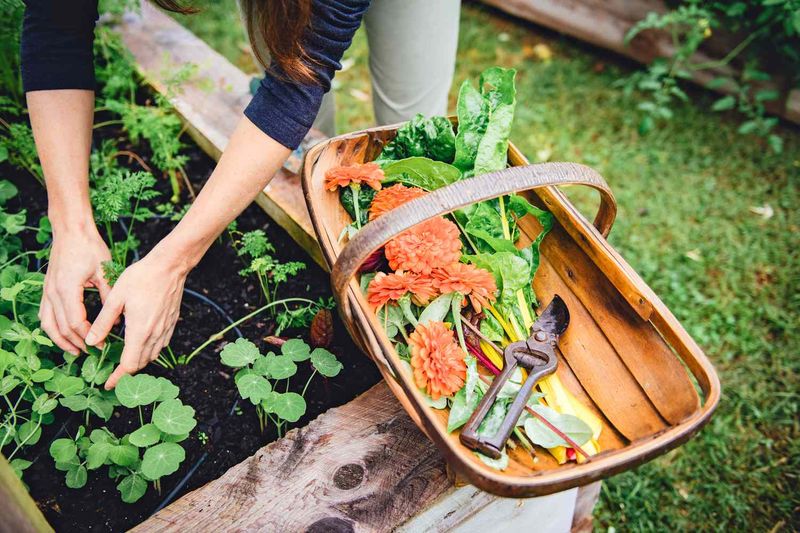
Roll up those sleeves! Growing, harvesting, or cooking a food yourself creates investment in the outcome.
The pride of creation is powerful psychology. Children who help grow vegetables are far more likely to eat them. This works for adults too – you’ll be amazed how your homegrown tomatoes suddenly taste better than store-bought!
10. Try It In Different Cuisines
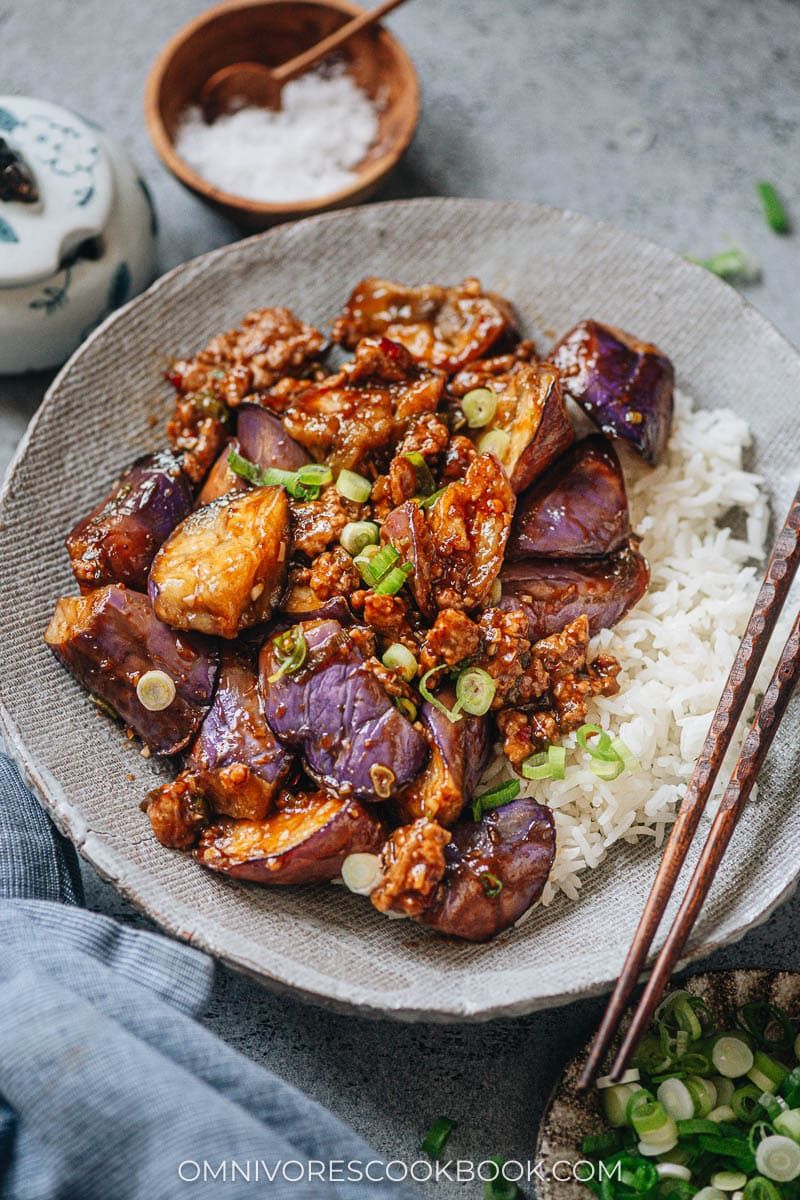
Cultural context transforms ingredients! Hate eggplant? The Italian eggplant parmesan experience differs wildly from Chinese yu xiang or Middle Eastern baba ganoush.
Different culinary traditions have perfected various techniques for making ingredients shine. That vegetable you despise in American preparations might be revelatory when prepared with Thai or Indian cooking techniques.
11. Focus On Health Benefits
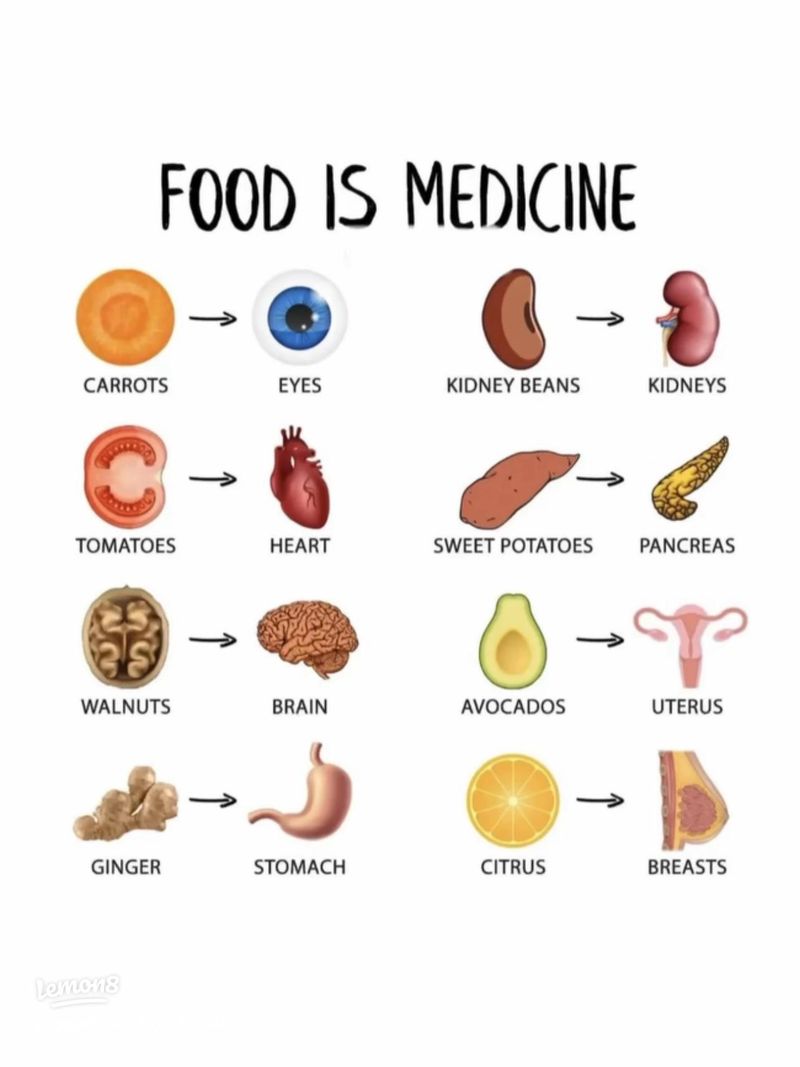
Knowledge is motivating! Research specific nutrients in your hated food. Learning that oysters pack more zinc than almost any food might make them worth another try.
Understanding concrete benefits creates purpose. Your brain responds differently when you view food as medicine rather than just taste. This mental reframing helps overcome initial aversion.
12. Use The Sandwich Method
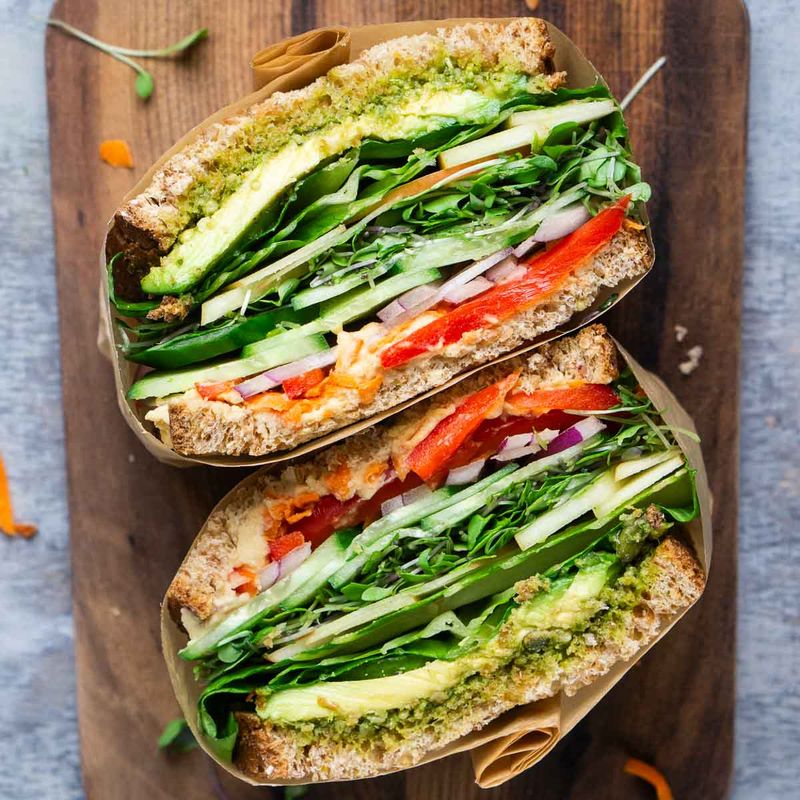
Literally sandwich it! Place thin layers of the disliked food between two layers of something delicious.
This technique works wonders for strong-flavored foods. The dreaded ingredient gets partially masked while your palate gradually adjusts. Avocado haters often convert using this method with well-constructed sandwiches or wraps.
13. Give Your Taste Buds Time

Patience pays off! Taste buds regenerate every 10-14 days, and preferences can shift dramatically over time.
What tasted bitter at 8 years old might be delicious at 28. Our sense of taste evolves throughout life. Foods you’ve rejected for decades deserve periodic retesting – you might be surprised by your changing preferences!
14. Play With Temperature

Temperature transforms taste! Cold tomatoes making you cringe? Try them hot in pasta sauce.
Our taste receptors respond differently to foods at different temperatures. Many people who hate cold yogurt enjoy frozen yogurt. Room-temperature cheese has stronger flavors than refrigerated. This simple change can completely alter your experience.
15. Trick Your Brain With Presentation

We eat with our eyes first! Beautiful plating can override negative expectations.
Artful presentation activates pleasure centers before you take a bite. That despised vegetable arranged in a gorgeous pattern suddenly becomes more appealing. Restaurants use this psychology constantly – now you can too!
16. Try It When You’re Hungry

Hunger is the best sauce! Schedule your next attempt after skipping a snack when you’re genuinely hungry.
Our taste perception literally changes with hunger levels. Foods taste more satisfying when our bodies need energy. That bitter vegetable might suddenly seem delicious when your stomach’s growling for nourishment.
17. Combine With Familiar Textures

Texture matters enormously! Blend the challenging food with familiar, comforting textures.
Hate quinoa’s popping texture? Mix it 50/50 with rice. Can’t stand avocado’s mushiness? Try it with crunchy toast and crisp bacon. This contrast creates a bridge between comfort and challenge.
18. Understand Your Specific Aversion
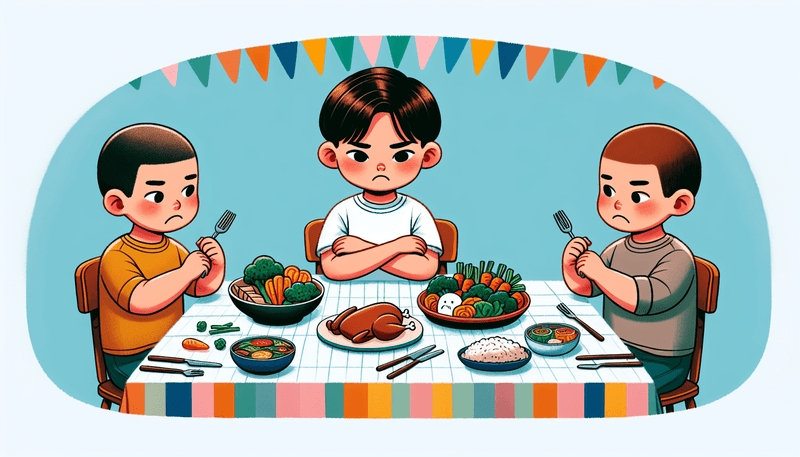
Play detective with your taste buds! Identify exactly what bothers you – bitterness? sliminess? smell?
Once you pinpoint the specific problem, targeted solutions emerge. Bitterness can be countered with salt or acid. Texture issues have different fixes than flavor problems. This focused approach yields better results than generic methods.
19. Create New Associations

Memories influence taste! That fish you hate might be linked to a childhood stomach bug that had nothing to do with the fish.
Create new, positive memories deliberately. Try that dreaded food during a vacation or celebration. Our brains form powerful connections between emotions and flavors – you can intentionally rewire negative associations.
20. Experiment With Fermentation
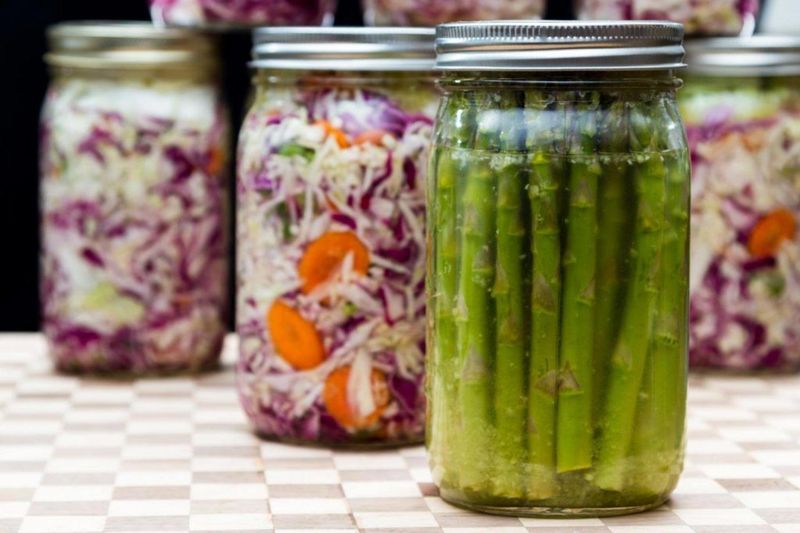
Fermentation works magic! Cabbage haters often love sauerkraut. Milk avoiders might enjoy yogurt or kefir.
The fermentation process transforms both flavor and nutrition. Beneficial bacteria create entirely new taste profiles while often reducing problematic compounds. Many former food-haters discover fermented versions become surprising favorites.