18 Things You Know Are Mistakes But Still Do In The Kitchen
Admit it. You know that slightly burnt piece of toast you still eat, or the dropped crumb you’re pretty sure the five-second rule covers. We all have our kitchen confessions, those little culinary sins we commit even when we know better.
Get ready to feel seen (and maybe a little guilty) as we unveil 18 things you’re probably doing in your kitchen right now that are, well, mistakes. But hey, at least you’re not alone!
1. Measuring Ingredients With Your Heart
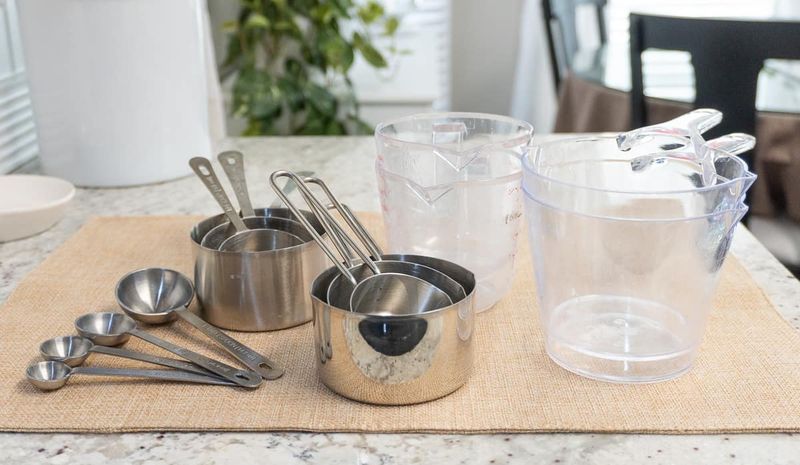
Eyeballing measurements instead of using proper cups and spoons is a classic kitchen rebellion. “A splash of this, a handful of that” might work for experienced cooks, but it’s why your cookies sometimes taste like salt mines and other times like sugar bombs.
Baking especially requires precision for chemical reactions to work properly!
2. Crowding The Pan When Sautéing
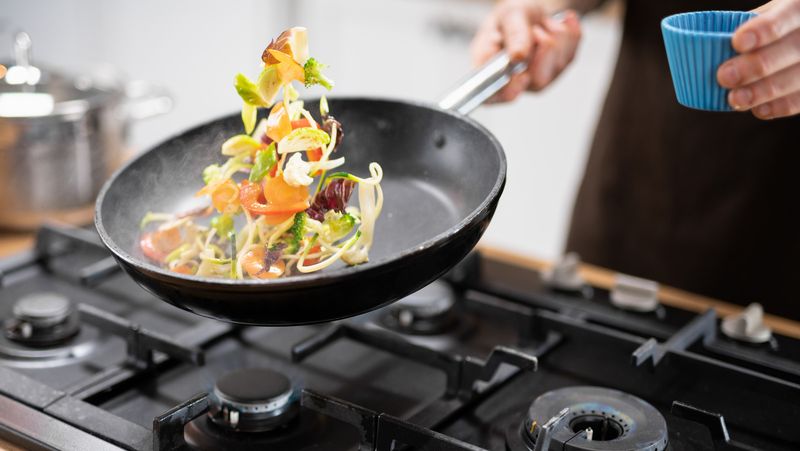
Cramming too much food into one pan is tempting when you’re hungry or in a hurry. But your veggies and meats end up steaming instead of browning because they release moisture with nowhere to go.
Those beautiful caramelized flavors? Gone. That crispy sear? Forgotten. Yet we keep doing it anyway.
3. Storing Tomatoes In The Refrigerator
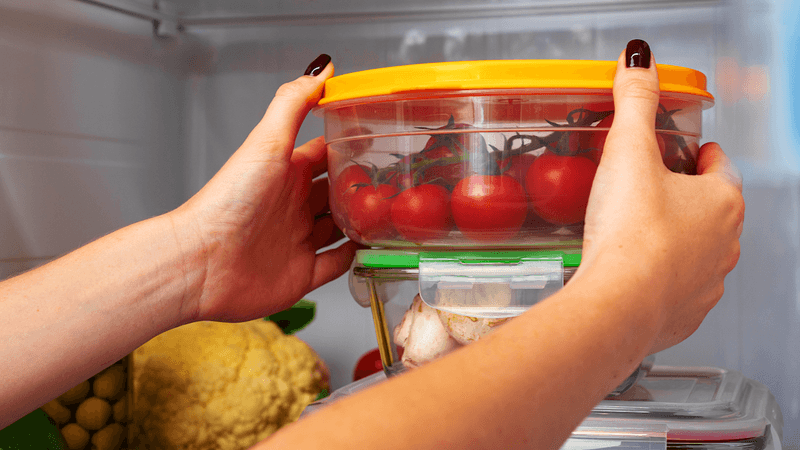
Cold temperatures murder tomato flavor – fact! The chill stops ripening and breaks down those delicious flavor compounds. Still, into the fridge they go because we can’t bear watching them spoil on the counter.
Professional chefs everywhere are screaming, but convenience wins this battle every time in most home kitchens.
4. Using Dull Knives
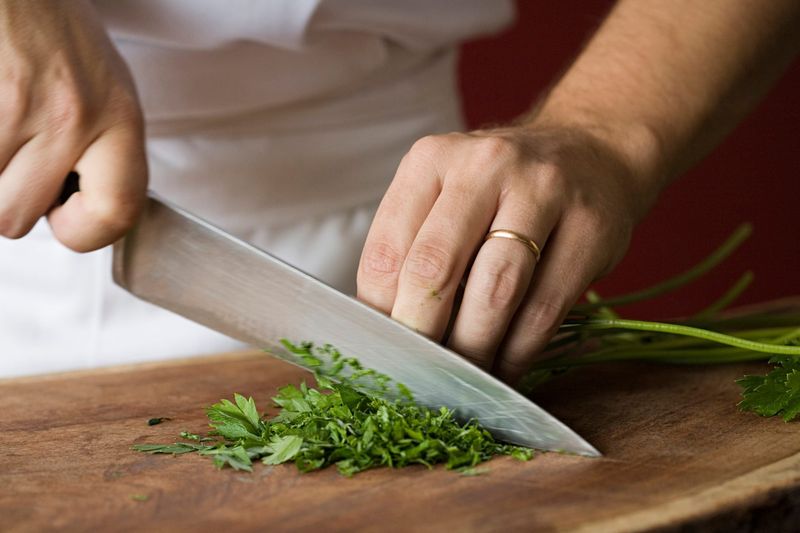
That knife that barely cuts through a ripe tomato? It’s actually more dangerous than a sharp one! Dull blades require more force and slip more easily, leading to nasty cuts.
We know we should sharpen them regularly or get them professionally honed, but somehow that task never makes it to the top of the to-do list.
5. Opening The Oven Door To Peek
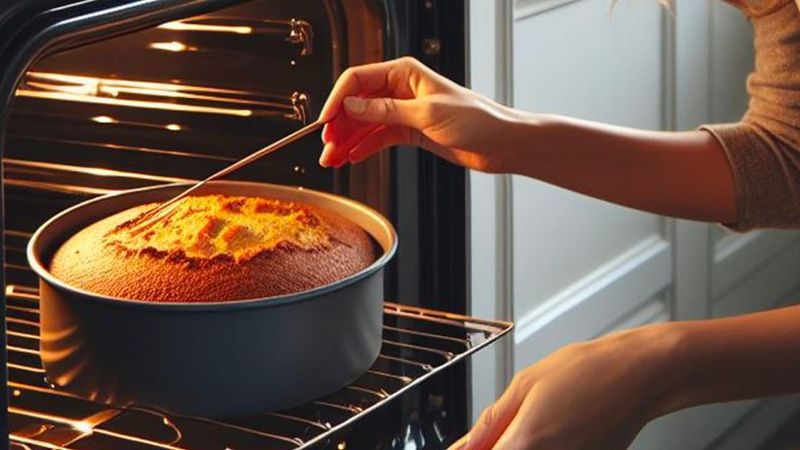
Curiosity kills the cake! Each time you crack that oven door, the temperature drops 25-50 degrees. Your soufflé deflates, your cake sinks, and your cooking time extends.
Yet the temptation to check on our precious creations is almost impossible to resist. “Just one quick peek” becomes our baking mantra.
6. Cooking With Ice-Cold Meat
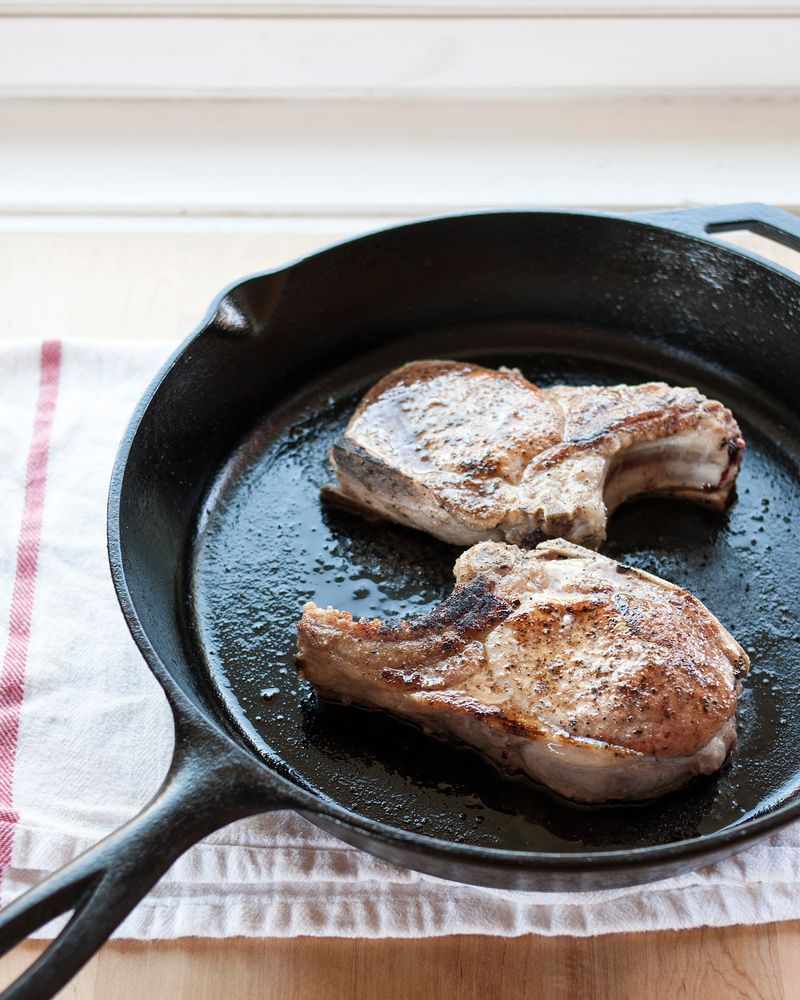
Grabbing steak straight from the fridge and tossing it into a hot pan guarantees uneven cooking – charred outside, raw center. Professional chefs always let meat rest at room temperature before cooking.
The 20-minute wait feels impossible when hunger strikes, though. Patience in the kitchen? What’s that?
7. Not Reading The Recipe Beforehand
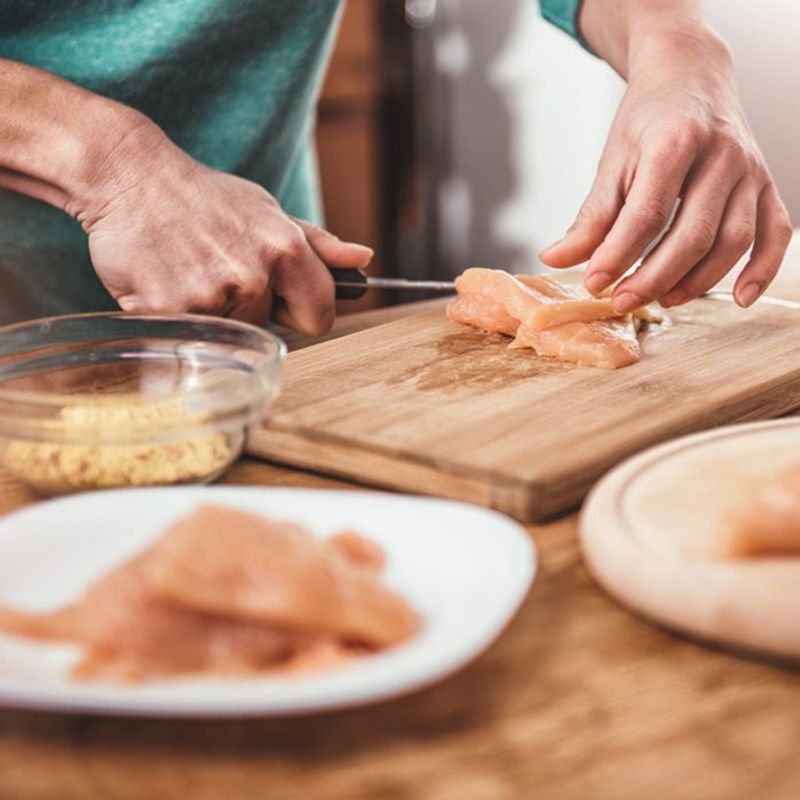
Surprise! The recipe needs to marinate overnight and you’ve got hungry people waiting for dinner now. Reading recipes halfway through cooking leads to timing disasters and missing ingredients.
Yet somehow we keep diving in headfirst, assuming we can wing it. Cooking optimism at its finest!
8. Washing Cast Iron With Soap
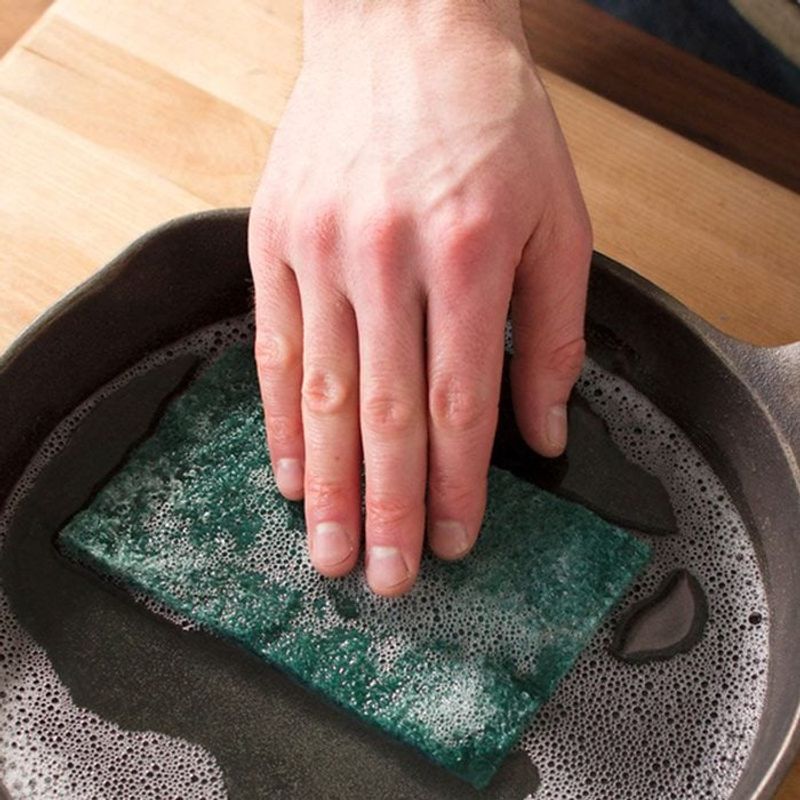
Cast iron lovers will tell you soap strips away that precious seasoning you’ve spent years building up. Modern dish soaps are gentler than old-school lye versions, but the fear remains.
Still, when faced with stuck-on food, many of us reach for the dish soap in secret. Just don’t tell your foodie friends!
9. Using Olive Oil For High-Heat Cooking
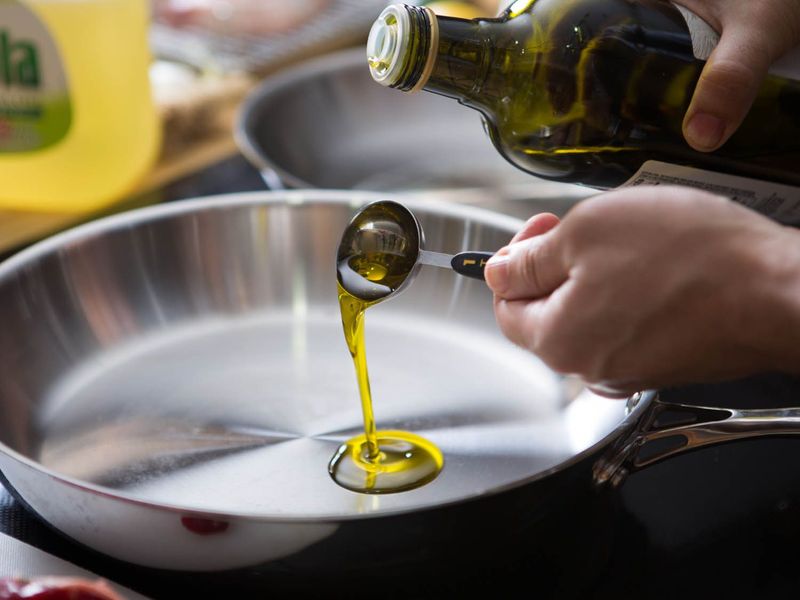
Extra virgin olive oil has a low smoke point, meaning it burns and turns bitter when used for high-temperature cooking. Yet we keep reaching for that fancy bottle when stir-frying or searing.
Maybe it’s because it’s often the only oil within arm’s reach. Or perhaps we just love the flavor too much to care about science.
10. Cutting On Glass Cutting Boards
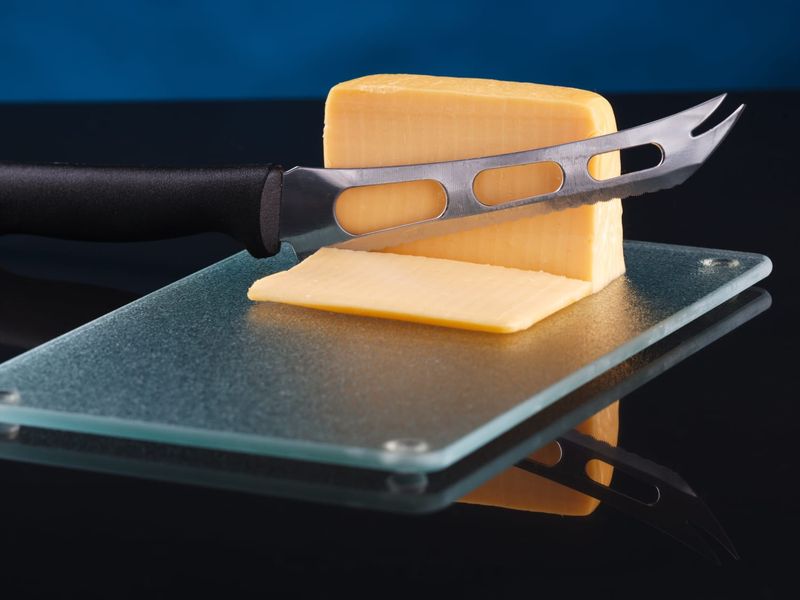
Glass cutting boards are knife killers! They dull blades faster than you can say “need a sharpener.” Wood and plastic boards are much kinder to your expensive knife set.
But those glass boards are so pretty and easy to clean that we keep using them anyway. Our poor knives suffer in silence.
11. Not Tasting Food While Cooking
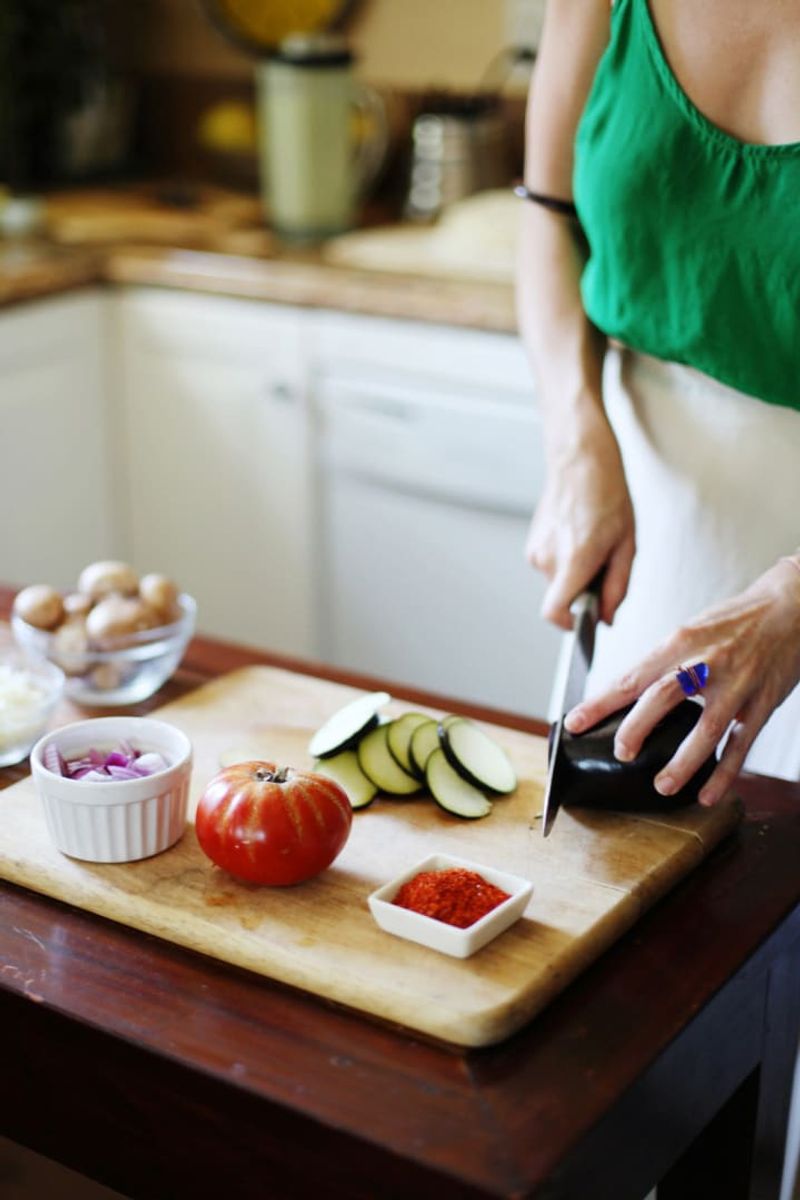
Cooking without tasting is like driving blindfolded. You might reach your destination, but the journey will be chaotic! Professional chefs taste constantly to adjust seasonings.
Yet many home cooks wait until the final plating to discover their dish needs serious help. By then, fixing flavor problems becomes much harder.
12. Storing Onions And Potatoes Together
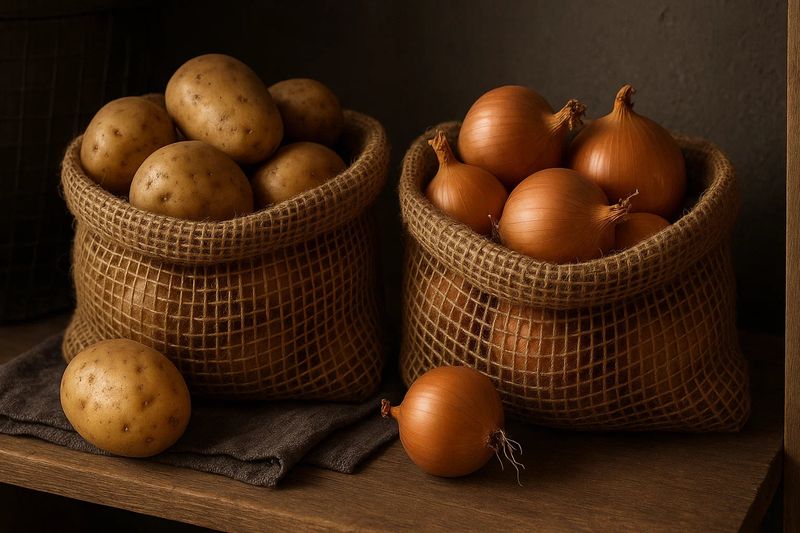
These root vegetable roommates hate each other! Onions release gases that make potatoes sprout and spoil faster. They should be stored separately in cool, dark places.
But kitchen organization often loses to convenience, and these incompatible veggies end up sharing the same basket. Then we wonder why our potatoes grow eyes so quickly!
13. Using Non-Stick Pans With Metal Utensils
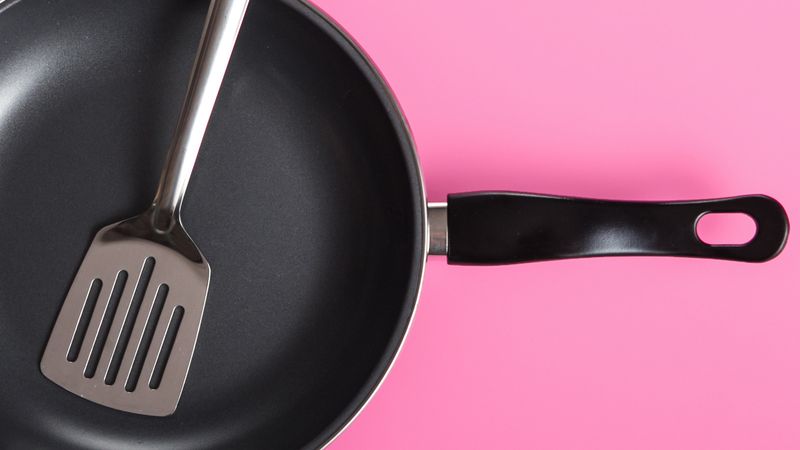
The sound of metal scraping against non-stick coating makes cookware enthusiasts weep. Those scratches aren’t just cosmetic – they release the coating into your food and destroy the pan’s non-stick properties.
Yet in the heat of cooking, we grab whatever utensil is closest, metal spatula be damned!
14. Flipping Food Too Often
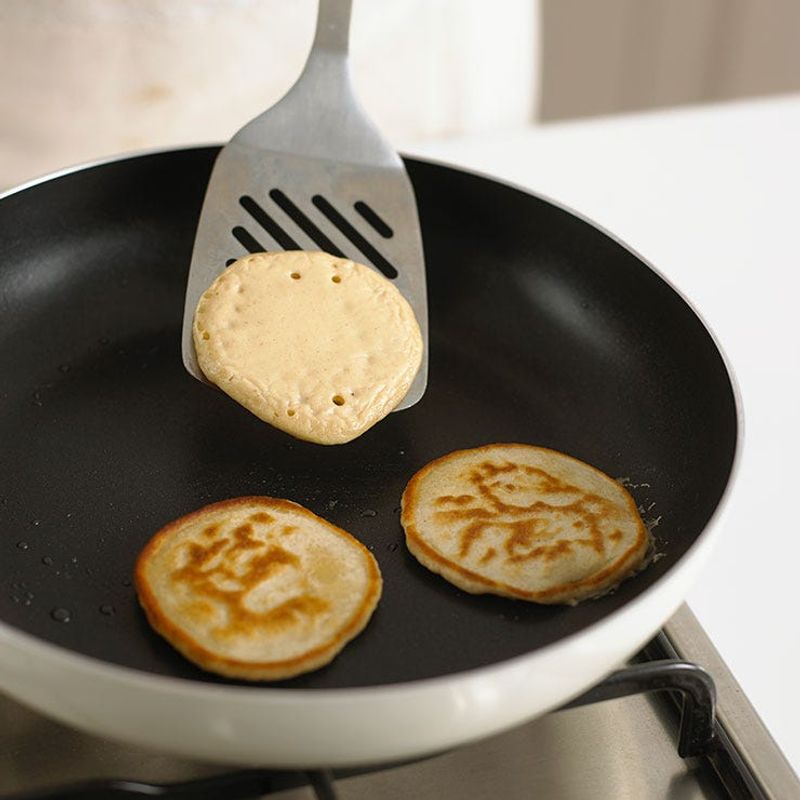
Constantly flipping burgers, steaks, or pancakes prevents that beautiful caramelized crust from forming. Food needs time to develop flavor through the Maillard reaction.
But standing there watching food cook triggers an almost irresistible urge to flip, poke, and prod. Patience remains the rarest ingredient in home kitchens!
15. Adding Garlic Too Early

Garlic burns in about 30 seconds when added to hot oil, turning bitter and losing its aromatic magic. It should be one of the last aromatics to join the pan party.
Yet recipe after recipe lists it first with onions, and we follow along. Then we wonder why our garlic tastes acrid instead of heavenly.
16. Not Preheating The Pan
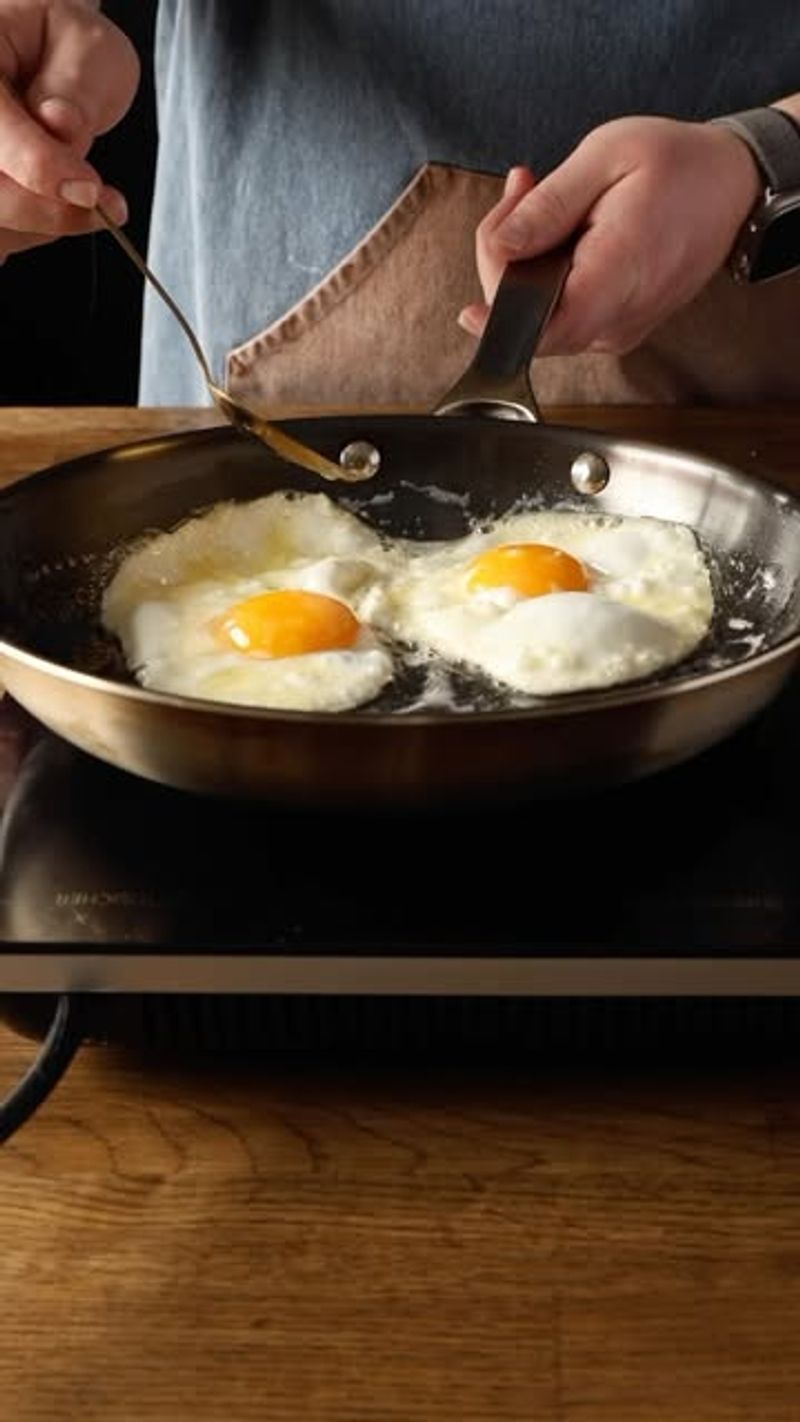
Cold pans are the enemy of proper searing and caramelization. Food sticks, moisture gets trapped, and textures turn soggy instead of crispy when you start with a cold surface.
The extra two minutes for proper preheating feels like an eternity when hunger strikes. Patience? What patience?
17. Storing Bread In The Refrigerator
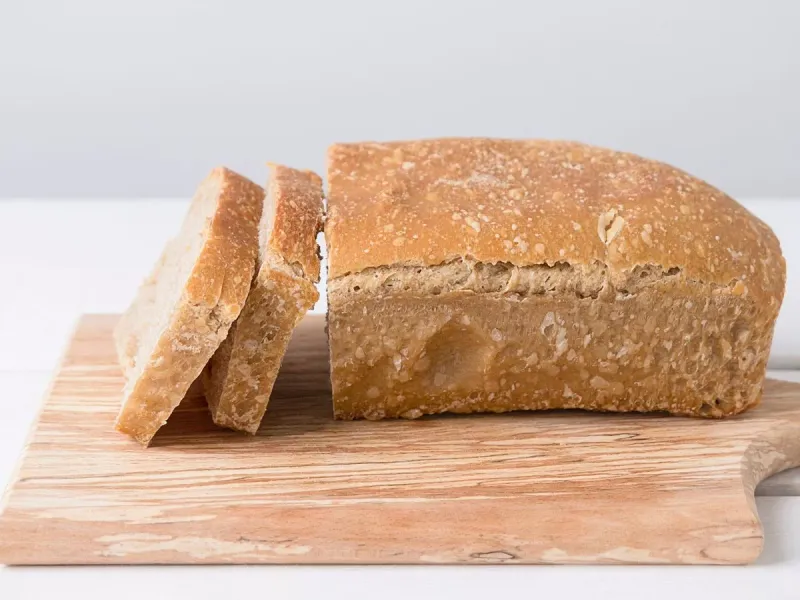
Refrigerators actually speed up bread’s staling process through a phenomenon called retrogradation. The cold temperatures reorganize starch molecules, making bread go stale faster than at room temperature.
Still, we keep putting our loaves in the fridge, convinced we’re extending their life when we’re actually doing the opposite!
18. Rinsing Pasta After Cooking
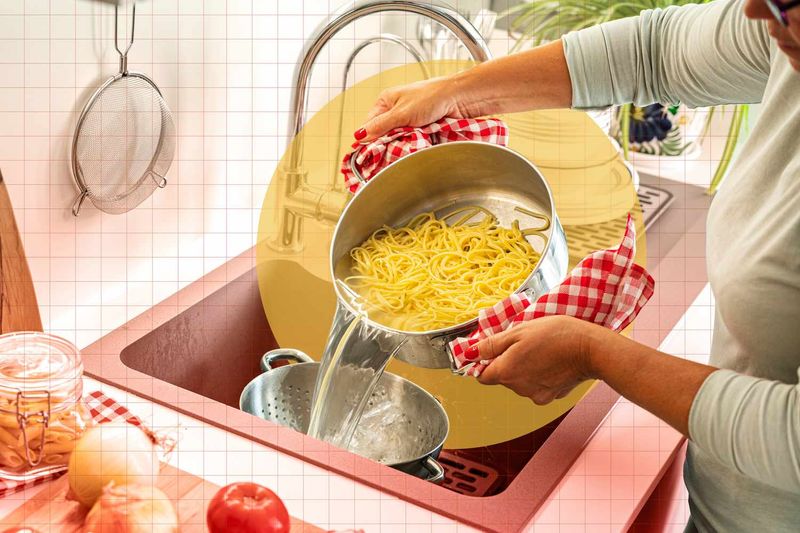
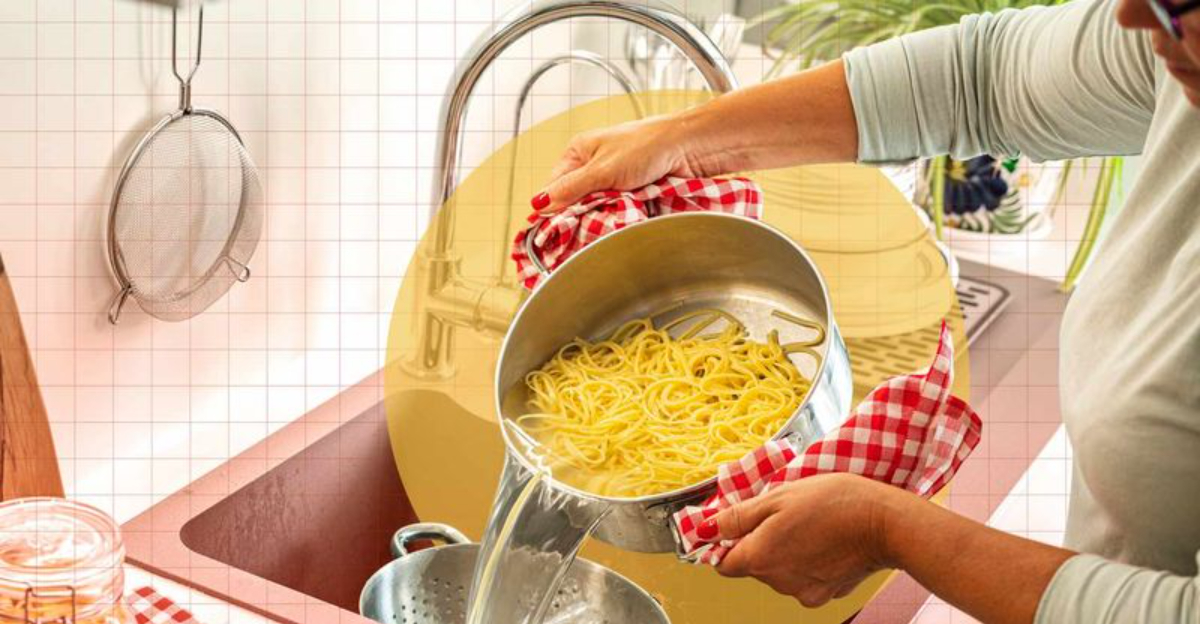
Rinsing pasta washes away the surface starch that helps sauce cling to your noodles. That’s why restaurant pasta seems magically coated while home versions often have sauce sliding off.
But the fear of sticky pasta drives us to the colander for a quick rinse, sacrificing flavor for texture. Italian grandmothers everywhere are quietly judging.