
15 Reasons Why Some Doctors Are Rethinking Plant-Based Diet

Plant-based diets have become a symbol of wellness, kindness, and clean eating. From Instagram bowls to celebrity endorsements, the message has been clear: plants are powerful. But now, some doctors are stepping back and asking new questions.
As more people commit to plant-only plates, a few red flags are starting to appear.
This list explores the key reasons why some doctors are rethinking the plant-based trend, and what they’re noticing in real-life patients.
1. Concerns Over Vitamin B12 Deficiency

B12 plays a major role in nerve health, energy production, and blood formation, but it’s almost entirely absent from unfortified plant foods. Many vegans don’t realize how easily levels can drop without regular supplementation.
Some doctors have reported an uptick in patients with fatigue, memory issues, or tingling hands—symptoms often linked to low B12. Because the effects can take months to show, they often go unnoticed until damage begins.
2. Not Enough Complete Proteins In Some Diets
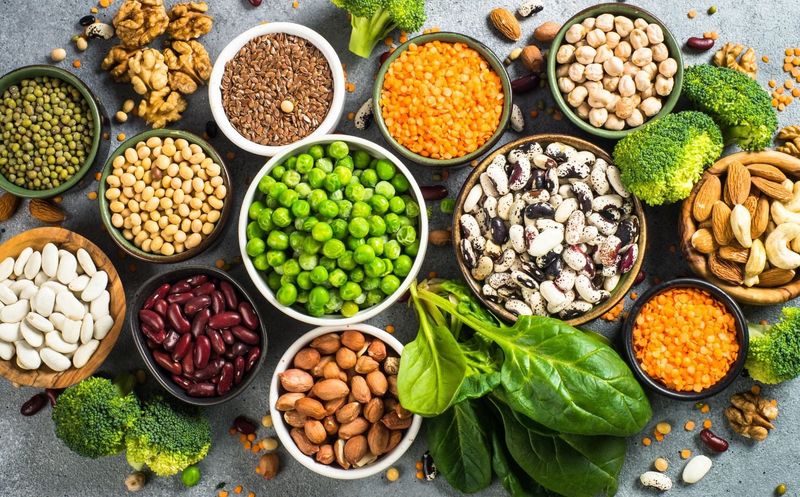
Unlike animal products, most plant proteins lack one or more essential amino acids needed for tissue repair and enzyme function. While it’s possible to combine foods like rice and beans for full coverage, it takes intention.
Some patients, especially those new to the lifestyle, fall short without realizing it. This has led some doctors to call for clearer education on balancing plant protein sources beyond “just eat more legumes.”
3. Difficulty Getting Enough Iron From Plants
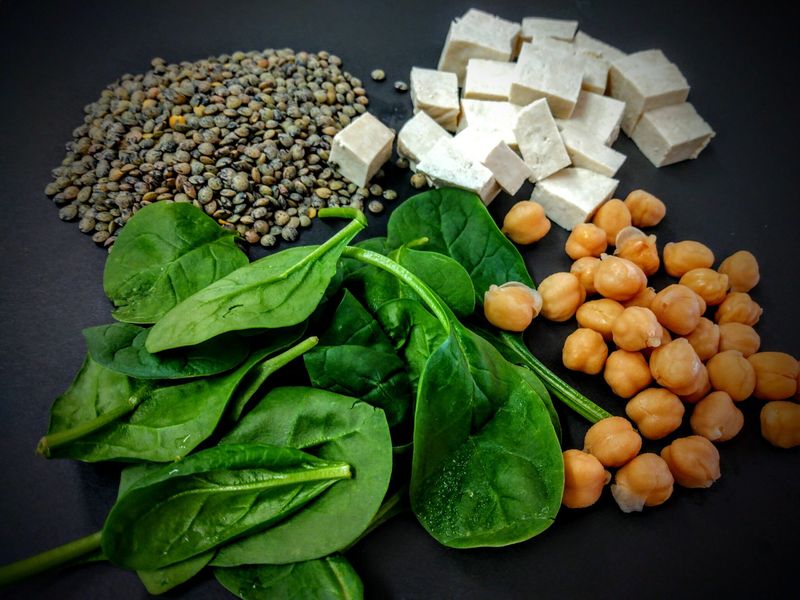
Non-heme iron in vegetables is much harder for the body to absorb than the heme iron in meat. Even spinach lovers can find themselves low.
Low iron can cause fatigue, frequent illness, and even hair loss. Doctors are beginning to test more plant-based patients for anemia, especially women of reproductive age and children.
4. High Carb Intake In Processed Vegan Foods
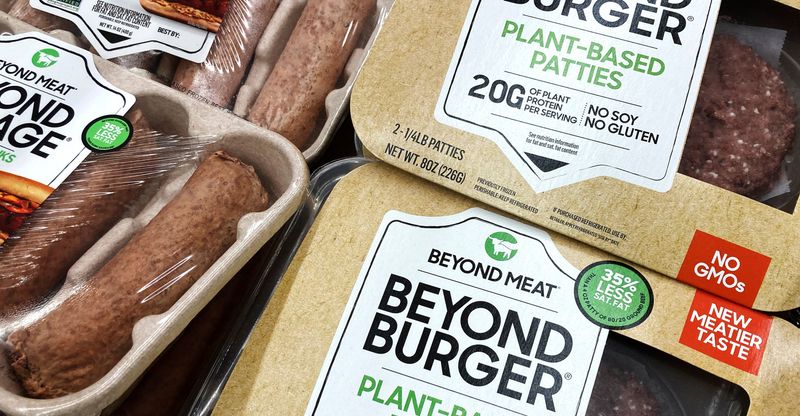
Many plant-based frozen meals and faux meats are loaded with starches, oils, and fillers to mimic meat’s taste and texture. These drive up refined carbs.
Doctors say patients are often confused when weight gain or insulin resistance appears after “eating vegan.” Whole plants differ greatly from plant-based products in a box.
5. Omega-3 Fatty Acids Are Often Lacking
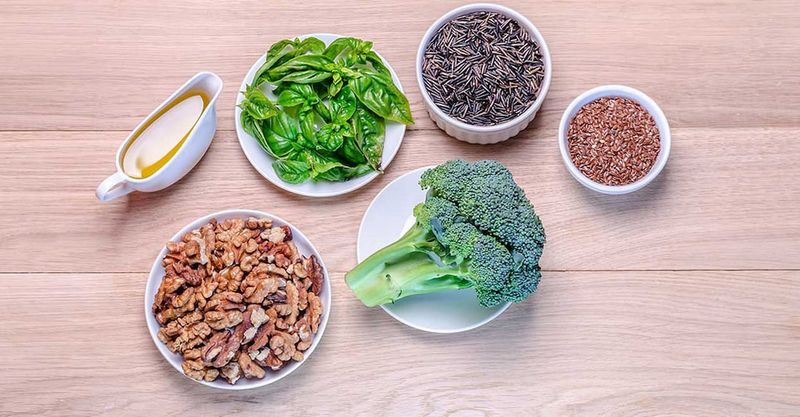
ALA, found in flax and chia, must convert to DHA and EPA—critical omega-3s mostly found in fish. That conversion is often inefficient.
Some studies link DHA deficiency to mood issues, memory loss, and inflammation. Doctors are starting to recommend algae-based supplements or dietary adjustments for balance.
6. Some Plant-Based Diets Are Low In Calcium
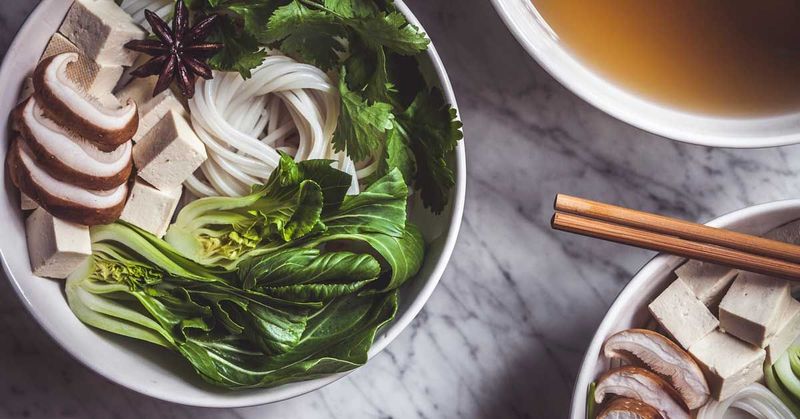
Calcium is essential for bones, nerves, and muscles. While found in greens and fortified foods, bioavailability and consistency are real challenges.
Doctors worry when younger vegans rely on nut milks or skip calcium-rich veggies altogether. Over time, this could raise osteoporosis risks, even in people who think they’re doing everything right.
7. Overreliance On Fortified And Packaged Products

To fill nutritional gaps, many turn to artificially fortified milks, cereals, and snacks. But relying on added nutrients may miss the point of “whole foods.”
Doctors point out that a truly balanced diet shouldn’t need so many labels to work. The concern is that long-term dependence on lab-enhanced food could mask underlying issues.
8. Digestive Issues Linked To High Fiber

Switching to legumes, grains, and vegetables can dramatically boost fiber intake—sometimes too much, too fast. That can cause bloating or discomfort.
Doctors have seen patients abandon plant-based eating due to GI distress. The key is gradual transitions and learning which fibers the body tolerates best.
9. Growing Rates Of Nutritional Deficiencies In Vegans
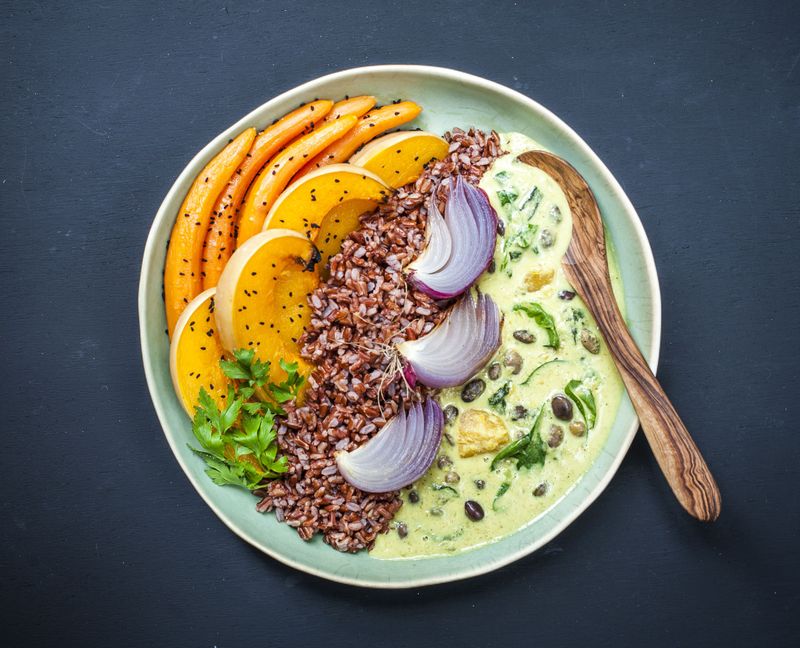
Blood tests reveal that some long-term plant-based eaters fall short on multiple nutrients—especially iron, B12, iodine, and vitamin D. These aren’t always felt right away.
Doctors believe more frequent screenings should be standard. Silent deficiencies can harm the body slowly, even in those who feel healthy day-to-day.
10. Lack Of Long-Term Data For Certain Diet Patterns
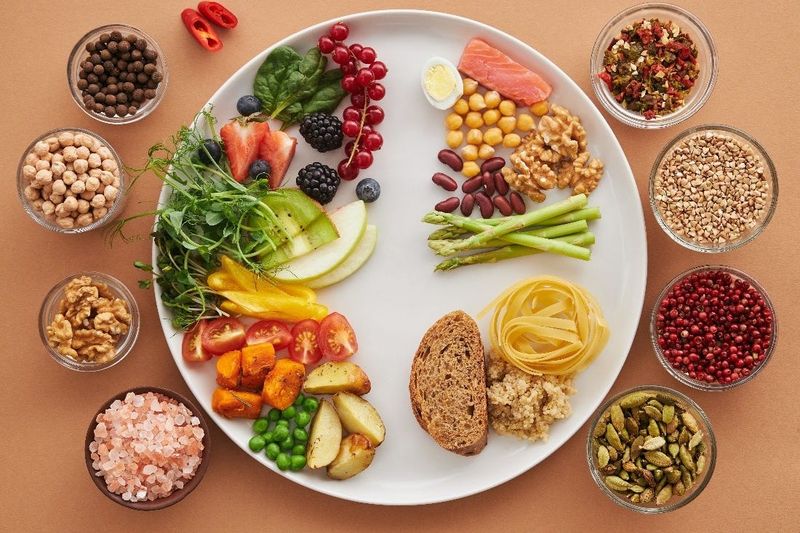
While short-term benefits like weight loss and lower cholesterol are well-documented, long-term health outcomes are less clear in large, diverse populations.
Doctors are cautious about making sweeping claims. More research is needed to understand how lifelong plant-based eating affects bone health, fertility, and cognitive function.
11. Worries About Children On Strict Vegan Diets

Kids need concentrated calories and nutrients to grow—especially fat, calcium, iron, and protein. Plant-based diets must be very carefully planned.
Some pediatricians report slow growth or delayed development in kids raised without any animal products. They now recommend nutritional counseling for families making the switch.
12. Confusion Between Whole-Food And Junk-Food Veganism
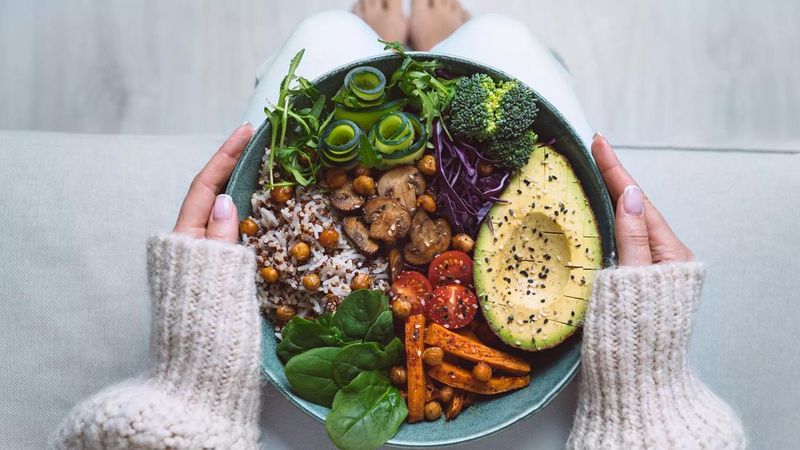
Vegan doesn’t always mean healthy. Chips, soda, fries, and sugary cereals are technically plant-based, but offer little nutrition.
Doctors say the label “vegan” can falsely reassure people into eating poorly. The quality of ingredients—and not just the absence of meat—is what counts.
13. Inadequate Iodine And Zinc In Some Meal Plans
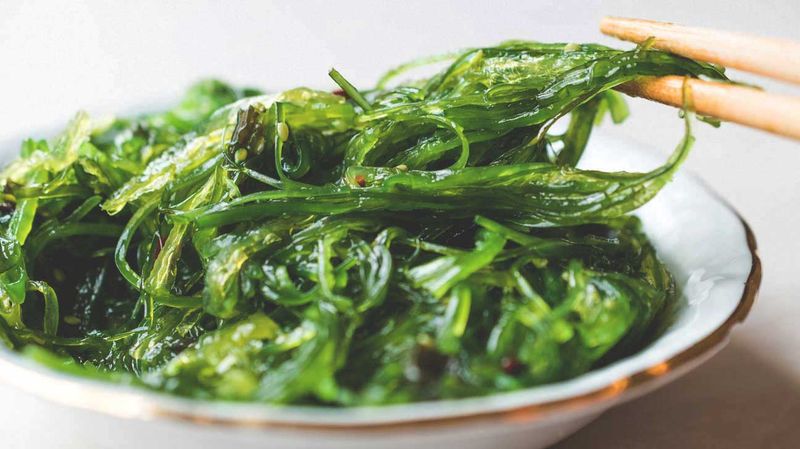
Sea vegetables and iodized salt provide iodine, while zinc is found in nuts and seeds—but these aren’t always part of everyday meals.
Over time, low iodine can affect thyroid health, and zinc shortfalls may weaken immunity. Doctors say these nutrients often go untracked in plant-heavy plans.
14. Blood Sugar Spikes From Refined Plant-Based Meals
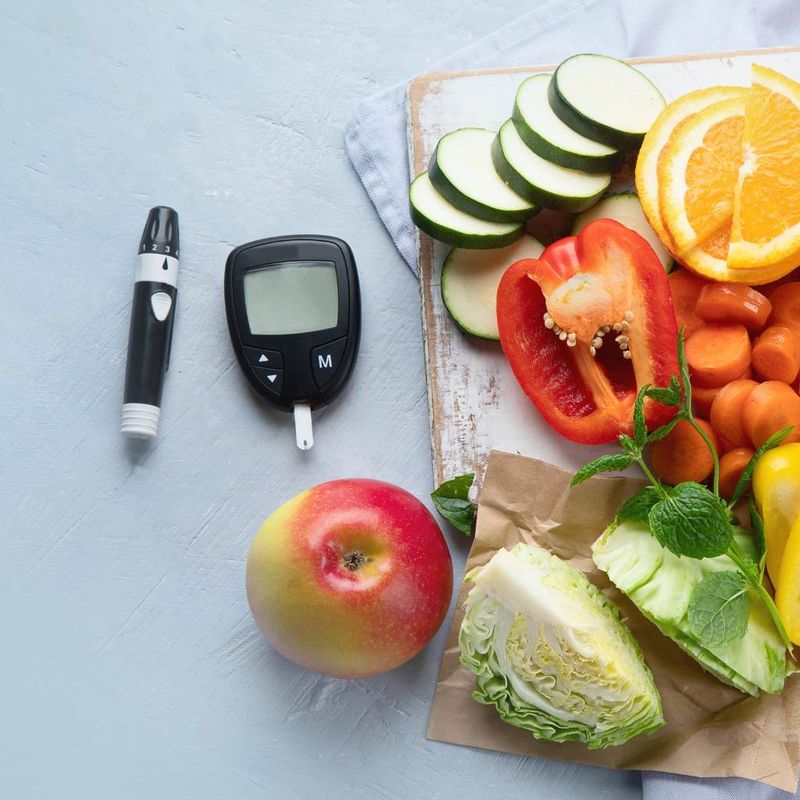
Foods like white rice, pasta, and breads—even when vegan—can spike glucose if not paired with fats and proteins. That’s a concern for metabolic health.
Doctors treating prediabetes or PCOS patients have noticed setbacks when meals are too carb-heavy, even if plant-based. Balance remains key.
15. Patients Struggle With Adherence And Sustainability

Strict rules can lead to frustration or guilt when cravings or social settings make full adherence difficult. This often results in abandonment of the diet.
Doctors suggest that a flexible, whole-foods-based approach may work better for long-term success. Eating mostly plants without rigid labels can sometimes be the healthiest option.