20 Mushrooms And How To Use Them In Recipes
Mushrooms are nature’s versatile gems, each offering a unique taste and texture to our culinary adventures. With a variety of types to choose from, there’s a mushroom for every dish you can imagine.
Whether you’re crafting a savory soup, a creamy pasta, or a hearty main course, these fungi can elevate your cooking to new heights.
This list introduces you to 20 types of mushrooms and how they can transform your everyday recipes into something extraordinary.
1. White Button
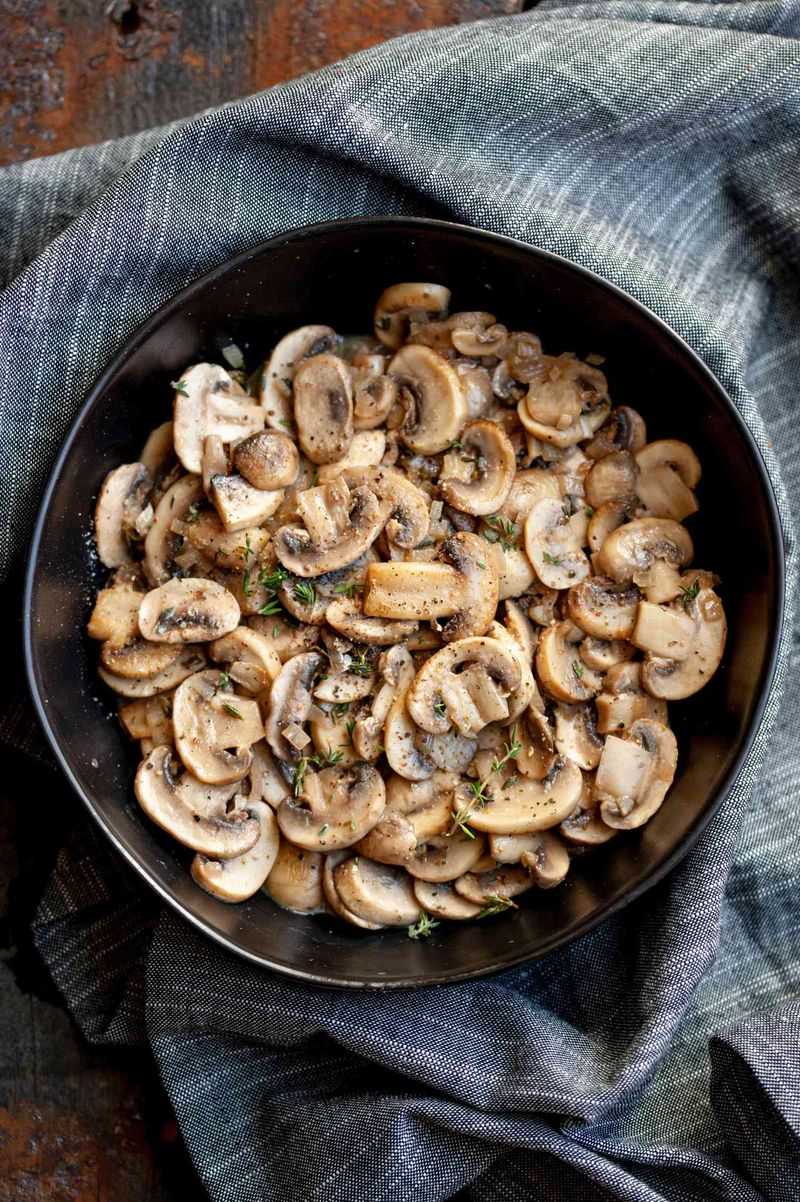
Soft and pale with a subtle earthiness, these common mushrooms are incredibly versatile. Their mild flavor makes them perfect for soaking up whatever seasoning or sauce they’re cooked with. Whether raw in a salad or browned in butter, they play well with almost any ingredient.
Sliced and tossed into stir-fries or folded into fluffy omelets, they shine in everyday meals. They also roast well and caramelize when given enough heat, becoming unexpectedly rich.
2. Cremini
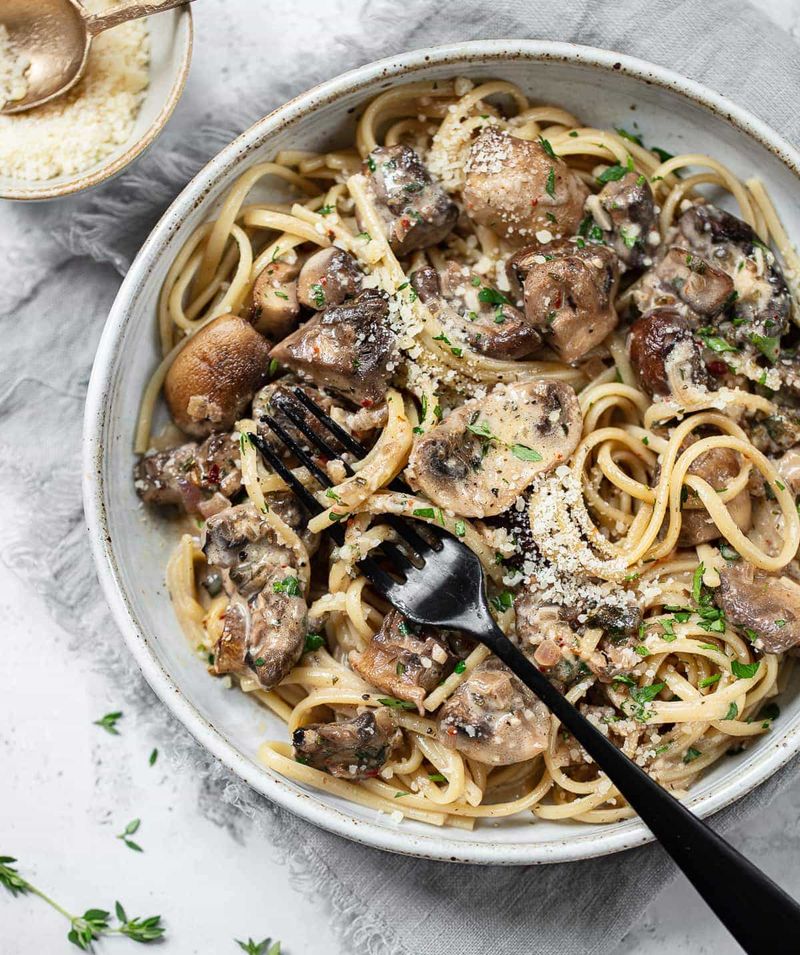
Brown-capped and slightly firmer than white buttons, cremini mushrooms offer deeper flavor with just a hint of nuttiness. They’re the middle child between button and portobello, balancing tenderness and heartiness. When cooked low and slow, they bring warmth and depth to dishes.
Ideal for risottos and red sauces, they also add body to mushroom ragùs and casseroles. Their earthy aroma pairs beautifully with thyme, red wine, and sharp cheese.
3. Portobello
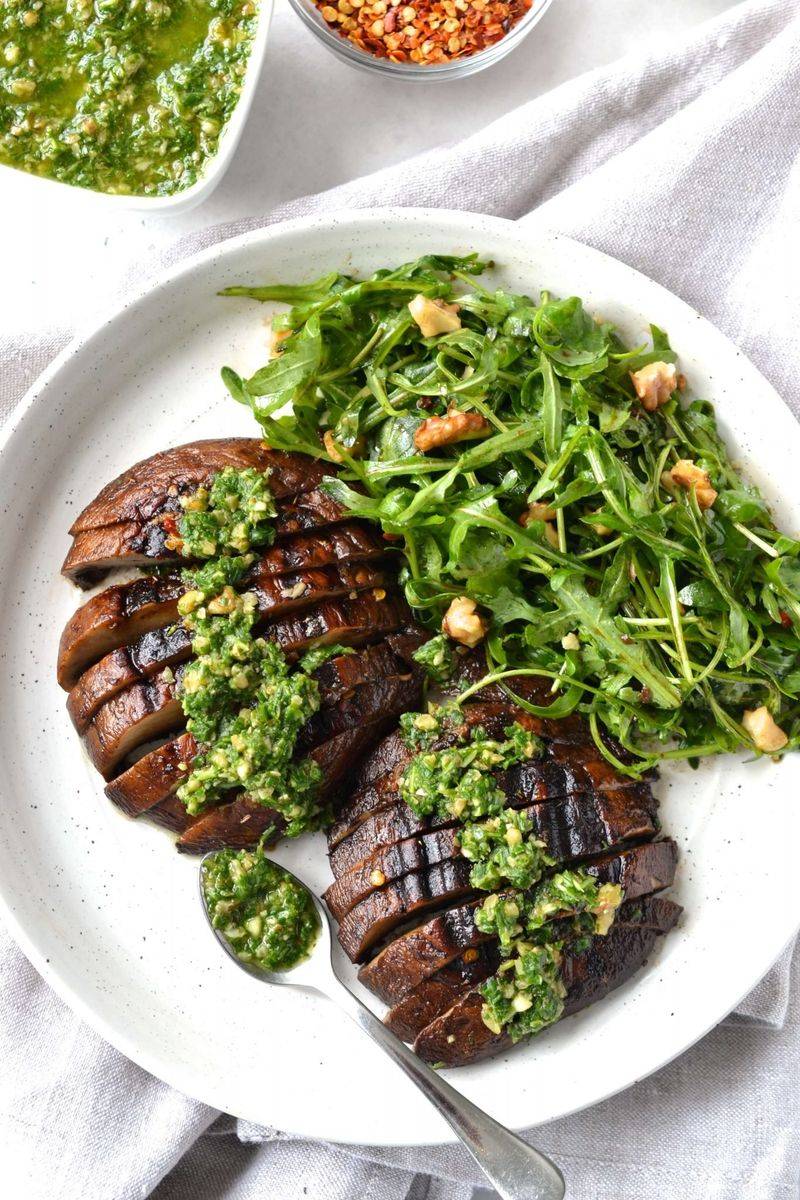
Large, open-capped, and deeply savory, portobellos are prized for their dense, steak-like texture. The gills soak up marinades, and the cap grills without falling apart. As they cook, their meaty flavor intensifies, making them a vegetarian favorite.
Perfect for stuffing with grains and herbs or pressing into a burger bun, they can also be chopped for a hearty stew base. Brush with balsamic and olive oil for an unforgettable grill-out.
4. Shiitake
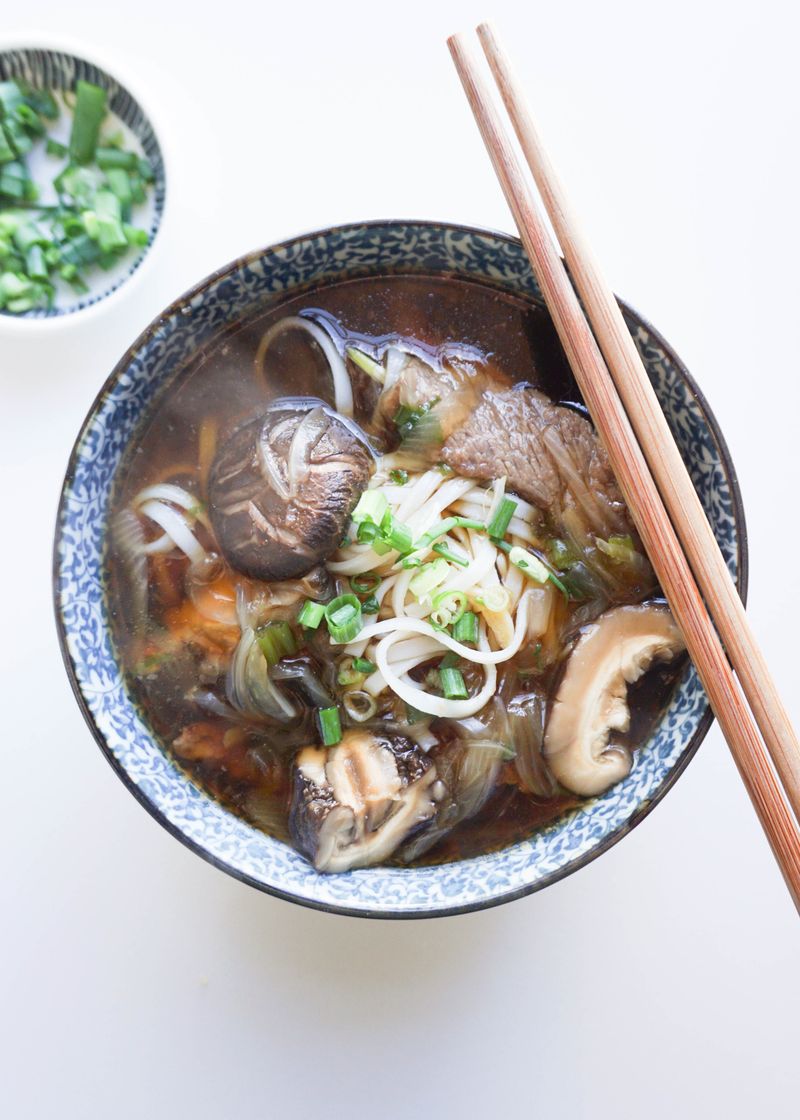
With wide, flat caps and dark edges, shiitake mushrooms bring a smoky, umami-rich depth. Their chewy texture adds character to any dish. Dried or fresh, their aroma is bold and unmistakable, especially once cooked in hot broth.
Used in ramen, hot pot, or dumpling fillings, they’re a cornerstone of Japanese and Chinese cuisine. Sauté with garlic and soy to bring out their complex, layered flavor.
5. Oyster
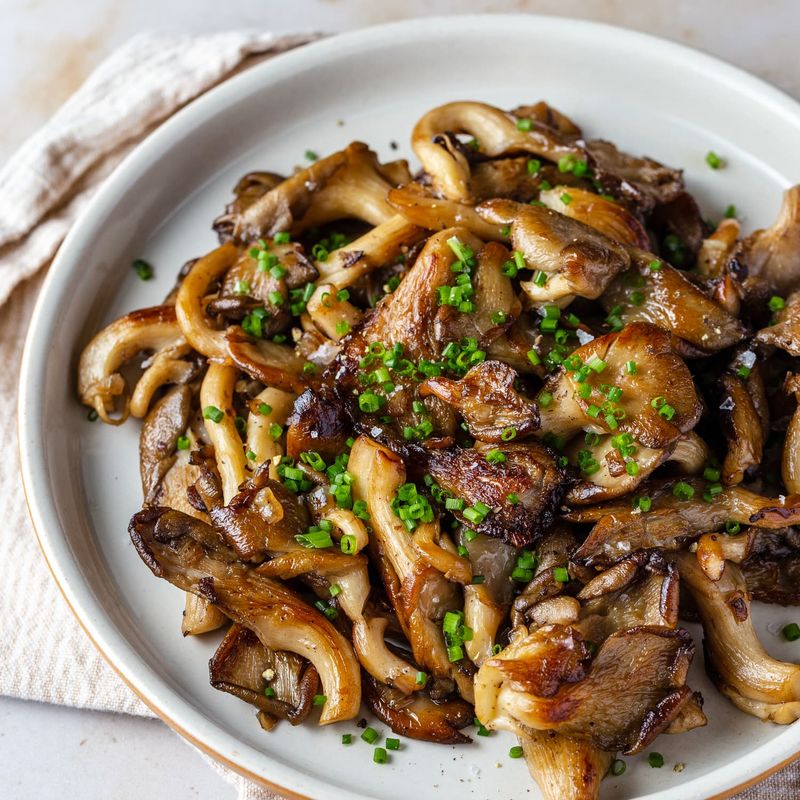
Delicate and lightly frilled, oyster mushrooms come in soft gray, pink, or yellow shades. Their airy texture wilts quickly, releasing a briny, faintly sweet scent. When cooked until golden, they crisp around the edges like paper-thin chips.
Great in quick stir-fries or laid gently over soba noodles, they absorb sauces like a sponge. Pan-fried with ginger and scallions, they become silky and comforting.
6. King Oyster
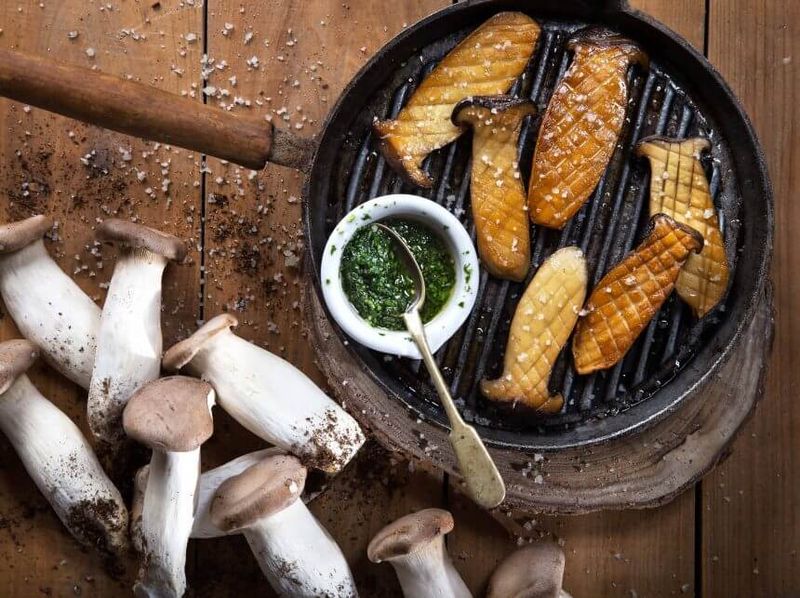
Massive stalks and tiny caps define this unique mushroom. Its texture is closer to abalone or scallops than most fungi, making it perfect for slicing into thick medallions. When seared, it forms a golden crust while staying juicy inside.
Ideal for vegan steaks or skewers, it thrives under a glaze of soy, miso, or garlic butter. You can even shred the stems for pulled “pork” style sandwiches.
7. Maitake (Hen Of The Woods)
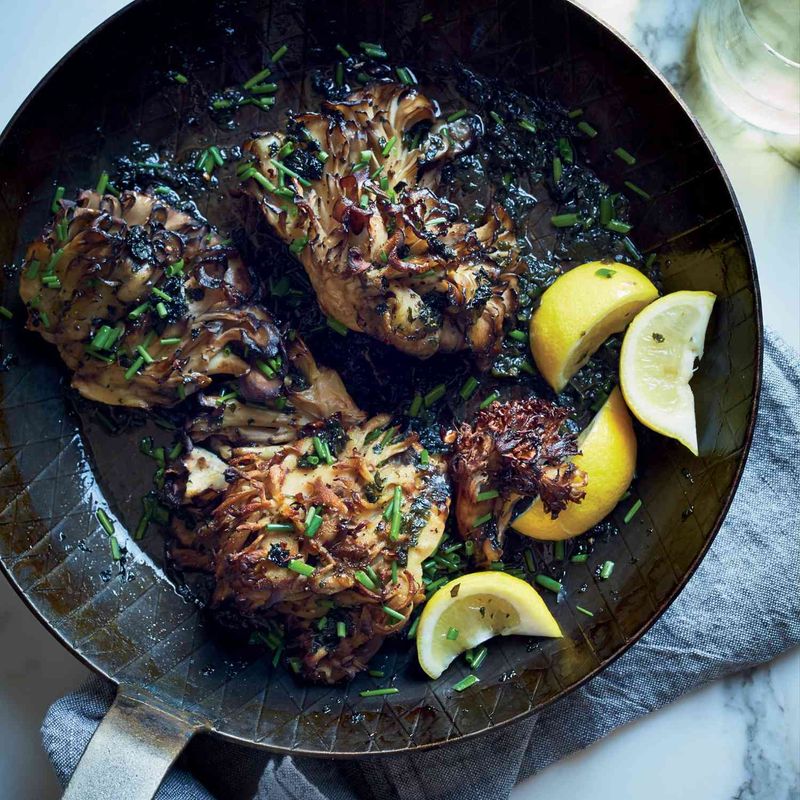
This wild-looking cluster of feathery petals delivers serious flavor. Rich, nutty, and almost peppery, maitake mushrooms crisp up like no other. Roasting them unleashes their savory power, especially when basted with olive oil.
They’re delicious on toast, folded into scrambled eggs, or used to top grain bowls. They also shine as a crispy salad topping or side dish with roasted squash.
8. Enoki
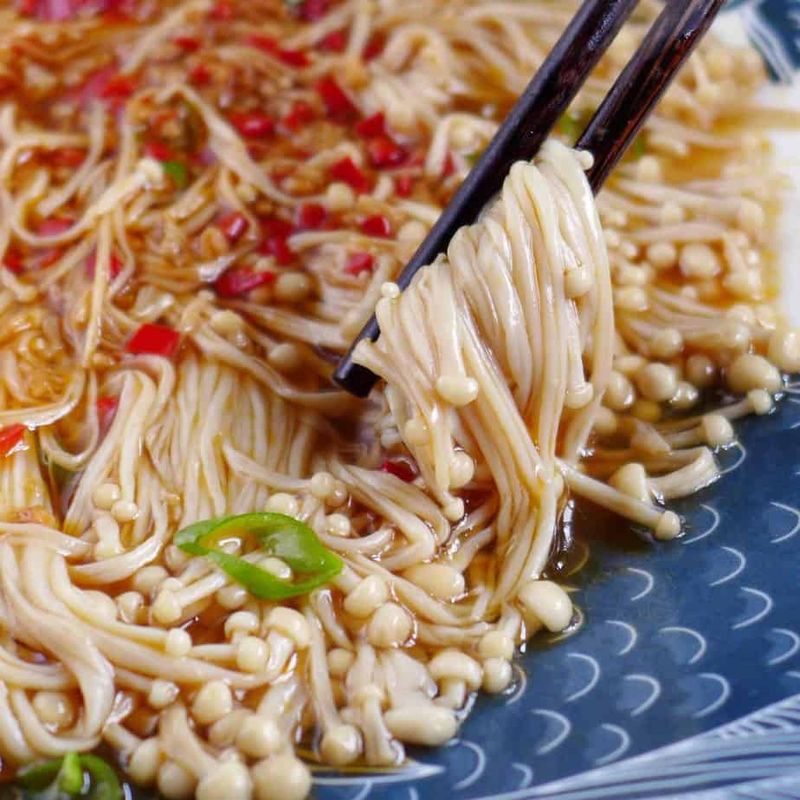
Thin and thread-like, enoki mushrooms grow in snowy-white bunches. Their crunch and mild flavor make them perfect raw or lightly cooked. When added to broth, they soften slightly while keeping a little snap.
Best in miso soup, shabu-shabu, or tossed over cold noodles, they pair beautifully with sesame oil, soy sauce, and a splash of rice vinegar. Just trim the base and separate the strands for quick use.
9. Morel
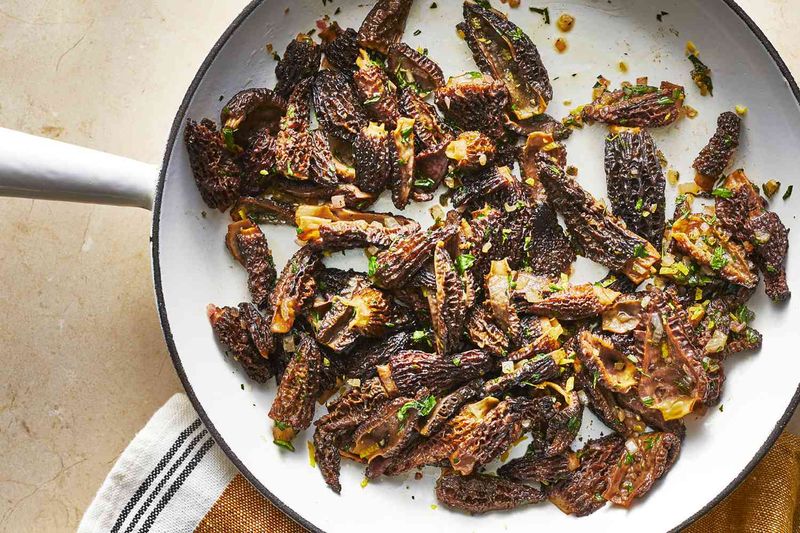
These wild, spongy mushrooms have a deep, nutty flavor and a short harvest window. Their honeycomb texture holds onto butter and sauce like a dream. Cooking them gently brings out a rich, almost meaty quality.
Sauté in butter, finish with cream, and spoon over steak or toast. They’re also excellent in white wine sauces or nestled into spring vegetable pastas.
10. Chanterelle
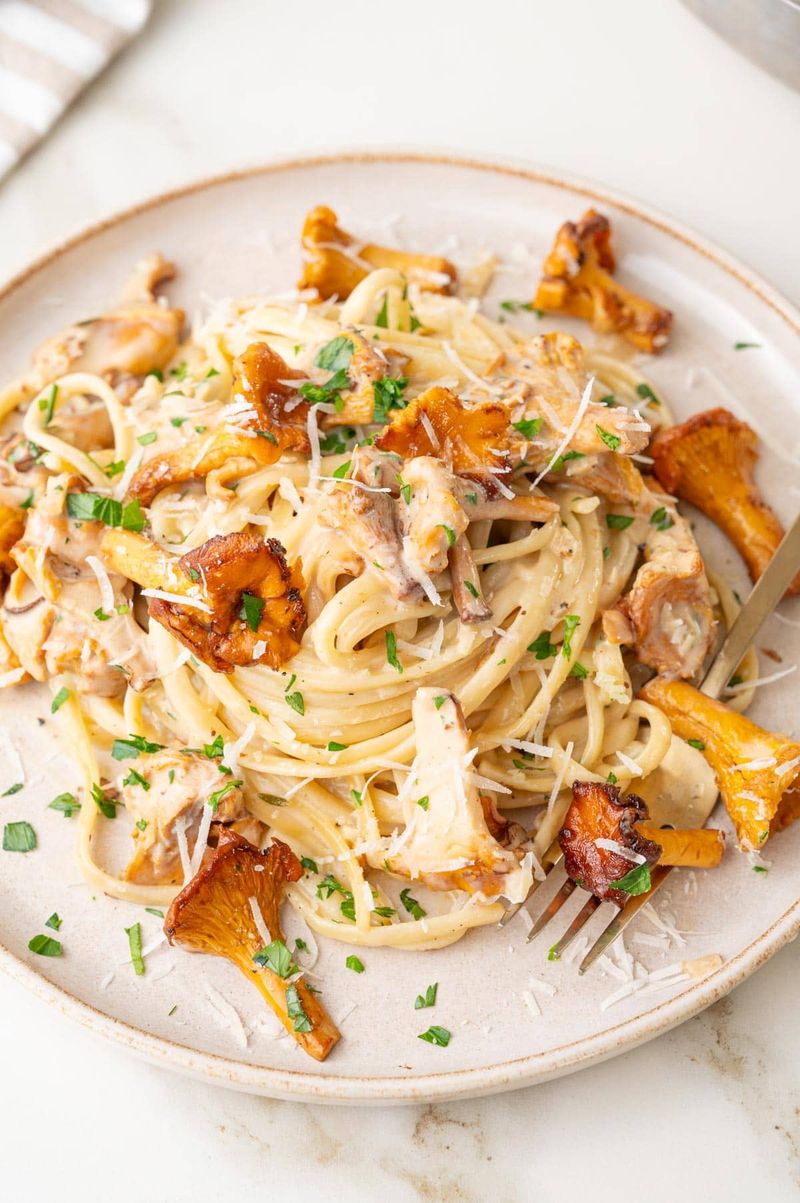
Golden and fragrant, chanterelles smell faintly of apricots and taste slightly peppery. Their trumpet shape looks delicate but holds up well to sautéing. Their rich texture brings luxury to simple meals.
Toss with butter and shallots, then swirl into soft scrambled eggs or fresh pasta. They also shine when paired with roasted chicken or creamy polenta.
11. Porcini
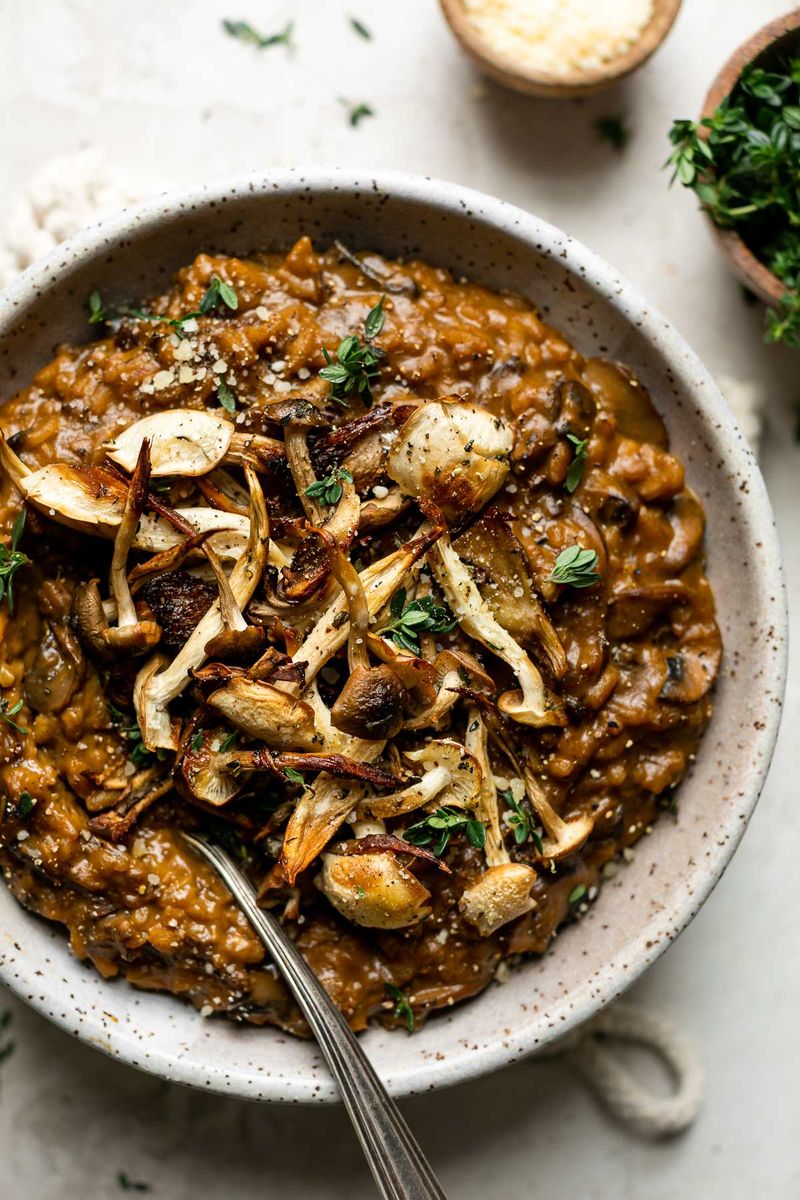
Robust and woodsy, porcini mushrooms are beloved in Italian cooking. Often sold dried, they bring a powerful aroma and depth to broths and stews. Rehydrating them releases their earthy magic.
Use the soaking liquid in risotto or fold the sliced caps into pasta. Shaved raw, they add a nutty burst to crostini or warm salads.
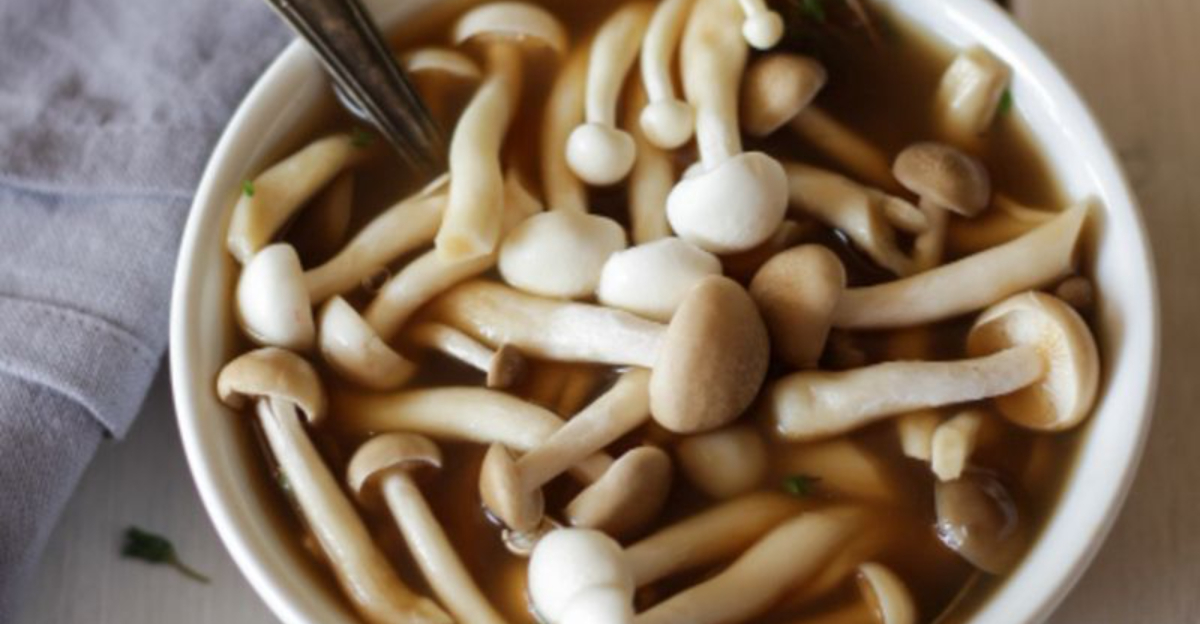
12. Beech
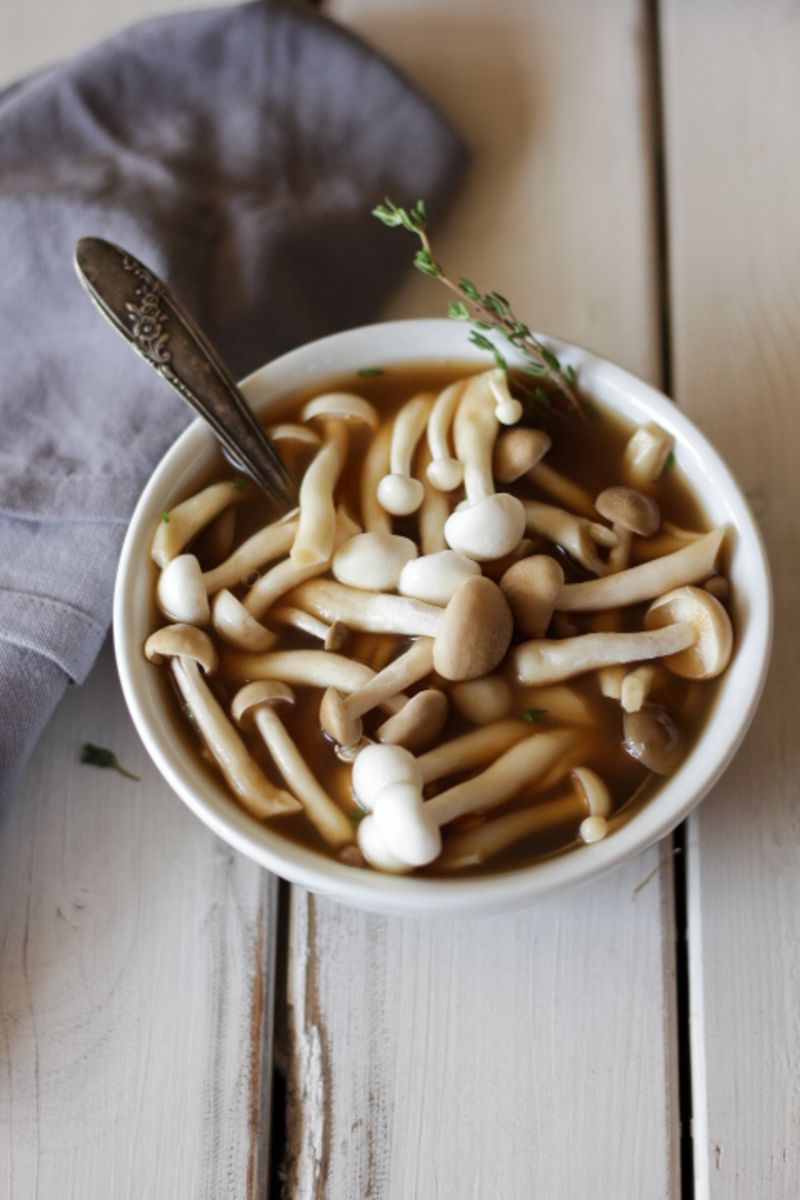
Tiny and tightly bunched, beech mushrooms look like miniature soldiers. Their mild flavor leans slightly nutty, and they stay firm when cooked.
Quick sautéing brings out their sweetness without making them mushy. Use in clear soups, quick rice dishes, or layered onto toast with ricotta and herbs.
13. Wood Ear
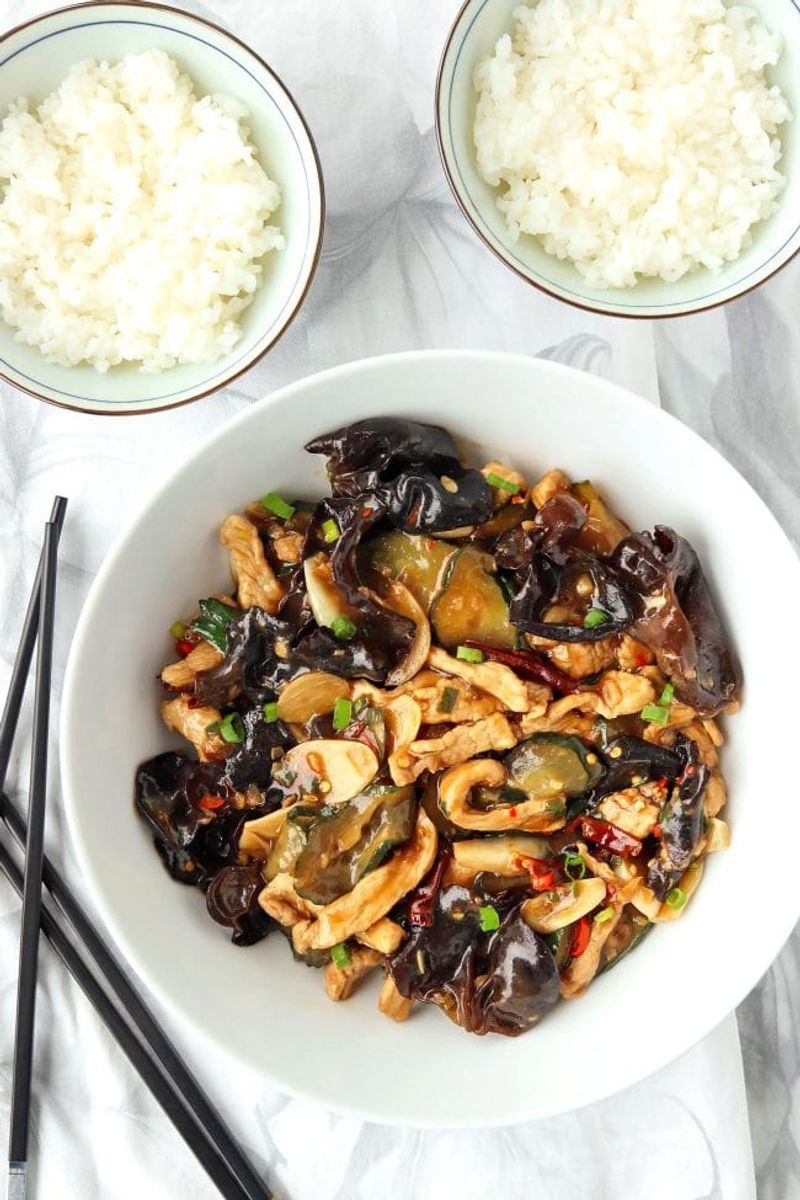
Dark, almost black, and rubbery in texture, wood ear mushrooms are known for their crunch rather than their taste. They’re often used to add contrast.
Rehydrate and toss into stir-fries or noodle bowls. Their bouncy bite stands out in hot and sour soup and cold sesame salads.
14. Lion’s Mane
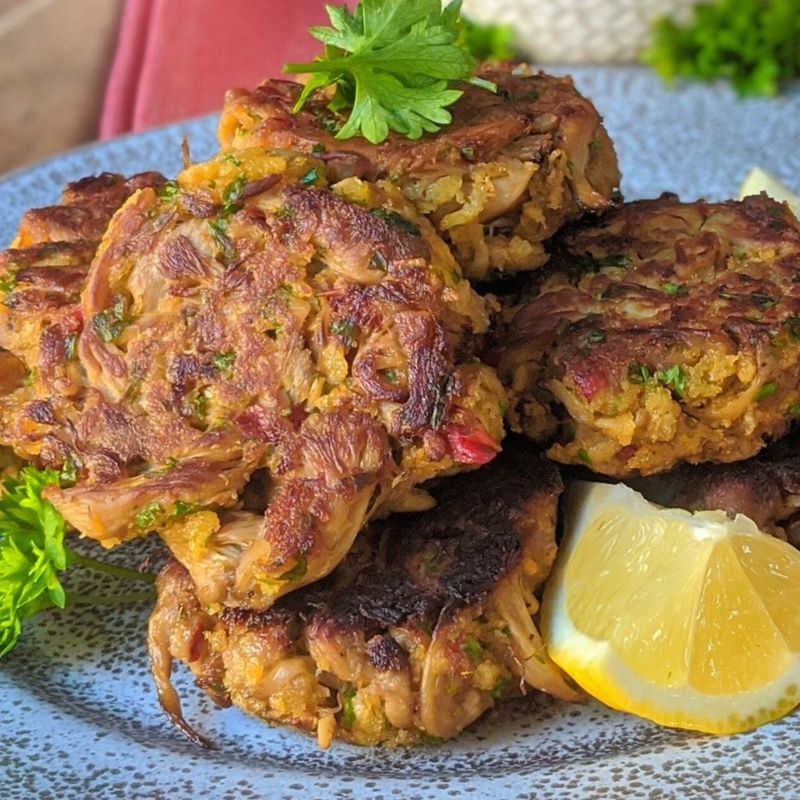
This shaggy, white mushroom pulls apart like crab meat and has a mild, seafood-like flavor. It’s a favorite for plant-based chefs.
Pan-fried until golden, it mimics the texture of shellfish. Try it in vegan crab cakes or layered in a sandwich with citrus aioli.
15. Lobster Mushroom
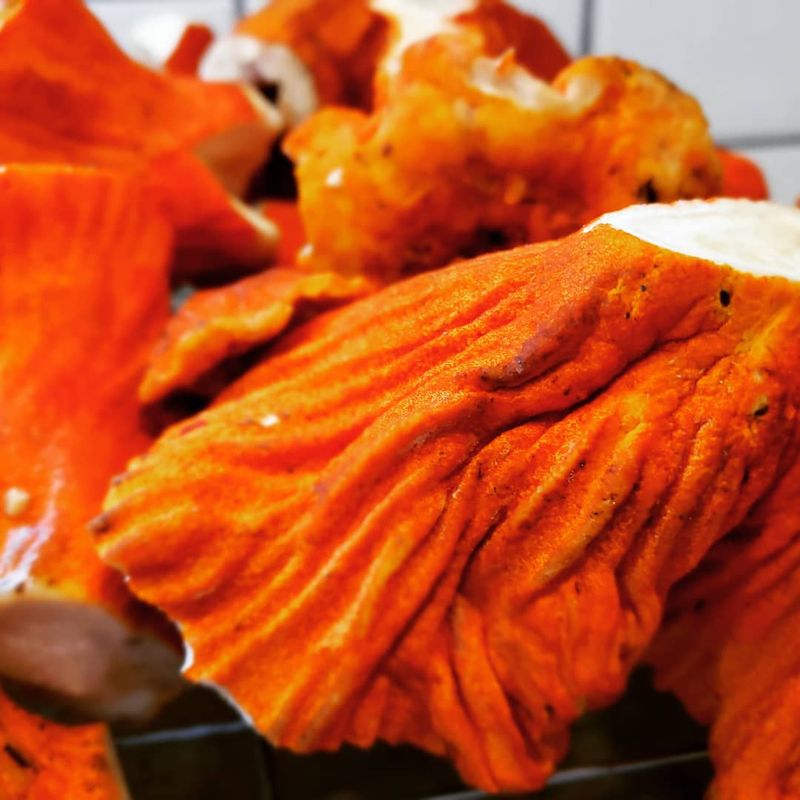
Bright orange and dense, lobster mushrooms are actually a fungus-infected fungus. Their color and aroma resemble shellfish, making them a standout ingredient.
Use in creamy bisques, chowders, or seafood-style pastas. They hold up to bold flavors like smoked paprika, fennel, and lemon.
16. Black Trumpet
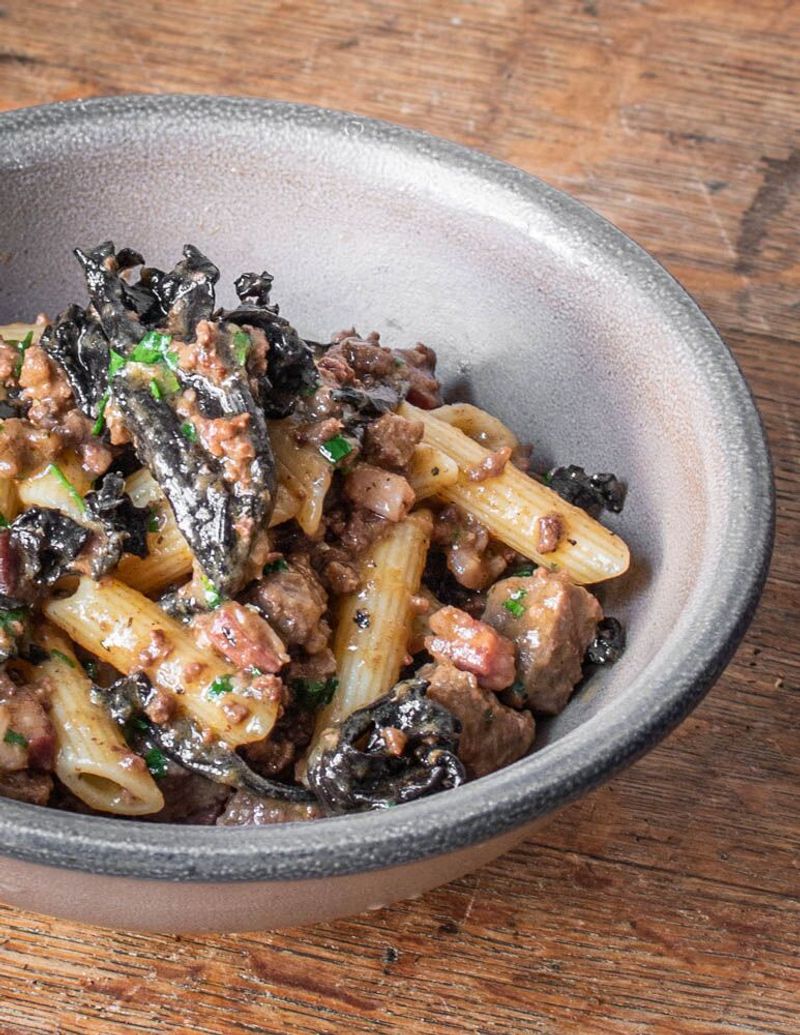
These elegant, funnel-shaped mushrooms are smoky and intense. Their charcoal color adds drama to a dish, especially when paired with fresh herbs.
Toss into risotto, fold into a wild mushroom cream sauce, or pair with venison. Their concentrated taste lingers long after the bite.
17. Cauliflower Mushroom
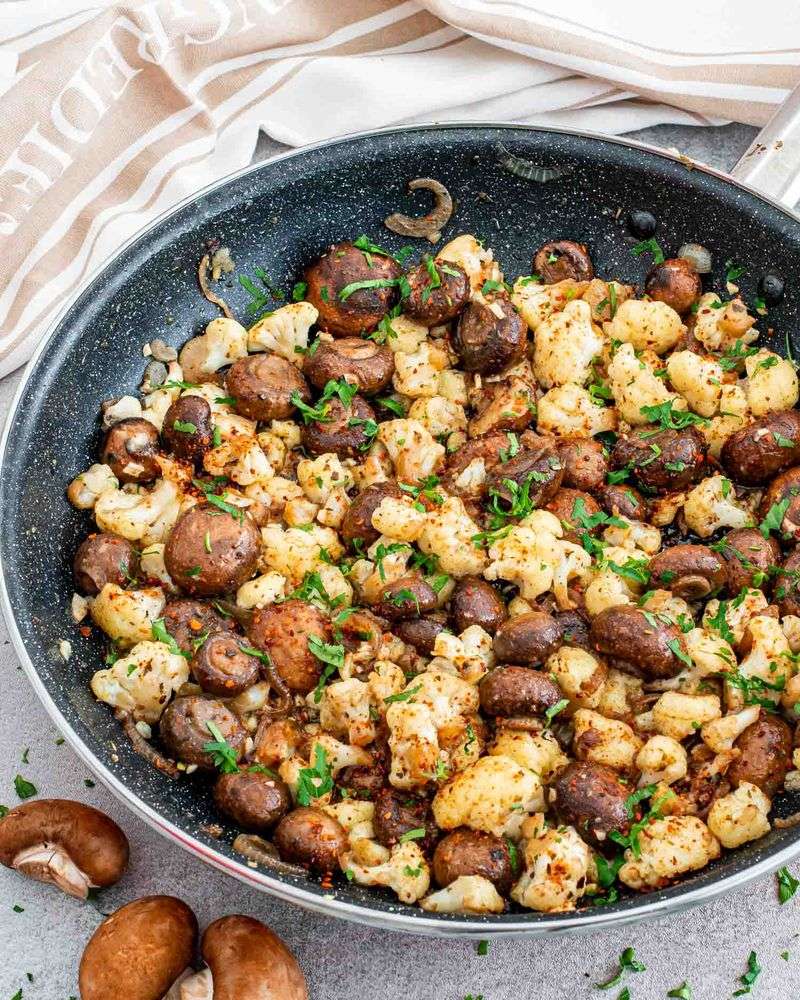
This ruffled, brain-like fungi is firm and spongey, with a mild flavor and great ability to absorb broth. Its unique look is a conversation starter.
Use in casseroles or soups, or slice thick and roast with garlic and thyme. It also works as a meat substitute in hearty bakes.
18. Chicken Of The Woods
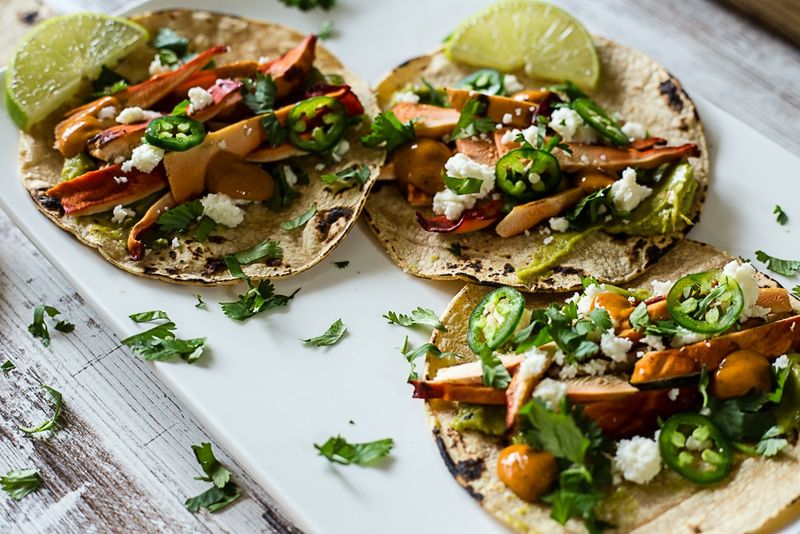
Bold and orange, this shelf-like mushroom tears like cooked poultry. Its dense texture makes it ideal for pan-frying.
Marinate and sear like chicken cutlets, or shred for tacos and sandwiches. It pairs well with smoky spices, mustard, and fresh herbs.
19. Puffball
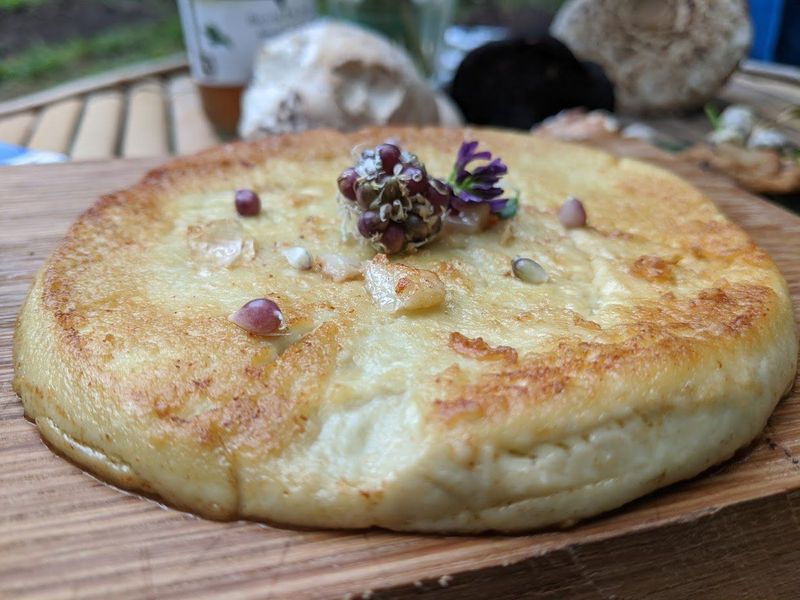
Round and white when young, puffballs have a soft, marshmallow-like interior that slices clean. They’re best eaten fresh before they darken inside.
Fry slices like eggplant, or cube into stews for a mild, bread-like bite. Their neutral flavor plays well with everything from garlic to soy sauce.
20. Nameko
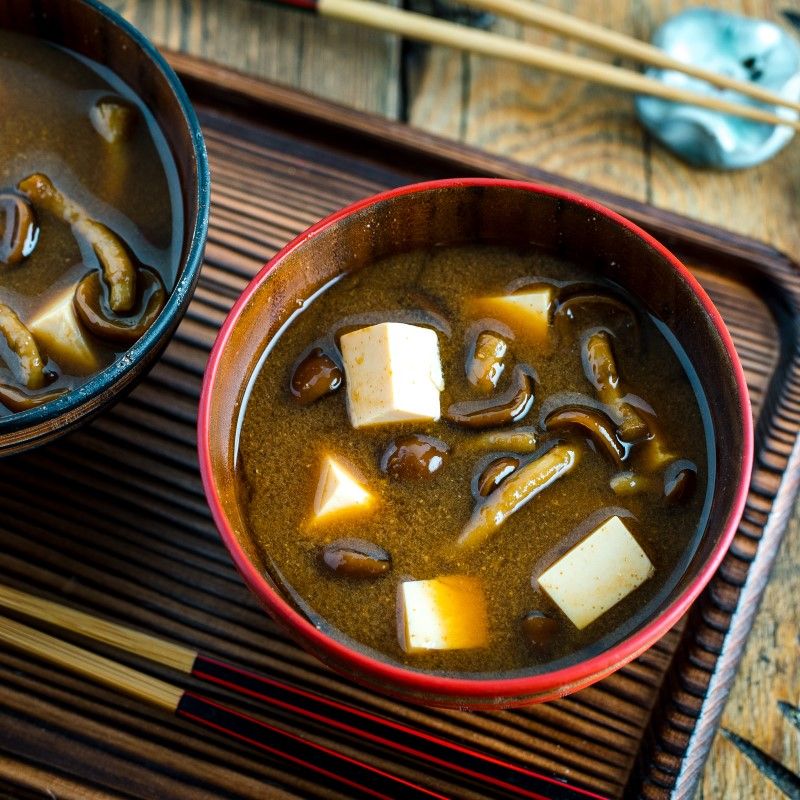
Slippery and amber-colored, nameko mushrooms are popular in Japanese cooking. They release a natural glaze when cooked, adding shine to dishes.
Drop into miso soup, stir into hotpots, or add to simmered dishes with tofu and daikon. Their slightly gelatinous texture makes broths feel richer.