13 Chain Restaurants That Ruled The Food Court (But Vanished From Malls)
Remember when shopping malls were the epicenter of American social life? Those bustling food courts with their neon signs and plastic trays were where friendships were forged over greasy delights and sugar-laden treats.
As mall culture evolves and many iconic shopping centers close their doors, let’s take a nostalgic trip back to the chain restaurants that once dominated every mall’s food court landscape.
1. Orange Julius

Ah, the unmistakable frothy orange concoction that beckoned shoppers with its tangy-sweet perfume! Orange Julius reigned supreme in mall corridors before smoothie shops were even a thing.
Founded in 1926, this drink stand pioneered the “not-quite-juice, not-quite-milkshake” category with its signature blend of orange juice, milk, vanilla, and ice. Though now mostly absorbed by Dairy Queen, the original standalone Orange Julius kiosks with their bright orange and white decor were mall landmarks.
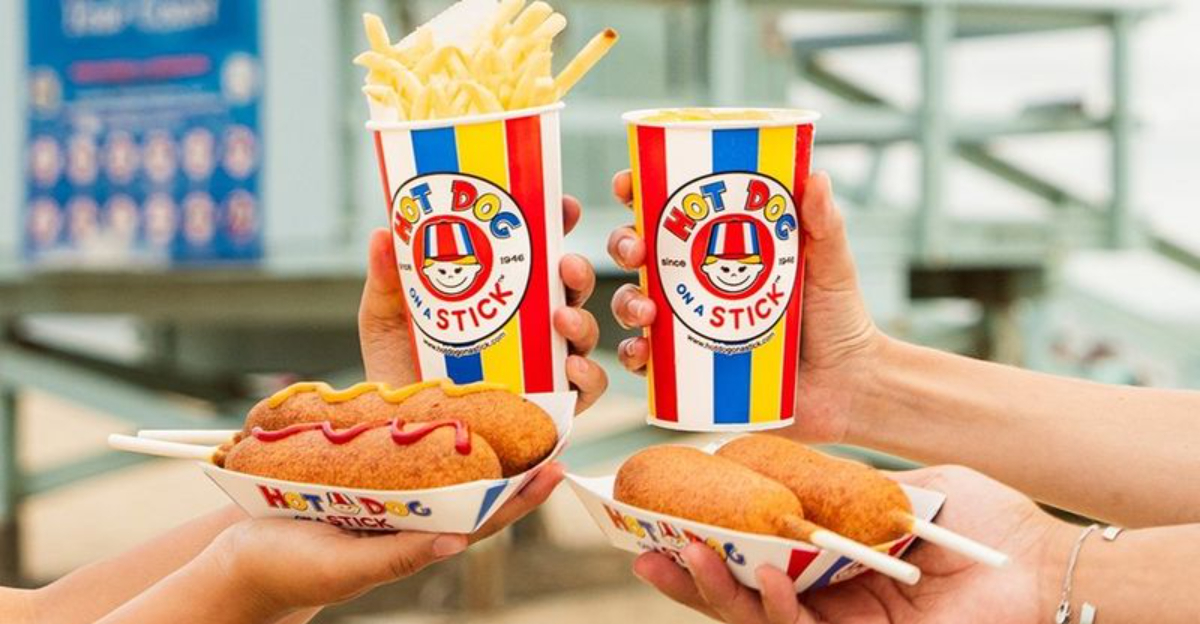
2. Hot Dog On A Stick
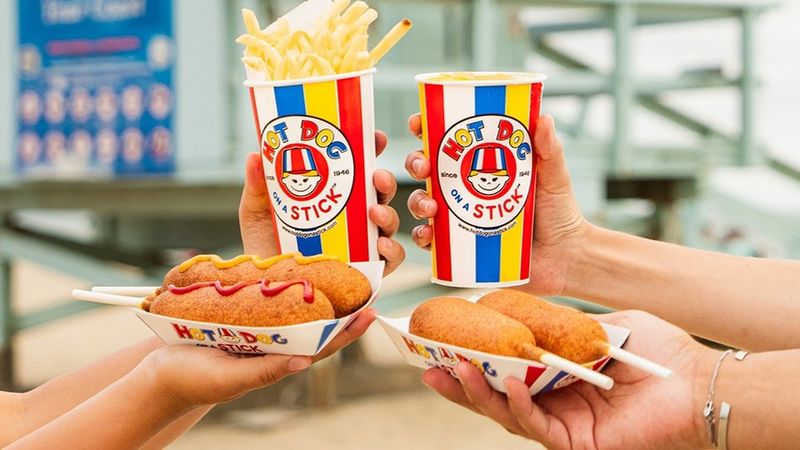
Nothing screamed “mall food” louder than employees in rainbow-striped hats rhythmically dunking corndog batter in giant vats. Hot Dog on a Stick wasn’t just about food—it was performance art!
Founded in 1946 on Santa Monica Beach, this chain brought carnival food indoors with its signature hand-dipped corn dogs and fresh-squeezed lemonade. The combination of salty meat-on-a-stick with sweet, tart lemonade created the perfect shopping fuel.
3. Sbarro
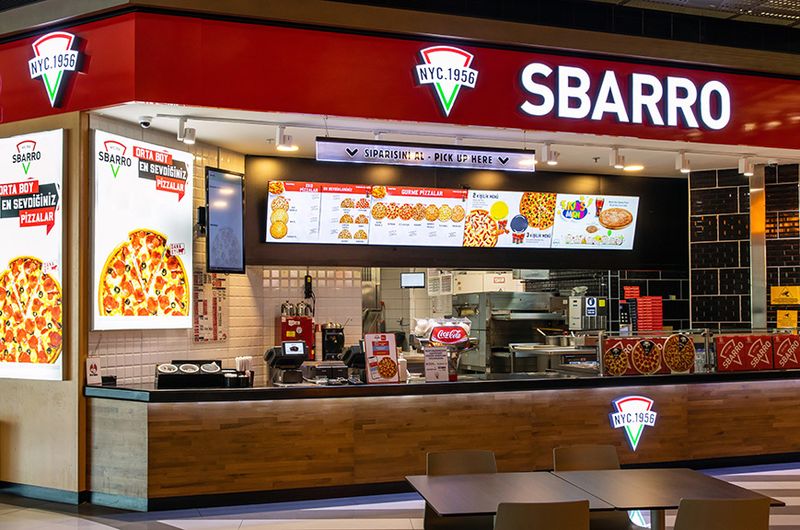
Square pizza slices under heat lamps—the universal symbol of mall dining! Sbarro convinced an entire generation of suburban kids they were experiencing authentic New York pizza without ever setting foot in the Big Apple.
Founded by Italian immigrants in Brooklyn in 1956, Sbarro’s rapid expansion made it the default pizza option in virtually every American mall food court by the 1980s. The chain’s struggles in recent years mirror the decline of traditional malls themselves.
4. Auntie Anne’s
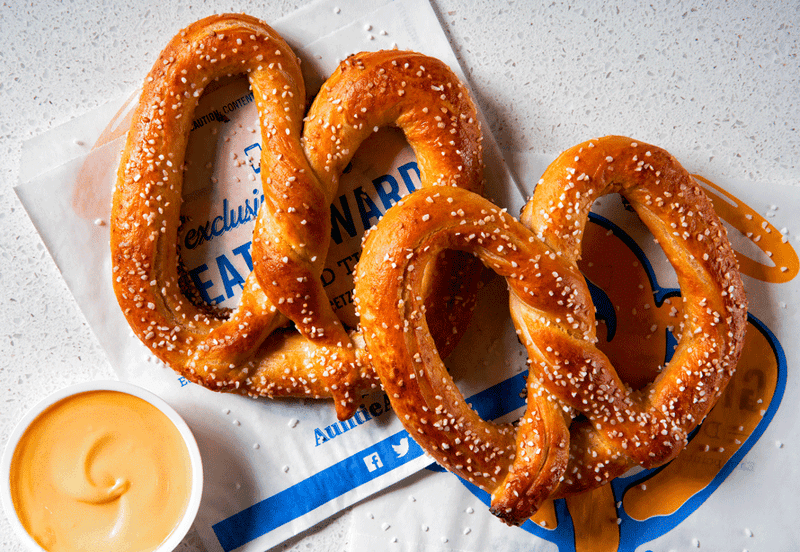
Sweet buttery scent wafting through the mall corridors like an aromatic tractor beam! Auntie Anne’s mastered the art of airborne marketing, luring shoppers with the irresistible smell of freshly baked pretzels.
Founded by Anne Beiler at a Pennsylvania farmers market in 1988, the chain quickly twisted its way into malls nationwide. Unlike many mall food staples, Auntie Anne’s has survived by adapting to food courts in airports and standalone locations as traditional malls decline.
5. Chick-fil-A
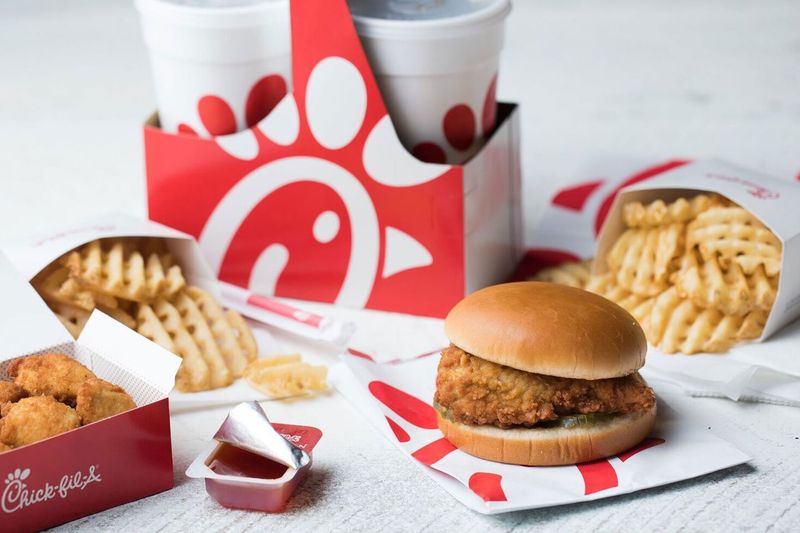
Before becoming a fast-food powerhouse with standalone locations and controversial politics, Chick-fil-A was the fancy chicken option tucked away in mall food courts! Those perfectly formed chicken sandwiches on buttered buns represented the pinnacle of mall dining sophistication.
Founded by S. Truett Cathy in 1967, Chick-fil-A’s mall strategy helped the chain expand nationally without the massive investment of freestanding restaurants. The Sunday closure policy—bizarre in the retail world where weekends mean peak traffic—somehow added to its mystique.
6. Cinnabon
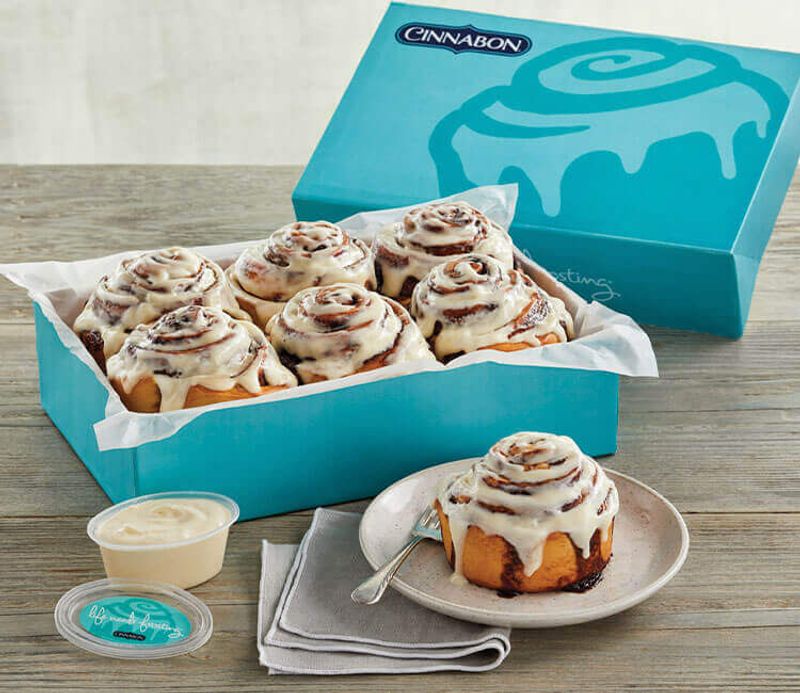
Walking past Cinnabon without buying anything required superhuman willpower! Those massive, gooey cinnamon rolls with their thick cream cheese frosting created an aromatic force field that weakened even the strongest shopping resolve.
Founded in Seattle in 1985, Cinnabon strategically positioned its ovens to blast that distinctive cinnamon smell throughout mall corridors. The theatrical preparation created an immersive sensory experience that transformed simple baked goods into irresistible temptation.
7. Steak Escape
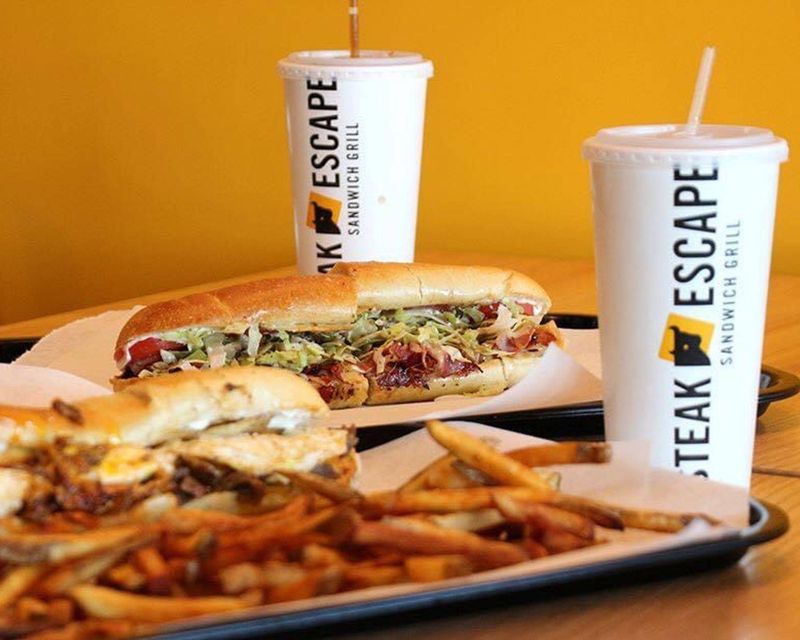
Sizzling meat on a flat-top grill—the soundtrack of mall hunger! Steak Escape brought the concept of “exhibition cooking” to food courts decades before it became trendy in upscale restaurants. Founded in Columbus, Ohio in 1982, Steak Escape convinced mallgoers they were enjoying authentic Philadelphia cheesesteaks despite being hundreds of miles from South Philly.
Though many locations have disappeared along with their host malls, the memory of watching meat and onions dance across a hot griddle remains a core mall food court memory for Generation X and older millennials.
8. Kenny Rogers Roasters
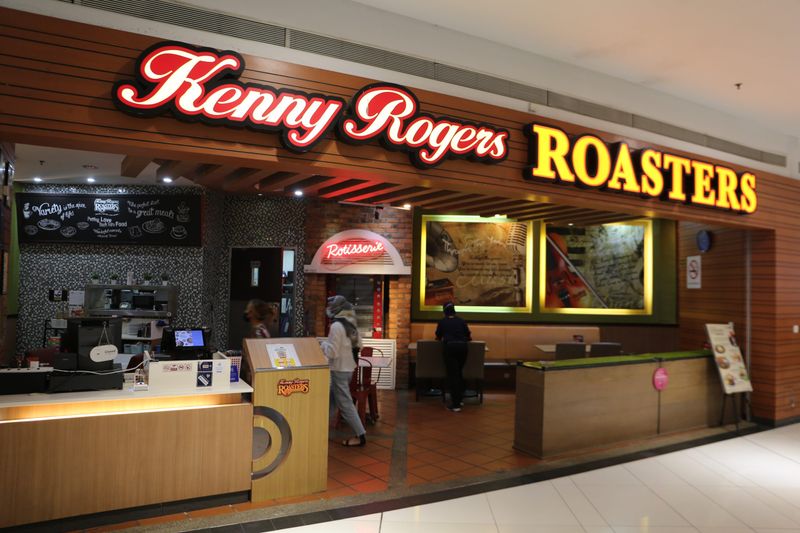
Country music legend Kenny Rogers wasn’t just known for his smooth vocals—he briefly ruled mall food courts with rotisserie chicken! The chain’s signature spinning chicken rotisseries hypnotized hungry shoppers like retail meditation devices.
Launched in 1991 with ex-Kentucky governor John Y. Brown Jr. (who previously built KFC), Kenny Rogers Roasters positioned itself as the “healthy” fast food option before health-conscious eating was mainstream. Their wood-fired rotisserie chickens, cornbread, and side dishes offered a sit-down restaurant experience in food court form.
9. Blimpie
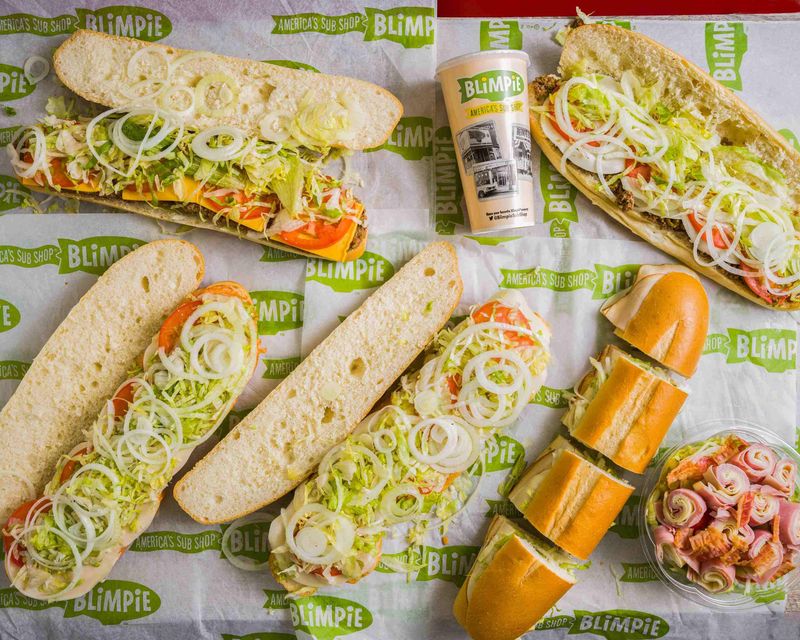
Long before Subway dominated every strip mall in America, Blimpie was slicing meats and cheeses to order in food courts nationwide! Those submarine sandwiches on fresh-baked bread represented the height of mall lunch sophistication in the 1980s and 90s.
Founded in Hoboken, New Jersey in 1964, Blimpie distinguished itself by slicing meats fresh for each order rather than using pre-sliced deli cuts. Though overshadowed by Subway’s aggressive expansion, Blimpie maintained a loyal following who insisted their sandwiches were superior to the competition’s.
10. Panda Express
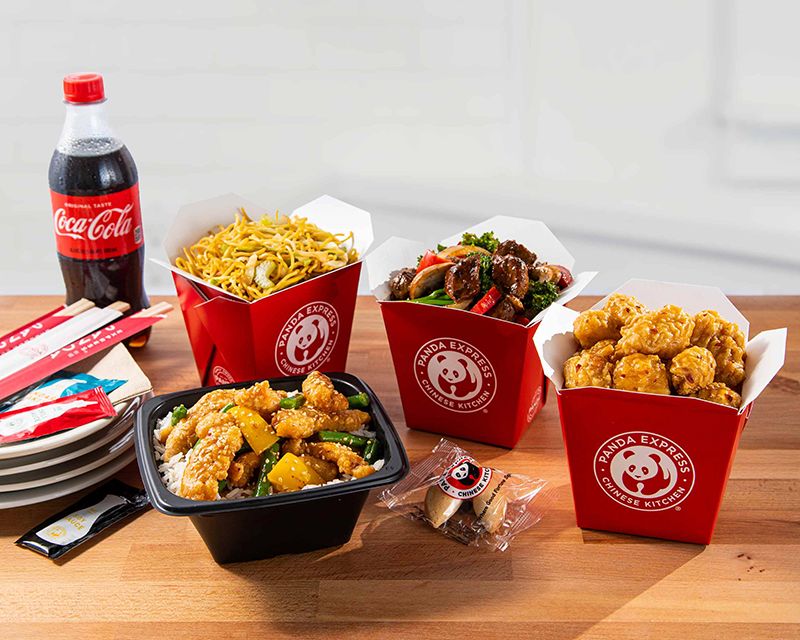
Steam tables filled with orange chicken and beef broccoli—Panda Express introduced suburban America to “Chinese food” long before most Americans could locate Beijing on a map!
Those sample-wielding employees with toothpicks of sweet and sour chicken were the original food influencers. Unlike many mall food court staples, Panda Express successfully expanded beyond malls with standalone locations and drive-thrus.
11. Wienerschnitzel
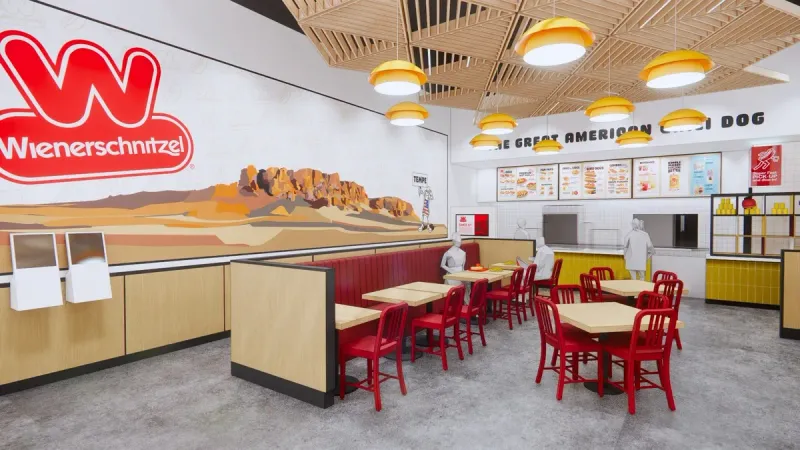
The A-frame hot dog chain ventured indoors! Wienerschnitzel’s mall incarnations brought their distinctive hot dogs and chili cheese fries from roadside stands into climate-controlled shopping environments.
Founded in 1961 by John Galardi (who ironically got his start working for Taco Bell founder Glen Bell), Wienerschnitzel’s name was a marketing ploy—they never actually served the Austrian breaded veal cutlet dish. The chain specialized in hot dogs with regional toppings and their famous chili, which loyal fans claimed was superior to other fast food versions.
12. Arby’s
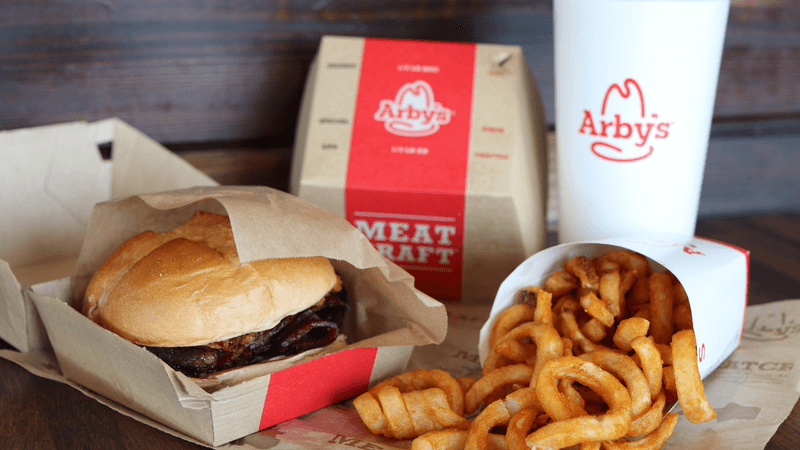
“We have the meats” wasn’t just a slogan—it was a mall food court revolution! Arby’s thin-sliced roast beef sandwiches on those distinctive onion rolls offered a sophisticated alternative to standard burger fare for discerning mall gourmands.
Founded in Ohio in 1964 by the Raffel brothers (the RB in Arby’s), the chain initially focused on shopping centers and malls rather than roadside locations. The theatrical slicing of roast beef and the assembly of those perfectly stacked sandwiches provided food court entertainment before exhibition cooking became standard.
13. Treat Street By Baskin-Robbins
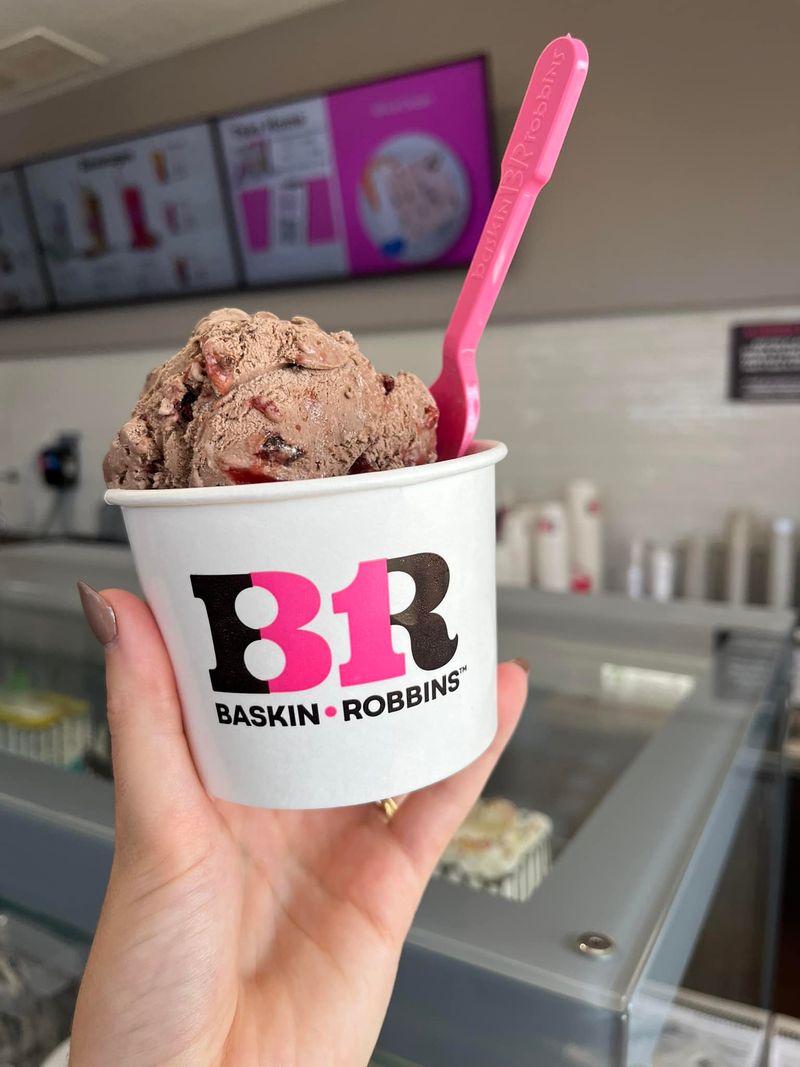
Before food courts were standardized, Baskin-Robbins created mini dessert boulevards called “Treat Street” in malls nationwide! These ice cream havens with their pink spoons and 31 flavors were the ultimate shopping reward system for well-behaved kids.
The Treat Street concept expanded the traditional Baskin-Robbins experience with additional dessert options like cookies and brownies alongside their famous ice cream. Those colorful flavor displays with perfectly sculpted ice cream mounds promised endless possibilities—even though most kids invariably chose the brightest-colored options or Chocolate Chip Cookie Dough.