11 Most Shocking Lettuce Recalls In U.S. History
Lettuce might seem like a simple, harmless staple, but behind those crisp leaves lies a surprising history of contamination and recalls that shook the food industry.
Some outbreaks caused widespread illness, others exposed serious flaws in safety practices, and a few even changed how we think about the salads on our plates. These 11 recalls reveal the unexpected dangers lurking in one of America’s most common greens.
1. Romaine Nightmare: Yuma, Arizona (2018)
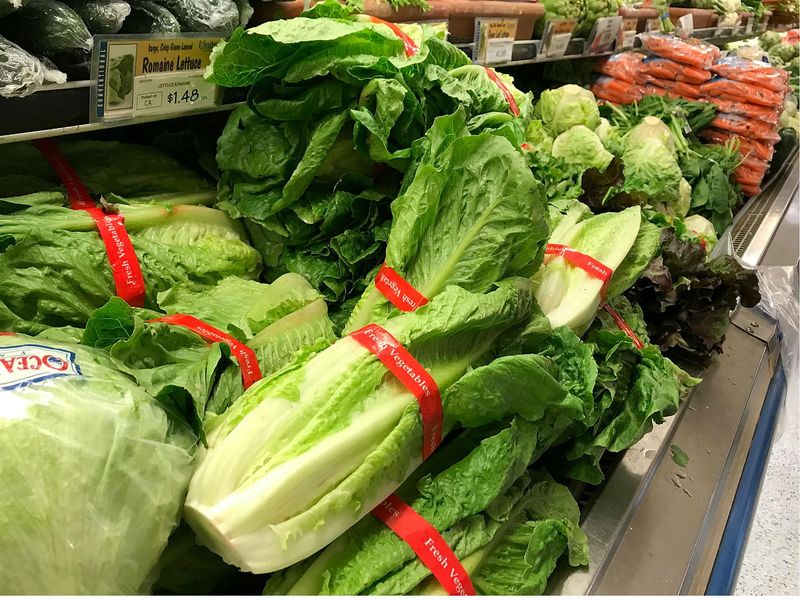
Imagine biting into a crisp romaine leaf, only to be greeted by an E. coli outbreak. In 2018, Yuma, Arizona, became the epicenter of a health crisis that affected over 210 people across 36 states.
Five people lost their lives. The source of the contamination was ultimately linked to an irrigation canal located near a large cattle operation. Tests revealed that the water contained the same strain of E. coli found in the affected patients.
2. Dole’s Deadly Listeria Outbreak (2012)
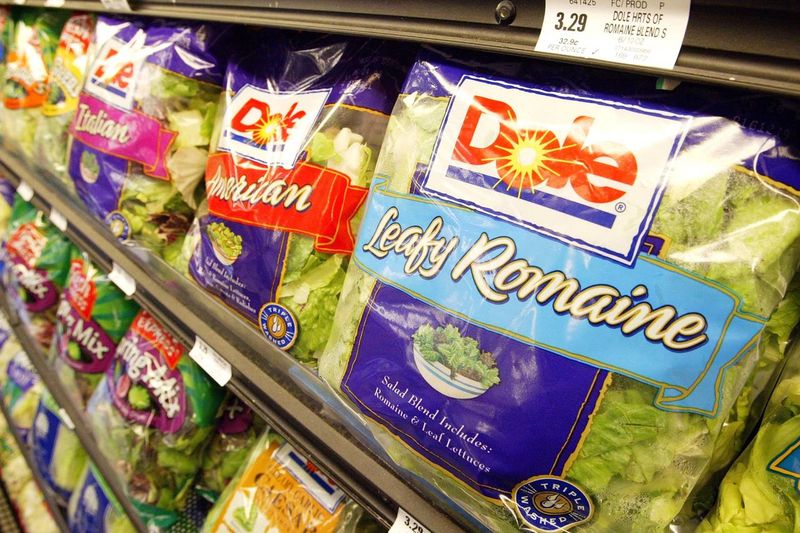
Listeria lurking in your salad? That’s what happened in 2012 when Dole’s salad processing facility in Ohio was linked to a deadly outbreak. The outbreak led to dozens of hospitalizations and several deaths.
What made this case especially alarming was how it revealed serious weaknesses in processing plant sanitation. Investigators found that the bacteria had been hiding in hard-to-reach areas of the equipment for months.
3. The “Seven Lettuces” Salmonella Scare (2012)
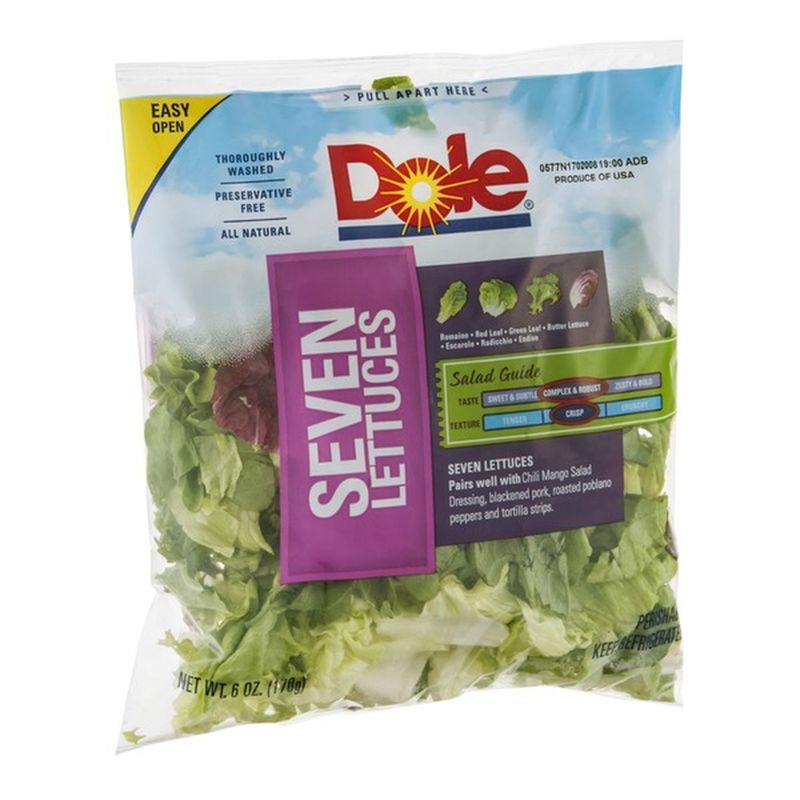
Seven types of lettuce, one big scare. In April 2012, Dole recalled its “Seven Lettuces” blend across 15 states after random testing flagged Salmonella. Thankfully, no illnesses were reported—but the risk was real.
Consumers were left in a lurch, questioning the safety of their greens. This incident prompted tighter regulations on produce safety, aiming to prevent future scares.
4. River Ranch’s Listeria Lurker (2011)
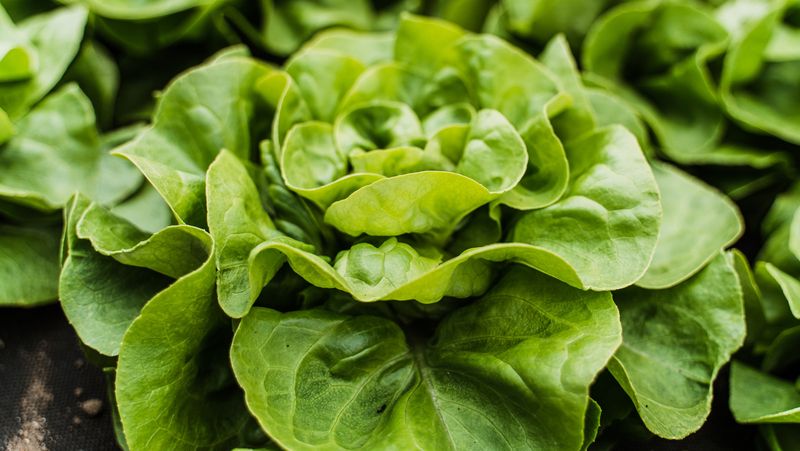
River Ranch Fresh Foods found themselves in hot water in 2011, plagued by a listeria outbreak. The recall spanned across numerous states, causing widespread concern.
The River Ranch recall posed a unique challenge because the company’s products were repackaged and sold under various store brands, including Walmart’s and Trader Joe’s. This made it incredibly difficult for regulators to trace the contaminated items.
5. Freshway Foods’ Romaine Disaster (2010)
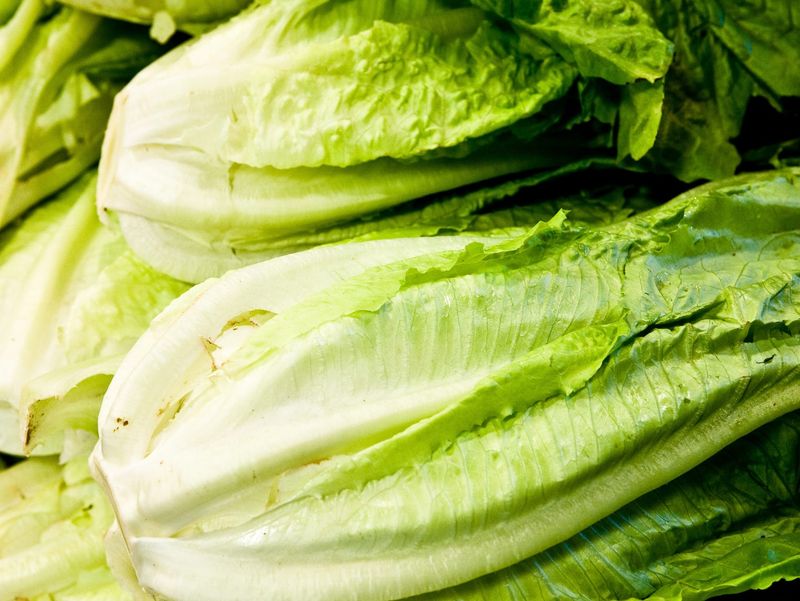
In 2010, shredded romaine lettuce distributed by Freshway Foods was recalled after it was connected to an E. coli outbreak that sickened students in Michigan, Ohio, and New York. Dining halls were at the center of the crisis.
The contamination was ultimately traced to a farm in Yuma, Arizona. What set this recall apart was the speed of the investigation—thanks to advanced DNA fingerprinting technology, officials were able to pinpoint the source faster than ever before.
6. Dole’s Minnesota E. Coli Scare (2005)
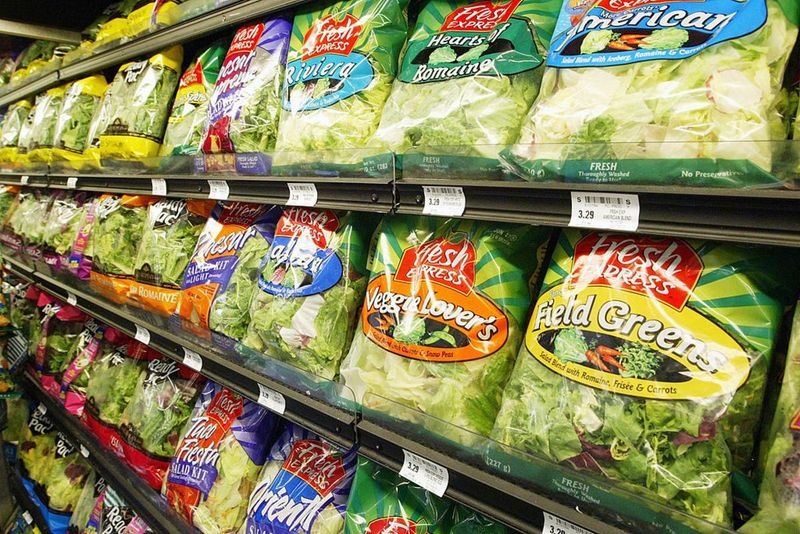
Minnesota faced a lettuce scare in 2005 with Dole at the center of it. E. coli reared its ugly head once more, with pre-packaged salads leading to illness of 26 people.
The source was traced to supposedly “triple-washed” lettuce that, despite the label, still carried dangerous bacteria. This incident exposed a harsh reality: no amount of post-harvest washing can undo contamination that begins in the field.
7. Taco Bell’s Lettuce Fiasco (2006)
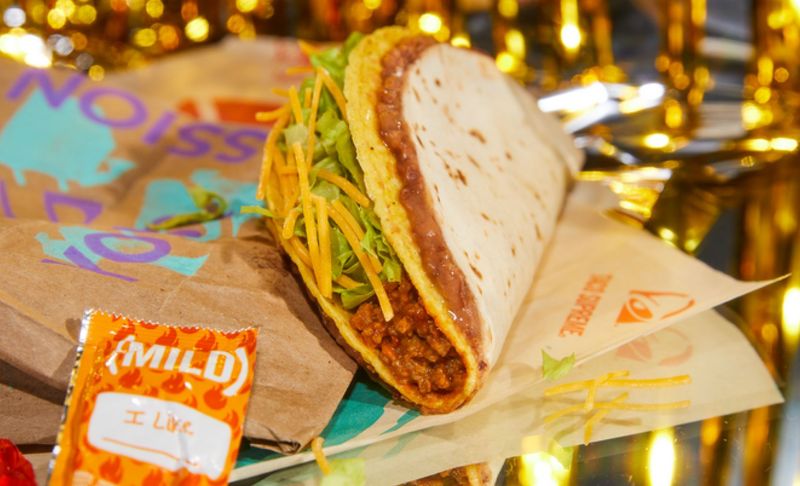
2006 was a rough year for Taco Bell, as lettuce laden with E. coli found its way into their menu. The outbreak caused over 70 illnesses across various states.
What made this recall especially significant was its impact on how the public viewed fast-food safety. The incident shook consumer confidence, prompting Taco Bell to invest millions in advertising and public relations efforts to restore its reputation.
8. Taco John’s E. Coli Crisis (2006)
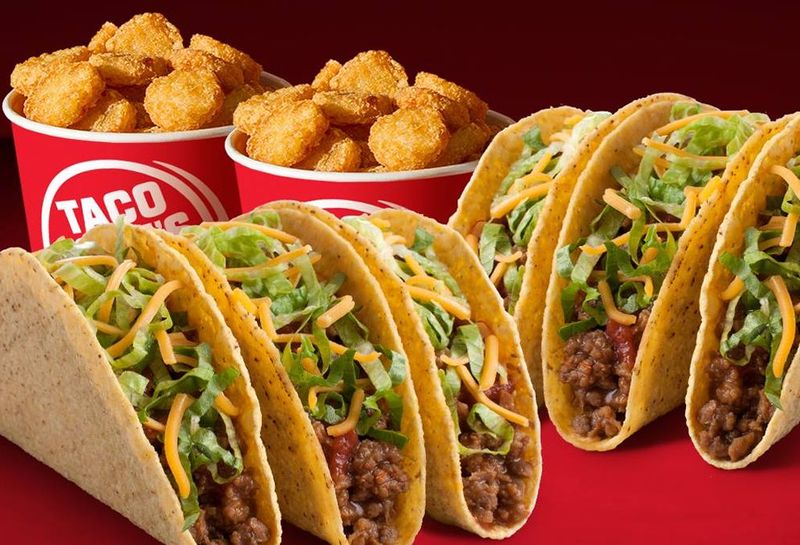
Lightning struck twice in the taco world in 2006. Just weeks after Taco Bell’s E. coli outbreak, Taco John’s experienced its own lettuce-related crisis, with over 80 people falling ill across Minnesota, Iowa, and Wisconsin.
The timing was disastrous for the smaller chain. Public confusion ran high, with many assuming the two outbreaks were connected—when in fact, they involved different strains of E. coli and separate sources.
9. The Great Romaine Scare (2017-2018)
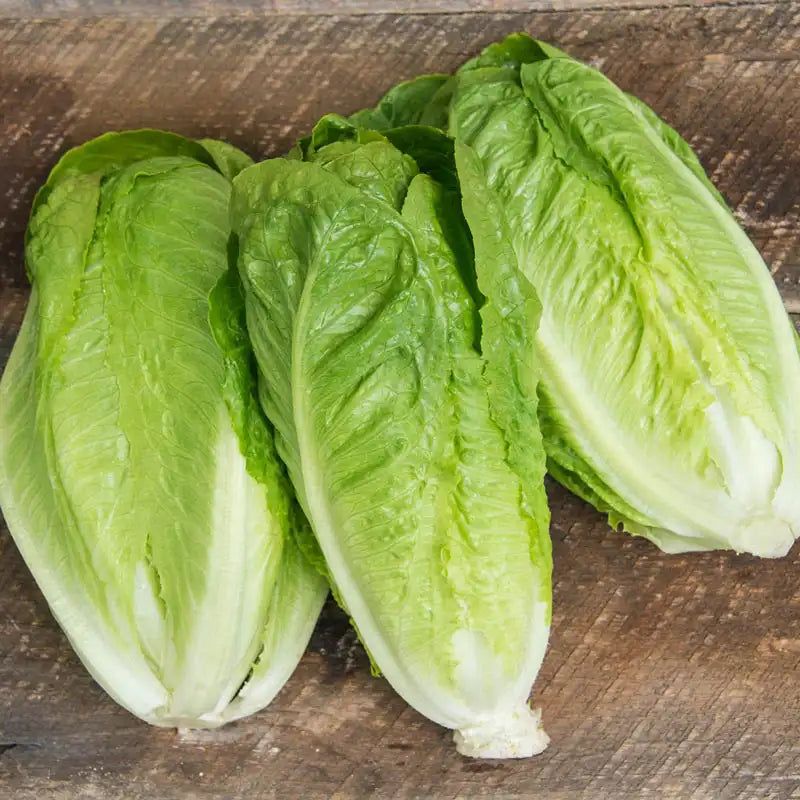
The romaine scare of 2017-2018 was no small lettuce leaf. E. coli once again made headlines, leading to a nationwide warning against eating romaine.
Consumers were frantic, and supermarkets saw panic-buying reminiscent of a zombie apocalypse. This widespread recall affected countless businesses and families. The scare forced major changes in how romaine is grown and monitored in the U.S.
10. Dole’s Salad Kit Catastrophe (2024)
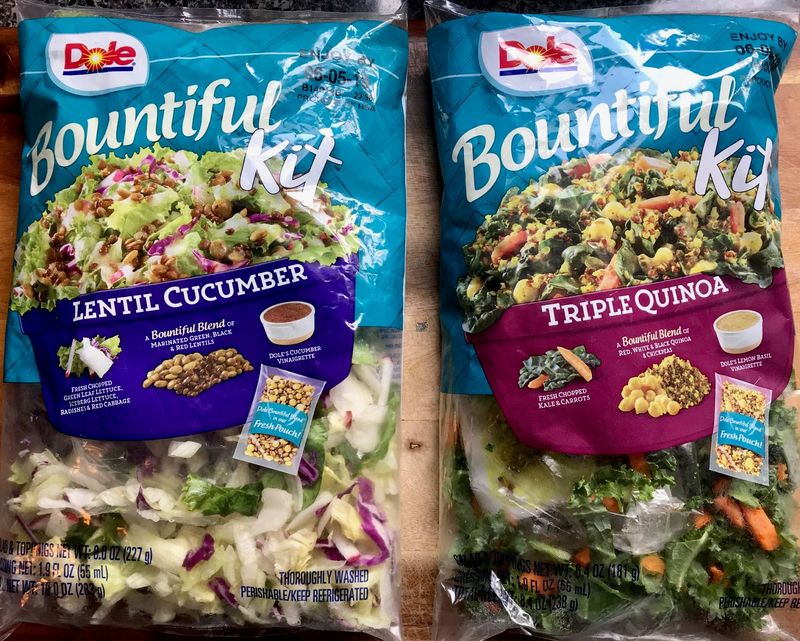
Fast forward to 2024, and Dole found themselves in hot water again, this time with their salad kits that tested positive for Listeria. The company voluntarily pulled thousands of cases from shelves across the country.
What set this recall apart was its unfortunate timing—it hit during a national lettuce shortage. With supply already tight and prices climbing due to growing region setbacks, the recall only worsened the crunch, sending salad costs even higher.
11. The Multi-Brand Listeria Outbreak (2022)
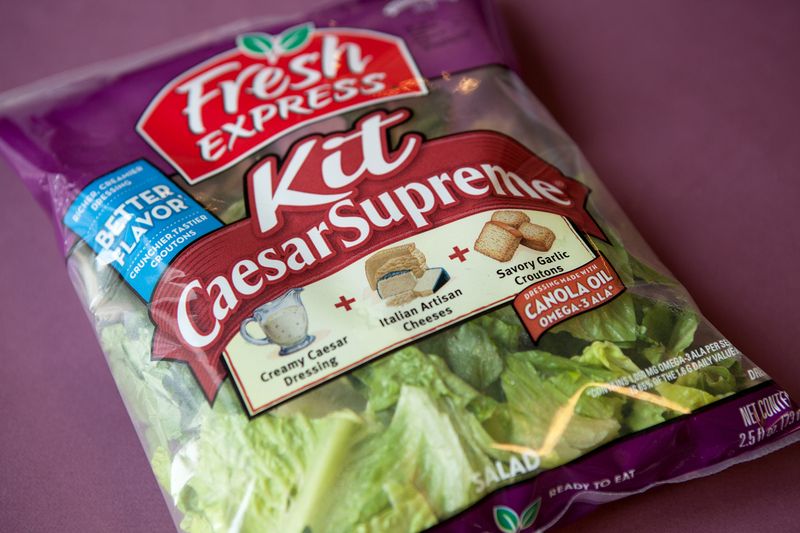
The mother of all salad recalls hit in 2022, when industry heavyweights Dole and Fresh Express simultaneously pulled millions of packaged salads off shelves nationwide after Listeria was found in their processing plants.
The investigation revealed a common culprit: unsanitized equipment. In both facilities, contamination had built up in areas that weren’t being properly cleaned between production runs, exposing major gaps in food safety protocols.