16 Foods That Just Aren’t Worth Making From Scratch

We all love the idea of cooking from scratch, but let’s be honest—sometimes it’s just not worth the hassle. Between complicated techniques, specialty equipment, and ingredients that cost more than ready-made versions, certain foods are better left to the professionals.
Save yourself time, money, and frustration by knowing which kitchen projects to skip. Here’s my hard-earned wisdom on 16 foods where store-bought beats homemade every time.
1. Pizza
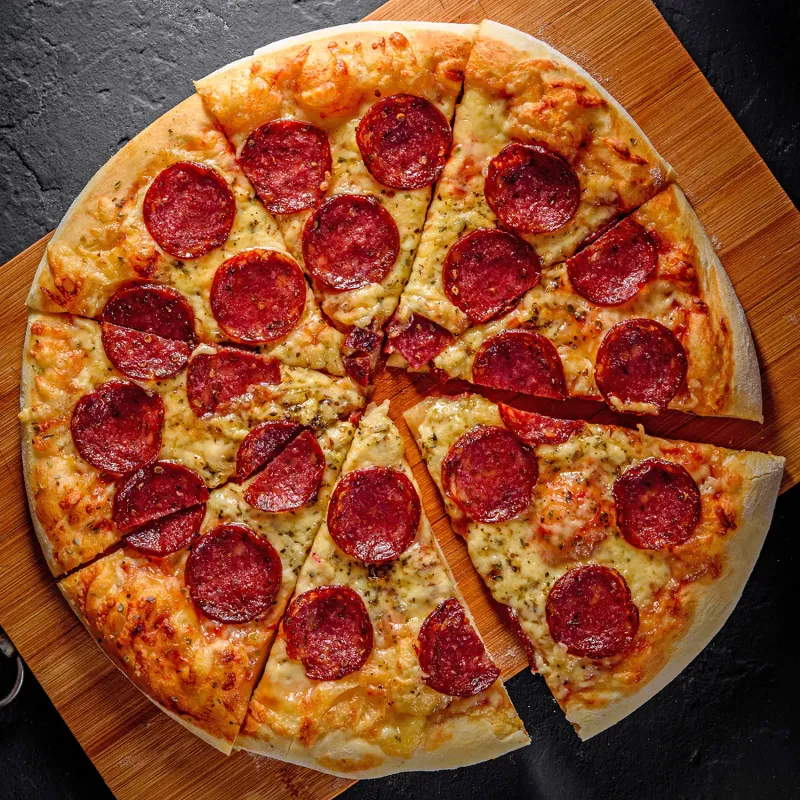
Ever tried making pizza dough only to end up with a sad, misshapen blob that sticks to everything except itself? Professional pizzerias use specialized 800°F ovens that your home kitchen simply can’t match.
Even if you nail the dough (unlikely), you’ll still miss that perfect char and crispy-yet-chewy texture. Plus, good luck stretching it without tearing holes or creating those picture-perfect edges.
2. Ice Cream
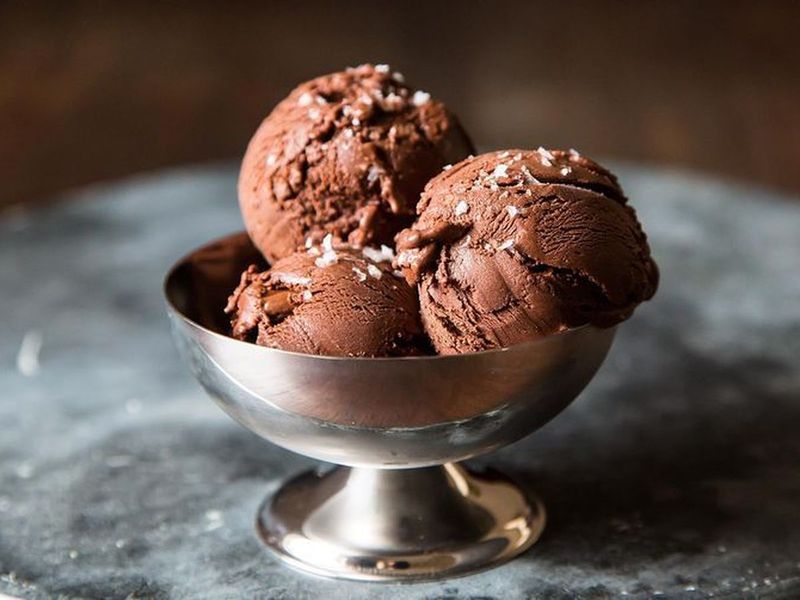
Whipping up homemade ice cream sounds dreamy until reality freezes over. First, you’ll need to drop $70+ on a bulky machine that will occupy precious kitchen real estate for years to come.
Texture troubles plague amateur frozen treats—either rock-solid or suspiciously soupy, never achieving that perfect scoop-able consistency. The ingredients alone cost triple what you’d pay for premium store brands.
3. Croissants

Holy butter-laminated nightmare! Croissants require three days of your life, specialized European-style butter, and the patience of a saint. The lamination process—folding butter into dough repeatedly to create those heavenly layers—is so technically demanding that even culinary students tremble.
One wrong move and you’ve got butter leaking everywhere, creating a flat, greasy disaster. Room temperature matters too—too warm and butter melts, too cold and dough tears.
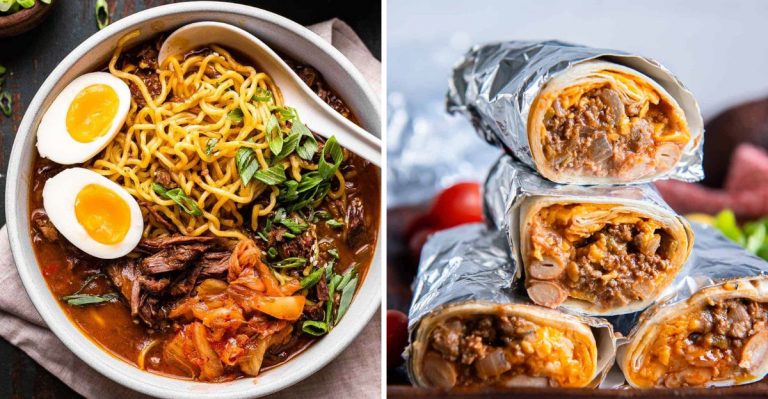
4. Ramen
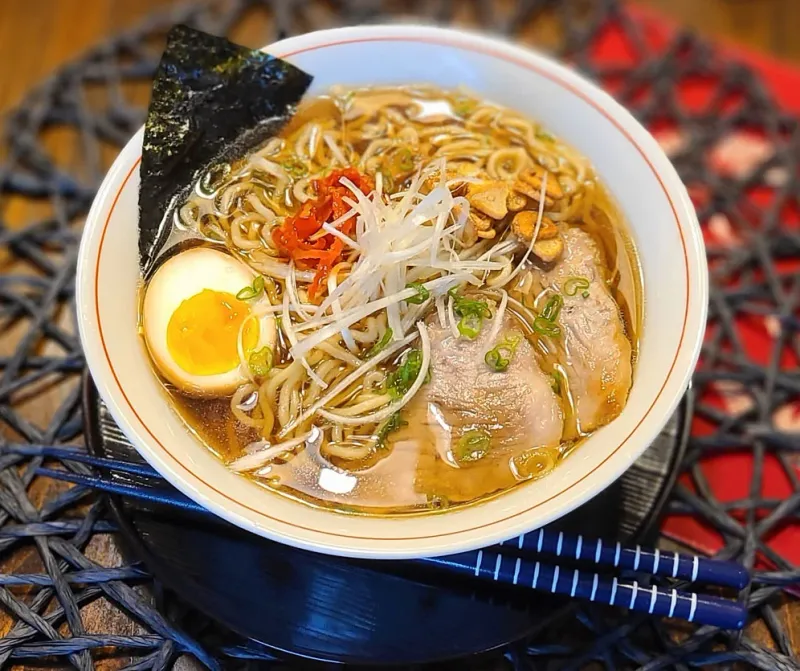
Forget what you’ve seen on Chef’s Table! Authentic ramen requires boiling pork bones for 12+ hours to create that silky, complex broth. Your house will smell like a meat sauna for days, and neighbors might check if you’re operating an unlicensed butcher shop.
The noodles alone are a scientific endeavor involving alkaline water and specialized flour. Even if you somehow nail both components, you’ll still need half a dozen toppings that each require their own preparation.
5. Ketchup
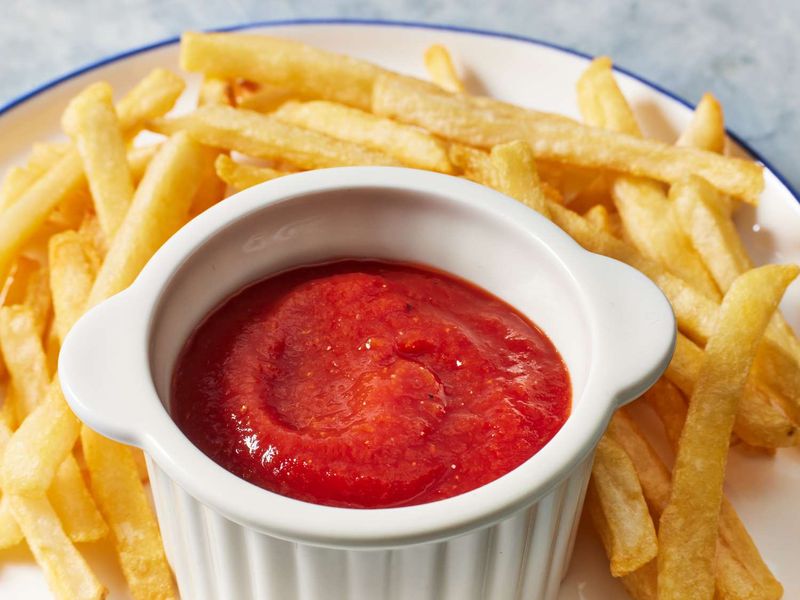
Making ketchup at home is the culinary equivalent of knitting your own socks—theoretically possible but wildly impractical. You’ll spend hours simmering tomatoes, vinegar, and spices only to create something that tastes suspiciously… off.
The real kicker? Heinz has spent 150 years perfecting their recipe through industrial processes impossible to replicate at home. Their product development team likely laughs at your mason jar efforts.
6. Bagels
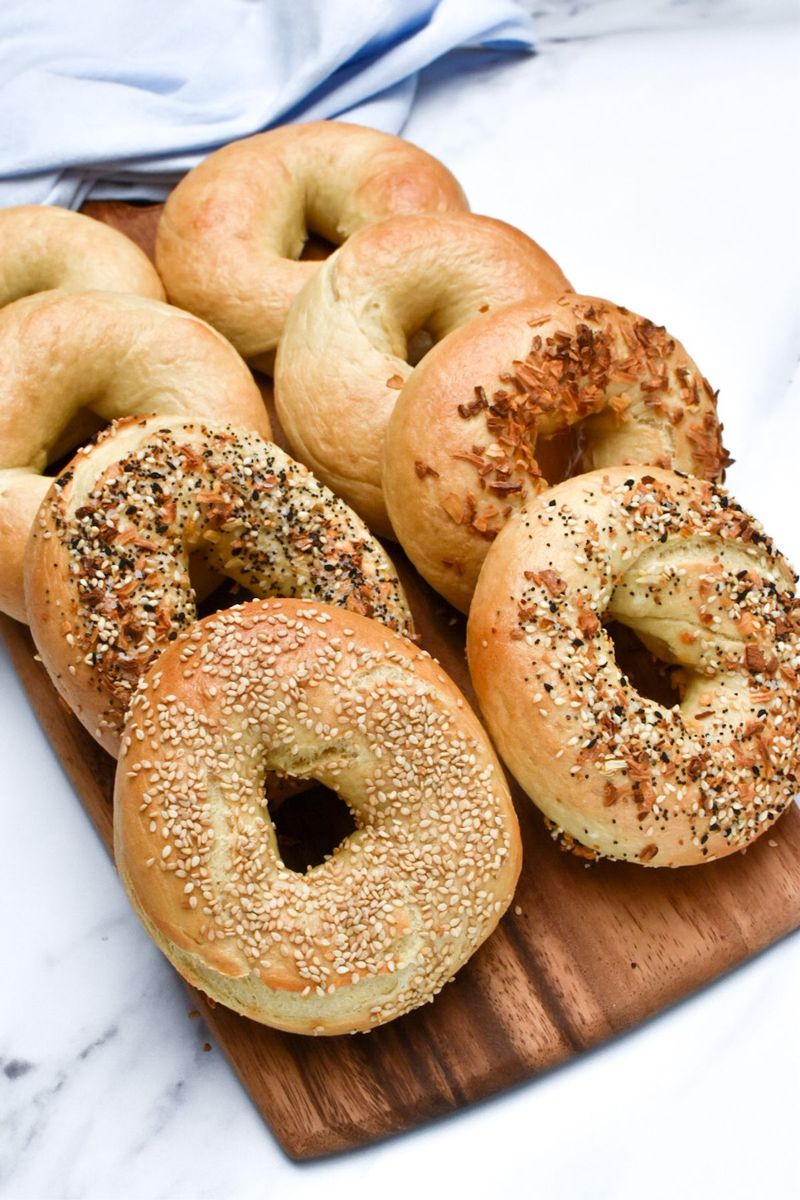
Bagel-making involves techniques that would make a chemistry professor sweat. The dough needs precise protein content, then must be boiled in alkaline water before baking—get the timing wrong by seconds and say goodbye to that signature chewy texture.
New York bagel shops claim their secret is the water, but the truth is years of expertise. Home ovens simply can’t achieve the blast of steam and heat needed for that perfect crust-to-interior ratio.
7. Filo Pastry
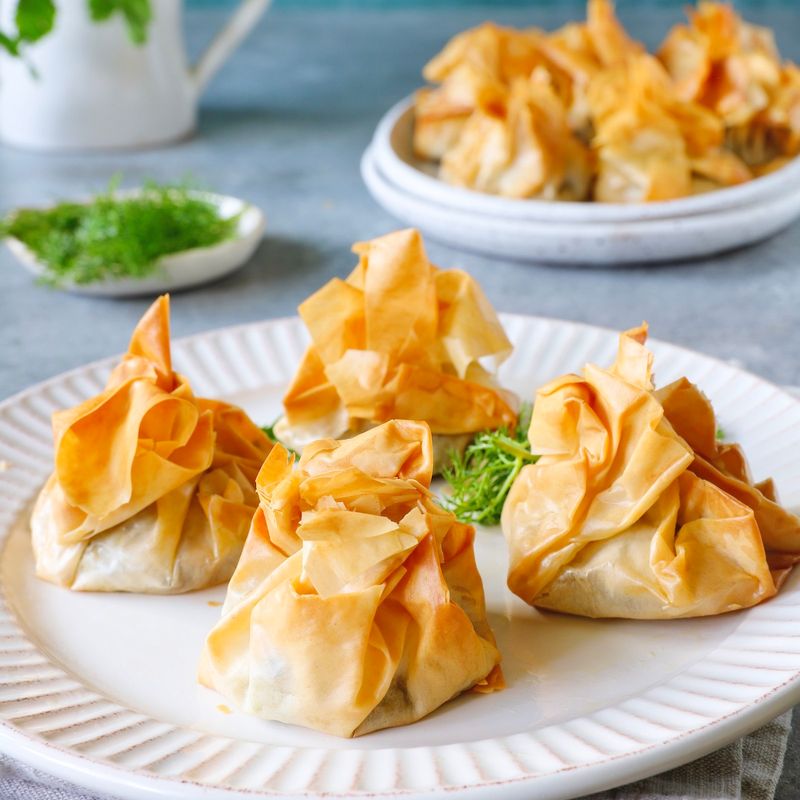
Attempting filo pastry at home is like trying to fold a cloud—theoretically possible but practically maddening. Professional pastry chefs stretch dough so thin you can read a newspaper through it, requiring a technique that takes years to master.
Your kitchen will transform into a flour bomb site as you struggle to achieve sheets that aren’t either too thick (resulting in cardboard-like layers) or torn beyond recognition. Each layer needs precise butter application, and one wrong move creates a soggy, greasy mess.
8. Macarons

Macarons—those colorful French sandwich cookies—are the divas of the baking world. They demand perfect humidity levels, precise egg white aging, and ingredient measurements accurate to the microgram. Professional pastry chefs spend years mastering them.
Your first batch will likely resemble sad, cracked pancakes or hollow shells that collapse at first bite. The filling requires another set of technical skills entirely. Even if you somehow nail the technique, food coloring and specialized almond flour will set you back $30+.
9. Salsa
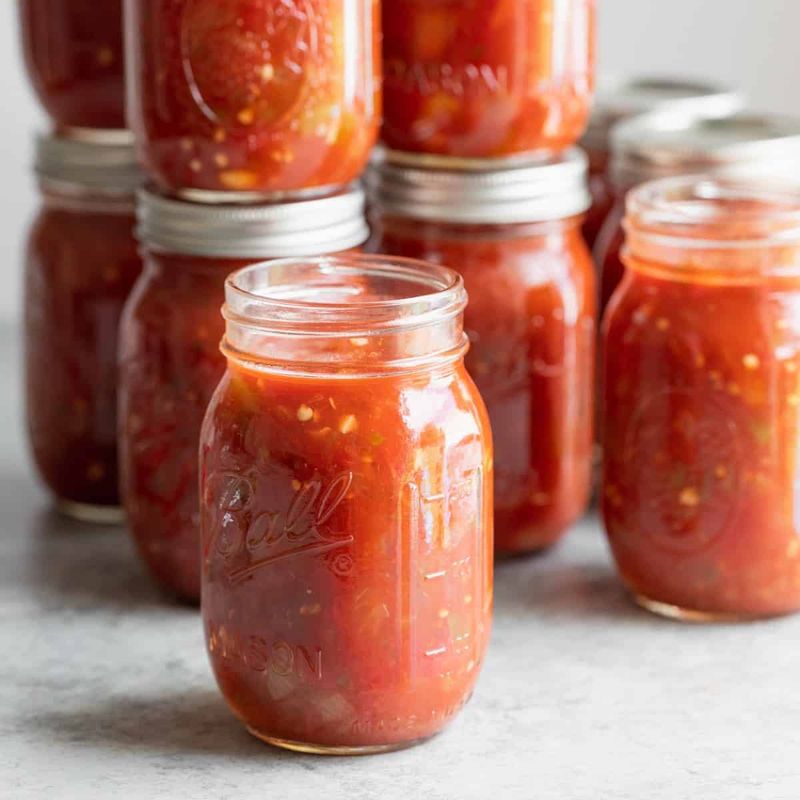
Fresh salsa sounds like a no-brainer until you calculate the actual costs. Those out-of-season tomatoes in January will run you $6 for mediocre quality, plus cilantro, jalapeños, and limes that you’ll use partial amounts of (leaving the rest to slowly die in your produce drawer).
The result? About one cup of salsa that starts separating and turning questionable after just two days. Your food processor and cutting board will require deep cleaning, and your hands will smell like onions until next Tuesday.
10. Fish And Chips
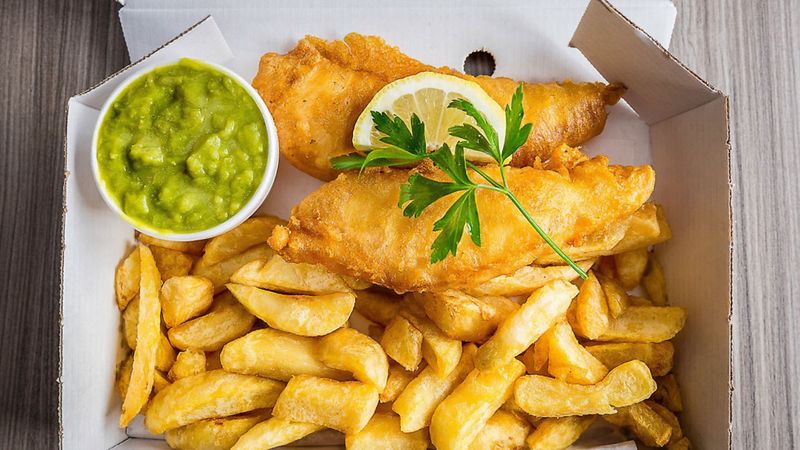
Attempting fish and chips at home triggers an immediate chain of household disasters. The lingering deep-fry smell will cling to your curtains, furniture, and hair for days—possibly weeks. Your smoke detector will scream in protest as oil splatters create a hazardous kitchen obstacle course.
Professional fish shops use dedicated fryers and ventilation systems for good reason. The batter never turns out quite right at home—either falling off completely or remaining soggy while the fish overcooks.
11. Beignets
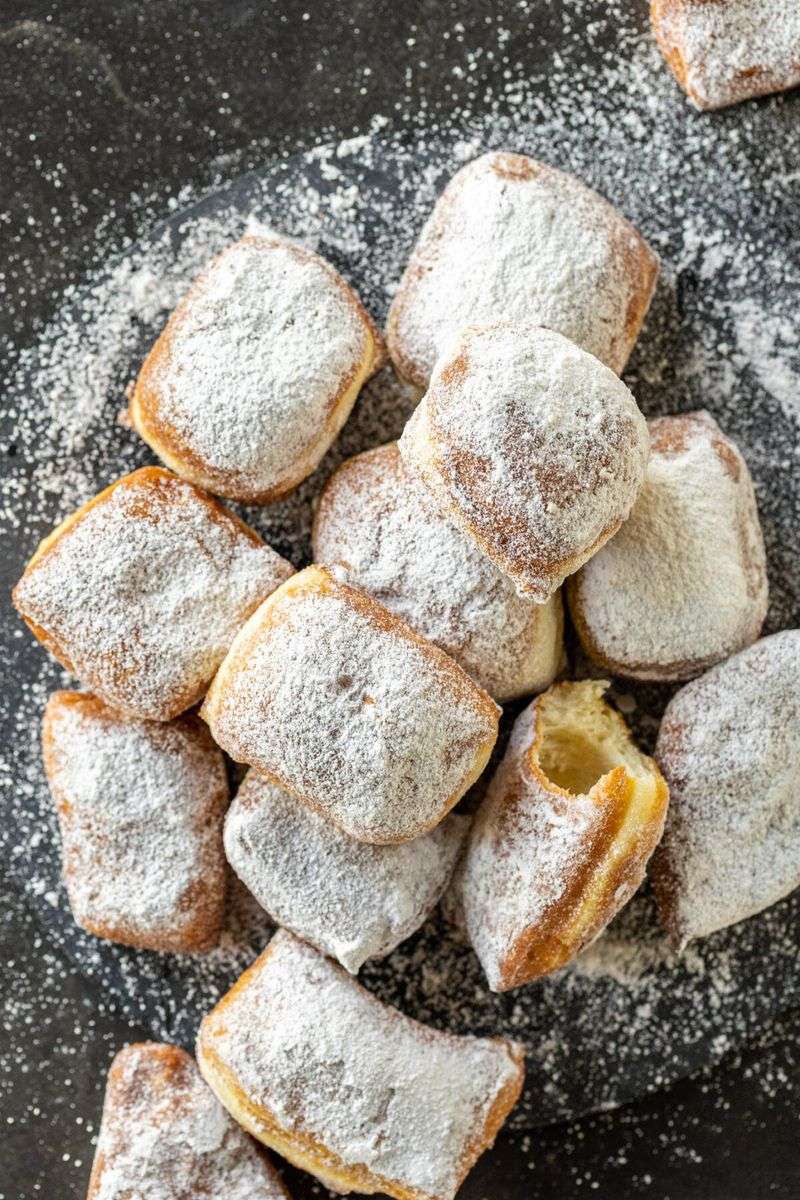
Channel your inner New Orleans spirit all you want—homemade beignets rarely capture that Café du Monde magic. The yeast dough requires perfect proofing conditions, and the temperature-sensitive frying process creates a narrow window between raw dough and charcoal briquettes.
Your kitchen will transform into a powdered sugar crime scene that would baffle forensic experts. The white dust settles everywhere—counters, floors, your lungs, possibly your neighbor’s apartment.
12. Rotisserie Chicken
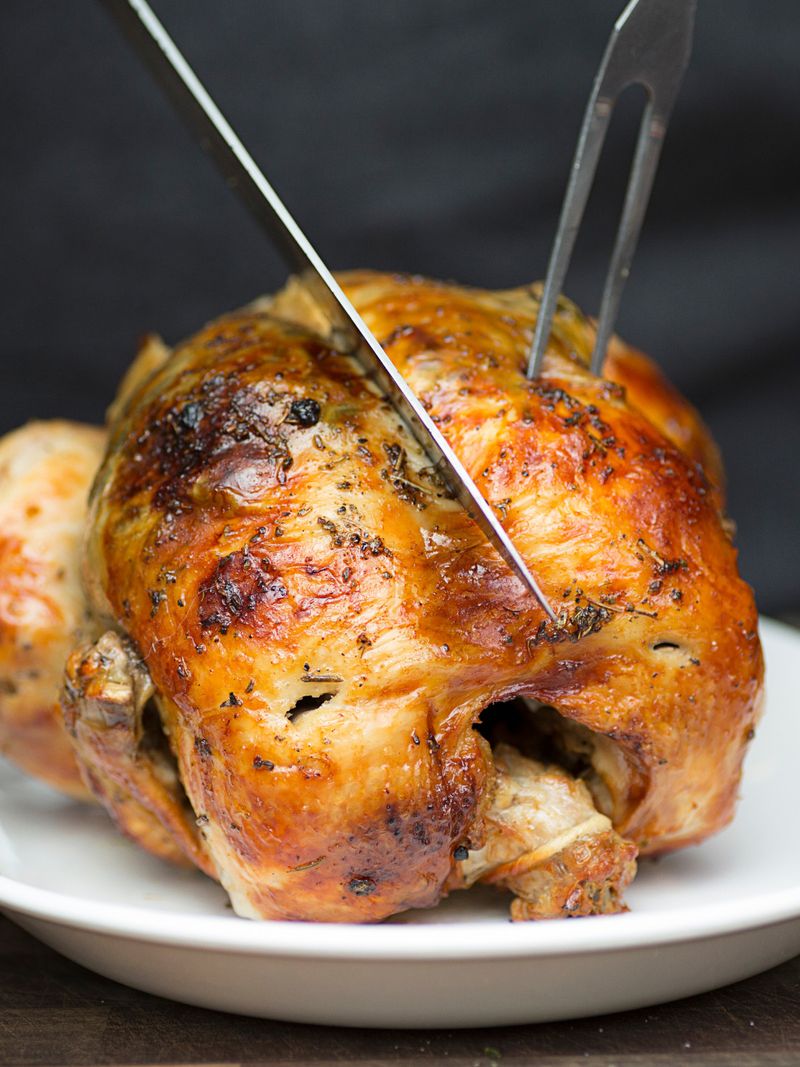
Unless you’ve invested in specialized rotisserie equipment (which you haven’t), homemade attempts at this supermarket staple will end in tears. The rotating motion is crucial for that juicy interior and evenly crisped skin that makes store-bought versions irresistible.
Home ovens create hot spots and uneven cooking, leaving you with parts that are dried out while others remain questionably undercooked. The seasoning blend that makes grocery store versions so addictive remains a closely guarded secret, despite your best internet sleuthing.
13. Tater Tots
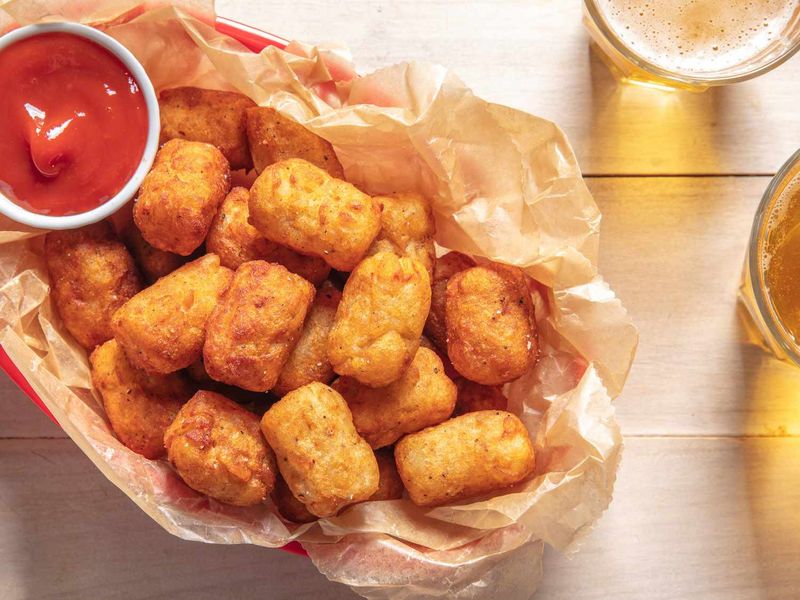
Making tater tots from scratch ranks among humanity’s most unnecessary pursuits. The process involves boiling potatoes, grating them while still hot (enjoy those knuckle burns!), forming tiny cylinders, and then deep-frying them twice.
Your homemade tots will inevitably fall apart during cooking, creating what can only be described as “potato confetti” floating in dangerous hot oil. The texture is nearly impossible to replicate without industrial equipment—too dense and you have potato bullets, too loose and they disintegrate.
14. Crackers
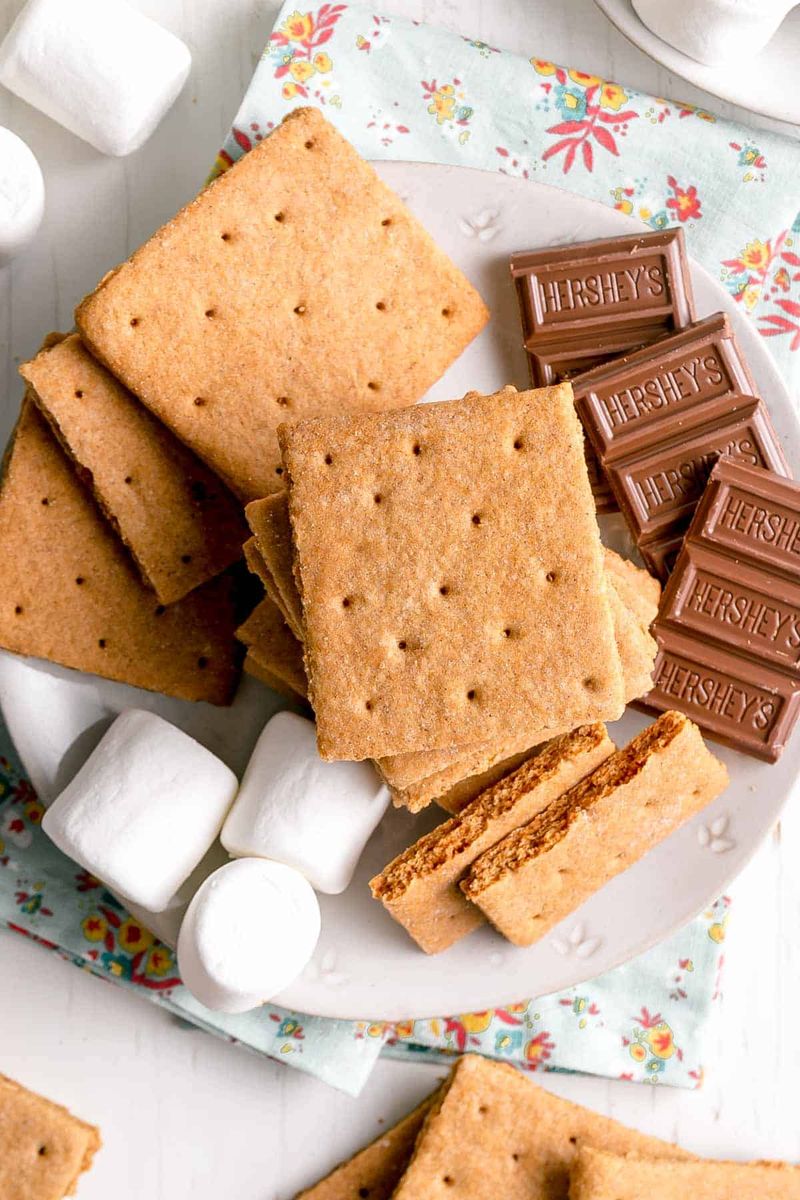
Crackers seem simple until you actually try making them. Rolling dough to that perfect uniform thinness without specialized equipment is like trying to achieve world peace—noble but ultimately futile.
Your homemade versions will emerge from the oven as a motley crew of inconsistent thickness—some burnt to charcoal while others remain doughy in the middle. Achieving that signature snap requires precise timing and temperature control beyond most home ovens’ capabilities.
15. Yogurt
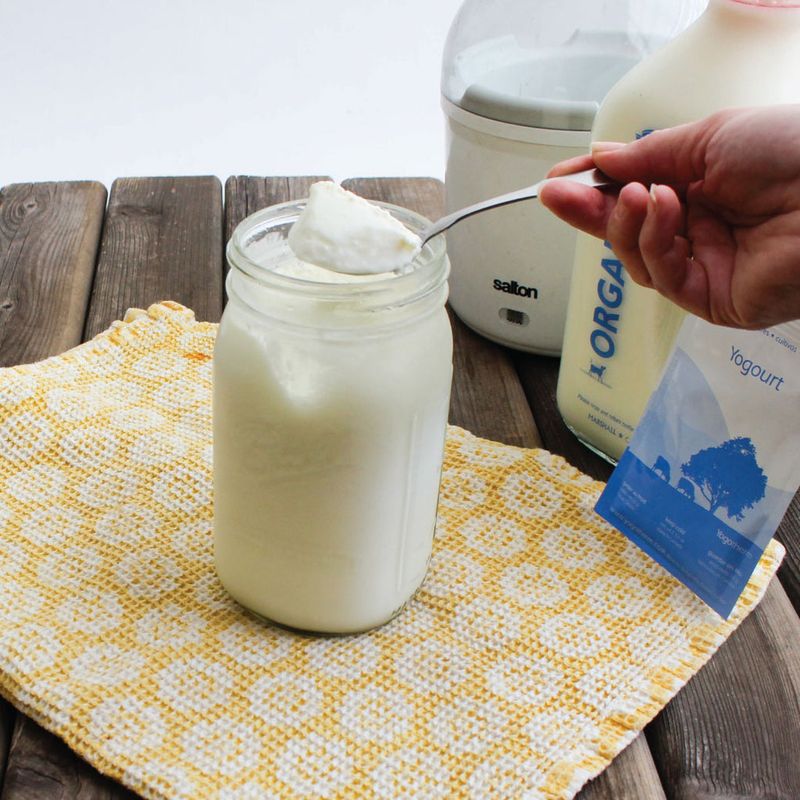
Making yogurt sounds appealingly simple until you’re monitoring milk temperatures with the vigilance of a nuclear reactor technician. The bacterial cultures require precise conditions—too hot and they die, too cold and they sulk inactive in your milk bath.
Home incubation methods range from wrapping the container in towels (unreliable) to buying a specialized yogurt maker (another single-use appliance to clutter your kitchen). After all that work, you’ll likely end up with something too runny or oddly separated.
16. Tortillas
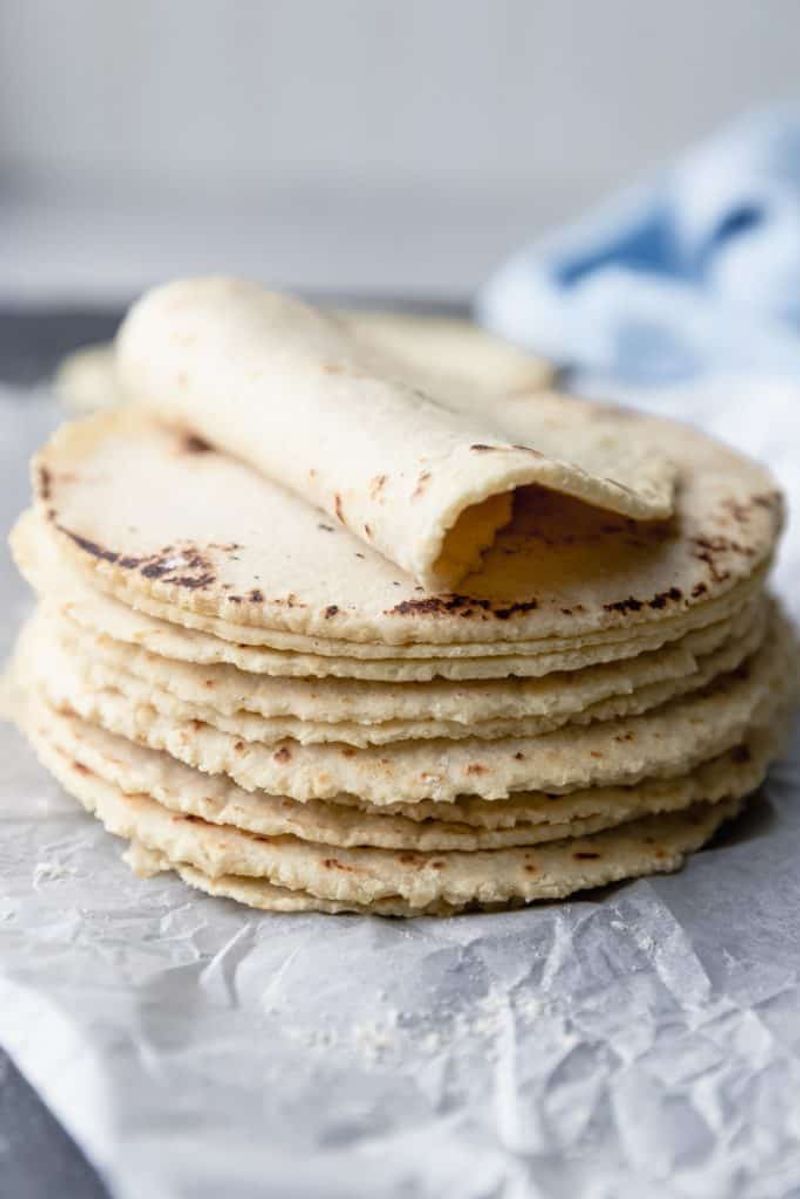
Grandmothers in Mexico make tortilla-making look effortless, but your attempt will quickly reveal why this is a lifelong skill. Without a tortilla press, you’ll struggle to achieve uniform thickness, resulting in sad, misshapen discs that cook unevenly.
The dough itself is deceptively temperamental—too dry and it crumbles, too wet and it sticks to everything. That perfect puff during cooking? It requires a technique that takes years to master, along with a properly seasoned comal or cast-iron pan.