12 Fast Food Items That Disappeared After Major Backlash
Fast food chains constantly experiment with new menu items to attract customers and boost sales. But not every culinary creation hits the mark.
Some items fail spectacularly, facing harsh criticism for their taste, concept, or health concerns. Here’s a look at 12 fast food failures that vanished after customers just weren’t having it.
1. McDonald’s Hula Burger
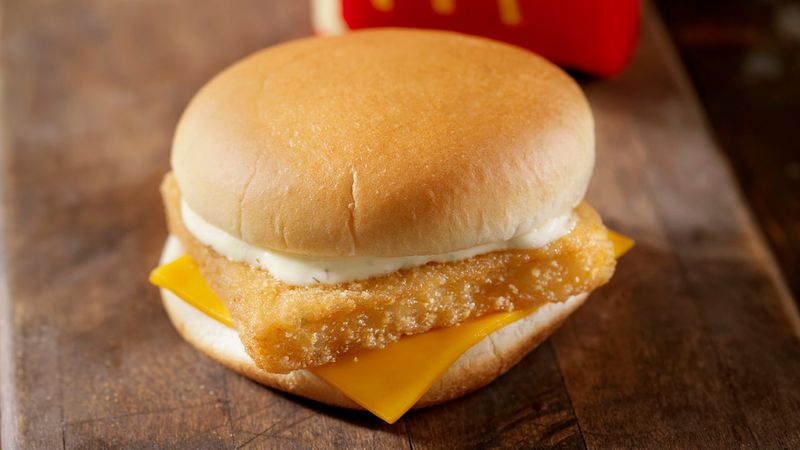
Who needs meat when you can have… pineapple? In the 1960s, McDonald’s founder Ray Kroc had a bizarre brainwave: replace beef patties with grilled pineapple slices to target Catholics avoiding meat on Fridays. The result was a culinary catastrophe that paired the tropical fruit with cheese on a bun.
The flavor combination was downright confusing – sweet, salty, and utterly wrong. Meanwhile, the Filet-O-Fish (developed for the same meatless Friday market) swam circles around the fruity failure.
2. Burger King’s Satisfries
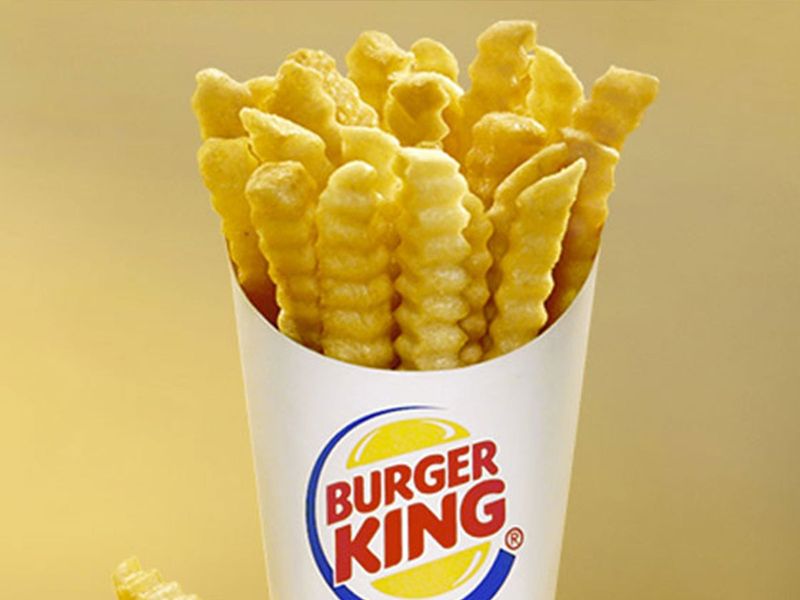
French fries with 40% less fat and 30% fewer calories? Sounds like a fast-food miracle! In 2013, Burger King launched Satisfries with crinkle-cut edges and a special batter designed to absorb less oil. Health-conscious customers should have been thrilled, right?
Wrong. The name itself became a punchline – “Sadisfries” anyone? Despite the reduced guilt factor, folks weren’t willing to pay the premium price for what many described as just okay-tasting fries.
3. Taco Bell’s Bell Beefer
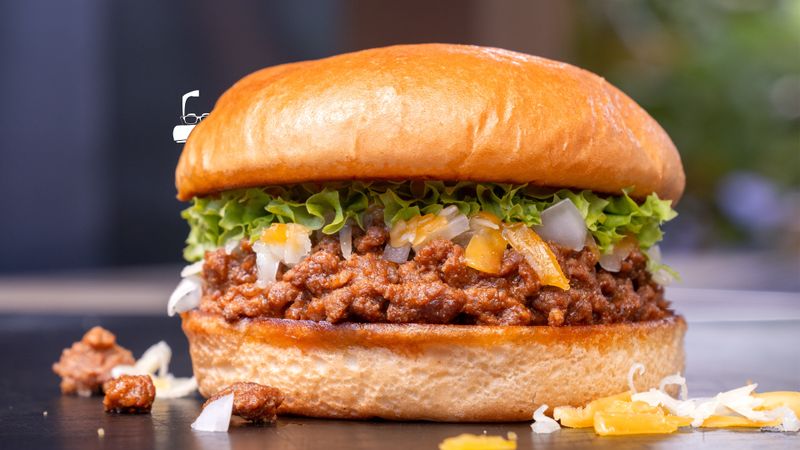
Imagine Taco Bell trying to make a Sloppy Joe – that’s basically what the Bell Beefer was. This oddball sandwich from the 1970s featured taco meat slapped onto a burger bun with lettuce, tomatoes, and mild sauce. Essentially, it was everything you’d find in a taco, just in sandwich form.
The creation actually had a dedicated fanbase! Some nostalgic customers still beg for its return decades later. But as Taco Bell doubled down on their Mexican-inspired identity throughout the 1980s, this burger-wannabe stuck out like a sore thumb on their menu.
4. McDonald’s McDLT
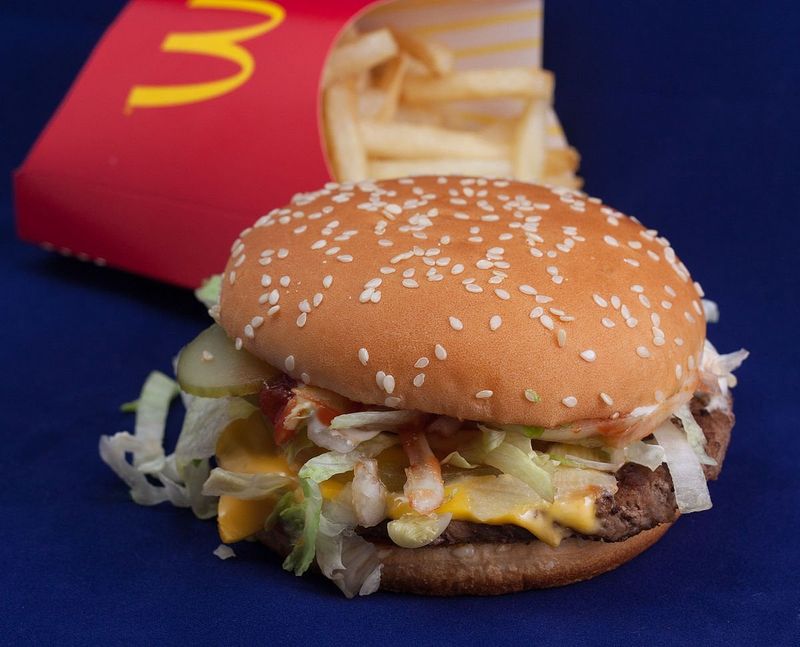
“Keep the hot side hot, and the cool side cool!” That was the revolutionary promise of McDonald’s McDLT in the mid-1980s. This burger came in a bizarre double-chambered styrofoam container – one side held the hot beef patty and bottom bun, while the other contained the cool toppings and top bun.
Despite the innovative packaging, the McDLT couldn’t escape growing environmental concerns. The massive styrofoam container became its downfall as eco-consciousness rose in the early 1990s.
5. KFC’s Double Down
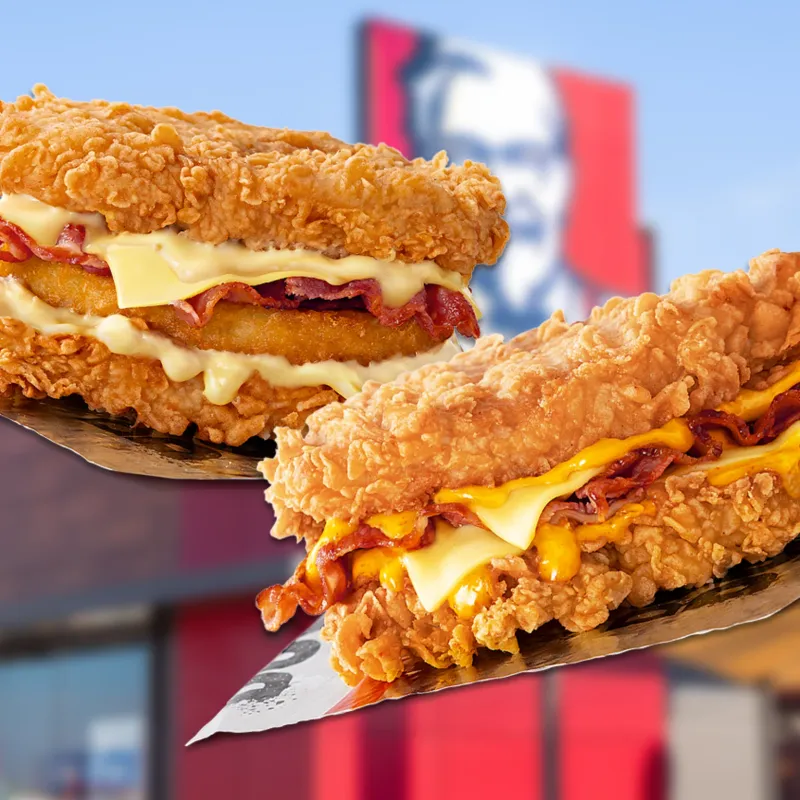
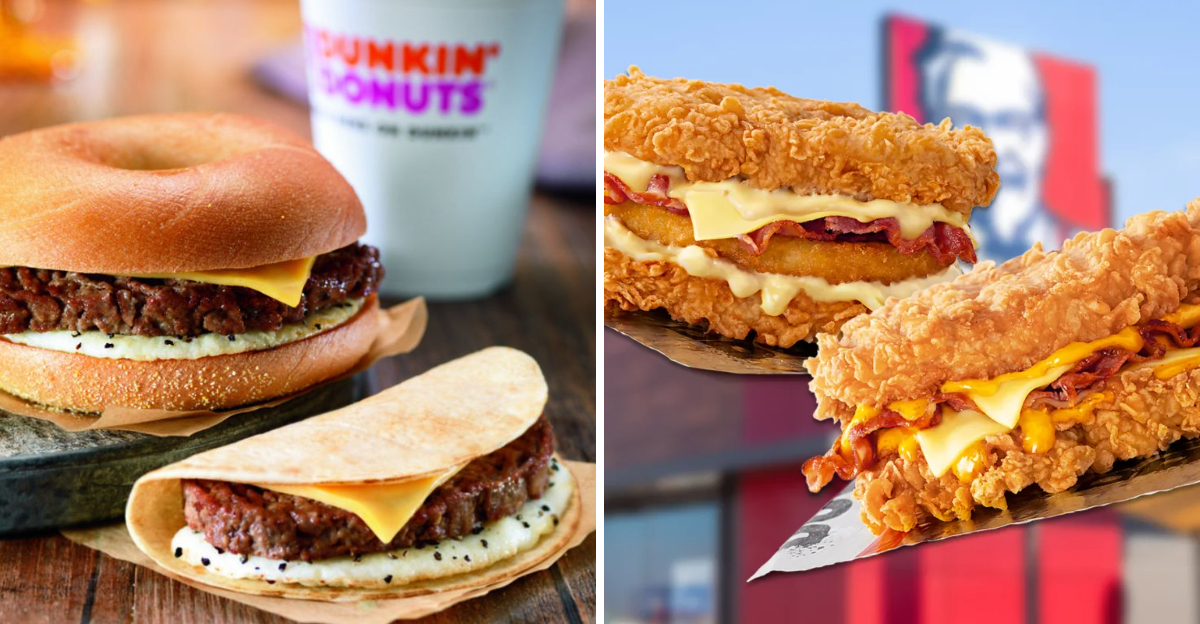
Bread? KFC said “who needs it!” and unleashed the Double Down in 2010 – two fried chicken fillets sandwiching bacon, cheese, and special sauce. Nutritionists nearly had heart attacks themselves over this 540-calorie monstrosity that seemed designed specifically to clog arteries.
The sandwich became an instant media sensation. Everyone was talking about it – mostly in tones of horrified fascination. Health advocates condemned it while adventurous eaters accepted the challenge. Initially a limited-time offering, KFC brought it back several times due to its viral status.
6. Starbucks Unicorn Frappuccino
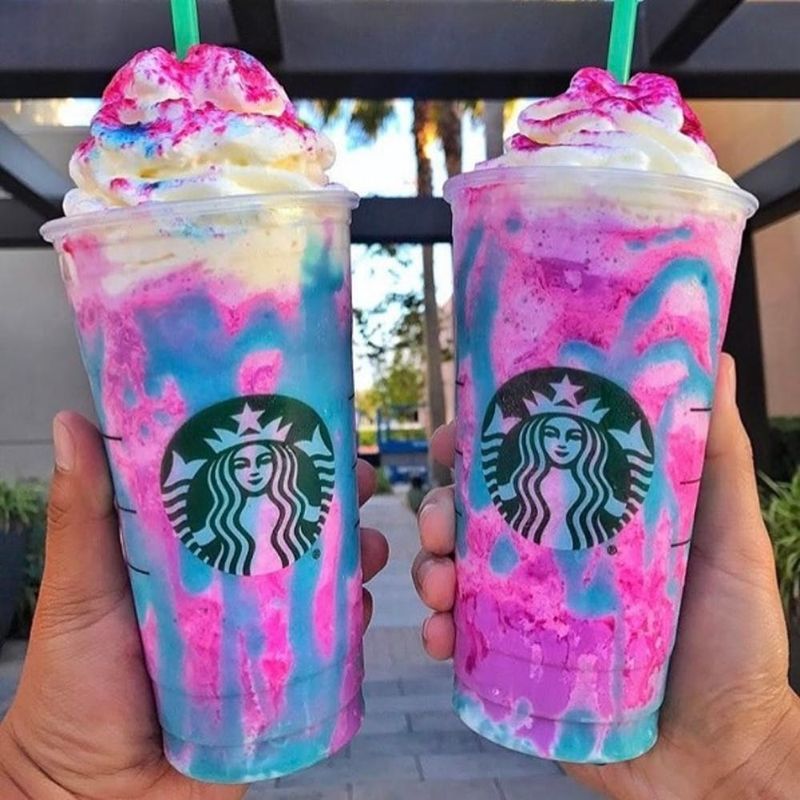
For one magical week in April 2017, Starbucks baristas everywhere suffered through making the most Instagram-famous drink ever created.
The Unicorn Frappuccino was a color-changing, sour-sweet concoction that started blue-pink and transformed to purple when stirred. It was designed specifically to break social media – and it worked. Despite its viral success, Starbucks wisely kept it as a limited-time offering.
7. Burger King’s Halloween Whopper
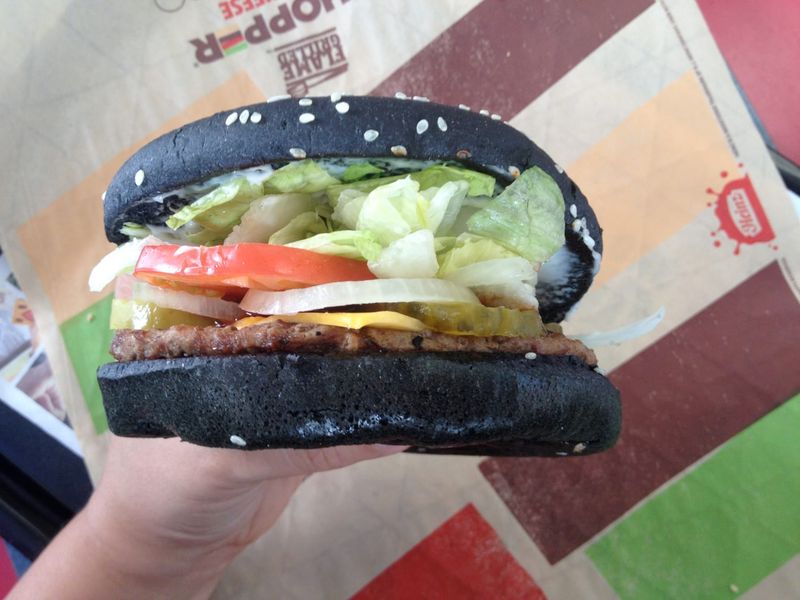
Spooky season took a truly terrifying turn in 2015 when Burger King unveiled the Halloween Whopper. This seemingly innocent burger featured a pitch-black bun infused with A.1. steak sauce.
Then came the unexpected plot twist. Customers started reporting a disturbing side effect: the black bun was turning their bathroom visits into alarming experiences. Yes, people’s poop was turning bright green! The food dye responsible for this phenomenon ensured the Halloween Whopper would go down in fast food infamy.
8. McDonald’s Arch Deluxe
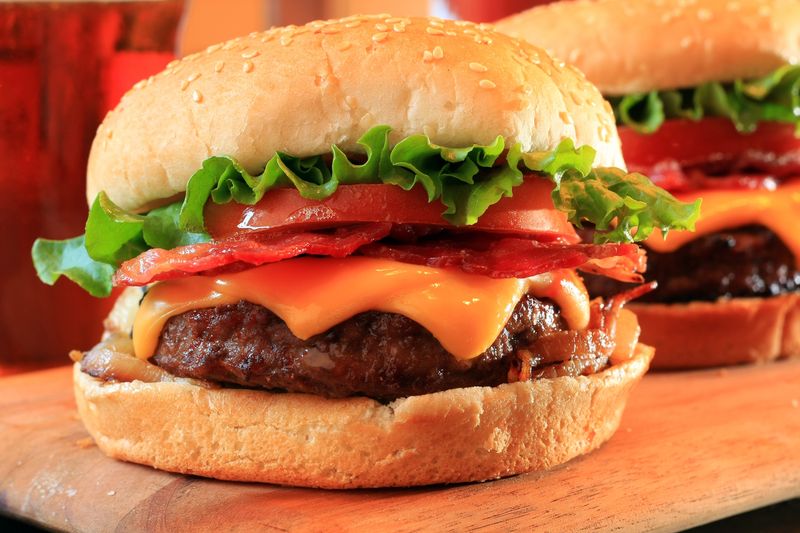
Remember when McDonald’s tried to go fancy? In 1996, they launched the Arch Deluxe – a burger explicitly marketed to adults with sophisticated palates. The $150 million marketing campaign featured kids turning up their noses at this grown-up sandwich with its circular bacon, peppered bacon, and special mustard-mayo sauce.
McDonald’s expected to sell $1 billion worth in the first year. Spoiler alert: they didn’t even come close. Turns out, nobody goes to McDonald’s for sophisticated dining experiences.
9. Dunkin’s Angus Steak & Egg Sandwich
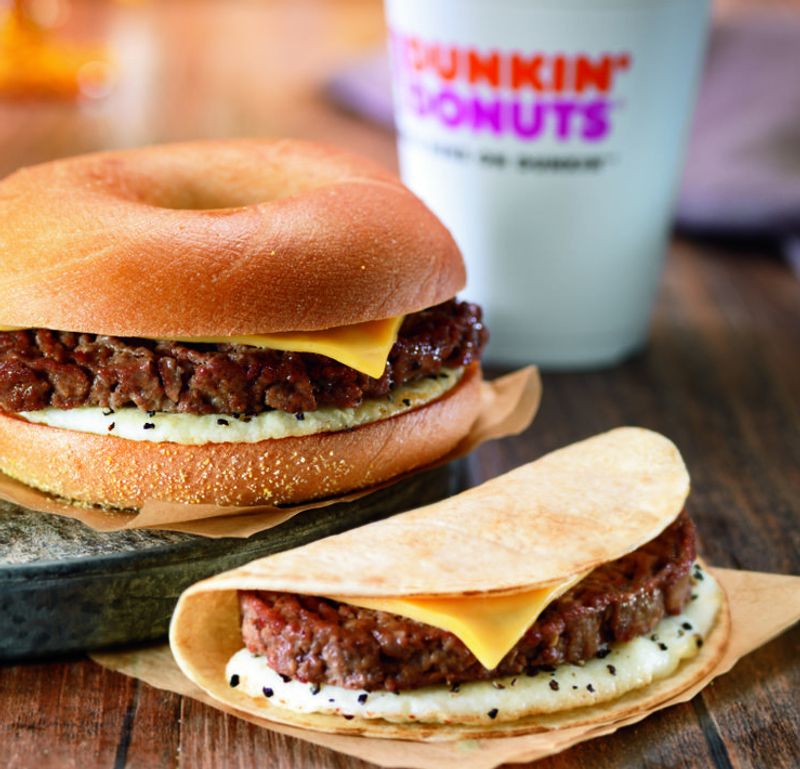
Lawsuit-inducing sandwiches aren’t typically on the menu, but Dunkin’ (then Dunkin’ Donuts) managed to create one! Their Angus Steak & Egg Sandwich, introduced in 2013, promised premium beef in breakfast form. The problem? Customers claimed there wasn’t actually any steak inside – just a beef patty.
One particularly disgruntled customer filed a class-action lawsuit in 2017, alleging false advertising. The legal complaint stated that the sandwich contained a “beef patty” made of ground beef, not the sliced steak one might expect from the name. Talk about a meaty controversy!
10. Jack in the Box’s Bacon Shake
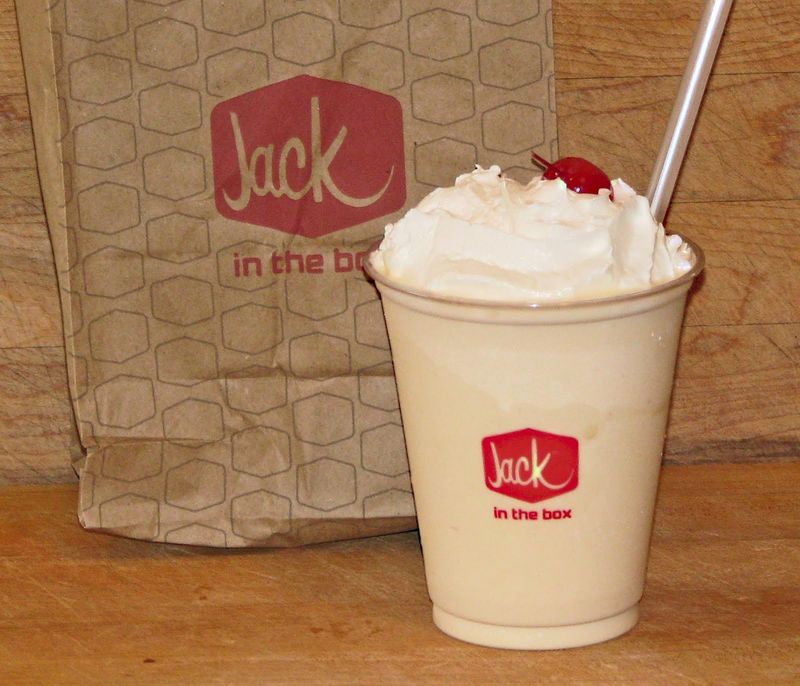
Bacon-flavored ice cream – what could possibly go wrong? In 2012, Jack in the Box decided to capitalize on America’s bacon obsession by creating a milkshake that tasted like everyone’s favorite breakfast meat. No actual bacon pieces were harmed in the making of this beverage; it was just vanilla ice cream blended with bacon-flavored syrup.
The mere announcement sparked internet outrage and fascination. Food critics described the taste as everything from “liquid smoke with vanilla” to “like someone sprinkled bacon bits into a cheap candle and then liquefied it.”
11. Subway’s Flatizza
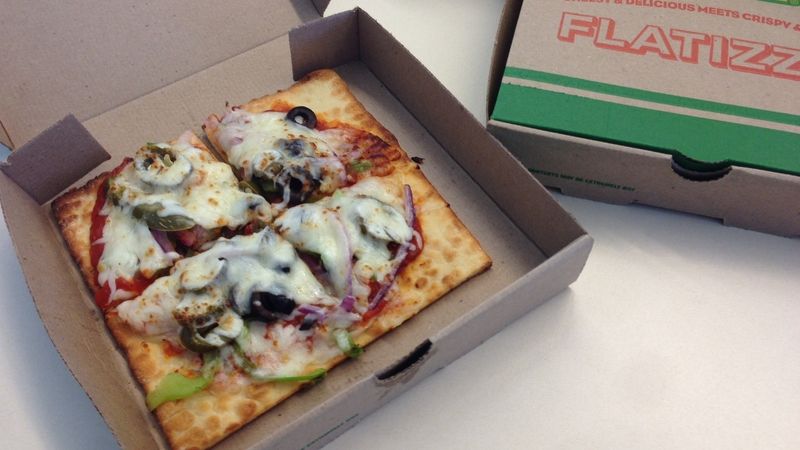
Half pizza, half flatbread, 100% forgettable. In 2014, Subway introduced the awkwardly named “Flatizza” in an attempt to compete in the pizza market without actually investing in pizza ovens. These personal-sized creations featured flatbread topped with marinara sauce, cheese, and various toppings.
The name itself became an immediate target for mockery. Customers couldn’t figure out how to pronounce it, and employees dreaded hearing mangled attempts. Beyond the linguistic challenges, the product itself was mediocre at best – neither a good pizza nor a satisfying flatbread.
12. Pizza Hut’s Hot Dog Stuffed Crust Pizza (U.S. version)
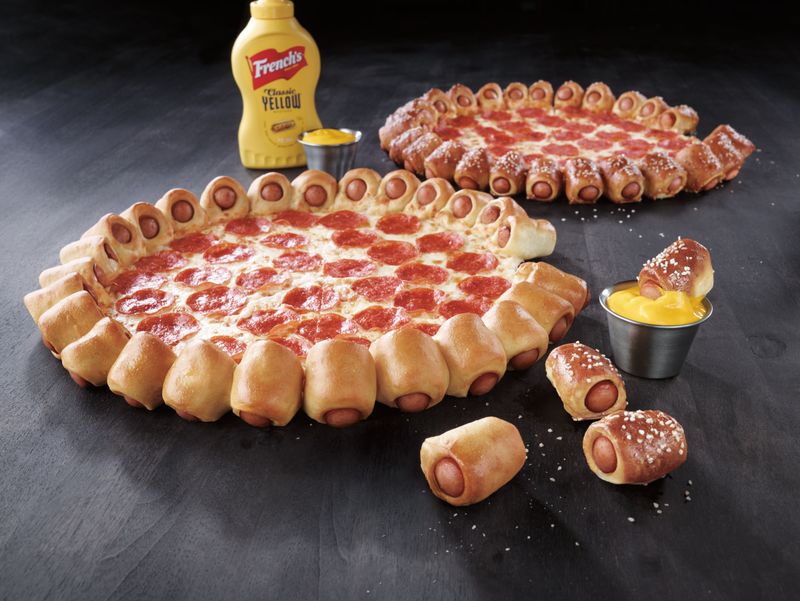
America finally got what nobody asked for in 2015 when Pizza Hut imported their international sensation: pizza with hot dogs embedded in the crust. Each slice ended with a hot dog wrapped in crust, creating a bizarre pizza-hot dog hybrid.
While the concept had succeeded in other countries (particularly the UK and South Korea), American customers weren’t as enthusiastic. Critics called it everything from “an abomination” to “a crime against food.” The pizza-dog combo faced brutal reviews, with many noting the hot dogs tasted processed and rubbery.