American Foods That Were Banned In Other Countries, But Not Anymore
American foods have sometimes faced restrictions in other countries due to different safety standards, ingredient regulations, or health concerns.
Over time, many of these bans have been lifted as companies adjusted their recipes or as regulations evolved. Look at seven American food products that were once banned abroad but have since made their way back onto international shelves.
7. Kinder Surprise Eggs Make A Comeback
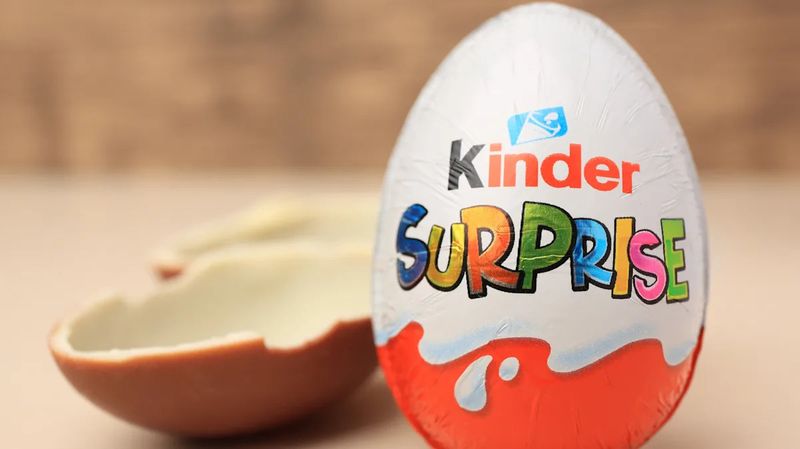
These chocolate eggs with toys inside were long forbidden in the U.S. due to choking hazard concerns. The FDA prohibited them under a 1938 law banning non-food items inside edibles.
Today, modified versions like Kinder Joy (with separate toy compartments) are legally sold in America, while traditional Kinder Surprise eggs are increasingly available through special imports under relaxed regulations.
6. U.S. Beef Returns To Global Dinner Tables
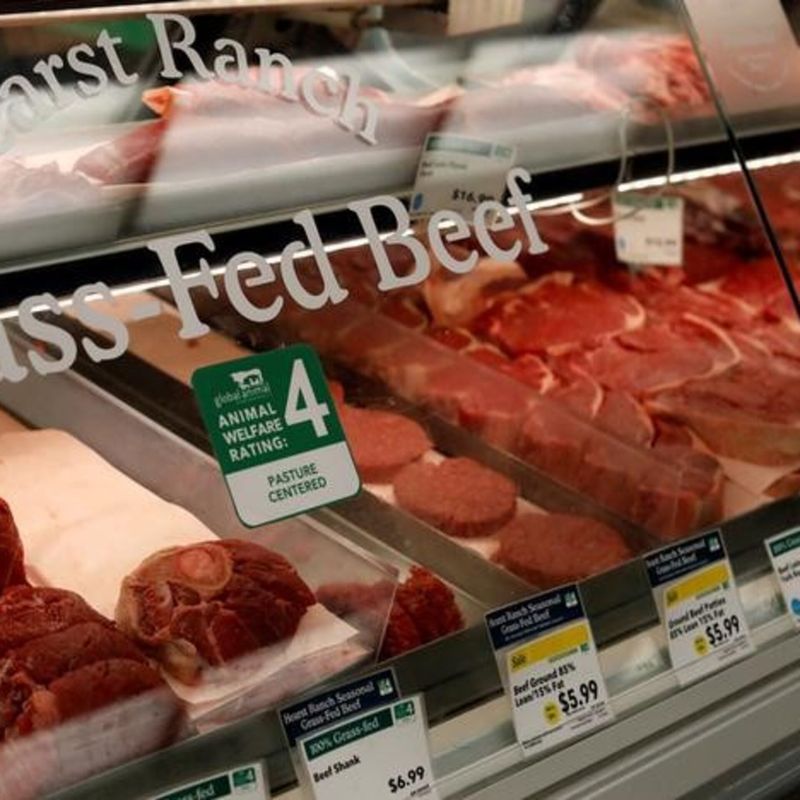
Remember the mad cow disease panic? In 2003, numerous countries including Japan, South Korea, and most of Europe slammed their doors on American beef imports after BSE cases were discovered.
Ranchers faced devastating losses as exports plummeted. Thankfully, after implementing stricter feeding regulations and enhanced testing protocols, these markets gradually reopened, though some still maintain age restrictions on imported cattle.
5. Mountain Dew Fizzes Back Into Scandinavia
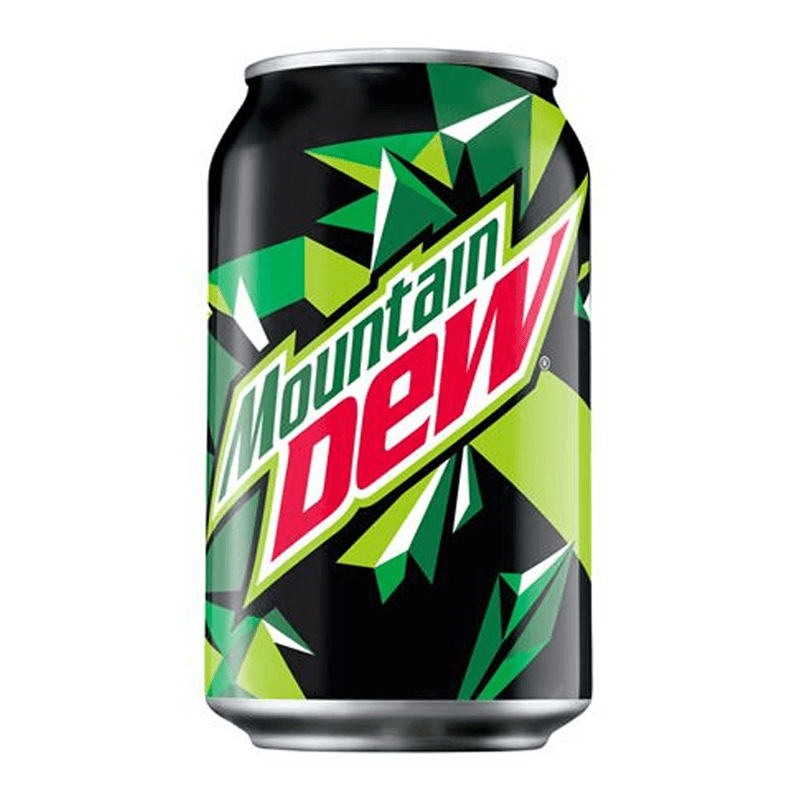
The neon-green soda that fuels American gamers and students once couldn’t cross Nordic borders. Norway and Denmark banned it because of brominated vegetable oil and Yellow 5 dye concerns.
PepsiCo eventually reformulated the drink specifically for these markets. The European version now contains different sweeteners and colorings that comply with stricter EU regulations while maintaining that signature citrus kick fans crave.
4. Twinkies Bounce Back Across The Pond
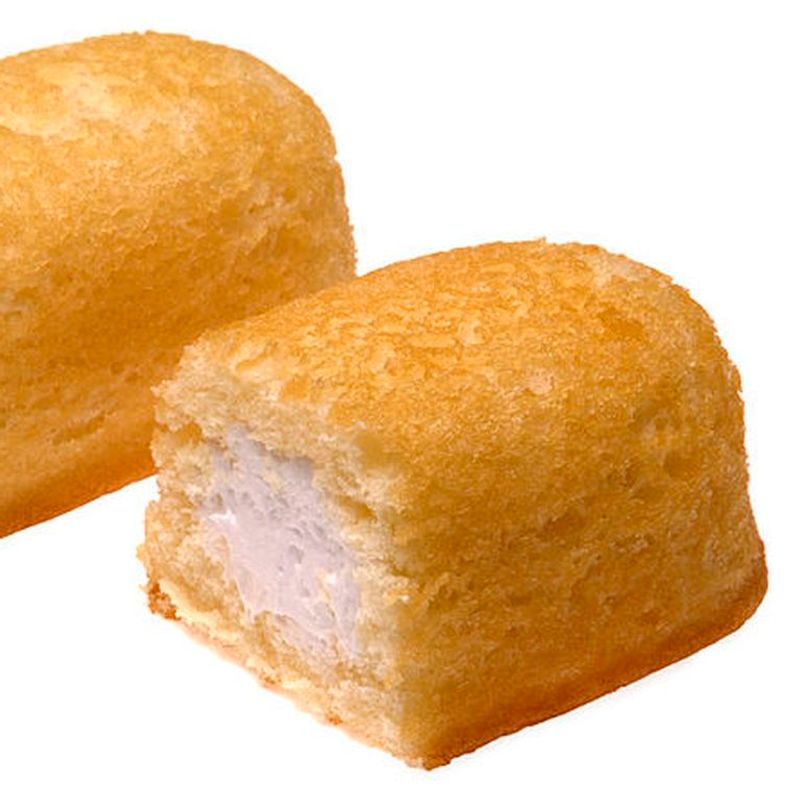
Those iconic cream-filled golden snack cakes were once personae non gratae in parts of Europe. The culprits? Artificial colors and preservatives that didn’t meet EU standards.
After Hostess reformulated their recipe with fewer synthetic ingredients, these spongy treats gradually returned to European shelves. Modern Twinkies contain fewer artificial preservatives than their predecessors did, though they still don’t match the clean-label standards of European-made cakes.
3. Blue Bell Ice Cream Scoops International Approval
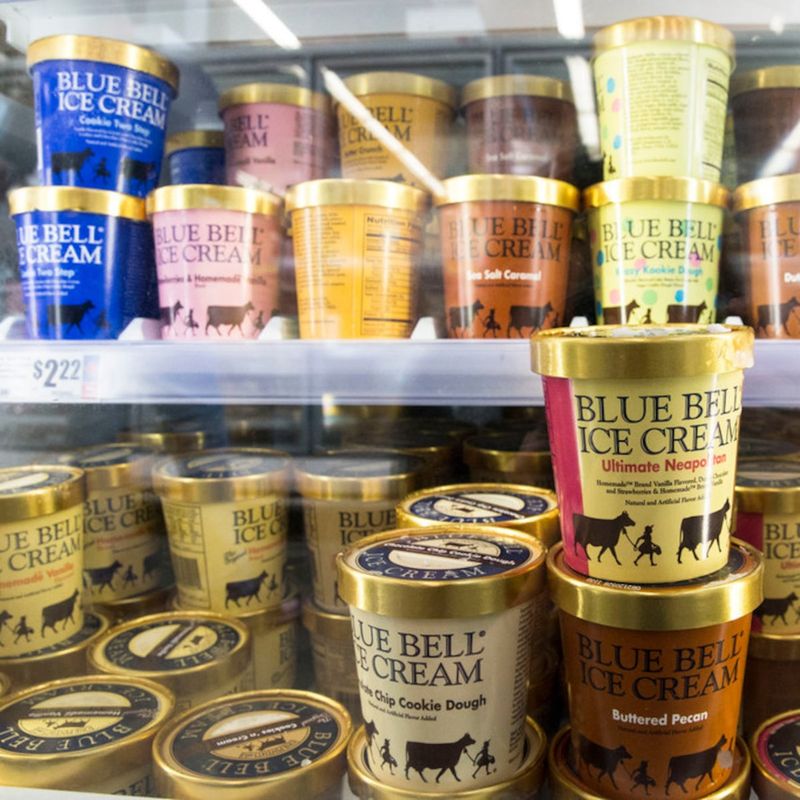
This beloved Texas-born ice cream faced temporary international bans following a deadly 2015 listeria outbreak. Singapore and Taiwan were among countries that immediately halted imports as ten people were hospitalized and three died.
After a complete factory overhaul and implementing new safety protocols, Blue Bell slowly regained trust. Their enhanced testing procedures and modernized facilities helped convince international regulators to welcome back the creamy Southern favorite to freezers worldwide.
2. Reese’s Sweet Return To European Shelves
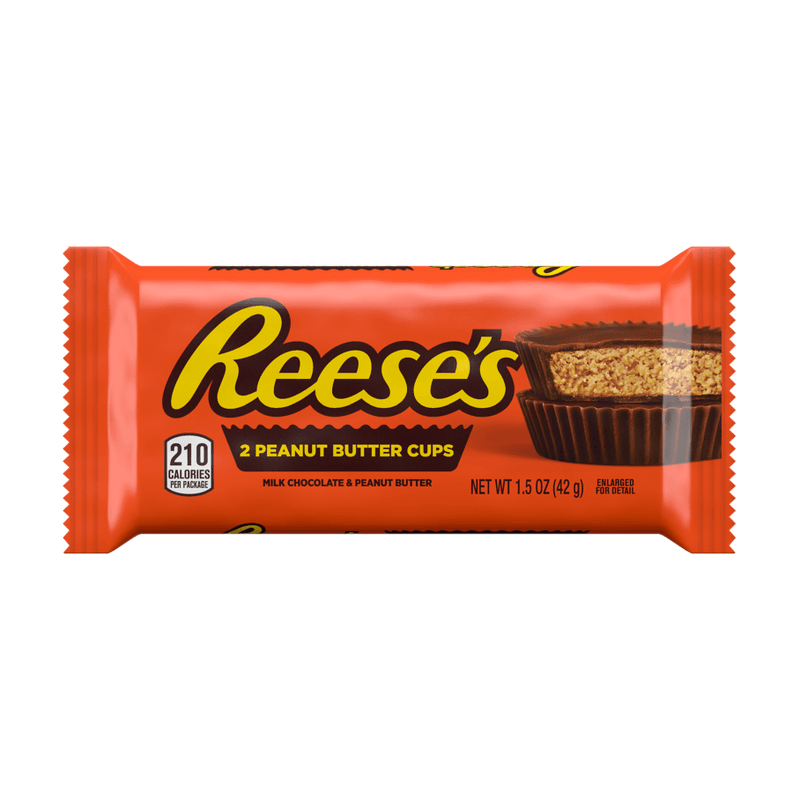
Those distinctive orange packages couldn’t be found in certain European countries for years. The chocolate-peanut butter cups contained artificial colors and PGPR (an emulsifier) that didn’t meet strict EU additive regulations.
Hershey eventually created special European recipes without certain controversial ingredients. While not identical to American versions, these reformulated treats satisfy European regulations while still delivering that unmistakable peanut butter and chocolate combination that fans worldwide crave.
1. American Processed Cheese Melts Restrictions
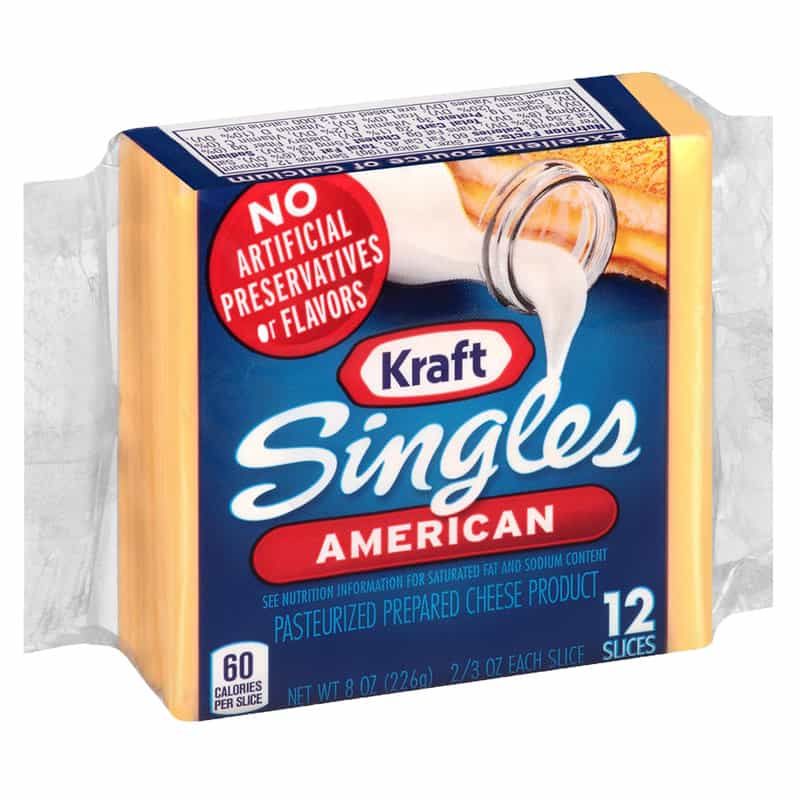
Those individually-wrapped slices and spray cheese products faced serious pushback in France, Italy and other countries with strong cheese traditions. European regulations banned them for excessive additives, artificial colors, and not meeting minimum dairy content requirements.
Changes in labeling laws now allow these products to be sold with clear distinctions from traditional cheese. Many manufacturers have also reformulated their products with fewer artificial ingredients to meet international standards while maintaining their melt-friendly properties.