Canadians Quietly Boycotted These 7 Iconic U.S. Food Brands And It Actually Worked
It didn’t start with protests or headlines—just quieter choices at the grocery store. One by one, familiar American brands were left on shelves as Canadians reached for something closer to home.
What began as small acts of everyday spending turned into a powerful shift. These seven U.S. food giants never saw it coming—and the impact was impossible to ignore.
1. McDonald’s Golden Arches Lose Their Shine
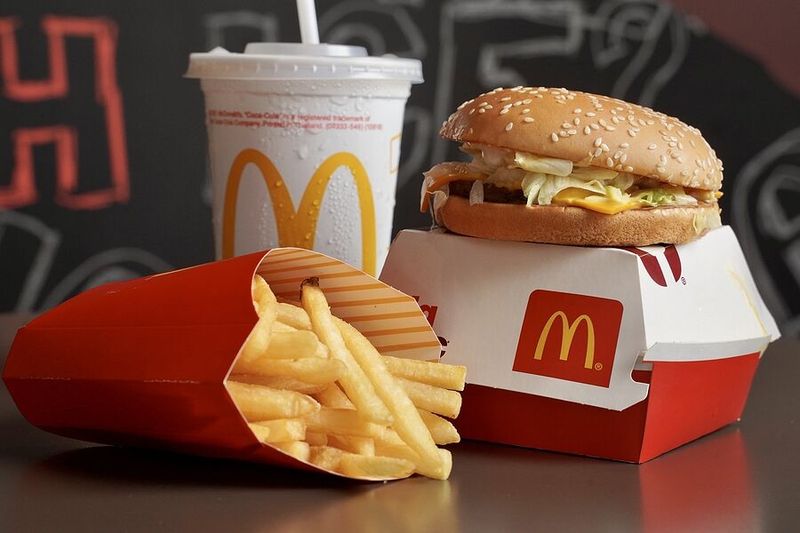
It wasn’t noisy, but it struck a chord. McDonald’s, once woven into childhood memories and hectic family dinners, experienced a sharp downturn in Canada.
More parents began to ask why their kids were eating imported fast food while nearby farms were barely staying afloat. Small-town burger spots that had long hovered near shutdown were now packed. The burger stayed the same—what it stood for didn’t.
2. Starbucks Faces A Canadian Coffee Freeze-Out
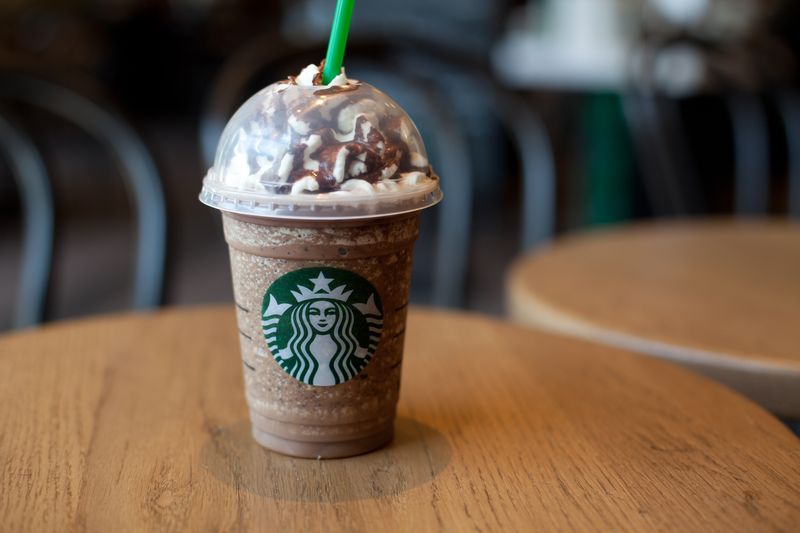
For years, Starbucks was woven into the rhythm of daily life. But in 2025, grabbing a coffee became more than a habit—it became a choice. More Canadians began to rethink where their money went, opting to support independent cafés over corporate chains.
Loyal customers turned their backs on familiar counters to explore neighborhood spots with fresh charm. Coffee cups still steamed, but now they carried a quiet message about community and conscience.
3. Walmart’s Retail Revolution Meets Resistance

Walmart’s low prices had long drawn in families watching their wallets. But in 2025, the shine began to dull as more people asked what those bargains were really costing their neighborhoods.
Quietly, carts rolled past Walmart and into Loblaws, Metro, and community-run co-ops instead. What once felt like saving money started to feel like selling something off. The bold blue and yellow began to blend into the background.
4. KFC’s Secret Recipe For Canadian Controversy
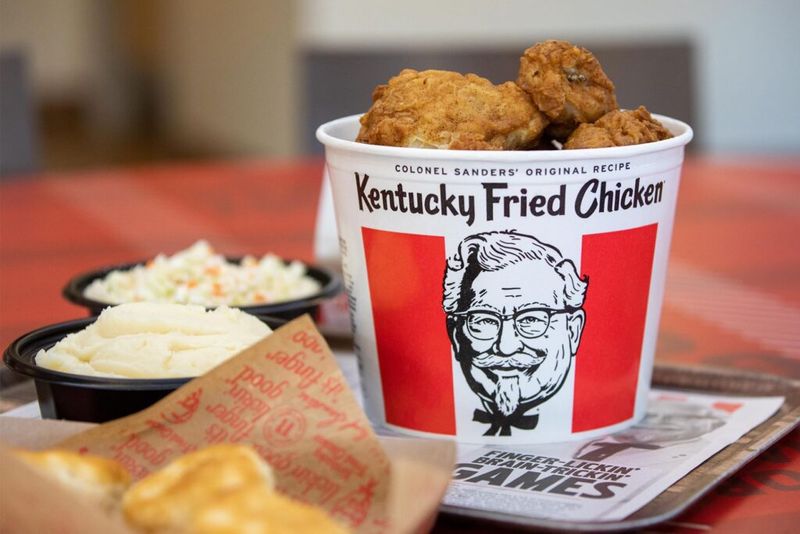
Sunday dinners with a bucket of fried chicken were once a cozy family staple across Canada. But over time, that familiar crunch began to carry a different weight.
Places like Mary Brown’s saw a surge in diners looking for something that felt closer to home—meals that reflected their own stories. It wasn’t about giving up fried chicken; it was about rediscovering where it truly belonged.
5. Coca-Cola’s Bubble Bursts In The Great White North
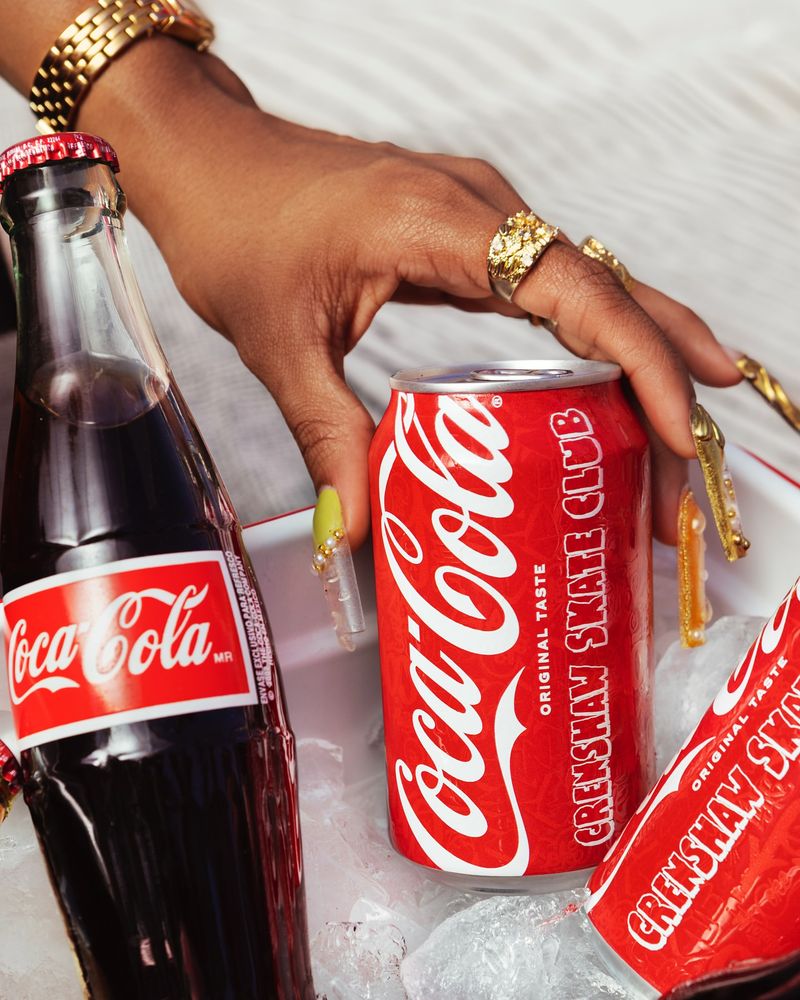
Few brands have been as closely linked to happiness as Coca-Cola. But by 2025, the red cans sat untouched on store shelves. Eateries swapped out soda fountains, and universities quietly removed it from their vending machines.
Diners began reaching for homegrown options, asking for something with roots closer to theirs. The move from Coke to Canada Dry wasn’t loud or angry—it was intentional. And in that simple switch, something bigger was being said.
6. Budweiser’s Patriotic Blunder
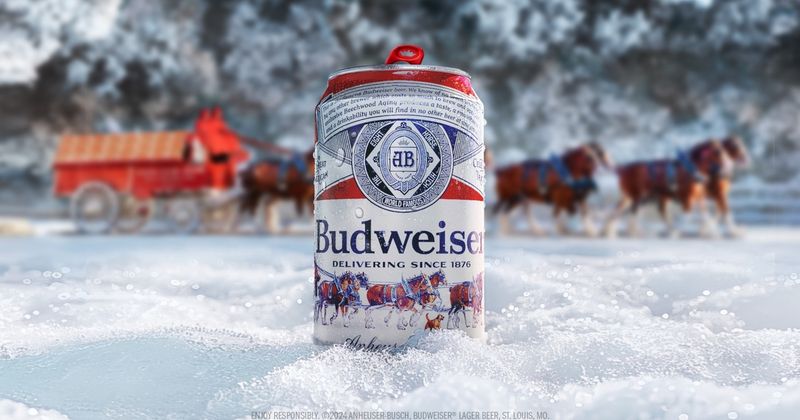
Beer has always been part of the Canadian fabric—poured at barbecues, passed around during hockey games, and cracked open at the cottage. But by 2025, Budweiser had lost its place at the table.
Demand for local brews surged, and shelves gave prime space to proudly Canadian names like Moosehead and Steam Whistle. Handing someone a Bud started to feel out of touch. A cold craft beer wasn’t just refreshment anymore—it was a nod to identity.
7. Heinz Ketchup’s Tomato Troubles
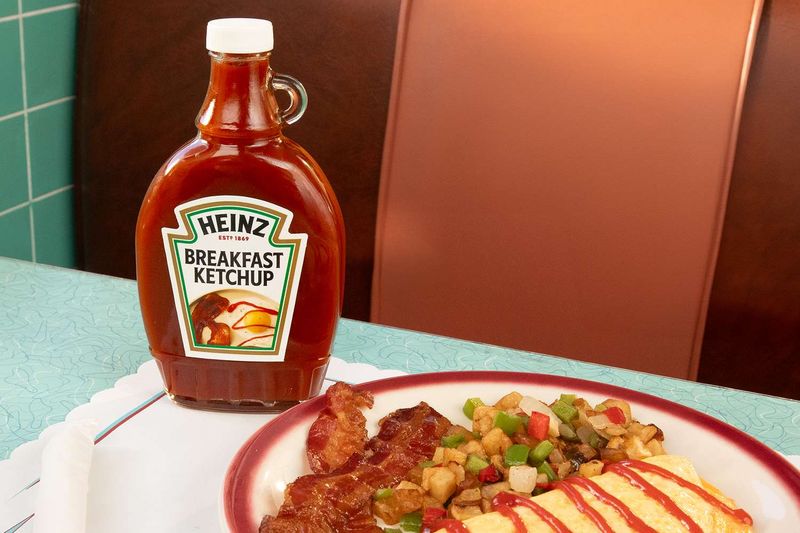
For generations, Heinz ketchup was a fixture on Canadian tables—squeezed onto burgers, fries, and just about everything else. But by 2025, that iconic red bottle started to disappear.
As more Canadians questioned why a homegrown product was being made abroad, brands like French’s, which sourced tomatoes from Ontario, took center stage. Choosing a different ketchup wasn’t about taste—it was about loyalty. And suddenly, what sat next to the salt and pepper said a lot more than it used to.