17 Food Questions You Never Bothered To Ask
Food is more than just sustenance. It’s filled with mysteries we rarely think about! From weird ingredients to strange cooking methods, the culinary world hides countless secrets in plain sight.
Ready to discover some mind-boggling food facts that will make your next meal way more interesting? Time to dig in and get a little food for thought!
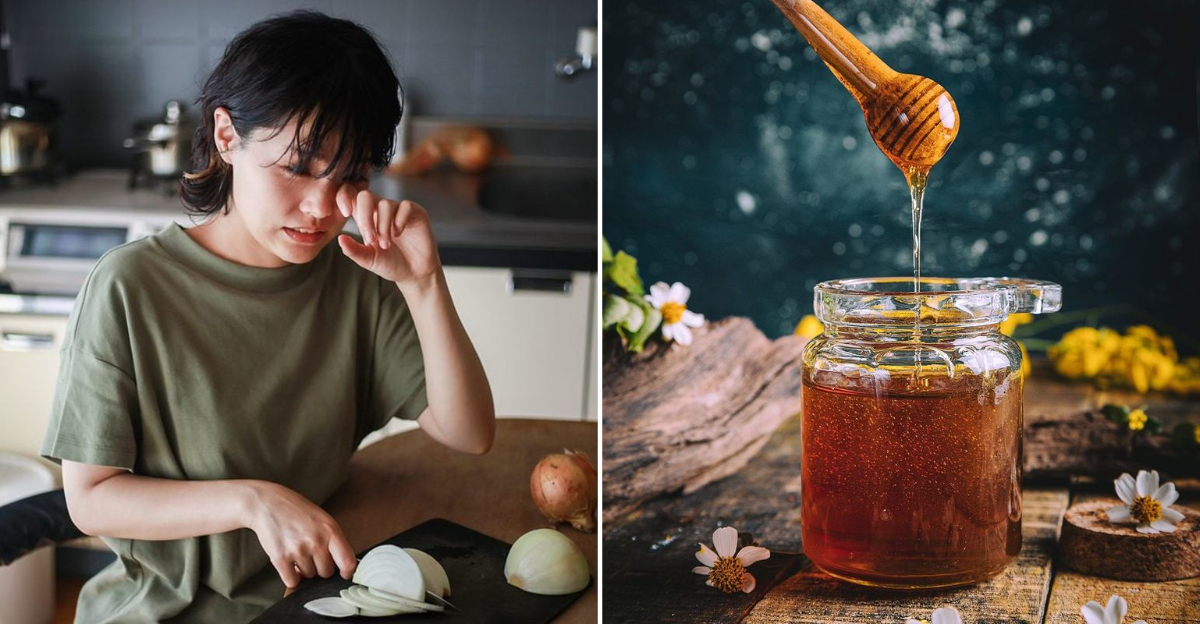
1. Why Do Onions Make Us Cry?

Onions release a gas called syn-propanethial-S-oxide when cut. This irritating chemical floats up to your eyes and triggers tear production as a protective mechanism.
Your body isn’t being dramatic, it’s actually defending your precious peepers from what it perceives as an attack!
2. Is White Chocolate Actually Chocolate?
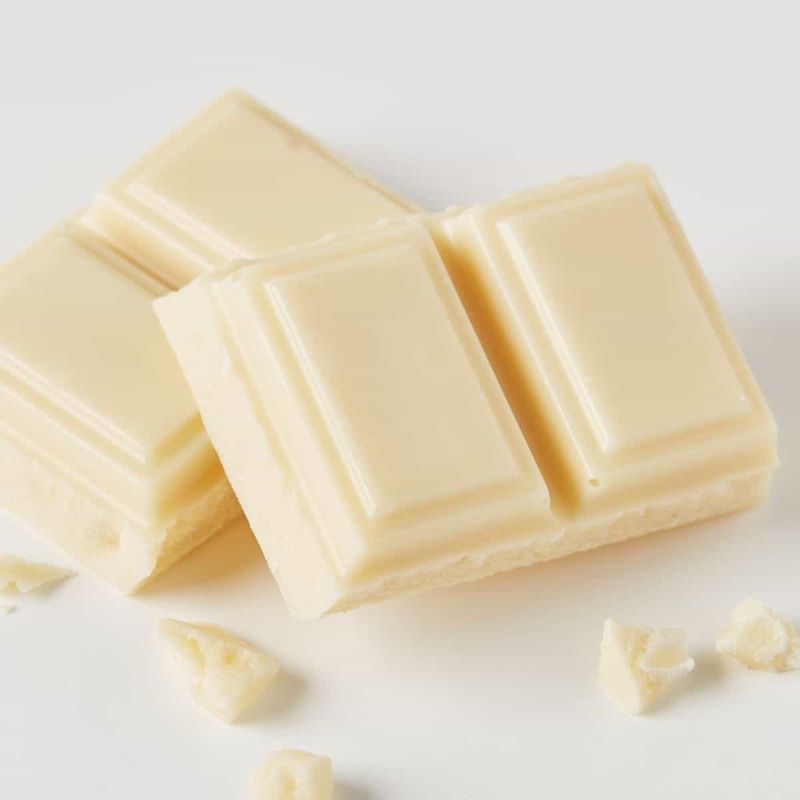
Technically speaking, white chocolate isn’t true chocolate! It lacks cocoa solids found in milk and dark varieties. Instead, this creamy confection contains cocoa butter, sugar, and milk solids.
Some chocolate purists might scoff, but white chocolate still belongs to the chocolate family tree.
3. Do Carrots Really Improve Your Eyesight?
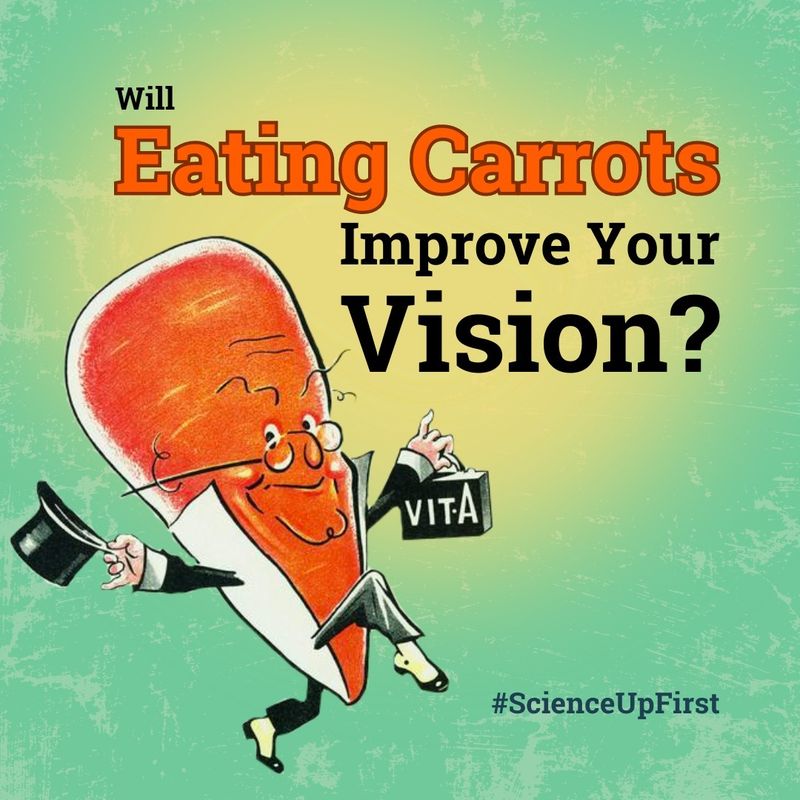
Partially true! Carrots contain beta-carotene, which converts to vitamin A, essential for eye health. However, eating mountains of carrots won’t give you superhero vision.
The myth originated from British propaganda during WWII to hide their radar technology. They claimed pilots ate carrots to see German bombers at night!
4. Can Honey Really Never Spoil?
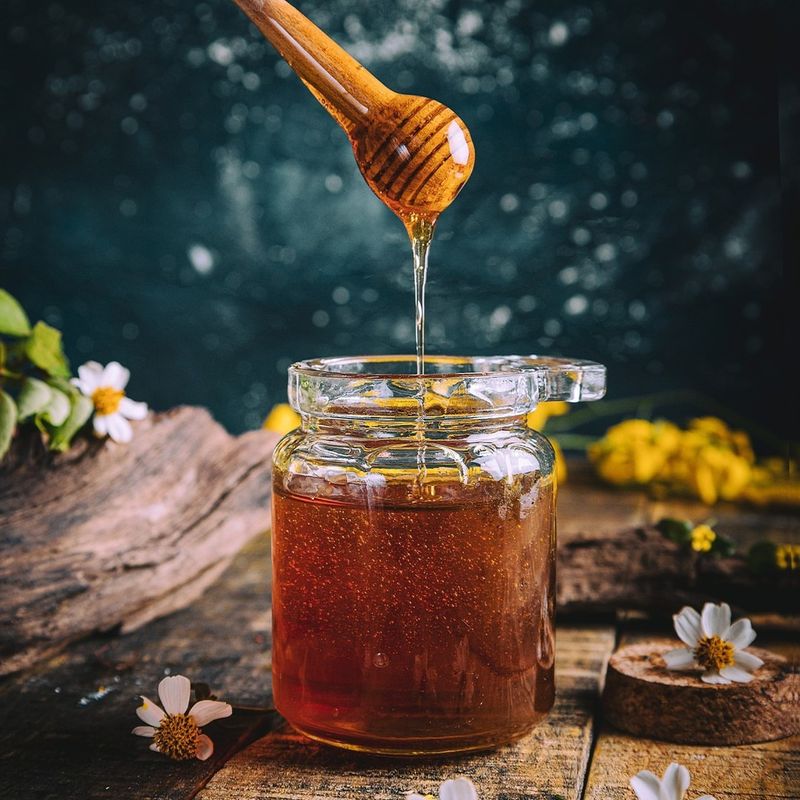
Archaeologists have found 3,000-year-old honey in Egyptian tombs that’s still perfectly edible! Honey’s low moisture content and natural acidity create an environment where bacteria simply cannot survive.
Plus, bees add an enzyme that produces hydrogen peroxide, giving honey additional antibacterial properties.
5. Why Does Pineapple Make Your Mouth Feel Weird?
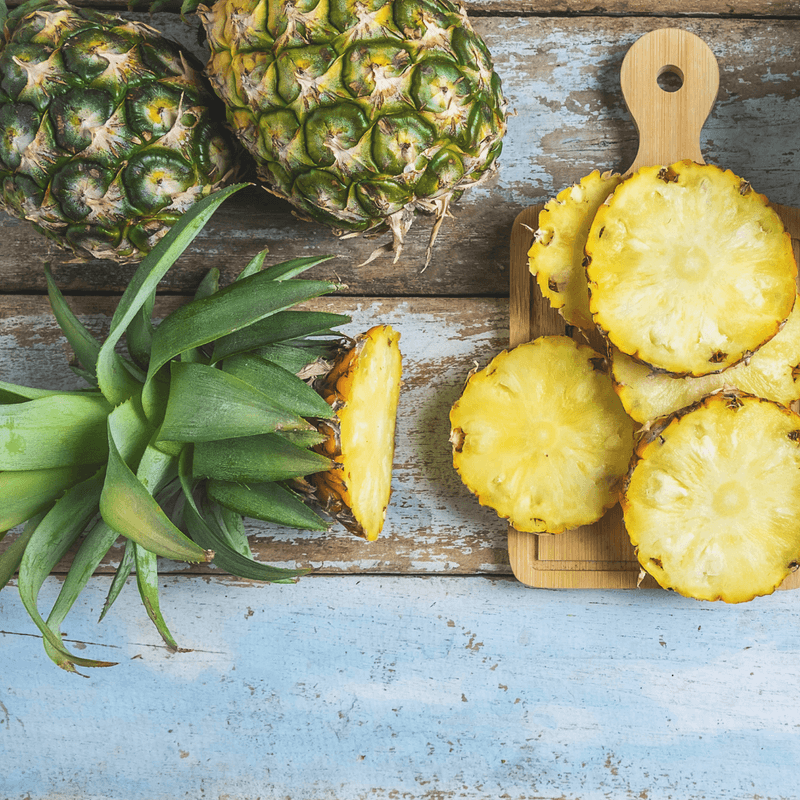
Ever felt that tingling sensation? Pineapples contain bromelain, an enzyme that actually digests protein, including the tissues in your mouth! You’re not just eating pineapple; it’s eating you back.
Fortunately, cooking pineapple breaks down this enzyme, which explains why canned pineapple doesn’t create the same effect.
6. Are Apple Seeds Really Poisonous?
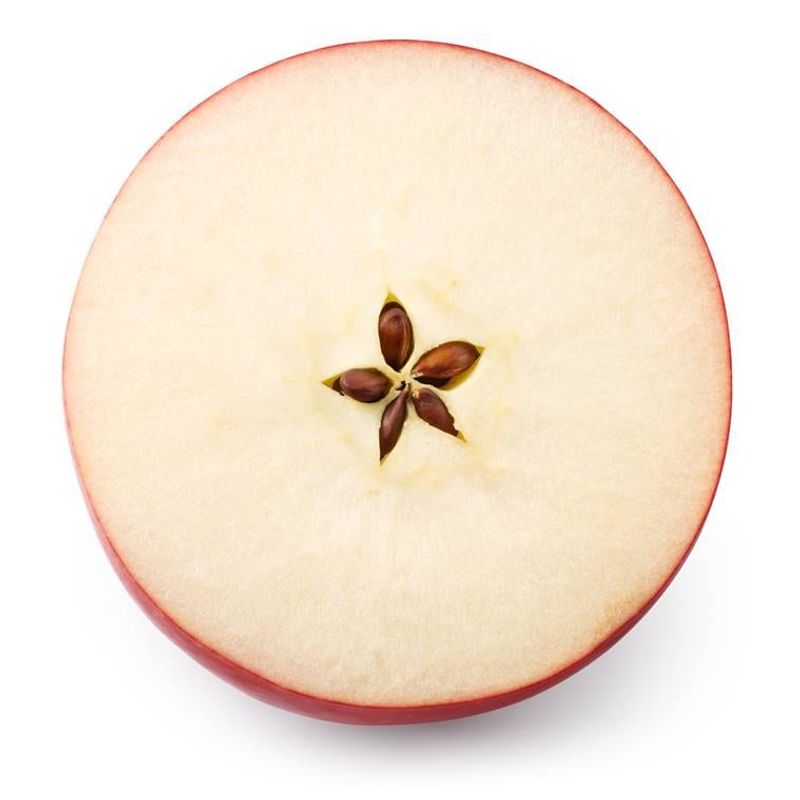
Yes and no! Apple seeds contain amygdalin, which releases cyanide when crushed and digested. Don’t panic though – you’d need to thoroughly chew and swallow about 200 seeds to reach dangerous levels.
Casually swallowing a few seeds from your apple won’t harm you at all.
7. Why Does Asparagus Make Urine Smell Funny?
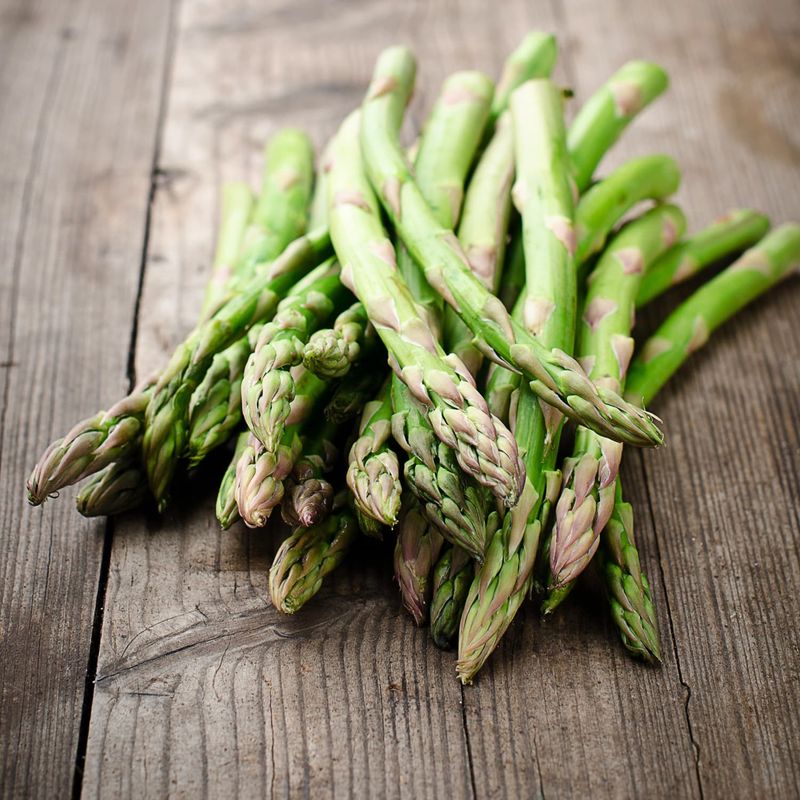
Asparagus contains asparagusic acid, which breaks down into sulfur-containing compounds during digestion. These volatile compounds evaporate quickly, creating that distinctive odor when you pee.
Interestingly, not everyone can smell it! About 40% of people have a genetic variation that prevents them from detecting this unique aroma.
8. Is Spicy Food Actually Burning You?
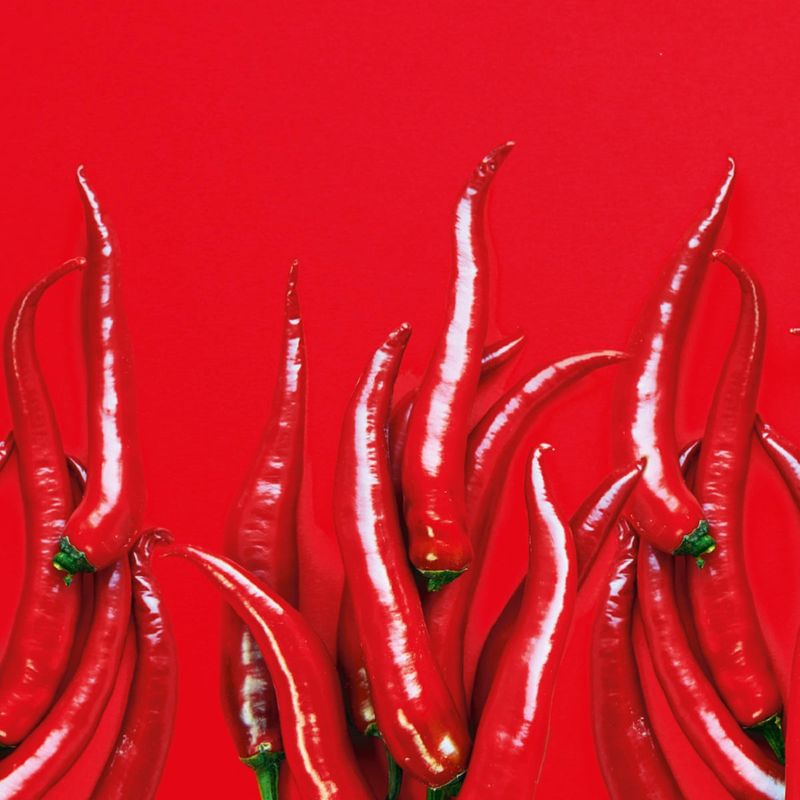
Nope! Capsaicin in chili peppers triggers your pain receptors, tricking your brain into thinking you’re experiencing heat or pain. No actual tissue damage occurs despite the burning sensation.
Your body responds as if it’s being burned, releasing endorphins – which explains why some people become addicted to spicy foods!
9. Do Different Parts Of Your Tongue Taste Different Flavors?
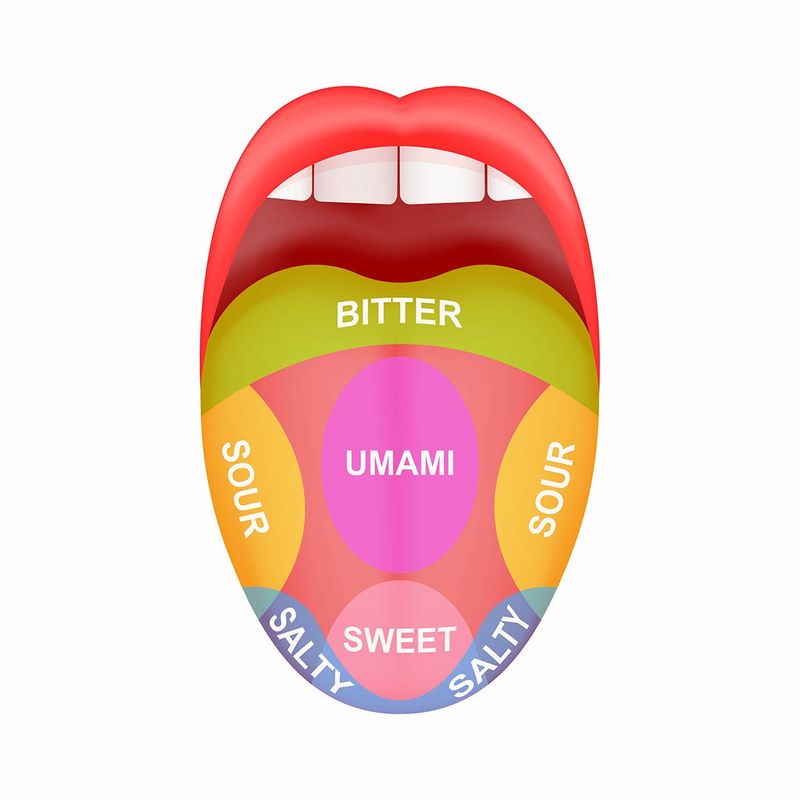
That tongue map from school showing sweet at the tip and bitter at the back? Completely wrong! Modern research confirms taste receptors for all flavors exist throughout your tongue.
The myth originated from a mistranslation of a German paper in 1901, yet somehow persisted in textbooks for decades.
10. Why Does Swiss Cheese Have Holes?
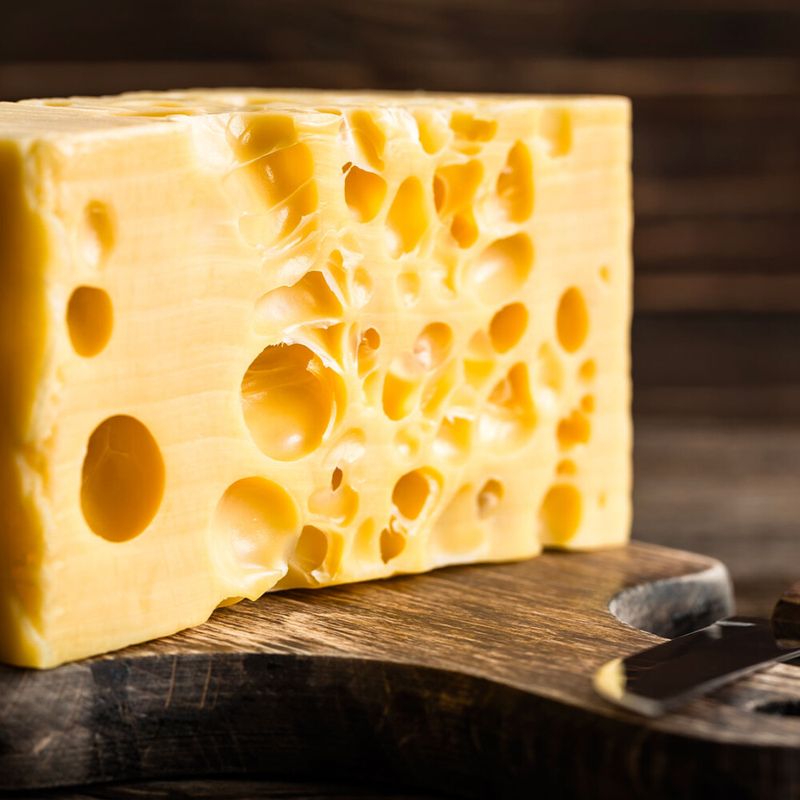
Those iconic holes (properly called “eyes”) form from carbon dioxide bubbles released by bacteria during fermentation. As the cheese ages, the gas creates pockets in the soft curd.
Funny enough, modern, cleaner milk production has resulted in fewer holes in Swiss cheese compared to decades ago!
11. Can You Really Get Drunk From Rum Cake?

Most alcohol evaporates during baking, but not all of it! Studies show that after one hour of baking, about 25% of alcohol remains. For rum cake specifically, the glaze added after baking contains uncooked alcohol.
You’d need to eat several cakes to feel tipsy, but people sensitive to alcohol should be aware!
12. Are Green Potatoes Dangerous?
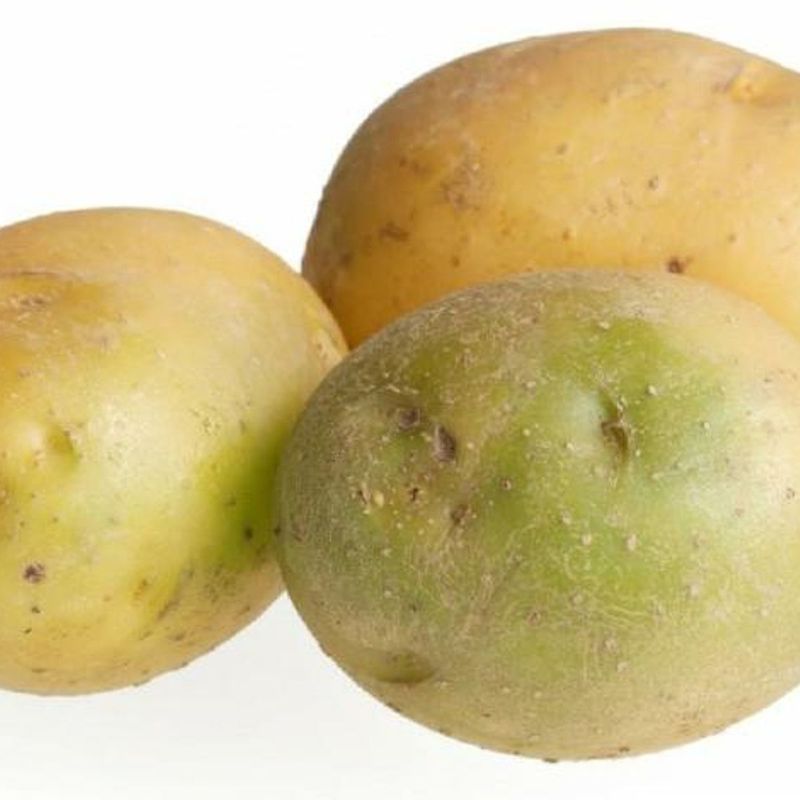
Green potatoes contain solanine, a natural toxin that can cause headaches, nausea, and in extreme cases, paralysis. The greening happens when potatoes are exposed to light.
Moderate consumption probably won’t kill you, but why risk it? Simply cut away the green parts or toss heavily greened potatoes entirely.
13. Why Does Grapefruit Interfere With Medications?
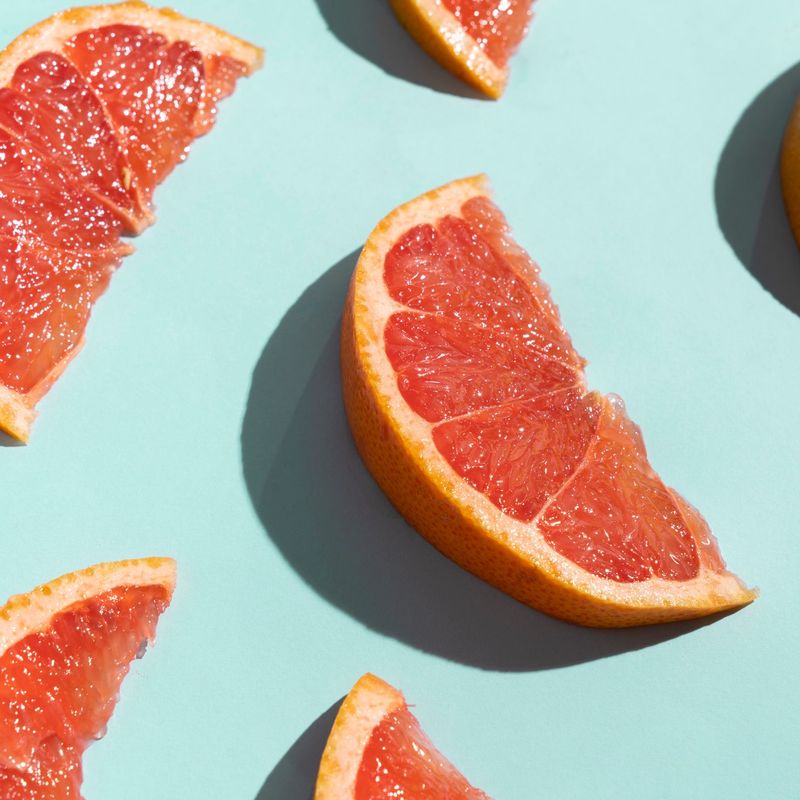
Grapefruit contains compounds that inhibit an enzyme responsible for breaking down certain medications. This can cause drug levels in your bloodstream to rise to potentially dangerous levels.
Over 85 medications interact with grapefruit! Always check with your doctor or pharmacist if you’re a grapefruit lover taking prescription drugs.
14. Is MSG Actually Bad For You?
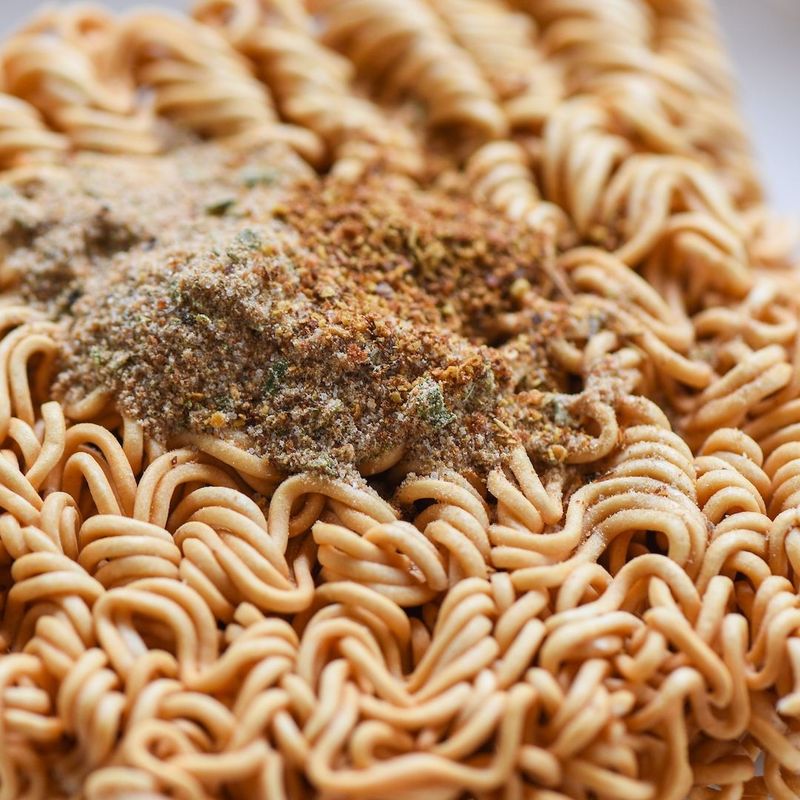
Despite its reputation, scientific consensus shows MSG (monosodium glutamate) is safe for most people. The “Chinese Restaurant Syndrome” fears stemmed from a 1968 letter containing racial bias, not scientific evidence.
MSG occurs naturally in tomatoes, cheese, and seaweed. Your body processes it the same way as natural glutamates!
15. Why Do Beans Make You Gassy?
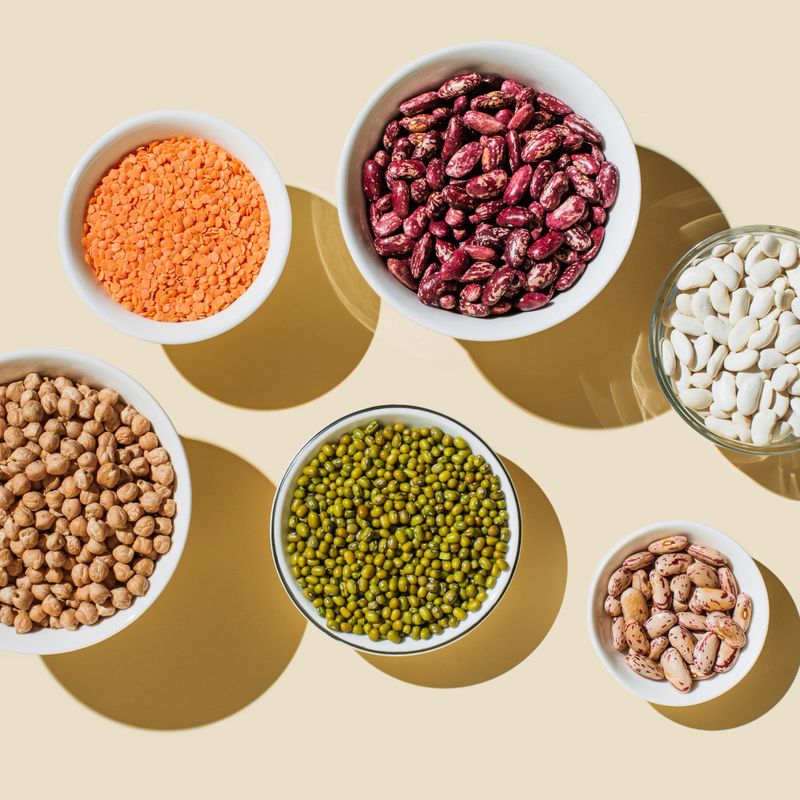
Beans contain oligosaccharides, complex sugars humans can’t digest. Our gut bacteria feast on these sugars in the large intestine, producing gas as a byproduct of their fermentation party.
Soaking beans before cooking helps break down these sugars. Products like Beano provide enzymes that help digest these troublesome compounds.
16. Is Organic Food Really Healthier?
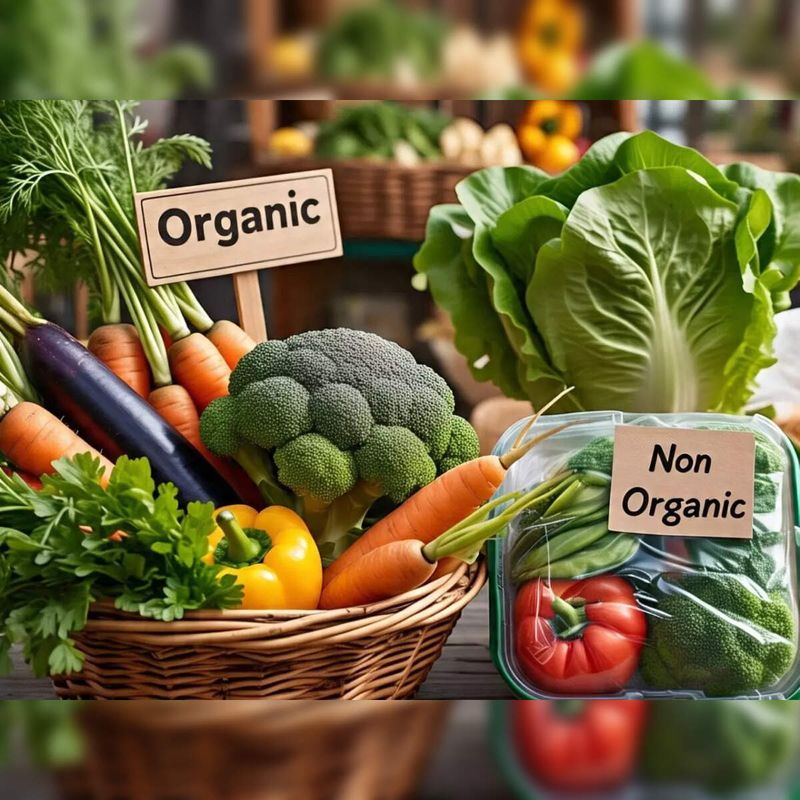
Research shows organic foods may have slightly higher antioxidant levels and lower pesticide residues than conventional foods. However, nutritional differences are minimal in most cases.
The environmental benefits might be more significant than health benefits. Organic farming generally uses fewer synthetic chemicals and promotes biodiversity.
17. Can You Eat Moldy Cheese If You Cut Off The Mold?
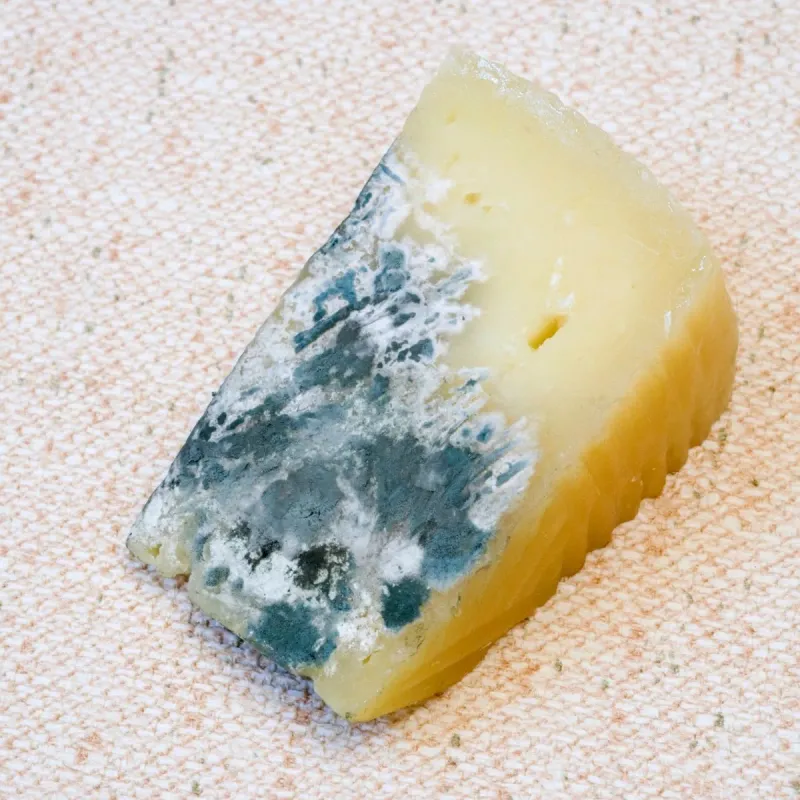
For hard cheeses like cheddar, yes! Mold can’t penetrate deep into firm cheeses, so cutting an inch around the moldy spot makes it safe to eat the rest.
Soft cheeses like brie or cottage cheese are different stories. Their high moisture content allows mold filaments to spread invisibly throughout. When these get moldy, toss them!