
Here’s How To Know When Your Bulk Fermentation Is Ready
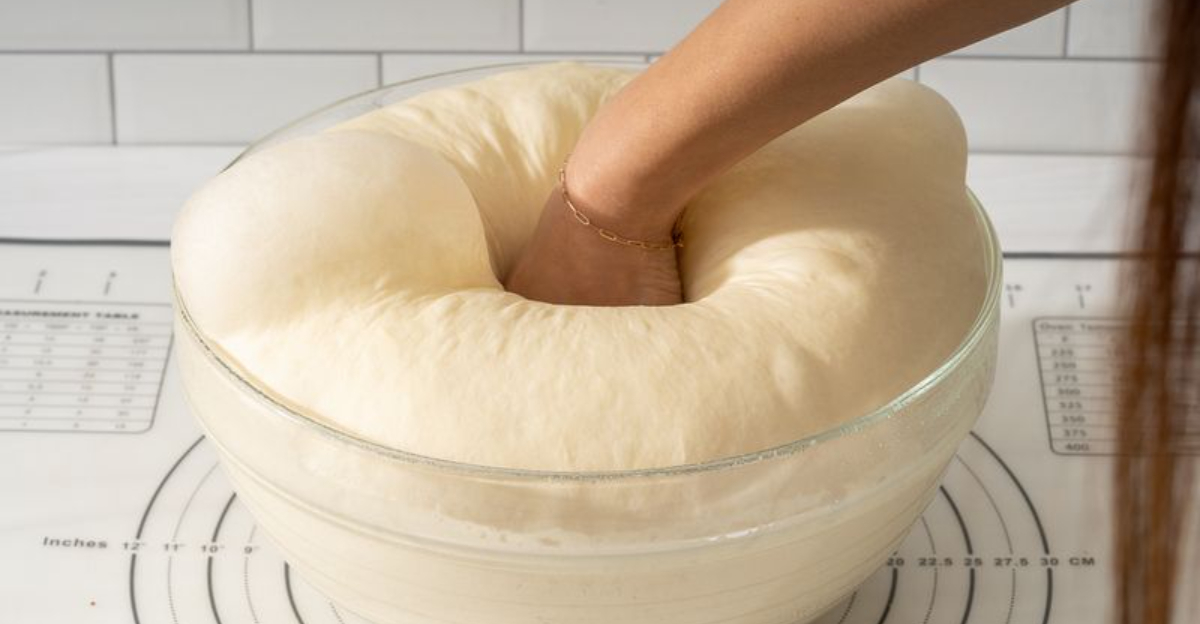
Bulk fermentation is one of the most important steps in making bread. It’s when your dough rises, gluten develops, and flavor begins to build.
Timing it right helps create that open crumb and tender texture every baker wants. Go too short, and your bread may be tight and bland. Go too long, and it might collapse or lose strength.
These ten signs will help you recognize exactly when your dough is ready for shaping.
1. Dough Has Risen About 50 to 75 Percent
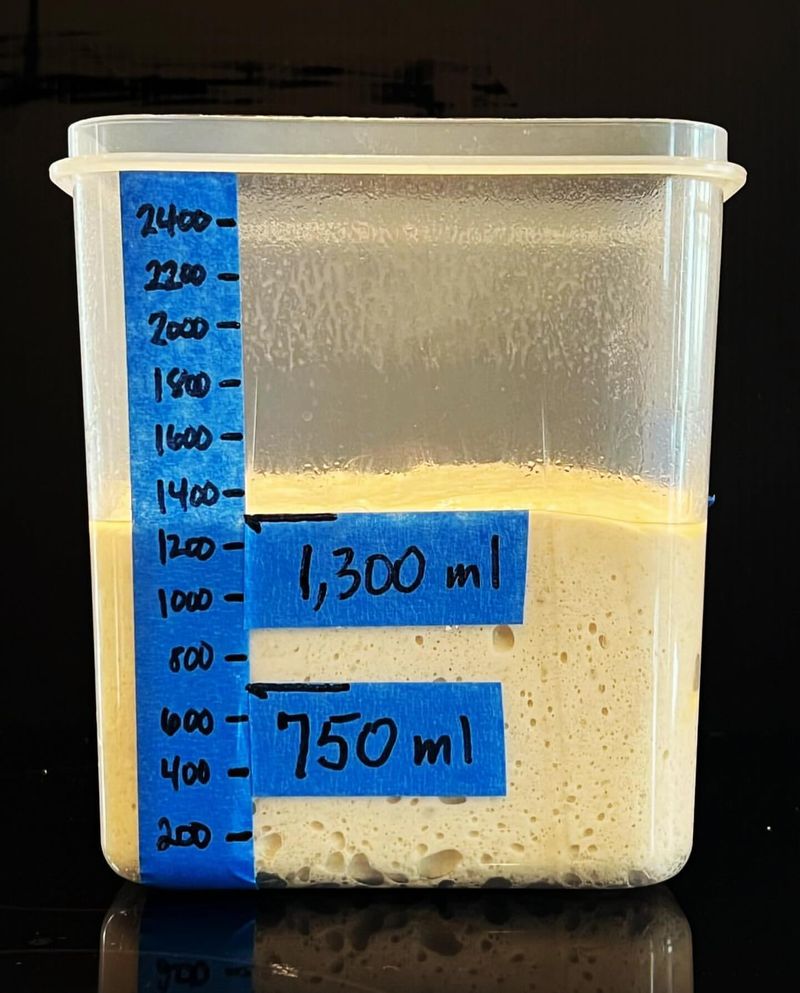
You don’t want your dough to double in size during bulk fermentation—that comes later. A 50 to 75 percent rise is the sweet spot for most lean doughs.
Watch how the dough expands gently but steadily, forming a soft dome. If you’ve marked the starting level on the container, this visual cue becomes even easier to spot. A full doubling could mean overproofing, leading to weak structure and poor oven spring.
2. Surface Looks Smooth And Puffy
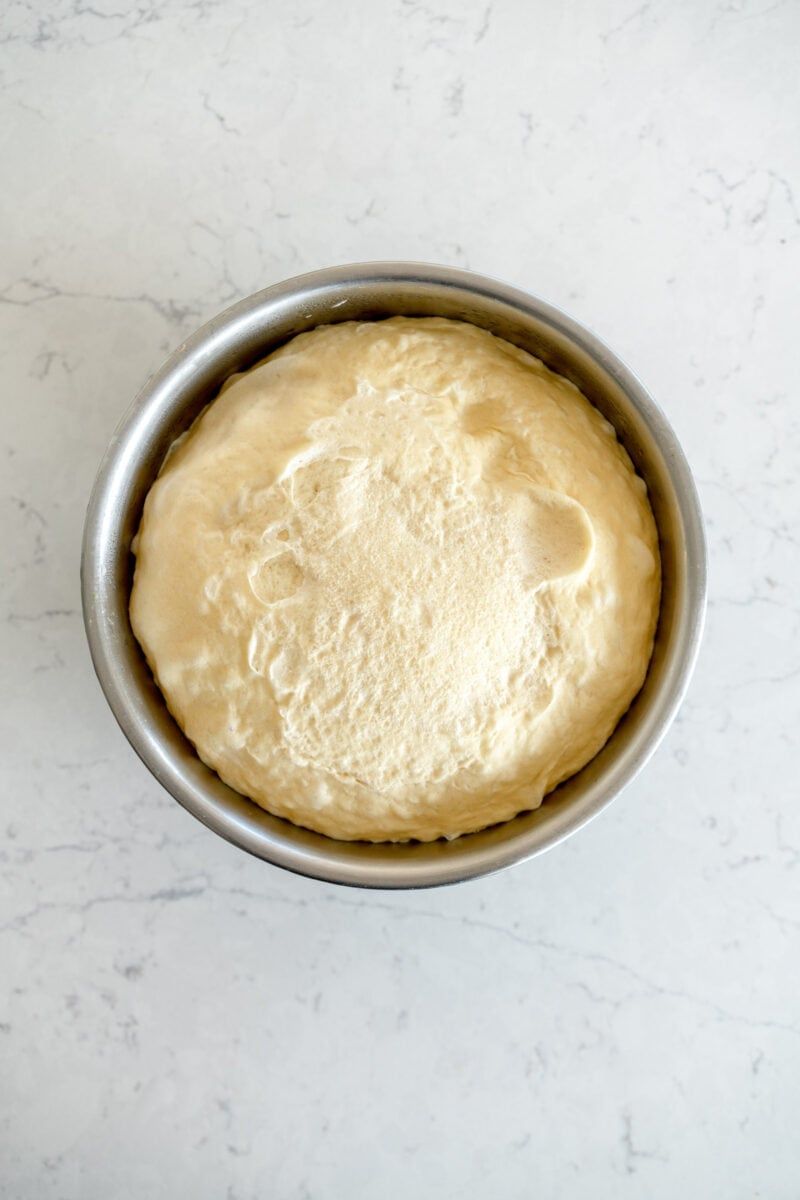
As gluten strengthens and gases build up, the surface of the dough goes from rough and sticky to puffed and elastic. It becomes shiny in places and holds a gentle dome.
There’s a visible tension across the top that signals structure beneath. If the dough still looks flat or deflated, give it more time to rise and build volume. A soft, inflated look is a strong sign of fermentation success.
3. Dough Jiggles Gently When Shaken
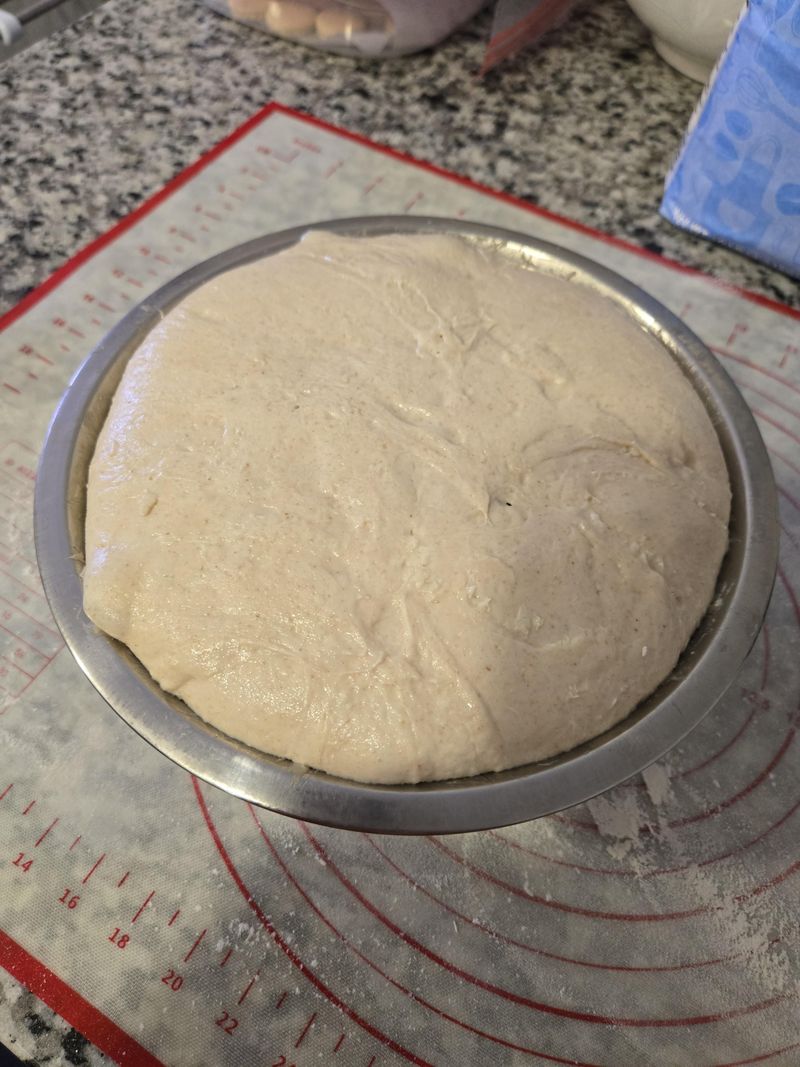
Try giving the container a soft nudge. A well-fermented dough will wobble slightly like set gelatin, showing internal air pockets and spring.
This jiggle tells you the dough has risen evenly and developed a light, airy structure. If it stays stiff or doesn’t move at all, it likely needs more time. A sluggish jiggle can also indicate that the dough is too cold or underdeveloped.
4. Bubbles Are Visible Under The Surface
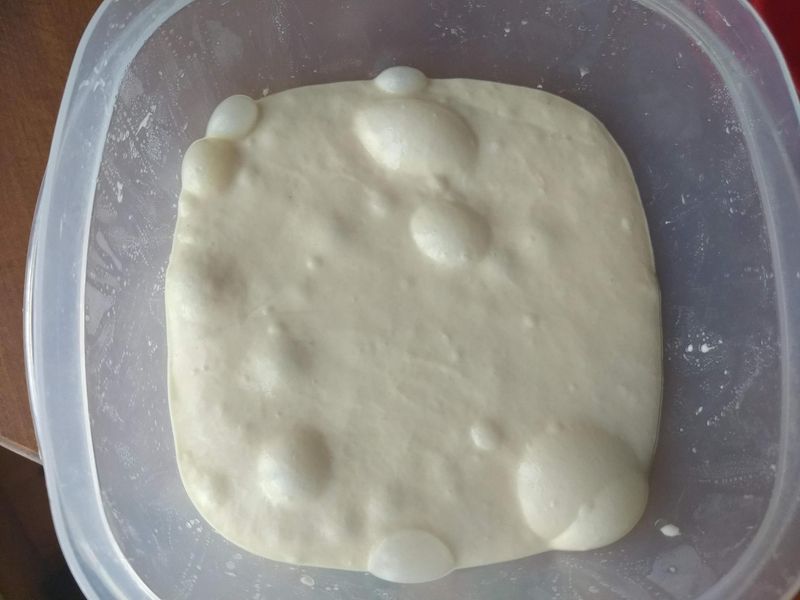
Look along the sides or the bottom of your container. You should see tiny air bubbles trapped beneath the dough’s surface, especially near the edges.
These bubbles come from the carbon dioxide released by yeast during fermentation. Their presence means gas retention is happening, which is crucial for creating an open crumb and light texture in your final loaf.
5. It Smells Slightly Sweet And Fruity
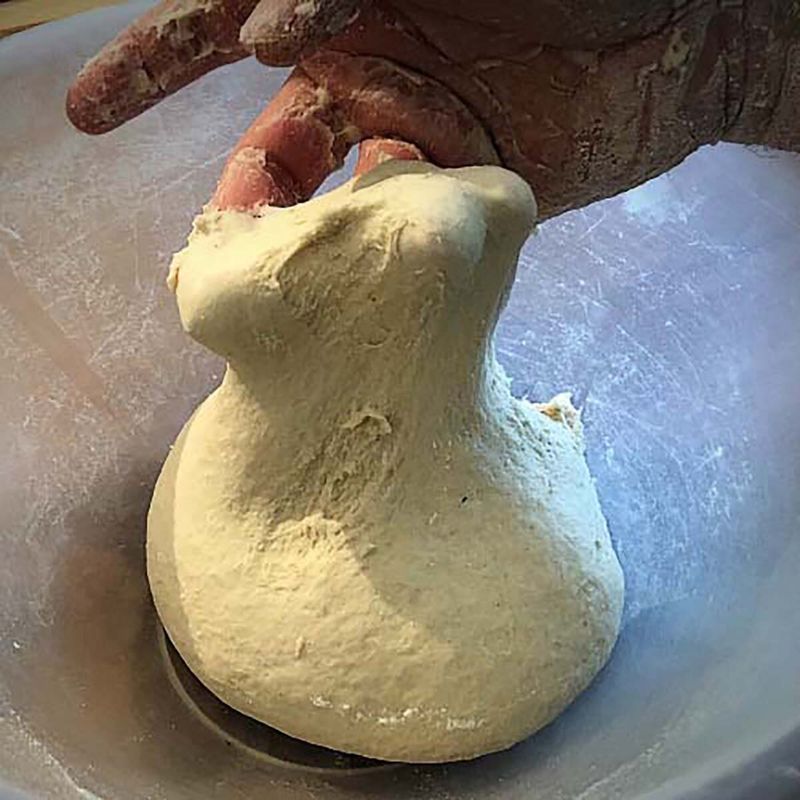
Fermentation doesn’t just affect structure—it creates flavor too. A ready dough will smell mildly sweet, with hints of fruit, cream, or yogurt.
If the aroma is still floury or neutral, your dough may not be fermented enough. On the flip side, if it smells overly sour or alcoholic, you might be heading toward overproofing.
6. Finger Dent Springs Back Slowly
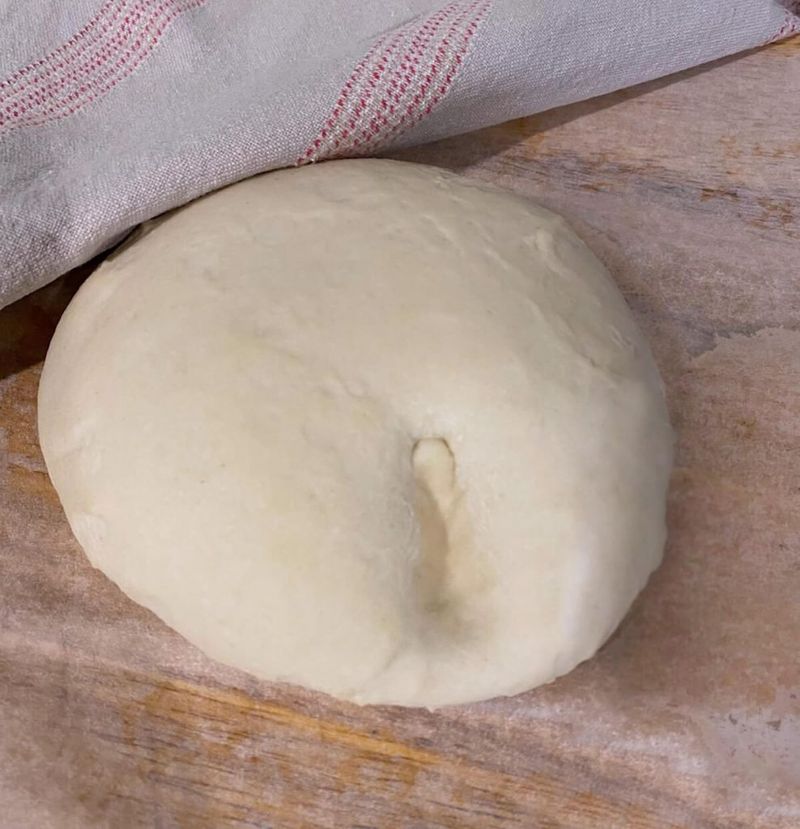
Gently press your floured fingertip into the dough. The indentation should spring back slowly and partially—not immediately, and not stay fully sunken.
This test checks for gas buildup and dough elasticity. A quick rebound means underproofed, while no rebound or collapse signals it’s gone too far.
7. Dough Feels Light And Aerated When Handled
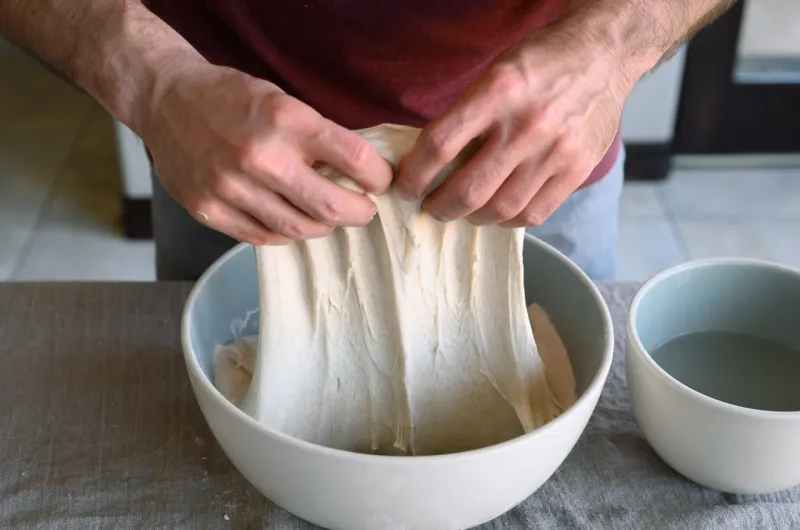
Lift or gently scoop under the dough and take note of the texture. It should feel buoyant and slightly resistant, not heavy or sticky.
There’s a subtle tension in your hands as you stretch or fold the dough. If it still feels dense, the internal fermentation is incomplete.
8. Edges Start To Dominate The Container
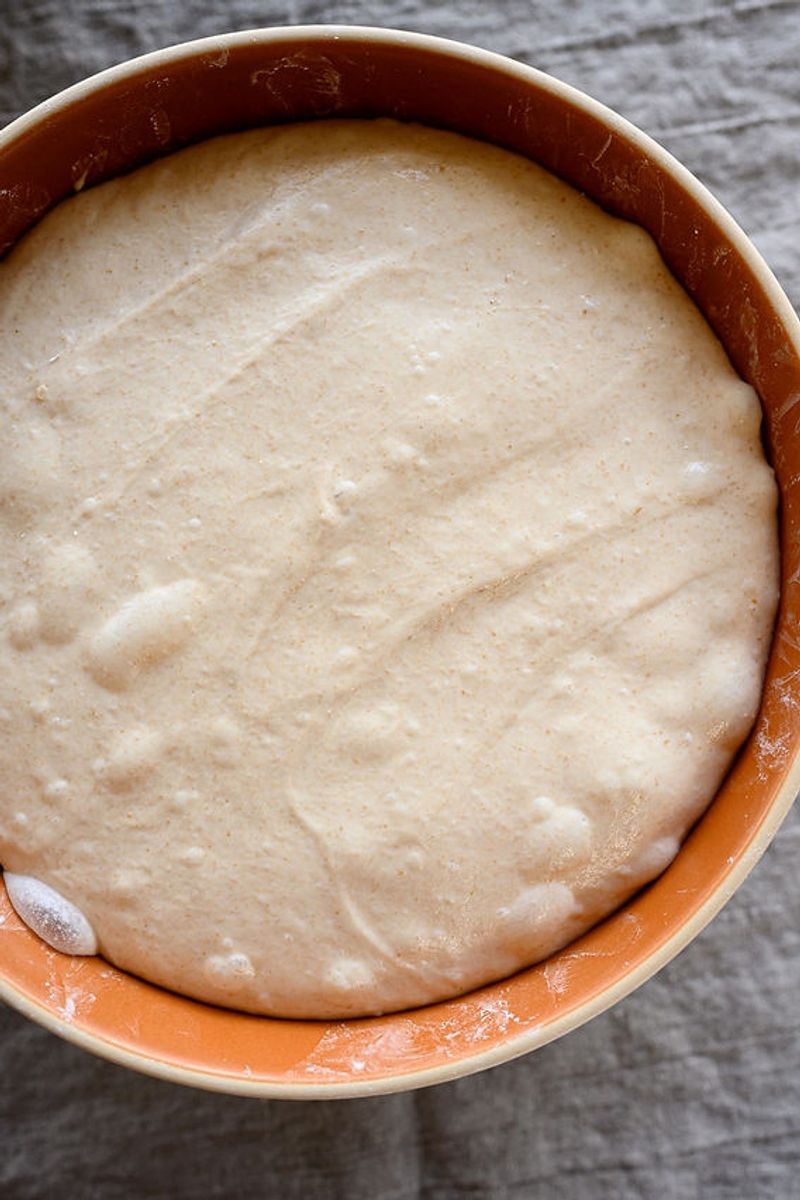
In the beginning, dough tends to sit in a rounded ball. As it ferments and expands, the sides begin to spread and gently press against the container walls.
This shift shows that gases are accumulating and the dough is gaining volume. A fully domed center with spreading sides is a reliable sign it’s ready to move on.
9. Dough Releases Cleanly From The Bowl
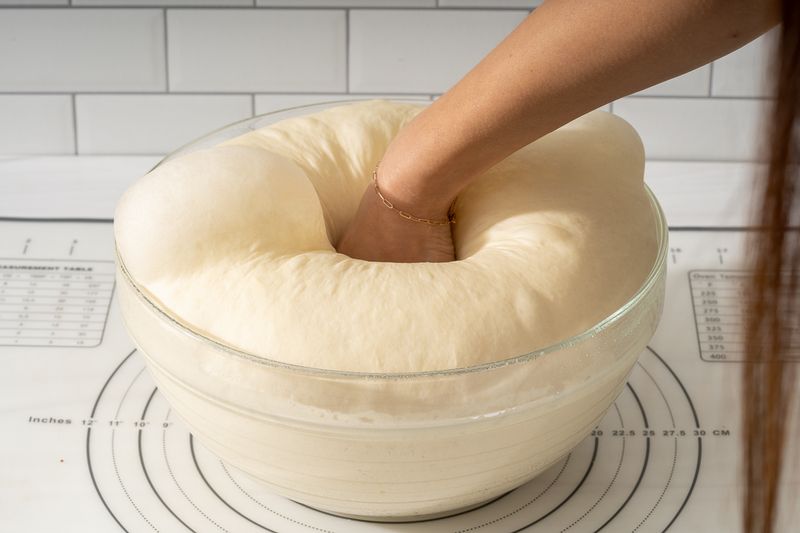
Try tipping the container slightly or gently loosening one edge with your hand. A properly fermented dough will release with ease and stretch slightly as it comes free.
If it clings tightly or tears, it may still be too sticky and underdeveloped. A clean release signals gluten maturity and proper fermentation strength.
10. Gluten Is Strong And Stretchy During A Windowpane Test

Pinch a small piece of dough and stretch it between your fingers. It should form a thin, translucent sheet without tearing—this is known as the windowpane test.
If the dough rips easily or feels coarse, fermentation hasn’t finished developing the gluten. But if it stretches smoothly with a silky finish, you’re ready to shape.