Gordon Ramsay’s 17 Essential Tips For Home Chefs

Alright, listen up, you aspiring culinary titans (or just folks who want to stop burning toast)! Are you tired of kitchen nightmares? Of sad, soggy vegetables and chicken that looks like it’s been through a war?
Good.
Because Gordon Ramsay, the man whose stare alone can perfectly sear a scallop, isn’t here to yell today (well, not directly, anyway).
Get ready to unlock your culinary potential with Gordon Ramsay’s 17 Essential Tips For Home Chefs.
1. Fresh Herbs: Nature’s Flavor Boosters
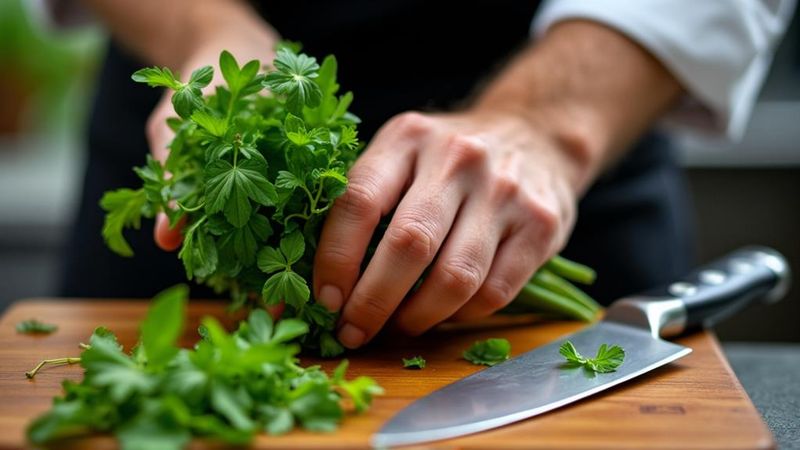
Fresh herbs can instantly elevate any dish from ordinary to extraordinary. Basil, thyme, and rosemary add vibrant flavors that dried versions simply can’t match.
Store herbs properly by wrapping them in damp paper towels inside a plastic bag. For a quick herb garden, try growing basil or mint on your windowsill!
2. Quality Chef’s Knife: Your Kitchen MVP
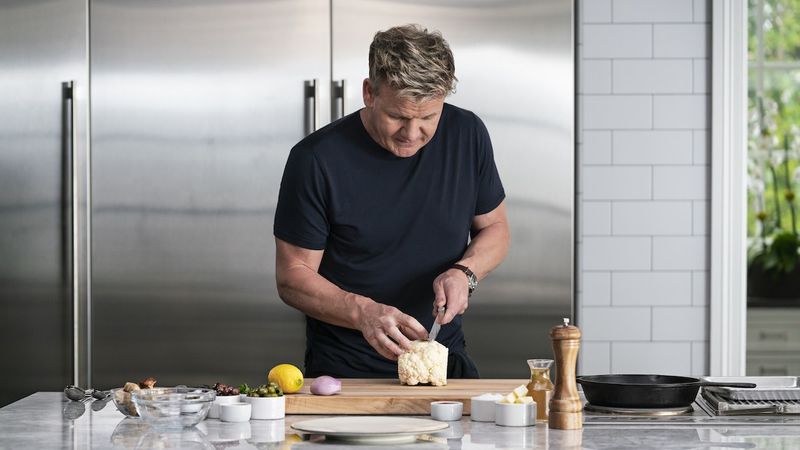
A professional-grade chef’s knife isn’t just a tool—it’s your kitchen partner. The right knife makes chopping, dicing, and slicing safer and more efficient.
Look for an 8-inch blade that feels comfortable in your hand. Remember, you don’t need a full knife set; one excellent chef’s knife will serve most of your needs!
3. Knife Sharpness: The Safest Cut Is A Sharp One
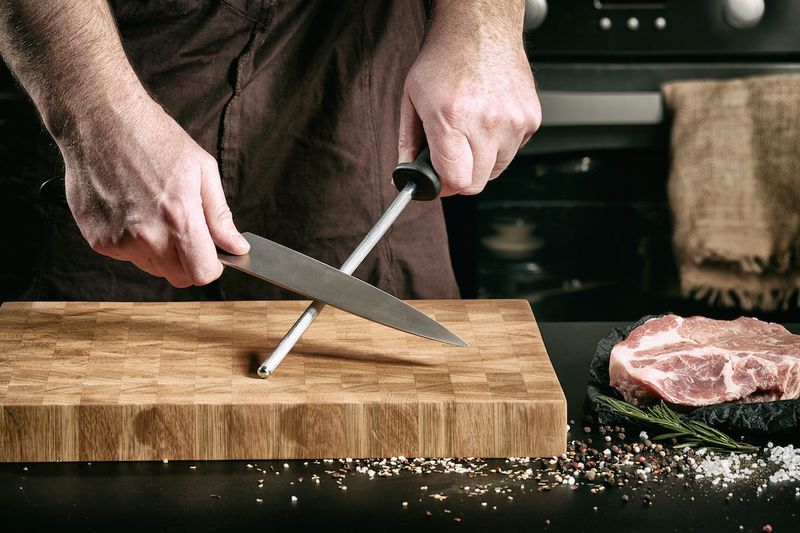
Contrary to what you might think, dull knives cause more accidents than sharp ones. When a knife doesn’t cut cleanly, you apply more force, increasing slip risks.
Invest in a quality sharpening stone or honing rod. Practice proper technique by maintaining a consistent angle when sharpening. Your fingers will thank you!
4. Taste Throughout Cooking: Your Palate Is The Guide

Never serve food you haven’t tasted yourself! Sampling during cooking allows you to adjust seasonings before it’s too late. Keep a clean spoon nearby specifically for tasting.
This simple habit helps you understand how flavors develop and change throughout the cooking process. Your dishes will become more balanced and professional.
5. Resting Meat: Patience Makes Perfect
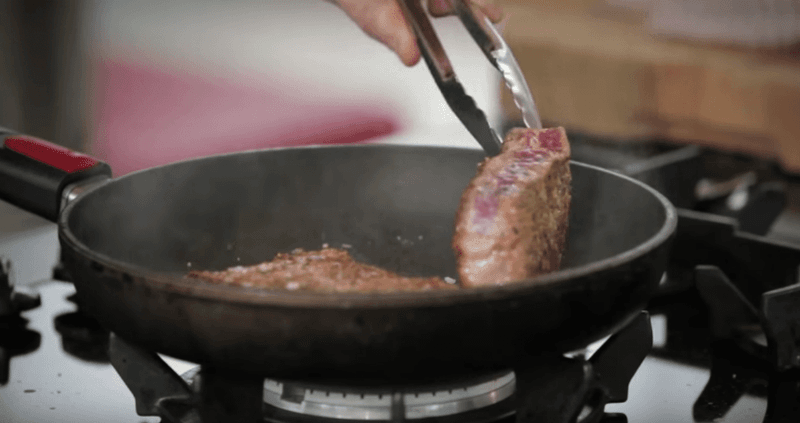
Cutting into meat immediately after cooking causes precious juices to spill out, leaving you with dry results. Patience is truly a culinary virtue here.
Allow steaks to rest 5-10 minutes, while larger roasts need 15-20 minutes. Cover loosely with foil to keep warm. This simple step ensures juicier, more flavorful results every time.
6. Regular Olive Oil: Save The Extra Virgin
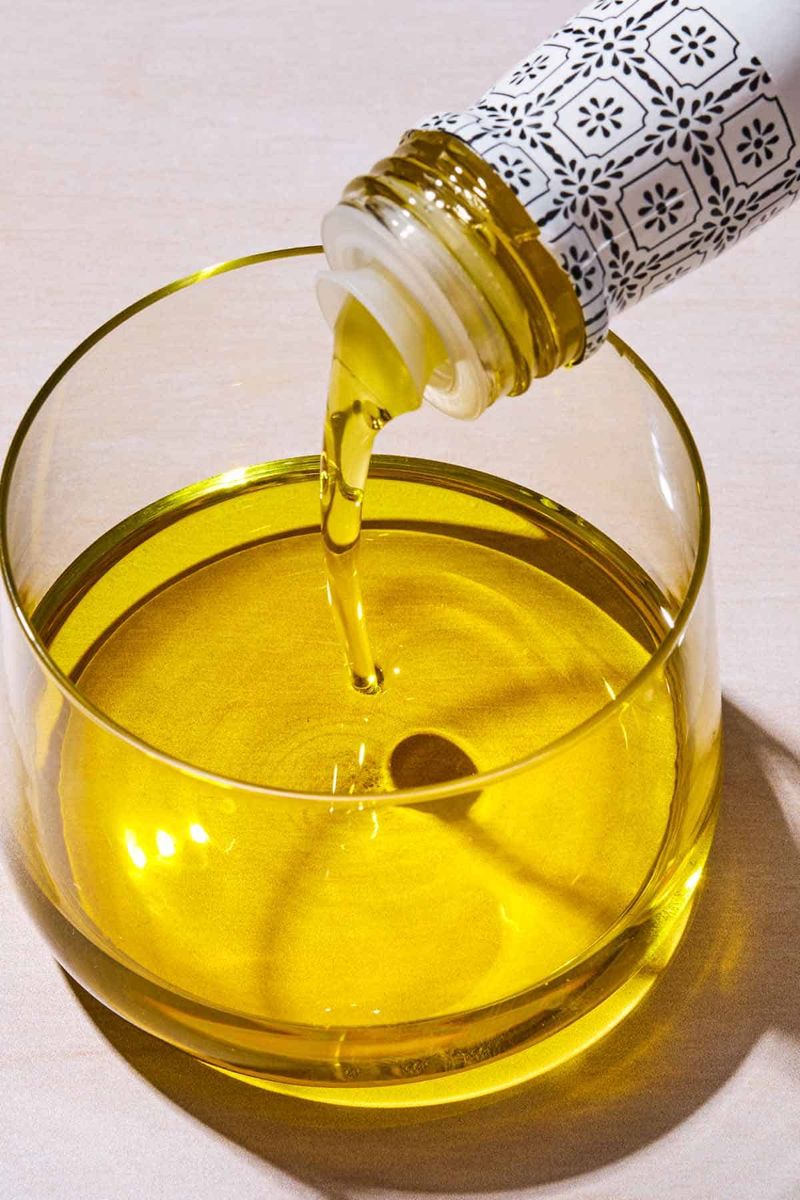
Extra virgin olive oil has a low smoke point and burns quickly at high heat, ruining both the oil and your food. Regular olive oil withstands higher temperatures better. Save your expensive extra virgin olive oil for finishing dishes or dressings.
Use regular olive oil for everyday cooking needs. Your wallet and taste buds will both appreciate this smart swap!
7. Cooking Confidence: Trust Your Instincts

Hesitation leads to mistakes in the kitchen. Moving decisively shows in your finished dishes, from perfectly flipped pancakes to beautifully seared steaks. Start building confidence with simple recipes, then gradually challenge yourself.
Don’t apologize for your food before anyone tastes it! Confidence is an ingredient that transforms good cooking into great cooking.
8. Clean-As-You-Go Method: Stay Ahead Of The Mess
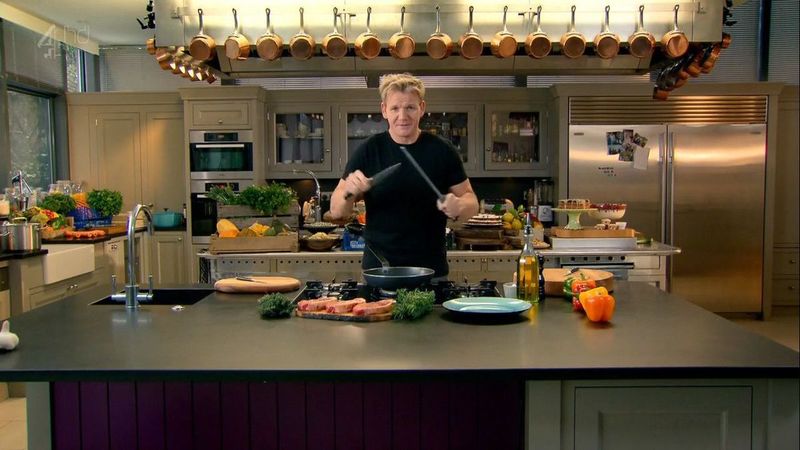
A cluttered workspace creates confusion and stress while cooking. Wipe counters and wash tools during natural pauses in cooking. Keep a bowl for scraps near your cutting board.
Rinse dishes immediately after use to prevent stuck-on food. This habit makes cooking more enjoyable and cleanup much faster when you’re finished.
9. Master The Fundamentals: Walk Before You Run
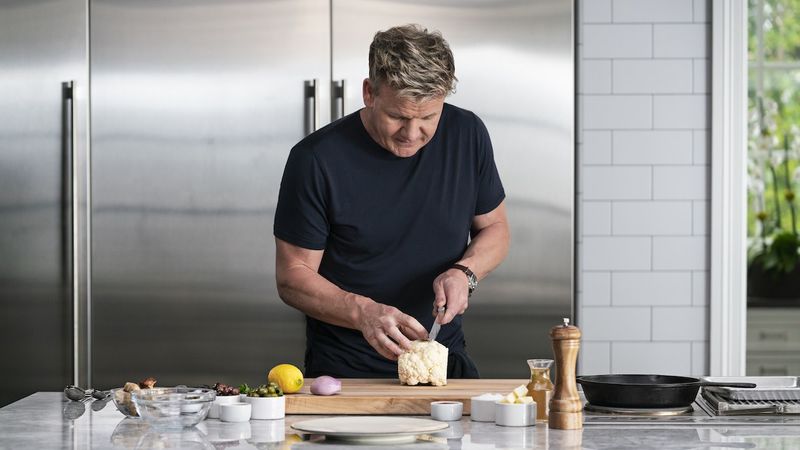
Fancy techniques mean nothing without solid basics. Perfect simple eggs before attempting soufflés; master a basic sauce before tackling complex reductions.
Focus on core skills like knife work, temperature control, and timing. Understanding why techniques work creates a foundation for creativity later. The greatest chefs still practice fundamentals regularly!
10. High Heat Searing: The Secret To Perfect Meats
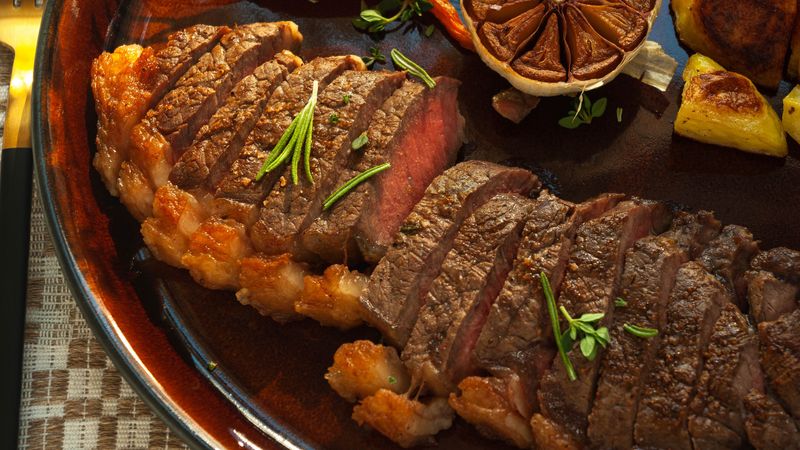
A blazing hot pan creates that gorgeous caramelized crust on meats that seals in juices and creates rich flavor. Don’t be timid with heat when searing!
Wait until your pan is properly hot—a drop of water should dance across the surface. Pat meat dry before searing to prevent steaming. This technique works wonders for steaks, chops, and even fish.
11. Don’t Crowd The Pan: Give Food Room To Cook
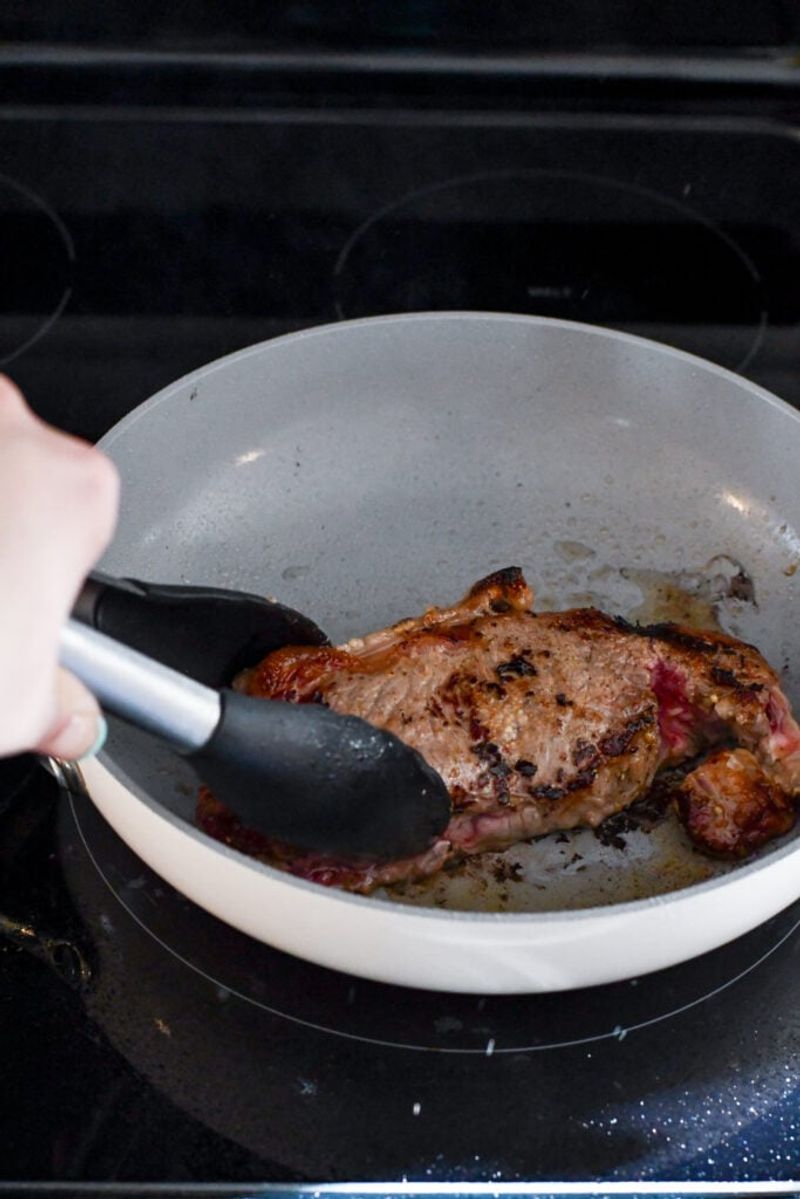
Overcrowding causes food to steam rather than sear or sauté. When pieces touch, the temperature drops dramatically, ruining texture and flavor. Cook in batches if necessary—it’s worth the extra time.
Leave at least an inch between pieces for proper browning. This simple rule applies to everything from mushrooms to chicken thighs.
12. Ingredient Quality: The Foundation Of Great Cooking
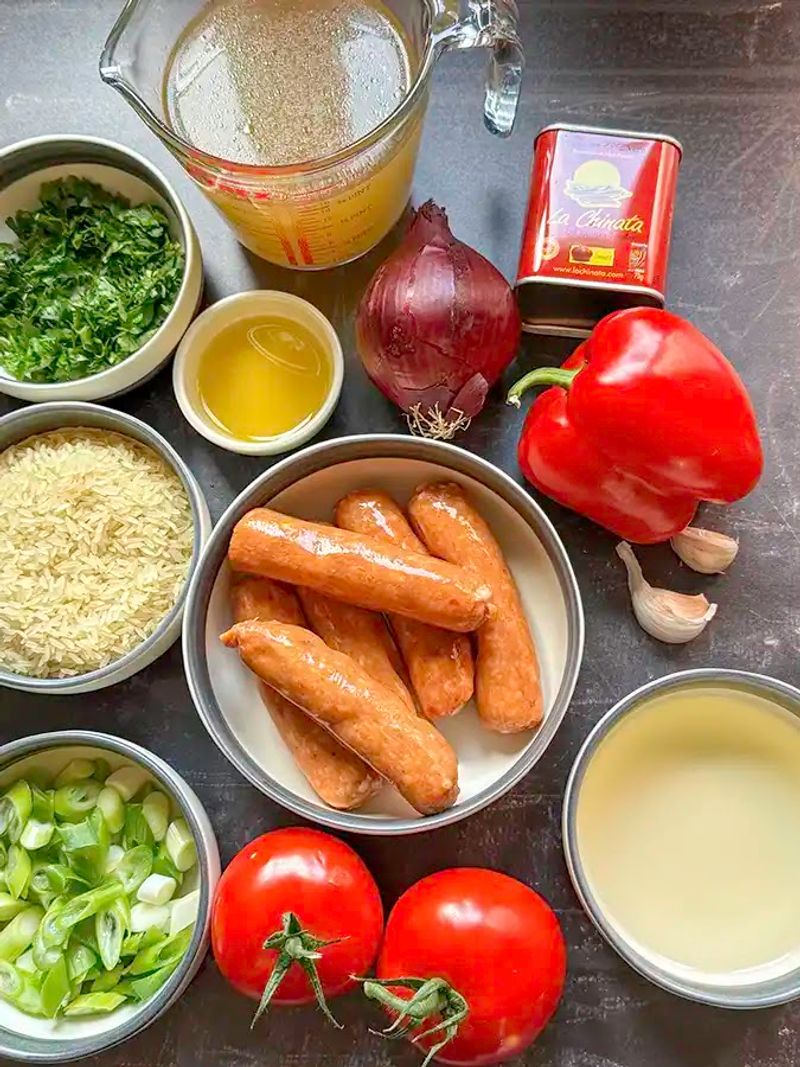
Extraordinary dishes start with extraordinary ingredients. Fresh, seasonal produce contains more flavor and nutrition than out-of-season alternatives. Visit farmers’ markets to discover what’s at peak freshness.
Learn to spot quality signs like vibrant colors and proper firmness. When ingredients shine naturally, you need fewer fancy techniques to create impressive meals.
13. Homemade Stock: Liquid Gold For Your Kitchen
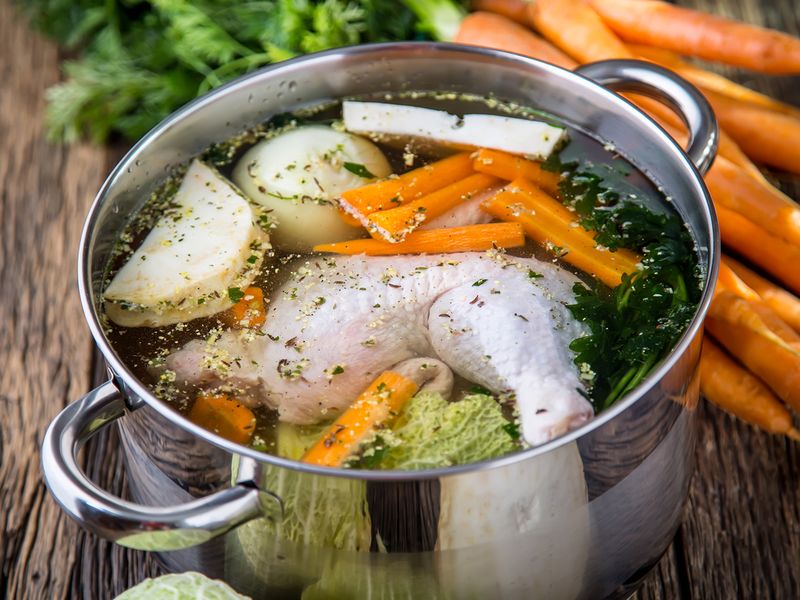
Store-bought stocks can’t compare to homemade versions. Save vegetable scraps, chicken bones, and herb stems in a freezer bag until you have enough to make stock.
Simmer gently with aromatics like onion, carrot, and celery. The resulting liquid adds incredible depth to soups, risottos, and sauces. Your cooking will instantly taste more professional!
14. Preheated Pans: The Head Start Your Food Needs
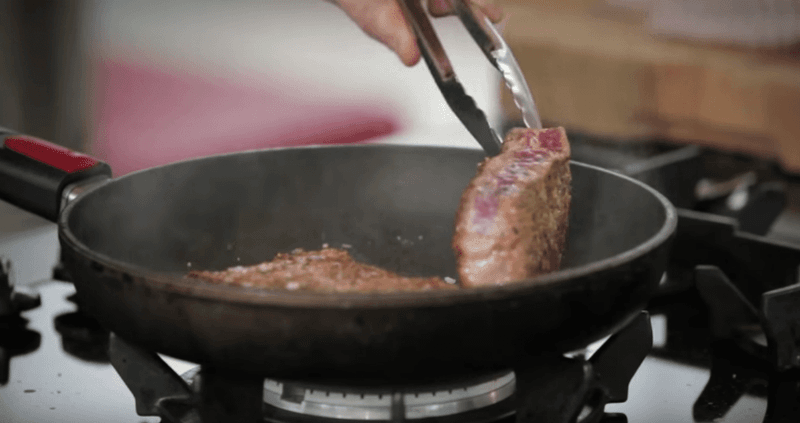
Cold pans are the enemy of proper cooking. Proteins stick, vegetables steam instead of caramelize, and everything takes longer to cook. Test your pan’s readiness by hovering your hand above it—you should feel radiating heat.
For non-stick pans, add a drop of water; it should sizzle immediately. This simple step dramatically improves cooking results.
15. Secure Cutting Board: Safety First In The Kitchen
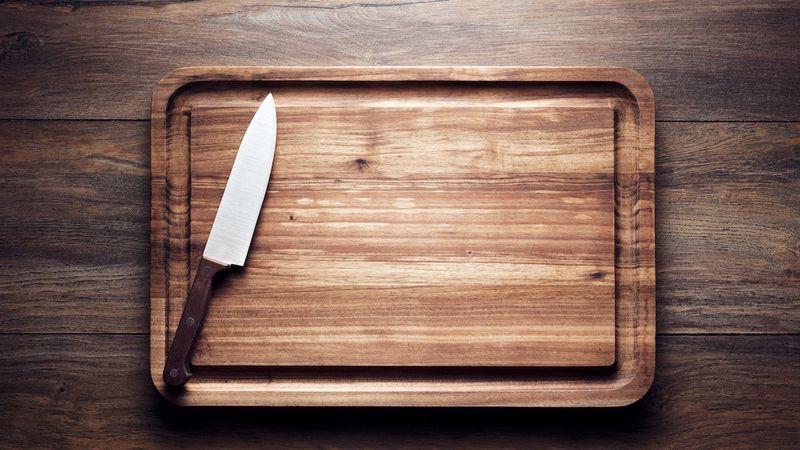
A slipping cutting board is an accident waiting to happen. Placing a damp kitchen towel underneath creates friction that keeps the board firmly in place. This simple trick prevents dangerous movement while chopping.
Some professionals use non-slip mats instead. Either way, securing your workspace is a habit that professional chefs never skip.
16. Mise En Place: Preparation Is Everything
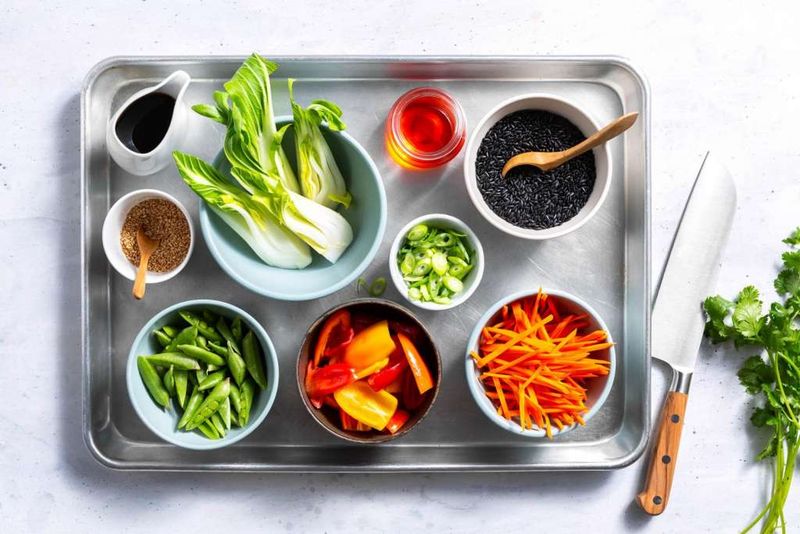
The French term “mise en place” means “everything in its place”—and it’s the secret to stress-free cooking. Prepare and organize all ingredients before turning on the heat. Use small bowls to hold pre-measured ingredients.
This method prevents the panic of searching for items while something burns on the stove. Your cooking becomes more relaxed and professional.
17. Season From Above: The Professional Sprinkle
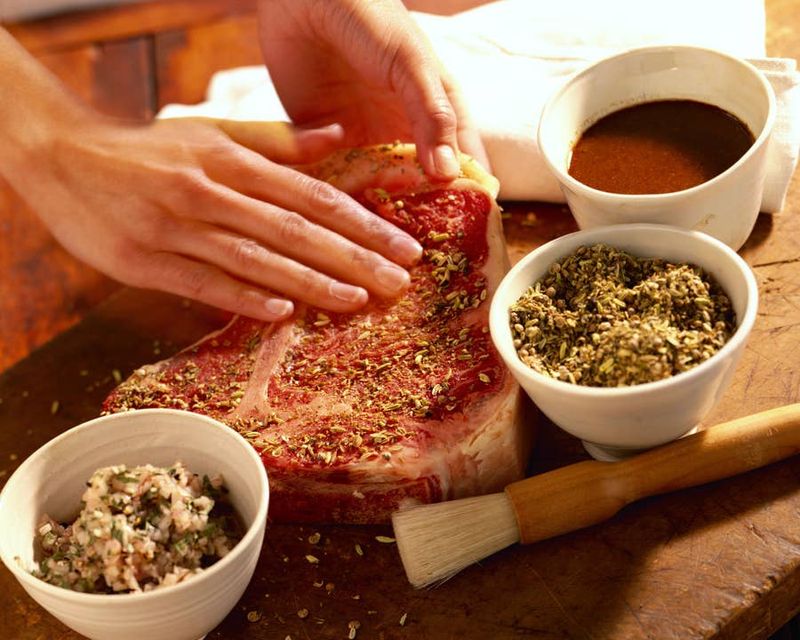
Seasoning from a height—about 10-12 inches above food—ensures even distribution of salt and spices. This technique prevents concentrated pockets of seasoning. Use your fingertips rather than shakers for better control.
Practice this method and you’ll notice more balanced flavors throughout your dishes. It’s a small detail that makes a significant difference!
Alright, listen up, you aspiring culinary titans (or just folks who want to stop burning toast)! Are you tired of kitchen nightmares? Of sad, soggy vegetables and chicken that looks like it’s been through a war?
Good.
Because Gordon Ramsay, the man whose stare alone can perfectly sear a scallop, isn’t here to yell today (well, not directly, anyway).
Get ready to unlock your culinary potential with Gordon Ramsay’s 17 Essential Tips For Home Chefs.
1. Fresh Herbs: Nature’s Flavor Boosters
Fresh herbs can instantly elevate any dish from ordinary to extraordinary. Basil, thyme, and rosemary add vibrant flavors that dried versions simply can’t match.
Store herbs properly by wrapping them in damp paper towels inside a plastic bag. For a quick herb garden, try growing basil or mint on your windowsill!
2. Quality Chef’s Knife: Your Kitchen MVP
A professional-grade chef’s knife isn’t just a tool—it’s your kitchen partner. The right knife makes chopping, dicing, and slicing safer and more efficient.
Look for an 8-inch blade that feels comfortable in your hand. Remember, you don’t need a full knife set; one excellent chef’s knife will serve most of your needs!
3. Knife Sharpness: The Safest Cut Is A Sharp One
Contrary to what you might think, dull knives cause more accidents than sharp ones. When a knife doesn’t cut cleanly, you apply more force, increasing slip risks.
Invest in a quality sharpening stone or honing rod. Practice proper technique by maintaining a consistent angle when sharpening. Your fingers will thank you!
4. Taste Throughout Cooking: Your Palate Is The Guide
Never serve food you haven’t tasted yourself! Sampling during cooking allows you to adjust seasonings before it’s too late. Keep a clean spoon nearby specifically for tasting.
This simple habit helps you understand how flavors develop and change throughout the cooking process. Your dishes will become more balanced and professional.
5. Resting Meat: Patience Makes Perfect
Cutting into meat immediately after cooking causes precious juices to spill out, leaving you with dry results. Patience is truly a culinary virtue here.
Allow steaks to rest 5-10 minutes, while larger roasts need 15-20 minutes. Cover loosely with foil to keep warm. This simple step ensures juicier, more flavorful results every time.
6. Regular Olive Oil: Save The Extra Virgin
Extra virgin olive oil has a low smoke point and burns quickly at high heat, ruining both the oil and your food. Regular olive oil withstands higher temperatures better. Save your expensive extra virgin olive oil for finishing dishes or dressings.
Use regular olive oil for everyday cooking needs. Your wallet and taste buds will both appreciate this smart swap!
7. Cooking Confidence: Trust Your Instincts
Hesitation leads to mistakes in the kitchen. Moving decisively shows in your finished dishes, from perfectly flipped pancakes to beautifully seared steaks. Start building confidence with simple recipes, then gradually challenge yourself.
Don’t apologize for your food before anyone tastes it! Confidence is an ingredient that transforms good cooking into great cooking.
8. Clean-As-You-Go Method: Stay Ahead Of The Mess
A cluttered workspace creates confusion and stress while cooking. Wipe counters and wash tools during natural pauses in cooking. Keep a bowl for scraps near your cutting board.
Rinse dishes immediately after use to prevent stuck-on food. This habit makes cooking more enjoyable and cleanup much faster when you’re finished.
9. Master The Fundamentals: Walk Before You Run
Fancy techniques mean nothing without solid basics. Perfect simple eggs before attempting soufflés; master a basic sauce before tackling complex reductions.
Focus on core skills like knife work, temperature control, and timing. Understanding why techniques work creates a foundation for creativity later. The greatest chefs still practice fundamentals regularly!
10. High Heat Searing: The Secret To Perfect Meats
A blazing hot pan creates that gorgeous caramelized crust on meats that seals in juices and creates rich flavor. Don’t be timid with heat when searing!
Wait until your pan is properly hot—a drop of water should dance across the surface. Pat meat dry before searing to prevent steaming. This technique works wonders for steaks, chops, and even fish.
11. Don’t Crowd The Pan: Give Food Room To Cook
Overcrowding causes food to steam rather than sear or sauté. When pieces touch, the temperature drops dramatically, ruining texture and flavor. Cook in batches if necessary—it’s worth the extra time.
Leave at least an inch between pieces for proper browning. This simple rule applies to everything from mushrooms to chicken thighs.
12. Ingredient Quality: The Foundation Of Great Cooking
Extraordinary dishes start with extraordinary ingredients. Fresh, seasonal produce contains more flavor and nutrition than out-of-season alternatives. Visit farmers’ markets to discover what’s at peak freshness.
Learn to spot quality signs like vibrant colors and proper firmness. When ingredients shine naturally, you need fewer fancy techniques to create impressive meals.
13. Homemade Stock: Liquid Gold For Your Kitchen
Store-bought stocks can’t compare to homemade versions. Save vegetable scraps, chicken bones, and herb stems in a freezer bag until you have enough to make stock.
Simmer gently with aromatics like onion, carrot, and celery. The resulting liquid adds incredible depth to soups, risottos, and sauces. Your cooking will instantly taste more professional!
14. Preheated Pans: The Head Start Your Food Needs
Cold pans are the enemy of proper cooking. Proteins stick, vegetables steam instead of caramelize, and everything takes longer to cook. Test your pan’s readiness by hovering your hand above it—you should feel radiating heat.
For non-stick pans, add a drop of water; it should sizzle immediately. This simple step dramatically improves cooking results.
15. Secure Cutting Board: Safety First In The Kitchen
A slipping cutting board is an accident waiting to happen. Placing a damp kitchen towel underneath creates friction that keeps the board firmly in place. This simple trick prevents dangerous movement while chopping.
Some professionals use non-slip mats instead. Either way, securing your workspace is a habit that professional chefs never skip.
16. Mise En Place: Preparation Is Everything
The French term “mise en place” means “everything in its place”—and it’s the secret to stress-free cooking. Prepare and organize all ingredients before turning on the heat. Use small bowls to hold pre-measured ingredients.
This method prevents the panic of searching for items while something burns on the stove. Your cooking becomes more relaxed and professional.
17. Season From Above: The Professional Sprinkle
Seasoning from a height—about 10-12 inches above food—ensures even distribution of salt and spices. This technique prevents concentrated pockets of seasoning. Use your fingertips rather than shakers for better control.
Practice this method and you’ll notice more balanced flavors throughout your dishes. It’s a small detail that makes a significant difference!