Why You Should Always Cook Your Pasta In Cold Water

Cooking pasta has been done the same way for generations – boil water, add pasta, stir occasionally. But what if there’s a better method hiding in plain sight?
Starting your pasta in cold water isn’t just a cooking hack – it’s a game-changer that saves time, energy, and might even make your pasta taste better.
Ready to revolutionize your pasta game?
1. Energy Savings That Add Up
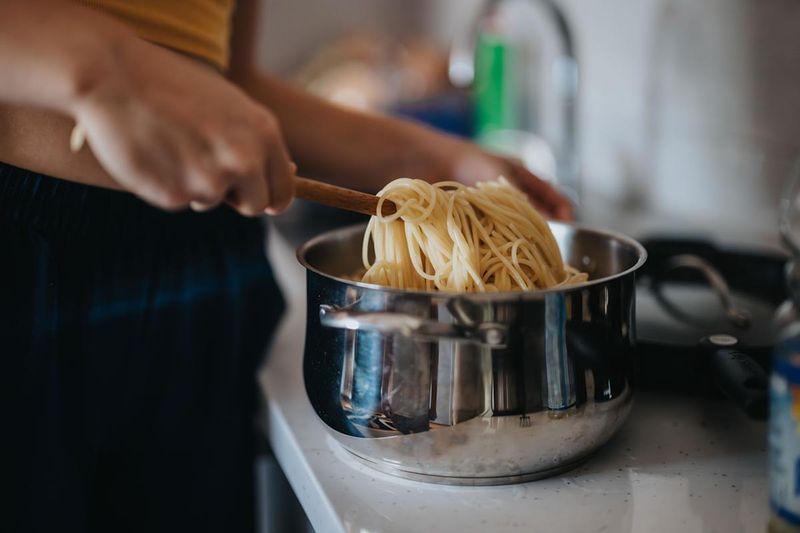
Your utility bill will thank you! Cold-water pasta cooking requires less energy since you’re not waiting for that big pot to reach a rolling boil before adding pasta.
Think about it – you’re heating less water for less time. Those minutes of saved boiling time might seem small, but they accumulate into meaningful energy conservation over dozens of pasta nights.
2. Starchier Sauce-Hugging Goodness
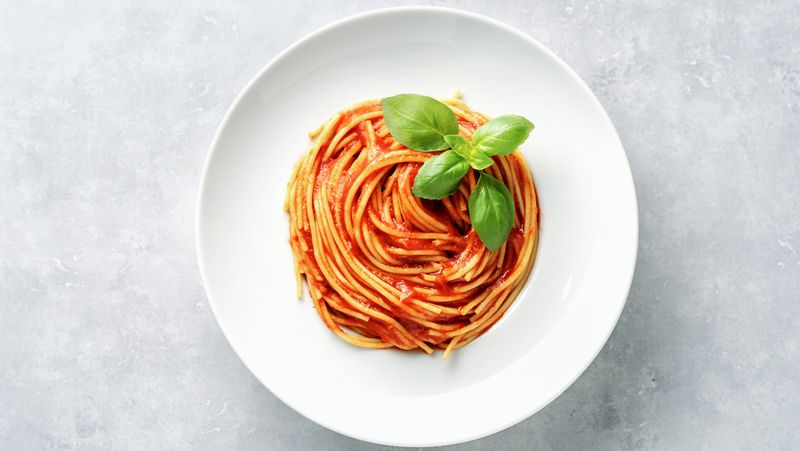
Ever notice how restaurant pasta clings to sauce perfectly? Cold-water cooking releases starch more gradually, creating a naturally thicker cooking water.
When you finish your pasta in sauce with a splash of this liquid gold, you’ll get that velvety restaurant-quality coating that home cooks dream about. The sauce actually bonds to each strand instead of sliding off!
3. Kiss Sticky Clumps Goodbye
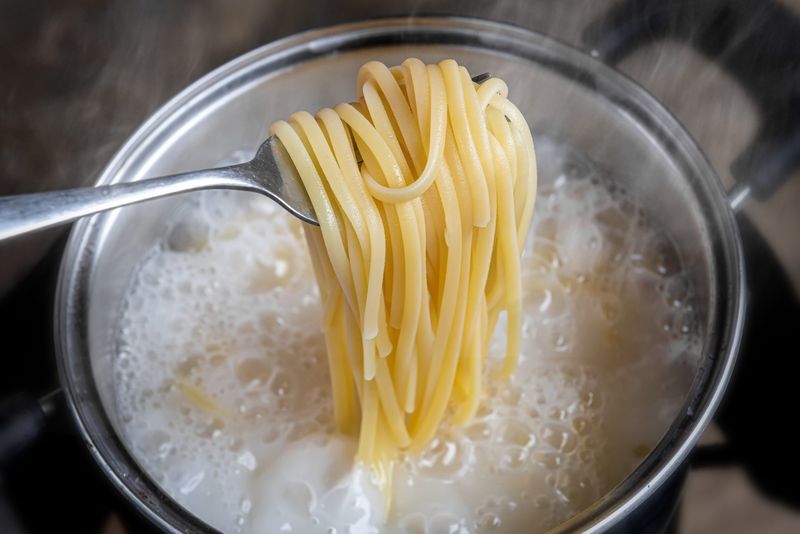
Remember fishing out those annoying pasta blobs? Cold-water starts eliminate this kitchen frustration entirely! As pasta gradually heats with the water, it releases starch slowly instead of all at once.
The result? Each piece cooks separately without sticking to its neighbors. No more desperate stirring or clumped-together noodles to untangle.
4. One-Pot Wonder For Busy Cooks
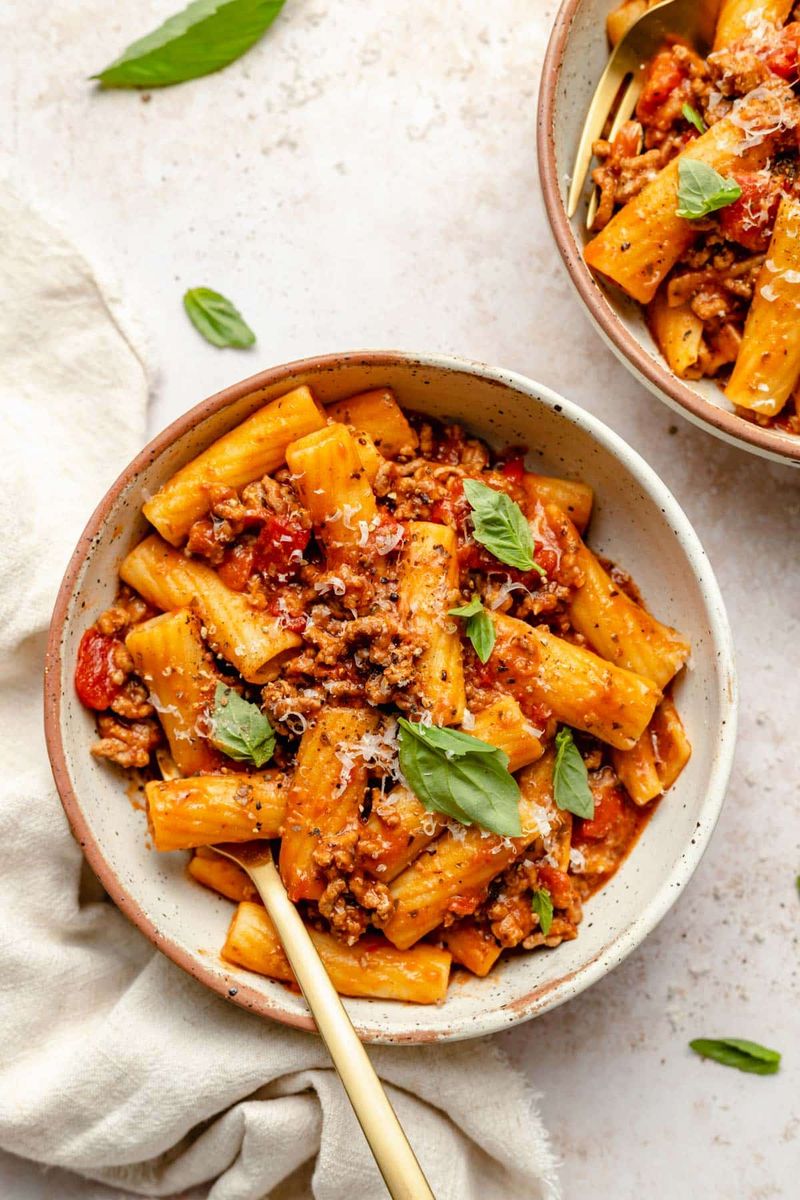
Weeknight dinner heroes, rejoice! The cold-water method transforms pasta into a true one-pot meal. Simply add pasta, cold water, and seasonings to your pot.
As everything heats together, the pasta releases starch that becomes the base for your sauce. Add quick-cooking ingredients toward the end and dinner’s ready with minimal cleanup.
5. Perfect Al Dente Control
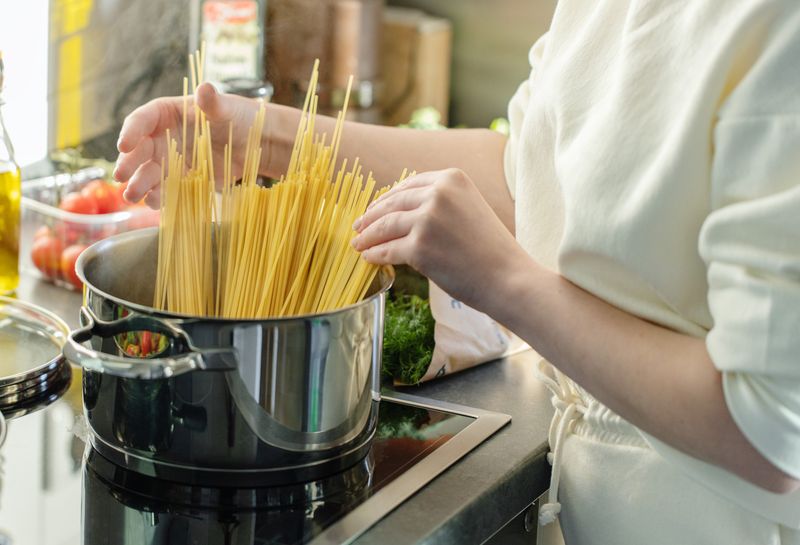
Achieving that elusive al dente texture becomes foolproof with the cold-water method. The gradual temperature rise gives you a wider window to catch pasta at its perfect doneness.
Unlike the rapid cooking that happens when dropping pasta into boiling water, you’ll have more control over the final texture. No more split-second timing or frantically fishing out test strands!
6. Flavor-Infused Pasta From Within
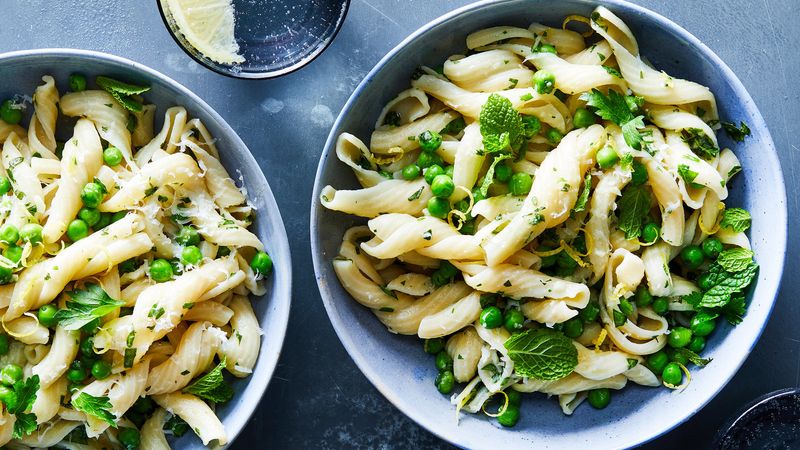
Plain pasta? Not anymore! Cold-water cooking creates an opportunity to infuse flavor directly into your noodles instead of just coating them later. Add aromatics, herbs or spices to your cold water before heating.
As the pasta cooks, it absorbs these flavored liquids rather than plain water. The result is pasta that tastes amazing even before you add sauce!