17 Foods The Middle Class Won’t Be Able To Afford In Less Than A Decade
Your grocery bills have probably been climbing lately, and unfortunately, that trend isn’t stopping anytime soon.
Climate change, population growth, and resource scarcity are creating the perfect storm for food price increases. Many everyday items we take for granted today may become luxury goods reserved for special occasions or the wealthy elite.
1. Real Chocolate
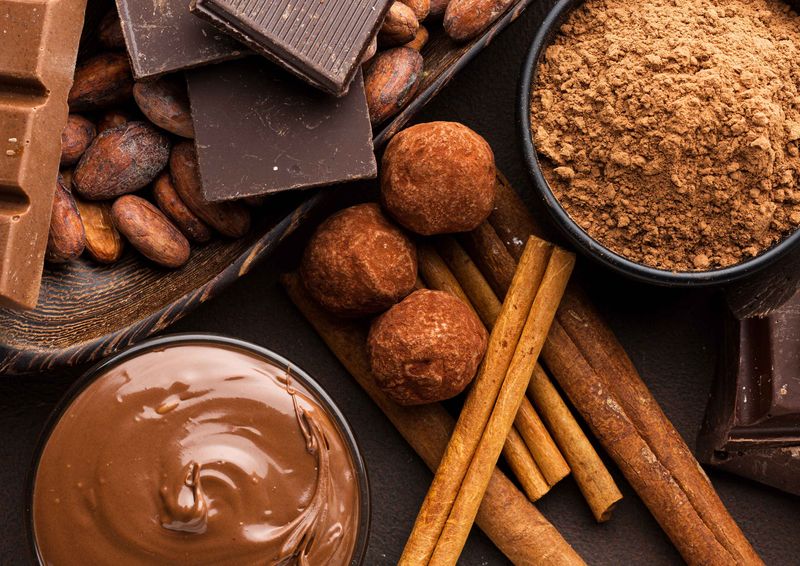
Cacao trees are extremely sensitive to changing temperatures and rainfall patterns. As climate change intensifies, chocolate-growing regions in West Africa are becoming less suitable for cultivation.
Expect your favorite chocolate bars to either shrink dramatically or cost three times more by 2030. The affordable chocolate that remains will likely contain more fillers and less actual cacao.
2. Wild-Caught Salmon
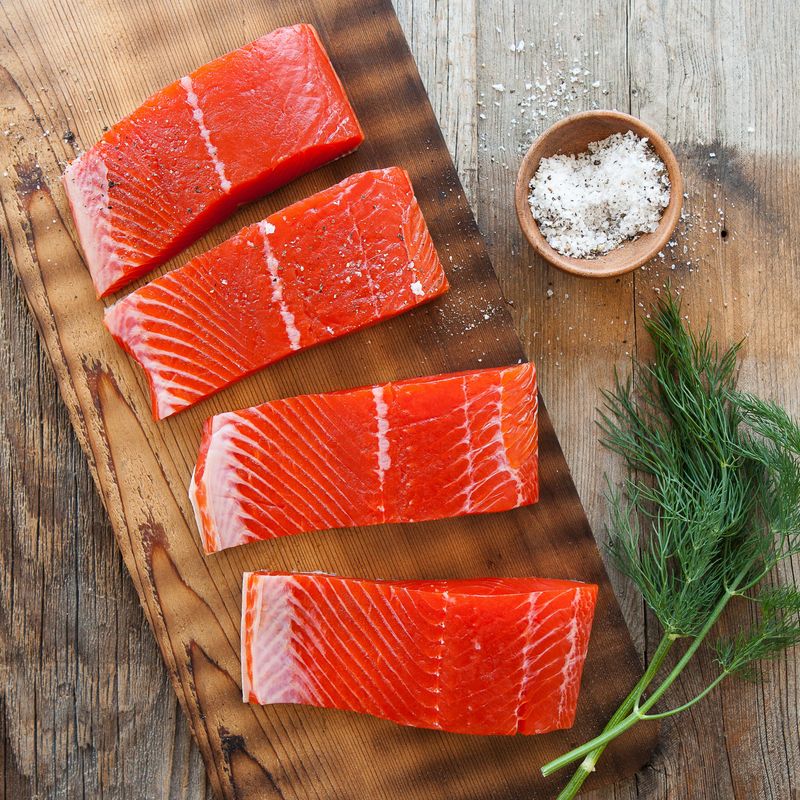
Already commanding premium prices, wild salmon populations continue to plummet due to overfishing, habitat destruction, and warming oceans. The days of affordable wild salmon are numbered.
Farm-raised alternatives just don’t match the nutrition or flavor profile of their wild cousins. Soon, that gorgeous orange fillet might cost as much as a nice steak dinner at a restaurant.
3. Coffee
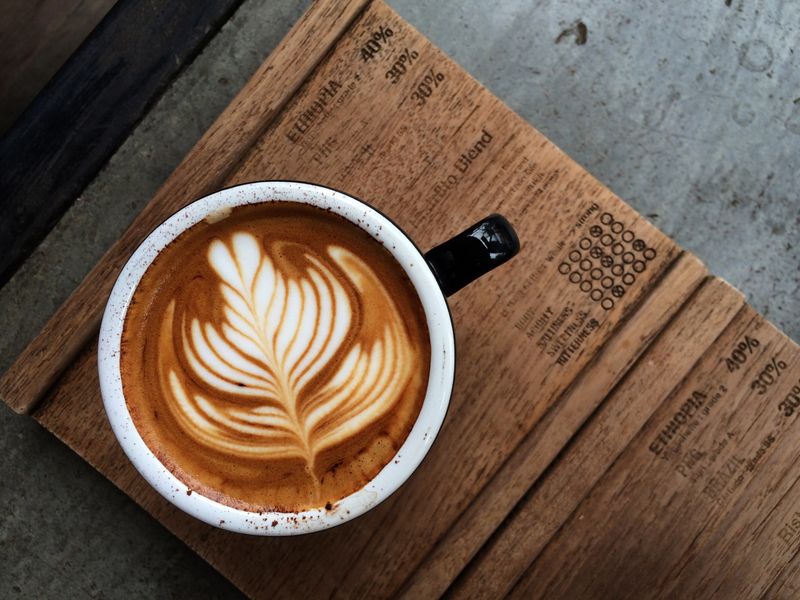
Morning without coffee? Unthinkable! Yet that cup of joe faces serious threats from coffee rust disease and shrinking suitable growing regions.
Coffee farmers are abandoning crops as profits dwindle against rising production costs. By 2030, specialty coffee might become an occasional splurge rather than a daily ritual, with prices potentially tripling for quality beans.
4. Vanilla
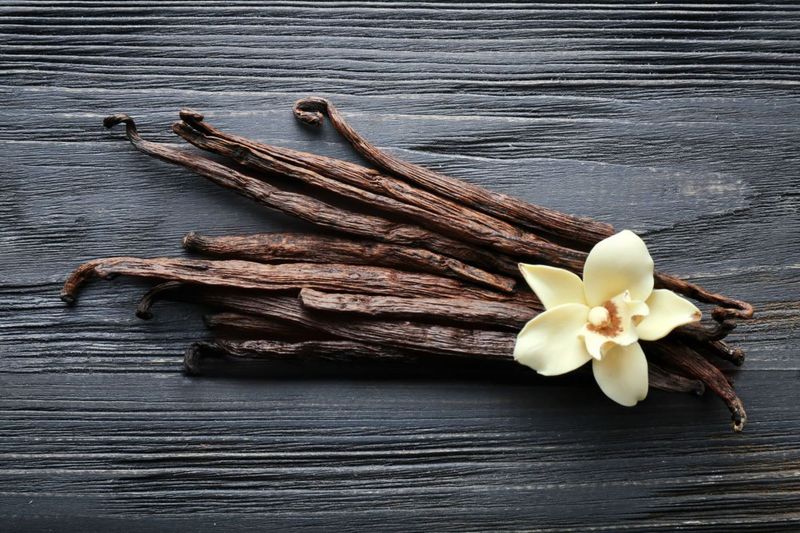
Ever wonder why real vanilla costs so much? Each flower must be hand-pollinated during its single day of blooming, and beans require months of curing.
Madagascar, which produces 80% of the world’s vanilla, faces increasingly severe cyclones that destroy crops. Soon, natural vanilla might become so costly that only high-end bakeries will use the real thing.
5. Avocados
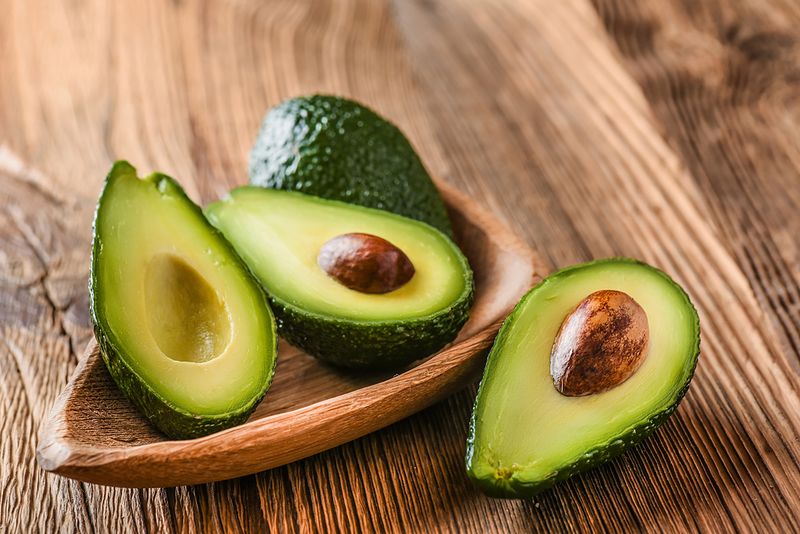
Millennials might need to find a new toast topping! These green gems require around 60 gallons of water per avocado—unsustainable in drought-prone growing regions.
Mexican cartels have even moved into the lucrative avocado business, further complicating the supply chain. All signs point toward avocados becoming an occasional luxury rather than an everyday staple.
6. Honey
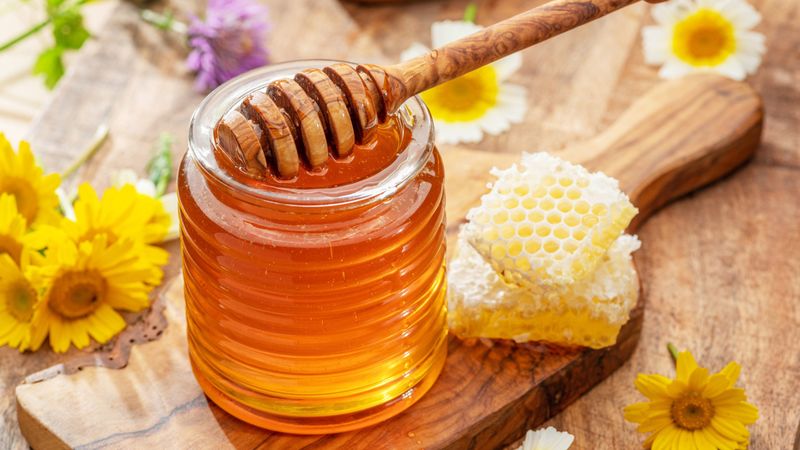
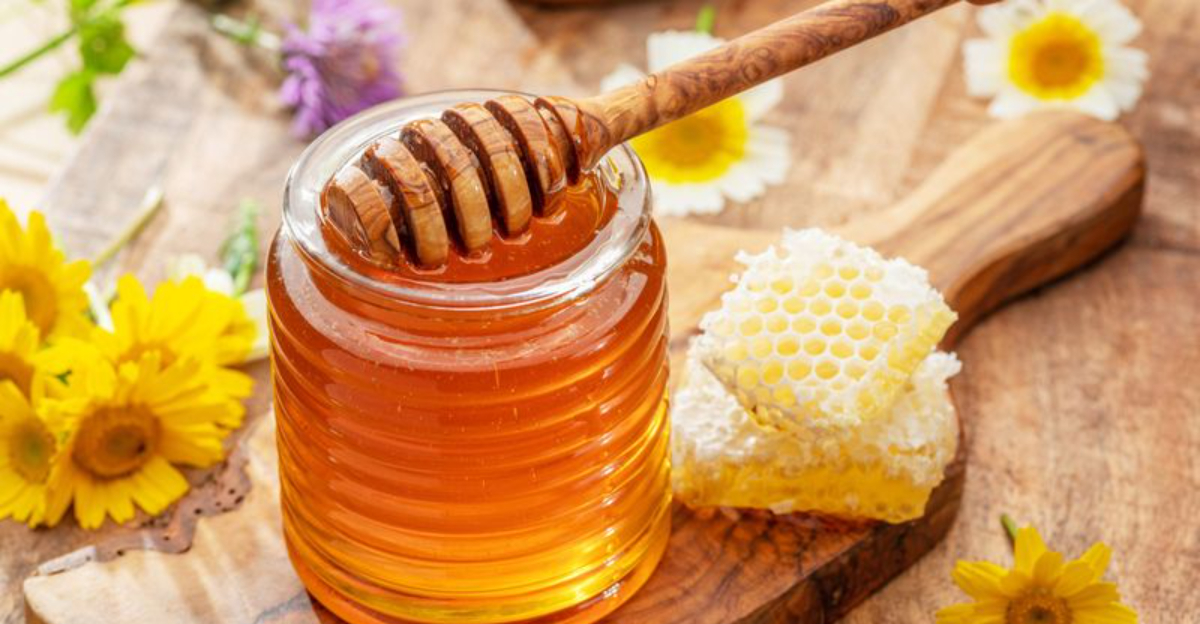
The buzz isn’t good for honey lovers! With bee populations declining globally due to pesticides, disease, and habitat loss, honey production can’t keep pace with demand.
Pure, raw honey from healthy hives is already commanding premium prices. As pollinators continue to struggle, expect the cost of quality honey to soar beyond what most families can regularly afford.
7. Maple Syrup
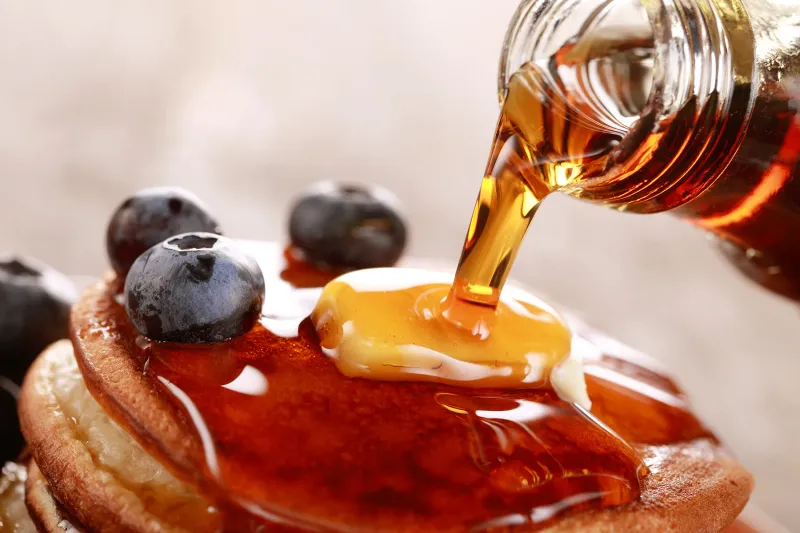
Nothing beats real maple syrup on pancakes! Unfortunately, climate change is wreaking havoc on maple trees, with warming temperatures disrupting the freeze-thaw cycles essential for sap production.
Canadian producers report shorter harvesting seasons and declining yields. As supplies dwindle while global demand increases, prepare for maple syrup to become a special-occasion treat rather than a breakfast staple.
8. Almonds
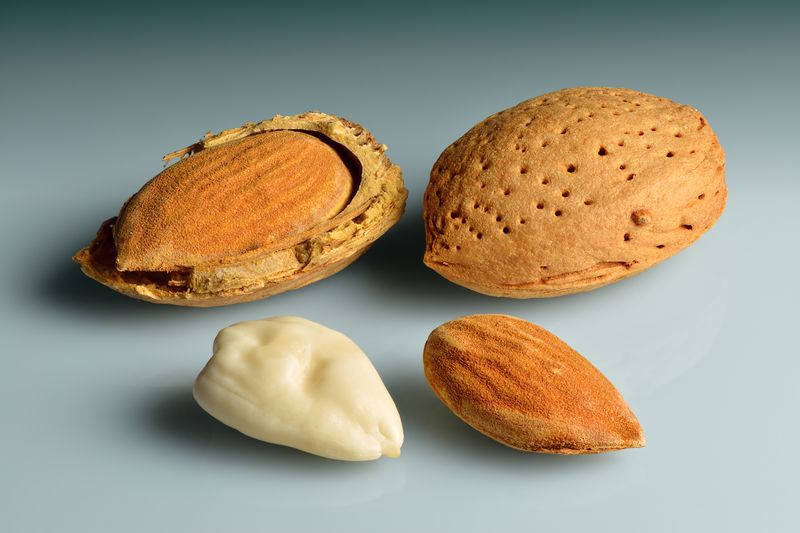
California grows 80% of the world’s almonds, but extreme drought threatens this water-intensive crop. Each almond requires about 1.1 gallons of water to produce—a resource becoming increasingly scarce.
As water restrictions tighten and production costs climb, almond prices are expected to skyrocket. Almond milk, butter, and snacks might soon become premium products beyond everyday budgets.
9. Sushi-Grade Tuna
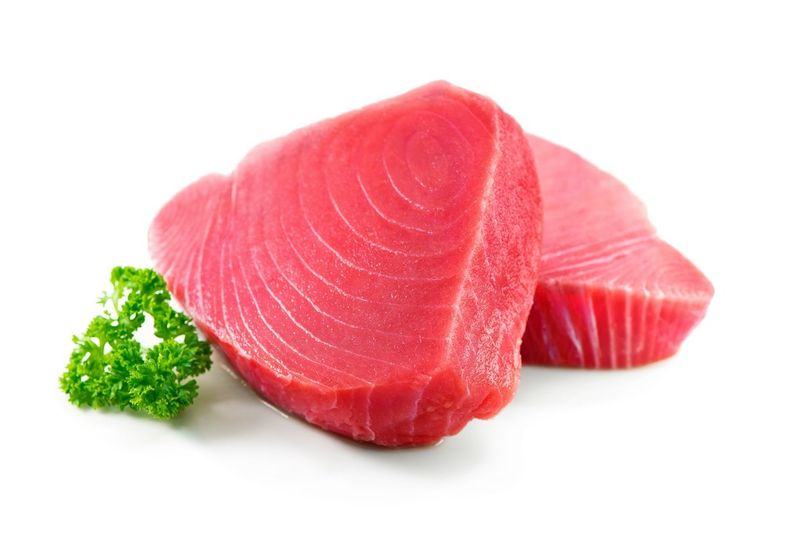
Bluefin tuna populations have plummeted by over 97% due to overfishing. While once reserved for special occasions in Japan, global sushi popularity has pushed demand to unsustainable levels.
A single bluefin tuna can already fetch over $1 million at auction! Even more modest tuna varieties are becoming luxury items as ocean ecosystems struggle to maintain healthy fish populations.
10. Natural Beef
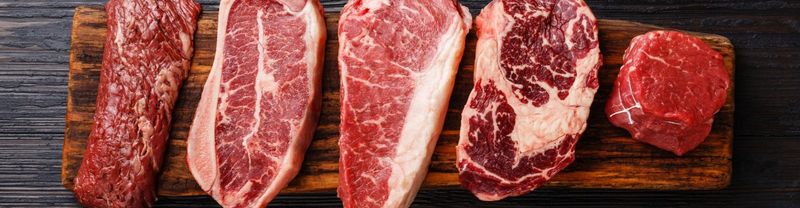
Grass-fed, hormone-free beef might become a memory as environmental pressures mount. Cattle farming contributes significantly to greenhouse gas emissions, deforestation, and water usage.
Regulatory changes and carbon taxes will likely increase production costs dramatically. Expect real beef to become a special occasion splurge, with plant-based and lab-grown alternatives taking over everyday meat consumption.
11. Certain Fruits from Abroad
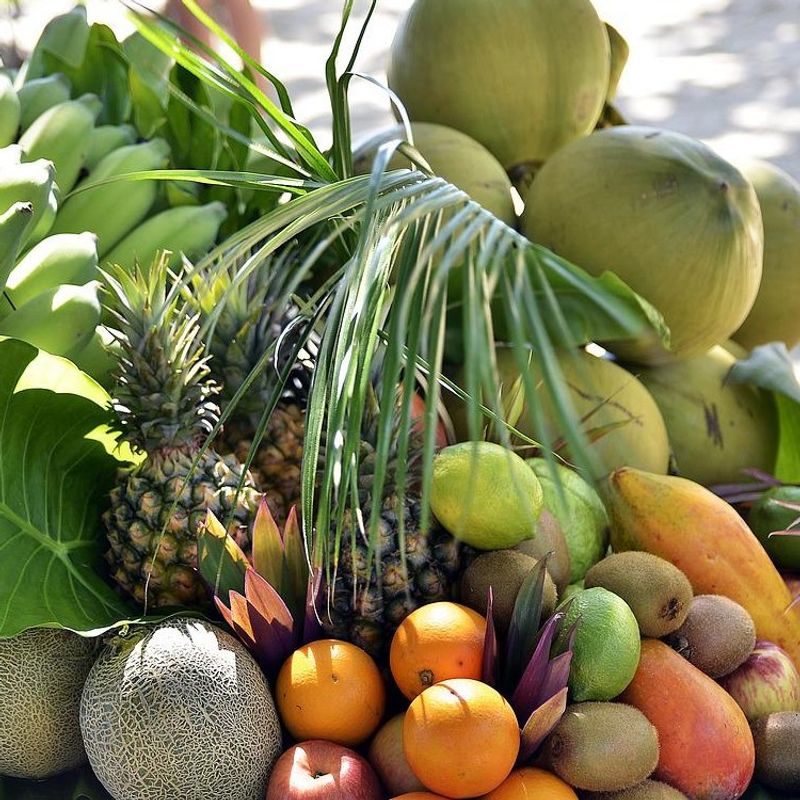
Mangoes from India, dragon fruit from Vietnam, and other exotic imports face mounting transportation costs and trade restrictions. Rising fuel prices and carbon taxes on shipping make long-distance food transportation increasingly expensive.
Climate-controlled transportation adds further costs. These once-affordable tropical treats will likely become occasional luxuries rather than regular grocery items.
12. Seafood Variety
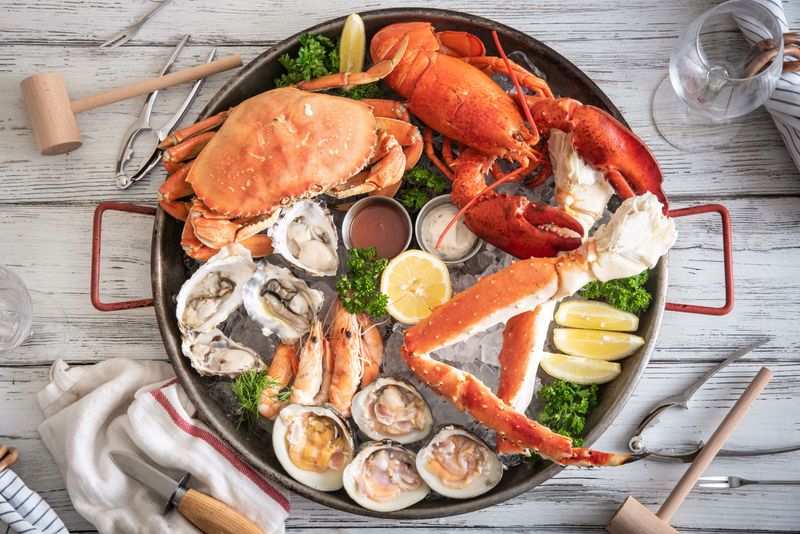
Ocean acidification and warming are devastating marine ecosystems worldwide. Shellfish like oysters, lobsters, and crabs are particularly vulnerable as their shells become harder to form in more acidic waters.
Commercial fishing fleets must travel farther to find dwindling catches. The seafood counter at your local store will likely offer fewer options at much higher prices in coming years.
13. Wine

Wine lovers, prepare for sticker shock! Traditional wine regions like Bordeaux and Napa are becoming too warm for many grape varieties, forcing vineyards to relocate to cooler climates or experiment with heat-resistant strains.
These transitions are expensive and disrupt centuries of winemaking tradition. Quality wines from established regions will become increasingly scarce and priced beyond middle-class budgets.
14. Olive Oil
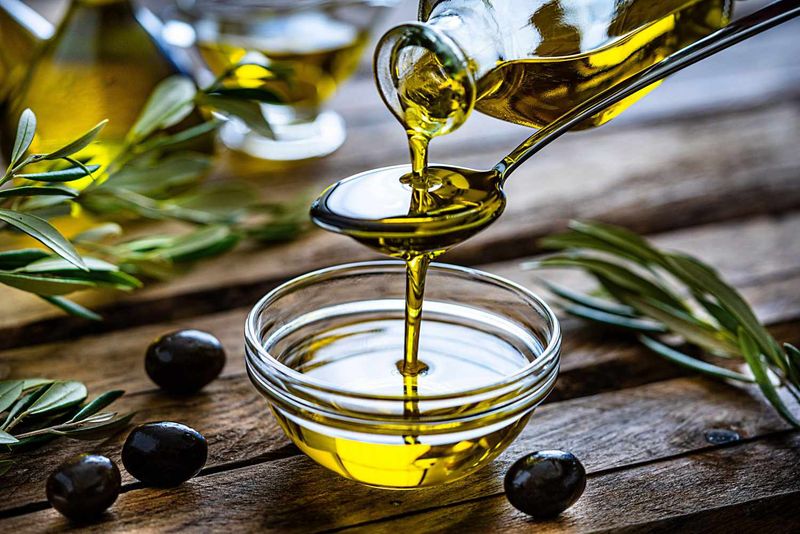
Mediterranean olive groves are suffering from extreme heat waves, droughts, and spreading diseases like Xylella fastidiosa. Italy has lost over 50 million olive trees in recent years, decimating production.
As supply chains tighten, authentic extra virgin olive oil prices continue climbing. Budget-friendly bottles will likely contain more fillers or lower-quality oils by the decade’s end.
15. Cashews
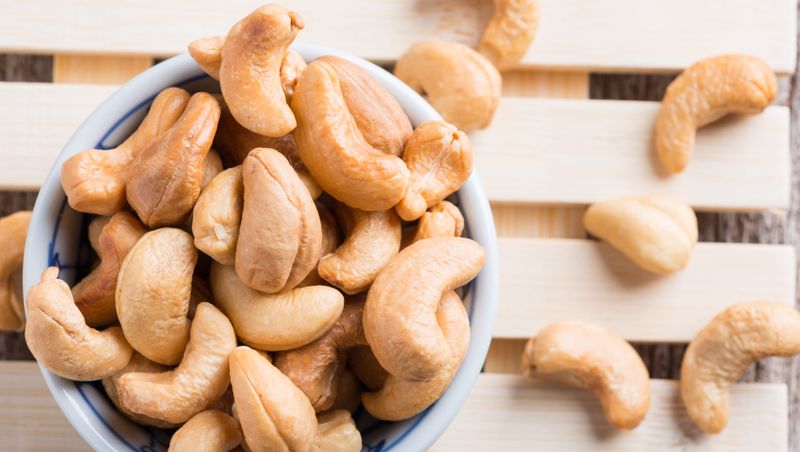
Behind those creamy, delicious nuts lies an incredibly labor-intensive process. Each cashew must be carefully extracted from a toxic shell by hand, usually by workers earning minimal wages.
As labor standards improve and climate change affects growing regions, expect prices to surge. The smooth cashew butter you enjoy might soon become an occasional luxury rather than a pantry staple.
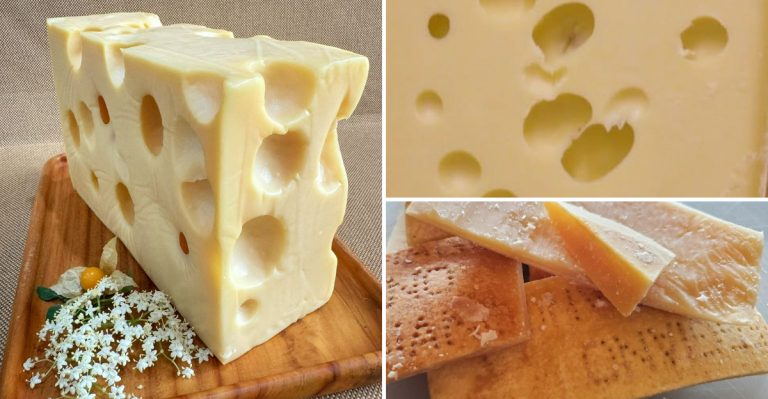
16. Specialty Cheeses
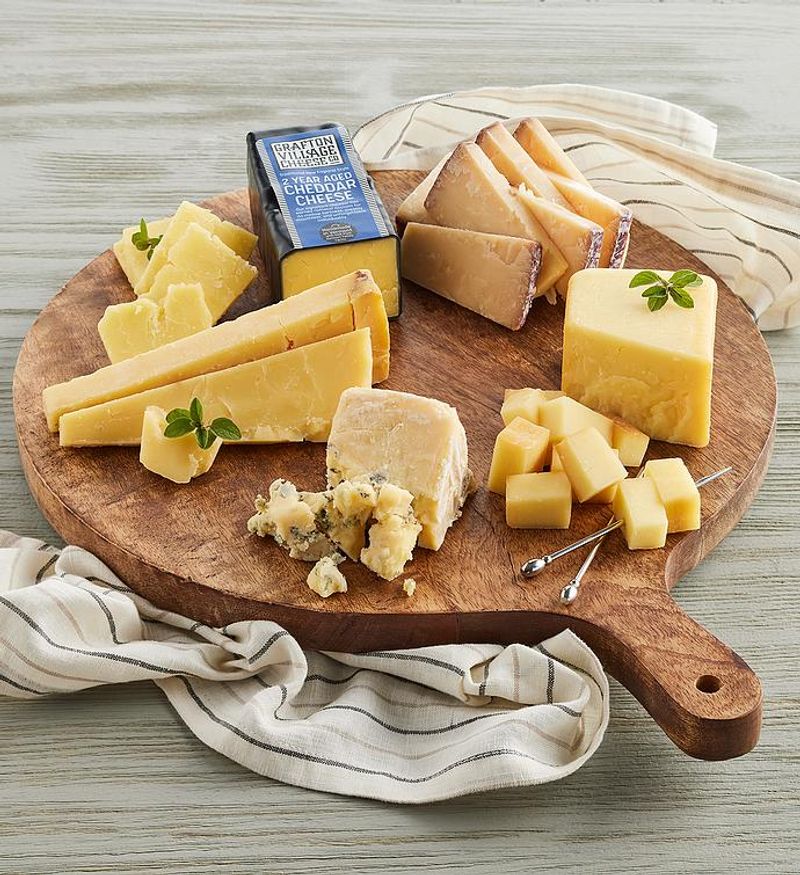
Artisanal cheese production depends on specific microclimates and traditional farming practices increasingly threatened by industrial agriculture and climate change. Many cheese-making regions face unprecedented challenges maintaining consistent quality.
As dairy farming costs rise and specialized knowledge becomes rarer, expect your favorite specialty cheeses to command much higher prices or disappear entirely from middle-class shopping carts.
17. Natural Peanut Butter
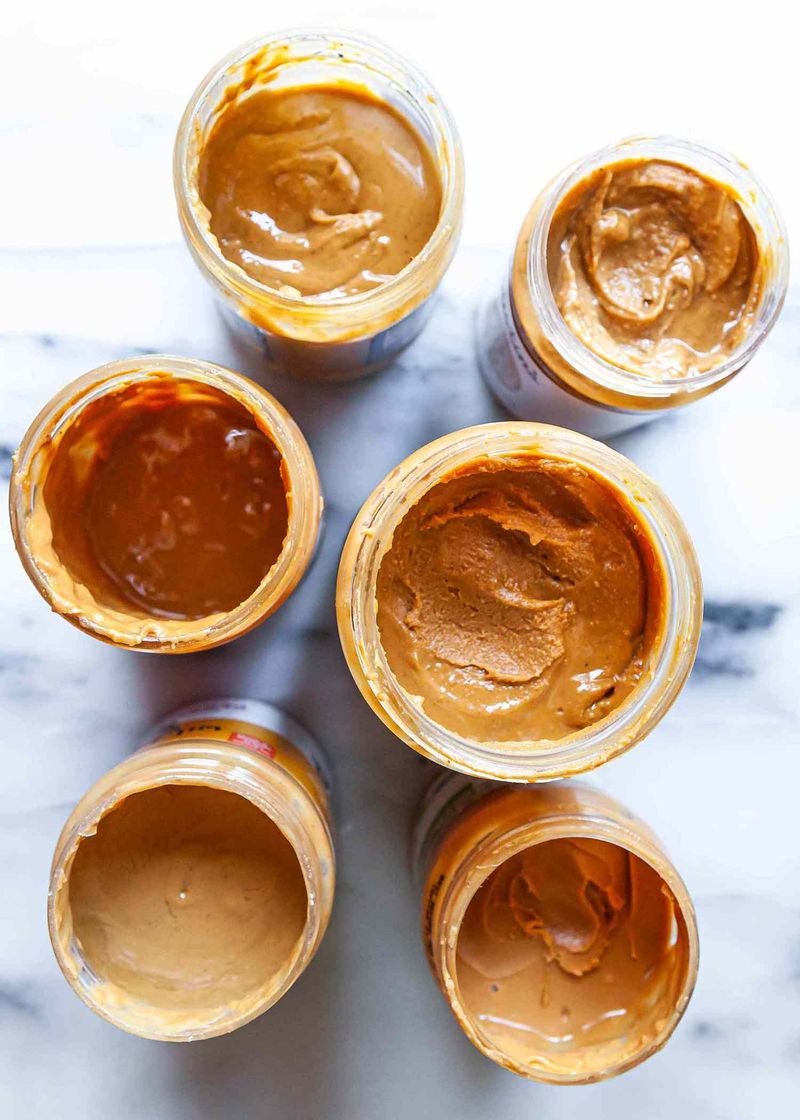
Peanut crops are increasingly vulnerable to aflatoxin, a dangerous fungal contaminant that thrives in warmer, more humid conditions brought by climate change. Testing and eliminating contaminated peanuts adds significant production costs.
Combined with water shortages in growing regions, pure peanut butter without additives or fillers will likely become considerably more expensive than the processed alternatives.