Here’s How To Tell If Your Food’s Gone Bad
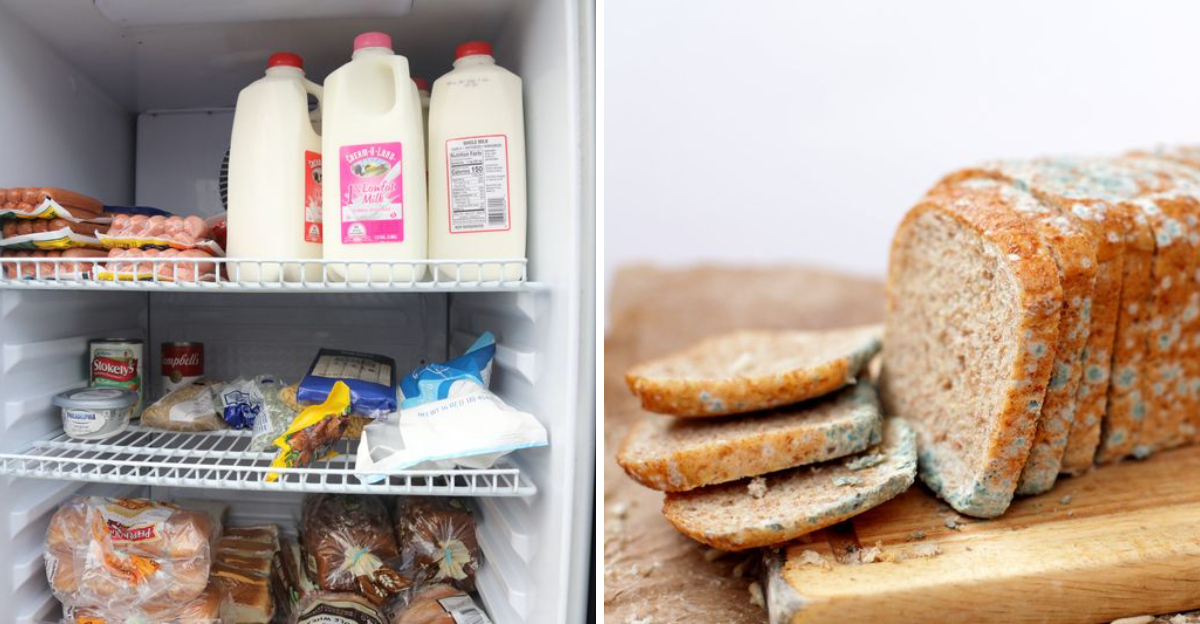
That yogurt in the back of the fridge might not be as suspicious as it looks. Best-before dates can be misleading, and some foods are tougher than they seem.
But other times, a single sniff is all it takes to know something’s gone off. Here’s how to separate the truly spoiled from the perfectly safe.
1. Funky Smells
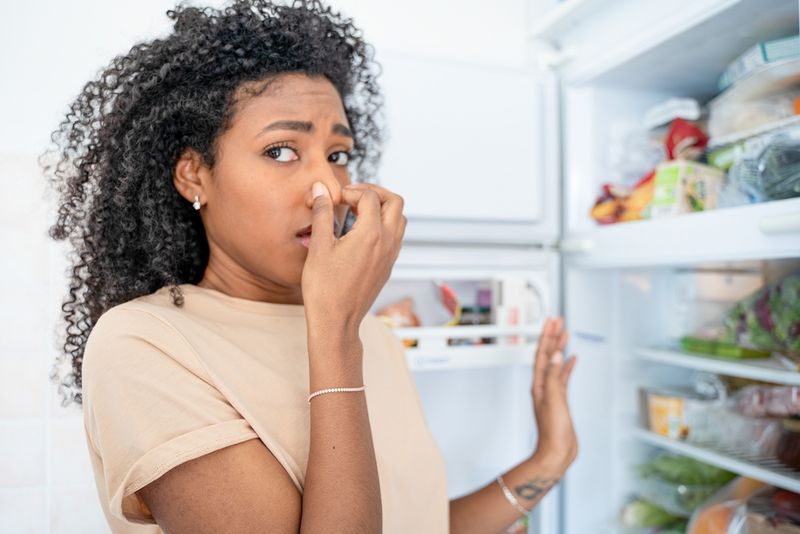
Trust your snout! When food releases that unmistakable rotten-egg stench or smells like your gym socks after a marathon, your body is screaming a warning. Evolution gifted us with smell receptors specifically designed to detect spoilage.
Most fresh foods have either no smell or a pleasant aroma. When bacteria throw their wild decomposition party, they release sulfur compounds and amines that hit your nose like a punch. Meat develops a sour stink, milk turns rancid, and vegetables emit a swampy odor.
2. Unusual Texture Changes
Grabbed some lunch meat that feels like it’s coated in hand sanitizer? Drop it immediately! Sliminess on protein foods means bacteria have set up shop and are multiplying faster than rabbits in springtime.
This bacterial film feels slippery, sticky, or downright slimy when touched. Proteins like chicken, fish, and deli meats are prime candidates for this gross transformation. The slime isn’t just unappetizing—it’s potentially dangerous.
3. Mold Appearances
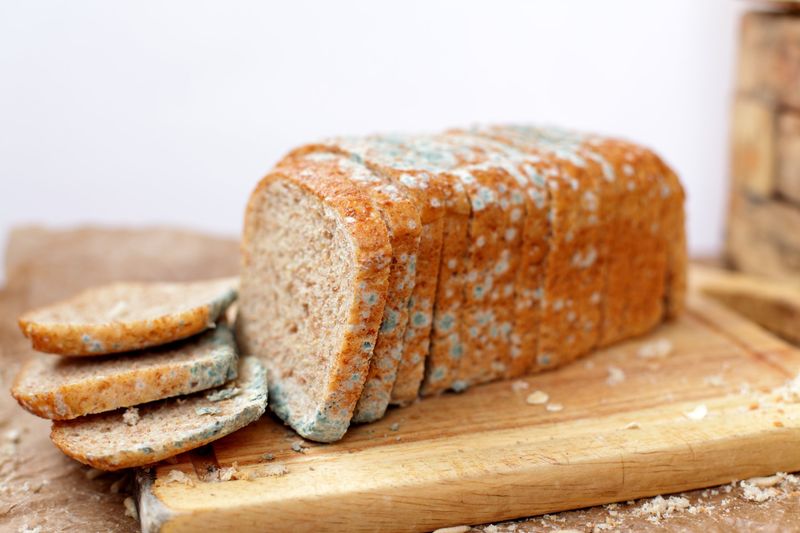
Spots of blue, green, white, or black fuzz decorating your food? That’s not an artistic garnish—it’s mold announcing it has claimed your food as its kingdom! These fuzzy patches start small but spread like neighborhood gossip.
While some fancy cheeses intentionally contain specific molds, unexpected fungal growth is a definite danger sign. The visible fuzz is just the tip of the iceberg—invisible threads called mycelia have already penetrated deeper than you can see.
4. Unnatural Hues
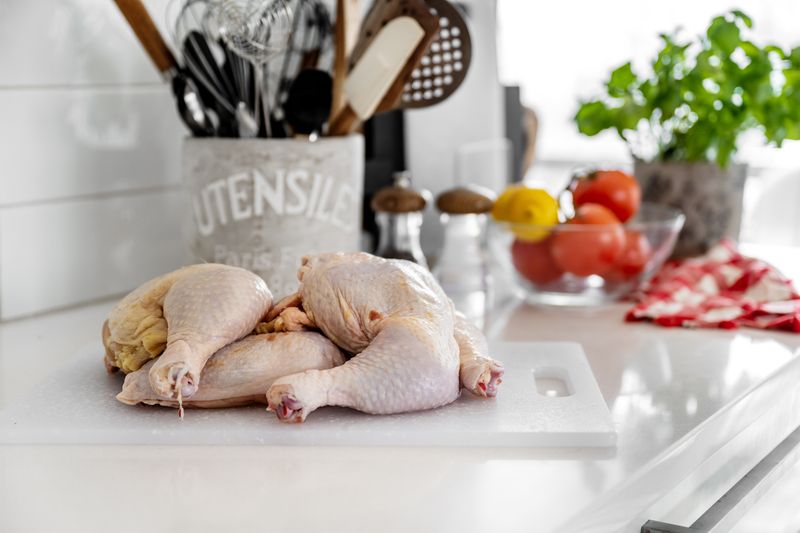
When your chicken starts looking like a sunset or your ground beef turns grayish-brown in patches, your food is waving the surrender flag. Color changes are Mother Nature’s warning system—like a traffic light flashing from green to red.
Fresh meat should be vibrant pink or red, not brown, gray, or greenish. Fruits and vegetables have their own color-coded warning systems too. Browning avocados or darkening lettuce edges signal oxidation and approaching spoilage.
5. Bulging Cans Or Packaging
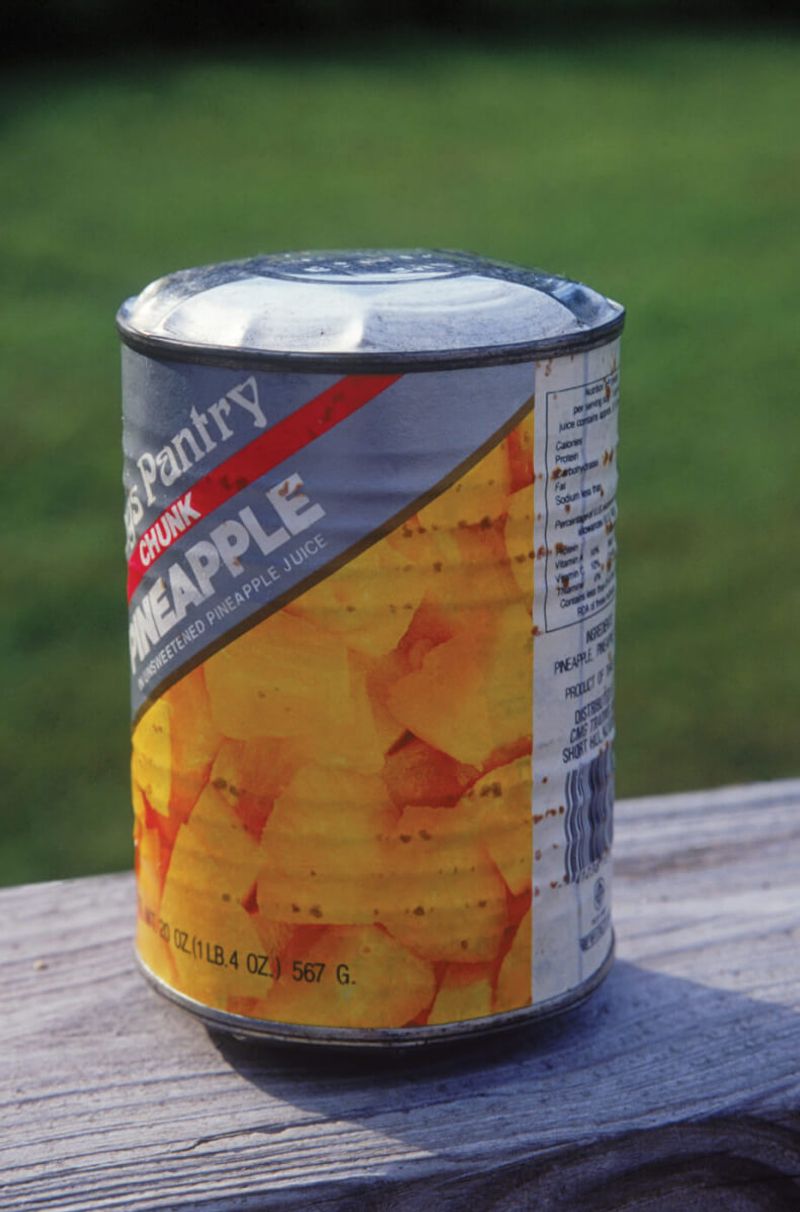
Found a can in your pantry that looks pregnant? Back away slowly! Bulging cans or packages that puff up like balloons mean gas-producing bacteria are partying inside—and you’re definitely not invited.
This isn’t just gross—it’s potentially deadly. Clostridium botulinum, which causes botulism, creates gas as it multiplies in low-oxygen environments. The pressure builds up, distorting the packaging like a science experiment gone wrong.
6. Expired Dates Plus Symptoms
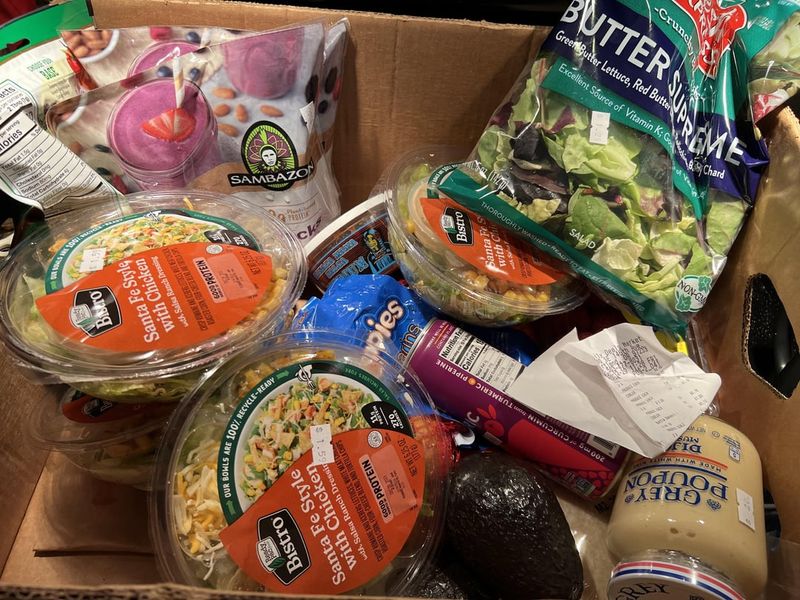
Expiration dates aren’t just suggestions from killjoy manufacturers! While “best by” dates allow some wiggle room, foods that are weeks past their prime AND showing other spoilage signs are sending you an SOS.
Yogurt two weeks past date with a funky smell? Sayonara! Milk that expired yesterday but still smells sweet might survive another day. The date alone isn’t always the final verdict, but combined with sensory clues, it builds a compelling case.
7. Unexpected Fluid Changes
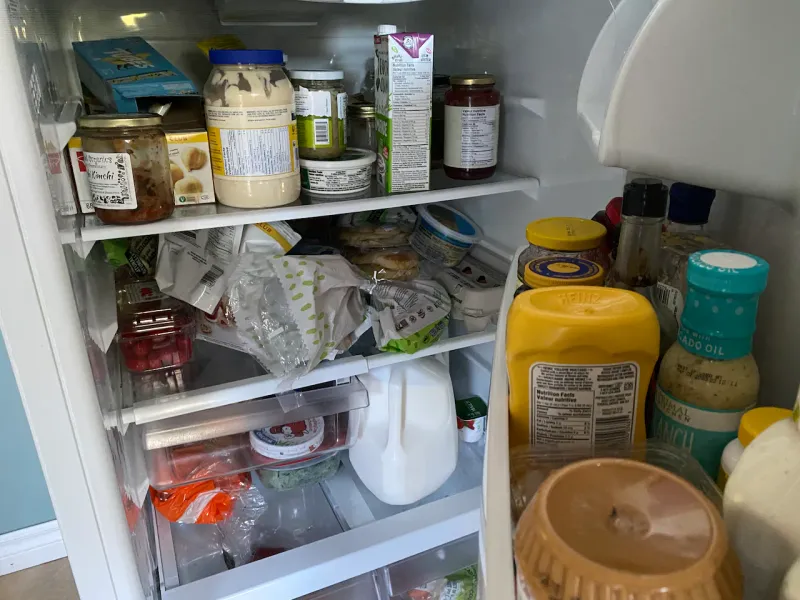
Mystery liquid pooling at the bottom of your meat package? Don’t ignore this watery warning! Excessive or discolored liquids often signal cellular breakdown as bacteria feast on your food.
Fresh meat might have some clear juices, but cloudy, milky, or slimy fluids are bacterial calling cards. Similarly, separated, chunky milk or yogurt with excessive watery liquid (beyond normal whey separation) indicates spoilage microbes have restructured proteins.
8. Fermentation Signs
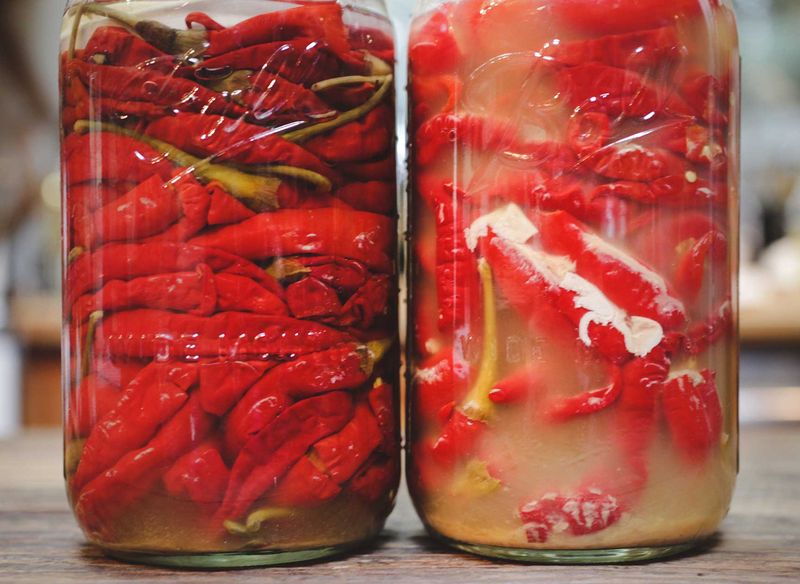
Bubbles in foods that shouldn’t be carbonated? You’ve got unwanted fermentation happening! While delightful in kombucha or sourdough, random bubbling in other foods means microbes are converting sugars to alcohol and carbon dioxide—without your permission.
Fizzing jars of salsa, bubbling fruit juices, or foaming leftovers are hosting microscopic keggers. Sometimes you’ll hear actual hissing when opening containers as pressurized gas escapes—nature’s not-so-subtle hint that something’s wrong.
9. Oils Gone Wild
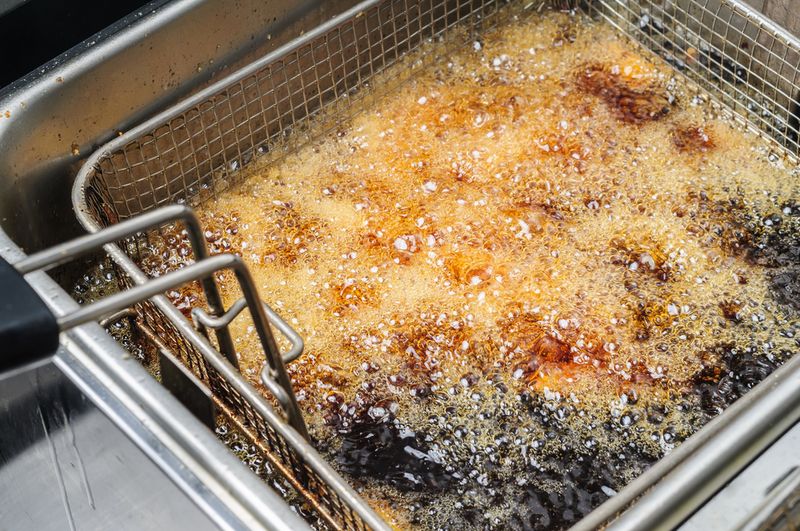
Sniffed your cooking oil and suddenly felt transported to a nail salon? That sharp, chemical smell means your fat has gone rancid! Oils don’t grow bacteria easily, but they undergo a different kind of spoilage called oxidation.
The process creates compounds that smell like wet cardboard, paint thinner, or old crayons. Beyond the nostril assault, rancid oils can cause digestive discomfort and contain harmful free radicals. The taste turns bitter and can ruin an entire dish.
10. Unexpected Softening
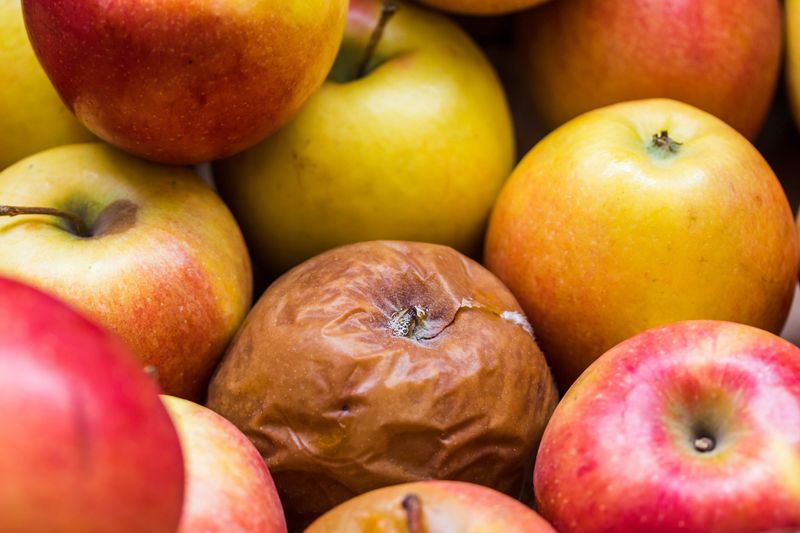
Apples shouldn’t bend like rubber, and carrots shouldn’t flop like wet noodles! When crisp foods turn soft or firm foods turn mushy, cellular structures are breaking down—often due to enzyme activity or microbial invasions.
Fresh fruits and vegetables contain natural rigidity from water-filled cells and structural compounds like cellulose. As they spoil, these cells rupture, releasing water and destroying that satisfying crunch. It’s like the difference between a water balloon and a popped one.
11. Flavor Gone Wrong
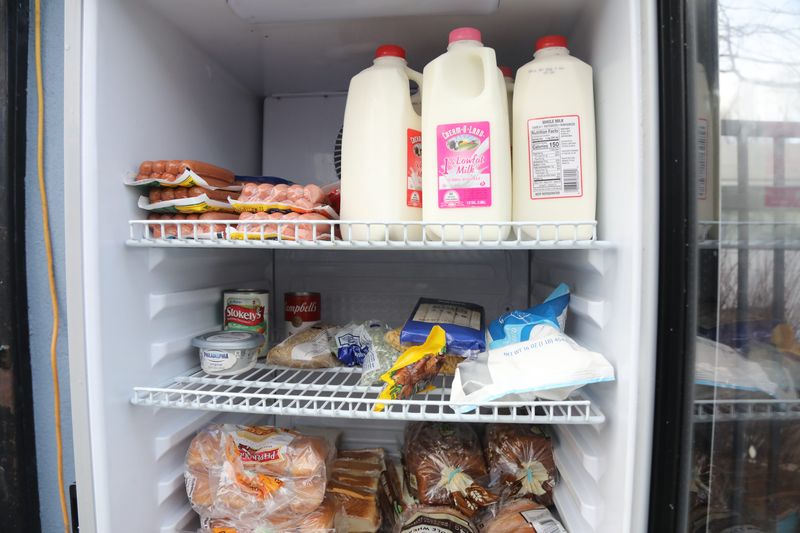
Flavor changes are your last line of defense—but hopefully, you’ll spot other signs before taking that fateful bite! When food tastes sour, bitter, or just plain “off” from its normal flavor profile, spit it out immediately!
Your taste buds evolved as survival tools, designed to detect potentially harmful substances. That sharp, sour milk taste or the bitter notes in spoiled meat aren’t just unpleasant—they’re biological warning systems screaming “danger ahead!”
12. Emulsion Breakdown
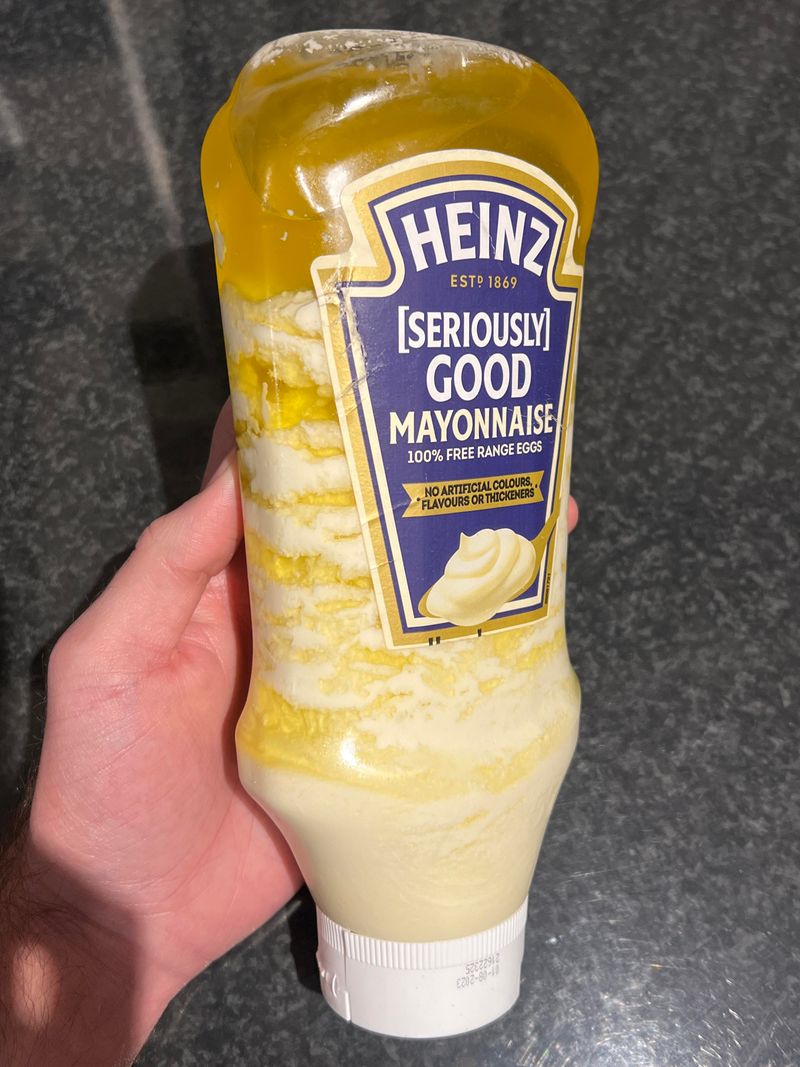
Mayonnaise turning into an oil slick with white globs? Salad dressing stratified like a science experiment? When emulsified foods separate dramatically, microbes have likely broken down the stabilizing compounds.
Properly stored emulsions might separate slightly but can be re-mixed easily. Spoiled versions, however, refuse to reintegrate, with distinct layers and often unpleasant odors. The proteins or emulsifiers that once held everything together have been damaged beyond repair.
13. Plant Foods Past Prime
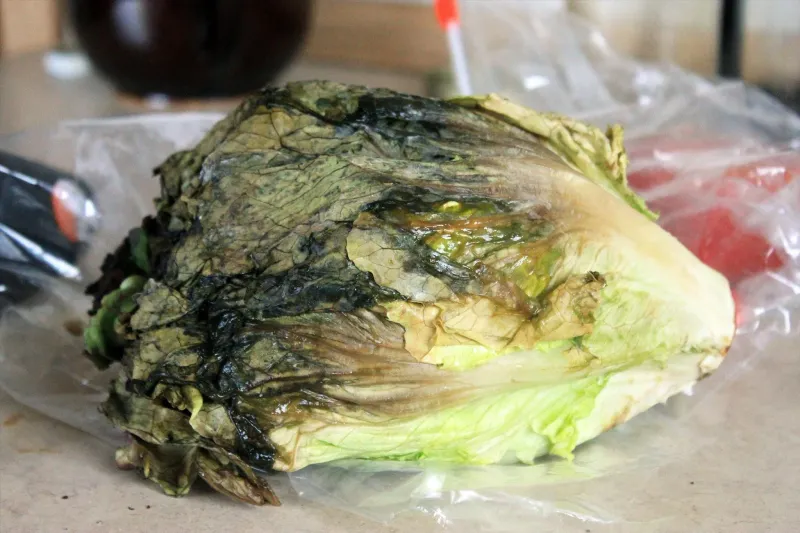
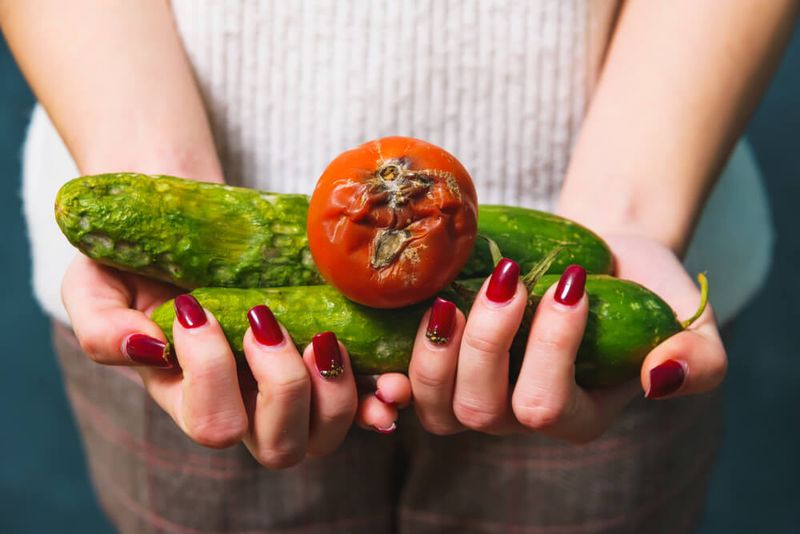
Lettuce transformed into a slimy green puddle? Herbs that look like they’ve melted? Plant foods follow their own spoilage patterns—moving from perky freshness to wilting, then to decay that can be downright revolting.
The progression starts innocently with slight softening and mild discoloration. Left unchecked, vegetables then develop dark or translucent patches as cell walls collapse. The final stage brings that notorious slime layer as bacteria feast on the dying plant matter.
14. Unexpected Guests
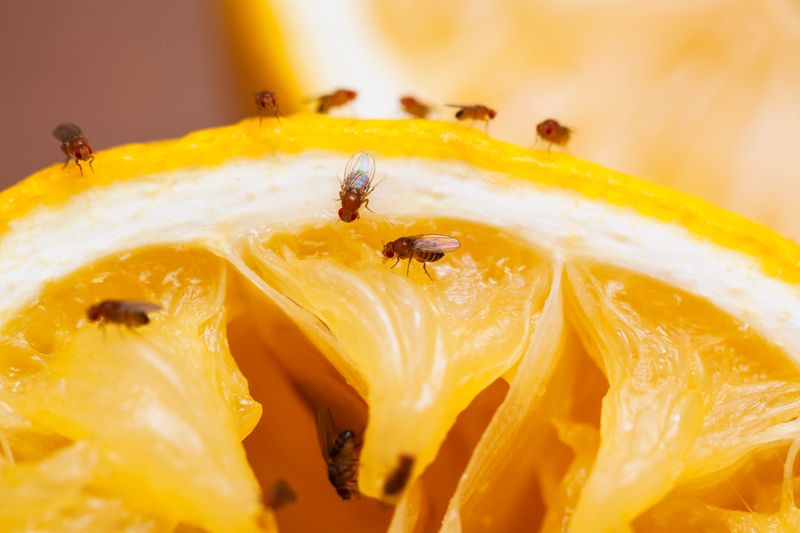
Spotted tiny creatures having a feast in your pantry? Weevils in flour, fruit flies circling fruit, or tiny moths fluttering from cereal boxes are nature’s cleanup crew—but they shouldn’t be in your kitchen!
These uninvited guests aren’t just gross—they’re clear indicators that food has begun decomposing or has been contaminated. Insects have incredibly sensitive detection systems for finding food at the perfect spoilage stage for their dining pleasure.
15. The Danger Zone
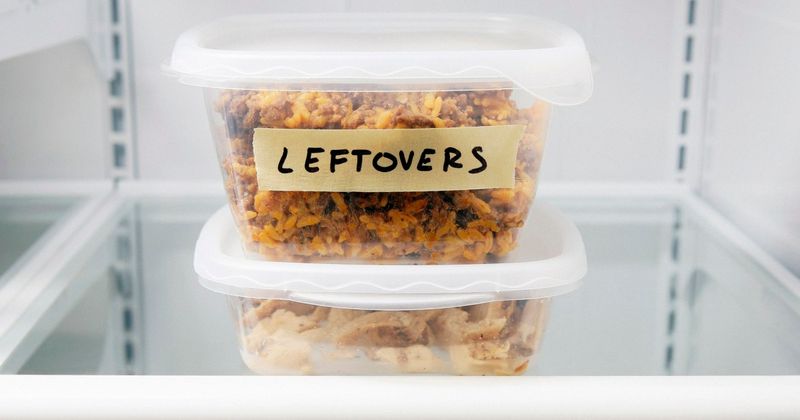
Left that chicken casserole on the counter all day? Foods that have vacationed too long in the temperature “danger zone” (40°F-140°F/4°C-60°C) might look and smell fine while harboring invisible bacterial armies.
Bacteria multiply at astonishing rates in warm environments—some doubling every 20 minutes! This means your forgotten lunch could host millions of unwanted microbes before showing visible signs of spoilage. The two-hour rule exists for good reason.