10 Grilling Tricks That Fail + 10 That Actually Deliver
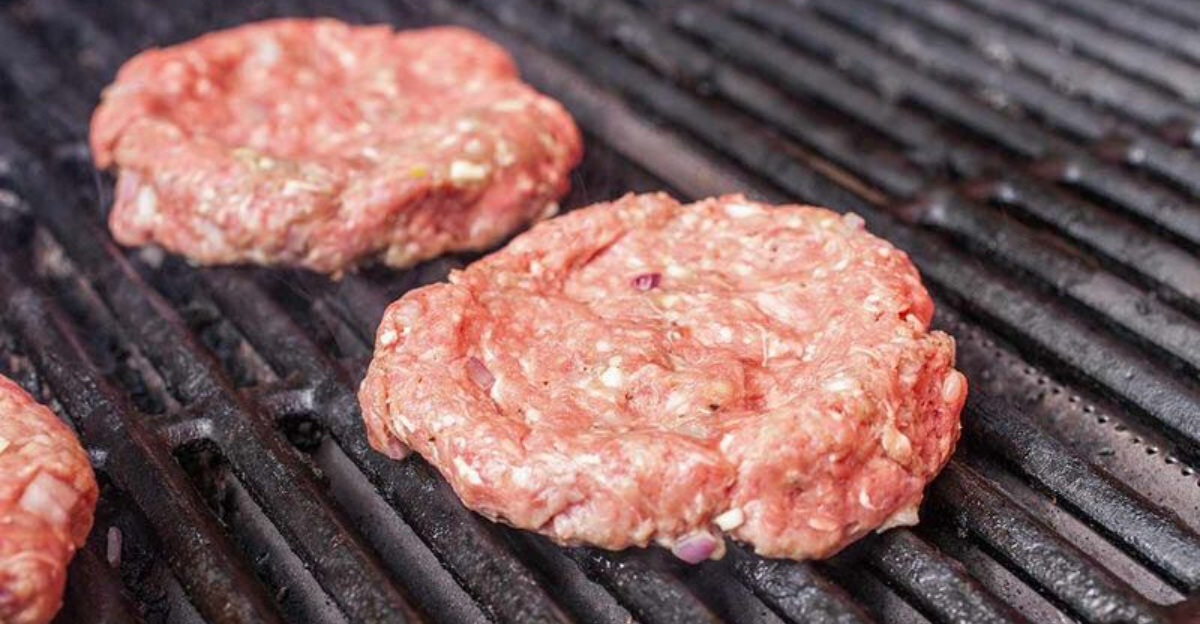
Grilling seems simple, but not every tip passed down at the cookout holds up. Some popular tricks promise juicy burgers or perfect grill marks but often lead to burnt edges, dry centers, or uneven cooking.
A few methods, though, really do improve flavor, tenderness, and texture.
Whether you’re using gas or charcoal, this list separates the myths from the must-dos to help you grill smarter and tastier.
20. Pressing Burgers While Grilling
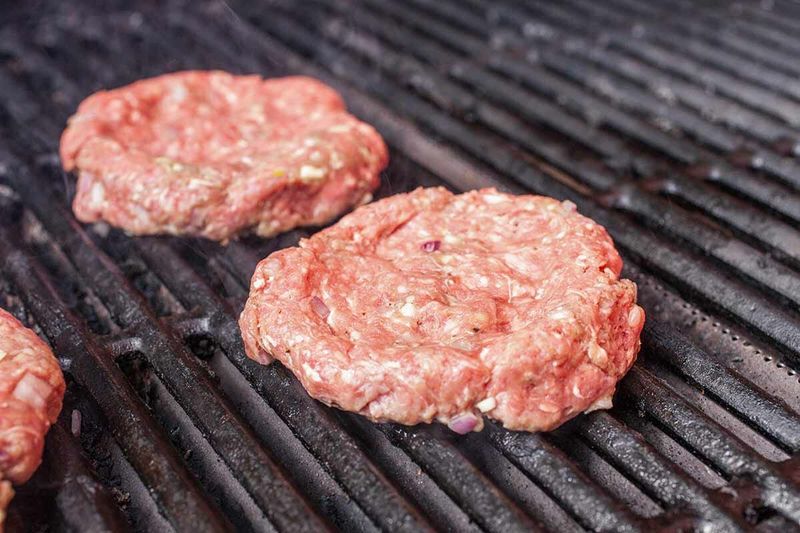
Flattening patties with a spatula causes juices to spill into the flames, not stay in the meat. It sounds satisfying, but it drains flavor.
This also encourages flare-ups and burns the exterior before the inside cooks properly. The end result? Dry, chewy burgers that taste more like disappointment than summer.
19. Soaking Wooden Skewers For Hours
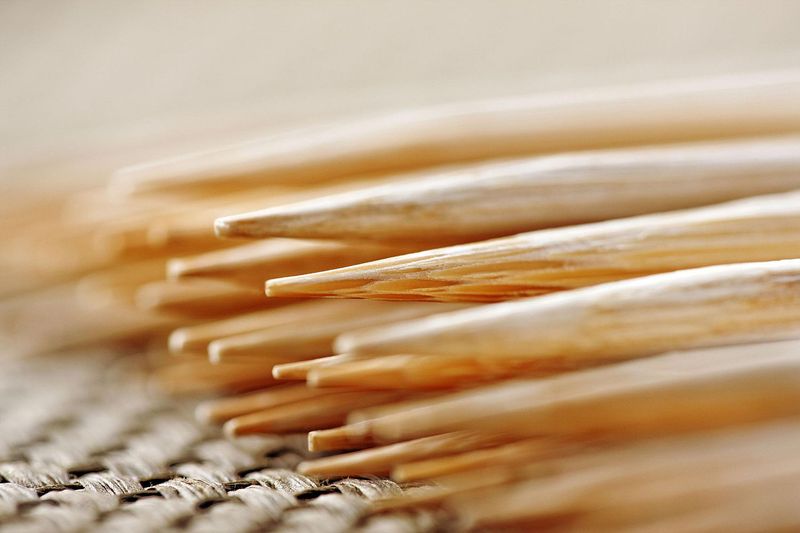
Many believe soaking skewers prevents burning, but long soaks do little beyond softening the wood. Most still scorch within minutes.
A 20 to 30-minute soak works just as well as hours of soaking. Even then, high heat will char the tips unless you keep them away from direct flames.
18. Flipping Meat Constantly
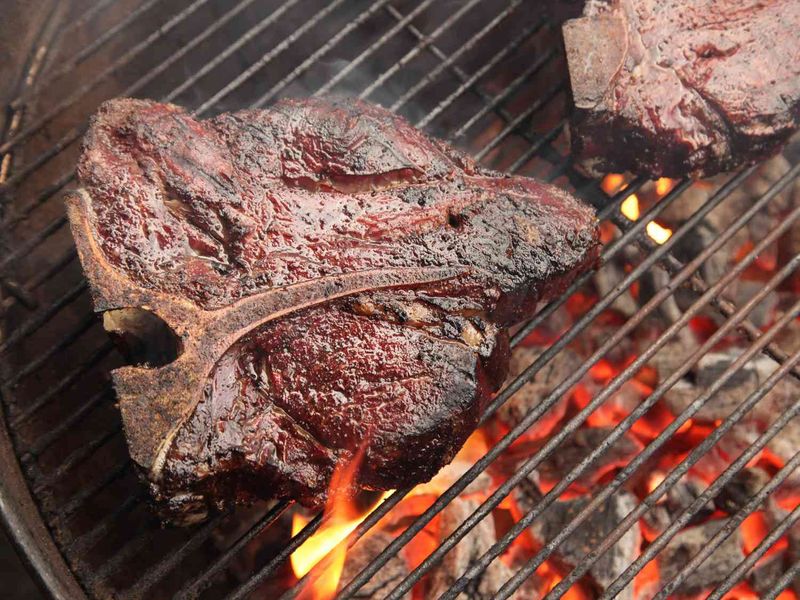
Flipping every few seconds breaks up the searing process. Meat never gets a proper crust and cooks unevenly.
It also increases the risk of tearing delicate items like fish. One or two flips per side is enough for caramelization and juicy results.
17. Using Lighter Fluid For Quick Flames
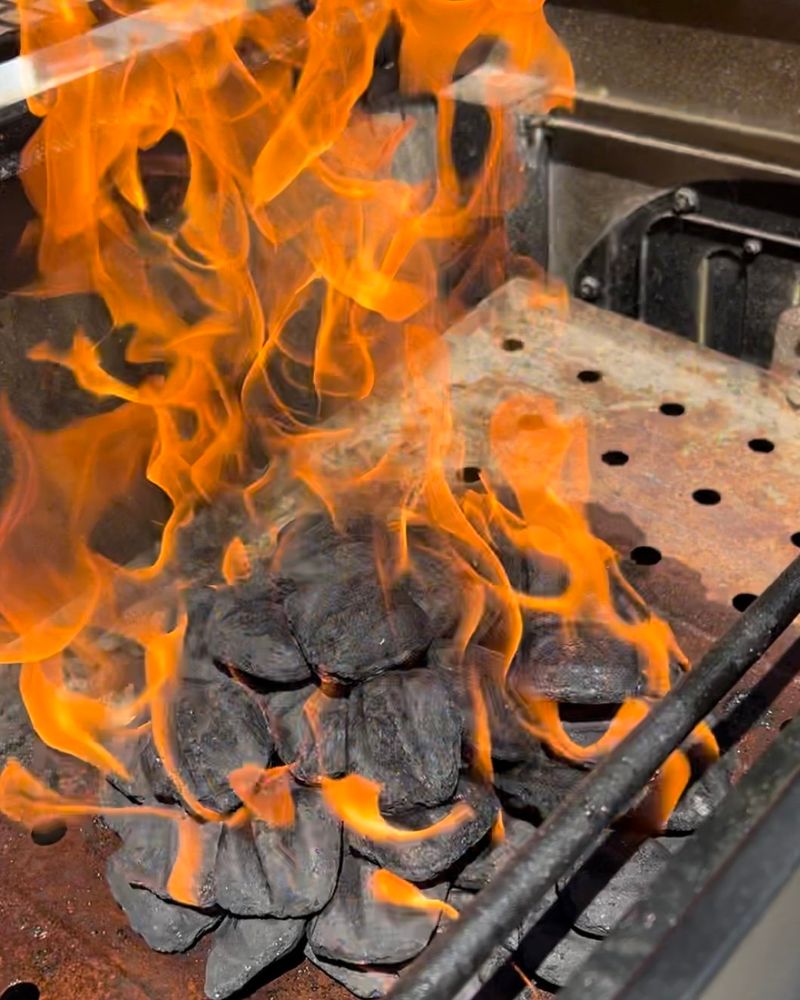
Lighter fluid gives fast fire, but its petroleum base often imparts a chemical taste. That artificial flavor can cling to your food.
It’s also less safe and harder to control. A chimney starter and newspaper create hot, clean coals without the need for chemicals.
16. Adding BBQ Sauce At The Start
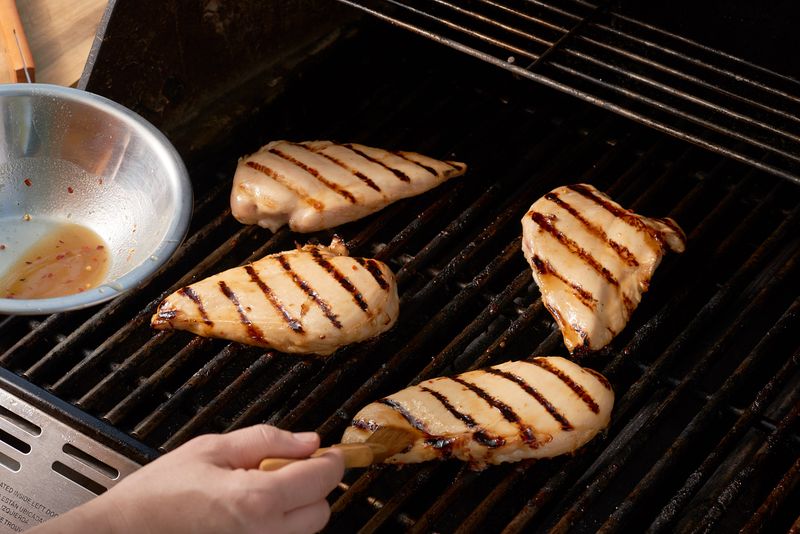
Barbecue sauce contains sugar, which burns quickly under direct heat. Early saucing leads to a blackened, bitter crust before meat is done.
Instead, wait until the final 5 to 10 minutes to brush on sauce. This allows the sugar to caramelize without charring.
15. Grilling Cold Meat Straight From The Fridge
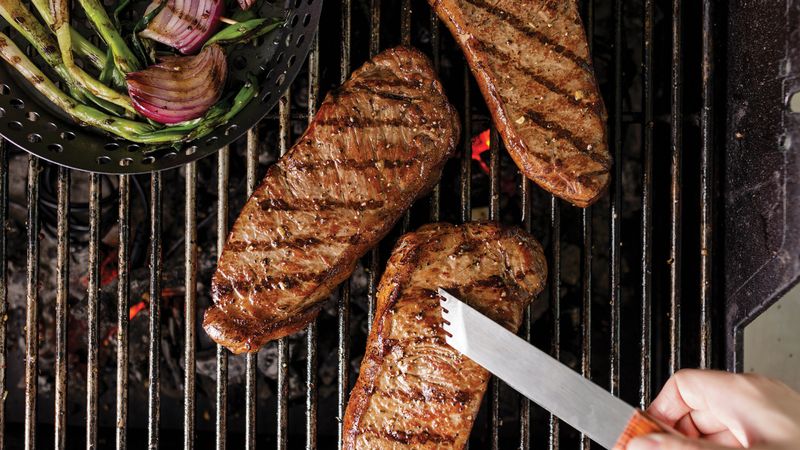
Meat that’s cold in the center takes longer to cook evenly, leaving the outside overdone before the middle catches up.
Letting meat rest at room temperature for 20–30 minutes leads to more even cooking and better searing.
14. Cutting Meat To Check Doneness
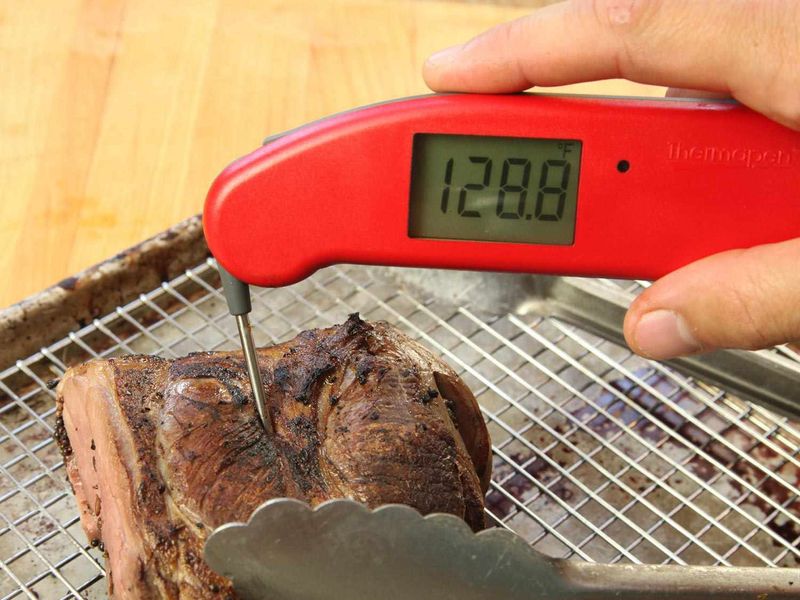
Slicing into meat while it’s on the grill lets all the juices escape. That leaves the inside dry and the outside less flavorful.
Use a meat thermometer or learn the press test instead. You’ll save all that flavor and avoid guesswork.
13. Trusting Grill Thermometers Blindly
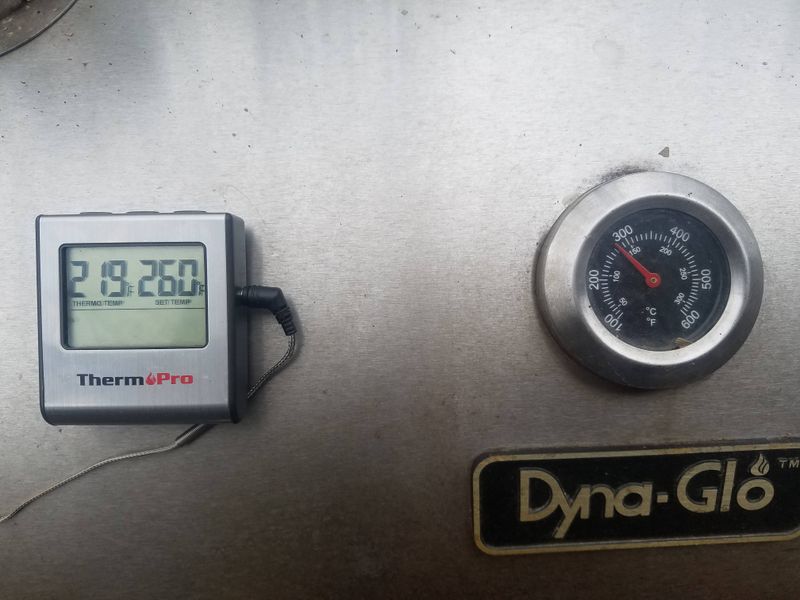
Built-in grill thermometers read the air above the grates, not the cooking surface where your food sits. That gap can be 50°F or more.
Use a surface-level thermometer for an accurate read. Knowing the real grate temp helps you avoid overcooking or undercooking key dishes.
12. Cooking Everything On High Heat
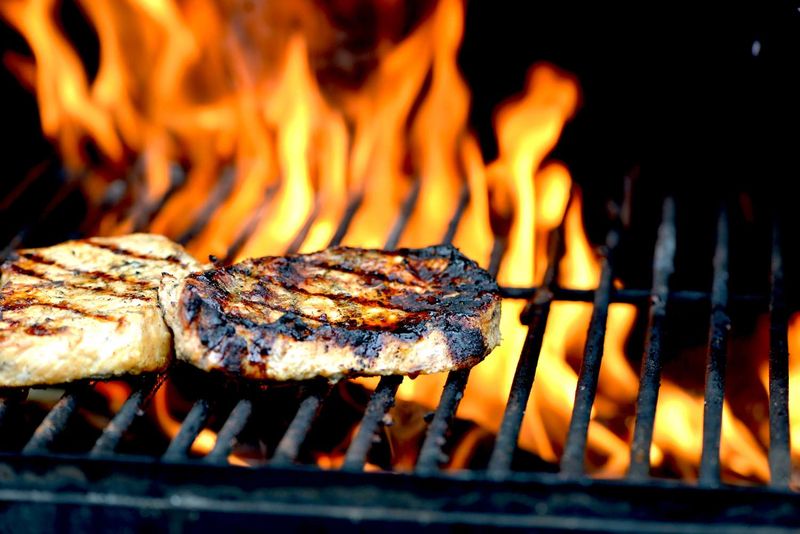
Not every food needs a screaming-hot flame. Chicken, sausages, and thick cuts benefit from moderate or indirect heat.
High heat works well for searing steaks or thin cuts, but it burns marinades, sauces, and delicate vegetables in seconds.
11. Closing The Grill Too Often
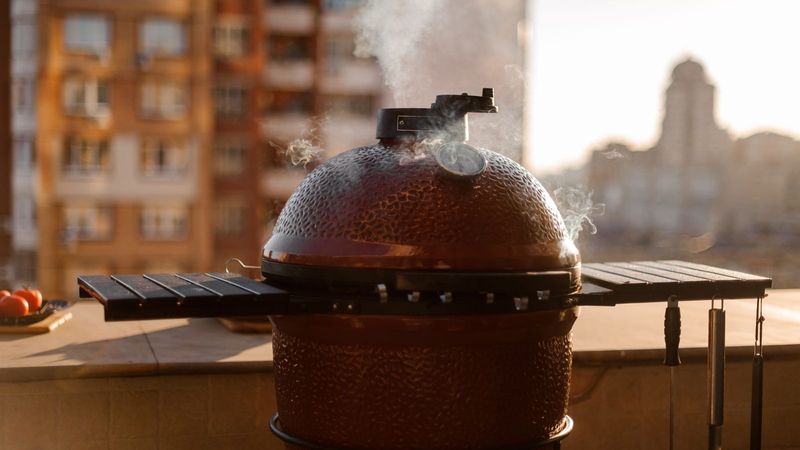
Opening the lid constantly drops the internal temperature and slows cooking. It also lets out the flavorful smoke you’re trying to keep in.
Only open when necessary to flip or check doneness. Think of your grill like an oven: heat retention makes for better results.
10. Letting Meat Rest After Grilling
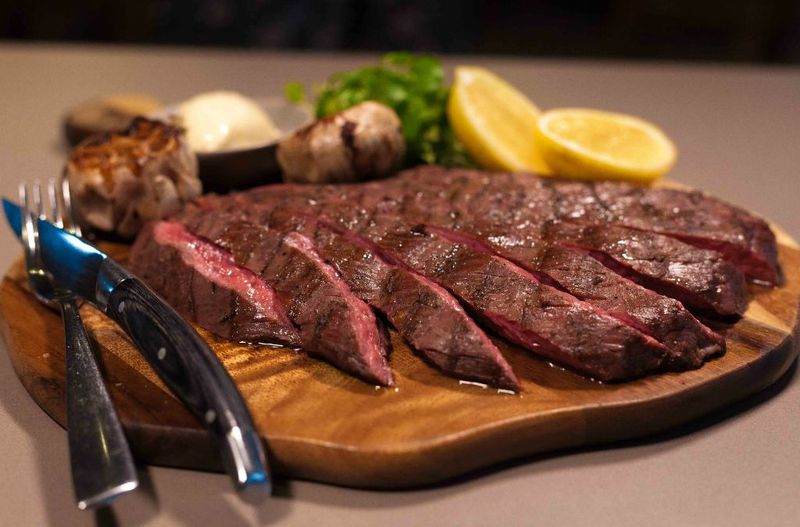
Resting meat after grilling lets the juices redistribute evenly. Cut too soon, and those juices run out onto the cutting board.
A 5–10 minute rest under foil improves tenderness and keeps flavor where it belongs—inside the meat, not on the plate.
9. Using A Meat Thermometer
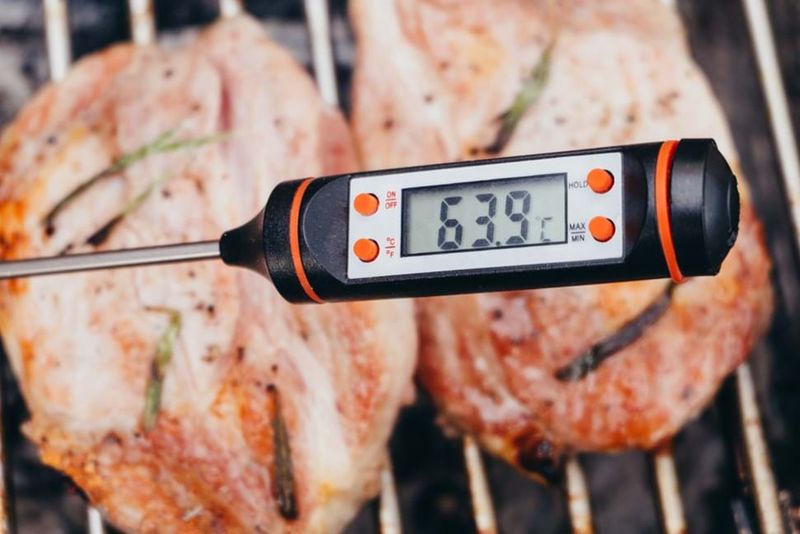
Checking internal temperature with a reliable thermometer is the best way to know when meat is done. It removes the guesswork entirely.
Whether you’re grilling steak, chicken, or pork, using a thermometer ensures perfect doneness without overcooking.
8. Oil The Grates Before Cooking
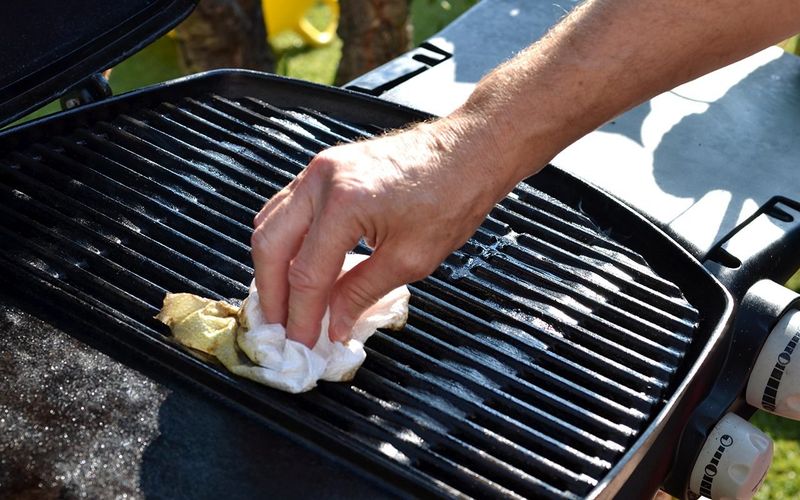
A light coating of oil keeps meat from sticking to hot grates and helps develop that signature grill pattern.
Use a paper towel dipped in high-smoke-point oil like canola, held with tongs, and wipe the grates once they’re hot.
7. Preheating The Grill Properly
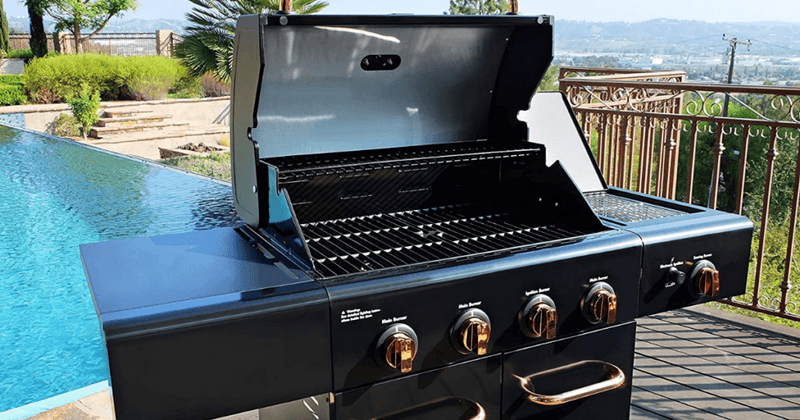
Cold grates cause food to stick and cook unevenly. Preheating ensures a clean sear and helps kill lingering bacteria.
Allow gas grills to preheat for 10–15 minutes and charcoal until coals are white-hot. You’ll get better flavor and easier cleanup.
6. Marinating For Flavor And Tenderness
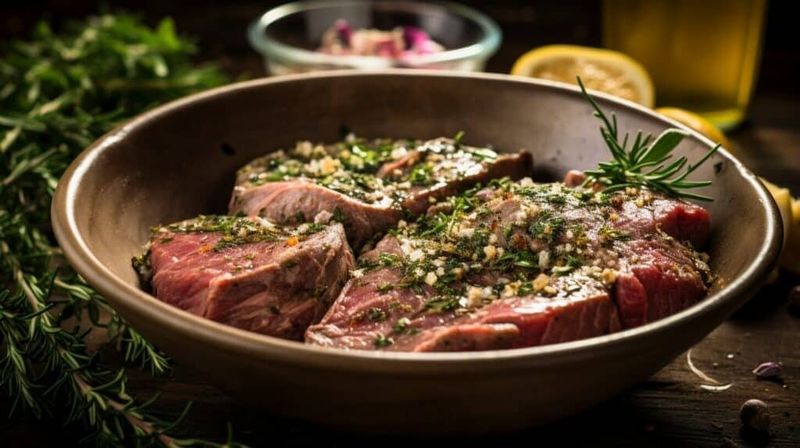
A good marinade can tenderize meat and infuse it with bold flavor. Acid, fat, salt, and herbs work together to transform texture.
Let meat marinate for at least 30 minutes, or up to overnight for tougher cuts. The result is juicier, more flavorful bites with a deeper taste.
5. Using Indirect Heat For Large Cuts
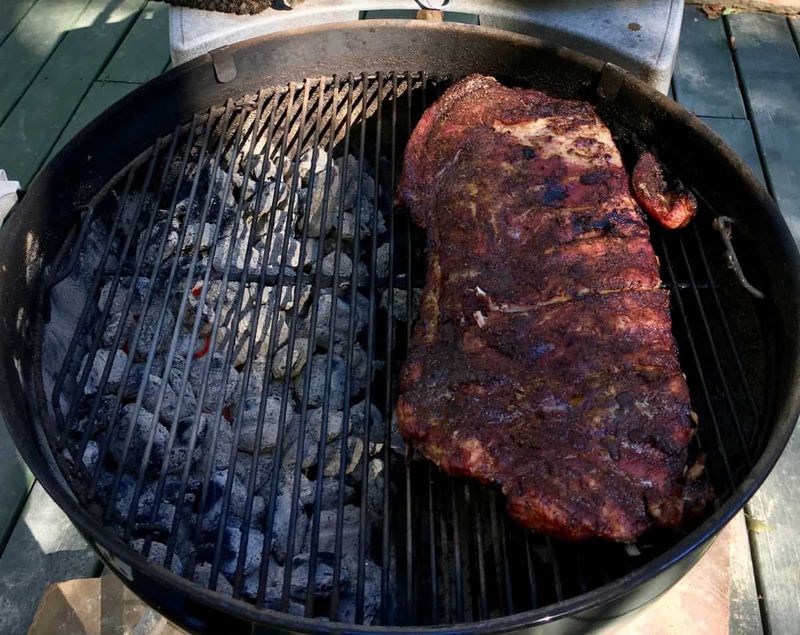
Thick meats like whole chickens or pork shoulders benefit from indirect heat. It prevents burning and cooks the inside evenly.
Set one side of the grill to high and leave the other off. Place the meat on the cooler side and close the lid to roast slowly.
4. Grilling With The Lid Closed For Thicker Meats
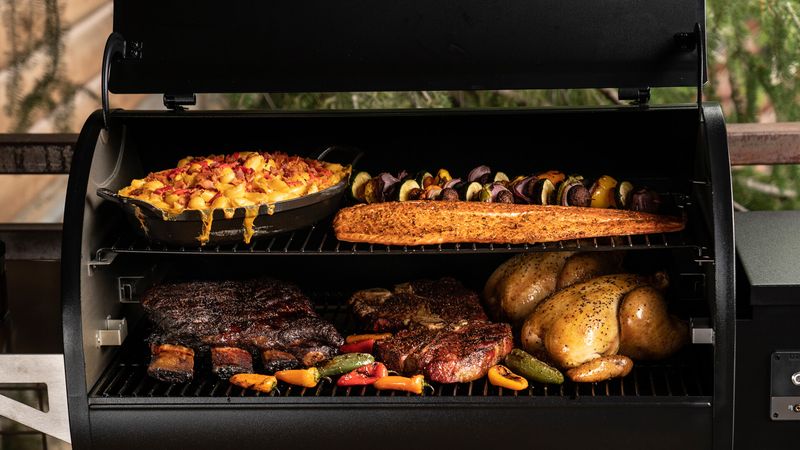
Keeping the lid closed traps heat like an oven, which helps thicker cuts cook through without drying out.
For chicken breasts, roasts, or bone-in cuts, a closed lid promotes even heat distribution and smoky depth.
3. Using Citrus Or Vinegar For Tenderizing
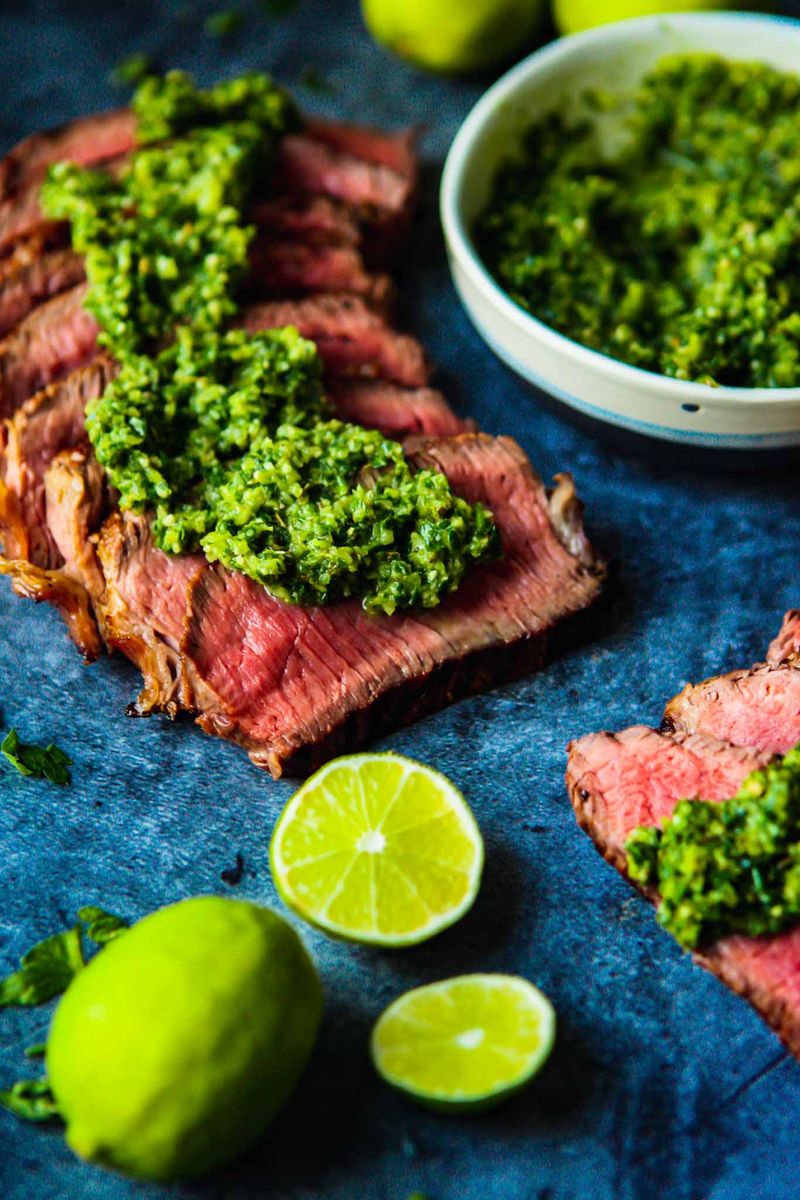
Acidic ingredients like lemon juice, vinegar, or yogurt help break down muscle fibers and soften tougher meats.
Add them to marinades or finish with a squeeze of citrus. They brighten flavor and balance fattier cuts beautifully.
2. Brushing Sauce On In The Last Few Minutes
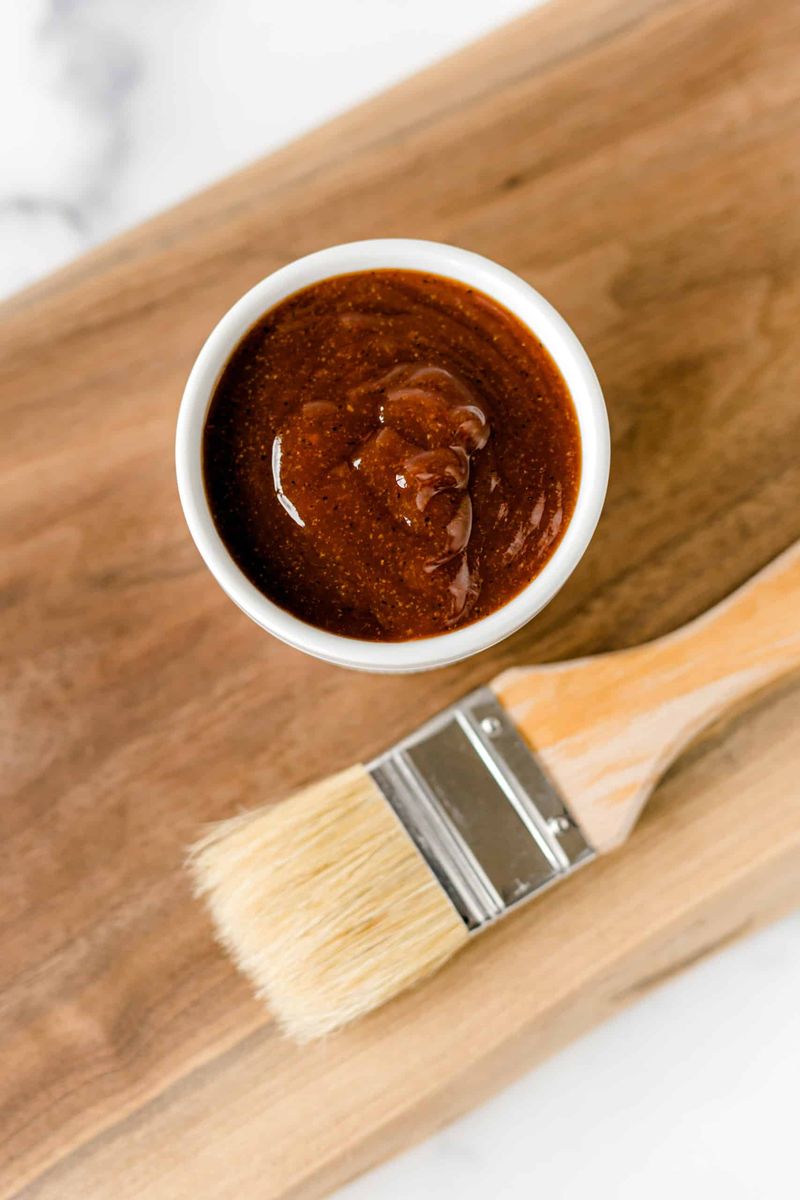
Adding sauce late lets it caramelize without burning. The flavor intensifies as it clings to the crust of the meat.
Use a heat-resistant brush and apply in thin layers, flipping once or twice to build a glossy, sticky glaze.
1. Letting Skewers Sit Dry For Just 30 Minutes
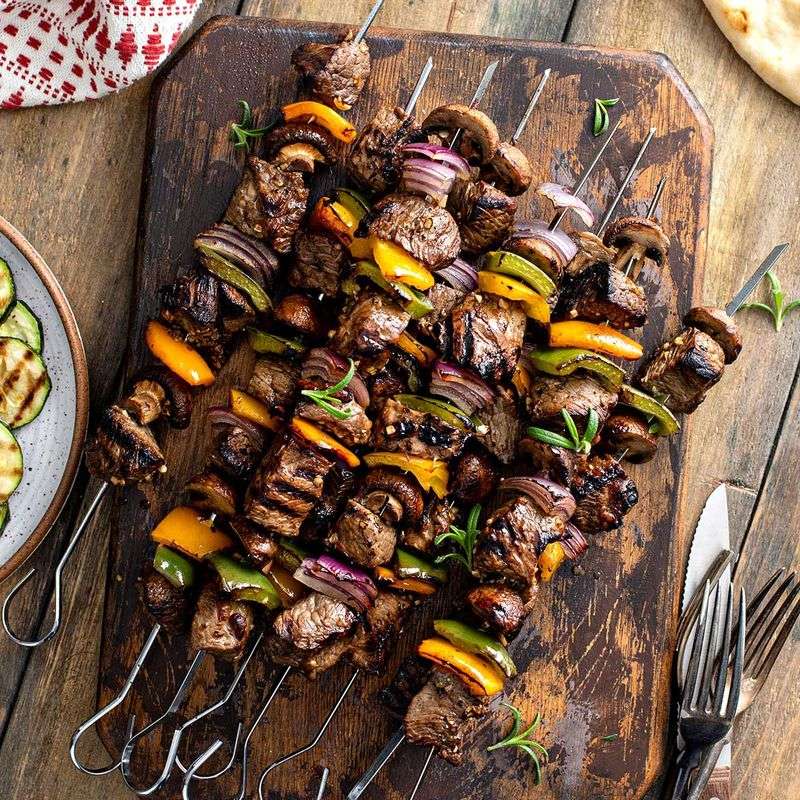
Rather than soaking for hours, a 30-minute soak is enough to keep wooden skewers from flaming out.
Keep the exposed ends off the hottest part of the grill to prevent charring. It’s simple and still protects your kebabs.