8 Foods Seniors Should Say ‘No Thanks’ To, And 7 That Deserve A ‘Yes’
Listen up, golden-agers—your digestive system isn’t the spry young pup it once was, and that means some foods should be treated like telemarketers: avoided at all costs.
But don’t worry, we’re not here to take away all your fun—just the stuff that’ll have you saying, “Why did I eat that?” at 2 AM.
From the sneaky salty snacks plotting against your blood pressure to the creamy delights that deserve a VIP pass to your plate, here’s the ultimate “Heck No” and “Heck Yes” guide for senior nutrition.
Because life’s too short for bland food… but also too precious for heartburn.
1. Deli Meats: The Silent Sodium Bombs

Ever wondered why those ham sandwiches might be sabotaging your blood pressure? Processed deli meats pack a whopping sodium punch that can send hypertension soaring.
Many varieties also contain nitrates and preservatives linked to increased cancer risk. Your heart will thank you for choosing fresher protein alternatives!
2. Soft Cheeses With A Risky Reputation
Brie, blue cheese, and feta might tantalize your taste buds, but they harbor a hidden danger for older adults. These unpasteurized delights can contain listeria bacteria that younger immune systems might fight off easily.
For seniors, however, such infections can be serious or even life-threatening. Save these treats for special occasions only!
3. Grapefruit: The Medication Meddler
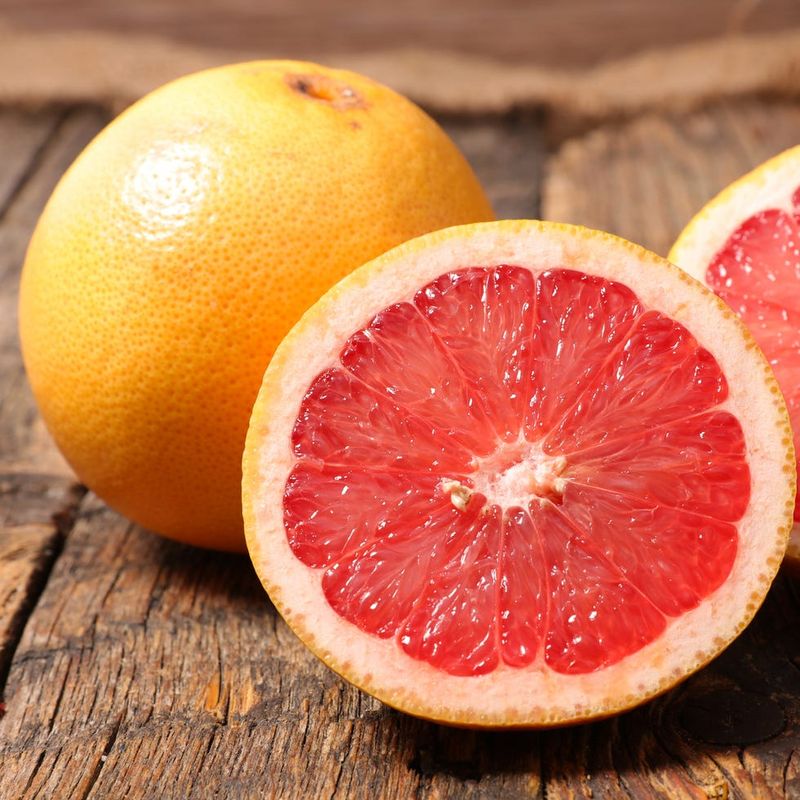
Though packed with vitamins, this citrus troublemaker interferes with numerous medications commonly prescribed to seniors. What makes it problematic? Compounds in grapefruit block enzymes that break down certain drugs.
This interaction can cause medication to build up to dangerous levels in your bloodstream. Check with your doctor before enjoying this otherwise healthy fruit!
4. Raw Sprouts: Bacterial Breeding Grounds
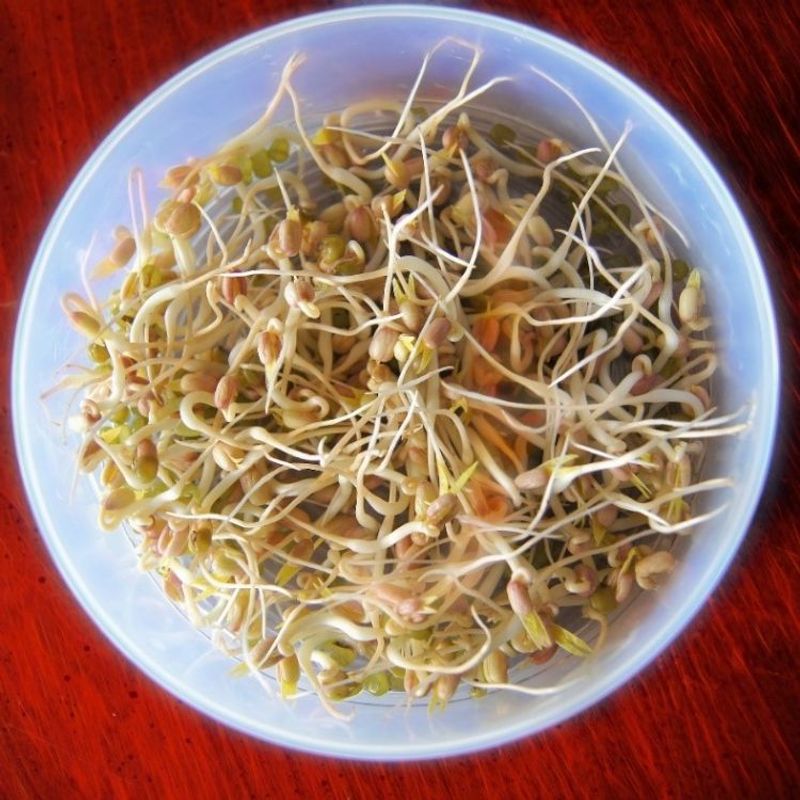
Those crunchy alfalfa and bean sprouts adding texture to your sandwich? Unfortunately, they’re perfect bacterial breeding grounds! The warm, humid conditions needed for sprouting also encourage E. coli and salmonella growth.
While younger folks might bounce back from foodborne illness quickly, seniors face greater risks of complications. Cooking sprouts thoroughly eliminates most dangers.
5. Sugary Cereals: The Breakfast Betrayal
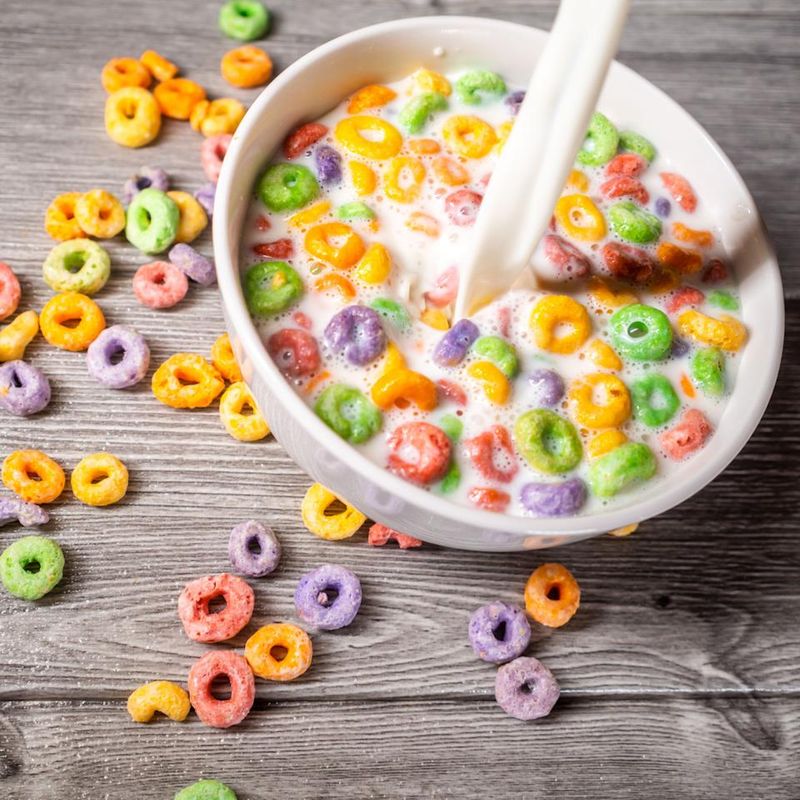
Flashy boxes promising health benefits often mask mountains of added sugar! For seniors managing diabetes or cardiovascular issues, these morning sugar bombs spell trouble.
Many contain more sweeteners than actual grains, leading to blood sugar spikes and crashes. Looking for alternatives? Whole grain options with minimal added sugar provide sustained energy without the rollercoaster.
6. Soda: The Bone-Weakening Beverage

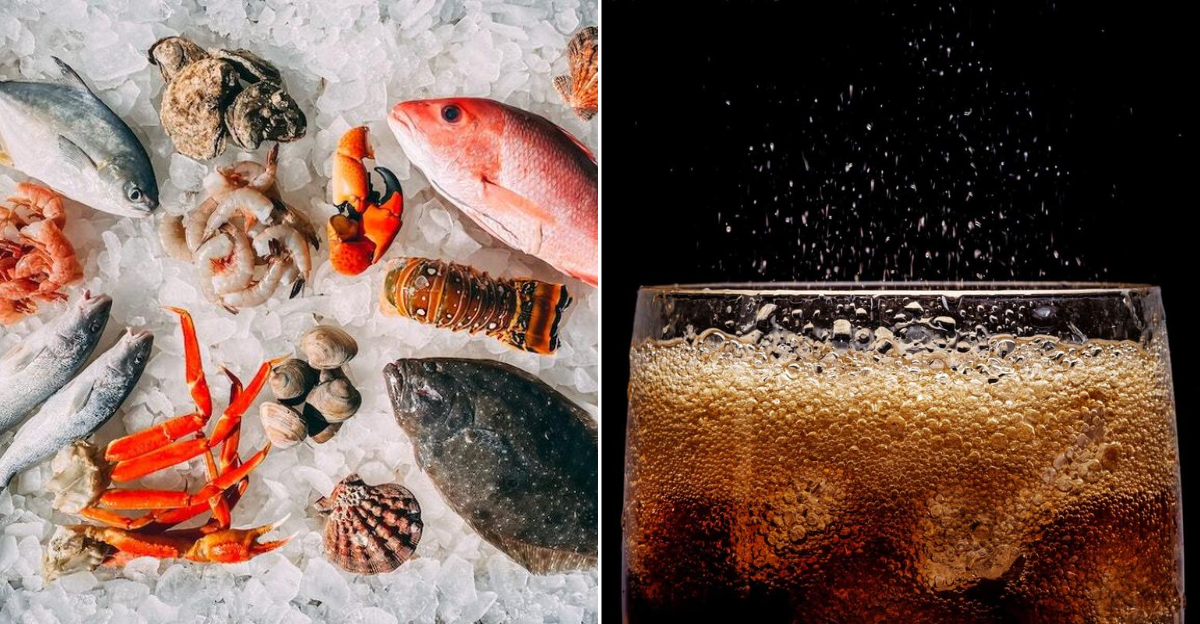
Fizzy, sweet, and utterly delightful – but at what cost to aging bones? Research suggests phosphoric acid in sodas leaches calcium from your skeleton, accelerating osteoporosis risk when you need density most.
Dark colas are particularly problematic for seniors already battling bone loss. Why not swap that can for calcium-rich alternatives that strengthen rather than weaken?
7. Raw Oysters: Seafood Russian Roulette
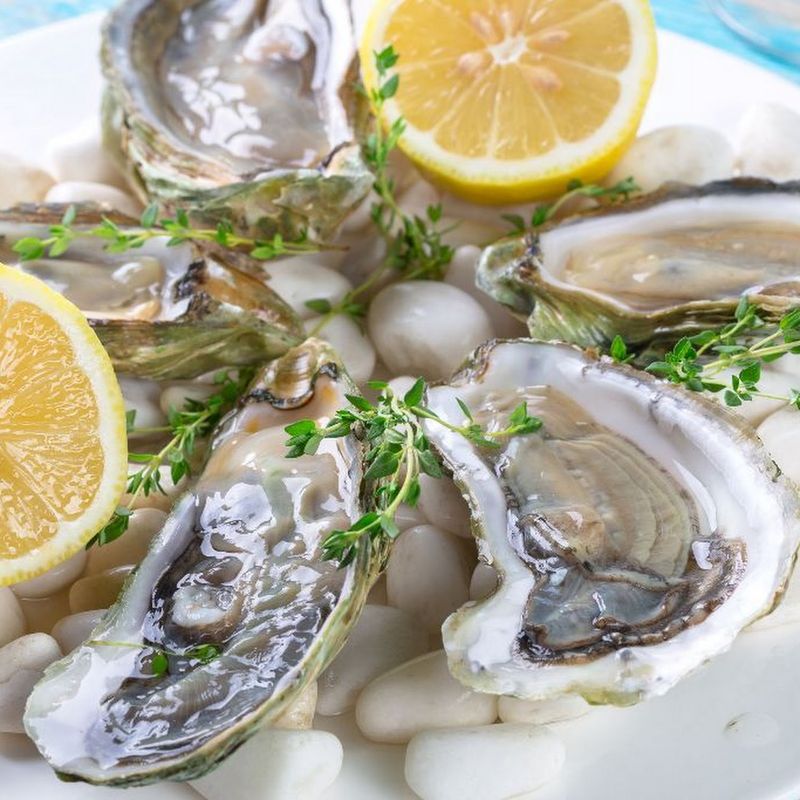
Slurping these briny delicacies might seem sophisticated, but for seniors, it’s a dangerous gamble! Raw oysters potentially harbor Vibrio vulnificus bacteria, which can cause severe illness in those with compromised immune systems.
As immunity naturally declines with age, the risk increases substantially. Cooked oysters offer the same nutritional benefits without the dangerous microbes!
8. Undercooked Eggs: The Breakfast Hazard
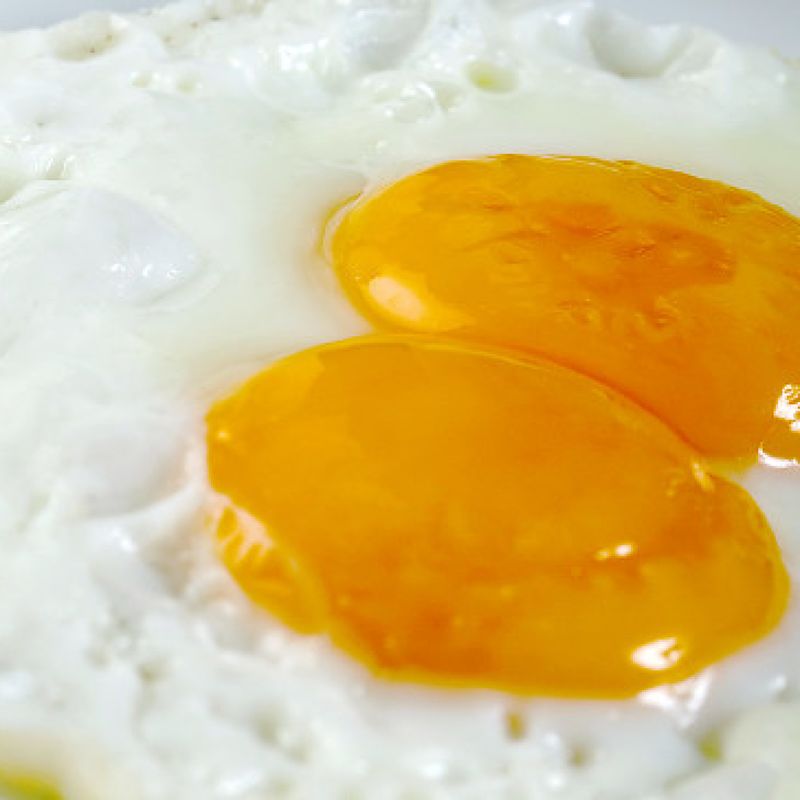
Runny yolks may make breakfast more luxurious, but they bring unwelcome salmonella risks for older adults. Weakened immune systems make fighting off foodborne pathogens significantly harder in your golden years.
Cooking eggs until both whites and yolks are firm eliminates most dangers. Don’t worry – properly cooked eggs still deliver fantastic protein and nutrients without the risk!
9. Berries: Nature’s Antioxidant Powerhouses
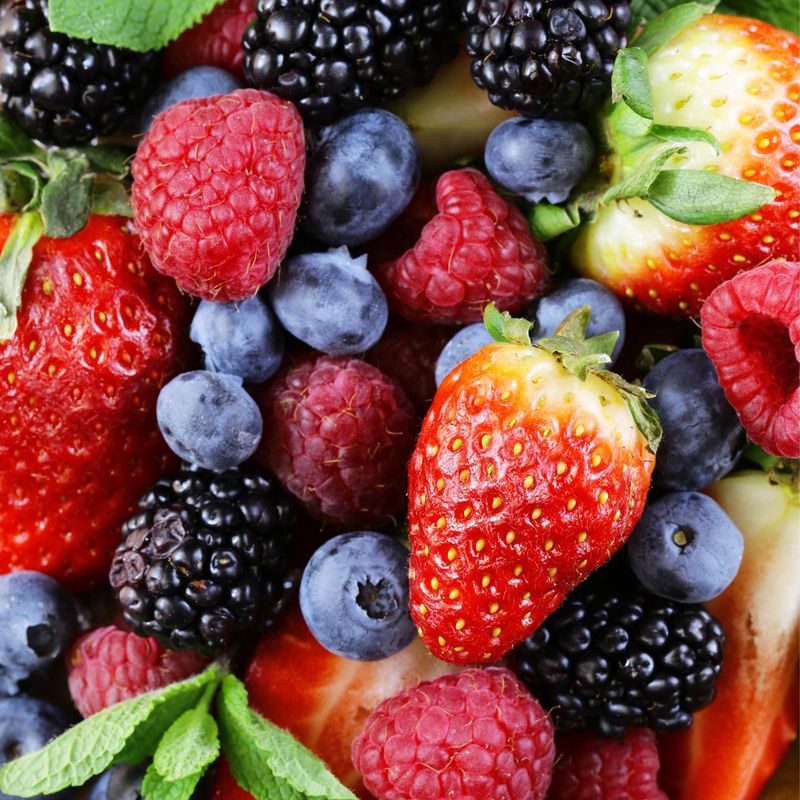
Bursting with flavor and protective compounds, these colorful gems deserve a standing ovation from seniors everywhere! Blueberries, strawberries, and blackberries contain anthocyanins that support brain health and may slow cognitive decline.
Their high fiber content also promotes digestive regularity – a common concern for older adults. Fresh or frozen, these sweet treats deliver powerful medicine disguised as dessert!
10. Fatty Fish: Brain-Boosting Protein
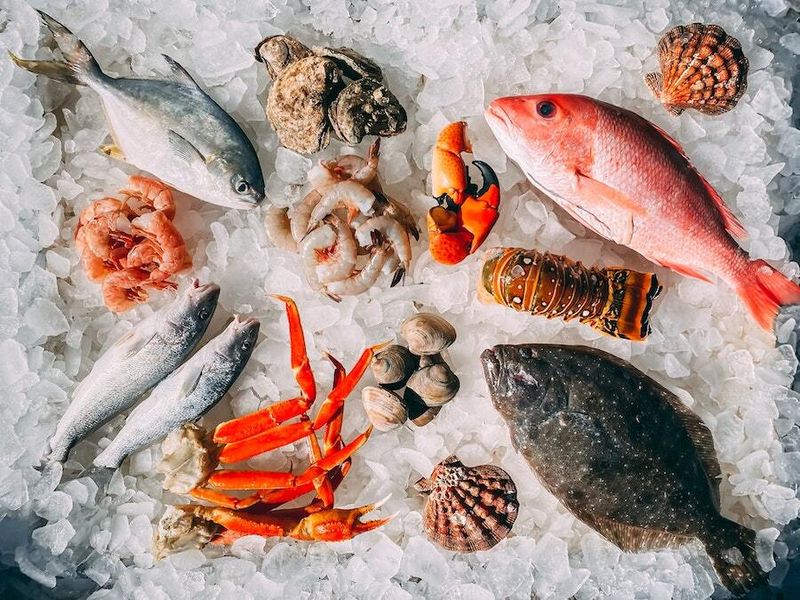
Salmon, mackerel, and sardines swim straight to the top of senior-friendly foods! These omega-3 powerhouses support heart and brain health while providing high-quality protein that preserves muscle mass – crucial as we age.
Two servings weekly may reduce inflammation and protect against cognitive decline. Don’t like fish? High-quality fish oil supplements offer similar benefits with your doctor’s approval.
11. Greek Yogurt: Gut-Friendly Calcium Source
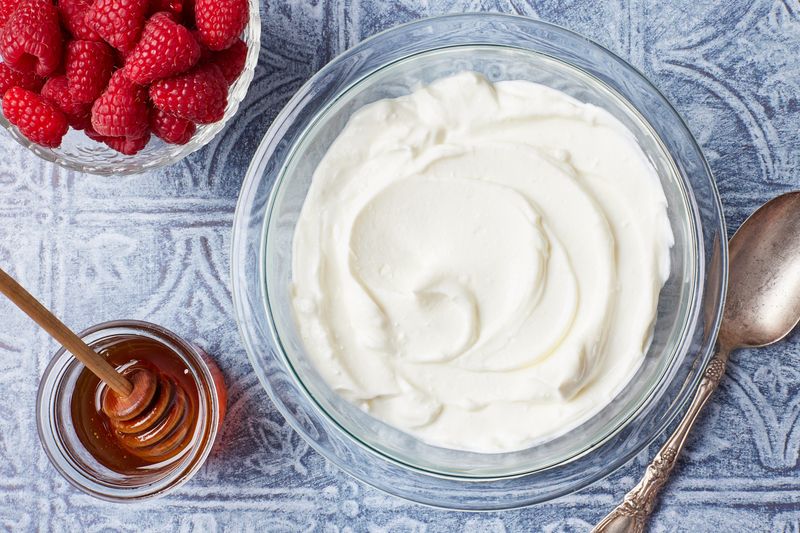
Packing twice the protein of regular yogurt with less sugar, this creamy delight supports both bone and muscle health! The live cultures act as probiotics, maintaining digestive balance when many seniors struggle with irregularity.
Calcium absorption decreases with age, making concentrated sources like Greek yogurt invaluable. Choose plain varieties and add your own fruit to avoid unnecessary added sugars.
12. Leafy Greens: The Visual Vitality Vegetables
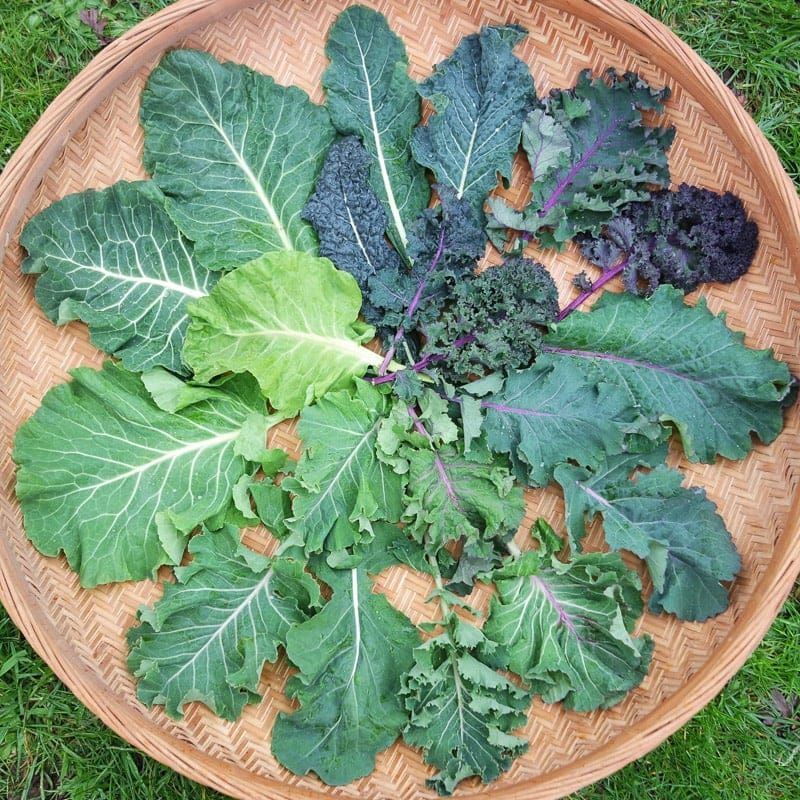
Spinach, kale, and collards might not be everyone’s favorite, but they’re superstars for aging eyes! These verdant vegetables contain lutein and zeaxanthin that help prevent macular degeneration – a leading cause of vision loss in seniors.
Their vitamin K content also supports bone health and blood clotting. Struggling with the taste? Blend them into smoothies or soups for stealth nutrition!
13. Beans: Budget-Friendly Protein Powerhouses
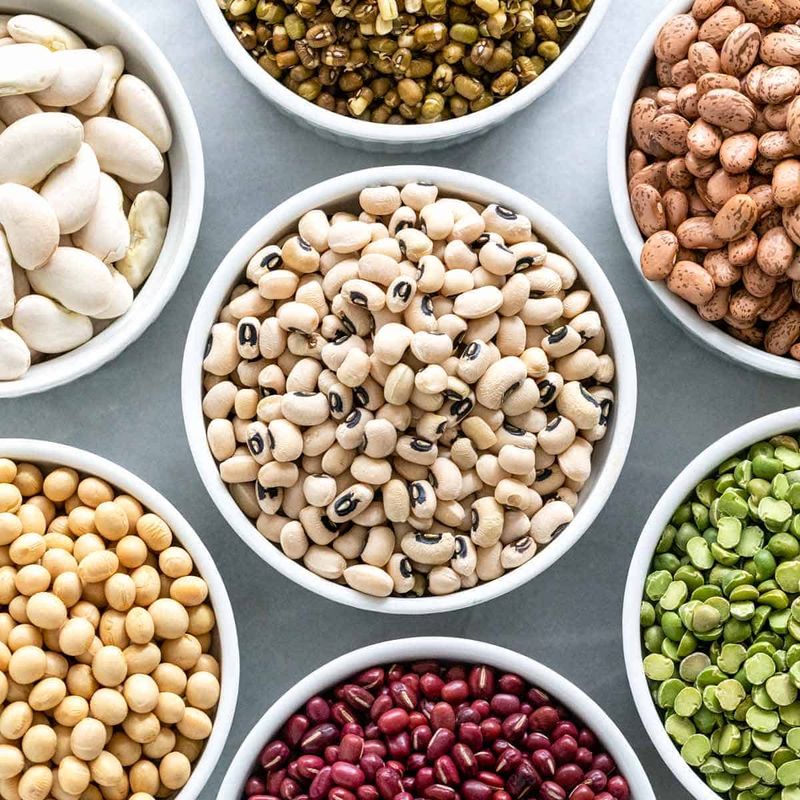
From black beans to chickpeas, these humble legumes offer extraordinary benefits for older adults! Their unique combination of protein, fiber, and complex carbohydrates helps stabilize blood sugar while promoting heart health.
Research shows bean-eaters tend to live longer, possibly due to their cholesterol-lowering effects. Worried about digestive issues? Rinse canned varieties thoroughly and introduce them gradually to minimize discomfort.
14. Nuts: Portable Protection Packages
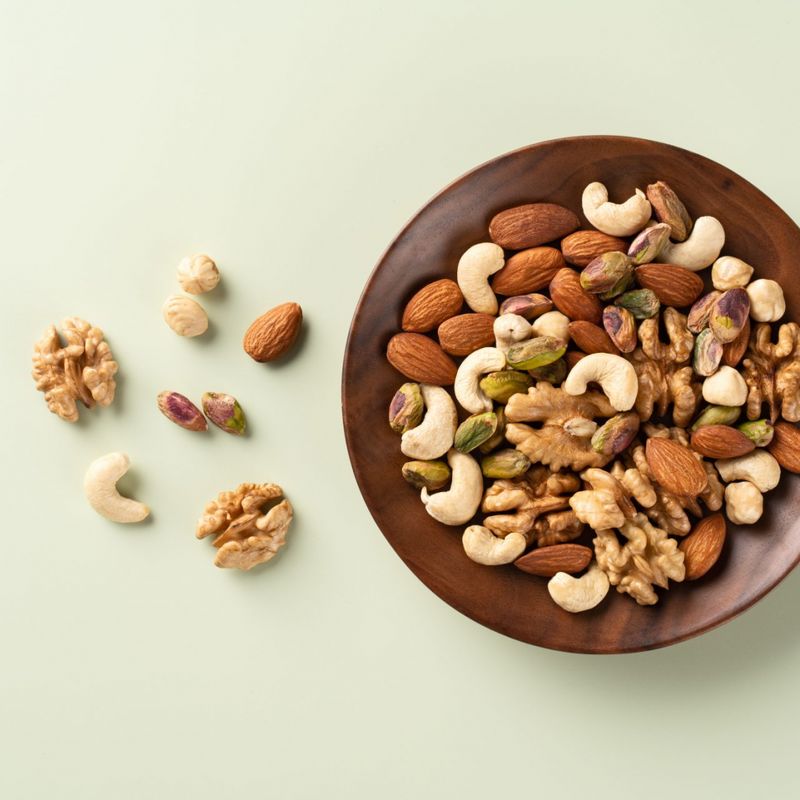
Small but mighty, these crunchy nutritional powerhouses deserve a permanent place in every senior’s pantry! Walnuts, almonds, and pistachios deliver heart-healthy fats alongside vitamin E, which may slow cognitive decline.
Though calorie-dense, research shows regular nut consumers tend to maintain healthier weights. Just a small handful daily provides impressive benefits – no need to go nuts with portions!
15. Water: The Forgotten Essential

Hardly glamorous yet absolutely vital, proper hydration prevents countless health problems in seniors! As we age, our thirst sensation diminishes while medication side effects often increase fluid needs.
Dehydration can mimic dementia symptoms and worsen constipation – both common concerns for older adults. Keep a water bottle visible as a constant reminder to sip throughout the day, not just when thirsty.