12 Fruits That Aren’t As Healthy As You Think And 3 That Practically Bring Nothing To The Table
They look fresh, colorful, and bursting with goodness—but not all fruits are as virtuous as they seem. Some sneak in more sugar than a candy bar, while others offer little more than water and hype.
You might be filling your cart with the usual “healthy” picks, not realizing they’re far from nutritional gold. Here are 12 fruits that don’t live up to their wholesome reputation—and 3 that barely bring anything to the table at all.
1. Lychee
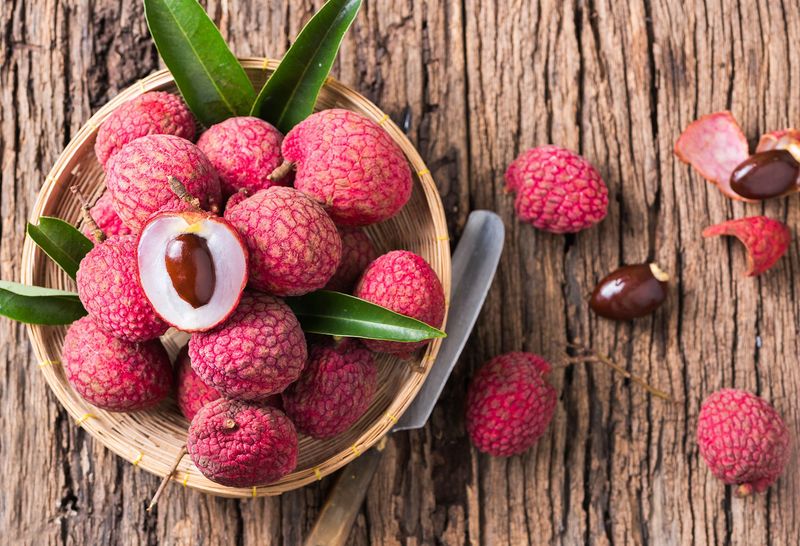
Sugar bombs in disguise! Lychees might look exotic and innocent, but they’re essentially nature’s candy with minimal nutritional benefits. A handful of these translucent treats packs a whopping amount of sugar while offering little fiber to slow absorption.
The glycemic index of lychees ranks surprisingly high, causing potential blood sugar spikes that leave you hungry again soon after. Their vitamin content isn’t impressive either when compared to powerhouse fruits like berries or citrus.
2. Persimmons
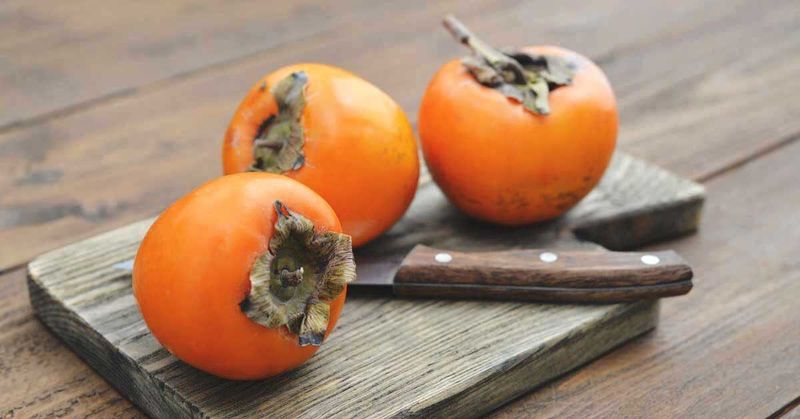
Calorically dense yet nutritionally modest, persimmons bring more sugar than substance to your fruit bowl. These bright orange fruits may look impressive, but their nutritional profile falls short compared to similarly colored options like oranges or mangoes.
While they do contain some vitamin A and manganese, persimmons offer minimal fiber and protein. The astringent varieties can actually cause digestive discomfort if eaten before they’re completely ripe, leading to an unpleasant mouth-puckering experience.
3. Figs
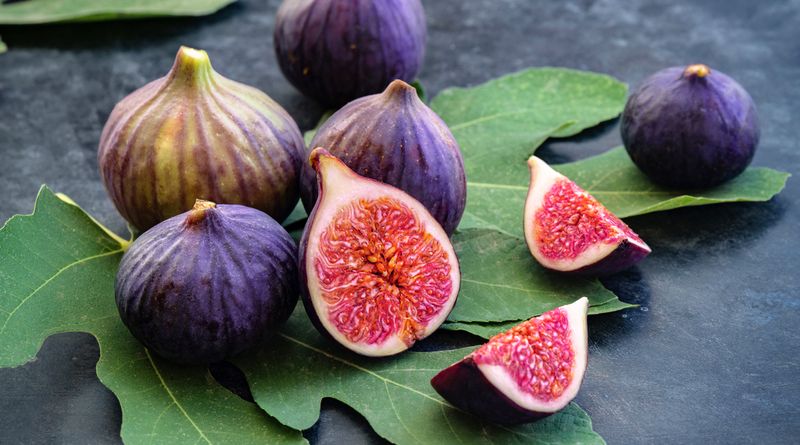
Surprisingly calorie-dense for their size, figs might seem sophisticated but don’t deliver nutritionally. Each small fig contains a concentrated dose of natural sugars with less fiber than you’d expect, making them easy to overeat without feeling satisfied.
The seeds give the illusion of substance, but they contribute little nutritional value beyond minimal texture. Fresh figs have an extremely short shelf life, forcing most consumers to opt for dried versions which concentrate the sugars even further while reducing water content.
4. Dates

Nature’s candy bar doesn’t deserve its health halo! Dates pack a staggering amount of sugar into each sticky, chewy bite. Just three medjool dates contain around 48 grams of sugar—that’s more than a can of soda—with minimal nutritional payoff.
Health food recipes love using them as “natural sweeteners,” but your body processes their concentrated sugars similarly to refined options. The fiber content isn’t enough to offset their glycemic impact, especially when blended into smoothies or energy balls where the fiber structure breaks down.
5. Raisins
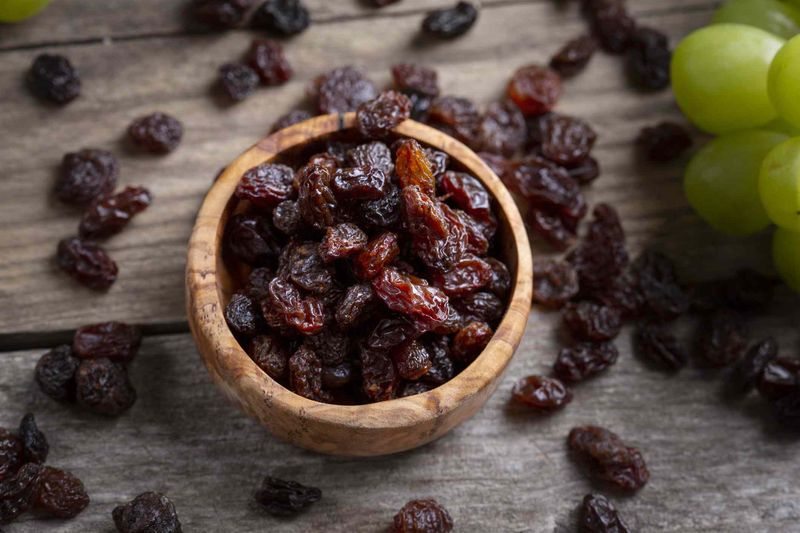
Tiny sugar bombs masquerading as healthy snacks! Raisins concentrate all the sugar of grapes into shriveled packages that stick to your teeth and spike your blood sugar. The dehydration process removes water but preserves sugar, creating a deceptively calorie-dense food that’s easy to overeat.
A small box of raisins contains around 25 grams of sugar with minimal nutritional benefits. Parents often think they’re giving kids a healthy alternative to candy, but dentists disagree—raisins’ sticky texture clings to teeth, potentially contributing to cavities.
6. Starfruit
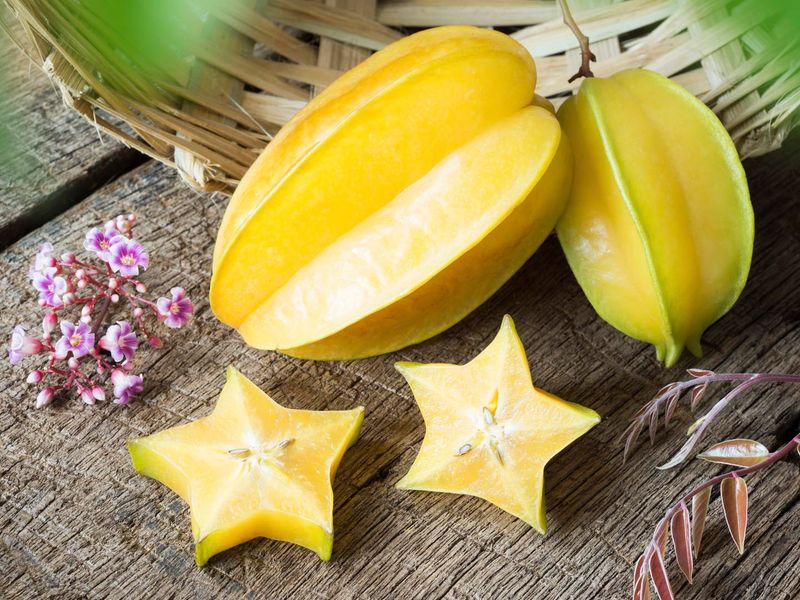
Instagram-worthy but nutritionally underwhelming! Starfruit (carambola) prioritizes looks over substance with its distinctive shape that photographs beautifully but delivers minimal nutritional value. The watery flesh contains modest amounts of vitamin C and antioxidants, but nothing exceptional compared to other tropical options.
More concerning is that starfruit contains neurotoxins that can be dangerous for people with kidney problems. The fruit’s oxalic acid content makes it a poor choice for those with kidney stones or related conditions.
7. Tamarind
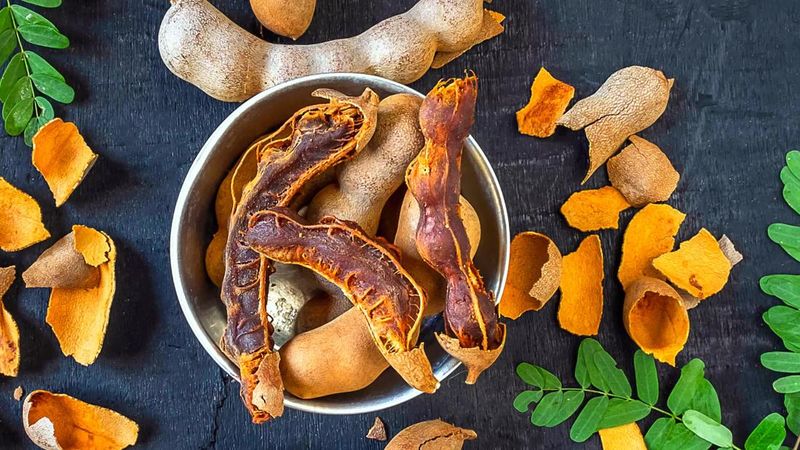
Sour on the outside, sugar-packed on the inside! Tamarind might pucker your mouth with its tartness, but don’t be fooled—it’s surprisingly high in sugar with limited nutritional benefits. Each pod contains sticky pulp that’s concentrated with natural sugars, making it more suitable as a flavoring agent than a nutritious snack.
While tamarind does contain some potassium and magnesium, the amounts are modest compared to its caloric density. Traditional uses in cuisines worldwide typically employ it as a flavoring component rather than a main ingredient, acknowledging its intense taste and limited nutritional profile.
8. Pomegranate Arils
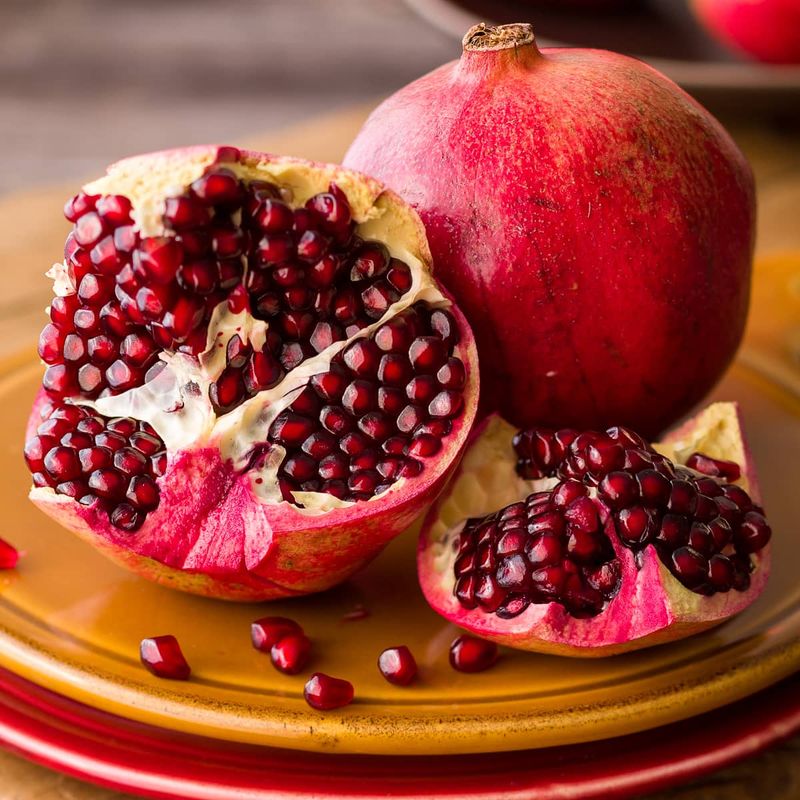
Ruby red marketing miracle with mediocre nutrition! Pomegranate seeds (arils) have enjoyed superfood status thanks to clever marketing rather than exceptional nutritional content. The reality? They’re mostly sugar water wrapped in a bit of fiber, with minimal protein and only modest antioxidant levels.
Extracting these tiny jewels requires significant effort, and most people consume far fewer than would be needed to gain meaningful nutritional benefits. The juice version removes fiber entirely, essentially becoming expensive sugar water with a pretty color.
9. Jackfruit
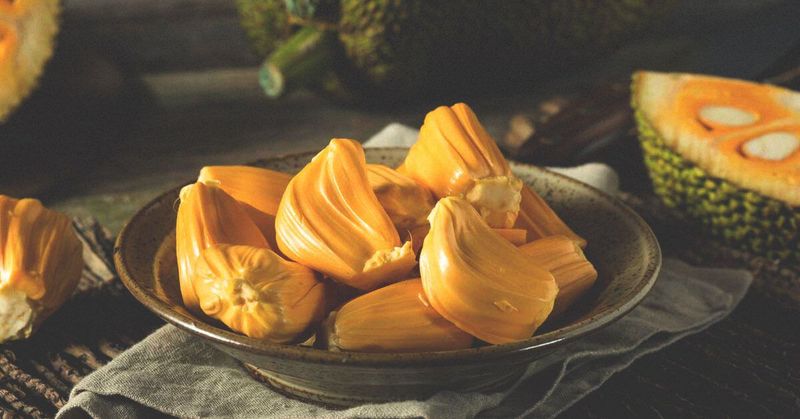
Massive size, minimal nutrition! Jackfruit has gained popularity as a meat substitute, but nutritionally speaking, it’s mostly carbs and natural sugars with surprisingly little protein for its “meaty” reputation. The enormous tropical fruit can weigh up to 80 pounds yet offers primarily carbohydrates with modest fiber.
Unlike actual plant-based protein sources like legumes, jackfruit provides only about 3 grams of protein per cup—disappointing for something often marketed as a meat alternative. Its main appeal lies in its unique texture rather than nutritional profile.
10. Sapodilla
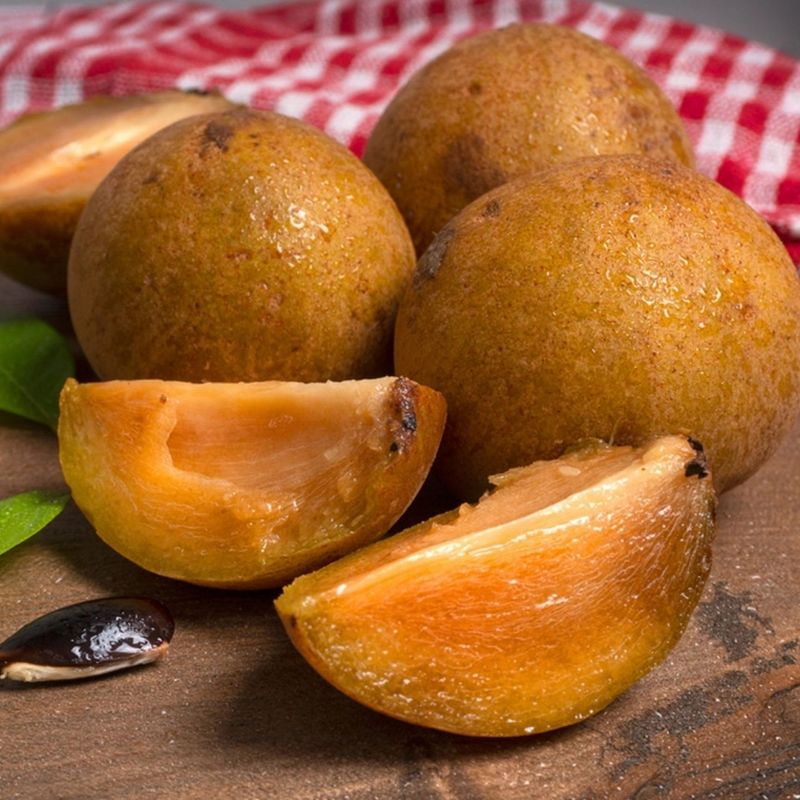
Brown sugar bombs in natural packaging! Sapodilla (chikoo) might be unfamiliar to many, but this tropical fruit deserves recognition for its exceptionally high sugar content and limited nutritional offerings. The brown fruit contains a sweet flesh that tastes remarkably like brown sugar or caramel—a hint about its nutritional profile.
While sapodilla does provide some vitamin C and antioxidants, its sugar content overwhelms these modest benefits. The latex content can cause allergic reactions in people sensitive to natural rubber latex, adding another drawback.
11. Honeydew Melon
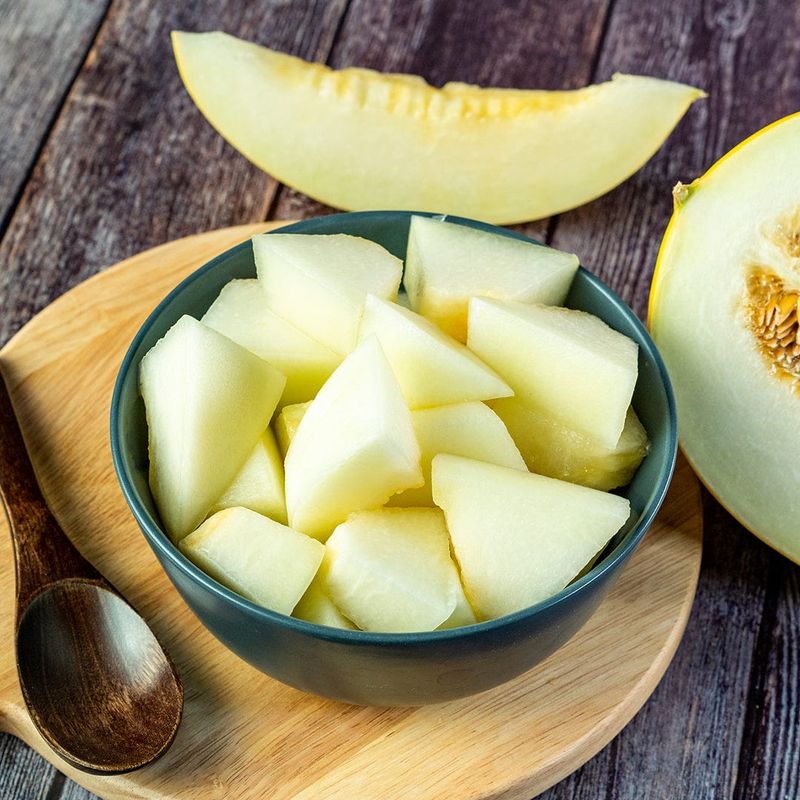
The cafeteria fruit cup filler offers more water than nutrition! Honeydew melon might be refreshing, but it’s essentially sweet water with minimal nutritional benefits. The pale green flesh contains significantly less vitamins A and C than its colorful melon relatives like cantaloupe or watermelon.
Often harvested before peak ripeness to facilitate shipping, commercial honeydew frequently disappoints with its bland flavor and hard texture. This premature harvesting further reduces its already modest nutritional content.
12. Cantaloupe
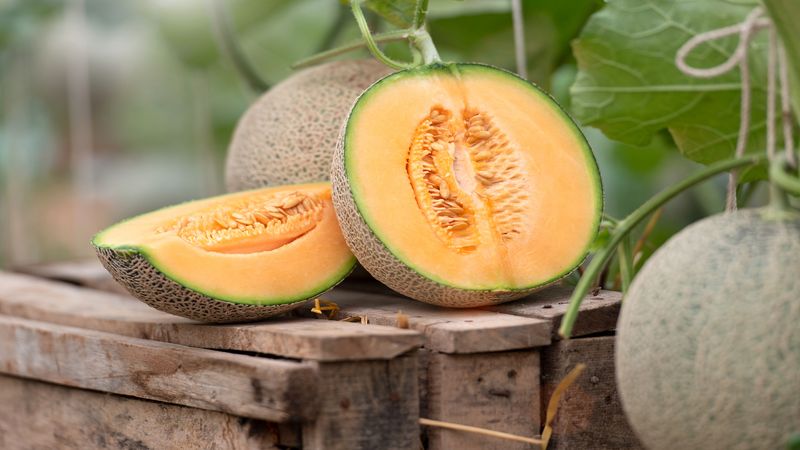
Better than honeydew but still nutritionally mediocre! Cantaloupe offers more color than its pale melon cousin, but its nutritional profile remains underwhelming compared to truly nutrient-dense fruits. The orange flesh provides some beta-carotene but falls short in fiber and other essential nutrients.
Food safety concerns plague this melon variety more than most fruits. Its netted rind creates perfect hiding spots for bacteria, making cantaloupe a common culprit in foodborne illness outbreaks when not properly washed.
13. Longan
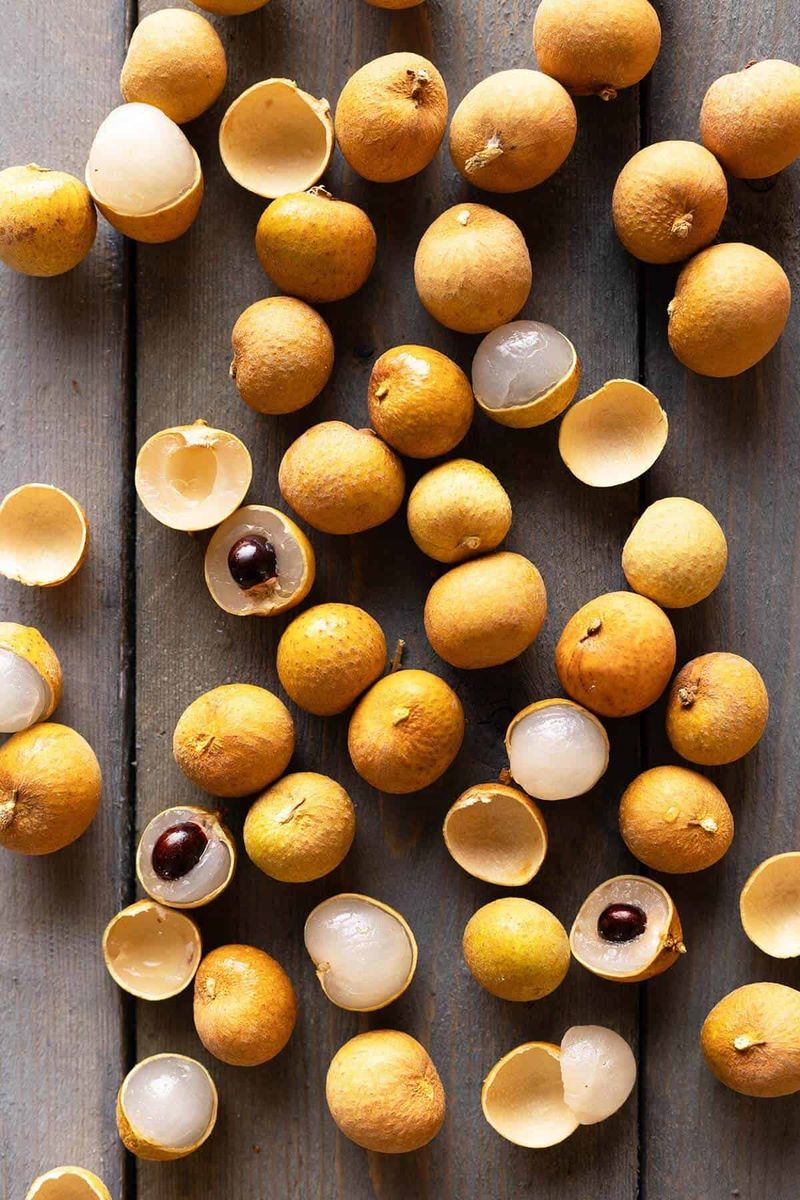
Lychee’s less impressive cousin brings little to the nutritional table! Longan fruits resemble eyeballs when peeled (the name literally means “dragon eye” in Cantonese) but don’t offer much eye-opening nutrition. These small fruits contain mostly sugar water with a large inedible seed taking up most of the already minimal volume.
Traditional Chinese medicine values longan for certain properties, but modern nutritional analysis reveals limited vitamins and minerals compared to similarly sized fruits. The effort required to peel each tiny fruit hardly seems worth the minimal nutritional payoff.
14. Mulberries
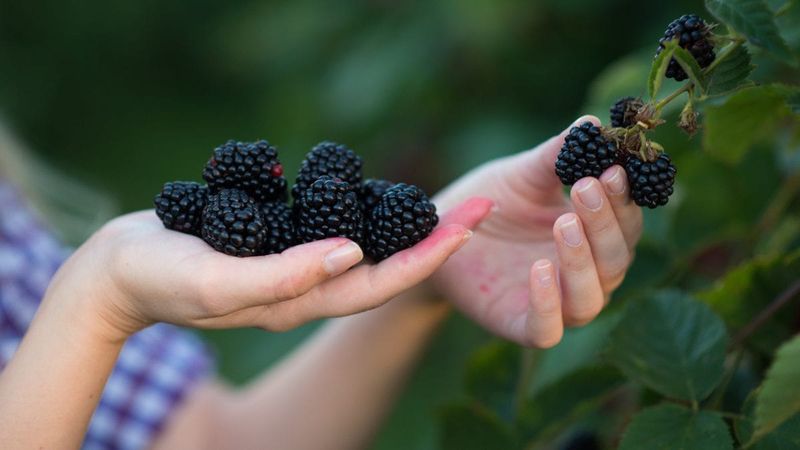
Stain your fingers for minimal nutritional gain! Mulberries might seem like berry cousins to nutritional superstars like blueberries and blackberries, but their profile falls significantly short. These fragile fruits offer a sweet flavor but contain less fiber and antioxidants than their berry relatives.
Their extremely short shelf life means most commercially available mulberries are dried, concentrating sugars while reducing water content and some nutrients. The fresh versions stain everything they touch with purple juice that belies their modest anthocyanin content.
15. Canned Fruit In Syrup
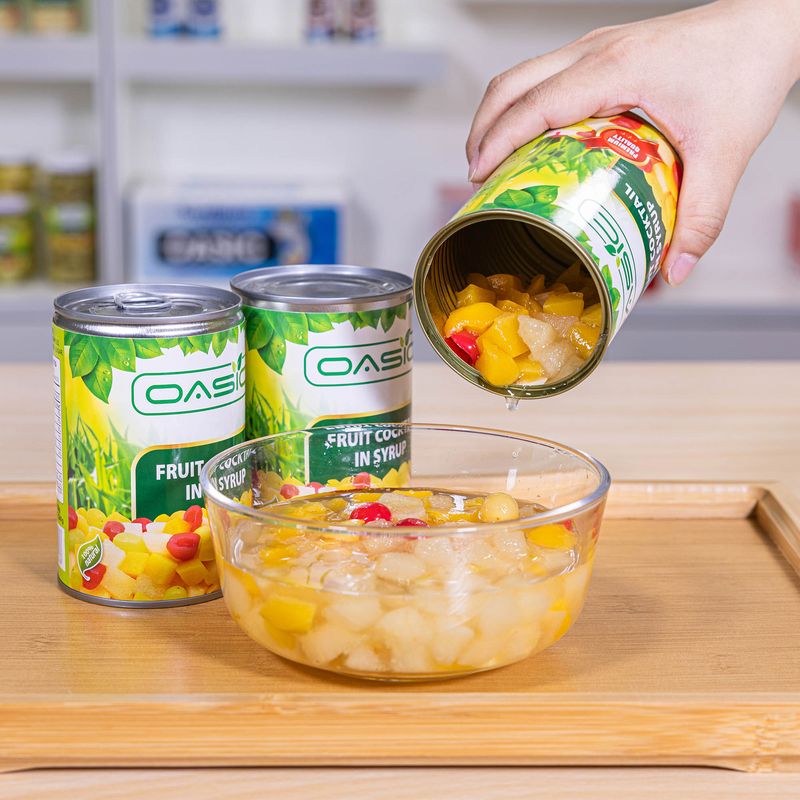
Fruit swimming in sugar water loses the nutrition race! Canned fruits preserved in heavy syrup represent the nutritional rock bottom of the fruit world. The canning process itself destroys heat-sensitive vitamins, while the heavy syrup adds enormous amounts of processed sugar—often doubling or tripling the fruit’s natural sugar content.
Whatever minimal fiber remains in the fruit gets overwhelmed by the syrup’s impact on blood sugar. The soft, mushy texture eliminates the beneficial chewing resistance that fresh fruits provide, removing another satiety signal.