14 Common Foods That Could Spark Joint Pain

Joint pain affects millions of people worldwide, impacting daily activities and quality of life. What many don’t realize is that certain foods in our everyday diet might be silently contributing to inflammation and discomfort in our joints.
Understanding which common foods might trigger joint pain can help you make smarter choices for your body and potentially reduce uncomfortable symptoms.
1. Sugary Treats

Sugar isn’t just bad for your waistline—it’s potentially terrible for your joints too! When you indulge in cookies, candy, or soda, your body experiences a spike in inflammation markers.
The science is pretty straightforward: excess sugar triggers the release of cytokines, tiny proteins that signal inflammation throughout your body. Your knees, hips, and fingers often bear the brunt of this inflammatory response.
2. Processed Red Meat

Bacon, sausage, and hot dogs might taste heavenly, but they can create hellish conditions in your joints. These processed meats contain advanced glycation end products (AGEs) that accelerate inflammation when consumed regularly.
Your body struggles to process the preservatives and high fat content, potentially worsening conditions like rheumatoid arthritis. The nitrates used for preservation are particularly problematic, as they’ve been linked to increased oxidative stress in joint tissues.
3. Refined Wheat Products
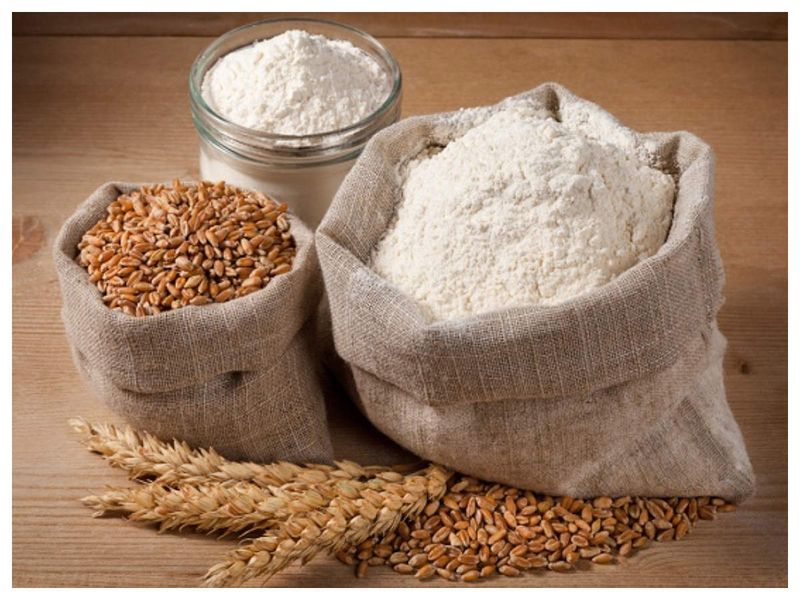
White bread, pasta, and crackers might seem innocent enough, but these refined wheat products can be joint pain culprits in disguise. When grains are processed, they lose beneficial fiber while retaining elements that trigger inflammatory responses in many people.
The gluten protein found in wheat can be particularly problematic. Even without celiac disease, many experience a phenomenon called gluten sensitivity that manifests as joint pain and stiffness.
4. Dairy Products

Got milk? You might also have joint pain. For some people, dairy products like cheese, milk, and ice cream contain proteins that the body misidentifies as threats, triggering an inflammatory response that can settle right in your joints.
Casein, the primary protein in dairy, is often the main offender. Your immune system may launch an attack against this protein, creating inflammation that manifests as joint pain, especially in the knees and smaller joints of the hands.
5. Fried Foods

French fries, fried chicken, and other crispy delights might satisfy cravings, but they’re doing your joints no favors! The high-temperature cooking process creates compounds called advanced glycation end products (AGEs) that promote inflammation throughout your body.
The unhealthy oils used in frying further compound the problem. These oils contain omega-6 fatty acids which, when consumed in excess without balancing omega-3s, create a perfect storm for joint inflammation.
6. Alcohol

That glass of wine might help you unwind, but it could be winding up your joint pain! Alcohol disrupts the delicate balance of gut bacteria, potentially leading to increased intestinal permeability—a condition where toxins leak into your bloodstream and trigger system-wide inflammation.
Beer drinkers face a double whammy since many brews contain gluten and purines, both known to exacerbate joint pain in sensitive individuals. Red wine, despite its heart-healthy reputation, can worsen symptoms for people with certain types of inflammatory arthritis.
7. Nightshade Vegetables
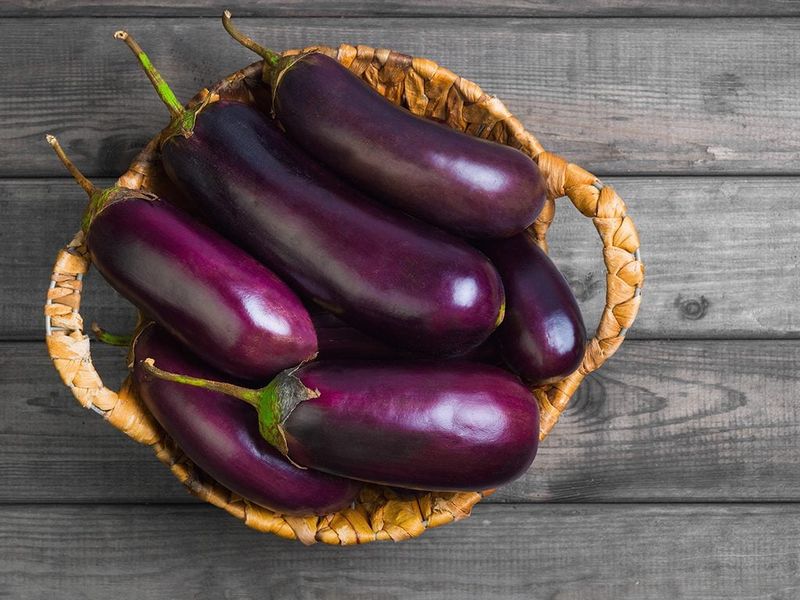
Tomatoes, potatoes, eggplants, and peppers belong to the nightshade family—vegetables that contain alkaloids which can trigger joint pain in sensitive individuals. These compounds act as the plant’s natural pesticide but may affect your body’s nerve-muscle function and digestive processes.
While nutritious for most people, nightshades contain solanine, a chemical that some researchers believe can worsen arthritis symptoms. The connection isn’t universally proven, but many people with inflammatory conditions report significant improvement when avoiding these foods.
8. Corn And Corn Products

Corn seems wholesome enough, but this ubiquitous grain hides in countless processed foods and may contribute to joint discomfort. The problem partly stems from corn’s high omega-6 fatty acid content, which can promote inflammation when consumed disproportionately to omega-3s.
High fructose corn syrup, found in sodas and processed foods, compounds the issue by triggering metabolic changes that increase inflammation markers. Corn’s proteins can also be allergenic for some people, creating immune responses that manifest as joint pain.
9. Artificial Sweeteners
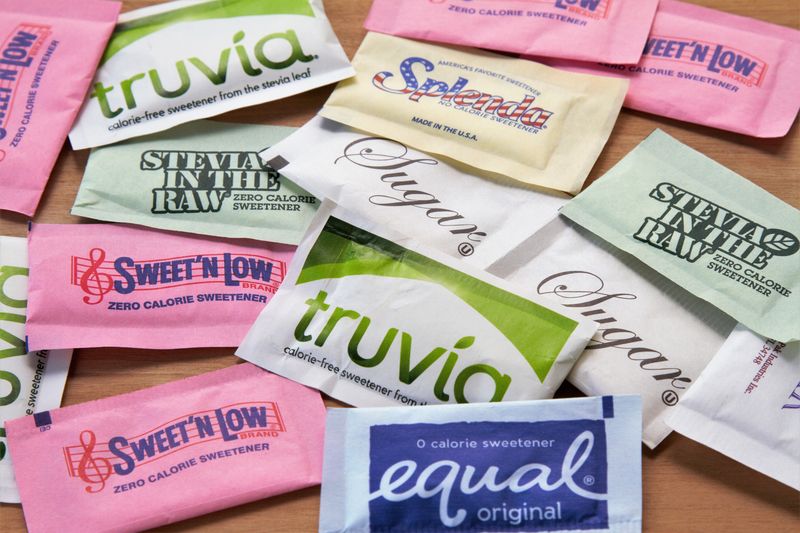
Those zero-calorie sweeteners might save your waistline but potentially at your joints’ expense! Substances like aspartame, sucralose, and saccharin can disrupt gut bacteria balance, potentially leading to increased intestinal permeability and system-wide inflammation.
Research suggests artificial sweeteners may trigger an immune response in some people that manifests as joint pain and stiffness. The chemical structure of these sweeteners can confuse your body, causing it to mount inflammatory defenses against perceived threats.
10. MSG And Food Additives

Hidden in countless processed foods, monosodium glutamate (MSG) and other chemical additives can trigger inflammatory responses that settle right in your joints. These flavor enhancers and preservatives are designed to make food taste better and last longer—but they weren’t designed with your joint health in mind!
Many food additives work by exciting certain receptors in your body, potentially creating an exaggerated immune response. This reaction can manifest as swelling, stiffness, and pain in joints, particularly in people already prone to inflammatory conditions.
11. Vegetable Oils

Soybean, corn, and sunflower oils sound healthy, but these common cooking oils contain disproportionately high levels of omega-6 fatty acids. When consumed excessively, these fats throw off your body’s critical omega-3 to omega-6 balance, potentially triggering joint inflammation.
The refining process these oils undergo creates compounds that may directly damage joint tissue over time. Many processed foods contain these oils, making them difficult to avoid without reading labels carefully.
12. Shellfish

Shrimp, crab, and lobster might be delicacies, but they’re high in purines—compounds that break down into uric acid in the body. When uric acid levels rise too high, they can form painful crystals in your joints, particularly in your big toe, ankles, and knees.
Shellfish also contain proteins that can trigger allergic reactions in sensitive individuals. Even mild shellfish allergies might manifest as joint pain rather than the more obvious symptoms like hives or breathing difficulties.
13. Citrus Fruits

Oranges, lemons, and grapefruits are packed with vitamin C, but they might pack a punch to your joints if you have certain sensitivities. While these fruits are anti-inflammatory for most people, they can trigger arthritis flare-ups in those with specific citrus allergies or sensitivities.
The connection may relate to the natural salicylates in citrus fruits, compounds similar to aspirin that can affect pain pathways in sensitive individuals. Some people report that citrus fruits worsen symptoms of inflammatory conditions like rheumatoid arthritis.
14. Salt And Highly Salted Foods

Your salt shaker might be a silent contributor to your achy joints! Excessive sodium intake leads to fluid retention, which can increase pressure on joint tissues and exacerbate existing inflammation. This effect is particularly noticeable in weight-bearing joints like knees and ankles.
Processed foods typically contain alarmingly high sodium levels—often far more than you’d add when cooking at home. The combination of salt with other preservatives in these foods creates a perfect storm for inflammatory responses throughout your body.