16 Kinds Of Japanese Restaurants, Explained
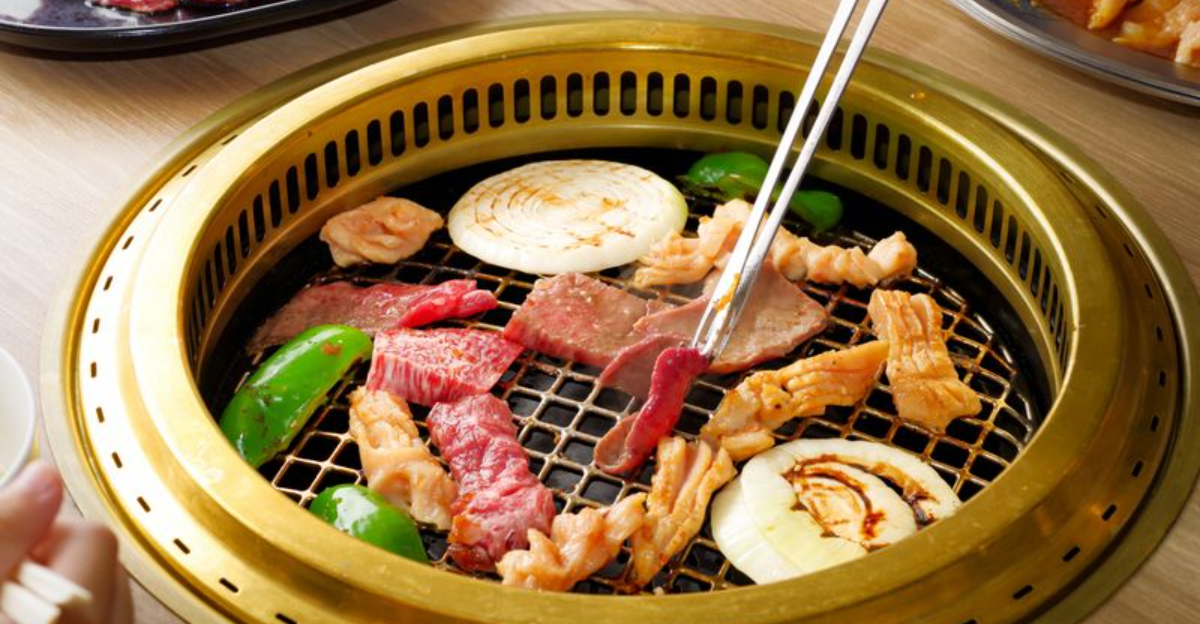
Japanese cuisine is incredibly diverse and exciting, with each type of restaurant offering a unique dining experience.
Rather than offering every dish under one roof, restaurants in Japan often focus on perfecting a single type of cuisine. This means every meal comes with a clear purpose—whether it’s slow-cooked pork broth, crispy fried skewers, or hand-kneaded soba noodles.
Here’s a closer look at 16 distinct kinds of Japanese restaurants and what sets each one apart.
1. Sushi-Ya
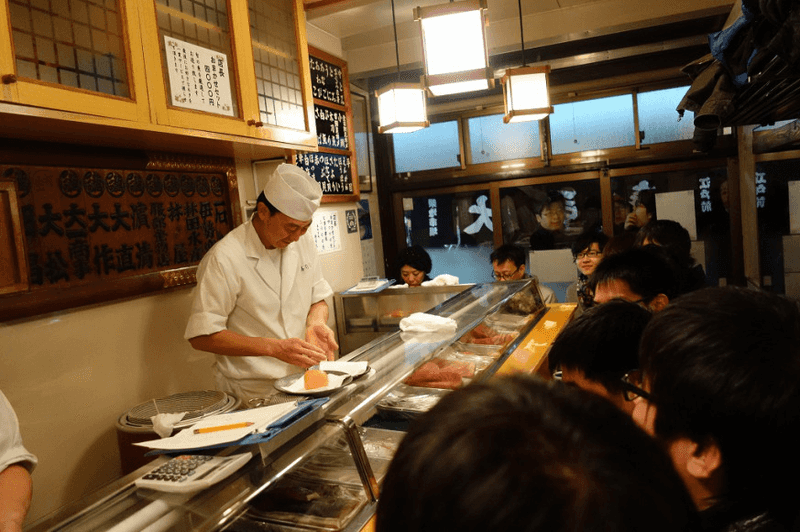
A sushi-ya is a dedicated sushi restaurant, where the focus is entirely on vinegared rice and raw or cured seafood. Menus range from simple nigiri sets to elaborate omakase courses prepared by chefs in front of you.
High-end sushi-ya often serve only a few guests at a time, with seasonal fish flown in daily and rice seasoned to match the topping. Even at lower price points, freshness and knife work are taken seriously, making the experience quietly precise and ingredient-driven.
2. Ramen-Ya
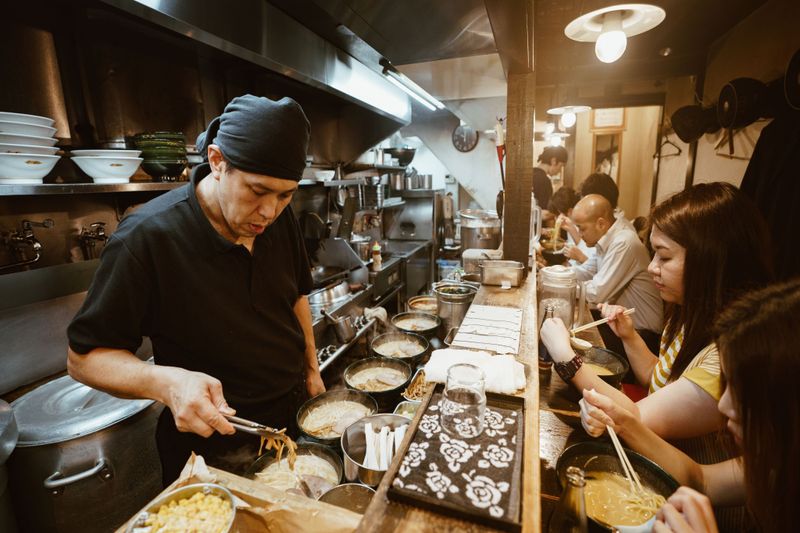
Ramen-ya are noodle shops devoted to crafting the perfect bowl of ramen, each one centered on the balance of broth, noodles, and toppings. Common broths include tonkotsu (pork bone), shoyu (soy sauce), shio (salt), and miso.
The kitchen prepares every element in-house, from simmering bones for 12 hours to hand-pulling or pressing noodles. You’ll usually order via a vending machine, then slurp at a counter in less than 20 minutes. It’s fast, but never careless.
3. Izakaya
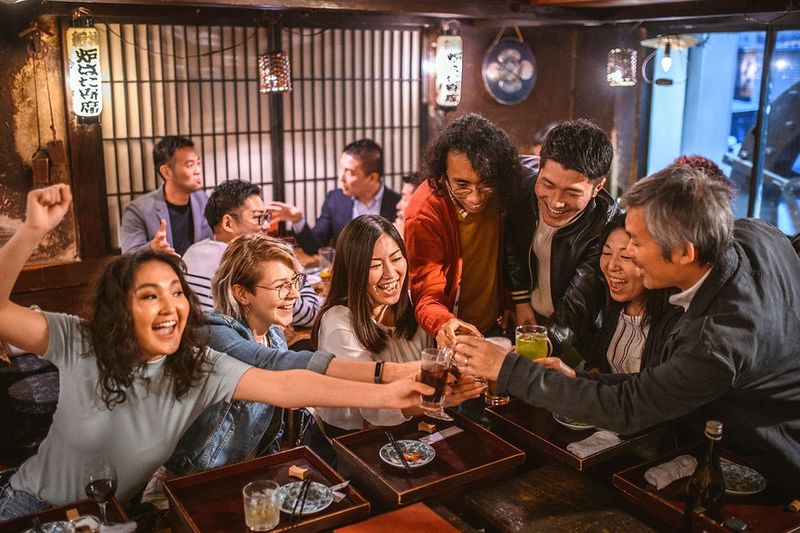
An izakaya is Japan’s version of a tavern, where small plates are paired with drinks like beer, highballs, or sake. The menu is broad, including grilled meats, pickled vegetables, fried items, and sashimi.
Food is designed for lingering and sharing. Most izakaya have a buzzing, casual atmosphere and are filled with salarymen and students relaxing after work.
4. Yakiniku
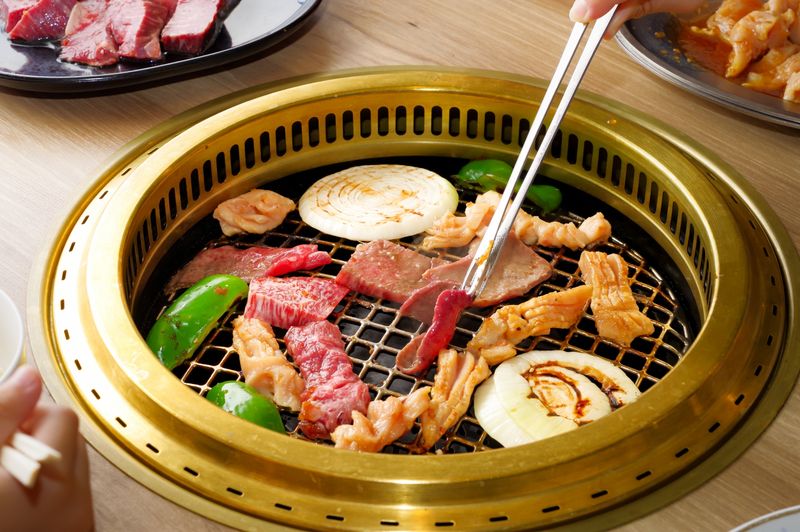
Yakiniku restaurants serve raw cuts of beef, pork, or offal for customers to grill themselves at the table over charcoal or gas flames. Meat is sliced thin, often marbled wagyu, and sometimes lightly marinated in soy-based sauces.
The experience is hands-on, with diners in control of searing and timing. Sides include rice, kimchi, and dipping sauces. It’s less about sauces and more about the meat’s texture and quality.
5. Shabu-Shabu
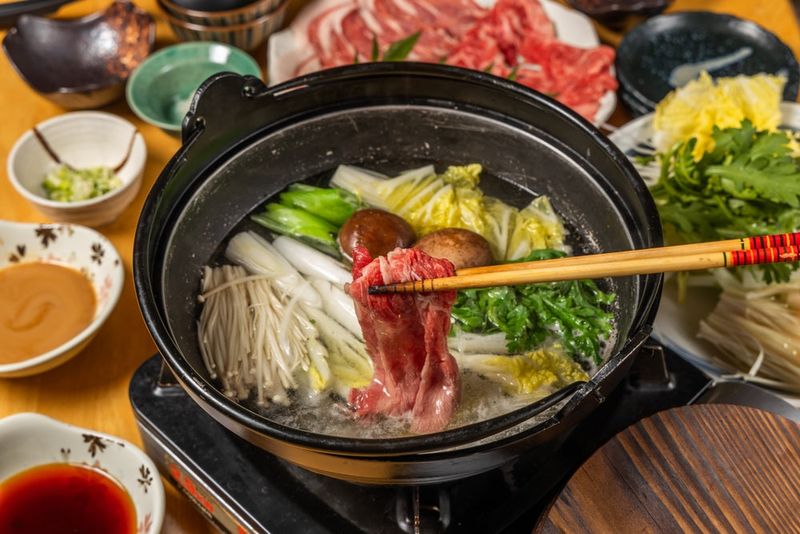
Shabu-shabu is a hot pot restaurant where thin slices of beef and vegetables are swirled briefly in simmering broth, then dipped in sauces like ponzu or sesame. The name refers to the swishing sound of cooking the meat.
Meals come with a set platter of ingredients, often including tofu, mushrooms, and udon noodles for the final course. The goal is clean, subtle flavors and gentle textures.
6. Tempura-Ya

Tempura-ya specialize in deep-frying seafood and vegetables in a light, crisp batter made from cold water and flour. Shrimp, eggplant, sweet potato, and mushrooms are popular.
At higher-end tempura-ya, ingredients are fried to order and served piece by piece at a counter, often accompanied by grated daikon and tentsuyu dipping sauce. Timing and oil temperature are key to avoiding greasiness.
7. Kaiseki
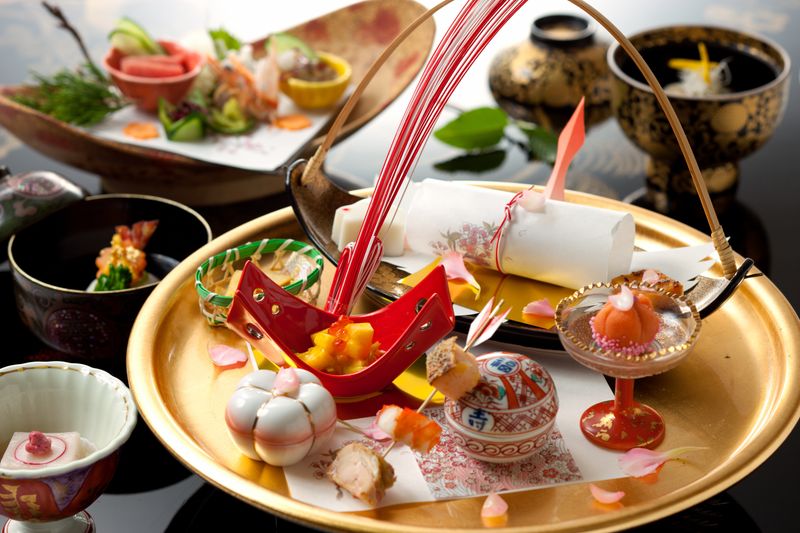
Kaiseki restaurants offer multi-course seasonal meals that emphasize harmony between taste, texture, color, and presentation. Each dish is small and thoughtfully plated.
Menus follow a traditional structure, including appetizers, soup, sashimi, grilled items, simmered dishes, rice, and dessert. Kaiseki is less about abundance and more about subtlety and balance, often served in a serene setting with a view.
8. Soba-Ya
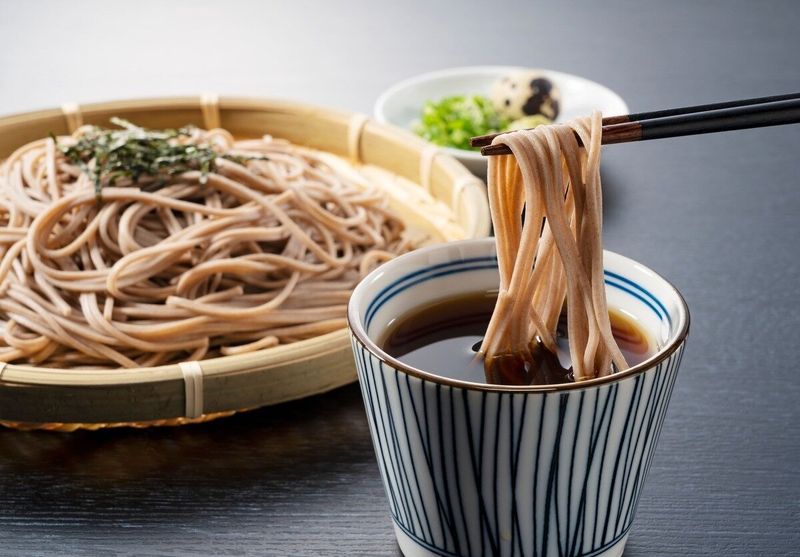
Soba-ya specialize in soba noodles made from buckwheat flour, served hot in broth or cold with a dipping sauce. Some soba-ya mill their own buckwheat and knead the dough by hand daily.
The texture and aroma of fresh soba can vary with the season and water quality. Popular toppings include tempura, mountain vegetables, or raw egg yolk, depending on region and tradition.
9. Udon-Ya
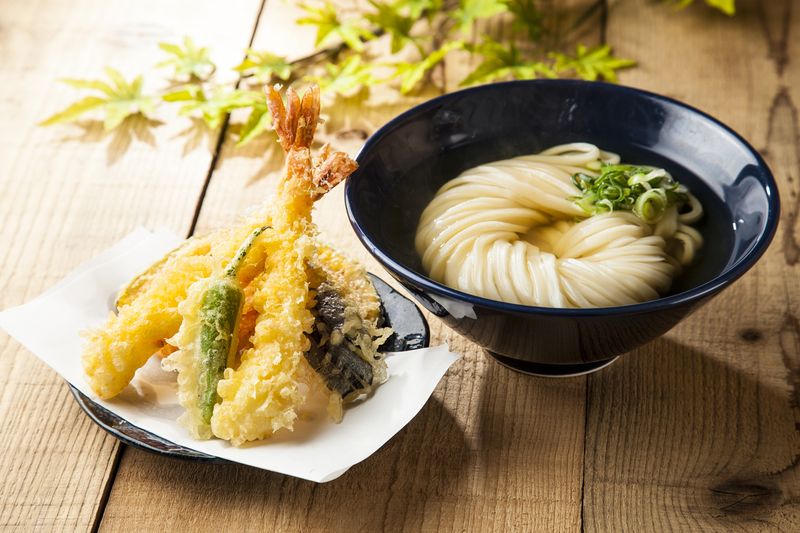
Udon-ya serve thick wheat-flour noodles with a smooth, chewy texture, often in a hot soy-dashi broth or chilled with dipping sauce.
Each region has a different take—Sanuki udon is firm and square, while Kansai-style udon is softer with lighter broth. Toppings range from green onions and tempura to curry sauce.
10. Okonomiyaki-ya
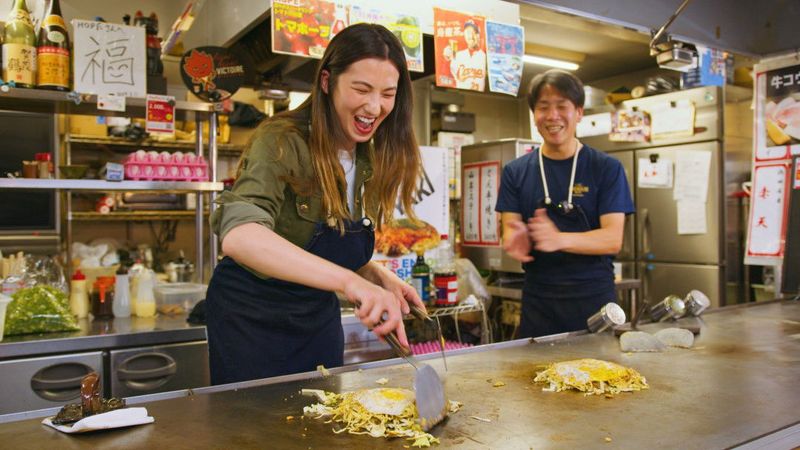
These restaurants are dedicated to okonomiyaki, a savory pancake filled with cabbage and various ingredients like pork belly, shrimp, or cheese. The name means “grill as you like.”
Many okonomiyaki-ya offer griddles at the table so diners can flip their own. The finished pancake is topped with sweet-savory sauce, mayonnaise, and bonito flakes that dance from the heat.
11. Teppanyaki

Teppanyaki restaurants feature flat iron griddles where chefs cook steak, seafood, and vegetables in front of diners. The style is theatrical, with flipping spatulas and flaming onions.
Although it gained popularity abroad, it originated in Japan as a refined way to showcase premium beef. Meals include rice, miso soup, and dipping sauces.
12. Tonkatsu-Ya
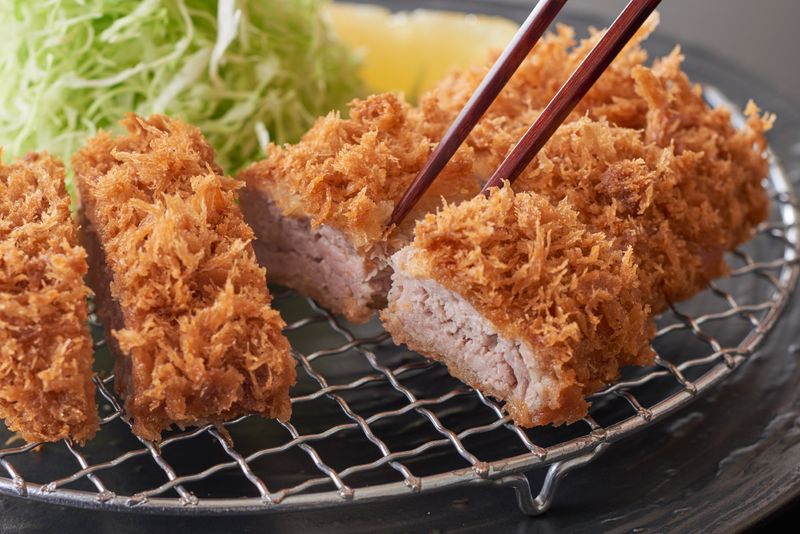
At a tonkatsu-ya, the spotlight is on breaded, deep-fried pork cutlets—either loin (rosu) or tenderloin (hire). The crust is crisp and golden, and the meat juicy inside.
Tonkatsu is served with finely shredded cabbage, rice, pickles, and miso soup. You’ll often find a mortar and pestle to grind sesame seeds for the house sauce.
13. Yakitori-Ya
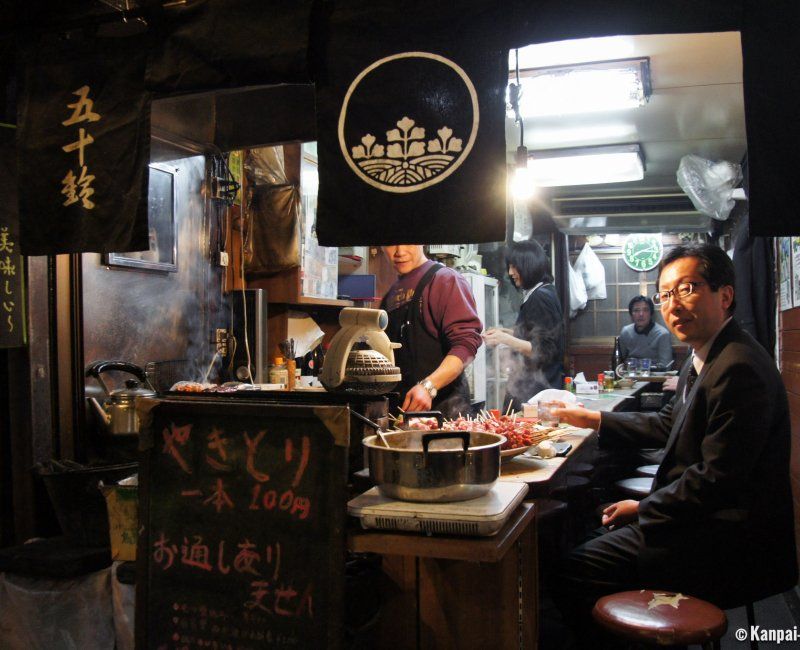
Yakitori-ya specialize in skewered chicken grilled over charcoal, seasoned with either salt (shio) or tare sauce (a soy-mirin blend).
Every part of the bird is used, from thigh and liver to cartilage and skin. Skewers are grilled to order and paired with beer, making this a favorite after-work stop.
14. Donburi-Ya
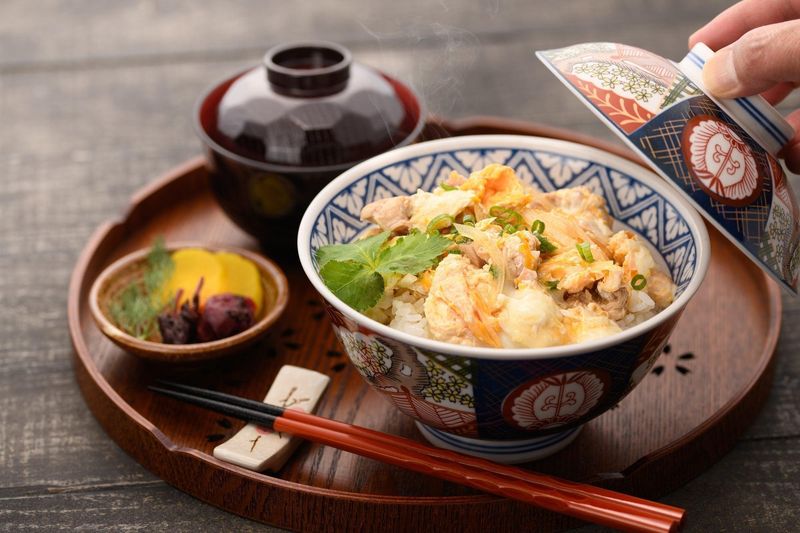
These eateries serve rice bowls topped with savory items like simmered beef (gyudon), tempura (tendon), or raw tuna (maguro-don). It’s quick, affordable, and filling.
Donburi are often served with miso soup and pickles. They offer a snapshot of comfort food that’s deeply rooted in home-style cooking.
15. Curry-Ya
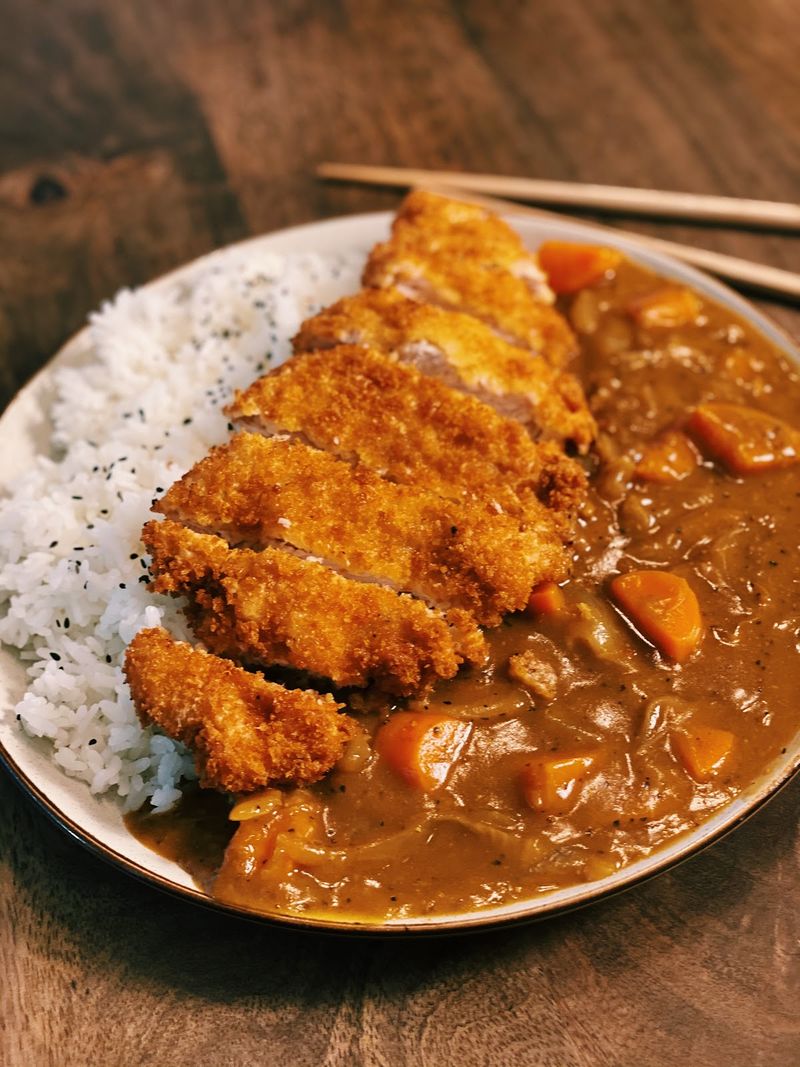
Japanese curry shops serve mild, thick curry sauce poured over rice and often paired with fried cutlets. It’s hearty, rich, and slightly sweet.
Unlike Indian or Thai curries, Japanese curry uses flour and roux for thickness. Popular chains like CoCo Ichibanya offer customizable spice levels and toppings.
16. Conbini Food Counters
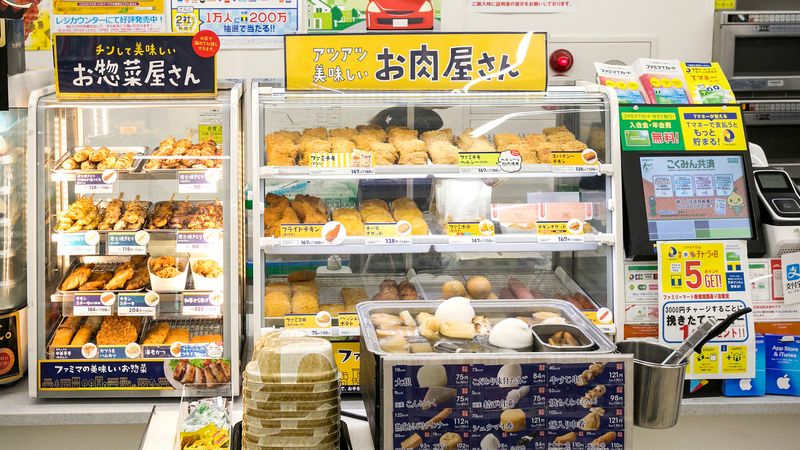
Convenience store counters in Japan offer surprisingly high-quality food like onigiri, fried chicken, tamagoyaki, and soba bowls. Meals are freshly made and constantly restocked.
It’s common to find salarymen grabbing breakfast, students buying snacks, or tourists tasting everything. For under 500 yen, you get fast, satisfying, and sometimes shockingly good food.