15 Imitation Meats You Should Avoid
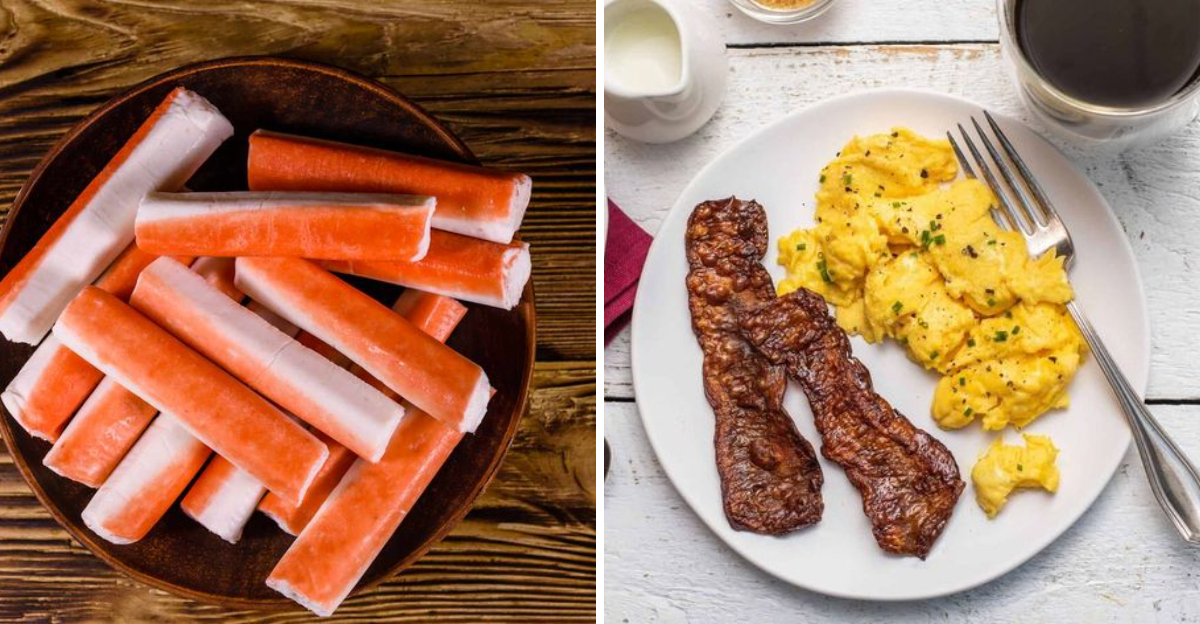
Imitation meats have become popular alternatives for those reducing animal product consumption. While some plant-based options offer health benefits, many contain concerning ingredients.
The following products might be convenient substitutes, but they often sacrifice nutrition for flavor and texture, potentially undermining your health goals.
1. Frozen Vegan Chicken Nuggets
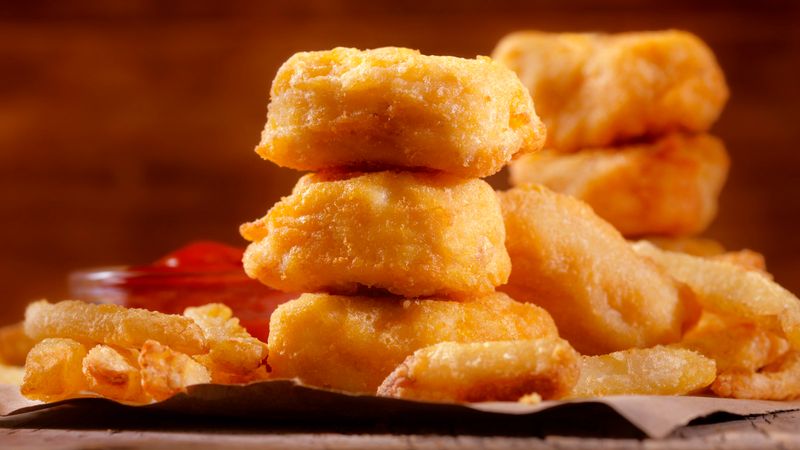
What looks like a healthier alternative to regular nuggets might be a nutritional nightmare. Many brands pack these crispy bites with excessive sodium, artificial flavors, and mysterious “natural flavors.”
The lengthy ingredient lists often include modified food starch and inflammatory oils that your body struggles to process properly.
2. Plant-Based Bacon Strips
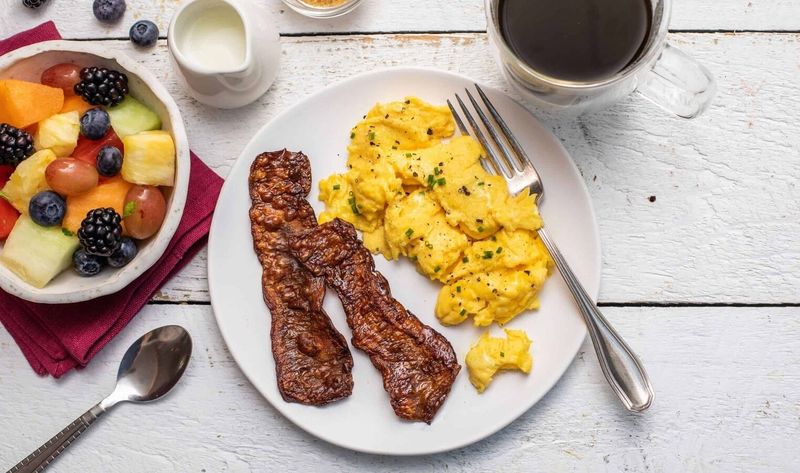
The smoky aroma might fool your nose, but your body knows better. Manufacturers rely on liquid smoke, artificial colorings, and flavor enhancers to mimic bacon’s distinctive taste and appearance.
Many brands use coconut oil for the fatty texture, creating products higher in saturated fat than you’d expect from plant foods.
3. Canned Vegan Hot Dogs

Popping open that can releases a medley of questionable ingredients. These tubular treats often contain more sodium in one link than you should consume in half a day.
The rubbery texture comes from gelling agents and stabilizers, while the meaty flavor relies on artificial additives rather than wholesome plant ingredients.
4. TVP Burgers
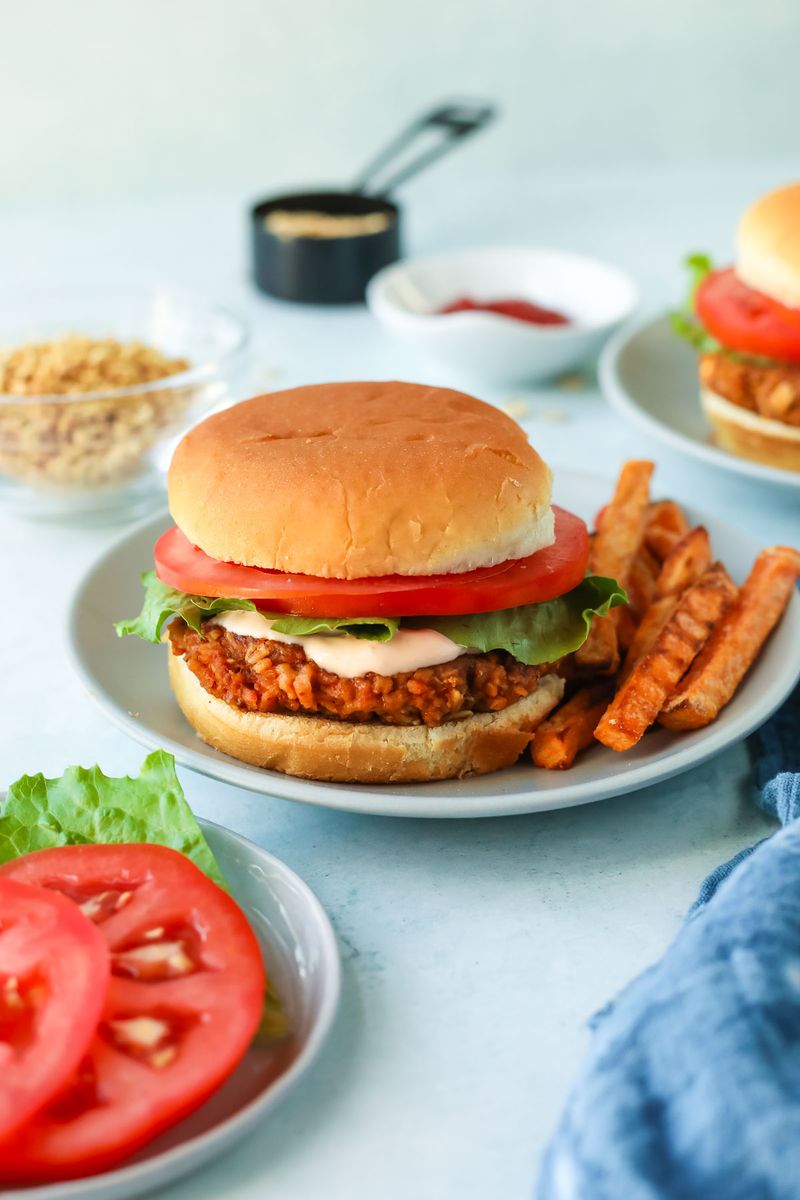
Behind that burger-like appearance lurks Textured Vegetable Protein, a highly processed soy product. The manufacturing process strips away many natural nutrients found in soybeans.
Companies compensate for flavor loss with salt, sugar, and artificial additives. The final product bears little resemblance to either meat or wholesome plant foods.
5. Imitation Crab Meat
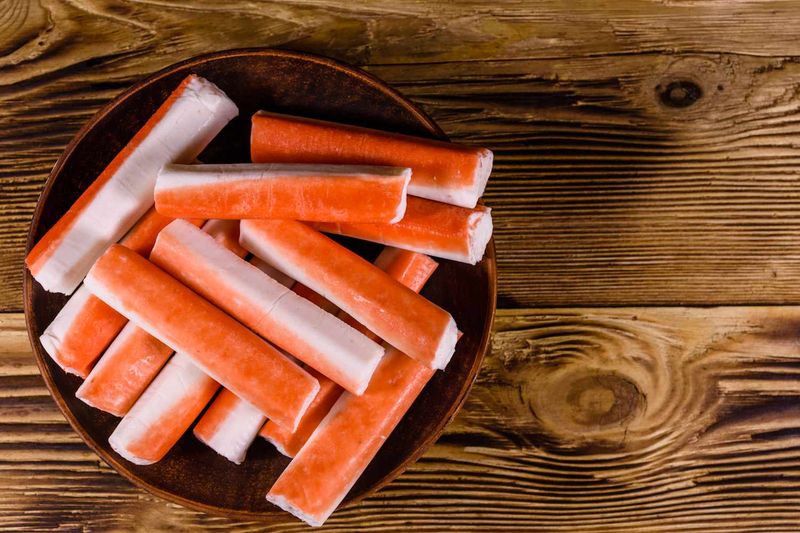
Surprise! That “seafood” in your California roll isn’t even vegetarian. Surimi consists of cheap white fish pulverized with starch, sugar, and often MSG for flavor enhancement.
The processing removes most nutritional benefits of fish while adding problematic ingredients. Real crab offers omega-3s and protein without the additives.
6. Soy-Based Deli Slices
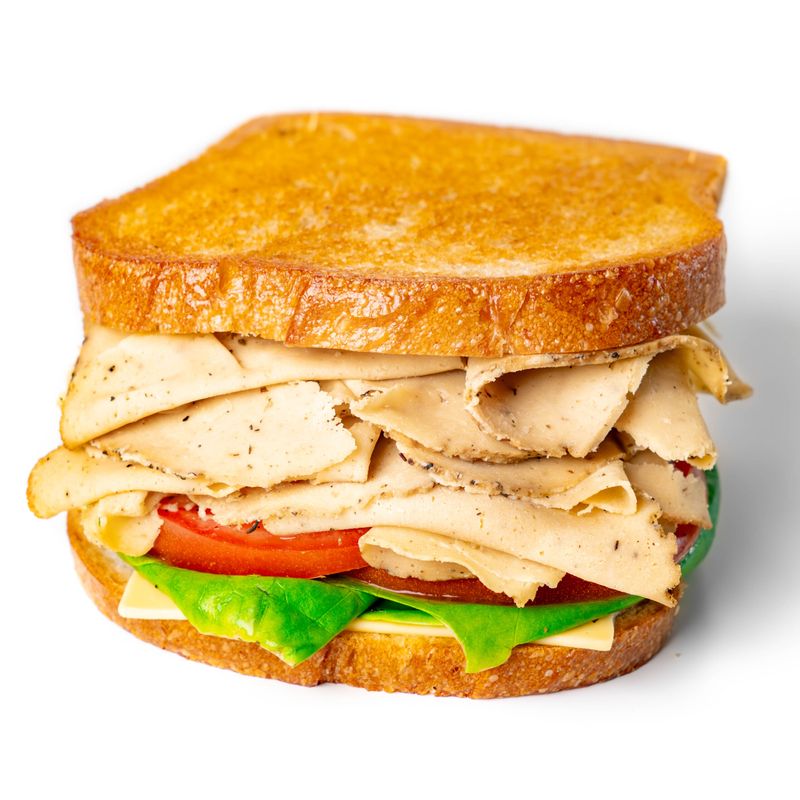
Those perfectly uniform, paper-thin slices mimic turkey or ham through chemical wizardry. Manufacturers use carrageenan, a controversial thickener linked to digestive issues, to achieve that slippery texture.
The appetizing pink or brown color typically comes from artificial dyes rather than natural sources.
7. Vegan Pepperoni
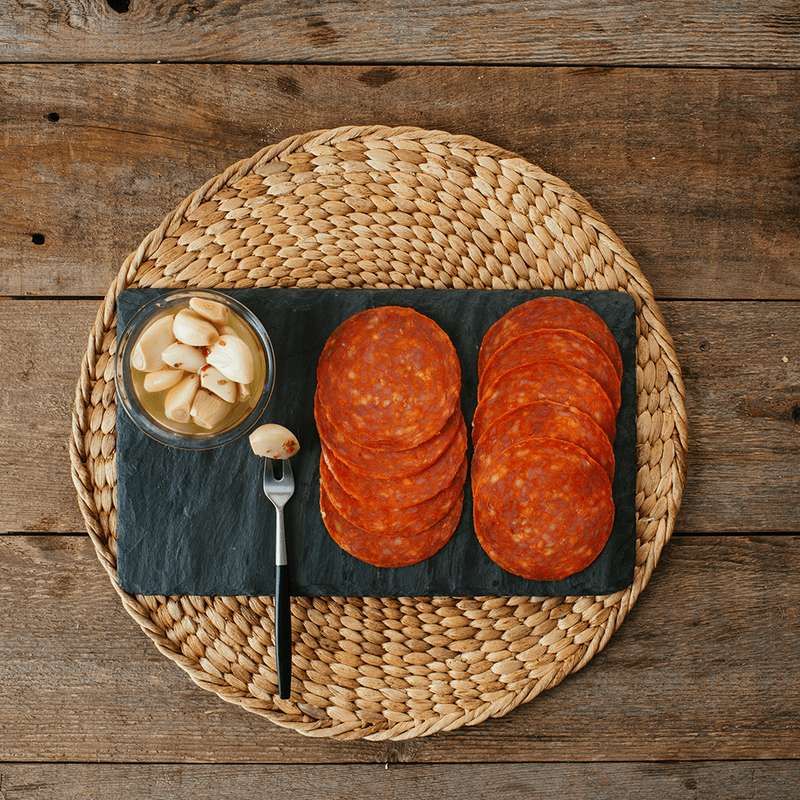
Those spicy red discs might satisfy pizza cravings, but at what cost? Most contain concerning preservatives like BHA and BHT, classified as possible human carcinogens by some health organizations.
The signature pepperoni flavor relies on artificial smoke flavoring and excessive sodium that can elevate blood pressure with just a few slices.
8. Microwaveable Meatless Sausage Patties
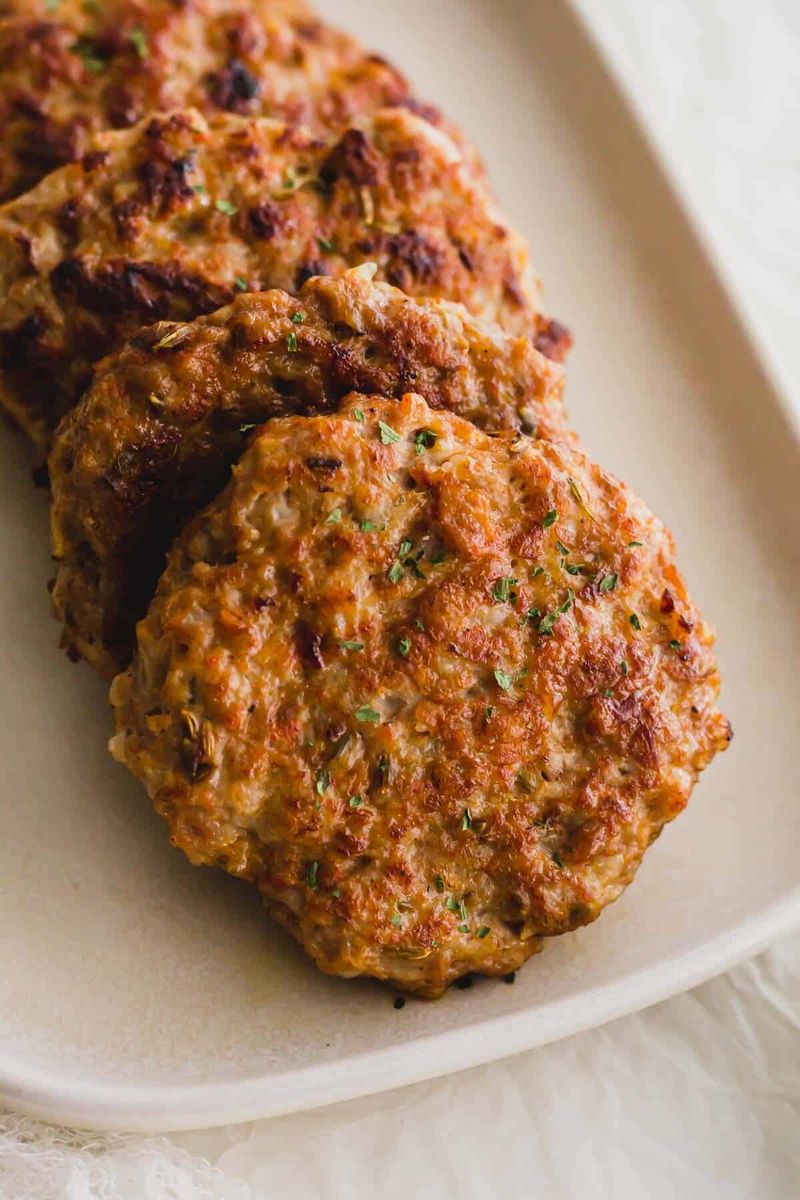
Ready in seconds but lingering in your system for hours. These breakfast favorites achieve their savory taste through “natural flavors” – an industry term that can hide dozens of processing agents.
The convincing sizzle comes from added oils, while fillers like methylcellulose provide that questionable bounce. Your morning routine deserves better.
9. Imitation Duck

Found in Asian grocery stores, these mock meats often start with wheat gluten soaked in flavoring agents. The manufacturing process typically involves deep-frying followed by preservation in oil.
While the chewy texture might satisfy cravings, these products deliver minimal nutrition alongside substantial fat and sodium. Traditional tofu preparations offer cleaner protein alternatives.
10. Faux Ground Beef Crumbles
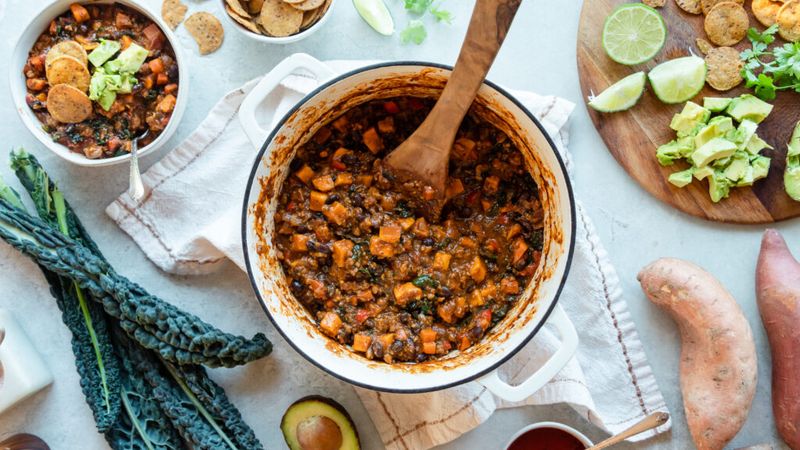
Those convenient frozen crumbles hide a concerning reality. Many brands use isolated proteins stripped from their natural food matrices, losing beneficial fiber and phytonutrients in the process.
The meaty flavor often comes from yeast extracts high in free glutamates – essentially MSG by another name. Your taco night deserves wholesome ingredients.
11. Vegan Jerky
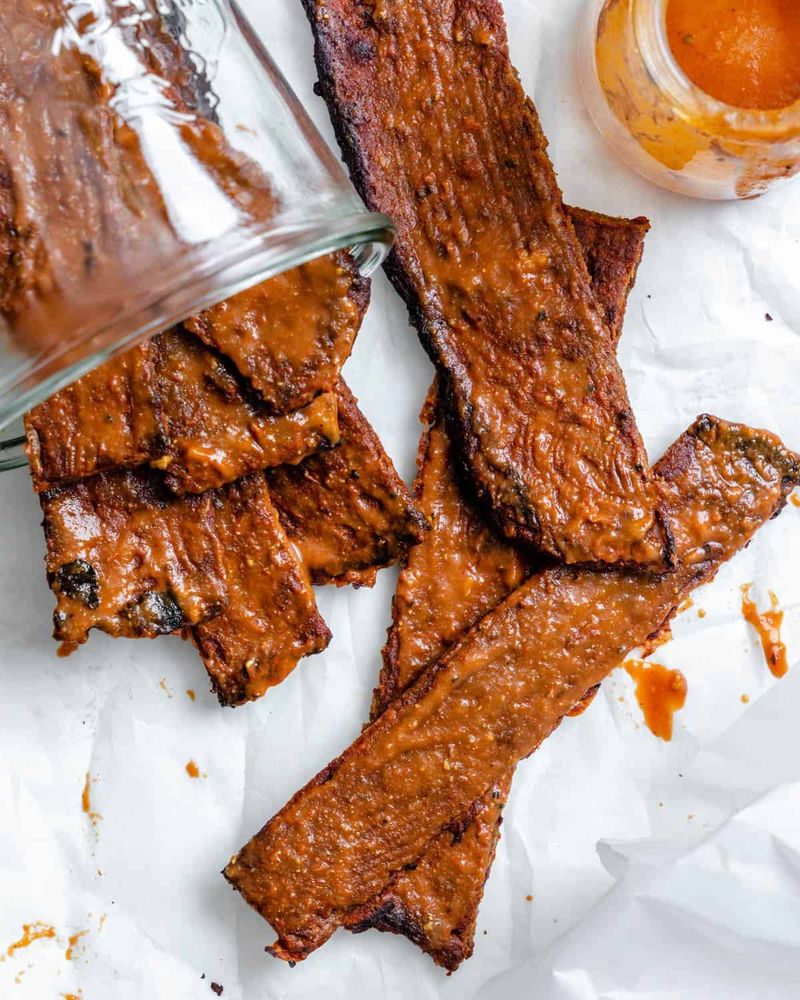
That chewy, savory snack packs a surprising sugar punch. Many brands contain more added sweeteners than protein, defeating the nutritional purpose of jerky as a high-protein food.
The long shelf life comes courtesy of preservatives and moisture-controlling agents. The intense flavor relies on excessive sodium that can leave you bloated and thirsty.
12. Meatless Chicken Patties
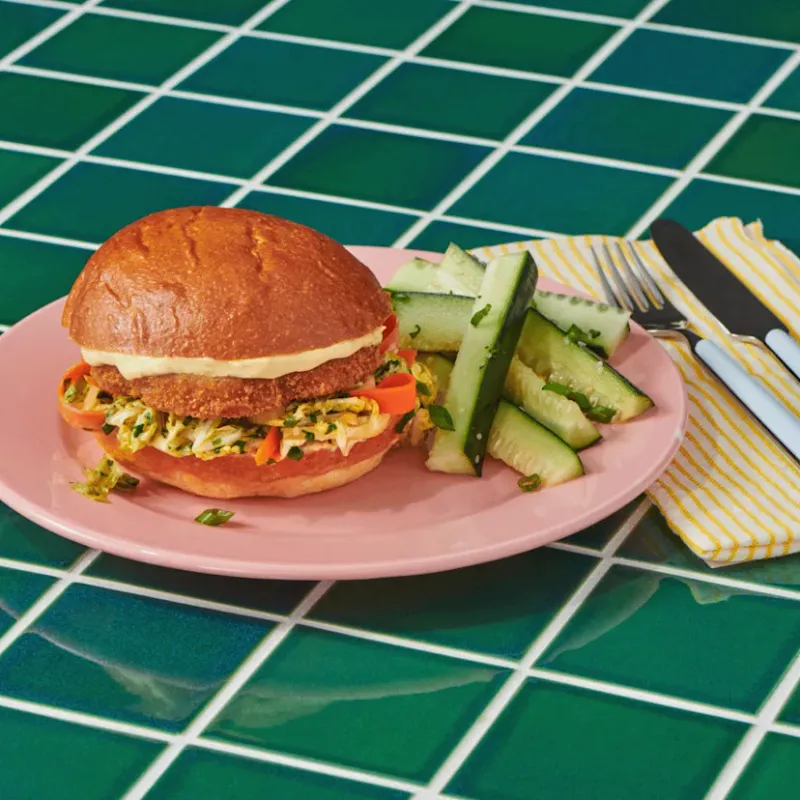
Flip over that package and prepare for a chemistry lesson. The ingredient list often exceeds 40 components, including multiple gums, starches, and flavor enhancers.
The crispy breading might contain hidden dairy derivatives despite the “plant-based” marketing. Many brands use palm oil, contributing to environmental concerns alongside questionable health impacts.
13. Vegan Shrimp

Those pink curled imposters might look Instagram-worthy, but nutritionally they’re empty promises. Made primarily from konjac (a starchy root) and carrageenan, they provide virtually no protein – the nutrient you’re likely seeking from seafood.
The bouncy texture feels nothing like real shrimp, while artificial flavors attempt to mask the bland base.
14. Fast Food Plant-Based Burgers
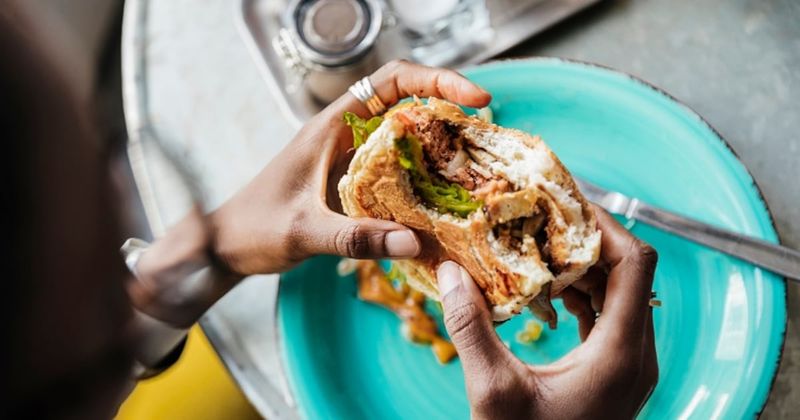
Marketing magic can’t hide the truth about these drive-thru options. Most are ultra-processed food products containing isolated proteins, artificial flavors, and methylcellulose – a synthetic fiber adding no nutritional value.
Cross-contamination occurs regularly as these patties typically share cooking surfaces with meat products, potentially concerning strict vegetarians.
15. Seitan-Based “Ribs” Or “Brisket”
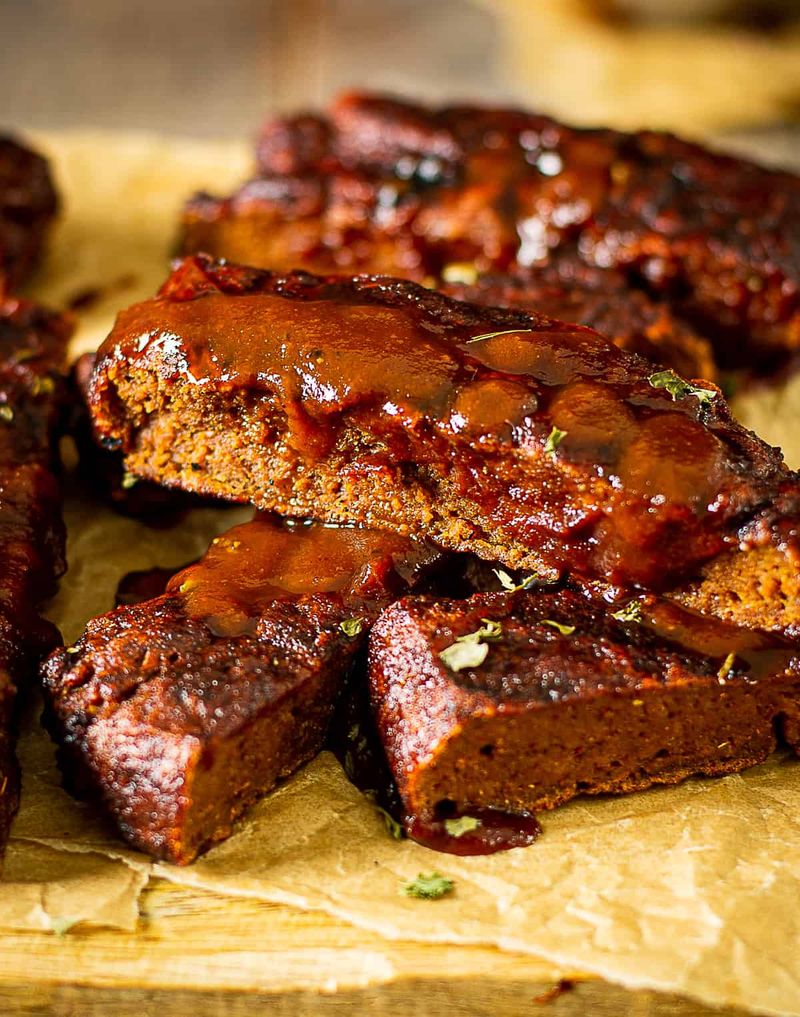
Wheat gluten in its purest form creates these dense meat substitutes. While high in protein, seitan contains virtually no other nutrients and can cause serious digestive distress for many people.
The convincing barbecue appearance comes from caramel coloring agents, while liquid smoke and artificial flavors attempt to recreate authentic taste. Your digestive system may protest this impostor.