7 Reasons Chicago’s Italian Beef Became A Legend
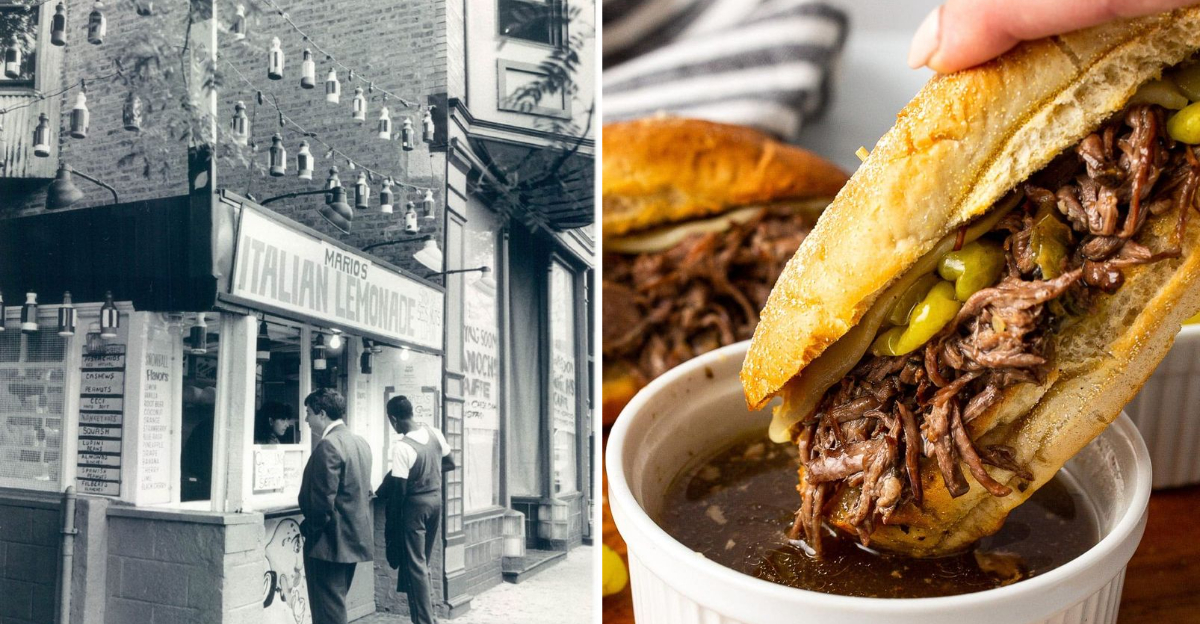
Few foods capture the soul of Chicago quite like the Italian beef sandwich. Born from working-class ingenuity and perfected over decades, this humble creation has become one of the city’s defining flavors.
Piled high with thinly sliced beef, soaked in its own juices, and served on crusty bread with giardiniera or sweet peppers, it’s more than just a meal, it’s a piece of Chicago history.
Here are seven reasons why the Italian beef has risen from local favorite to cultural legend.
1. Immigrant Roots
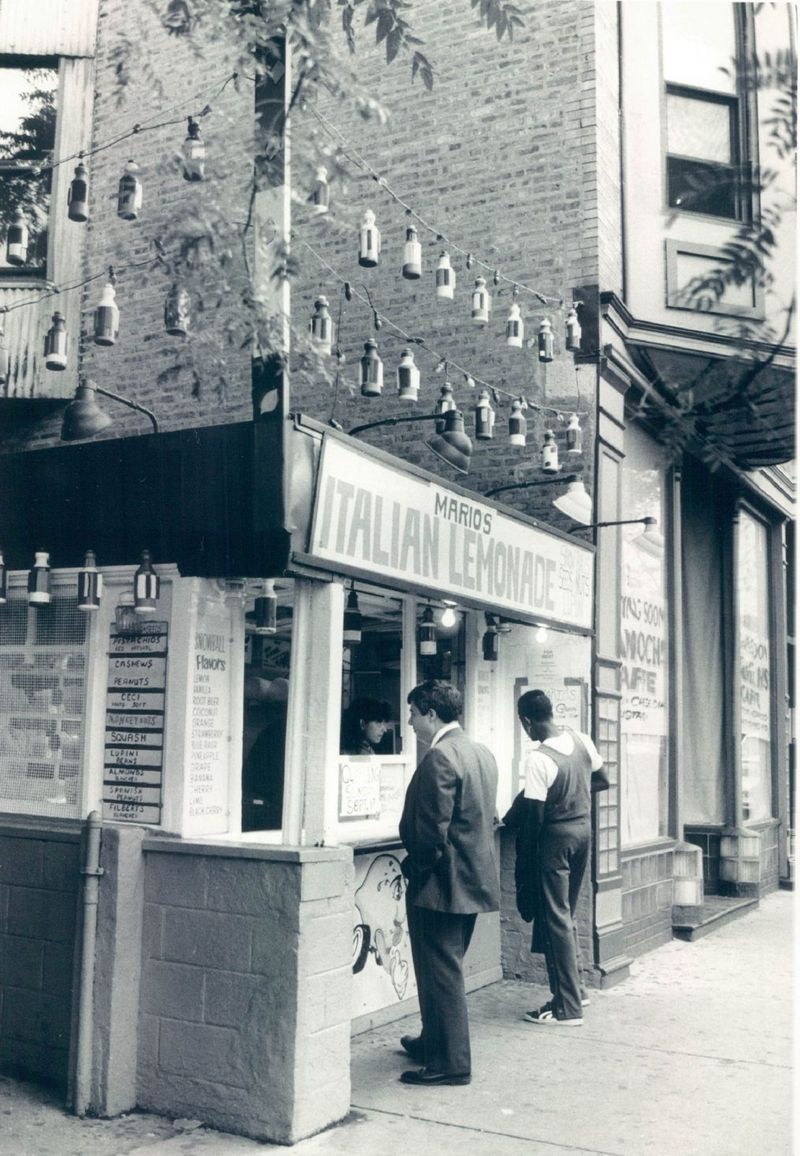
talian immigrants arrived in Chicago during the late 19th and early 20th centuries, bringing with them a love of slow-cooked meats, garlic, herbs, and bread. Many settled in neighborhoods where butcher shops and bakeries stood side by side, creating the perfect foundation for the sandwich’s invention. The beef was seasoned with familiar spices, simmered until tender, and piled onto crusty loaves made by fellow Italian bakers.
What made this unique was the blending of tradition with necessity. Immigrants had to adapt their cooking to what was available and affordable, using cheaper cuts of beef and stretching them with long, careful cooking. In doing so, they created something that was both distinctly Italian and undeniably American. The sandwich became a reminder of home while celebrating a new life in Chicago.
2. Depression-Era Ingenuity
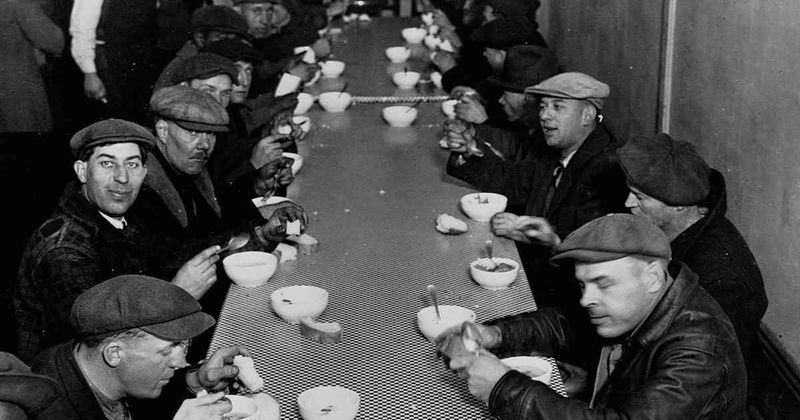
The 1930s brought hardship that forced families to get inventive. Meat was expensive, yet large gatherings, like weddings, baptisms, and community events still needed to feed dozens of people. The solution was simple but brilliant: slice beef paper-thin so everyone got a taste. A single roast could stretch to feed an entire hall of guests.
This practice gave the Italian beef sandwich its distinctive identity. It wasn’t just a meal but an answer to scarcity, a way of ensuring no one went hungry. Out of those lean years came a dish that symbolized resourcefulness and generosity. The sandwich proved that even in hard times, flavor and community didn’t have to be sacrificed.
3. The Signature “Dipped” Style
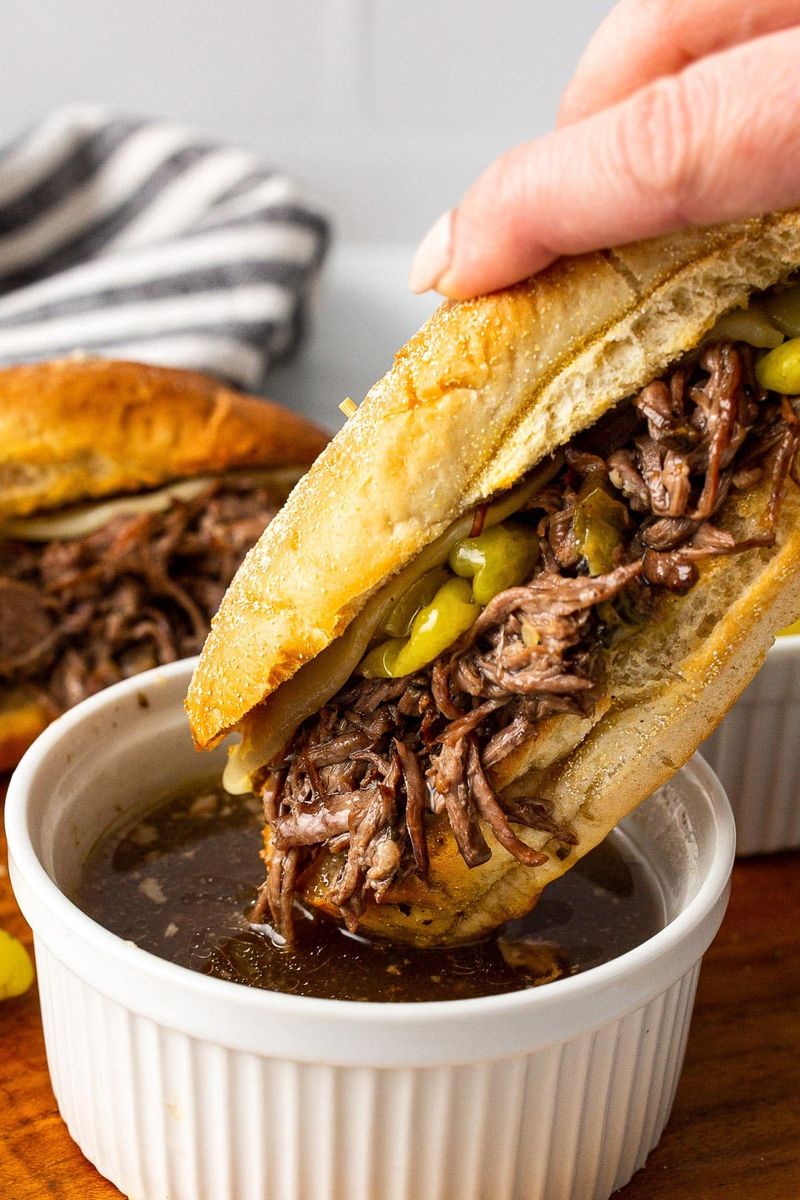
The ritual of dipping sets the Italian beef apart. A fresh Italian roll is plunged into the seasoned juices of the roast until soaked, yet still able to hold the meat. What results is bread that carries not only beef but also every layer of spice, garlic, and broth. Eating one means surrendering to the mess, because juice will run down your hands.
This messy pleasure is part of the culture. Diners debate whether to order it “dipped,” “double-dipped,” or even “wet,” but all agree it’s the truest way to enjoy the sandwich. That soggy, flavorful bread is what turns the Italian beef from a sandwich into an experience.
4. Giardiniera And Sweet Peppers
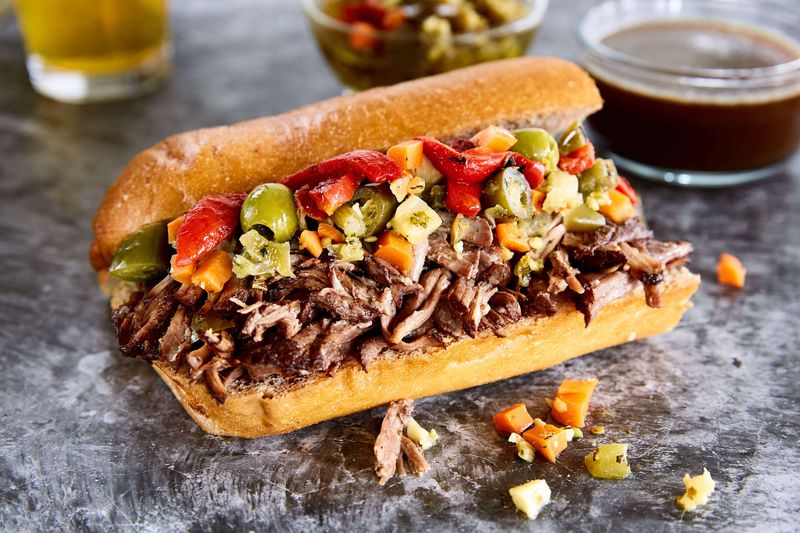
No Italian beef is complete without its colorful companions. Giardiniera, with its mix of pickled peppers, carrots, celery, and cauliflower in oil, brings heat, crunch, and tang that cut through the richness of the beef. Sweet peppers, roasted until soft, provide a gentler contrast, adding depth without the fire.
These toppings are more than garnish, they’re central to the sandwich’s personality. The choice between giardiniera or sweet peppers divides loyalties, but many opt for both, layering spicy crunch with sweet savor. In Chicago, asking “hot or sweet?” isn’t just a question, it’s a test of how you take your beef.
5. Family-Owned Beef Stands
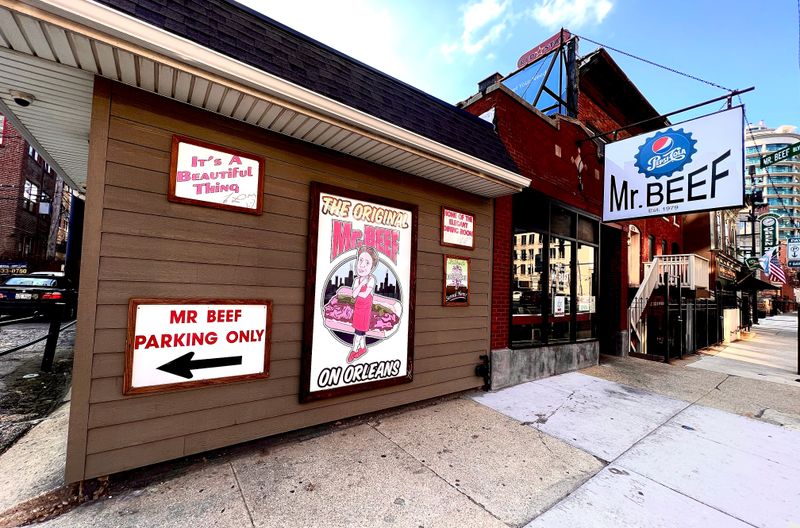
Italian beef didn’t grow famous in restaurants but in humble neighborhood stands. Many of these were family-owned businesses that became neighborhood institutions, passing recipes down through generations. Al’s Beef, Mr. Beef, and Portillo’s are among the names that have built loyal followings and sparked friendly rivalries.
The stands are places where regulars know the staff, and the food tastes like tradition. These shops embody Chicago’s working-class spirit: no-frills, hearty, and dependable. Each bite feels like part of a lineage, connecting customers to decades of family labor and pride.
6. Pop Culture And “The Bear” Effect
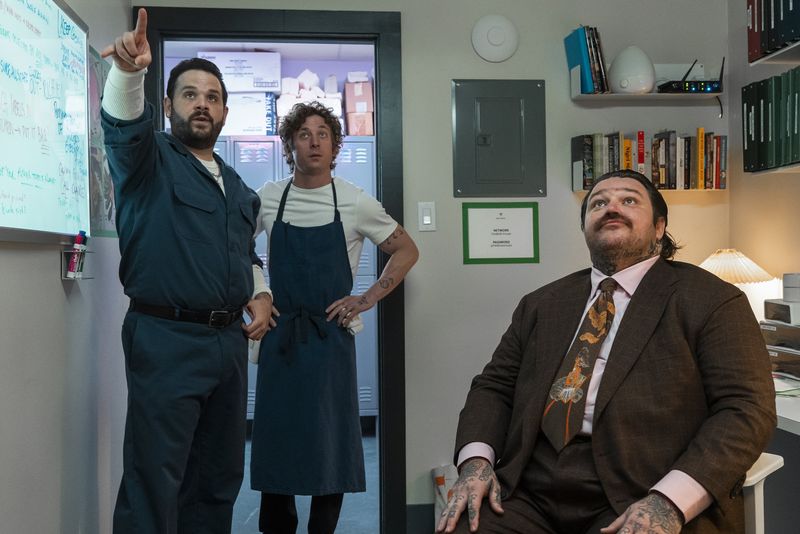
The Italian beef had already secured its place in Chicago history, but television gave it new fame. FX’s “The Bear” spotlighted the drama and beauty of running a neighborhood beef shop, and audiences across the country became curious about the sandwich at its center. Suddenly, people outside Chicago wanted to taste what locals had loved for generations.
Pop culture turned a regional icon into a national talking point. Lines grew at beef stands, and the sandwich gained recognition as something more than a Chicago curiosity. It became a culinary ambassador, showing the world the grit and flavor of the city.
7. A Symbol Of Chicago Identity
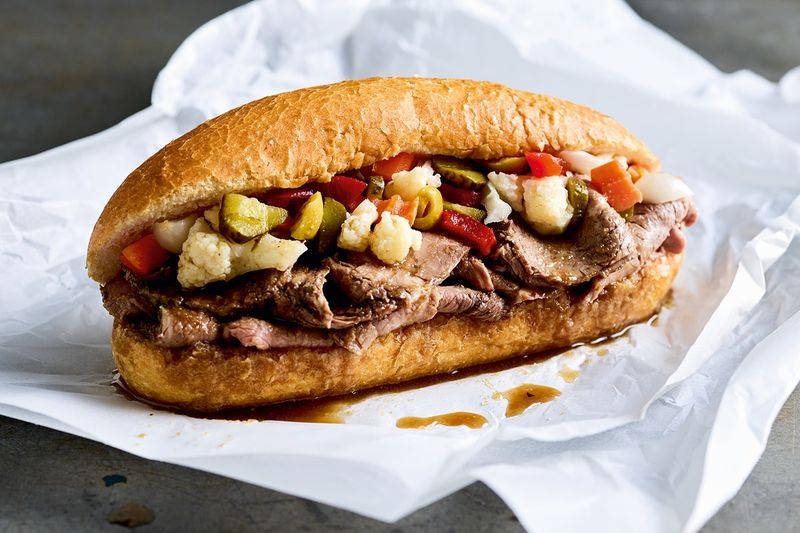
The Italian beef is a symbol of Chicago’s resilience, creativity, and love of hearty food. It represents immigrant roots, Depression-era toughness, and the enduring strength of community. Whether eaten at a family-run stand or celebrated in pop culture, it carries the story of the city in every bite.
Chicagoans see the Italian beef not just as food but as part of who they are. It’s tied to memories of late-night runs, big gatherings, and moments of comfort. To eat one is to taste Chicago itself, messy, bold, and unforgettable.