15 Fruits That Are Frequently Mislabeled As Vegetables
Ever grabbed a tomato for your salad and called it a vegetable? You’re not alone! Many of the colorful foods we pile on our dinner plates are actually fruits, not vegetables.
Botanically speaking, fruits develop from a plant’s flower and contain seeds, while vegetables come from other plant parts like leaves, stems, and roots. Let’s uncover 15 surprising fruits that have been living undercover in the vegetable aisle all along.
1. Tomatoes
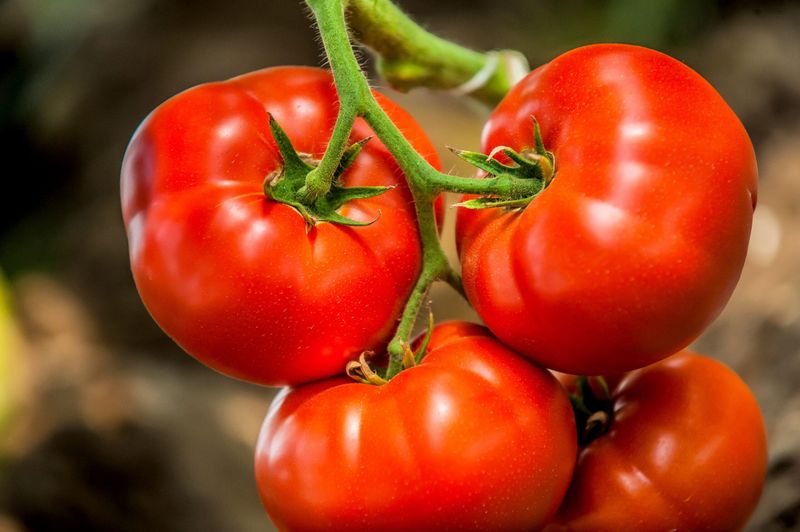
Red, juicy, and completely confused about their place in the world! Tomatoes sparked such debate that in 1893, the U.S. Supreme Court legally classified them as vegetables for trade purposes, even though botanically they’re fruits.
Growing from the flower of the tomato plant and packed with seeds, these summer staples check all the botanical fruit boxes. Yet we stubbornly toss them into savory dishes rather than fruit salads.
2. Cucumbers
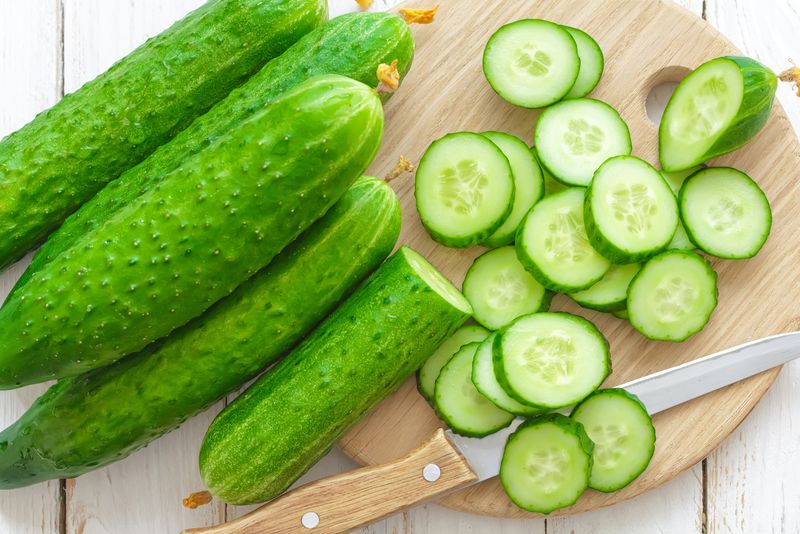
Surprise! Those refreshing green cylinders lounging in your refrigerator are actually berries. Cucumbers develop from the flower of the cucumber plant and contain numerous seeds scattered throughout their flesh – the textbook definition of a fruit.
Modern science confirms cucumbers are 96% water, making them nature’s hydrating snack. Their cool interior can be up to 20 degrees cooler than the outside air temperature!
3. Bell Peppers
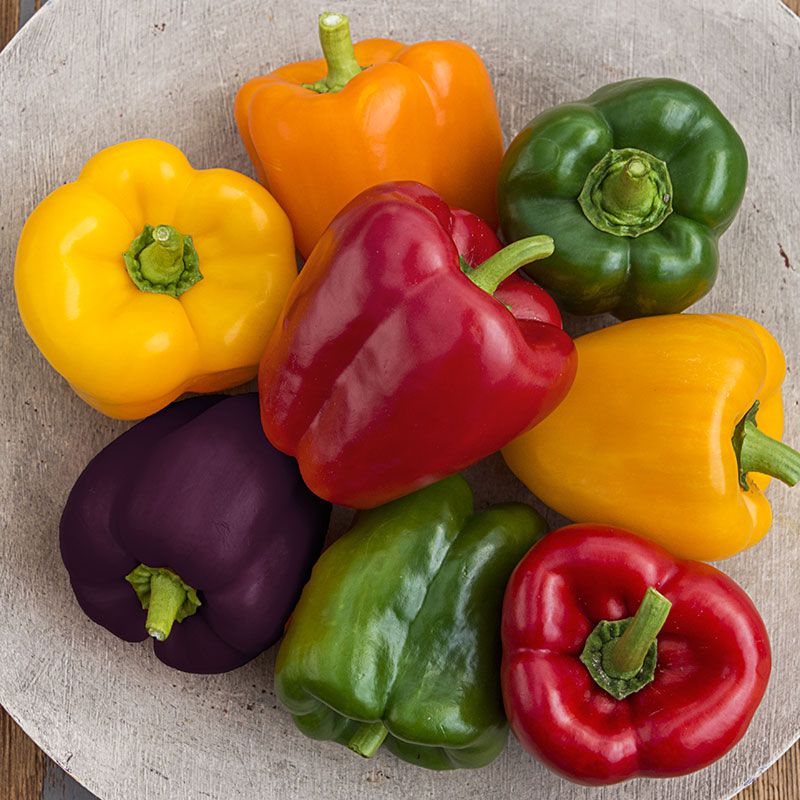
Those traffic-light-colored bells in your stir-fry? Totally fruits! Bell peppers form from the pepper plant’s flower and house those pesky seeds we scoop out before cooking – classic fruit behavior.
Color reveals their ripeness journey. Green peppers aren’t a different variety – they’re just unripe! Left on the plant, they transform to yellow, orange, and finally red, growing sweeter with each color change.
4. Zucchini
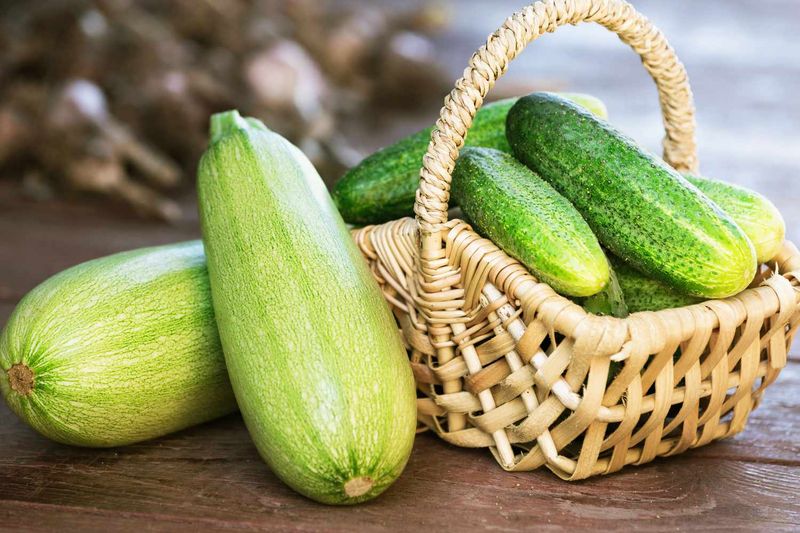
Garden-fresh zucchini might look like a vegetable ambassador, but this green impostor is actually a fruit! Technically a type of berry that develops from the zucchini flower, it belongs to the same family as melons and cucumbers.
Both flowers and fruit are edible, making zucchini plants doubly valuable in gardens. Their mild flavor and high water content (over 95%) make them culinary chameleons – equally at home in savory ratatouille or sweet zucchini bread.
5. Avocados
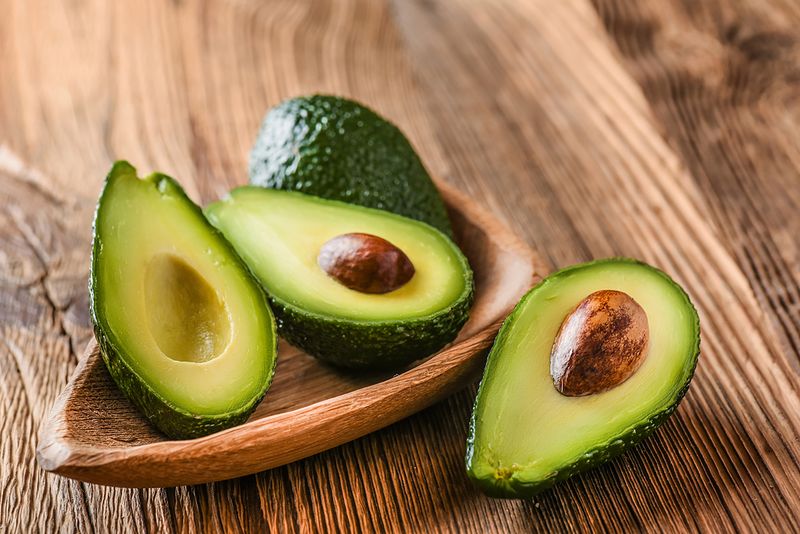
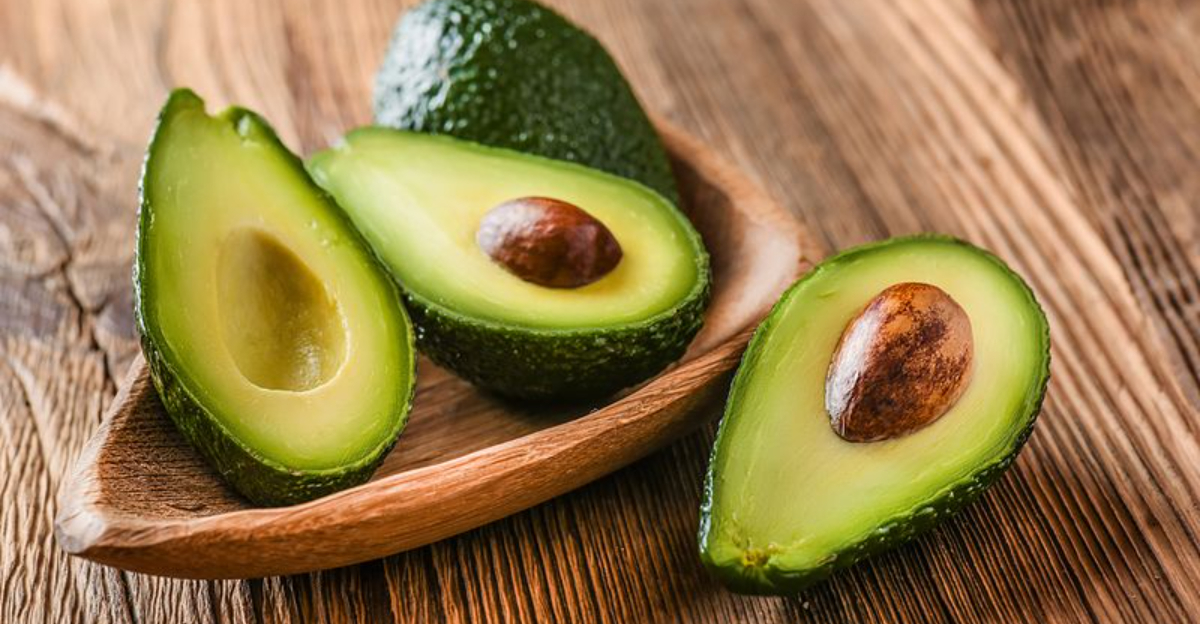
Holy guacamole – avocados are fruits! These creamy green wonders are actually single-seeded berries. That giant pit in the center is a dead giveaway of their true fruit identity.
California produces 90% of America’s avocados, yet Mexico grows most of the world’s supply. With more potassium than bananas and over 20 vitamins and minerals, these fatty fruits have earned their superfood status despite their vegetable disguise in salads and sandwiches.
6. Eggplants
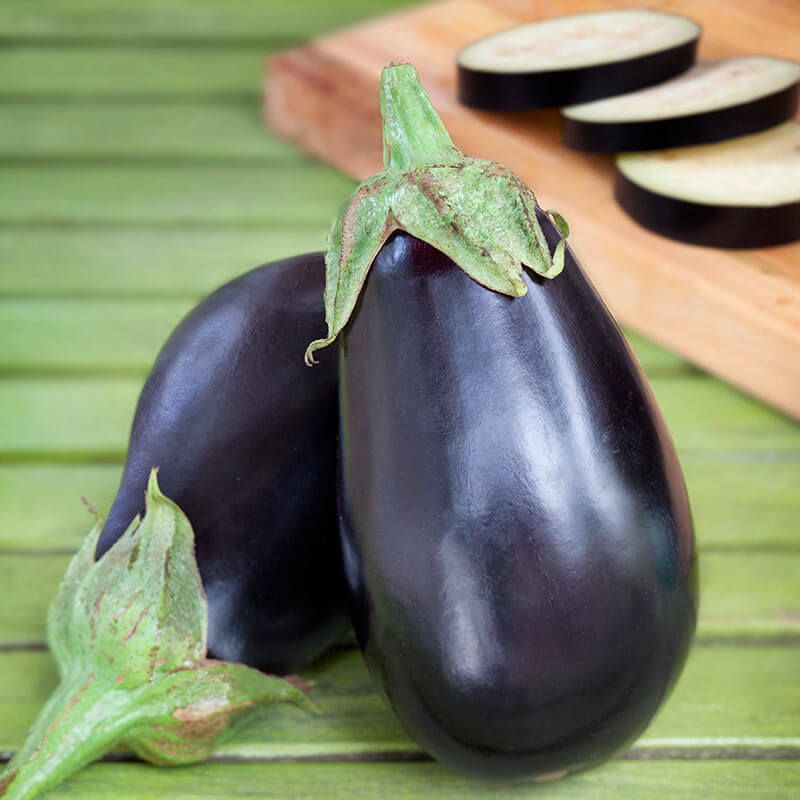
Those glossy purple nightshades lurking in your ratatouille? Technically berries! Eggplants develop from a flower and contain numerous small, edible seeds – textbook fruit characteristics that have been hiding in plain sight.
Early varieties actually resembled eggs – small, white, and oval – explaining their curious name. Asian farmers have cultivated them for over 1,500 years in a rainbow of colors from lavender to orange to striped.
7. Pumpkins
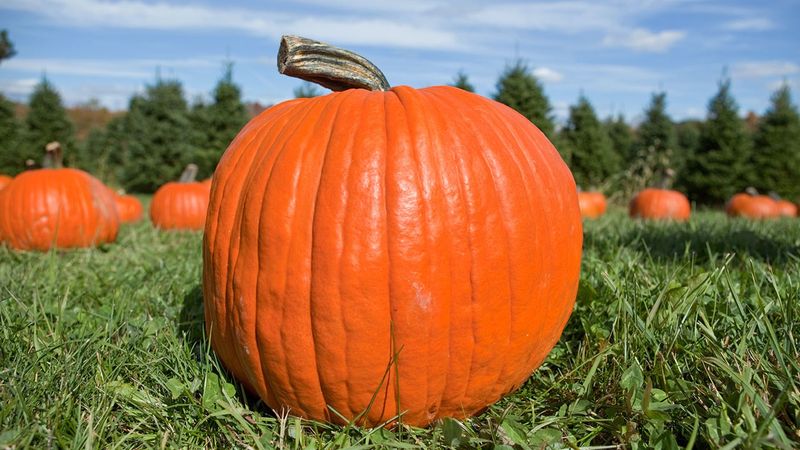
Carving faces into fruits for Halloween? That’s right – pumpkins are fruits! These orange giants develop from the pumpkin flower and house those slimy seeds we scoop out before carving – making them textbook fruits.
The world’s heaviest pumpkin weighed a monstrous 2,702 pounds – heavier than a small car! Botanically classified as “pepos” (berries with a hard rind), pumpkins are relatives of watermelons and cucumbers, forming a surprisingly fruity family reunion at fall harvest festivals.
8. Squash
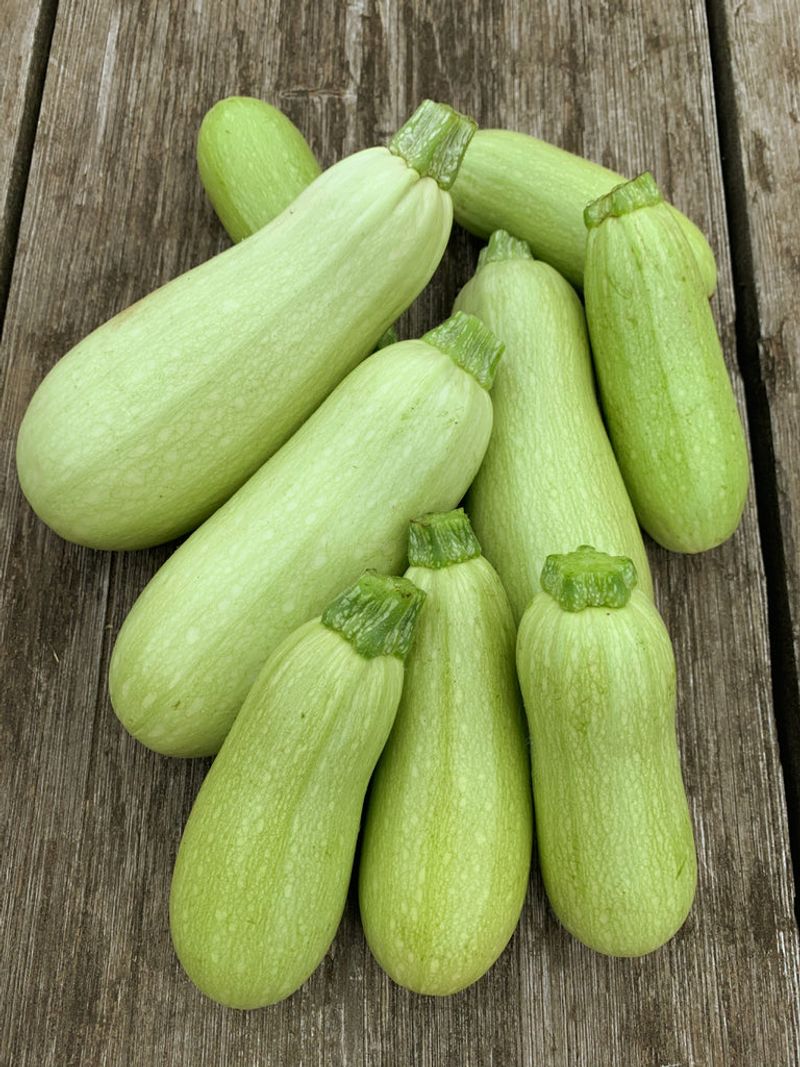
Butternut, acorn, spaghetti – the entire squash squad belongs in the fruit family! These hard-shelled edibles grow from flowers and contain seeds, ticking all the botanical fruit boxes while masquerading as vegetables in soups and roasts.
Some varieties can last months without refrigeration – a crucial survival food for early settlers. The word “squash” comes from the Narragansett Native American word “askutasquash,” roughly meaning “eaten raw or uncooked.”
9. Olives
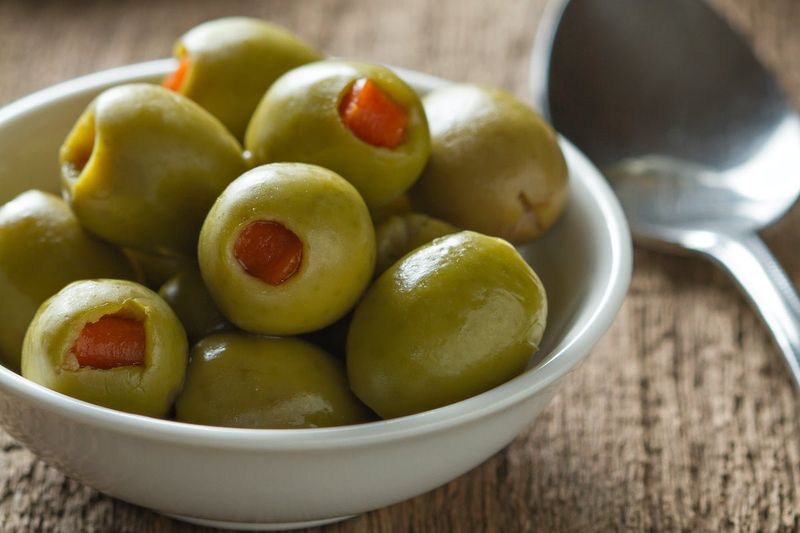
Pass the fruit bowl – and don’t forget the olives! These small, oval stone fruits come from flowering olive trees and contain a single seed (the pit). Black olives aren’t a different variety – they’re just fully ripened green olives!
Freshly picked olives are incredibly bitter. They require curing in brine, water, or salt to become edible, a technique discovered thousands of years ago. Some olive trees in the Mediterranean have been producing fruit for over 2,000 years.
10. Okra
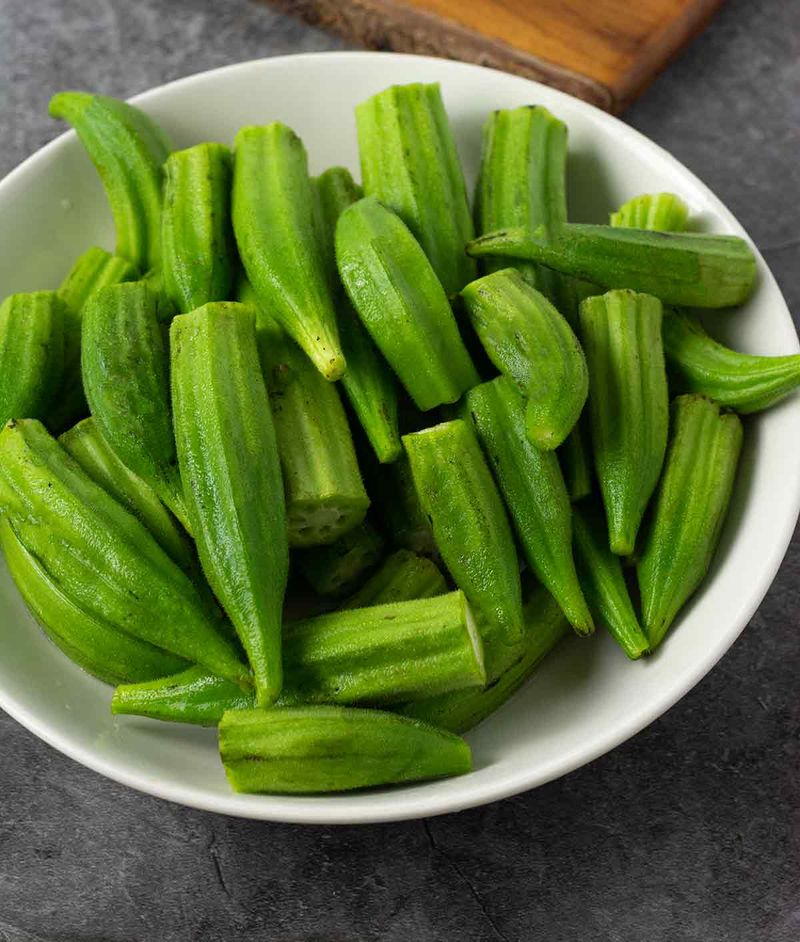
Southern cooking’s slimy superstar is secretly a fruit! Okra develops from the hibiscus-like flowers of the okra plant, with those signature seeds inside the pod qualifying it as a botanical fruit despite its savory applications.
Beyond gumbo and fried delights, okra seeds have been roasted and ground as a coffee substitute. The pods can be dried and used in flower arrangements, and some varieties produce pods up to 14 inches long!
11. Chili Peppers
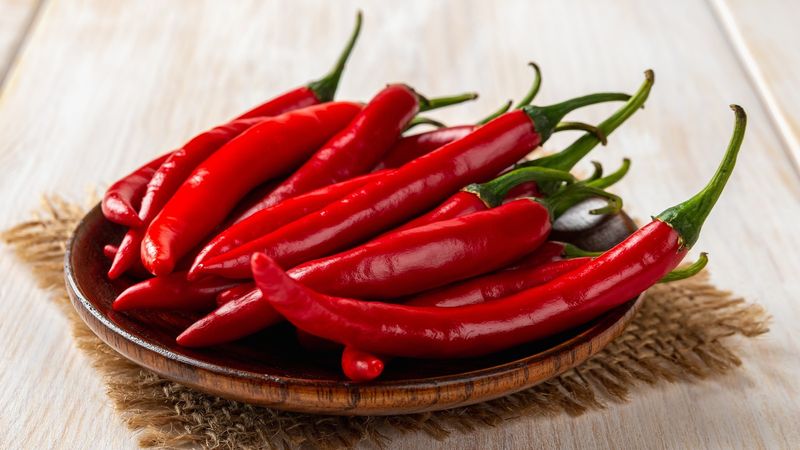
Feel the burn! Those spicy little troublemakers setting your mouth on fire are actually fruits. Chili peppers develop from flowers and contain seeds – the classic botanical definition of fruits, despite their culinary use as vegetables.
Capsaicin, the compound that creates their heat, evolved to deter mammals (who destroy seeds with their teeth) while attracting birds (who pass seeds intact). Humans are the only species that actually seeks out this painful sensation for pleasure!
12. Snap Peas
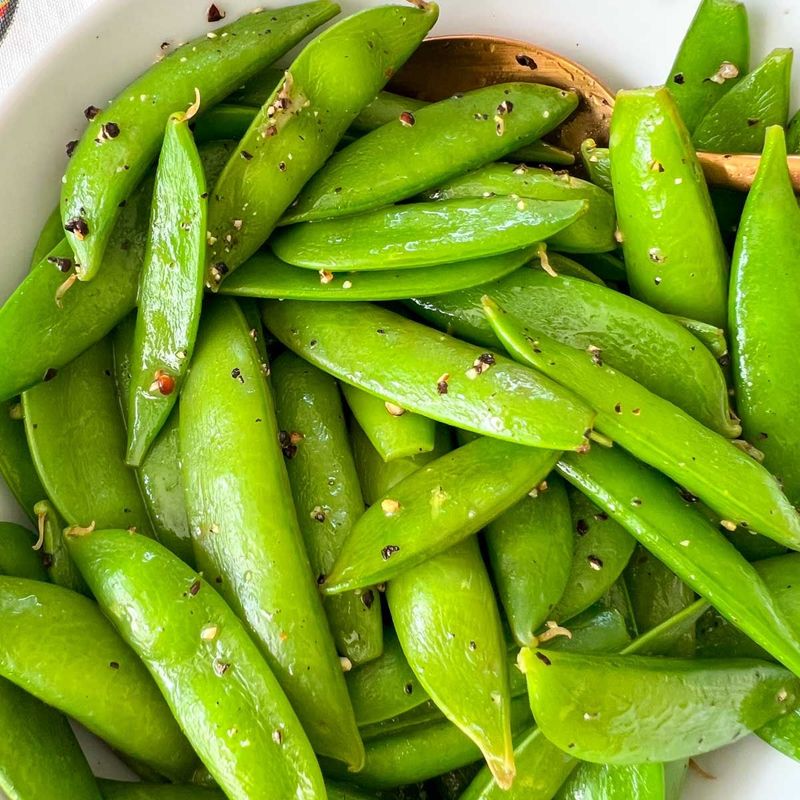
Those crisp, sweet pods that snap between your teeth are botanically fruits! Snap peas develop from the pea plant’s flower and contain seeds (the peas) inside – meeting the technical definition of fruits while masquerading as vegetables in stir-fries and salads.
Unlike their cousins that need shelling, snap peas are eaten pod and all. This convenience is relatively new – snap peas were developed in the 1970s by crossing snow peas with regular garden peas to get the best of both worlds.
13. Sweet Corn
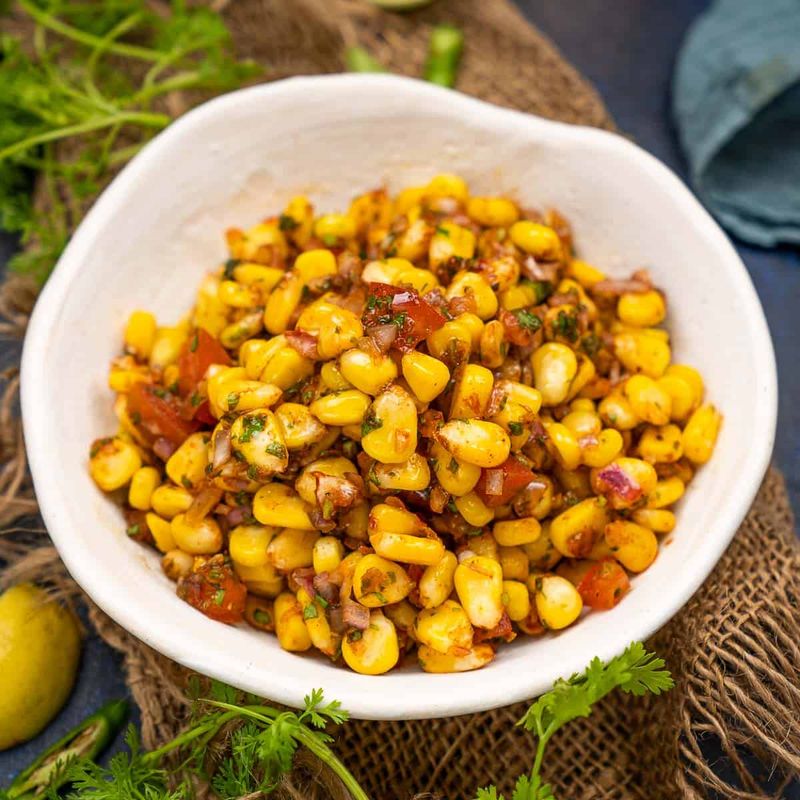
Those golden kernels at summer barbecues? Each one is technically a fruit! Sweet corn kernels develop from individual flowers on the corn cob and contain seeds – meeting the botanical definition of fruits, though we categorize corn as a grain vegetable.
An ear of corn always has an even number of rows, usually 16. Each kernel has a single silk thread attached to it – that’s why removing silk is such a tedious task before cooking this misidentified summer fruit!
14. Green Beans
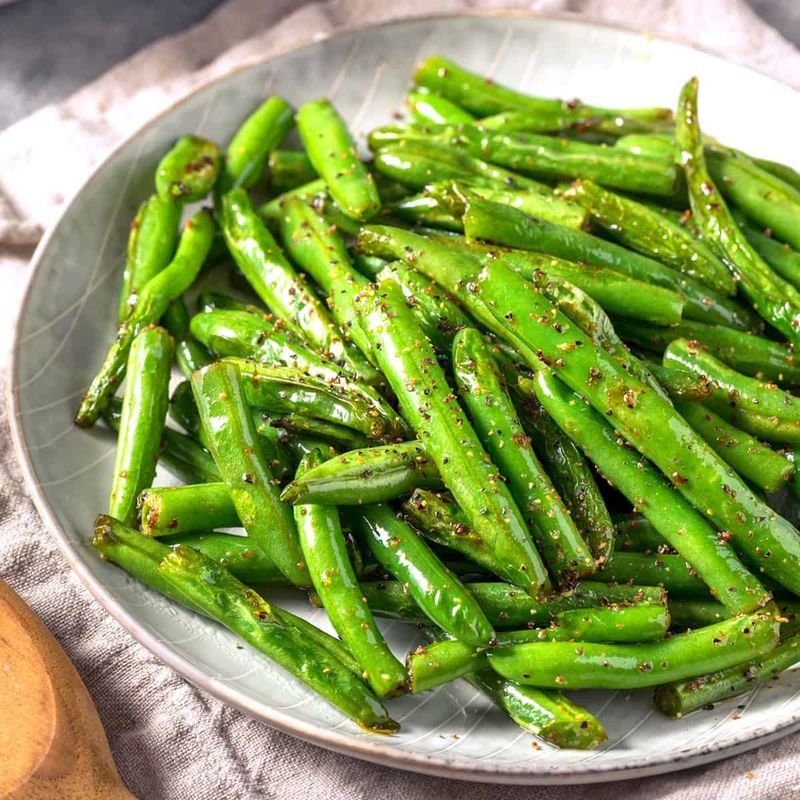
String beans, snap beans, French beans – whatever you call them, they’re all fruits! Green beans develop from the bean plant’s flower and contain seeds inside the pod, making them botanical fruits despite their vegetable reputation.
Green beans can be bush varieties (no support needed) or pole varieties (climbing up to 10 feet high). The world record for bean eating belongs to Ken Livingstone, who devoured 275 green beans in one minute – that’s a lot of misidentified fruit!
15. Tomatillos
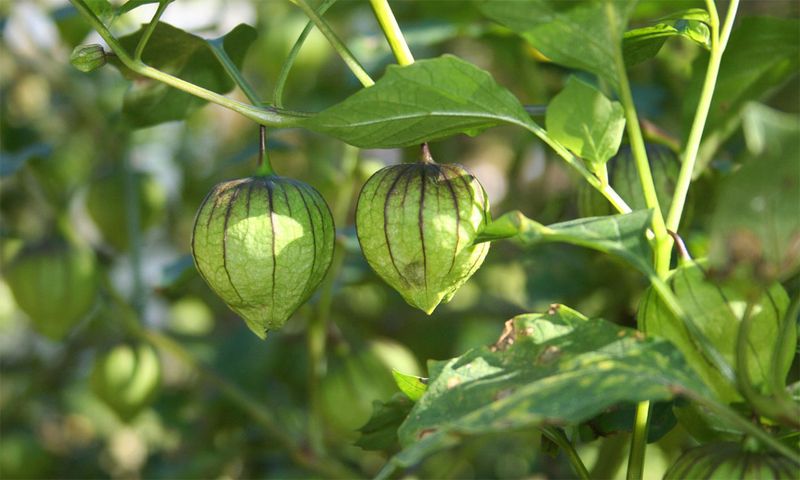
Mystery fruits in paper lanterns! Tomatillos grow inside papery husks that must be removed before eating. These sticky green fruits develop from the tomatillo flower and contain numerous tiny seeds – classic fruit characteristics despite their savory uses.
Unlike tomatoes that sweeten as they ripen, tomatillos taste tart when green and become even more acidic when they ripen to yellow. The sticky coating on their skin contains natural pest deterrents called withanolides, which wash off easily but protect the developing fruit.