15 Global Teas Everyone Loves + 5 Hidden Gems To Sip
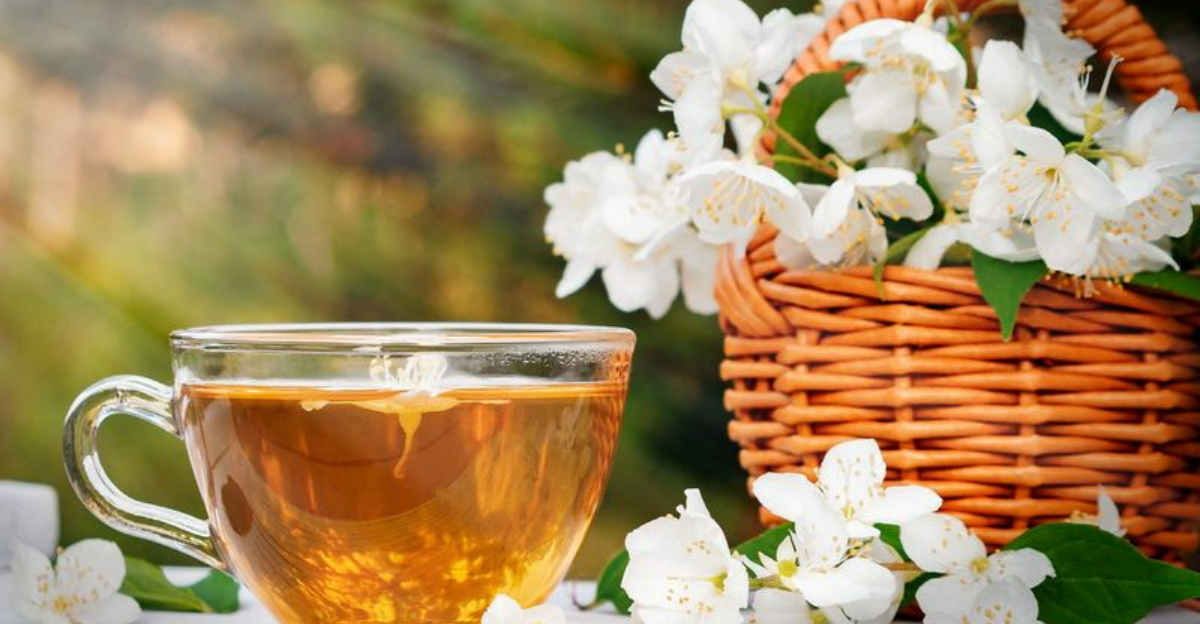
Tea is more than just a drink—it’s a warm hug, a quiet ritual, and a daily companion around the globe. From bustling markets to serene tearooms, tea brings people together with flavor, comfort, and tradition.
This list highlights 15 beloved international favorites, plus 5 lesser-known brews that deserve a moment in your cup.
Whether classic or curious, each tea is worth a taste of the world.
1. English Breakfast
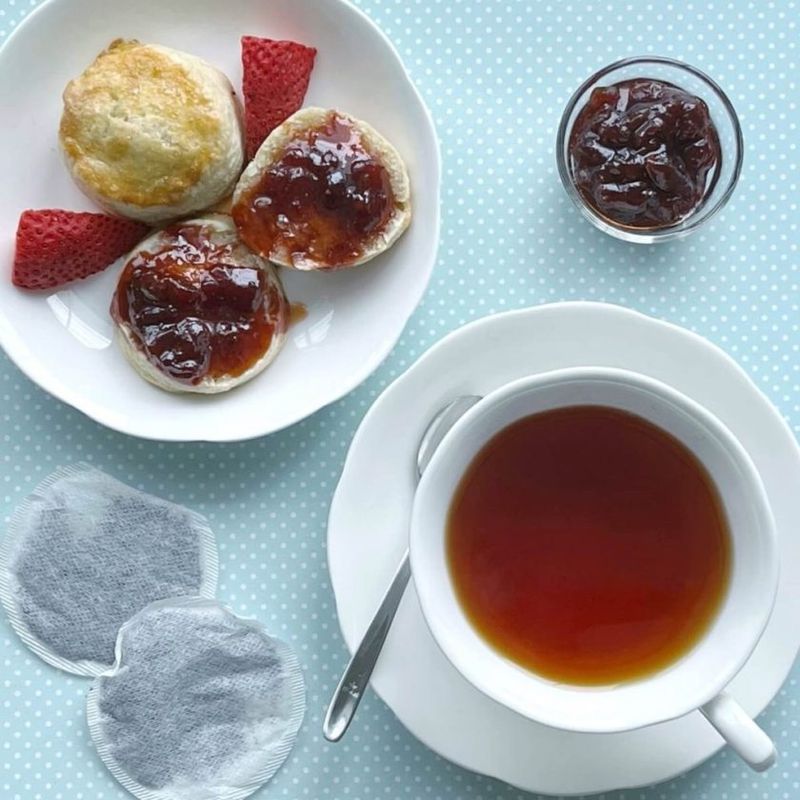
A bold blend of black teas, English Breakfast delivers a rich, malty flavor that pairs perfectly with milk and sugar. The briskness wakes up the palate, making it a beloved morning staple.
First popularized in 19th-century Britain, this strong tea has global appeal. It remains a go-to comfort brew in homes and hotels everywhere.
2. Masala Chai
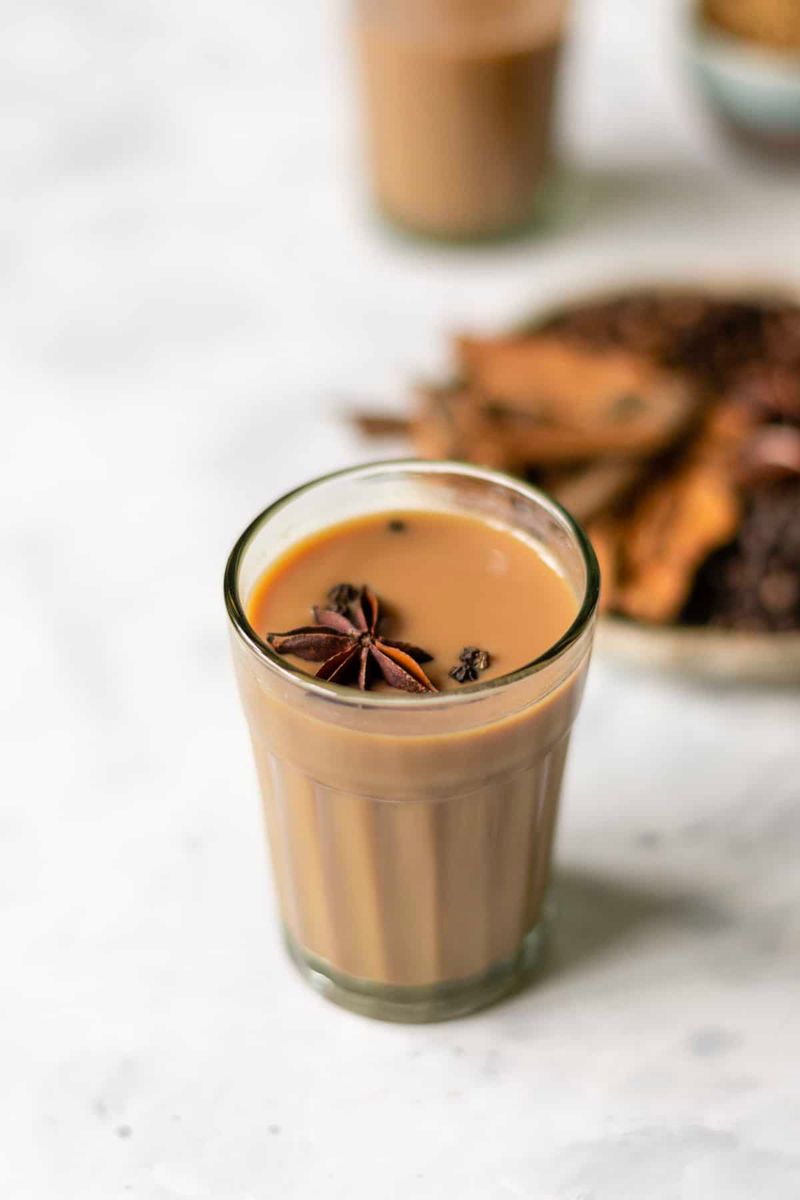
Spiced with cardamom, ginger, cinnamon, and cloves, masala chai blends bold black tea with warming, fragrant sweetness. Simmered in milk and sugar, it’s creamy and intense.
This Indian classic is more than a drink—it’s part of daily life, found on streets and in kitchens across the country.
3. Sencha
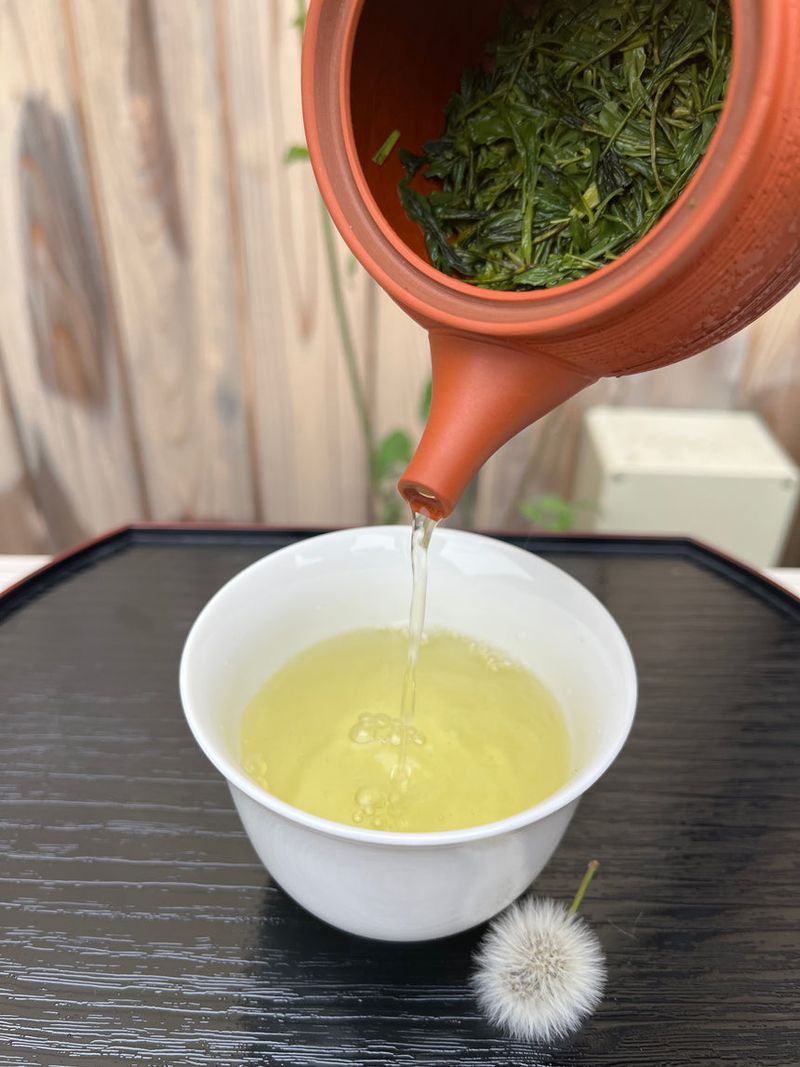
This bright green Japanese tea is grassy, clean, and a little astringent, with a refreshing snap in every sip. The leaves are steamed and rolled for maximum flavor.
Sencha is the most popular tea in Japan, often enjoyed after meals. Its fresh, vegetal profile is a hallmark of Japanese tea culture.
4. Jasmine Green Tea
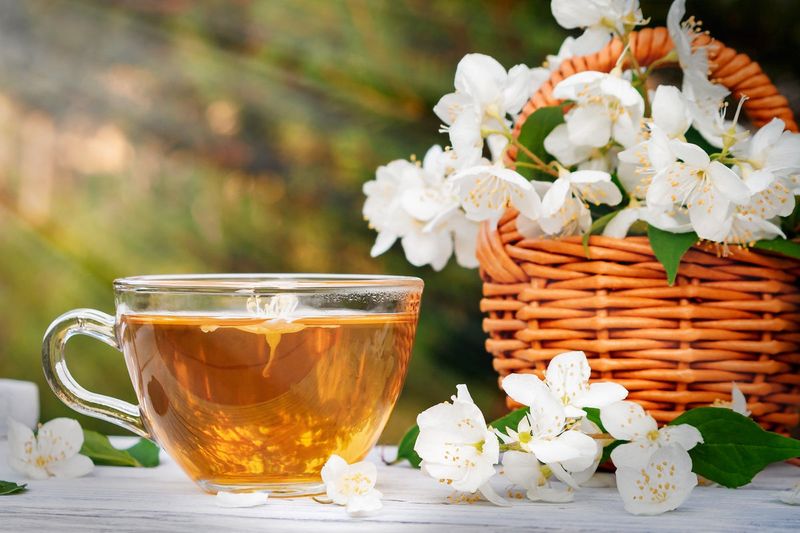
Green tea scented with jasmine blossoms creates a floral, soothing cup with a perfume-like aroma and silky finish. It balances sweetness with grassy depth.
Widely enjoyed across China and beyond, jasmine tea is often served in restaurants and ceremonies, offering elegance in every sip.
5. Moroccan Mint Tea
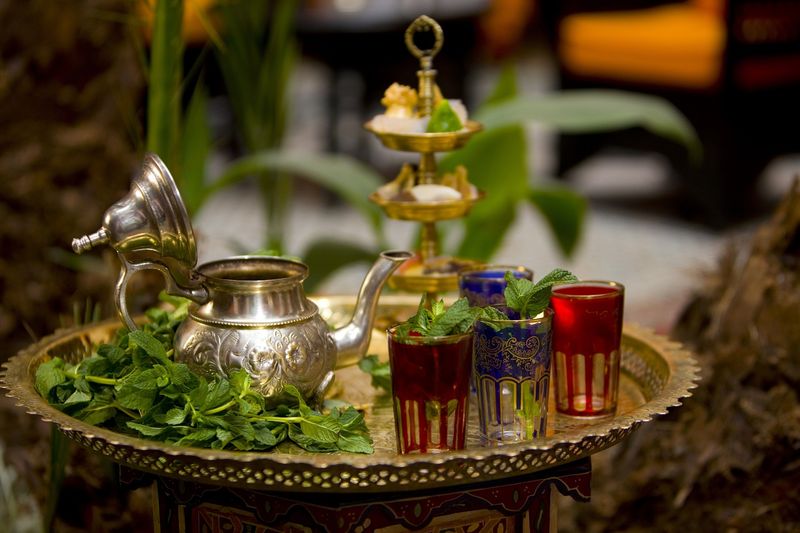
Gunpowder green tea blends with fresh mint and plenty of sugar to make this cooling, sweet beverage. The flavor is bold yet refreshing.
A symbol of hospitality in Morocco, it’s traditionally poured from high above the glass to create froth and aerate the drink.
6. Earl Grey
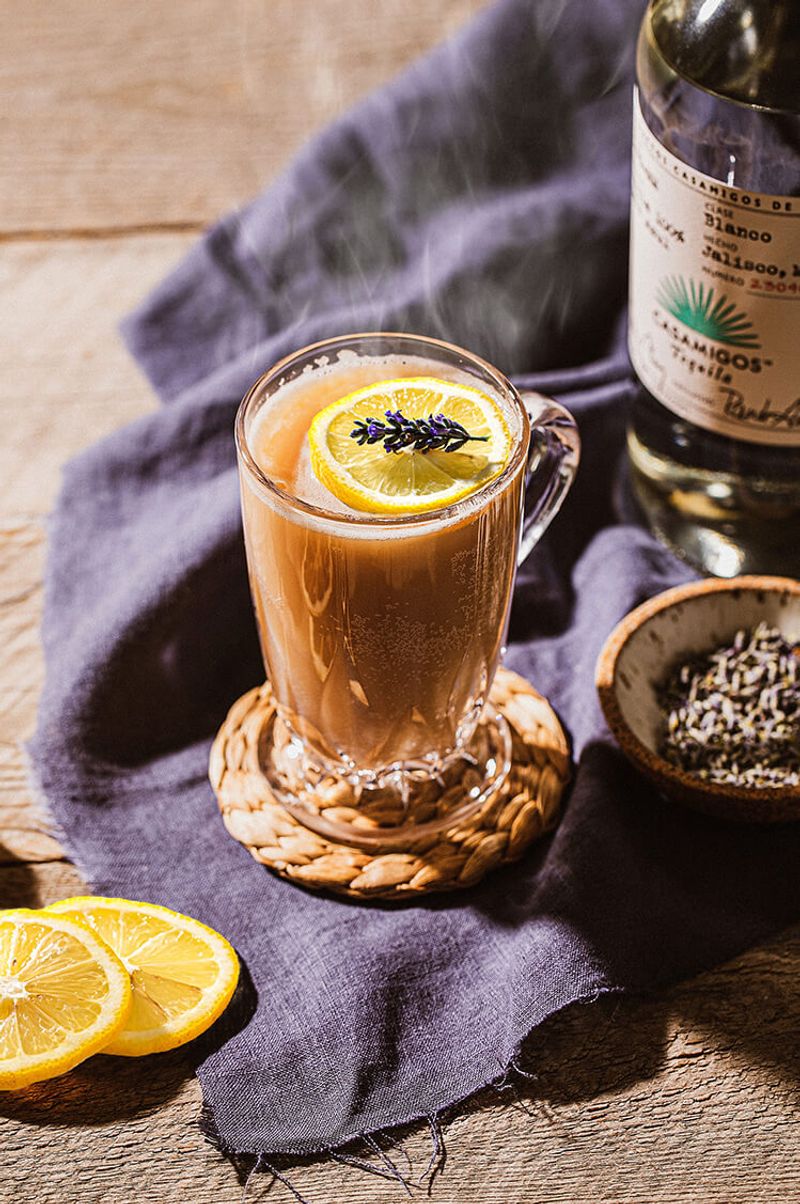
Black tea infused with bergamot oil gives Earl Grey its signature citrusy aroma and smooth finish. It’s bold, fragrant, and comforting.
Named after a 19th-century British Prime Minister, this tea has long been favored for afternoon sipping and stylish tea breaks.
7. Genmaicha
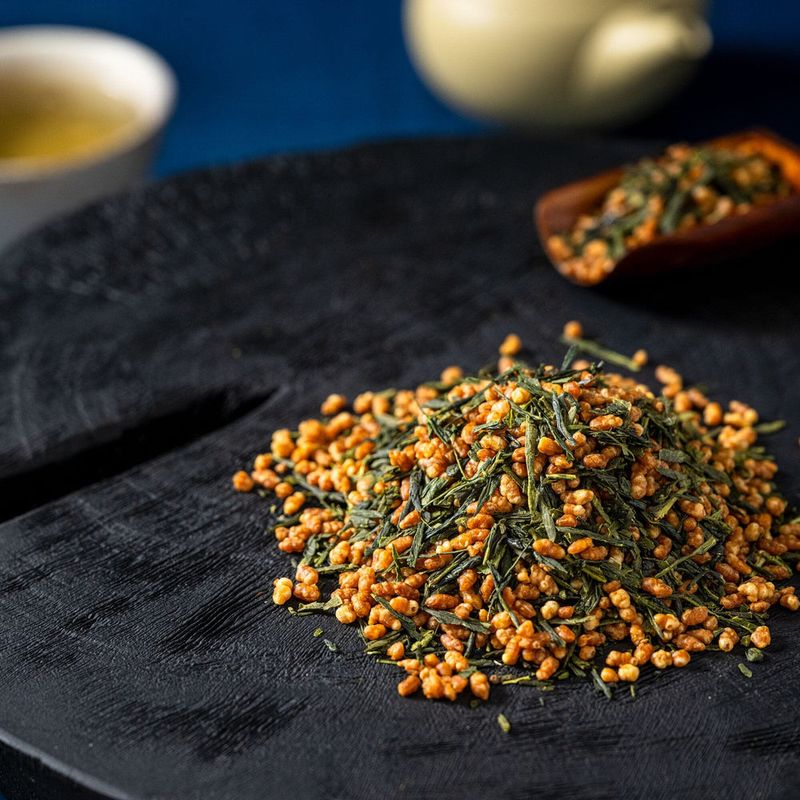
A blend of green tea and toasted rice, genmaicha offers a nutty, roasty flavor with mellow vegetal notes. The aroma recalls popcorn and warm cereal.
Once known as the “people’s tea” in Japan, it’s now loved for its cozy, savory taste and gentle caffeine kick.
8. Pu-erh Tea
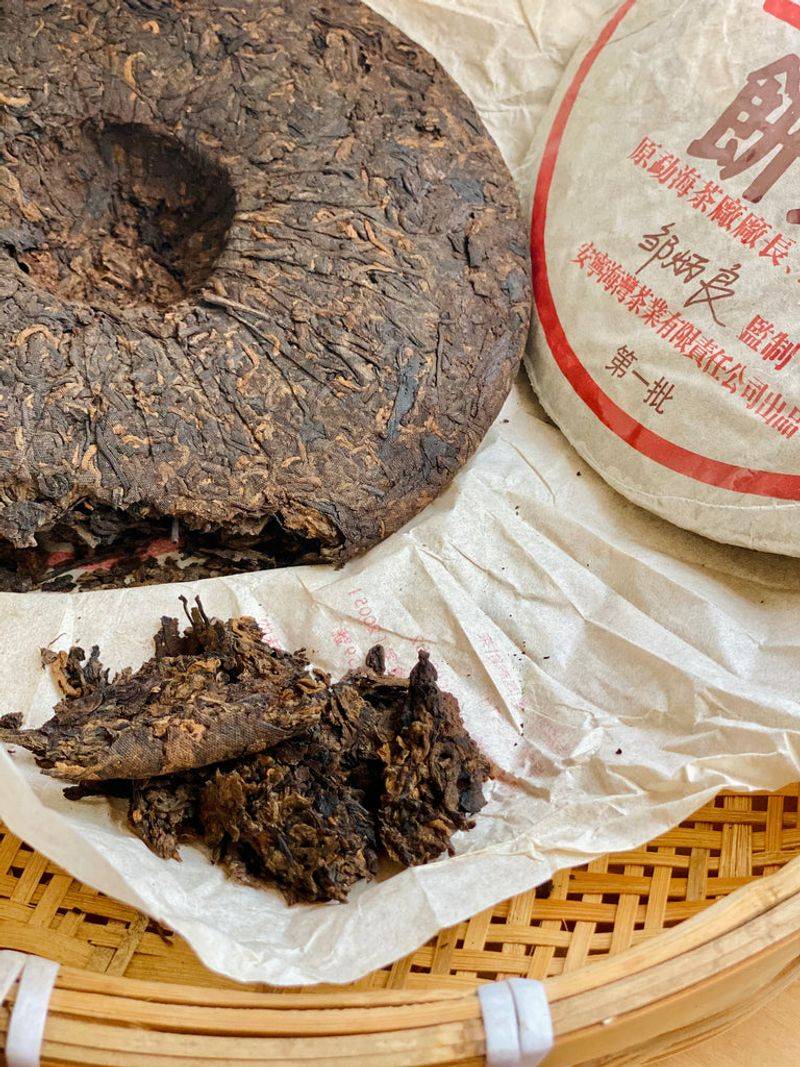
This fermented Chinese tea has deep, earthy tones with a rich, smooth body and a slightly musty aroma. It’s bold, grounding, and full-bodied.
Often aged for years, pu-erh is prized for its complexity and health benefits. It’s a tea for slow sipping and quiet moments.
9. Thai Iced Tea
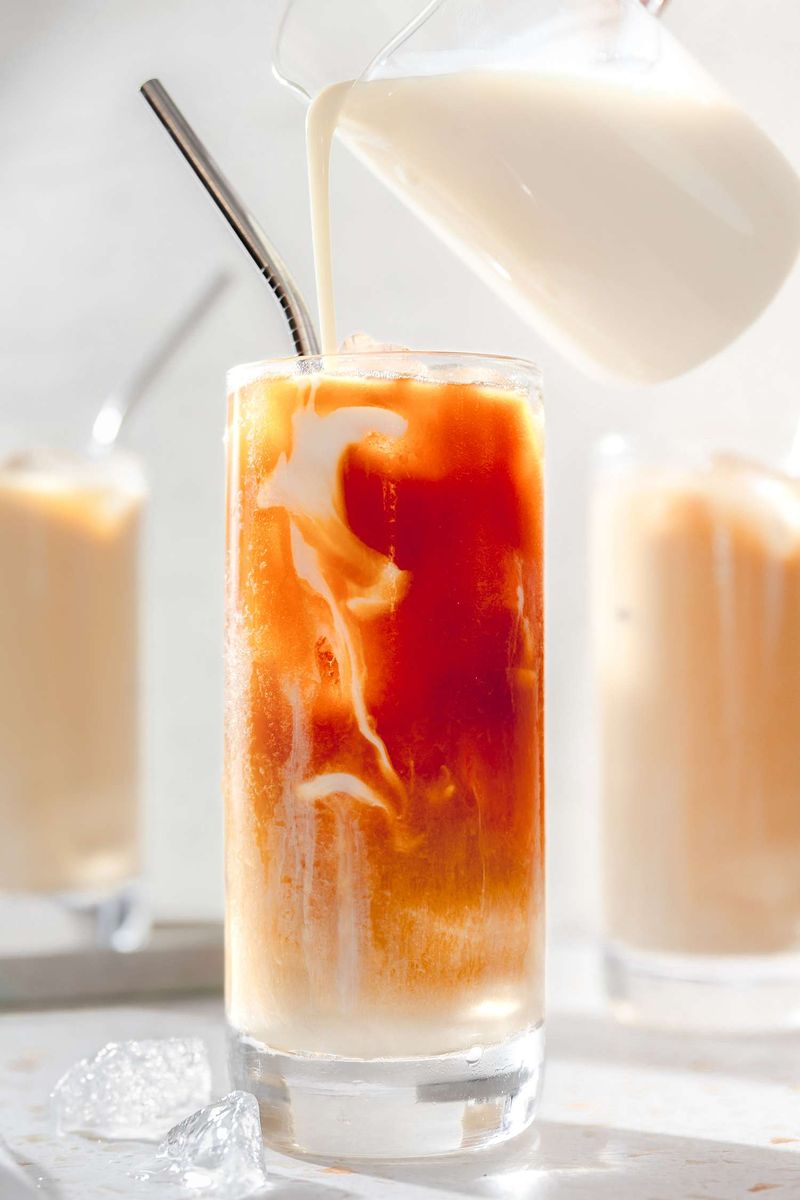
Strong black tea is brewed with spices and sweetened condensed milk, then served over ice for a rich, creamy treat. The color is bright orange.
Popular in Thai restaurants worldwide, this sweet tea is both a dessert and a drink—perfectly indulgent on hot days.
10. Turkish Rize Tea
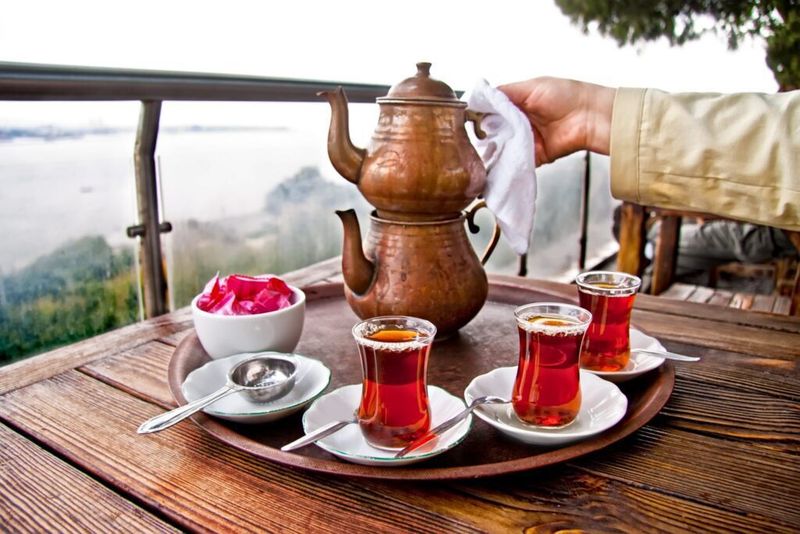
Brewed strong and served in tulip-shaped glasses, Turkish tea is black, robust, and served with sugar but never milk. It’s sharp and brisk.
Drunk throughout the day, it fuels conversations and hospitality across Turkey, often accompanied by small sweets or savory snacks.
11. Rooibos

This red herbal tea from South Africa is caffeine-free with a naturally sweet, nutty flavor and smooth finish. Its color is deep amber.
Popular as a soothing evening drink, rooibos is rich in antioxidants and often blended with vanilla or fruit for extra warmth.
12. Oolong Tea
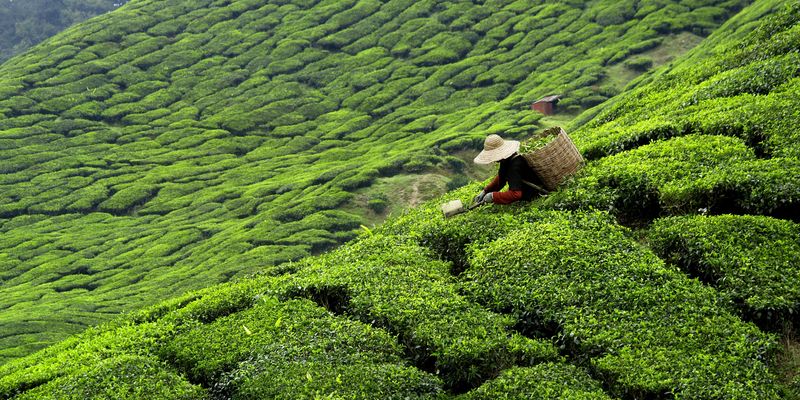
Partially oxidized, oolong sits between green and black tea with floral, toasty, or creamy notes depending on the variety. The texture is silky and smooth.
A staple in Taiwanese and Chinese tea culture, oolong is often served in small pots and enjoyed over long, thoughtful pours.
13. Yerba Mate
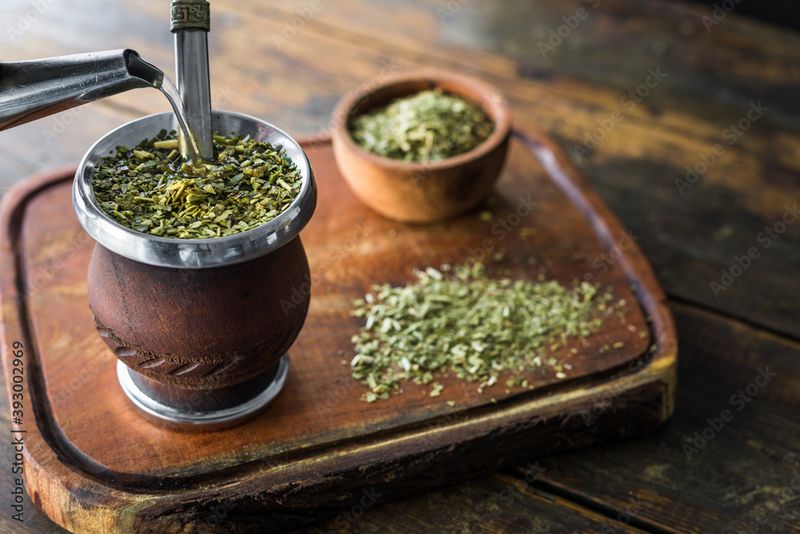
Brewed from dried leaves of the South American holly plant, yerba mate has a grassy, bitter taste and energizing effect. It’s strong and earthy.
Shared from a gourd with a metal straw, mate is both drink and ritual, especially in Argentina, Uruguay, and Paraguay.
14. Chrysanthemum Tea
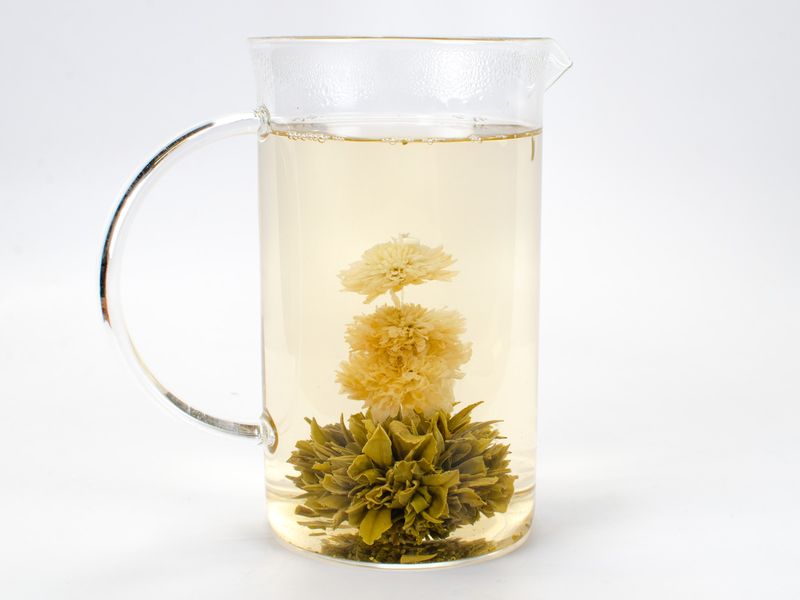
This caffeine-free tea is made from dried chrysanthemum flowers, with a light floral taste and subtle sweetness. It’s pale and calming.
Common in Chinese cuisine, it’s often served alongside dim sum or meals to cool the body and aid digestion.
15. Matcha
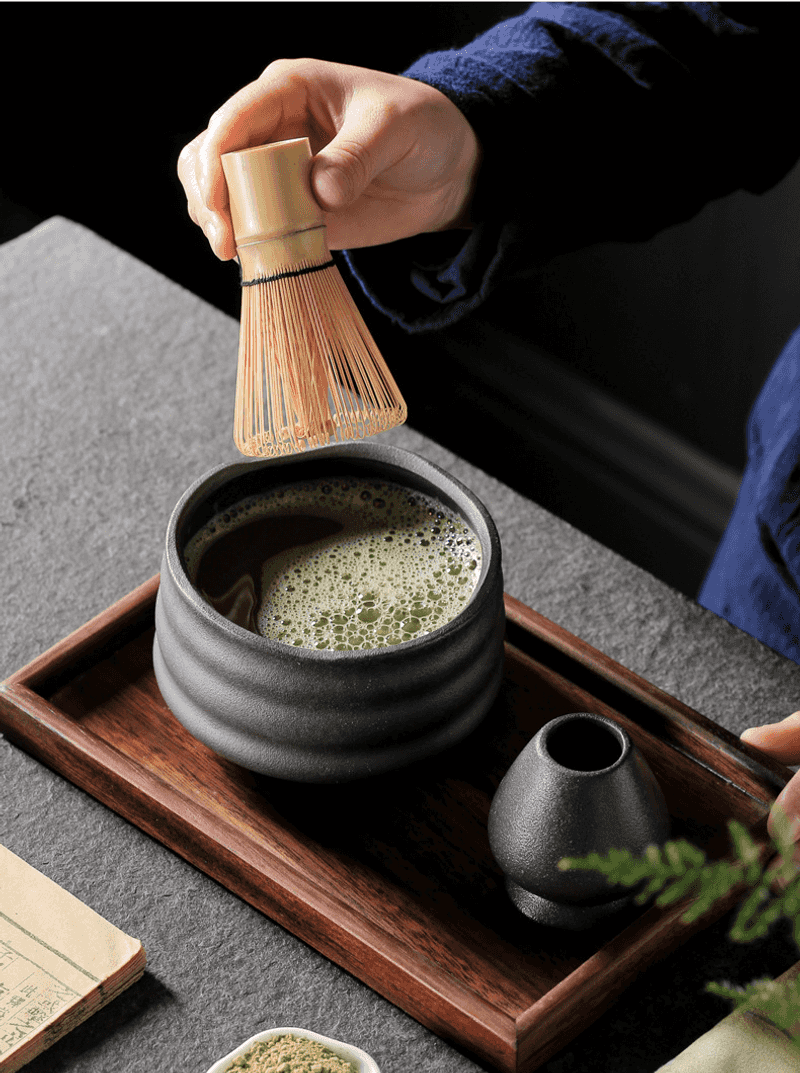
Ground green tea leaves create a vibrant, creamy brew that’s grassy, rich, and slightly bitter. It’s whisked into frothy perfection.
Used in Japanese tea ceremonies and modern lattes alike, matcha brings bold flavor and a healthy dose of calm energy.
16. Tibetan Butter Tea
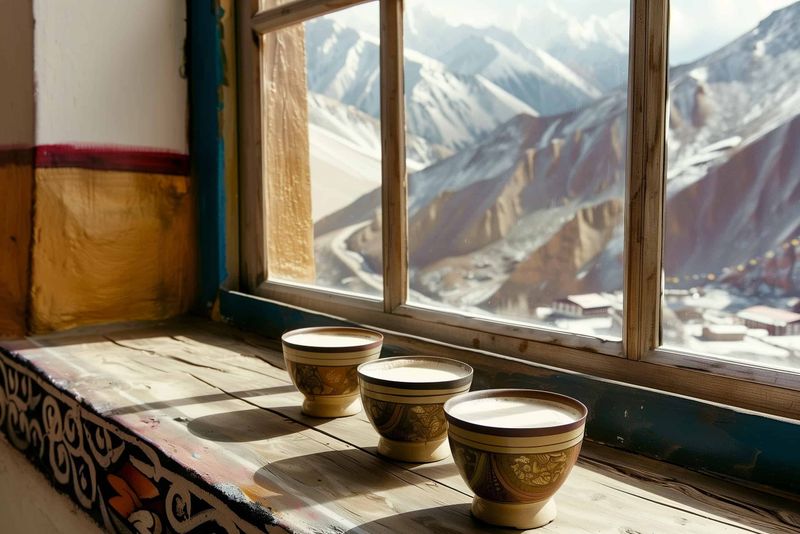
Black tea churned with yak butter and salt makes this rich, savory brew. It’s oily, warming, and unlike any other tea.
Vital in the cold mountain regions of Tibet, butter tea provides warmth and sustenance, more soup than snack.
17. Korean Corn Tea
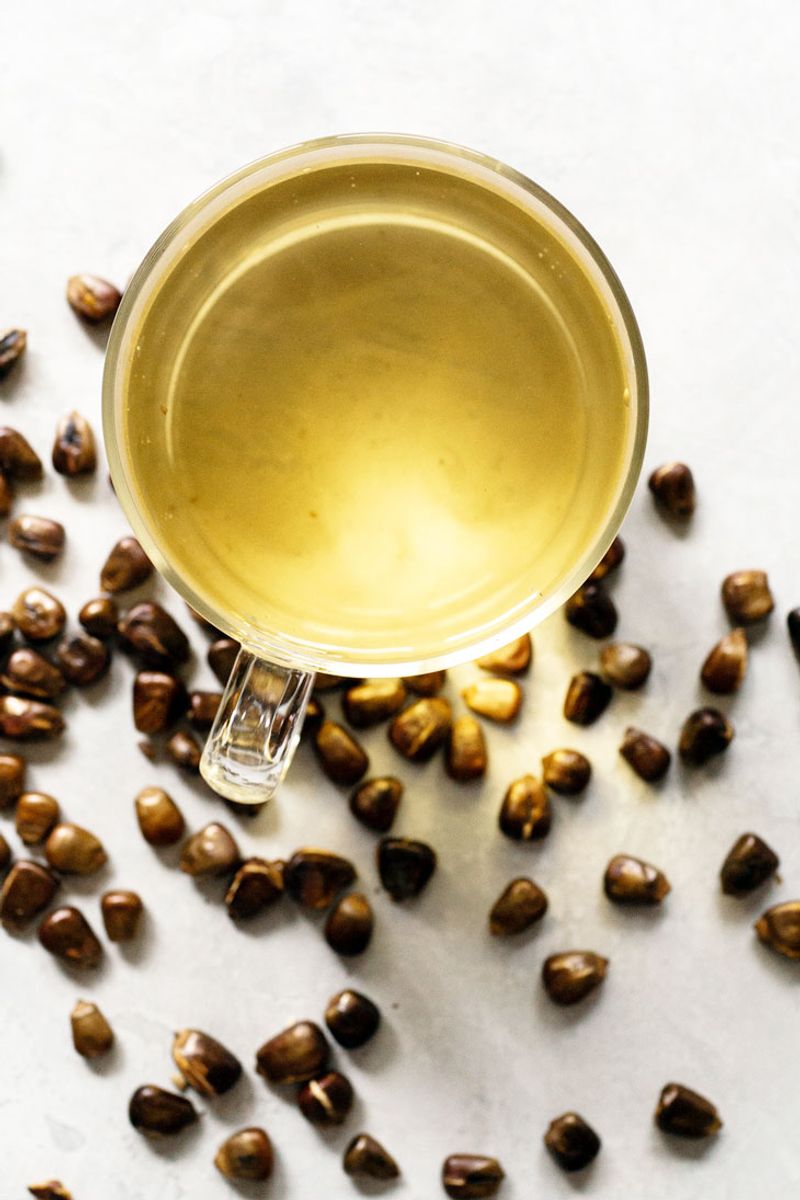
Roasted corn kernels are brewed into a toasty, naturally sweet infusion with a golden hue and popcorn-like aroma. It’s light and caffeine-free.
Enjoyed hot or cold, this tea is a staple in Korean households, often served with meals or as an all-day sipper.
18. Olive Leaf Tea
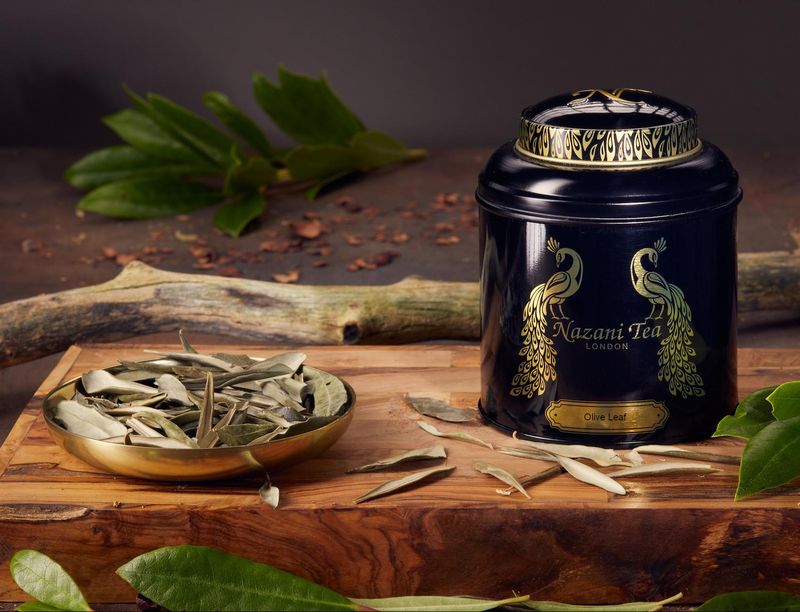
Brewed from dried olive leaves, this tea offers a mild, grassy flavor with faint floral notes and a slightly bitter finish. It’s gentle and herbal.
Known for its health benefits, olive leaf tea is gaining popularity in Mediterranean wellness traditions as a calming, antioxidant-rich brew.
19. Taiwanese Bubble Tea (Traditional Brew)
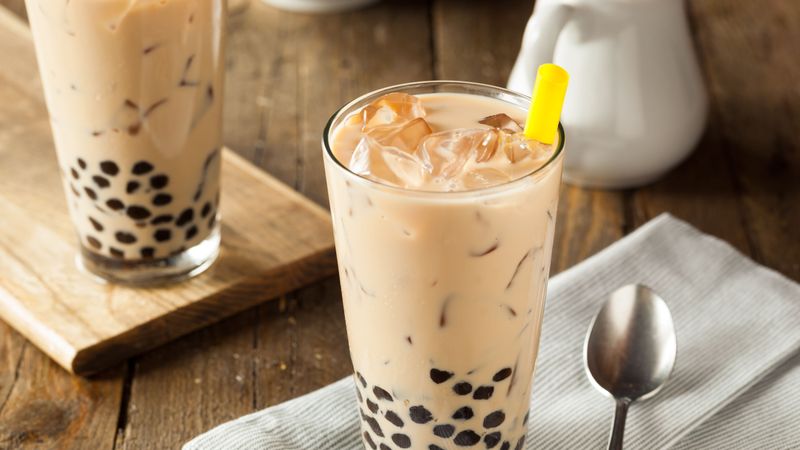
Strong black or green tea is shaken with milk and sweetener, then poured over chewy tapioca pearls. It’s fun, creamy, and rich.
Born in Taiwan in the 1980s, bubble tea exploded globally. The traditional brew remains a playful balance of tea culture and innovation.
20. Indonesian Teh Talua
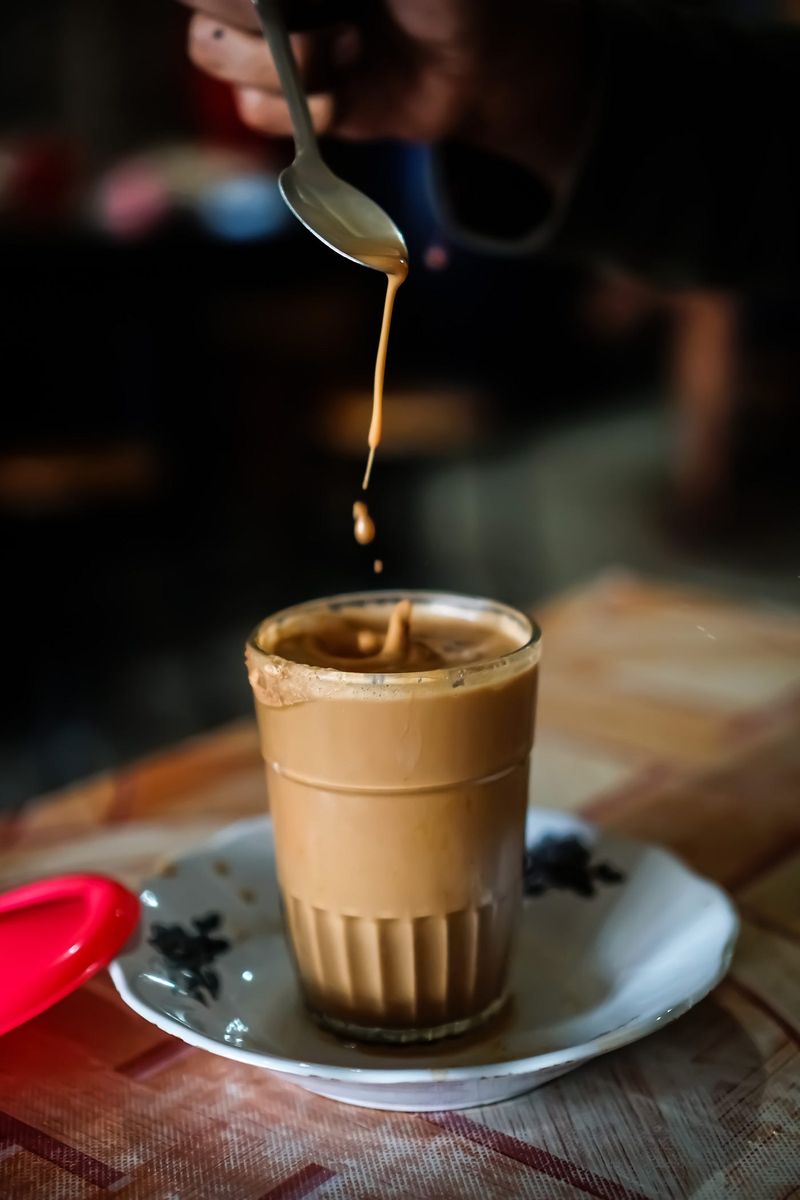
This Padang specialty mixes strong black tea with egg yolk, sugar, and lime juice for a thick, frothy texture and sweet-citrus flavor. It’s bold and creamy.
Popular in West Sumatra, it’s an unusual but beloved drink—warming, filling, and layered with richness and tradition.