20 Popular Foods That Were Originally Made For Something Else Entirely
Ever wonder how some of your favorite foods came to be? Many of the treats we enjoy today weren’t actually created for the purposes we now use them for.
Get ready for some mind-blowing food facts about everyday items that took an unexpected detour to your dinner plate!
1. Corn Flakes: The Anti-Sin Breakfast
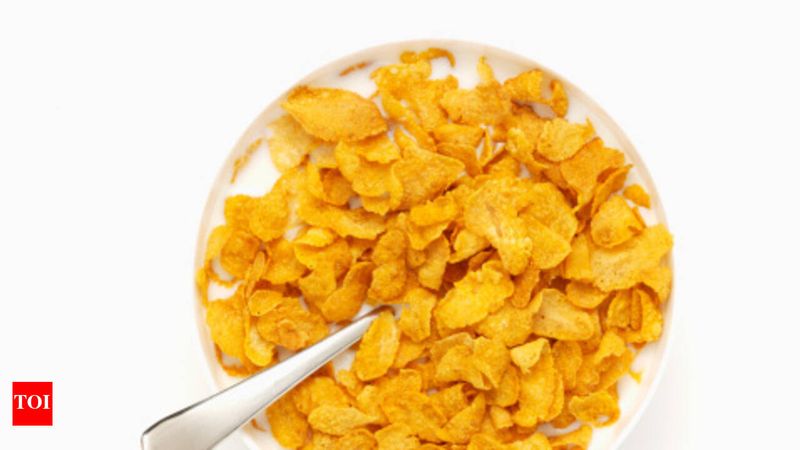
Dr. John Harvey Kellogg, a strict Seventh-day Adventist, created these bland flakes in 1894 as part of a plain diet he believed would reduce sinful urges and behaviors.
The original recipe was even more tasteless than today’s version – deliberately so! His brother Will later added sugar, much to John’s disapproval, creating the commercial success we know today.
2. Chocolate Chip Cookies: A Happy Accident
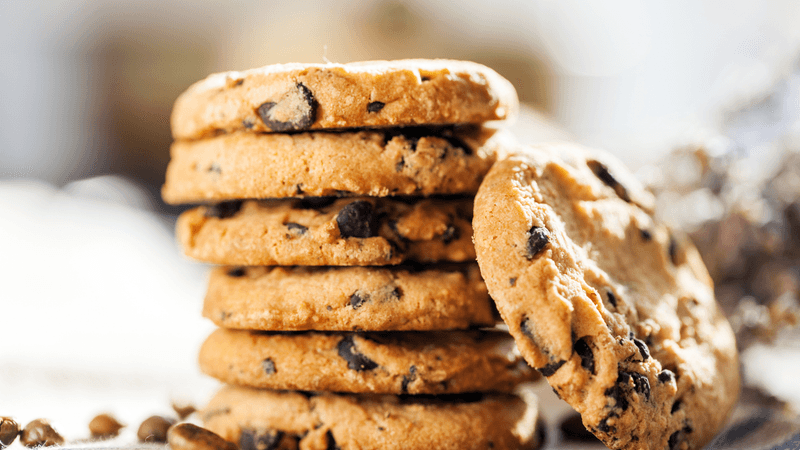
Ruth Wakefield, owner of the Toll House Inn, was making chocolate cookies when she ran out of baker’s chocolate. In a pinch, she chopped up a Nestlé chocolate bar, expecting it to melt completely into the dough.
Surprise! The chocolate chunks remained intact, creating spots of melty goodness. Her accidental creation in 1938 became an instant hit with guests, eventually leading to her recipe appearing on Nestlé packaging.
3. Popsicles: A Kid’s Frozen Mistake
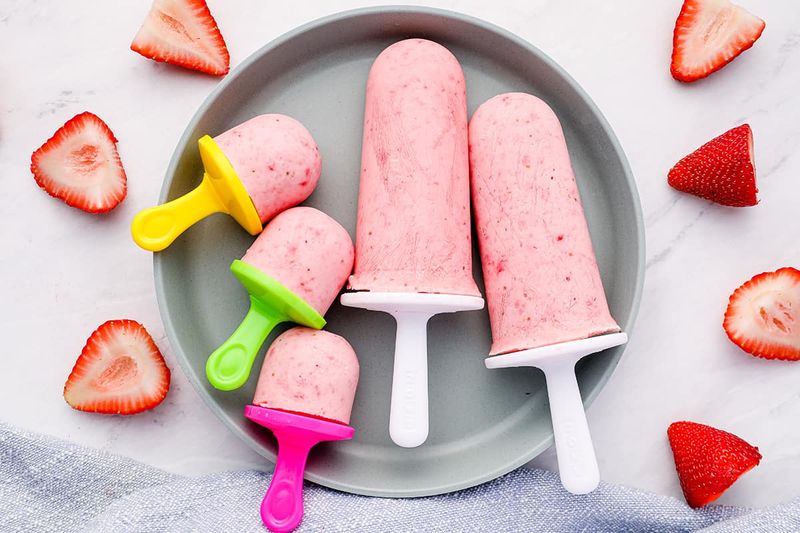
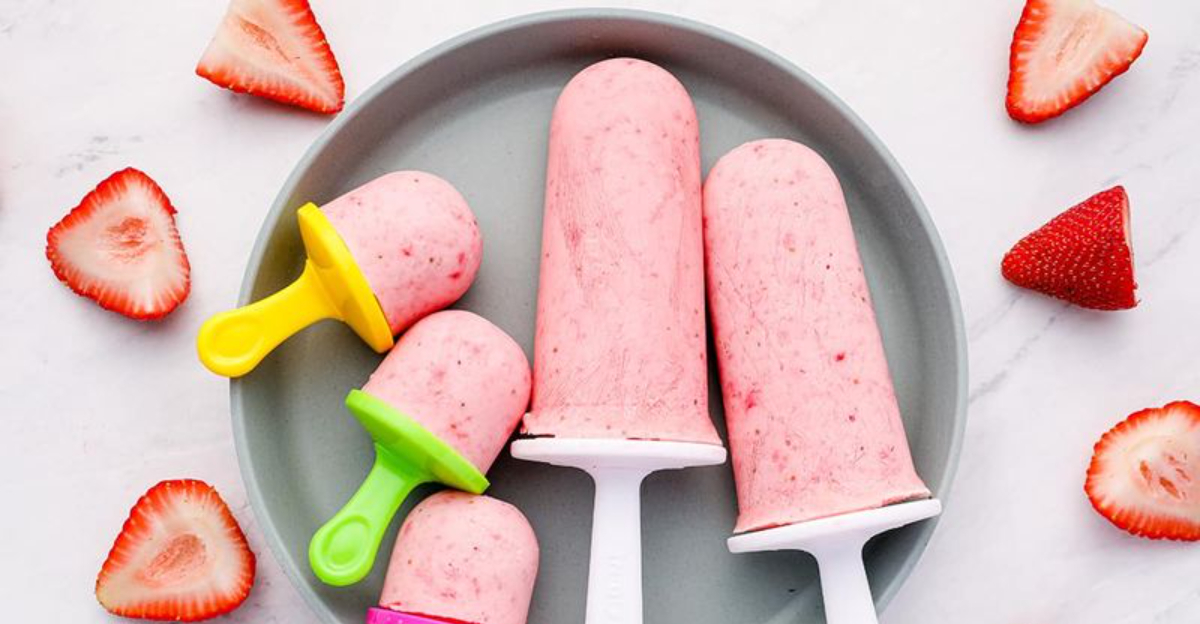
An 11-year-old boy named Frank Epperson accidentally invented popsicles in 1905 when he left a cup of powdered soda and water with a stirring stick on his porch overnight during freezing weather.
Frank discovered his mistake the next morning – a frozen treat on a stick! He initially called it the “Epsicle” and began selling them at an amusement park. Years later, his kids renamed it “Pop’s sicle,” which evolved into popsicle.
4. Potato Chips: Revenge Served Crispy
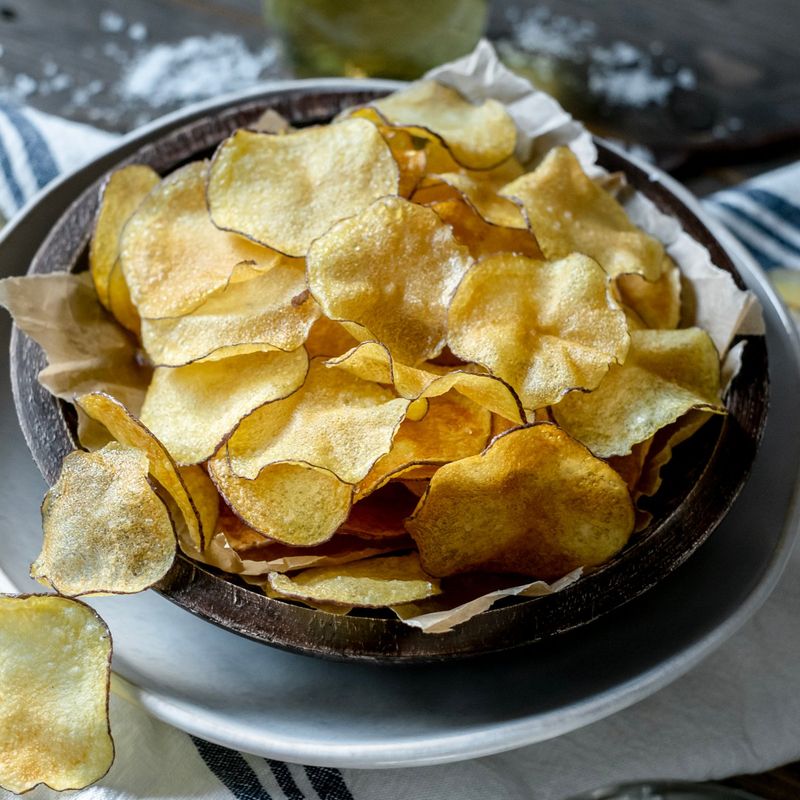
In 1853, chef George Crum was dealing with an extremely picky customer who kept sending back his fried potatoes, complaining they were too thick and soggy. Frustrated, Crum sliced potatoes paper-thin and fried them to a crisp, hoping to annoy the patron.
Plot twist! The customer loved the crunchy creation, and soon everyone was requesting Crum’s “Saratoga Chips.” His attempt at culinary revenge backfired into one of America’s favorite snacks!
5. Worcestershire Sauce: Failed Indian Condiment
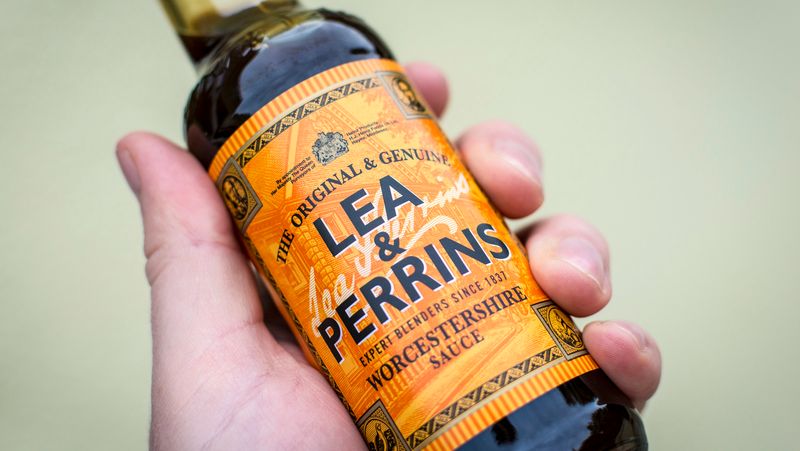
Two chemists, John Lea and William Perrins, tried recreating a popular Indian sauce for a nobleman returning from colonial India in the 1830s. The result was awful – so terrible they abandoned it in a cellar barrel.
Months later, they rediscovered their forgotten experiment. Fermentation had transformed the nasty mixture into something delicious! The accidental aging process created the complex, savory flavor we now know as Worcestershire sauce.
6. Champagne: The Wine Mistake

Monk Dom Pérignon wasn’t trying to create bubbly when he made champagne. French winemakers actually considered bubbles a terrible flaw in wine production!
The cold winters in the Champagne region would halt fermentation, which would restart in spring, creating carbon dioxide bubbles. Initially seen as a regional failure, this “mistake” was eventually embraced and refined into the celebratory drink we toast with today.
7. Yogurt: Ancient Preservation Method
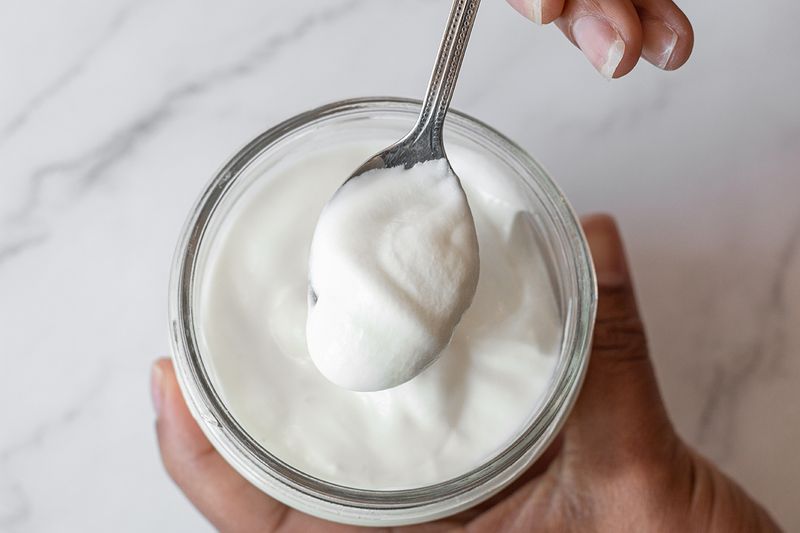
Long before refrigeration, nomadic tribes in Central Asia discovered that milk carried in animal-skin bags would curdle into a tangy, preserved food. This wasn’t meant as a health food or breakfast treat – it was simple survival.
The natural bacteria in the bags combined with the warm temperature created fermentation. This happy accident extended milk’s shelf life for these traveling peoples, creating what we now recognize as yogurt.
8. Tater Tots: Recycled Potato Scraps
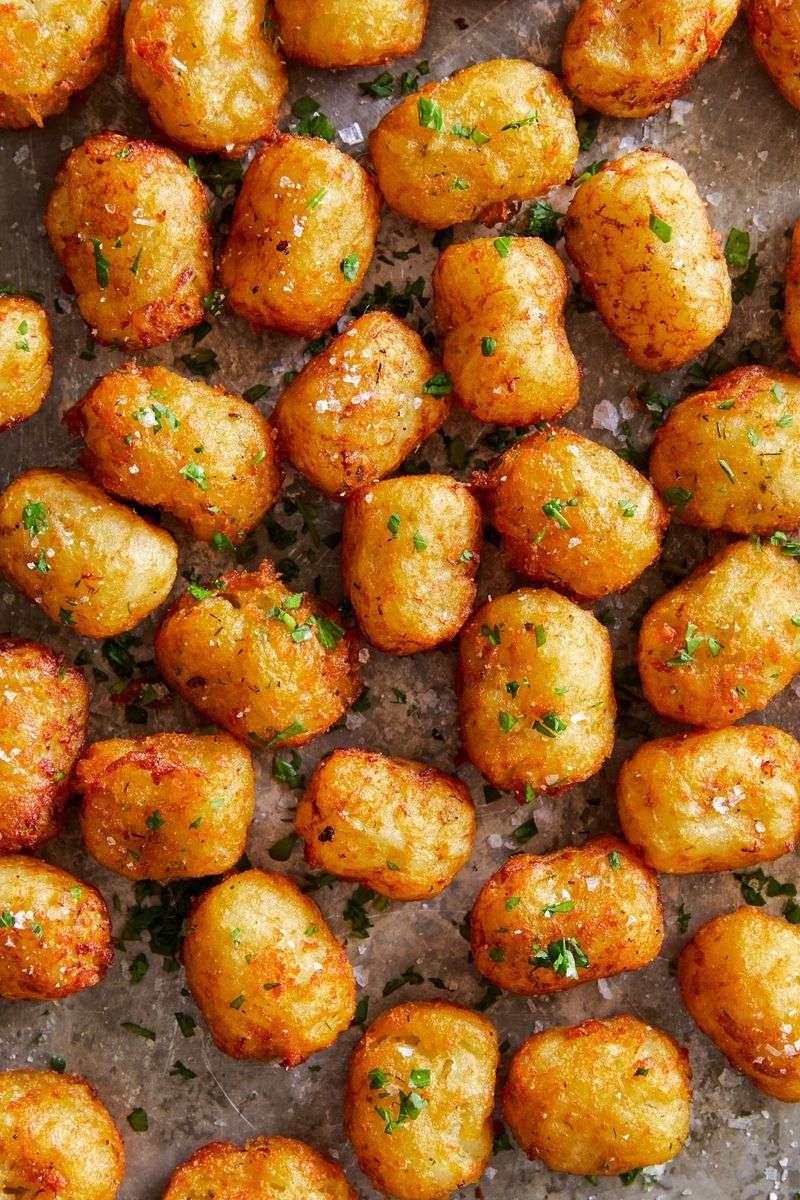
Ore-Ida founders F. Nephi and Golden Grigg had a problem: what to do with all the potato slivers left over from making frozen french fries. These scraps were perfectly good potatoes – just awkwardly shaped.
Rather than waste them, the brothers chopped the pieces, added flour and seasoning, and pushed the mixture through extrusion dies. The cylinder-shaped potato bites were an immediate hit when introduced in 1953, turning factory waste into a beloved side dish.
9. Ice Cream Cones: World’s Fair Solution
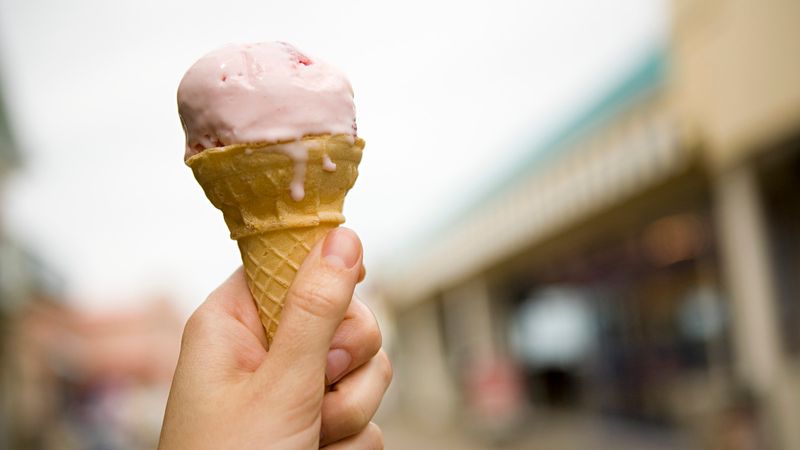
At the 1904 St. Louis World’s Fair, an ice cream vendor ran out of dishes. Nearby, Ernest Hamwi was selling a crisp, waffle-like Persian pastry called zalabia that wasn’t selling well in the summer heat.
When the ice cream seller borrowed some of Hamwi’s waffles and rolled them into cones, a perfect partnership was born! This improvised solution to a shortage created one of the most iconic dessert pairings in history.
10. Cheese Puffs: Animal Feed Machinery Test
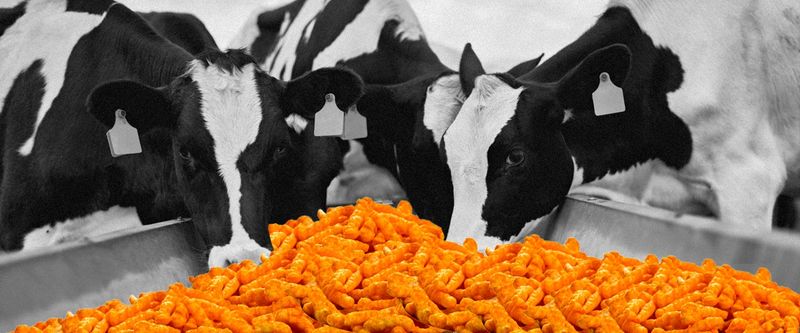
In the 1930s, a flaked corn feed company called the Flakall Corporation was testing a machine designed to crush grain for animal feed. To clean the machine between uses, they ran moistened corn through it.
The heat and pressure transformed the corn into puffy ribbons that hardened when exposed to air. An employee took these curious corn puffs home, seasoned them, and discovered they were delicious! Soon after, Cheetos and similar snacks were born.
11. Graham Crackers: Anti-Desire Biscuits
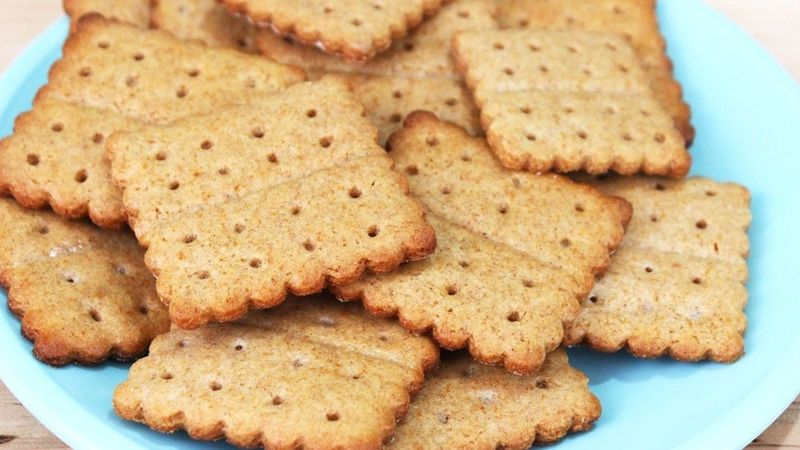
Similar to corn flakes, graham crackers were invented by Reverend Sylvester Graham in the 1830s as part of a diet to suppress carnal urges. The original crackers were bland, unsweetened whole wheat biscuits – nothing like today’s honey-sweetened versions.
Graham believed that rich, flavorful foods increased lustful thoughts. His followers, called Grahamites, embraced these plain crackers as part of a lifestyle meant to promote physical and spiritual purity.
12. Sandwich: Gambling Nobleman’s Quick Meal
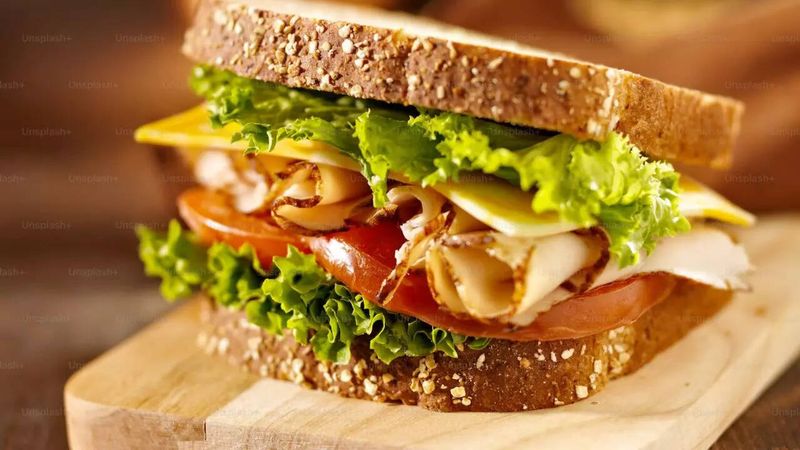
The sandwich wasn’t invented as convenient lunch food but as a solution for an aristocrat who didn’t want to leave the gambling table! John Montagu, the 4th Earl of Sandwich, was such a dedicated gambler that he asked for meat between bread slices.
This allowed him to eat without utensils or leaving his cards. Other players began requesting “the same as Sandwich,” giving birth to one of the world’s most versatile food formats around 1762.
13. Coca-Cola: Failed Headache Remedy
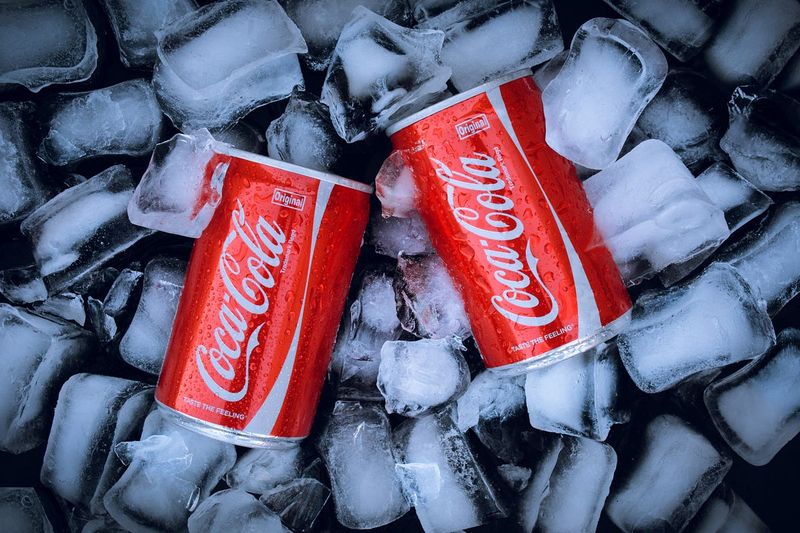
Pharmacist John Pemberton created Coca-Cola in 1886 as a medicinal syrup to relieve headaches and other common ailments. The original formula contained coca leaves (yes, related to cocaine) and kola nuts for caffeine.
When mixed with carbonated water at a local pharmacy, customers found it refreshingly tasty rather than medicinal. Soon people were drinking it for pleasure rather than health benefits, transforming a pharmacy concoction into America’s iconic soft drink.
14. Pink Lemonade: Circus Water Mishap
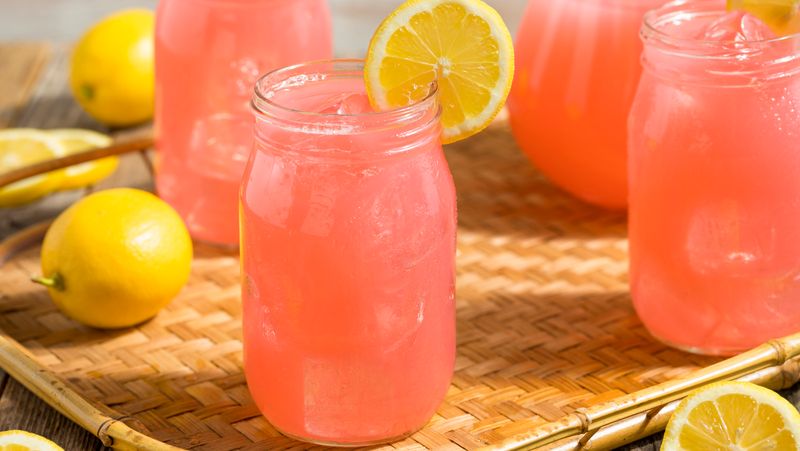
The most colorful origin story claims pink lemonade was born at the circus in 1857 when performer Pete Conklin ran out of water for lemonade. In a pinch, he grabbed a tub of water that a performer had used to wash her pink tights in!
The resulting pink-tinted lemonade sold much better than the regular version. While modern pink lemonade uses safer coloring methods, this carnival creation shows how accidental innovation can change a classic.
15. Nachos: Last-Minute Restaurant Snack
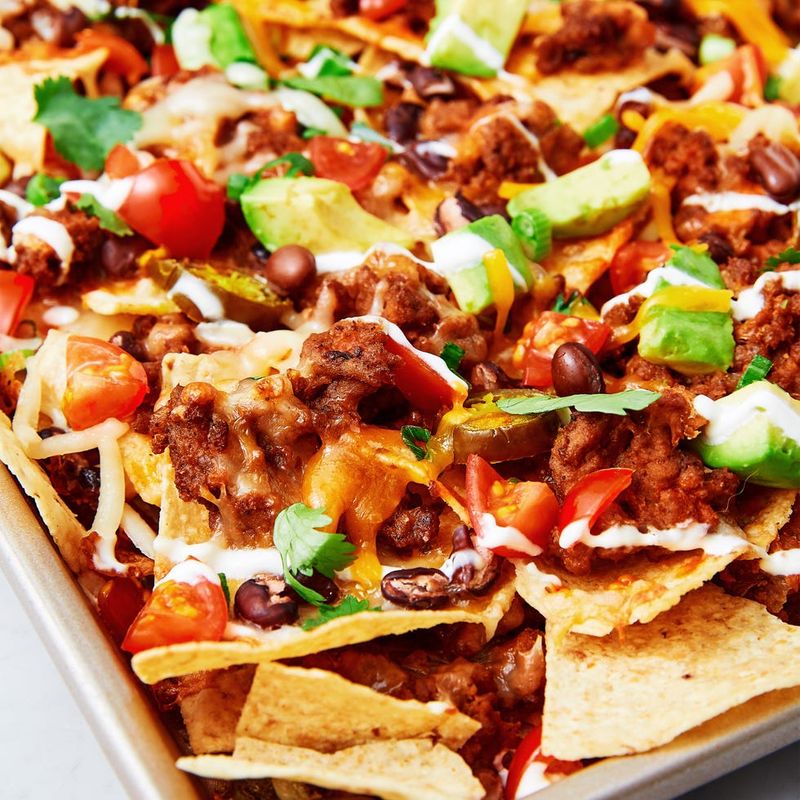
In 1943, a group of military wives from a nearby base crossed into Mexico for shopping and arrived at a restaurant after it had closed. The maître d’, Ignacio “Nacho” Anaya, needed to serve something with the limited ingredients available.
He quickly threw together fried tortilla triangles topped with melted cheese and jalapeño slices. His improvised dish, which he called “Nacho’s especiales,” was a hit that spread throughout Texas and beyond.
16. Tofu: Accidental Bean Curdling
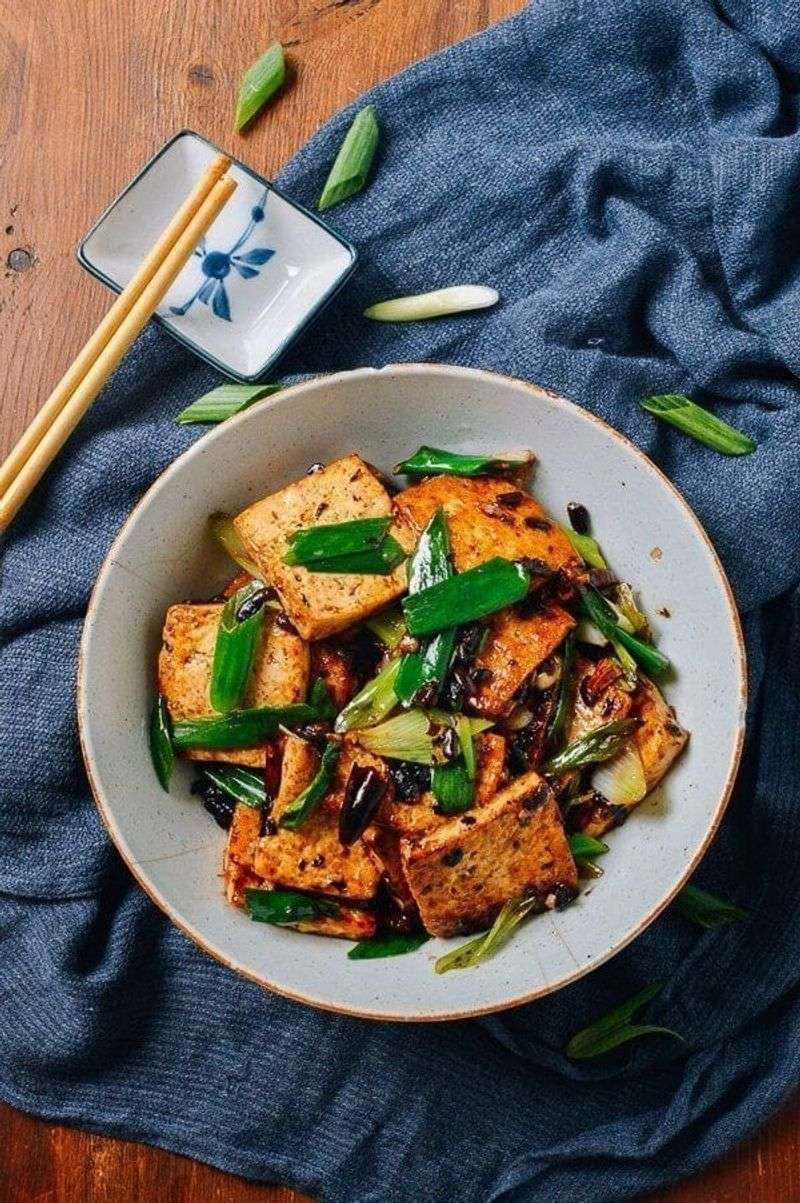
Legend has it that tofu was discovered over 2,000 years ago when a Chinese cook accidentally dropped nigari (sea salt) into a pot of soybean milk. The mixture curdled into white blocks – similar to how cheese is made.
Rather than throwing away the curdled mess, the cook tasted it and found it had a pleasant, subtle flavor. This accident created a protein-rich food that would become a staple throughout East Asia.
17. Popsicle Sticks: Medical Tongue Depressors
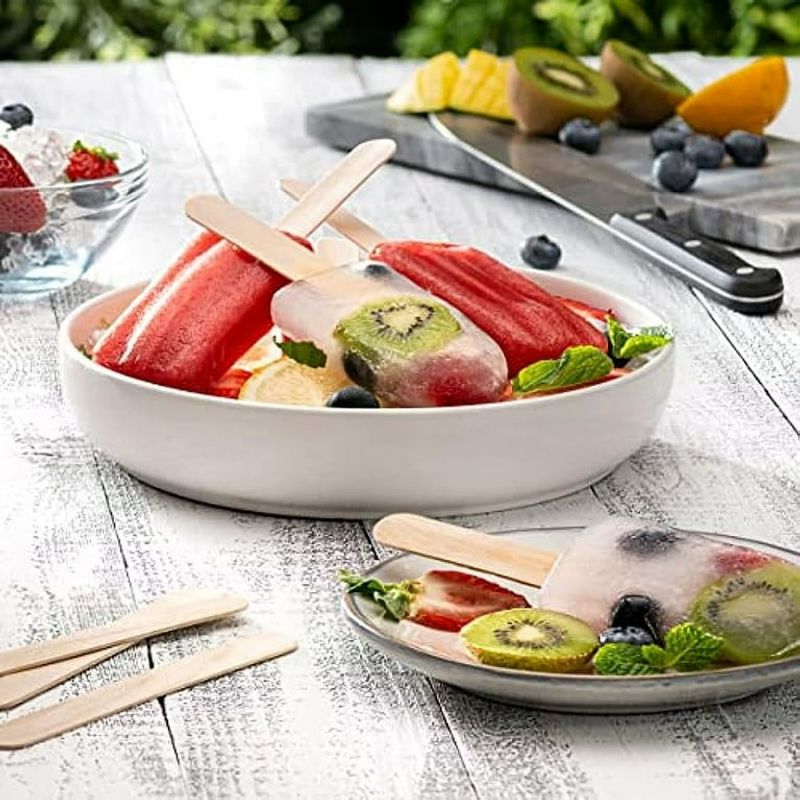
Those wooden sticks holding your frozen treats were originally designed for doctors! In the early 1900s, they were manufactured as medical tongue depressors to help doctors examine patients’ throats.
When Frank Epperson was commercializing his frozen Epsicle invention, he needed something to hold the treat. The readily available tongue depressors were perfect for the job, creating the iconic popsicle-on-a-stick design that remains unchanged to this day.
18. Slurpees: Broken Soda Fountain Accident
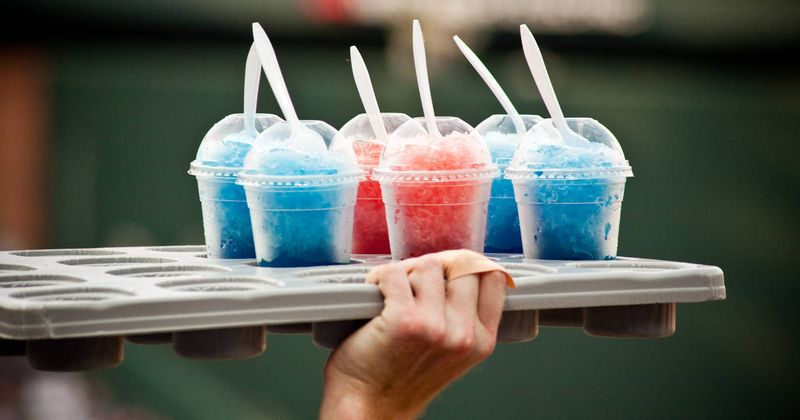
Omar Knedlik, owner of a Dairy Queen in Kansas, had a soda fountain break down in the late 1950s. He started keeping bottles of soda in his freezer to keep them cold, but they would partially freeze before serving.
Customers loved these slushy sodas so much they specifically requested the “frozen” drinks. Knedlik eventually developed a machine to create this effect consistently, which 7-Eleven later licensed and renamed the “Slurpee.”
19. Brandy: Wine Transportation Solution
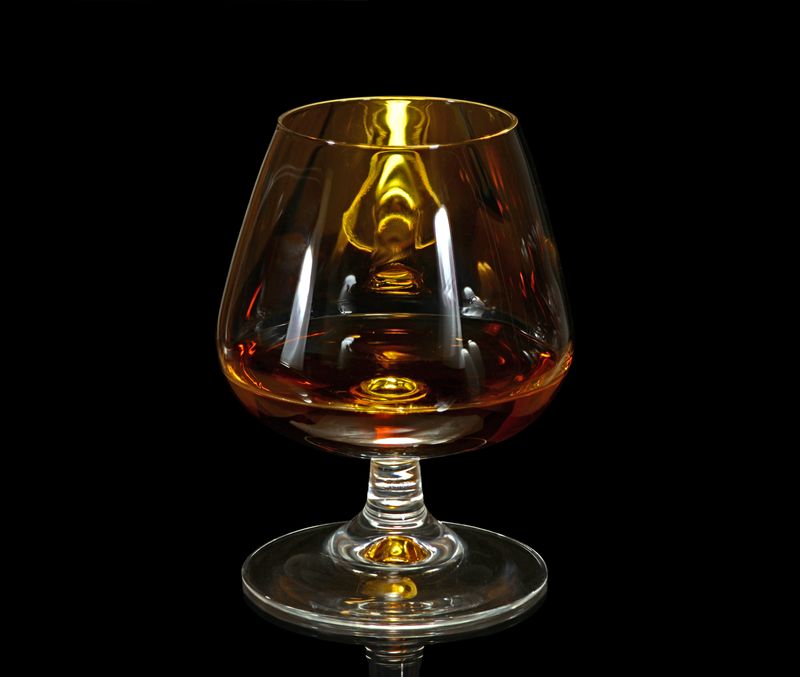
Medieval wine merchants had a problem: shipping wine long distances often resulted in spoilage. Their solution was to remove the water by distilling the wine, creating a concentrated liquid that could travel without spoiling.
The plan was to add water back upon arrival, recreating the wine. But people discovered they enjoyed the concentrated spirit on its own! The name “brandy” comes from the Dutch “brandewijn” meaning “burned wine,” referring to the distillation process.
20. Kombucha: Ancient Medicine
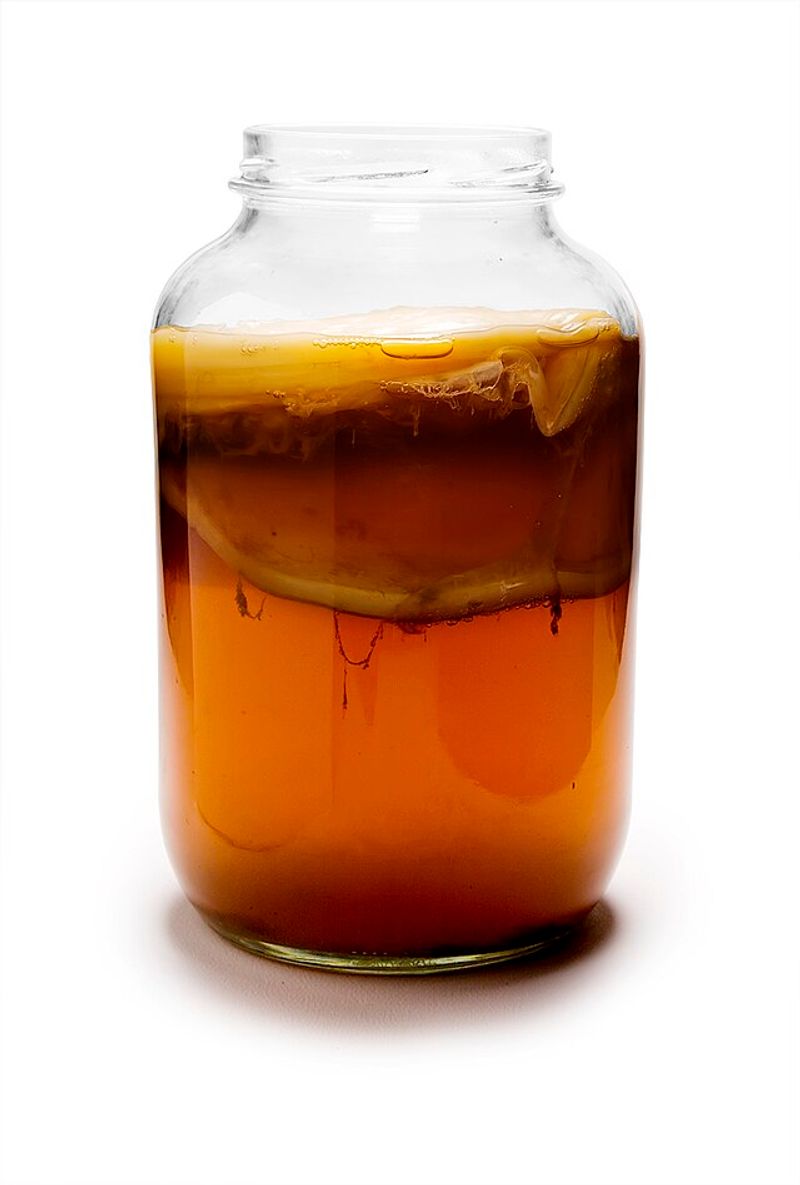
This trendy fermented tea drink wasn’t created for hipster cafés! Kombucha originated in Northeast China around 220 B.C. as a revered medicinal elixir, not a mainstream beverage.
Known as the “Tea of Immortality,” it was valued for supposed healing properties and consumed primarily for medicinal purposes. The fizzy, tangy drink made its way to health food stores before recently exploding in popularity as a daily beverage option.