
16 Food Facts You Learned In School That Are No Longer True
Remember those food facts drilled into your head during health class? Well, science keeps moving forward, and many of those “facts” have been debunked or seriously revised.
What we once accepted as nutritional gospel has changed dramatically as researchers discover more about how our bodies actually process food. Let’s set the record straight on some of these outdated food myths that may still be influencing your eating habits today.
1. Eggs Are Bad For Your Heart

Eggs were once nutritional villains, condemned for their cholesterol content and supposedly clogging arteries nationwide. Modern research tells a completely different story!
Scientists now understand that dietary cholesterol has minimal impact on blood cholesterol levels for most people. Eggs actually contain high-quality protein, essential vitamins, and nutrients like choline that support brain health.
2. Fat Makes You Fat
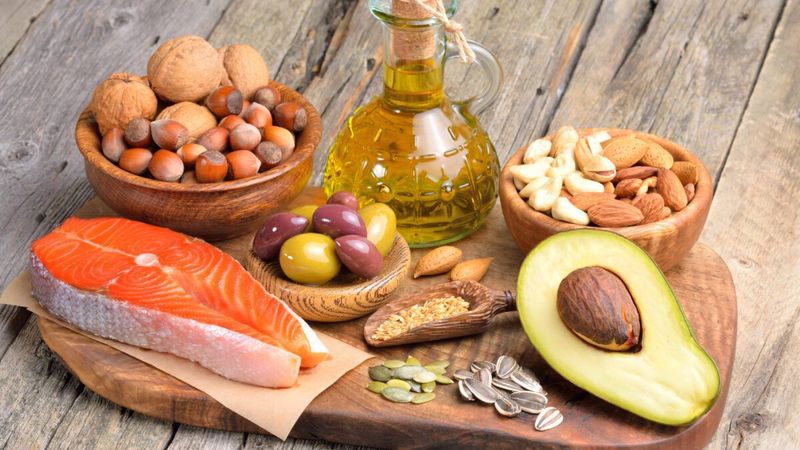
Radical low-fat diets dominated the 80s and 90s, convincing everyone that eating fat automatically translated to body fat. What actually happened? We replaced fats with processed carbs and sugar, sending obesity rates soaring.
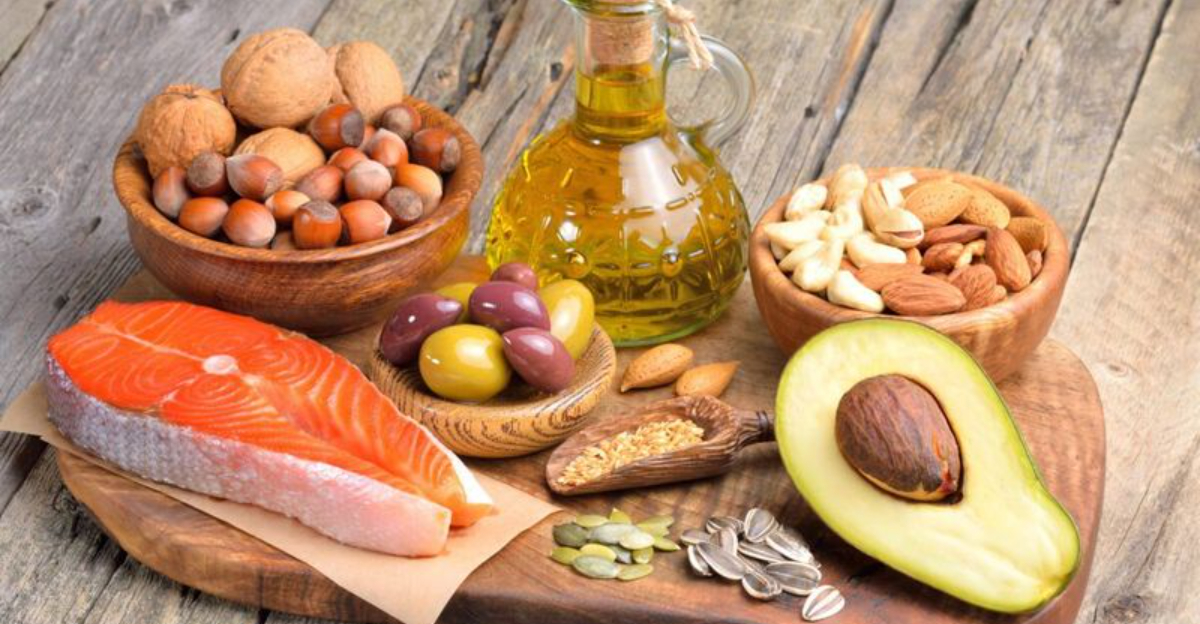
Healthy fats are essential for hormone production, brain function, and absorbing fat-soluble vitamins. Your body needs these nutrients! Avocados, nuts, olive oil, and fatty fish contain fats that actually help control hunger and support metabolism.
3. You Need To Drink Eight Glasses Of Water A Day

The sacred “8×8 rule” (eight 8-ounce glasses daily) has been repeated so often it feels like scientific law. Surprise—there’s zero scientific evidence backing this arbitrary number!
Hydration needs vary dramatically based on your size, activity level, climate, and even the foods you eat. Many fruits and vegetables are over 90% water, and beverages like tea and coffee count toward your fluid intake despite old myths about their dehydrating effects.
4. All Cholesterol Is Bad
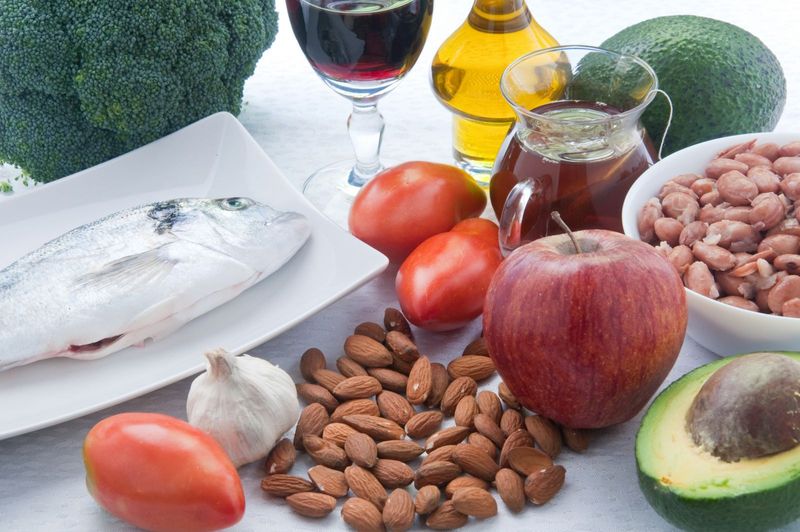
Remember when “cholesterol” was a dirty word? Schools taught us it was universally harmful, but that oversimplified view is completely outdated.
Cholesterol actually comes in different forms. HDL (high-density lipoprotein) is often called “good cholesterol” because it helps remove other forms of cholesterol from your bloodstream. Your body even produces cholesterol naturally because it’s essential for building cells and making vitamins and hormones.
5. Carbs Are Essential At Every Meal
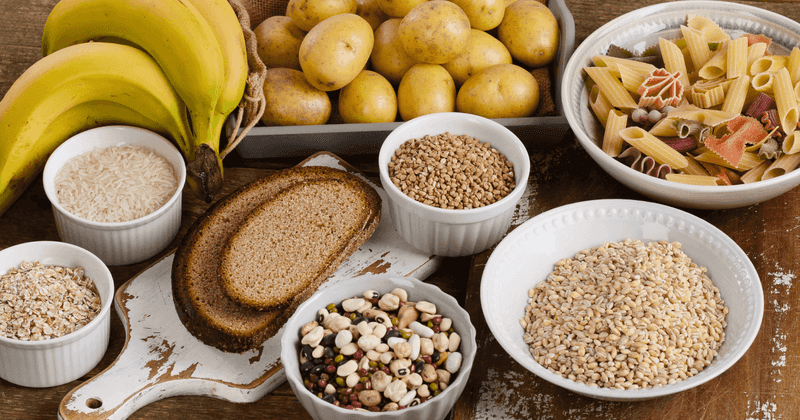
Food pyramids of yesteryear placed carbohydrates at the foundation, recommending 6-11 servings daily. Nutritionists practically insisted that every meal needed bread, pasta, or rice as the centerpiece. Current science offers a much more nuanced view.
While carbohydrates provide energy, not all carbs are created equal. Refined carbs like white bread spike blood sugar dramatically, while fiber-rich complex carbohydrates from vegetables, beans, and whole grains provide steady energy and essential nutrients.
6. Salt Is Always Harmful
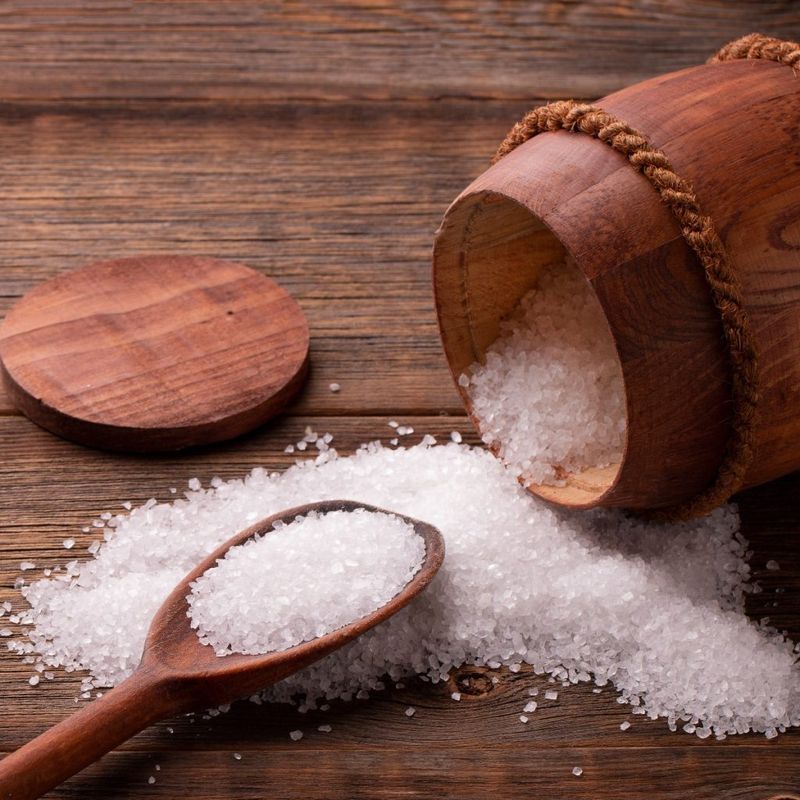
Salt got demonized as public health enemy #1, with schools teaching that sodium leads straight to high blood pressure. The reality? It’s complicated.
Sodium is actually an essential electrolyte that helps regulate fluid balance, nerve signals, and muscle function. Research now shows that salt sensitivity varies dramatically between individuals, with some people showing little blood pressure response to sodium intake.
7. Microwaves Destroy Nutrients In Food

Microwaves sparked wild rumors in school cafeterias—they supposedly zapped all nutrients and transformed food into radioactive waste! Pure science fiction.
All cooking methods break down some nutrients. Microwaves actually preserve more vitamins and minerals than many conventional cooking methods because they cook quickly using less water. Studies show microwave cooking retains more water-soluble vitamins like vitamin C and B vitamins compared to boiling.
8. You Should Avoid All Red Meat

Red meat got branded as a universal health villain, with many schools teaching it caused everything from heart disease to cancer. Current nutritional science paints a more balanced picture.
Lean red meat provides valuable nutrients including complete protein, iron, zinc, and B vitamins that are difficult to obtain from plant sources alone. Quality and quantity matter enormously—grass-fed beef contains different fatty acid profiles than conventional meat, and processing methods like curing add concerning compounds.
9. Breakfast Is The Most Important Meal Of The Day

“Never skip breakfast!” This mantra echoed through school hallways for decades, often pushed by cereal companies sponsoring educational materials. New research challenges this one-size-fits-all advice.
Some people genuinely function better with morning fuel, particularly growing children and active individuals. However, others thrive with intermittent fasting approaches that delay the first meal. Your optimal eating schedule depends on your metabolism, schedule, hunger cues, and health goals.
10. Sugar Makes Kids Hyperactive

Birthday parties and Halloween prompted dire warnings from teachers about impending sugar-fueled chaos. Surprisingly, multiple double-blind studies have failed to find any connection between sugar consumption and hyperactive behavior in children!
The perceived link likely stems from confounding factors—excitement at parties, permissive environments, and parental expectations. When parents believe their child has consumed sugar (even if given a placebo), they’re more likely to rate their behavior as hyperactive.
11. You Can’t Eat After 6 P.M. If You Want To Lose Weight

The magical 6 PM cutoff was taught as gospel truth in health classes nationwide. Eat after this arbitrary deadline and calories supposedly transform into instant fat while you sleep!
Science tells a different story. Your body doesn’t have a built-in cutoff time when metabolism suddenly shuts down. Total caloric intake and overall dietary quality throughout the entire day matter far more than eating schedules.
12. Frozen Fruits And Vegetables Are Less Nutritious Than Fresh
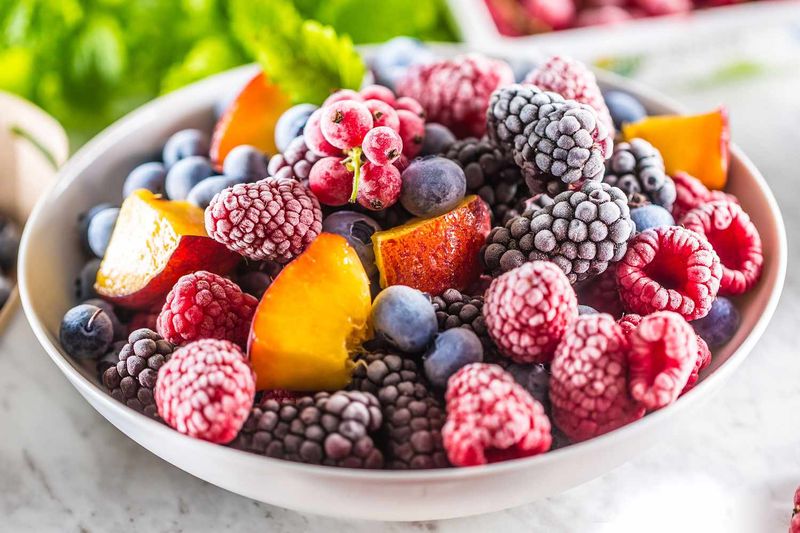
Fresh produce got placed on a nutritional pedestal while frozen options were dismissed as inferior alternatives. This outdated thinking ignores how modern food systems actually work.
Frozen fruits and vegetables are typically harvested at peak ripeness and flash-frozen within hours, locking in nutrients. Meanwhile, “fresh” produce often spends days or weeks in transit and storage, during which time nutrients naturally degrade.
13. Brown Eggs Are Healthier Than White Eggs

Shell color became a nutritional status symbol, with brown eggs marketed as the “natural” premium choice. The truth? Egg color indicates nothing about nutritional content or quality!
Shell color is determined entirely by the breed of chicken. White-feathered chickens with white earlobes lay white eggs, while brown-feathered chickens with red earlobes lay brown eggs. The nutritional profile depends on the chicken’s diet and living conditions, not eggshell pigmentation.
14. All Processed Foods Are Bad For You

“Processed” became nutrition’s scariest word, with schools teaching that anything in a package spelled certain doom. This extreme view ignores important nuances in food processing.
Processing exists on a spectrum. Minimally processed foods like frozen vegetables, canned beans, whole-grain bread, and yogurt offer convenience without sacrificing nutrition. Ultra-processed foods with lengthy ingredient lists, excessive additives, and refined components are the real concern.
15. You Need To “Cleanse” Or Detox Your Body Regularly
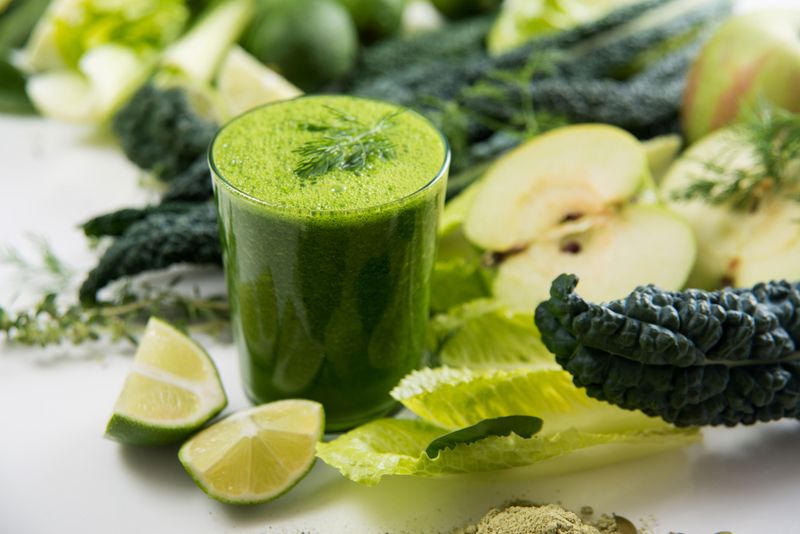
Juice cleanses and detox regimens have infiltrated school health curriculums despite zero scientific backing. The fundamental premise is flawed—your body already has sophisticated detoxification systems built in!
Your liver, kidneys, digestive system, and even skin continuously filter, process, and eliminate waste products and toxins. These organs don’t require special juice mixtures or supplements to function properly.
16. Natural Sugar Is Always Better Than Added Sugar

Health classes created a false dichotomy: evil processed sugar versus virtuous natural sweeteners like honey and agave. Your body doesn’t recognize these marketing distinctions!
Chemically speaking, the sugars in honey, maple syrup, agave nectar, and table sugar break down into the same basic molecules—primarily glucose and fructose. While natural sweeteners may contain trace minerals or antioxidants, these benefits are minimal compared to their overall sugar content.