15 Throwback Facts About McDonald’s Happy Meals
For kids growing up in the ’80s and ’90s, few things beat the magic of a McDonald’s Happy Meal. With its colorful box, mini fries, and must-have toy, it turned fast food into a celebration.
Over the years, Happy Meals have changed—but the fun has never gone away.
These 15 throwback facts look back at the early days, the biggest toy crazes, and the moments that made Happy Meals unforgettable.
1. The Birth Of Happy Meals
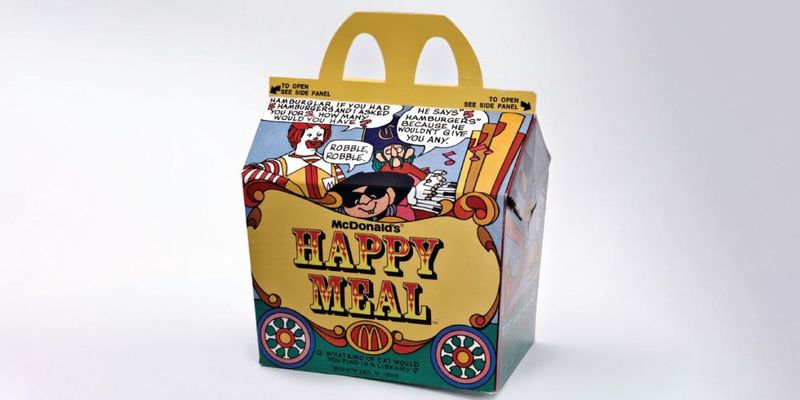
McDonald’s introduced the very first Happy Meal in 1979, bundling kid-sized food with a surprise toy. It was a game-changer.
Burger, fries, drink, and a toy—simple, smart, and wildly successful. Happy Meals became an instant hit with families everywhere.
2. First Toy: The McDoodler
The first Happy Meal toy, the McDoodler stencil, sparked a trend of collectible surprises. This simple yet engaging toy encouraged creativity among children. It marked the beginning of a long tradition of including toys, each designed to surprise and delight. The McDoodler was just the start, paving the way for future partnerships with popular toy brands.
3. Iconic Halloween Pails
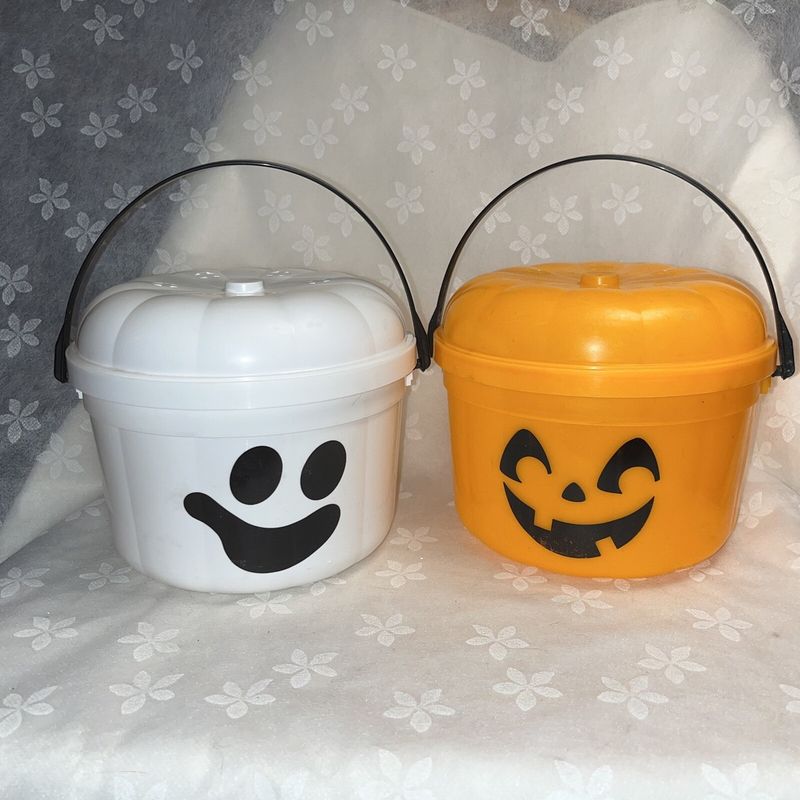
In 1986, McDonald’s introduced Halloween-themed Happy Meal pails, which quickly became a collector’s item. These pails, shaped like pumpkins or ghosts, served as both packaging and trick-or-treat containers.
They added a festive touch to the season, becoming beloved keepsakes for many. The concept was a hit and remains a nostalgic memory for many who grew up in the ’80s.
4. Teenie Beanie Babies Craze
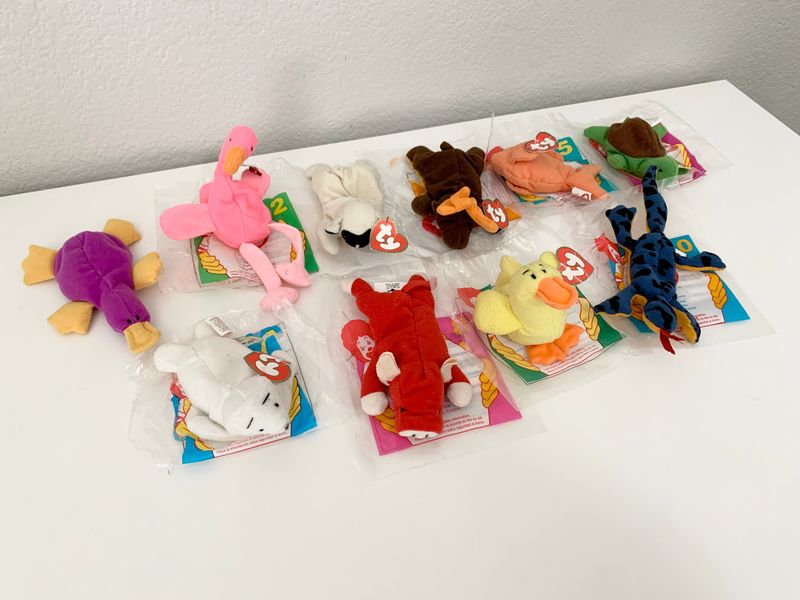
The 1997 collaboration between McDonald’s and Beanie Babies led to one of the most successful promotions in Happy Meal history. Teenie Beanie Babies, mini versions of the popular plush toys, were an instant hit.
People flocked to McDonald’s, eager to collect all the different characters. This craze highlighted the power of strategic partnerships in boosting sales and engagement.
5. The Introduction Of Apple Dippers
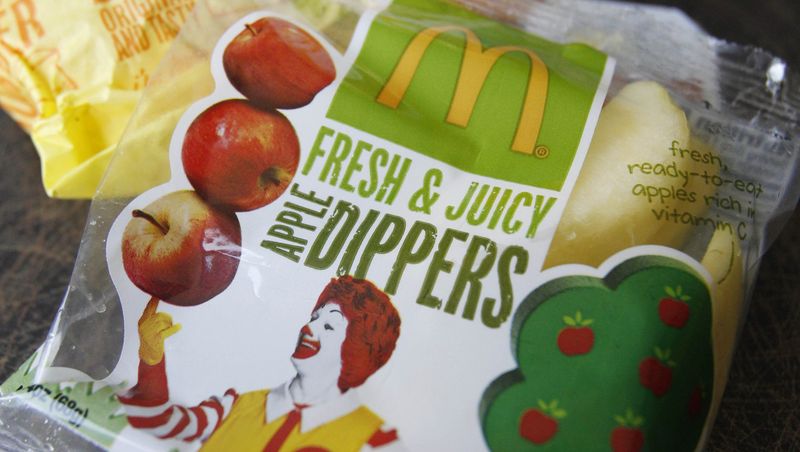
In 2004, McDonald’s added Apple Dippers to Happy Meals, reflecting a shift towards healthier options. This marked the beginning of incorporating fruit into kids’ meals, aiming to offer balanced choices.
These apple slices, paired with a caramel dipping sauce, provided a sweet yet nutritious alternative to fries. The move was well-received, showing McDonald’s commitment to evolving with consumer demands.
6. Happy Meal Characters
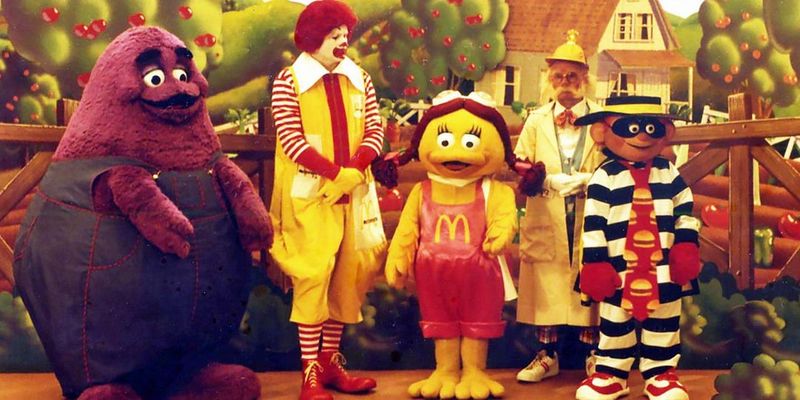
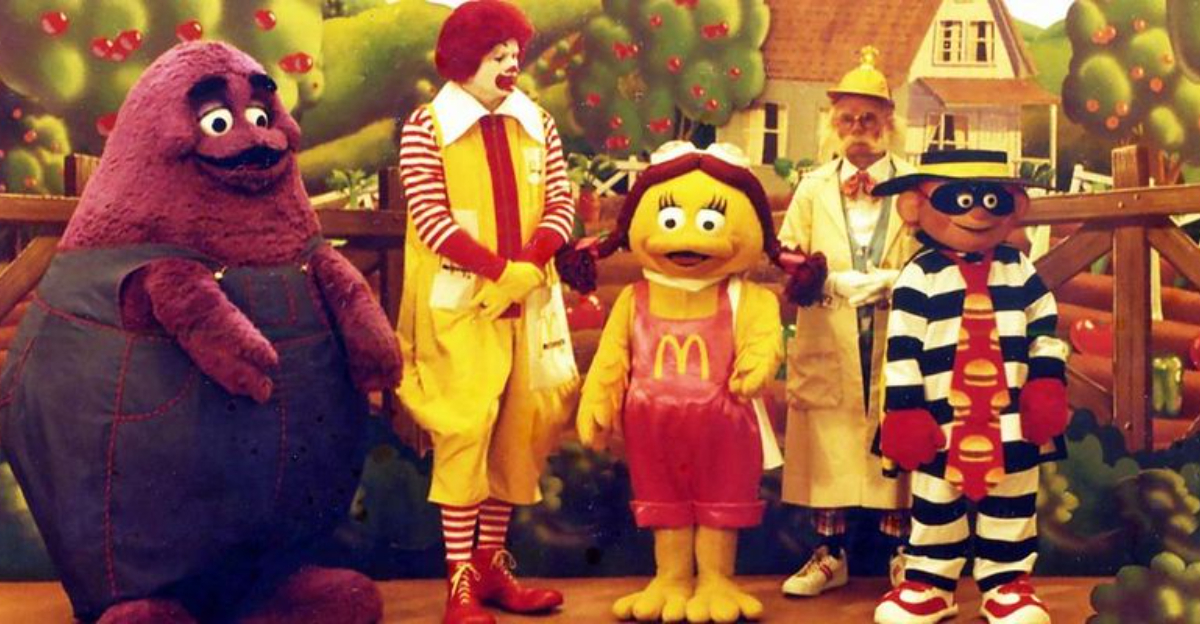
Over the years, McDonald’s introduced unique characters, like Ronald McDonald, to promote Happy Meals. These mascots, including Birdie and Grimace, added charm and personality to the brand.
They appeared in commercials and on packaging, creating a fun, imaginative world for kids. This strategy helped to cement Happy Meals as more than just food, but as an entertaining experience.
7. Change From Soda To Milk
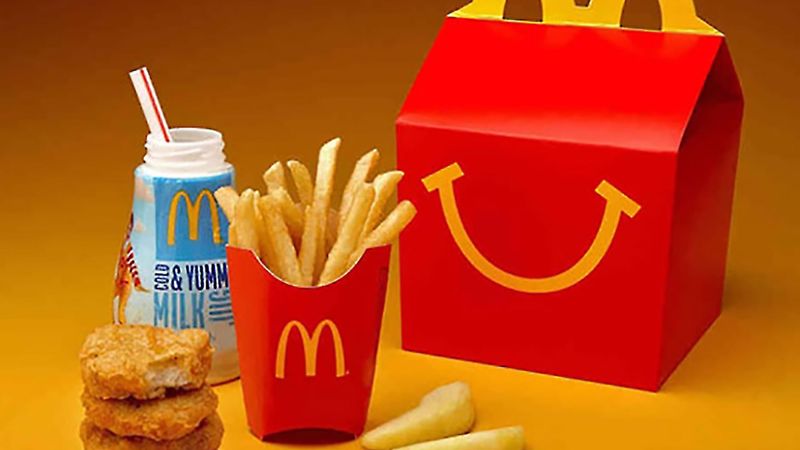
In the mid-2000s, McDonald’s began offering milk and juice as alternatives to soda in Happy Meals. This decision was part of a broader effort to provide healthier beverage choices for children.
Offering milk not only catered to health-conscious parents but also reinforced the brand’s adaptability. The change was welcomed and followed by other fast-food chains, setting a new industry standard.
8. The Box’s Design Evolution
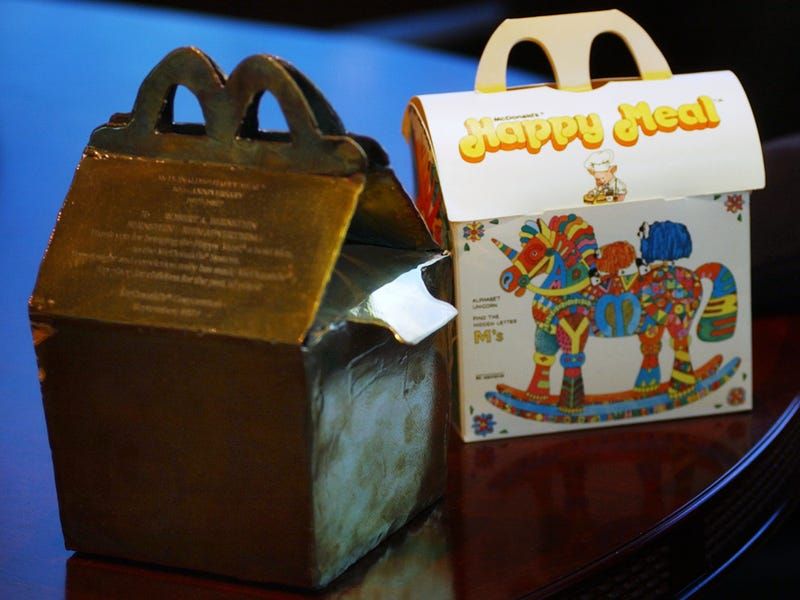
Happy Meal boxes have undergone numerous design changes since their inception. Originally simple and playful, the designs evolved to include interactive features like cutouts and games.
These changes kept the meals fresh and engaging for children. As new movies and trends emerged, the boxes adapted, often showcasing popular characters and themes, making each meal an adventure.
9. Global Reach Of Happy Meals
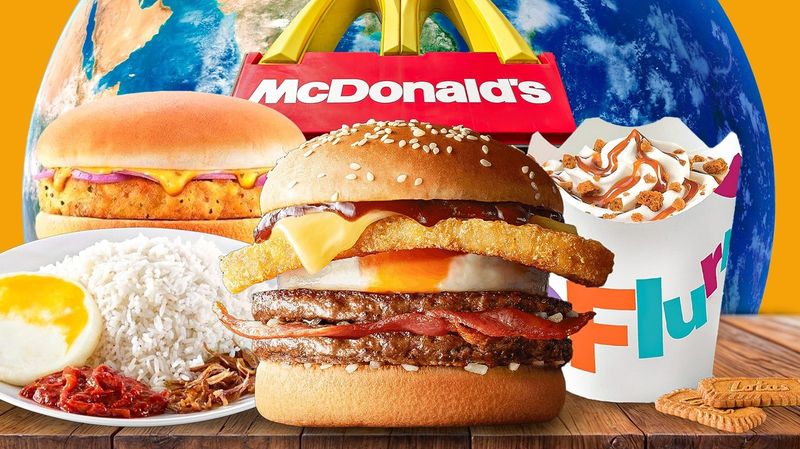
Happy Meals have been tailored to fit cultural tastes across the globe. From sushi in Japan to pasta in Italy, McDonald’s adapted to local preferences.
This global reach showcases the brand’s flexibility and understanding of diverse markets. Each international Happy Meal offers a taste of local culture, making it a unique dining experience for children worldwide.
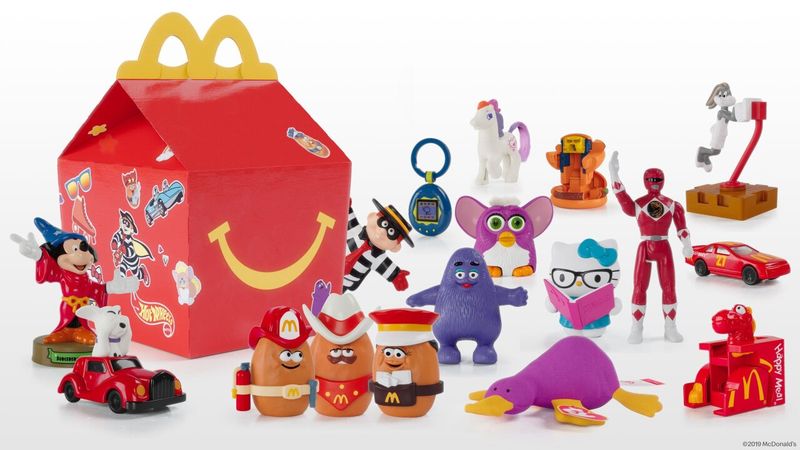
10. Nostalgic Toys: Hot Wheels And Barbie
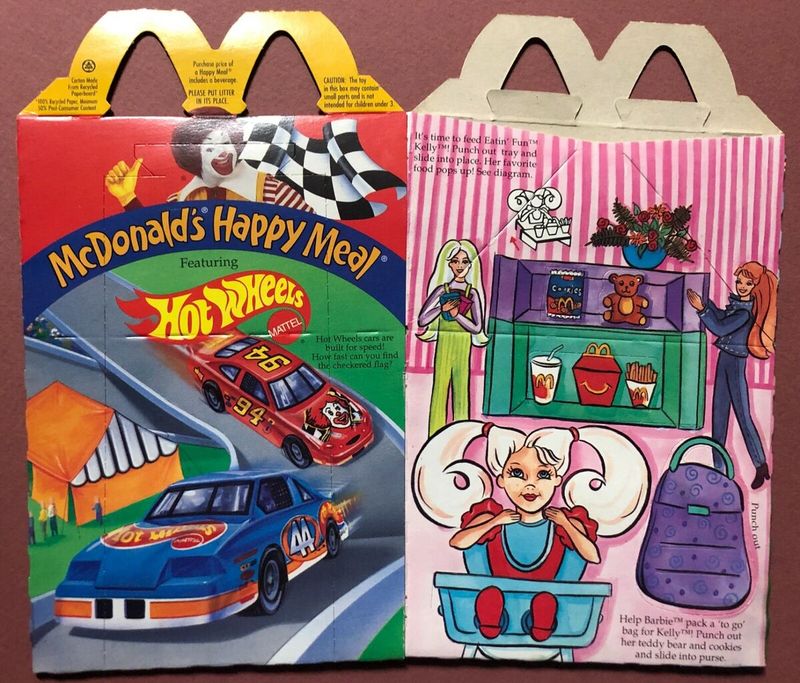
Hot Wheels and Barbie toys in Happy Meals brought excitement to car and doll lovers alike. These toys were among the most memorable, sparking joy and nostalgia.
The collaboration with these iconic brands highlighted McDonald’s ability to tap into popular culture. It connected with kids’ interests, making every meal a cherished moment.
11. The Creation Of Happy Meal Books
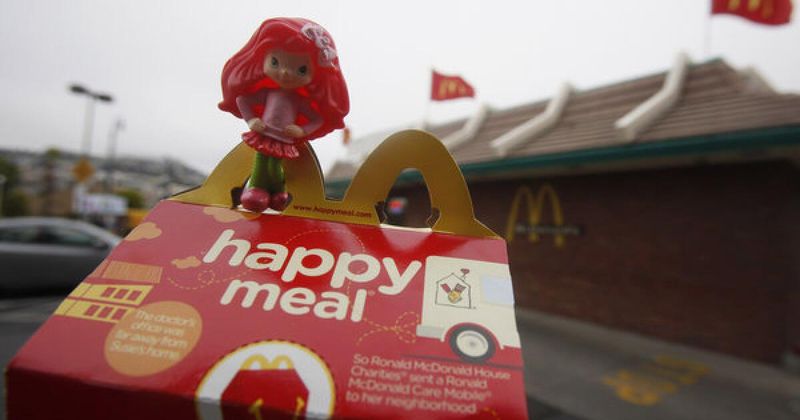
In 2013, McDonald’s introduced books as an option alongside toys in Happy Meals. This initiative aimed to promote literacy and encourage reading among children.
The books featured engaging stories and colorful illustrations, complementing the meal experience. This innovative approach provided a new avenue for education and entertainment, aligning with parental values and educational goals.
12. The Role of Advertising
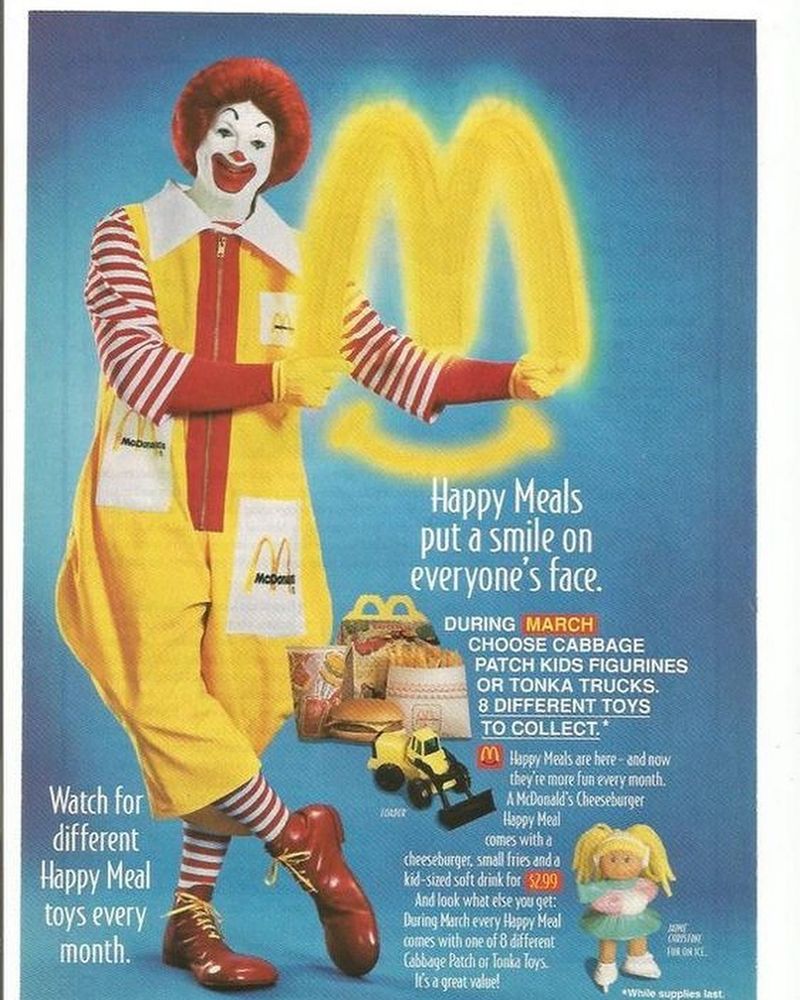
Advertising played a crucial role in the success of Happy Meals. Television commercials, featuring catchy jingles and vibrant characters, captivated audiences and cemented Happy Meals in popular culture.
These ads created anticipation and excitement, making each new toy or theme an event. Through clever marketing, McDonald’s kept its brand fresh and appealing to generations of children.
13. Nutritional Improvements
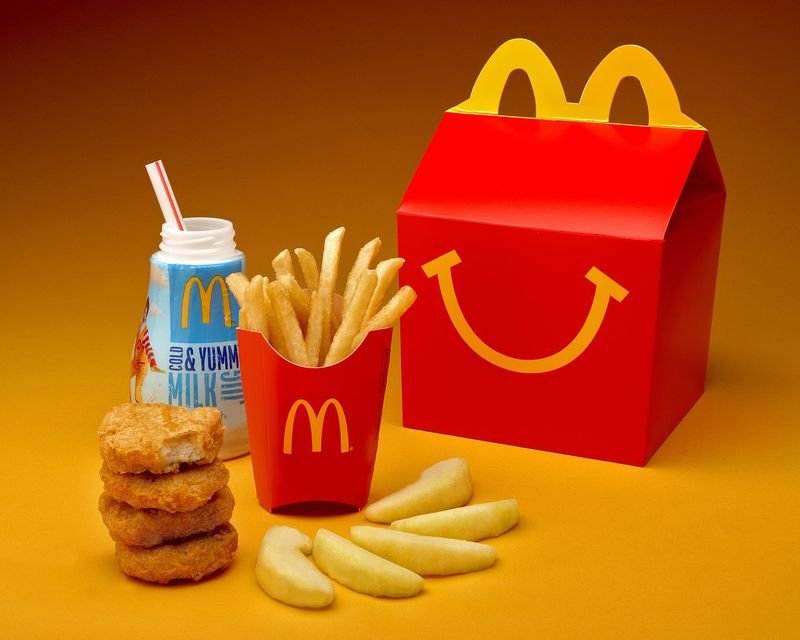
Recent years have seen significant nutritional improvements in Happy Meals. McDonald’s reduced calories, saturated fats, and added sugars, reflecting a commitment to healthier options.
This shift addressed growing concerns about childhood obesity and health. By offering better choices, McDonald’s demonstrated leadership in promoting balanced diets for younger customers.
14. The First Movie Tie-In
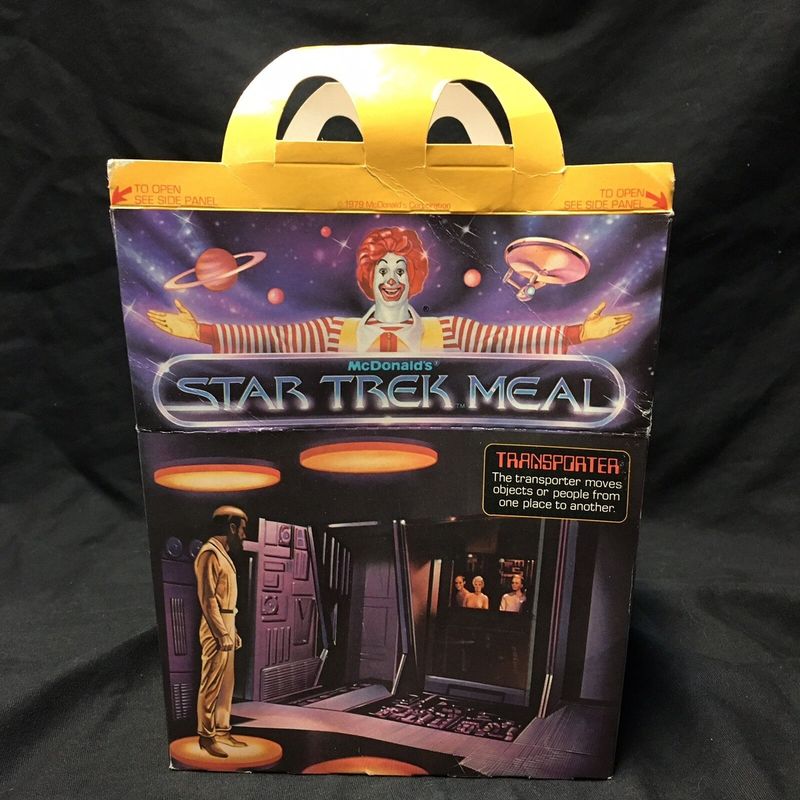
The first movie tie-in with a Happy Meal involved the 1979 Star Trek: The Motion Picture. This collaboration set the stage for future partnerships with blockbuster films.
By integrating popular media, McDonald’s created a dynamic, immersive experience for children. The success of this initiative paved the way for countless movie-themed toys and promotions, enhancing the appeal of Happy Meals.
15. Sustainability Efforts
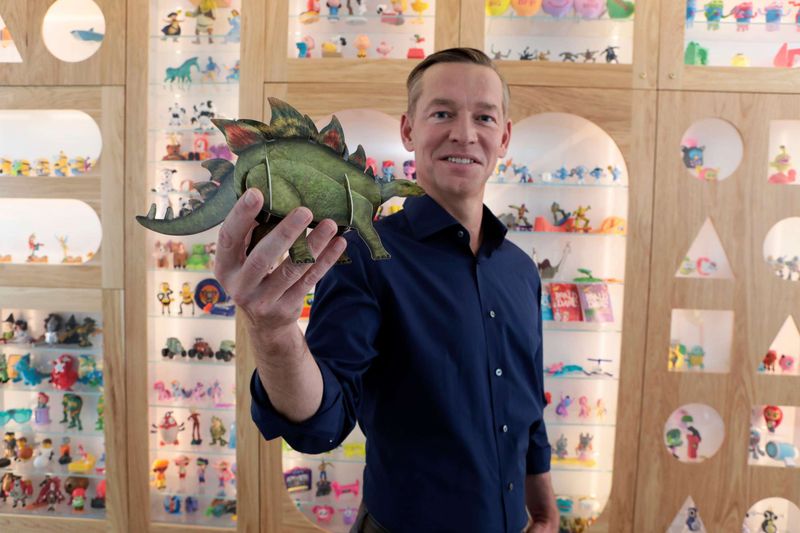
In recent years, McDonald’s has focused on sustainability, revamping Happy Meal toys and packaging. Efforts include using recycled materials and reducing plastic waste.
This initiative aligns with global environmental goals and appeals to eco-conscious consumers. By prioritizing sustainability, McDonald’s ensures that Happy Meals continue to be a beloved part of childhood while caring for the planet.