12 Myths About Deep Fried Food You Should Stop Believing
Deep fried foods have gained a notorious reputation in our health-conscious world. Golden, crispy, and undeniably delicious, these treats are often surrounded by more myths than a medieval dragon.
Before you swear off that delectable basket of french fries or that perfectly battered fish, let’s separate fact from fiction about what really happens when food takes a hot oil bath.
1. All Fried Foods Are Unhealthy Calorie Bombs

Surprise! Not every item that touches hot oil turns into a calorie nightmare. When food is properly fried at the right temperature, it actually creates a moisture barrier that steams the inside while limiting oil absorption.
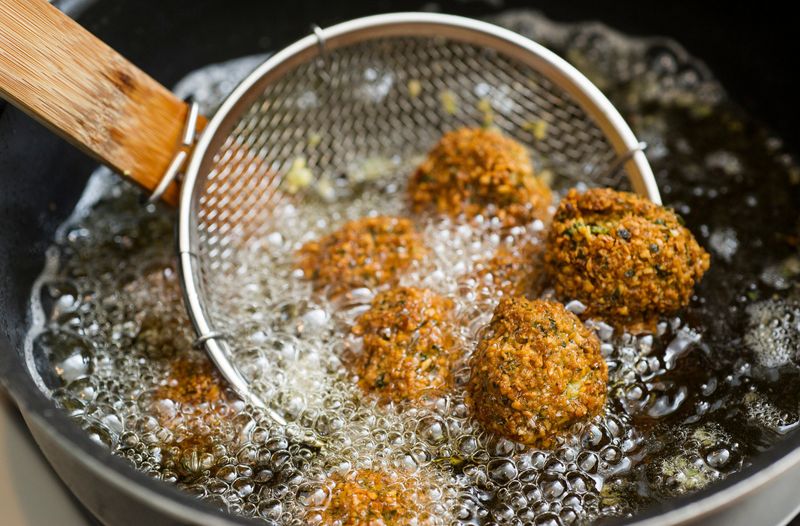
The result? Less grease than you’d expect. Japanese tempura and Mediterranean falafel contain beneficial nutrients despite their crispy exteriors. The cooking method matters enormously – flash-frying at high temperatures can actually preserve more vitamins than long, slow boiling!
2. Fried Food Always Contains Trans Fats
Hold the health panic! While restaurant chains once used partially hydrogenated oils loaded with dangerous trans fats, that era has largely ended. Most establishments have switched to healthier alternatives like peanut, canola, or avocado oil.
Trans fats primarily come from artificially hydrogenated oils, not the frying process itself. When you use fresh, high-quality oils at proper temperatures, minimal trans fat formation occurs. The FDA even banned artificial trans fats in 2018!
3. Frying Destroys All Nutritional Value
“Frying nukes all nutrients!” scream the health gurus. Flat-out wrong. Certain vitamins actually become more bioavailable through frying. Fat-soluble vitamins (A, D, E, and K) partner with the cooking oil, making them easier for your body to absorb.
Lycopene in tomatoes? It increases when heated in oil. Studies show that fried carrots can retain more beta-carotene than their raw counterparts. The quick cooking time of proper frying also helps preserve certain nutrients better than lengthy boiling or steaming.
4. All Oils Are Equally Bad For Frying
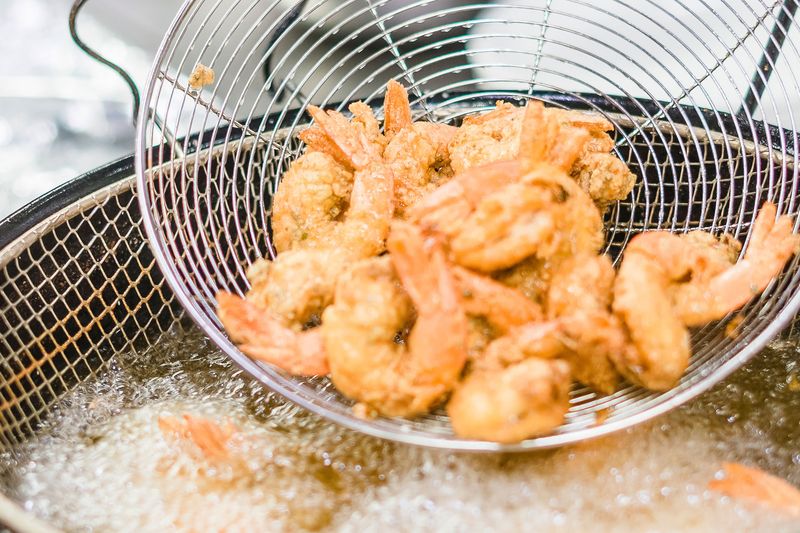
Coconut oil and motor oil aren’t created equal, folks! Each cooking oil has a unique smoke point and fatty acid profile that dramatically affects both health impact and flavor. Avocado oil, with its sky-high smoke point of 520°F, maintains stability under extreme heat without breaking down into harmful compounds.
Olive oil brings heart-healthy monounsaturated fats to the party, while peanut oil delivers a neutral taste perfect for highlighting your food’s natural flavors. Some oils even contribute antioxidants that fight inflammation!
5. Fried Foods Always Cause Heart Disease

Clutching pearls about heart attacks after eating fried calamari? Mediterranean populations regularly enjoy fried foods yet boast some of the lowest heart disease rates globally. The devil lurks in the details – specifically, which foods you’re frying and which oils you’re using.
Harvard researchers found minimal correlation between moderate consumption of properly fried foods and heart disease when using healthy oils. The protective compounds in olive oil actually counteract some negative effects! Japan’s tempura tradition hasn’t triggered a cardiovascular crisis.
6. Restaurants Use The Same Oil Forever
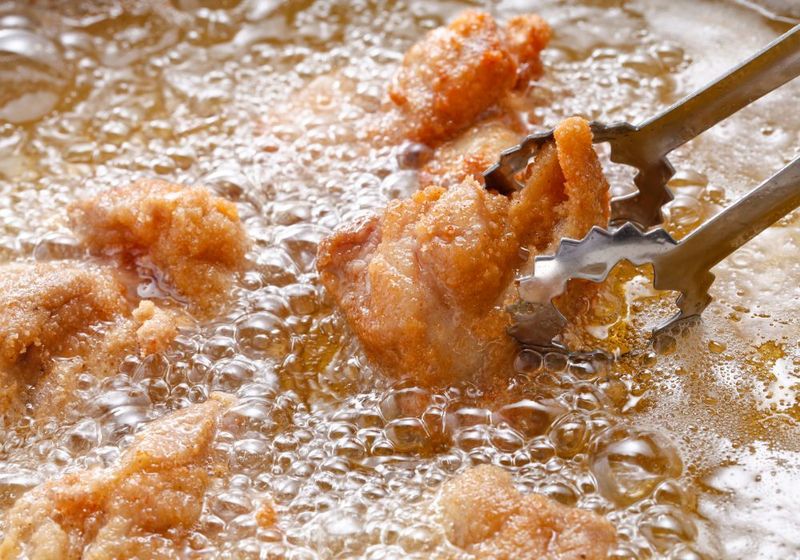
Dark, murky fryer oil recycled since the restaurant’s grand opening? Pure fiction in reputable establishments. Quality restaurants change their oil frequently—sometimes daily for high-volume spots. Health codes actually mandate regular oil changes.
Sophisticated filtration systems remove food particles that would otherwise accelerate oil degradation. Many kitchens use oil quality testing strips that detect harmful compounds, ensuring they replace oil before it becomes problematic.
7. Home Frying Is Always Messier Than It’s Worth

“Grease explosions! Oil splatters painting your ceiling! Kitchen disasters of biblical proportions!” The horror stories about home frying deserve an eye roll. With basic precautions, your kitchen won’t transform into a hazardous waste zone.
Electric deep fryers with sealed lids virtually eliminate splatter. Proper temperature control prevents most oil popping—food releases moisture explosively only when oil isn’t hot enough. Pat food dry before frying, and you’ll cut mess by 80%. Modern splatter screens cost less than your fancy coffee.
8. Fried Food Always Makes You Gain Weight

Breaking news: Japanese sumo wrestlers don’t achieve their impressive girth by eating tempura alone! The relationship between fried foods and your waistline isn’t as straightforward as diet gurus claim.
Studies comparing identical portions of baked versus fried foods show surprisingly similar calorie counts when properly prepared. The real weight gain culprits? Massive portion sizes, sugary dipping sauces, and the endless sides that accompany fried items.
9. Air Fryers Make Food Just As Unhealthy
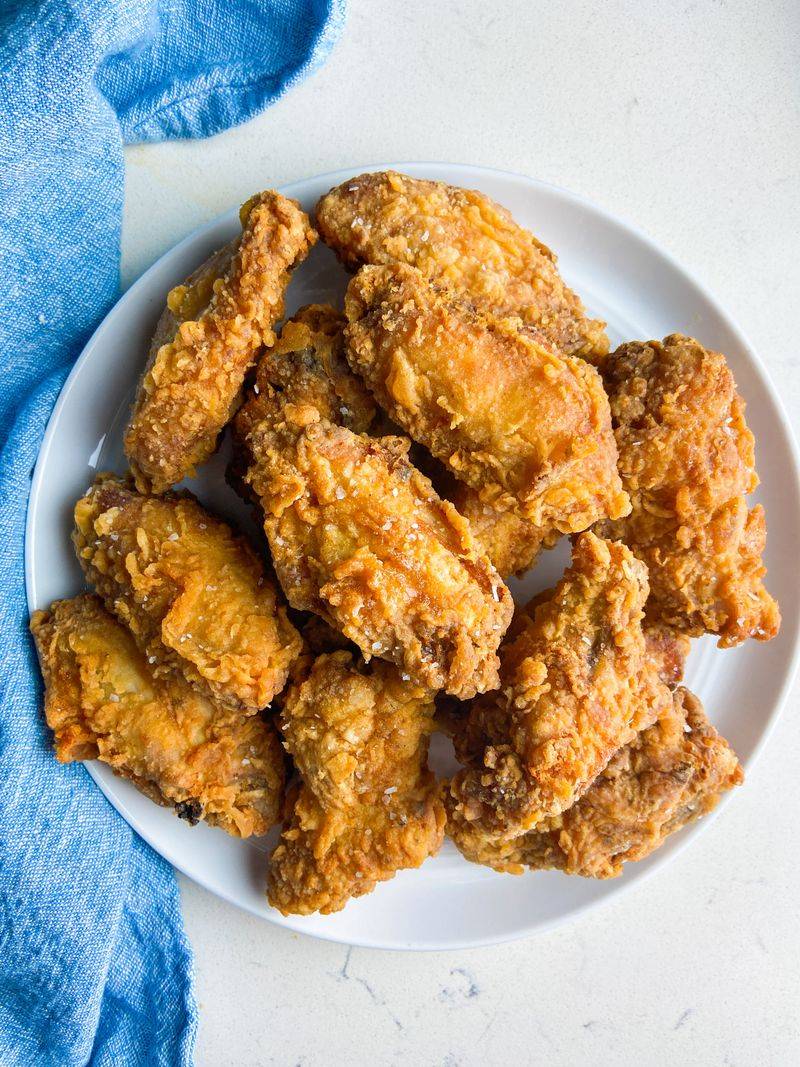
“Air fryers are just mini convection ovens in disguise!” critics sneer. While technically true, this misses the revolutionary health differences. Traditional deep frying submerges food in oil, while air fryers circulate superheated air around a minimal oil coating, slashing fat content by 70-80%.
Laboratory tests show air-fried french fries contain just 3-5 grams of fat compared to 17 grams in their deep-fried cousins. The reduced oil significantly cuts calories while preserving the crispy texture that makes fried foods irresistible. No snake oil marketing here—just physics.
10. Fried Food Always Causes Digestive Issues
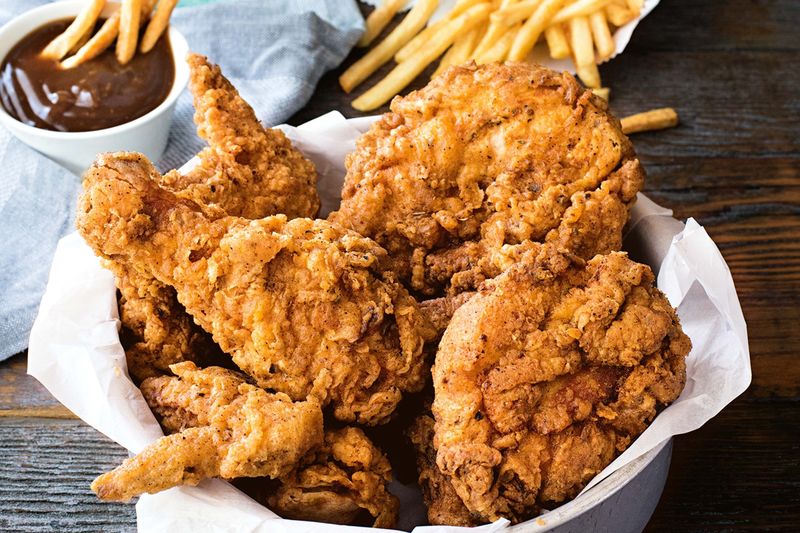
Blaming your stomach rumbles exclusively on fried food oversimplifies digestive science. Individual tolerance varies dramatically—what triggers one person’s intestinal rebellion might not phase another’s iron stomach at all. Many so-called fried food digestive issues actually stem from other ingredients.
The heavy breading, not the frying method, often causes discomfort. Gluten in the coating, dairy in accompanying sauces, or raw onions in the side dishes are frequently the real culprits. Properly fried foods without excessive oil actually digest more easily than many assume.
11. Fried Foods Always Contain Acrylamide

“Cancer-causing chemicals lurk in every french fry!” screams the fearmongering headline. While acrylamide—a compound formed when starchy foods are cooked at high temperatures—exists in fried foods, context matters enormously.
The dose makes the poison, and typical consumption falls far below concerning levels. Smart frying techniques dramatically reduce acrylamide formation. Blanching potatoes before frying cuts levels by 90%. Controlling oil temperature prevents excessive formation—acrylamide develops most at temperatures above 340°F.
12. Fried Foods Always Cause Inflammation

“Inflammation explosion!” warn wellness influencers about anything crispy. The reality? Inflammation from fried foods depends entirely on context—what you’re frying, which oil you’re using, and how you’re frying it. Frying fish in extra virgin olive oil actually creates anti-inflammatory compounds.
Studies show Mediterranean-style frying with quality oils doesn’t increase inflammatory markers. The real inflammation triggers are repeatedly reused oils that have oxidized beyond recognition. Fresh oil, proper temperatures, and quality ingredients make all the difference.