15 Mistakes Everyone Makes When Cooking Chicken And Rice Soup
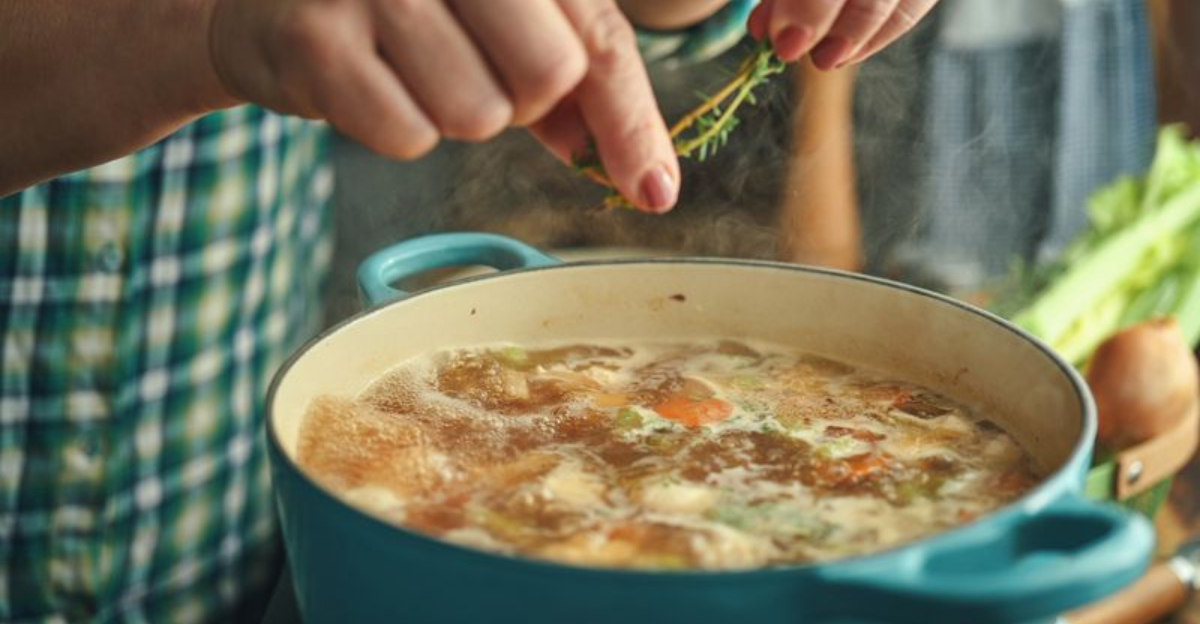
Chicken and rice soup feels like a no-brainer—just throw everything in a pot and simmer, right? Not quite. This cozy classic needs a little care to come out just right.
From tough chicken to soggy rice and flavorless broth, there are plenty of easy ways to go wrong.
Here’s how to sidestep the most common mistakes so your soup ends up hearty, well-seasoned, and soul-warming every single time.
1. Using Boneless, Skinless Chicken Breasts Only
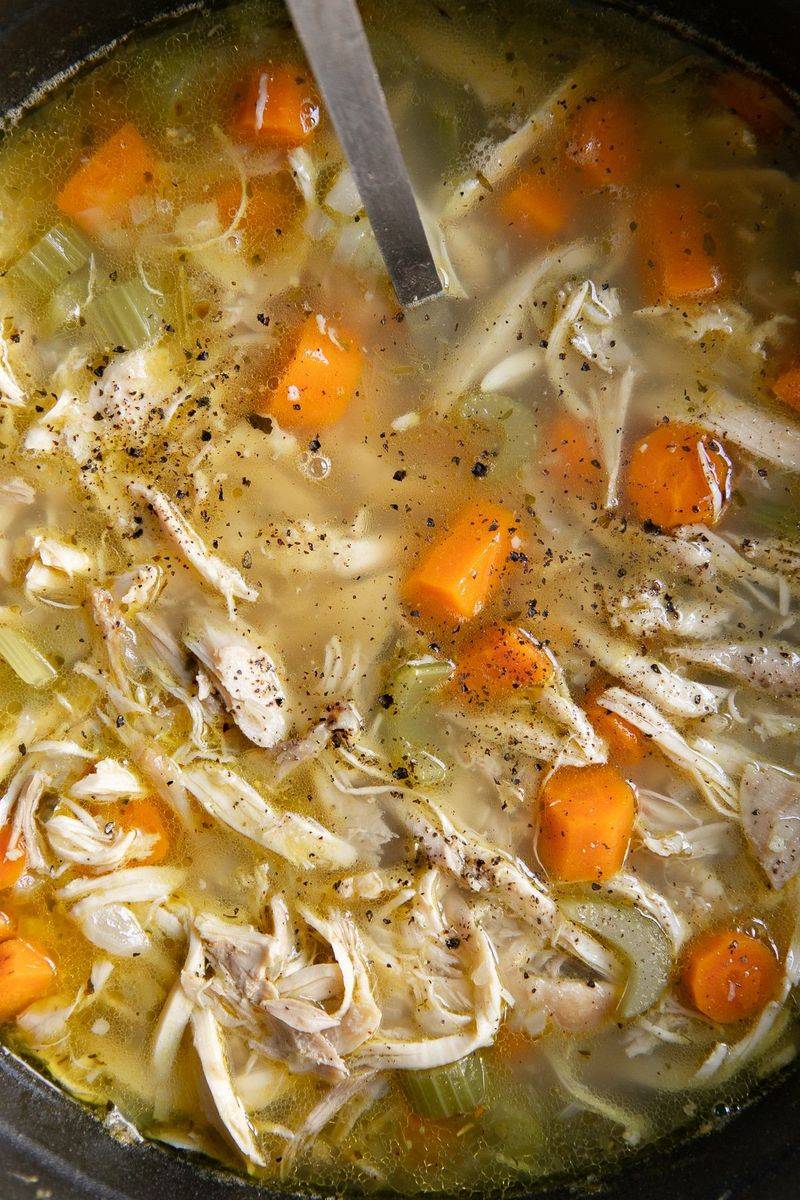
Boneless chicken breasts may seem convenient, but they’re lean and prone to drying out during long cooking. They also lack bones and connective tissue, which are key to developing deep flavor in the broth.
Swap in bone-in, skin-on chicken thighs or drumsticks for better results. Simmer them whole and remove the meat once tender—it will shred beautifully and enrich the soup with richness and body.
2. Adding Uncooked Rice Too Early
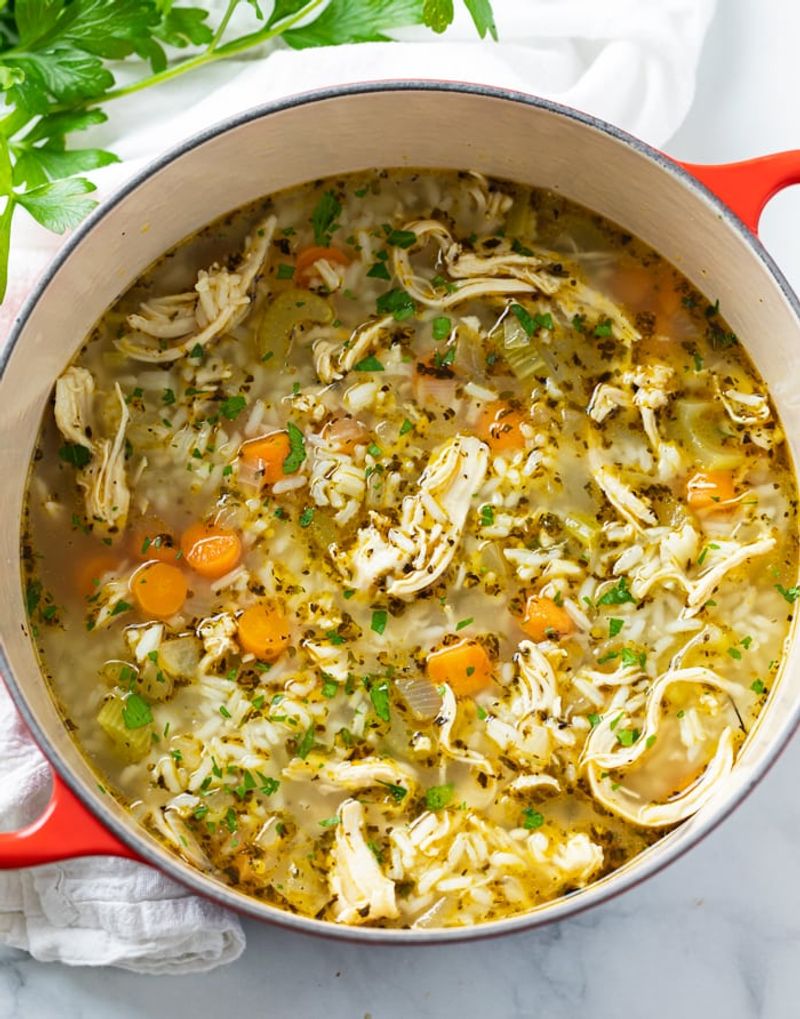
Rice expands significantly as it cooks and can easily become mushy if left too long in the broth. If added early, it may overcook, split, and thicken the soup more than intended.
Wait until the chicken is nearly done before stirring in uncooked rice. Or better yet, cook the rice separately and add it at the end to control texture and prevent sogginess.
3. Overcooking The Chicken
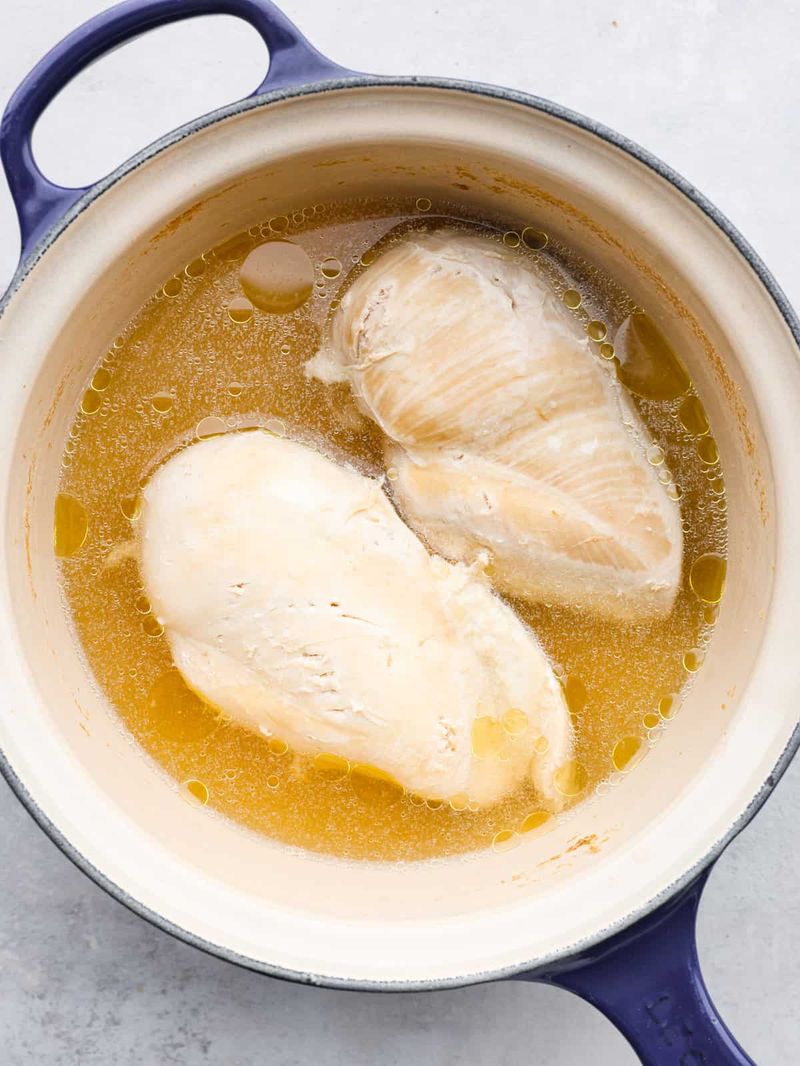
Simmering chicken too long leaves it rubbery and stringy, especially if you’re using breast meat. High heat or extended cook times can squeeze out moisture fast.
Poach the chicken gently over low heat and remove it as soon as it’s cooked through. Let it rest, shred it, and stir it back into the soup just before serving to keep it juicy.
4. Forgetting To Sauté Vegetables First
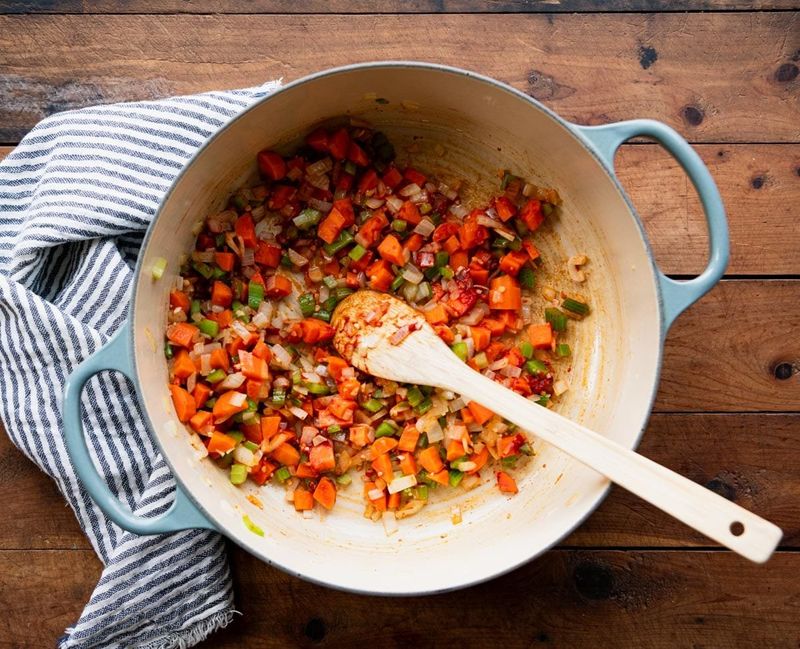
Throwing raw onions, carrots, and celery directly into the broth may leave them undercooked and flat in flavor. Skipping this step misses a chance to build savory depth.
Sauté the aromatics in oil or butter until soft and golden before adding broth. This caramelizes their natural sugars and lays a flavor foundation that carries through the whole soup.
5. Using Low-Quality Broth
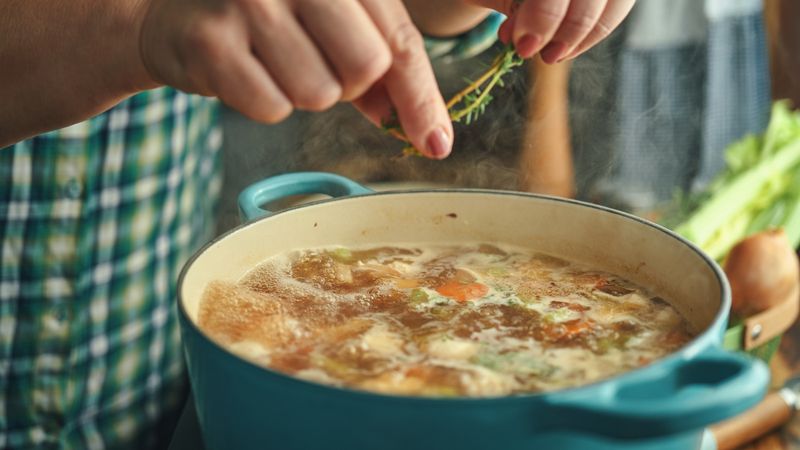
A bland, watery broth will drag down everything else—no matter how tender the chicken or well-cooked the rice. Store-bought broths can taste overly salty or thin.
Make your own stock with bones and vegetables, or at least use a high-quality, low-sodium boxed broth. Simmering a parmesan rind or a bundle of herbs can also give store-bought broth a homemade boost.
6. Skipping Herbs And Aromatics
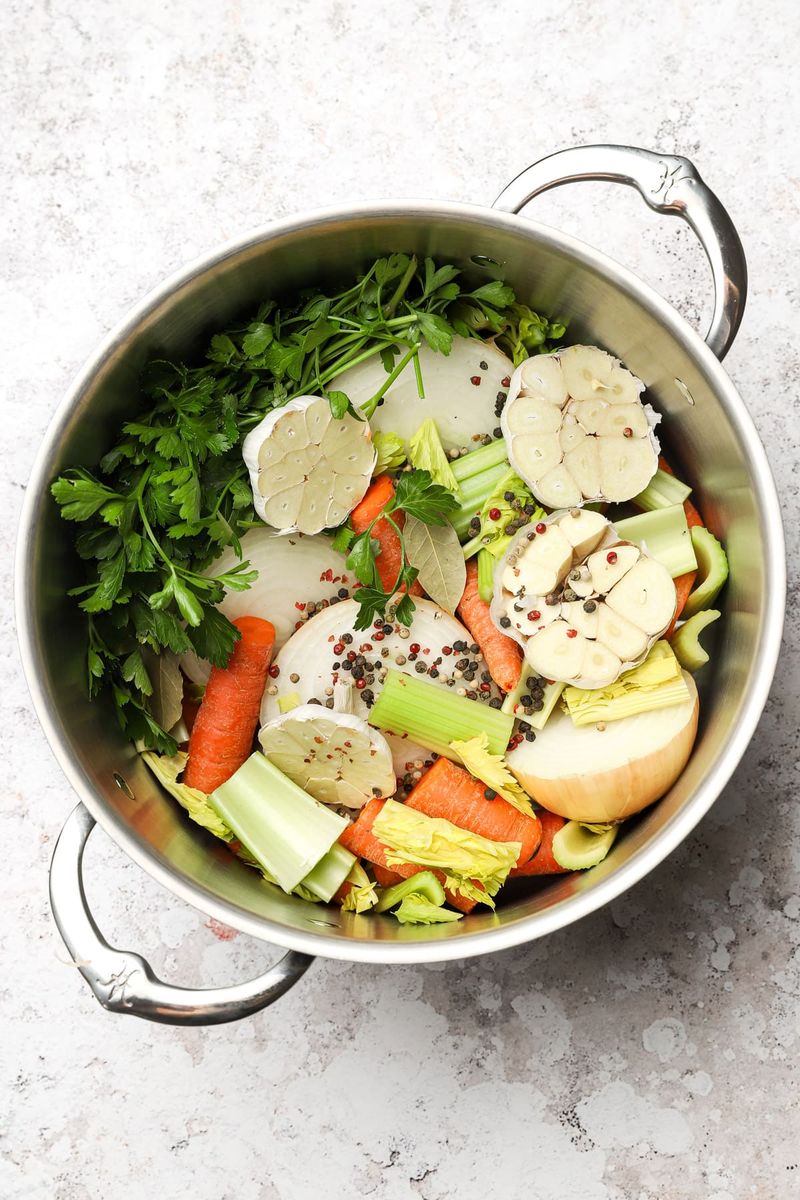
Aromatic herbs like thyme, bay leaf, parsley stems, or even garlic add layers of flavor as they steep. Leaving them out makes the soup one-note and dull.
Tie herbs in cheesecloth or toss them in whole, then fish them out before serving. Add chopped fresh herbs like dill or parsley at the end for a bright, clean finish.
7. Cutting Vegetables Too Large
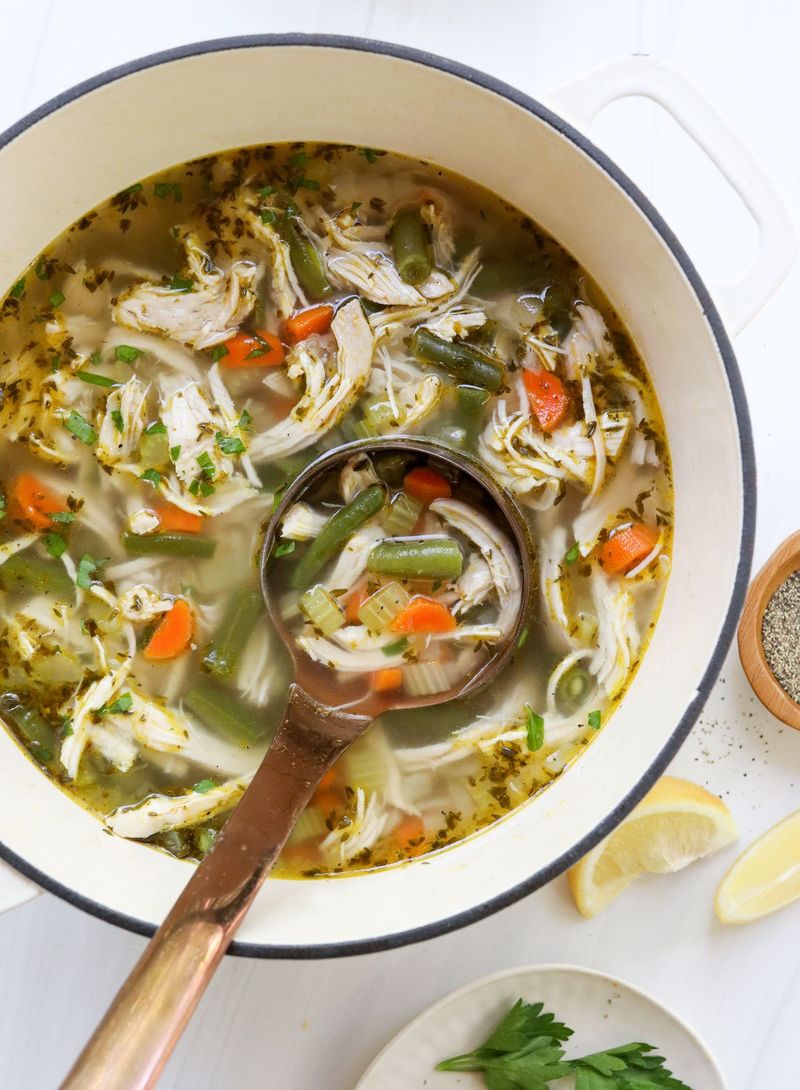
Oversized chunks of carrot or celery take longer to cook and throw off the balance of every bite. They may stay too firm while everything else gets soft.
Aim for ½-inch dice so everything cooks evenly and quickly. Consistent size also makes the soup easier and more pleasant to eat by the spoonful.
8. Not Deglazing The Pan
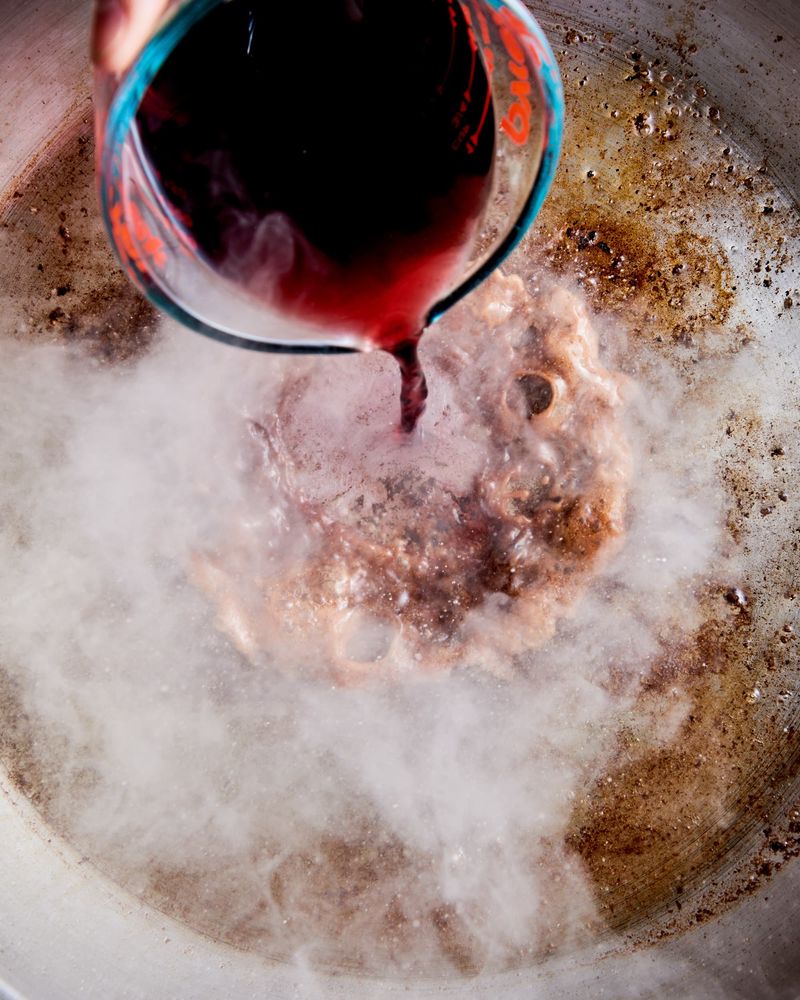
After sautéing vegetables or browning chicken, a layer of browned bits (fond) sticks to the bottom of the pot. Ignoring it means losing a ton of flavor.
Before adding broth, pour in a splash of white wine, dry sherry, or even water and scrape up those flavorful bits. This step enhances depth and gives the soup a subtly complex base.
9. Adding Too Much Salt Upfront
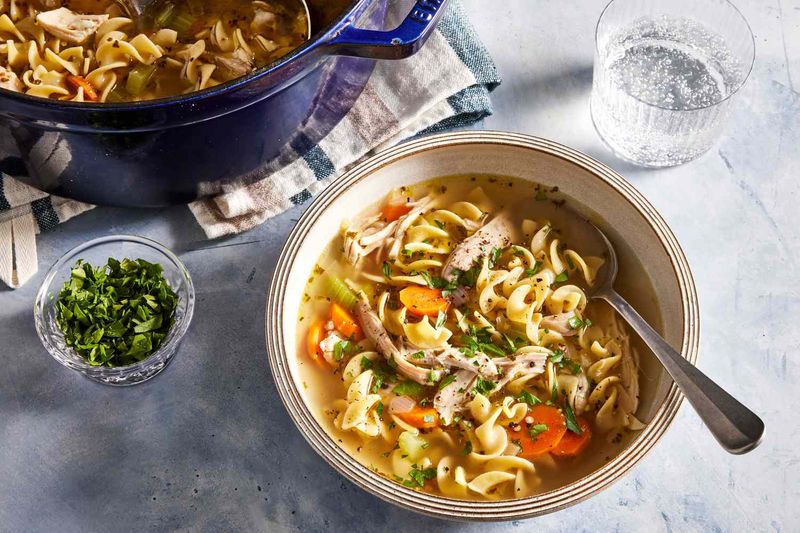
Soup reduces as it simmers, and salt becomes more concentrated over time. Over-salting early can leave your soup briny and hard to fix.
Season lightly at the beginning and taste frequently as it cooks. Adjust just before serving with salt, pepper, or a squeeze of lemon for final balance.
10. Not Skimming Fat Or Foam
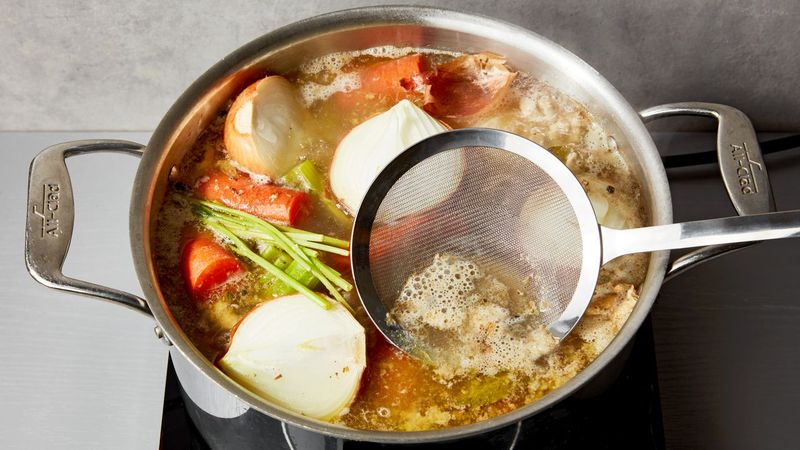
Chicken releases a layer of fat and white scum as it simmers. If left in the pot, it can cloud the broth and create a greasy texture.
Use a spoon to skim off the foam and excess fat during the first 10–15 minutes of simmering. For extra clarity, strain the broth before adding the rice or vegetables.
11. Cooking On Too High Heat
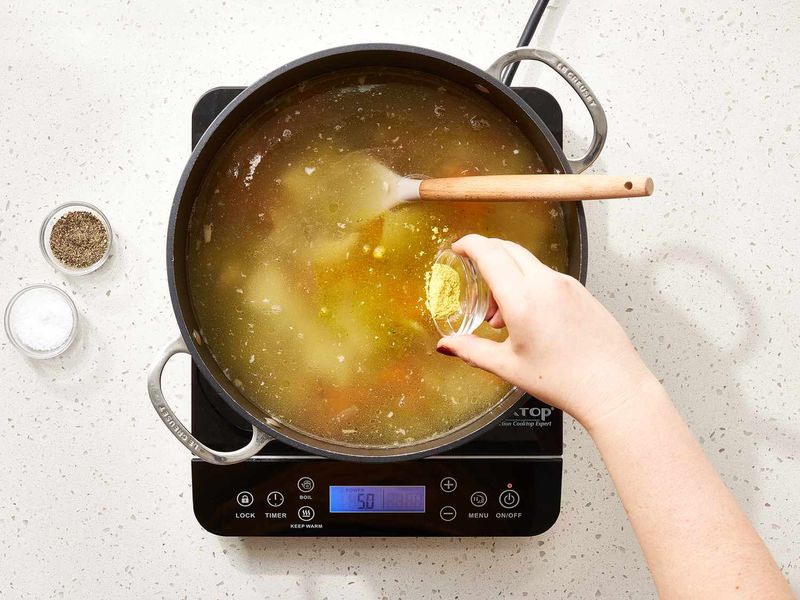
Rapid boiling toughens chicken and breaks down rice too quickly, turning broth cloudy and ingredients mushy. High heat also makes vegetables fall apart.
Keep the soup at a gentle simmer—look for small, steady bubbles. This slow cook method keeps textures intact and allows flavors to deepen naturally.
12. Using Old Spices
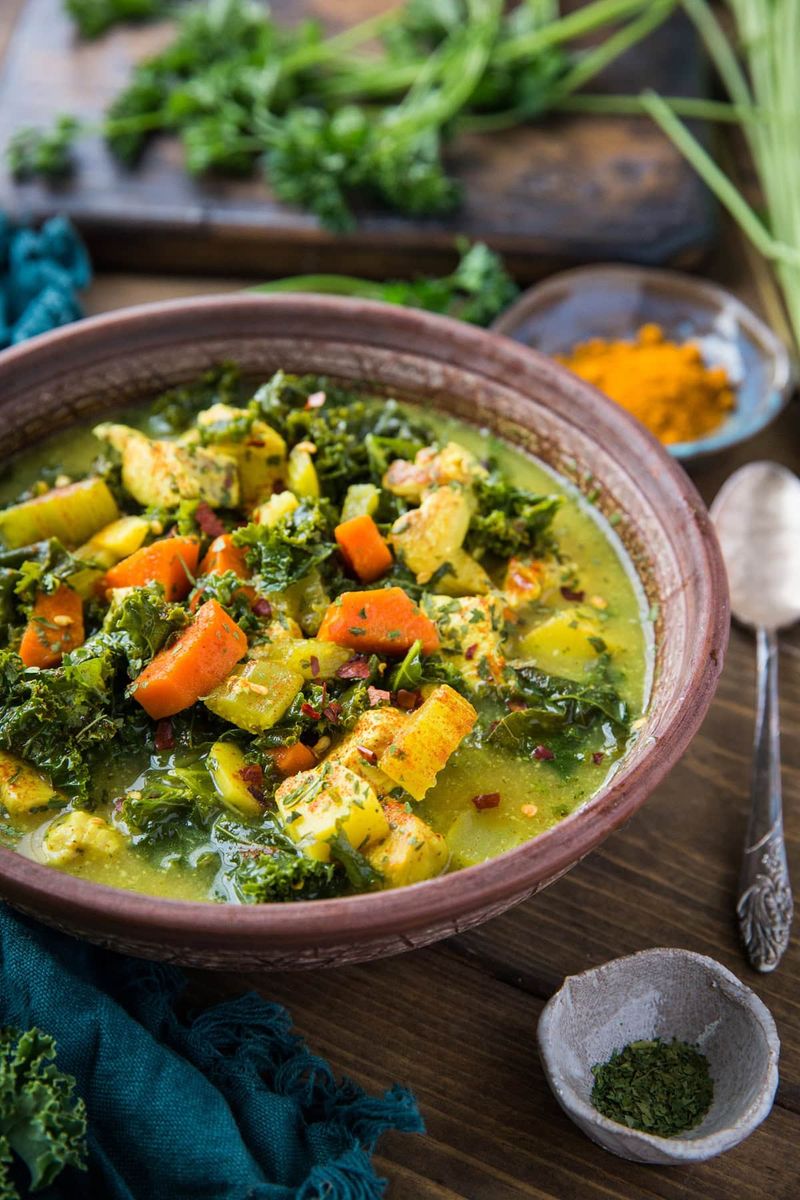
Dusty, expired spices like dried thyme or pepper lose their potency over time. Flat-tasting seasonings make your soup taste lifeless.
Smell your dried herbs before using them—if the aroma is faint, replace them. Freshly ground pepper and a good-quality dried bay leaf can make all the difference.
13. Leaving Out Acid
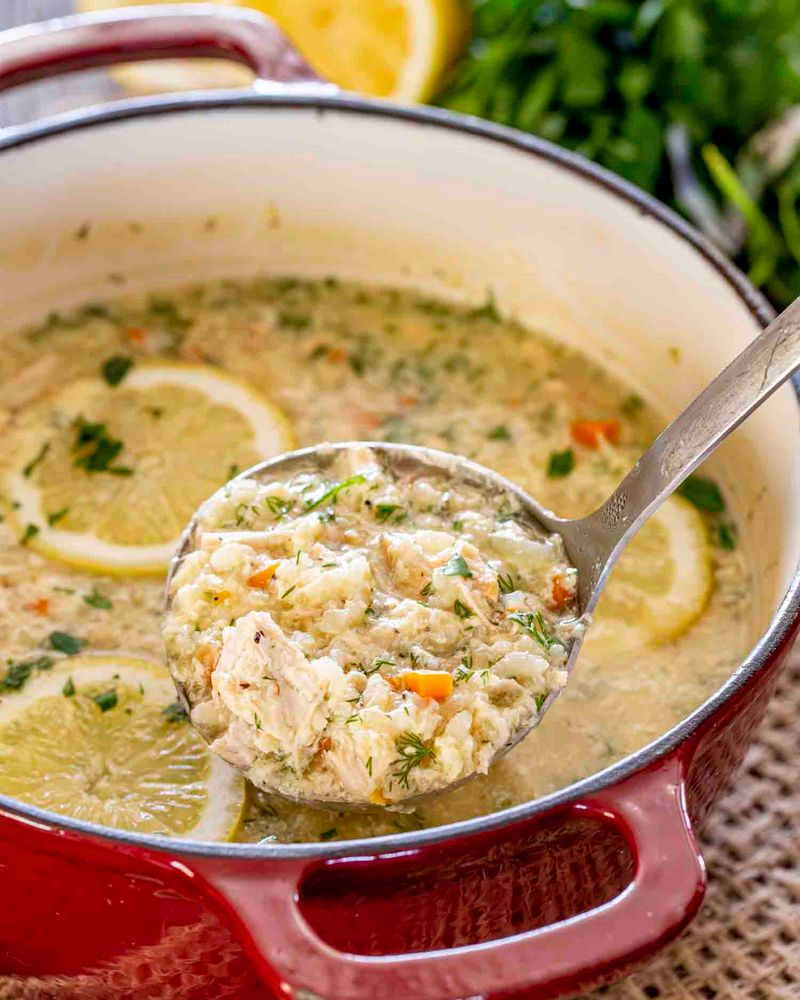
A splash of acid brightens up all the flavors in the soup. Without it, the broth can taste dull and heavy, especially with rice and rich chicken.
Add a squeeze of lemon juice, a dash of vinegar, or a spoonful of yogurt just before serving. It brings everything into balance and gives the soup a fresh lift.
14. Adding Cream Too Soon
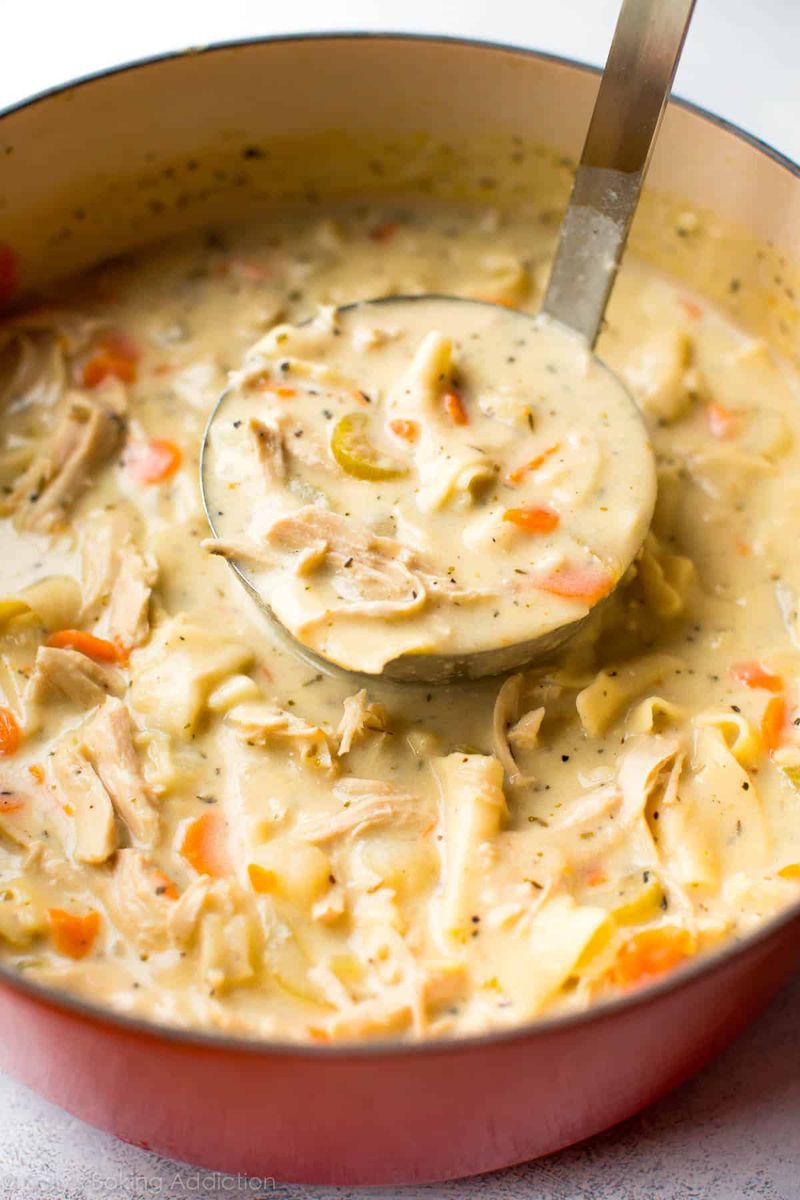
If you want to make the soup creamy, don’t add dairy while it’s still boiling. High heat can cause it to curdle and separate.
Remove the pot from heat before stirring in cream or milk. Stir gently and serve right away for a smooth, velvety finish.
15. Reheating Improperly
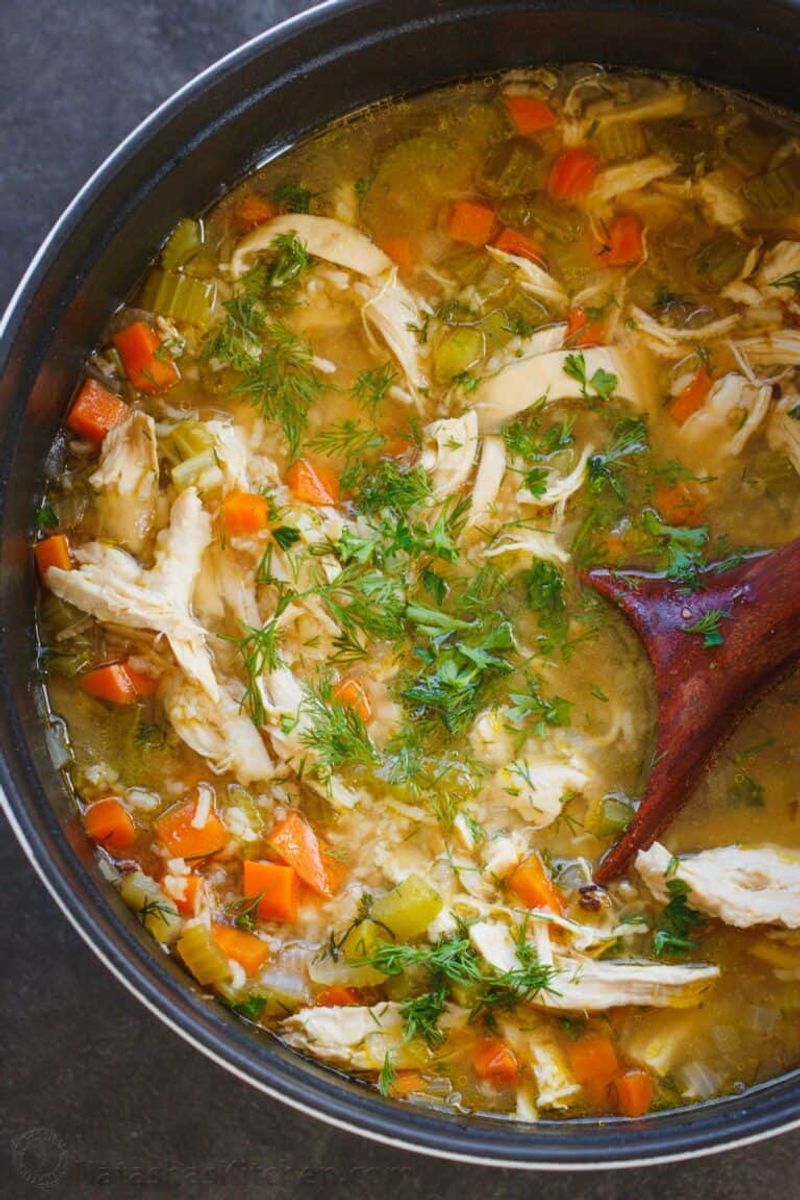
Leftover soup thickens as the rice continues absorbing broth. Reheating without adjusting can make it gluey and overly starchy.
Add a splash of water or broth before reheating to loosen the consistency. Warm gently on the stove to avoid overcooking the chicken a second time.