25 Cheeses That Might Be Ruining Your Meals
I’ve learned the hard way—not all cheeses belong in every dish. Some don’t melt, some overpower, and some just make you question your life choices. Ever tried tossing feta on a grilled cheese? Yeah, don’t.
Pick the wrong cheese, and your meal goes from chef’s kiss to what just happened? Grainy mac and cheese? That’s your cheese betraying you. Blue cheese on a Caprese? Please, no. The right cheese makes all the difference.
So let’s talk swaps. Choose wisely, and your meals will thank you. (And so will anyone you’re feeding.)
1. Pre-Shredded Cheese: Convenience Comes At A Cost
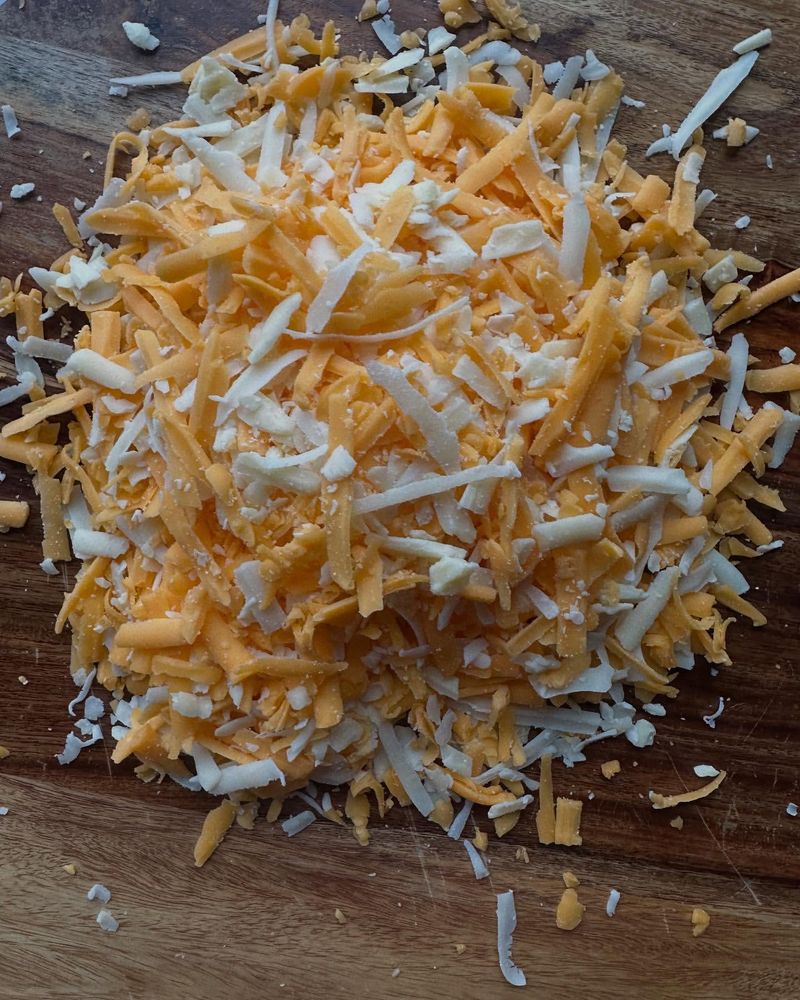
Pre-shredded cheese is a dream, right? Wrong. It’s coated in anti-caking agents that ruin its meltability. Ever wondered why your cheese sauce is grainy? Blame this convenience culprit.
It’s easy, but it doesn’t melt like the block cheese you grate yourself. So, if you want that smooth, creamy finish, ditch the bag. Go for fresh. It’s worth the effort.
Your mac and cheese will thank you. Experience the ooey-gooey perfection. It’s a lesson worth learning. Fresh is always better. Trust me on this one.
2. Blue Cheese: Caprese’s Worst Enemy
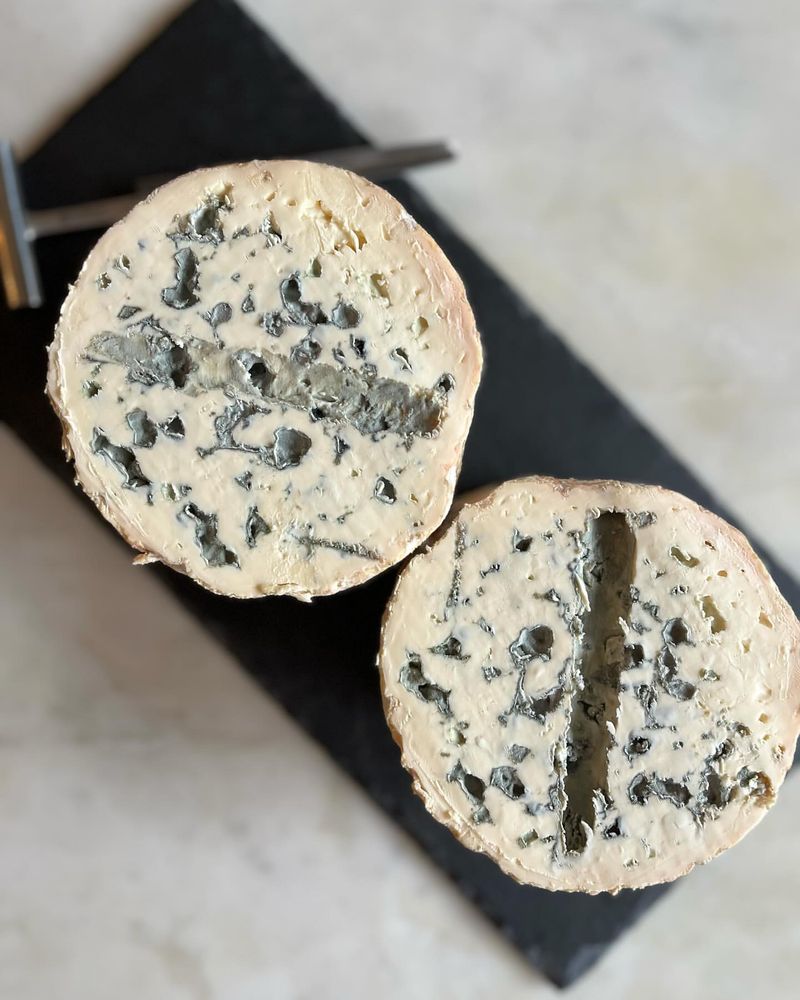
Blue cheese on a Caprese salad? Just… no. Its bold flavor overpowers the delicate tomato and mozzarella combination. The balance is key in this classic dish.
Leave the blue for your burgers or a wedge salad, where it shines. On a Caprese, it’s like inviting a loud friend to a quiet dinner. They steal the spotlight.
Opt for fresh mozzarella instead. It complements, rather than competes. Your taste buds will breathe a sigh of relief. Balance restored. Enjoy your salad.
3. Feta Cheese: The No-Melt Wonder
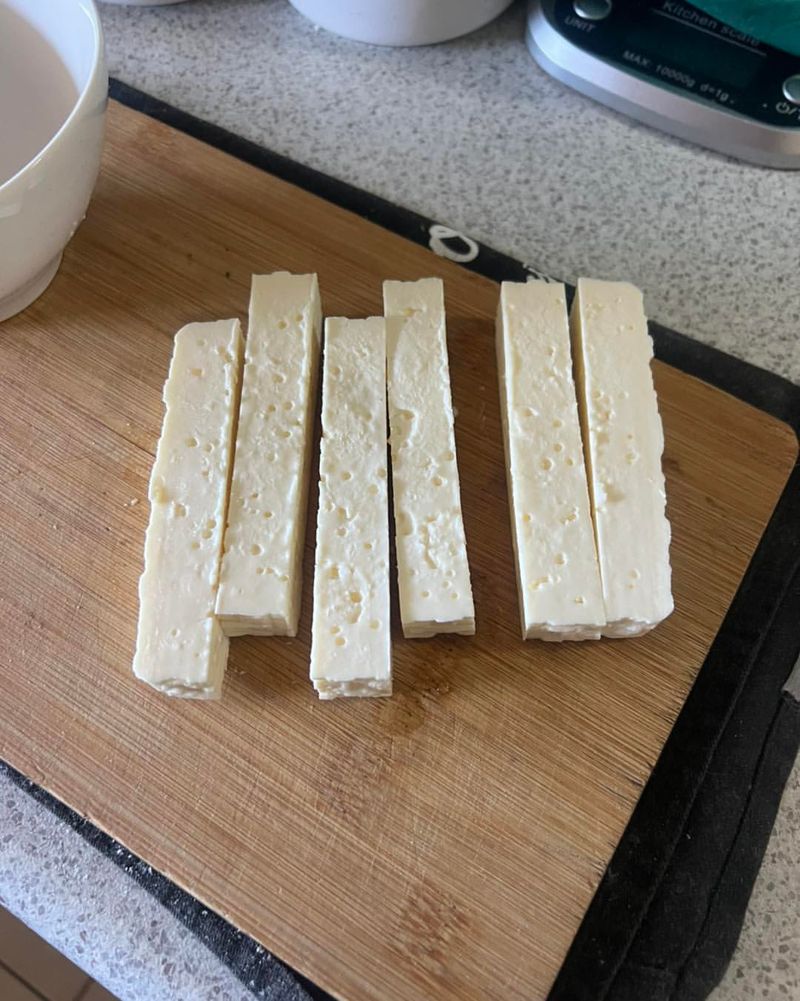
Ever tried melting feta? Spoiler: It won’t work. Feta is notorious for its no-melt nature. Perfect for salads, a disaster for fondues.
Its crumbly texture and tangy taste shine in cold dishes. But heat it up, and you’ll end up with a lumpy mess. It’s a cheese that knows its place.
Slice it, crumble it, but don’t melt it. Keep it cold, keep it fresh. That’s where feta belongs. Save yourself the frustration.
4. Processed Cheese: The Faux Pas
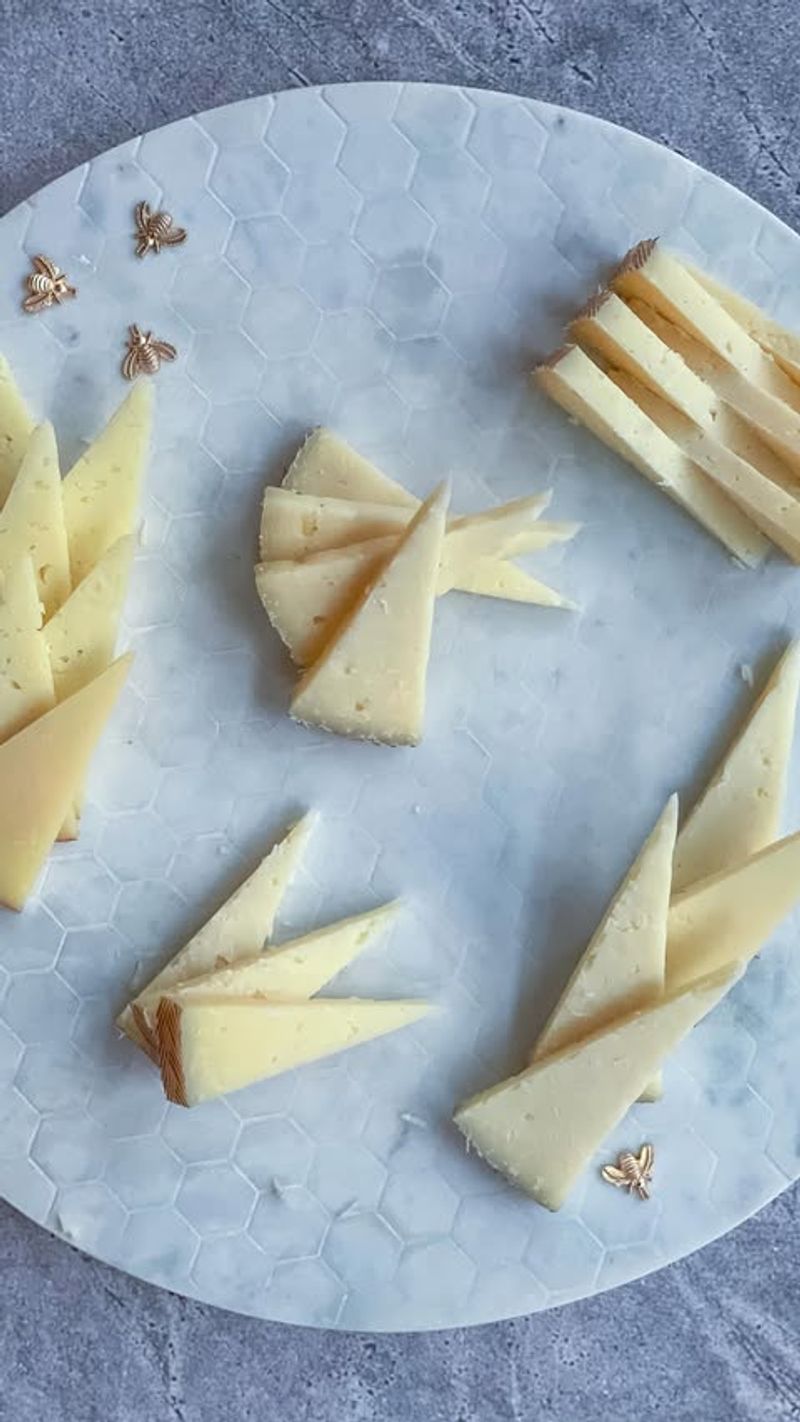
Processed cheese slices have their place, but it’s not on a gourmet cheese board. They’re the fast food of cheeses. Quick, easy, but lacking substance.
They melt well, sure, but they lack the character of their artisanal cousins. Aged cheddar, creamy brie, these are the stars. Processed slices? Not so much.
If you’re looking to impress, leave these in the fridge. Go for something with depth, with flavor. You’ll taste the difference. Your guests will too.
5. Brie Cheese: Timing Is Everything
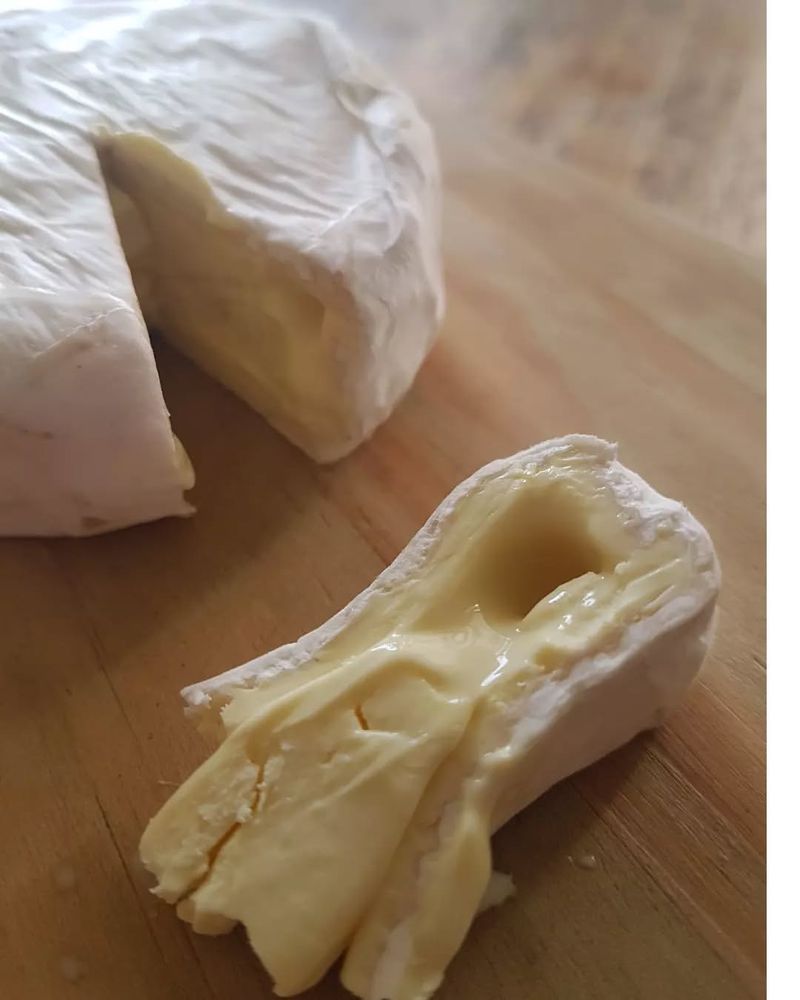
This one is a delicacy, but timing is key. Overripe brie develops an ammonia-like smell, turning a creamy delight into a pungent disaster.
Serve it too early, and it’s flavorless. Wait too long, and it’s overpowering. It’s a balancing act worth mastering. Get it right, and it’s sublime.
Check the rind, give it a sniff. Serve at room temperature for the best experience. Avoid the ammonia surprise. Perfect timing makes perfect brie.
6. Goat Cheese: Not Always The GOAT
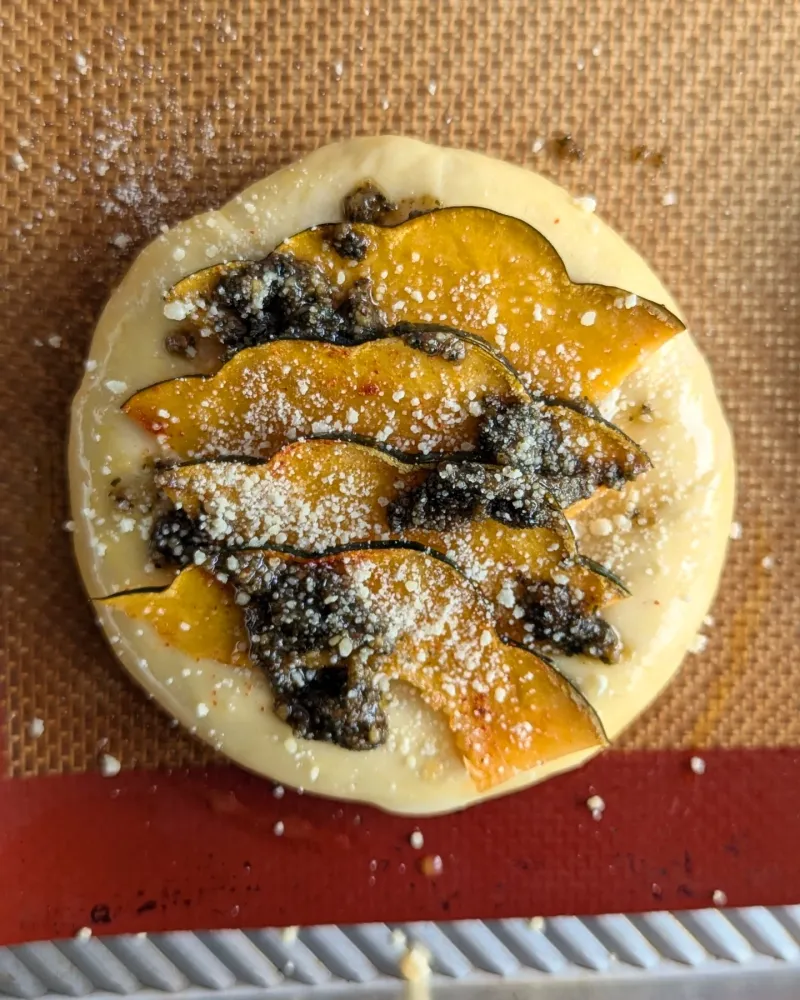
If you’re looking for a strong-willed cheese, use goat cheese. But be careful, its tangy, bold flavor can overpower delicate dishes. Ever tried it on a light summer salad? It’s a mismatch.
For balance, pair it with robust flavors. Think roasted beets or caramelized onions. It needs a partner that can stand up to it.
Use sparingly, and it adds depth. But too much? It dominates. Let the dish decide.
7. Parmesan Cheese: Freshness Matters
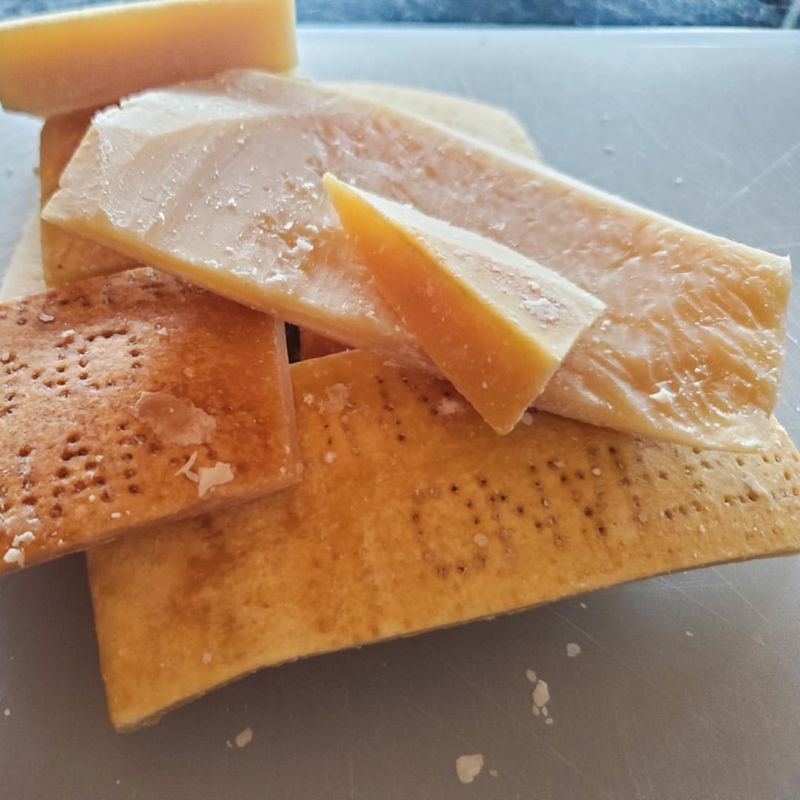
Pre-grated Parmesan is convenient, but freshness is key. It often clumps and loses its nutty aroma. A stale odor is your first clue.
For true Parmesan magic, buy a wedge and grate it yourself. You’ll notice the difference in flavor and texture. It’s more than worth the effort.
Sprinkle on pasta, salads, or soups. But remember, fresh is best.
8. American Cheese: Fast Food Faux Pas
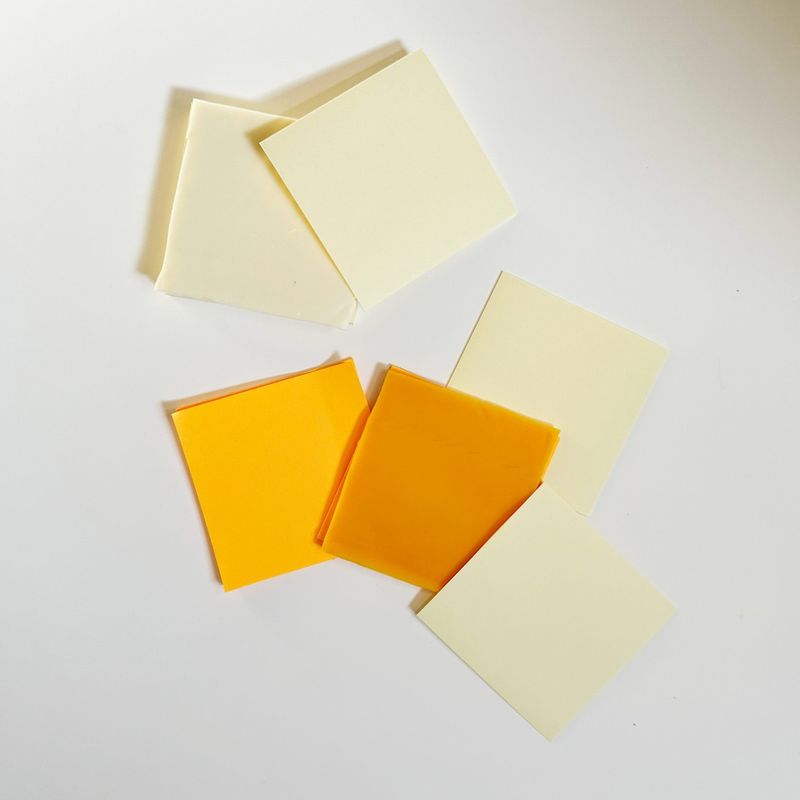
American cheese is a fast food favorite, but it doesn’t belong on a gourmet burger. It melts beautifully but lacks the rich flavor profile needed.
For a burger worthy of your grill, choose a cheese with character. Think sharp cheddar or smoky gouda. They add depth, not just gooeyness.
Avoid the fast food misstep. Your burger deserves better. Upgrade your cheese, upgrade your meal. Taste the difference, enjoy the experience.
9. Ricotta Cheese: Mind The Water
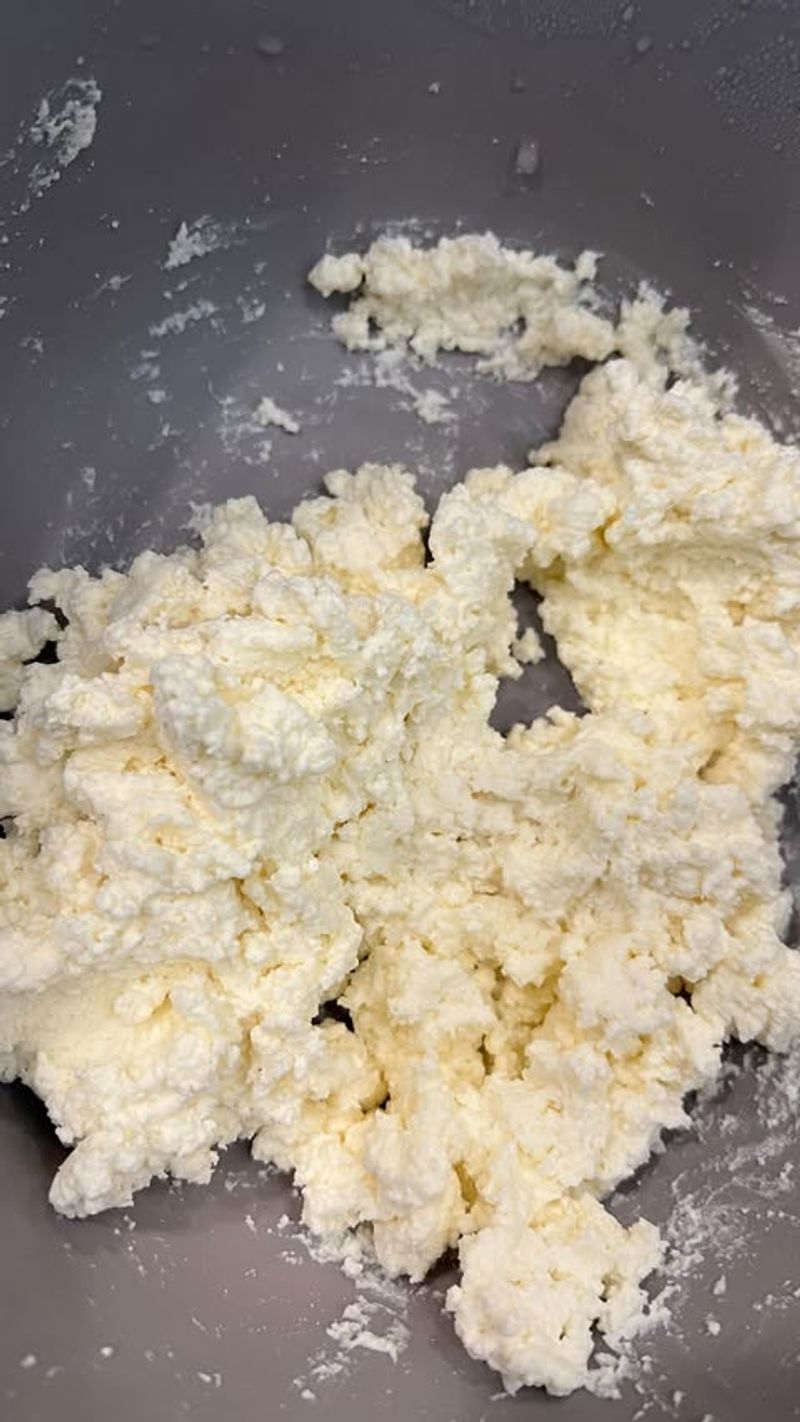
Ricotta can be a lasagna’s best friend or its worst enemy. Too watery, and it turns your layers into soup. Not what you want.
Drain it well, and it rewards you with creamy, delicious layers. It’s all about preparation. Don’t let the water spoil your masterpiece.
Use it wisely, and ricotta elevates. Ignore it, and it ruins. Lasagna deserves the best. Treat your ricotta with care. Enjoy the perfect slice.
10. Paneer Cheese: The Firm Stand
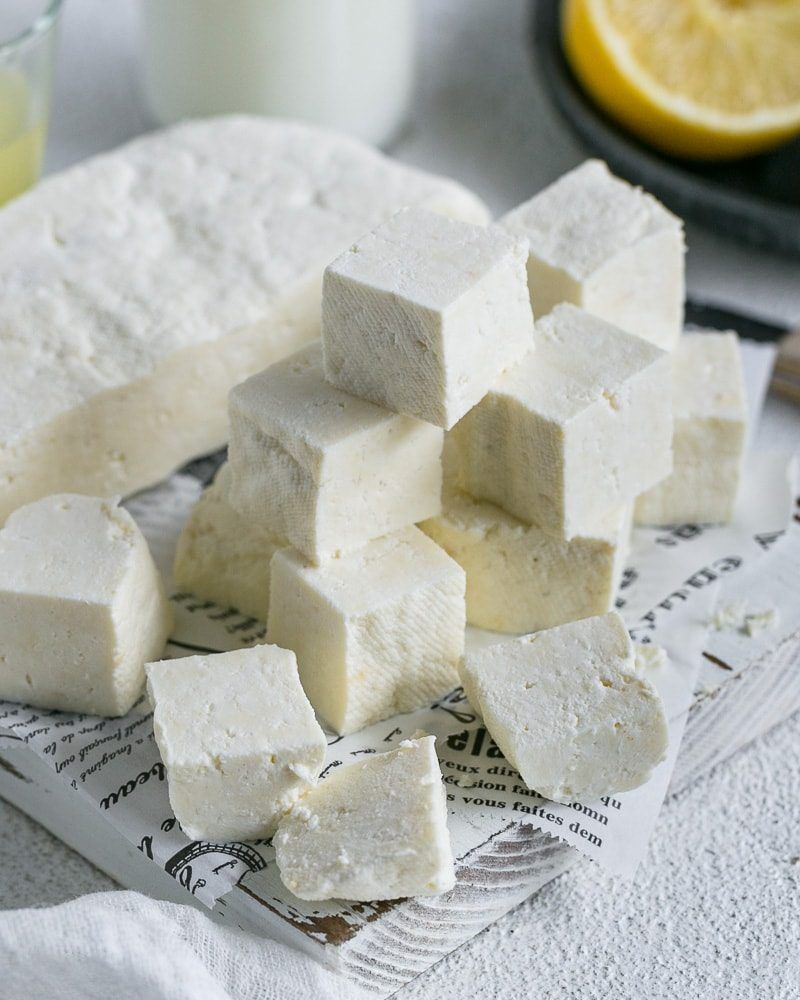
This one is unique. It doesn’t melt, and that’s its charm. But place it where a melt is expected, and it disappoints.
Ideal for grilling, it holds its shape, absorbs flavors. But as a gooey cheese substitute, it falls flat. Understand its strength.
Use paneer where firmness is desired. Curries, skewers? Absolutely. For melty dishes, choose differently. Paneer stands strong, but only in the right role.
11. Cheddar Cheese: Mild Is Not Always Mild
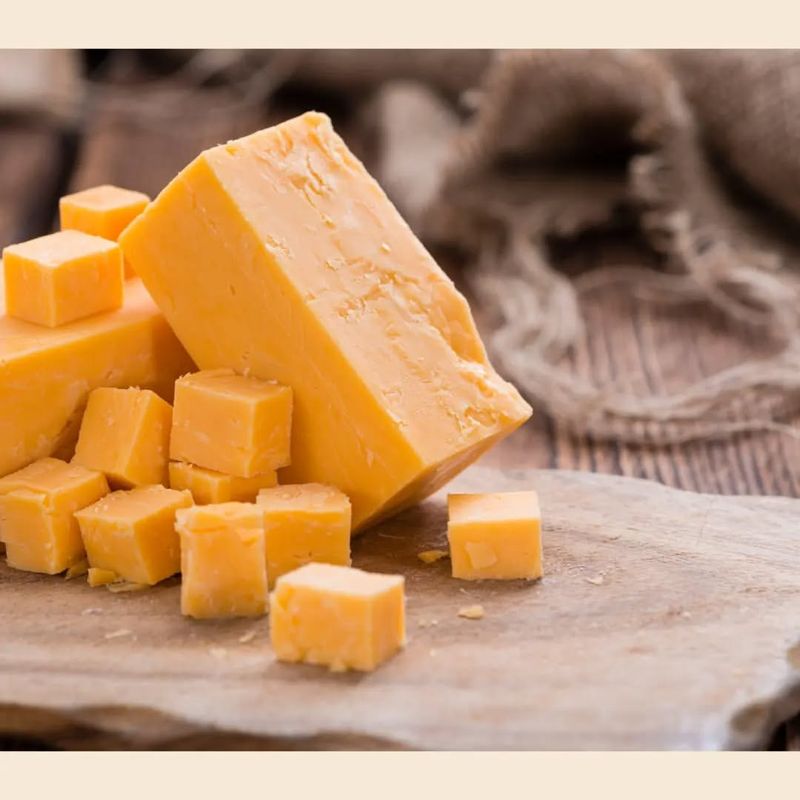
Mild cheddar is often too mild. On a grilled cheese, it can fade into the background. A missed opportunity for flavor.
For impact, choose sharp cheddar. It brings the tang, the bite, the character. Mild cheddar? It’s for the faint of heart.
Upgrade your grilled cheese experience. Sharp cheddar is bold, unapologetic. It’s the hero your sandwich deserves.
12. Swiss Cheese: Holey But Not Wholly
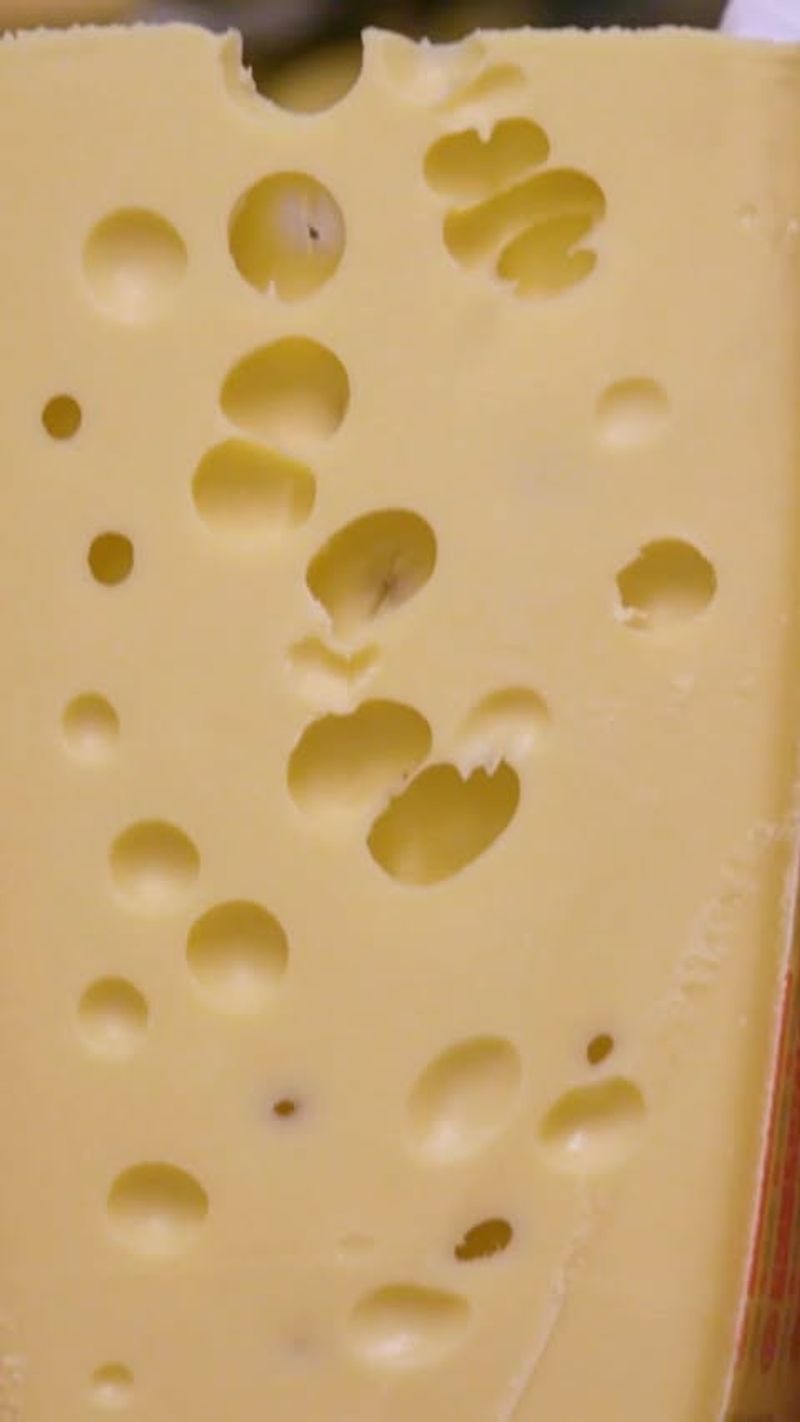
It is famous for its holes, but sometimes it lacks flavor. On a deli sandwich, it can be forgettable.
The mild, nutty taste is pleasant, but when you need bold, it can underwhelm. It’s the silent partner in a loud meal.
If you want impact, look elsewhere. Swiss has its place, but a standout cheese it is not.
13. Camembert Cheese: Aroma Alert
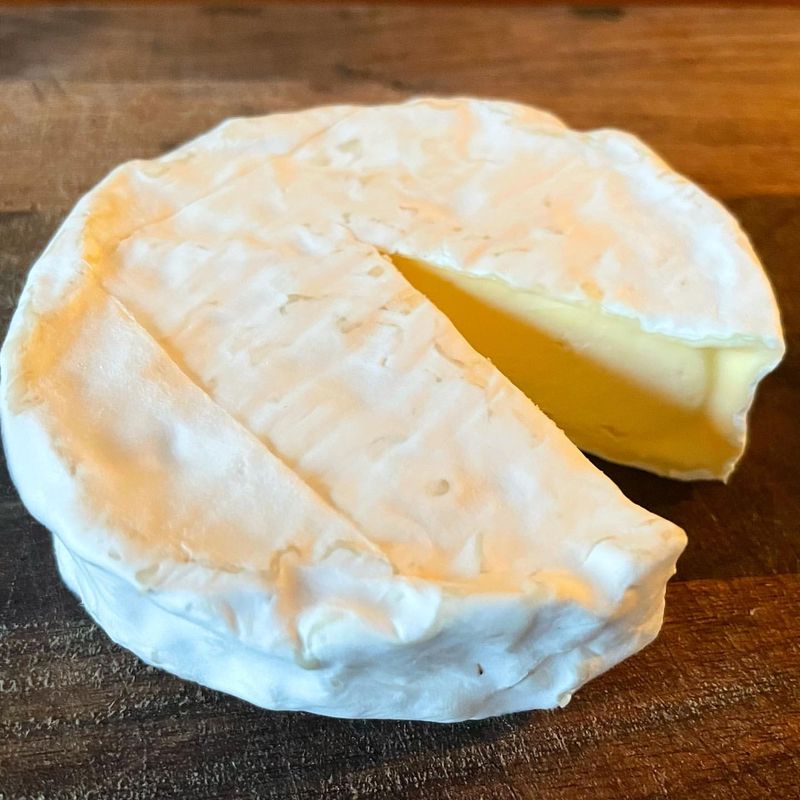
Camembert is luxurious, but tread carefully. Overripe, and it smells pungent, even overwhelming.
Served at its peak, it’s creamy, rich, delightful. But past its prime, and it’s a sensory overload. Aroma is your guide.
Check the date, test the smell. When it’s right, Camembert is a cheese lover’s dream. Avoid the stink, savor the cream.
14. Gorgonzola Cheese: Bold And Beautiful?
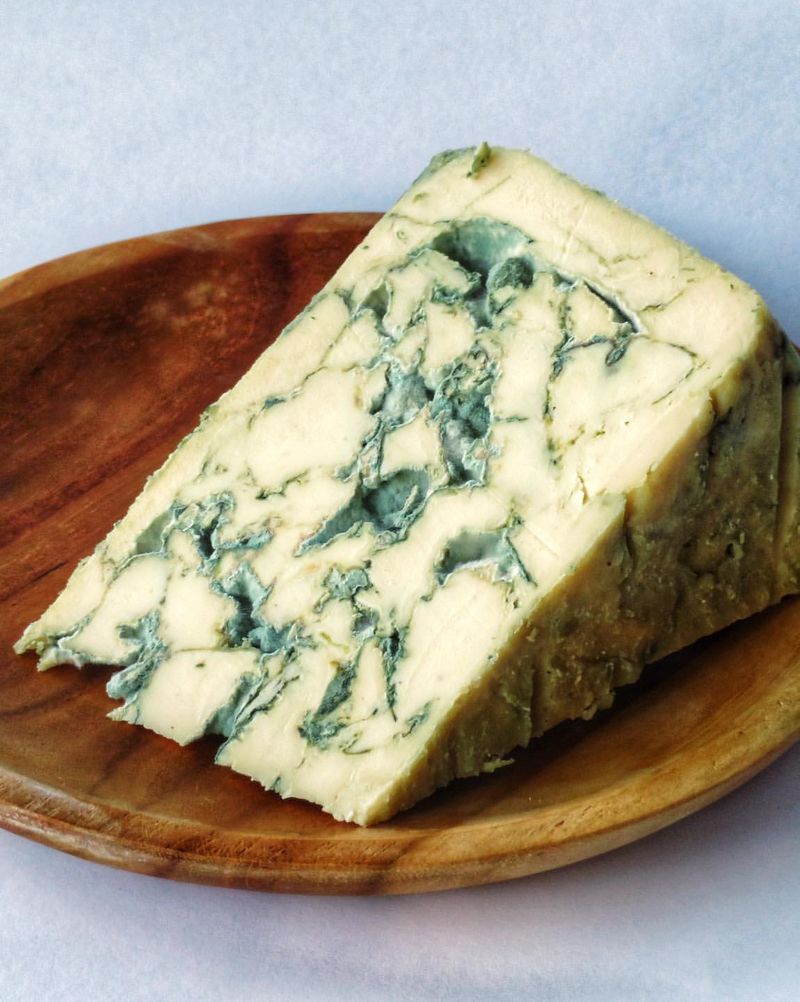
It is bold, perhaps too bold for some dishes. On seafood, it dominates, turning subtle flavors into an afterthought.
Its rich, creamy texture is a match for steak or pasta. But with delicate fish? It’s the loudest voice in the room.
Balance is everything. Pair it right, and it excels. Misstep, and it overwhelms. Use Gorgonzola with care. Let it complement, not conquer.
15. Mozzarella Cheese: The Rubber Band Effect
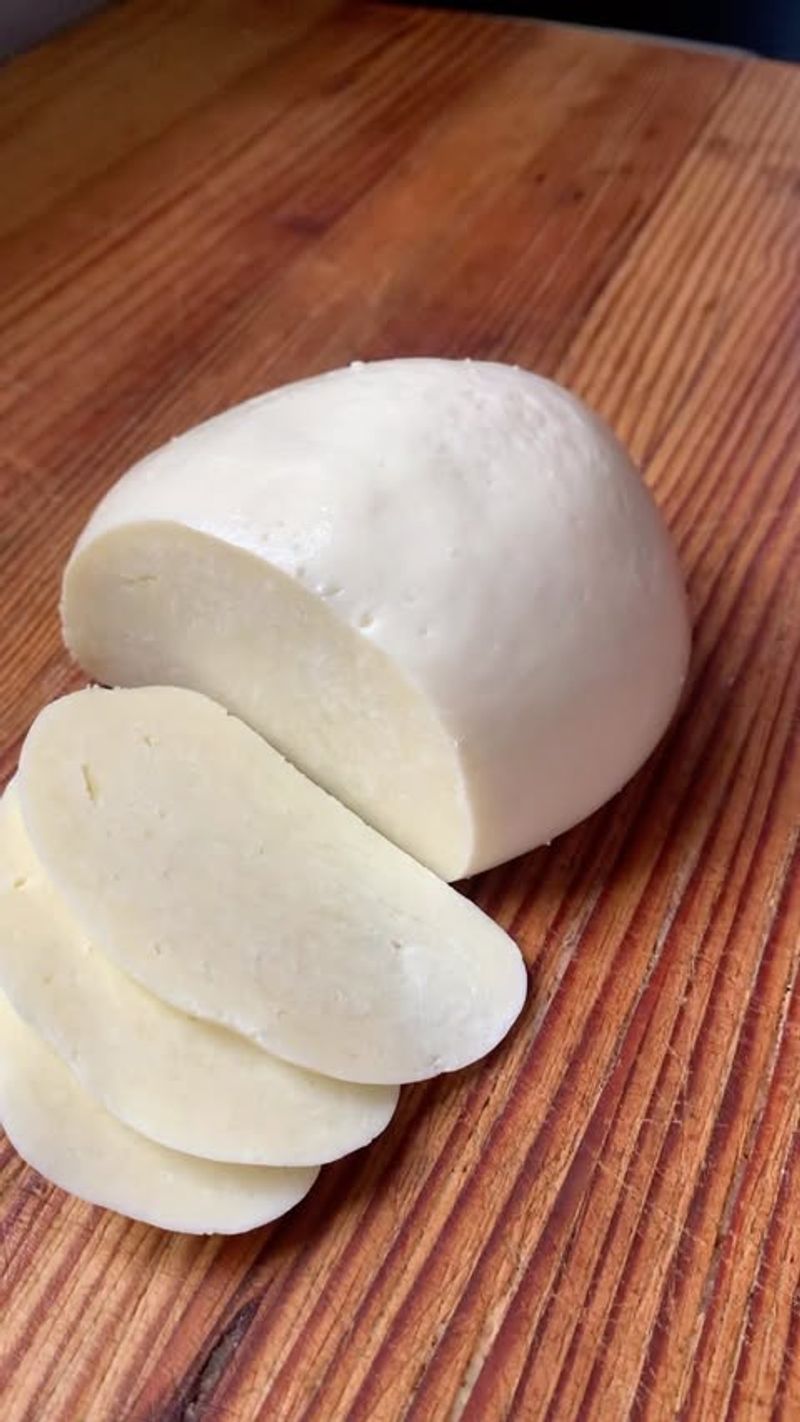
Mozzarella is a staple, but quality varies. Cheap mozzarella can turn rubbery, refusing to melt smoothly on pizza.
For that perfect stretch, choose fresh, high-quality mozzarella. The kind that melts into gooey perfection, not rubbery resistance.
Your pizza deserves the best. Don’t let inferior mozzarella ruin the slice. Choose wisely, enjoy fully. Taste the real mozzarella magic.
16. Halloumi Cheese: The Non-Melter
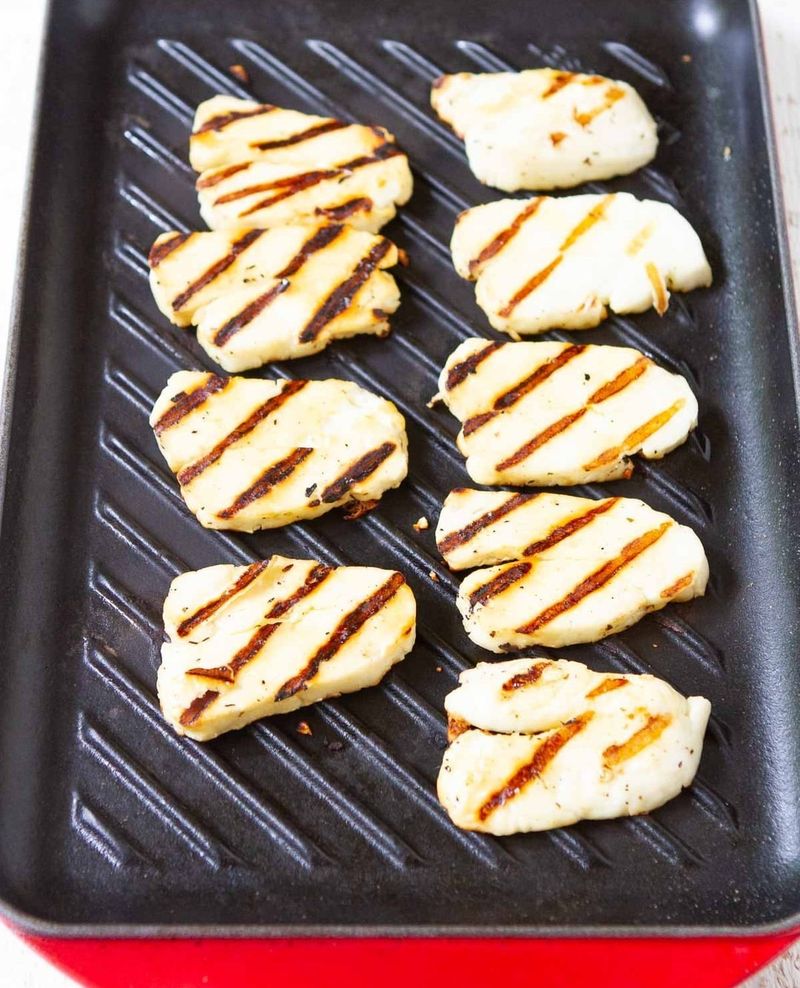
This cheese also doesn’t melt. It is great for grilling, but not for where gooey is expected.
On a burger, it stays firm, offering a different texture, not a melt. Understand its role, and it delights.
Use halloumi for its strengths. Grill it, skewer it. But for a classic melt, choose differently. Halloumi stands proud, but not in the melting game.
17. Roquefort Cheese: Sweet’s Nemesis
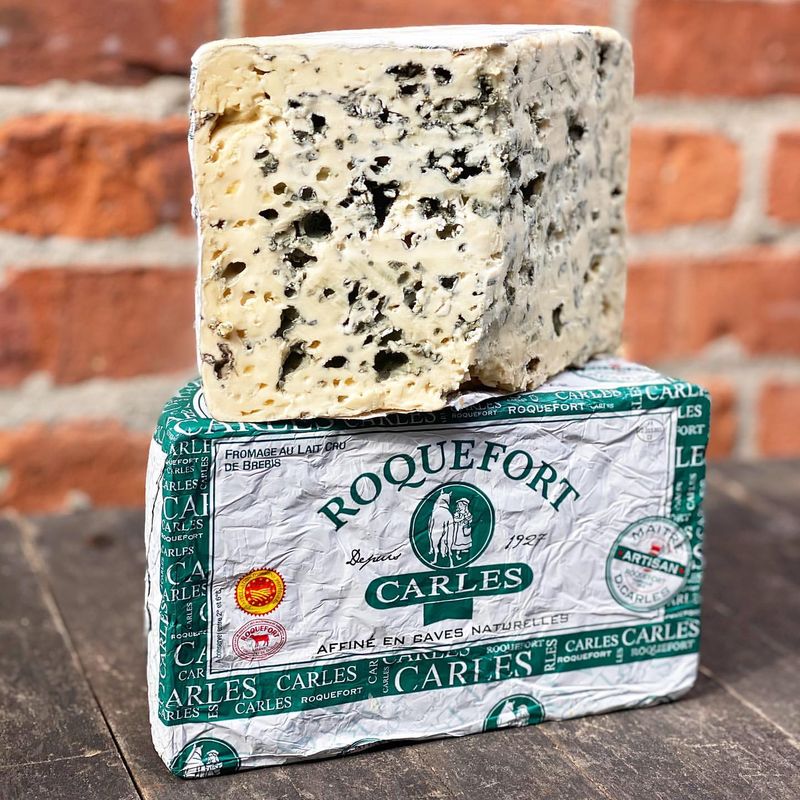
Roquefort is assertive. Its strong, salty taste can ruin a sweet pairing. Imagine it with dessert—it’s a clash.
This blue cheese thrives with savory, where its punch is appreciated. With sweets? It’s a mismatch.
Pair Roquefort wisely. Let it enhance, not overshadow. It’s bold, but needs the right stage. Choose your pairings with care.
18. Provolone Cheese: The Melting Challenge
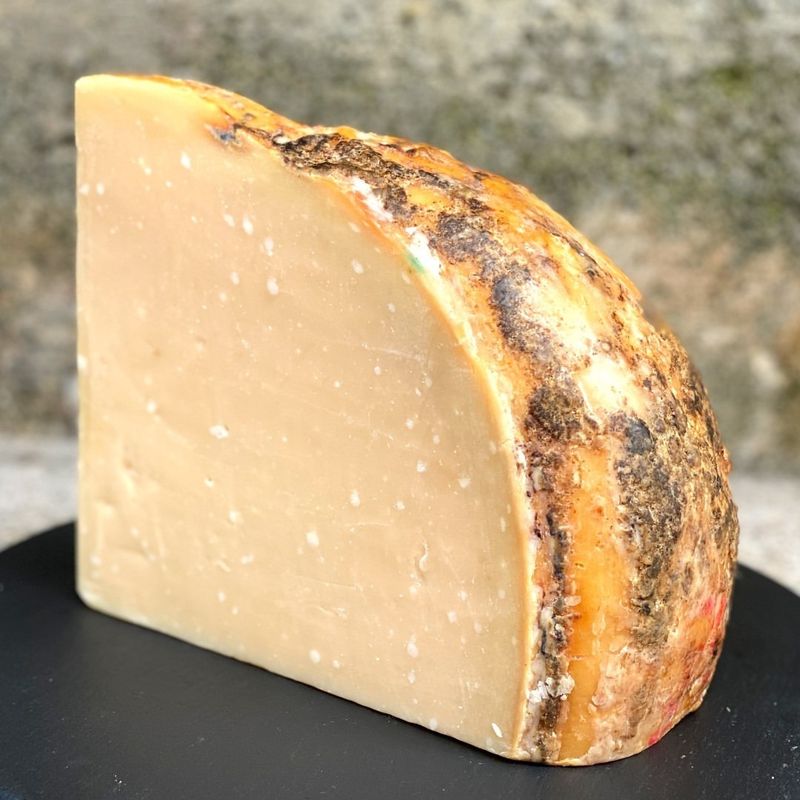
Provolone is versatile, but melting can be uneven. On a baked dish, it sometimes pools, not spreading smoothly.
To get the best from provolone, use it where direct melting isn’t critical. Sandwiches, cold cuts—it shines there.
For even melting, consider alternatives. Provolone has its place, but know its limits. Use it right, and it rewards.
19. Monterey Jack Cheese: Milder Than You Think
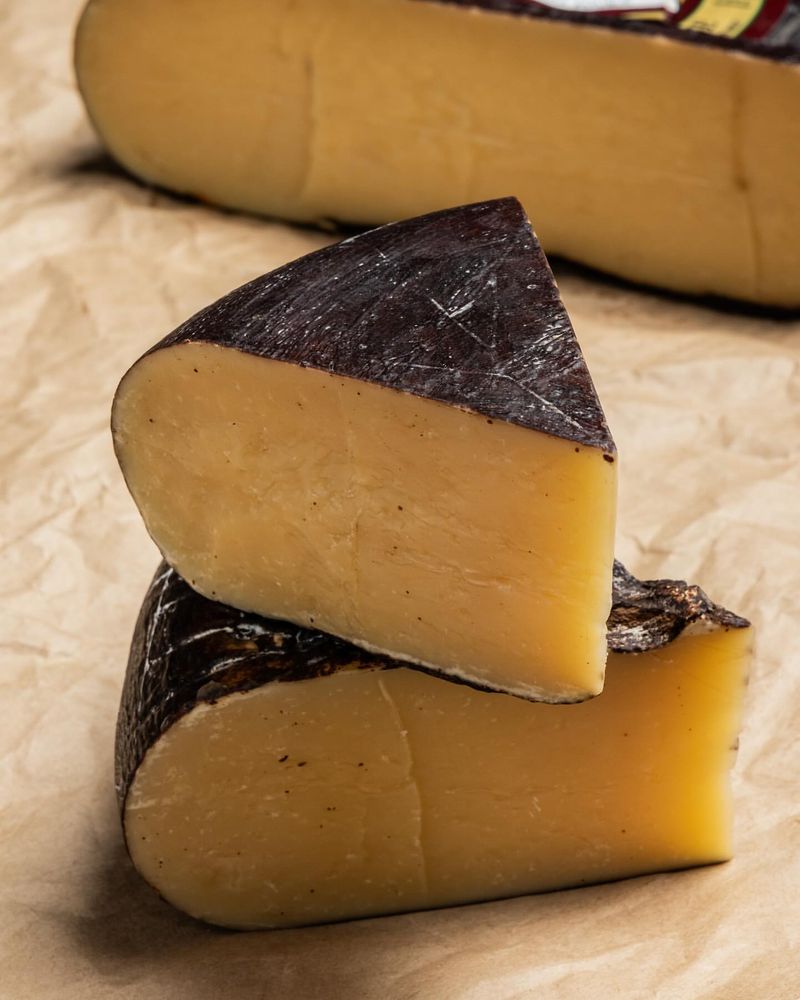
Monterey Jack is smooth but mild. On spicy nachos, it can fade into the background, a missed chance for flavor.
For impact, try pepper jack. It brings heat, character, a twist. Monterey Jack? Sometimes too subtle.
Let your nachos be bold. Choose cheese that steps up. Monterey Jack has its place, but nachos need more. Spice it up, taste the difference.
20. Colby Cheese: The Gentle Giant
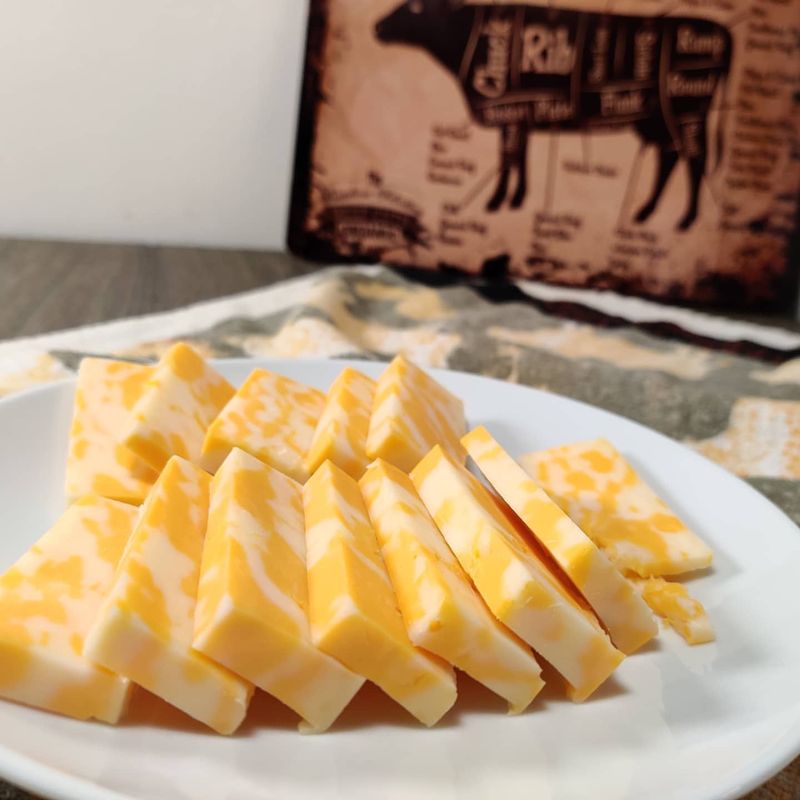
It is gentle, perhaps too gentle for bold sandwiches. Its mildness can be lost amidst rich flavors.
For a beefy sandwich, choose a cheese that stands up. Think aged cheddar or provolone. Colby is a softer touch.
Balance is key. Let the cheese complement, not get overshadowed. Your sandwich deserves it.
21. Limburger Cheese: Smell Before Taste
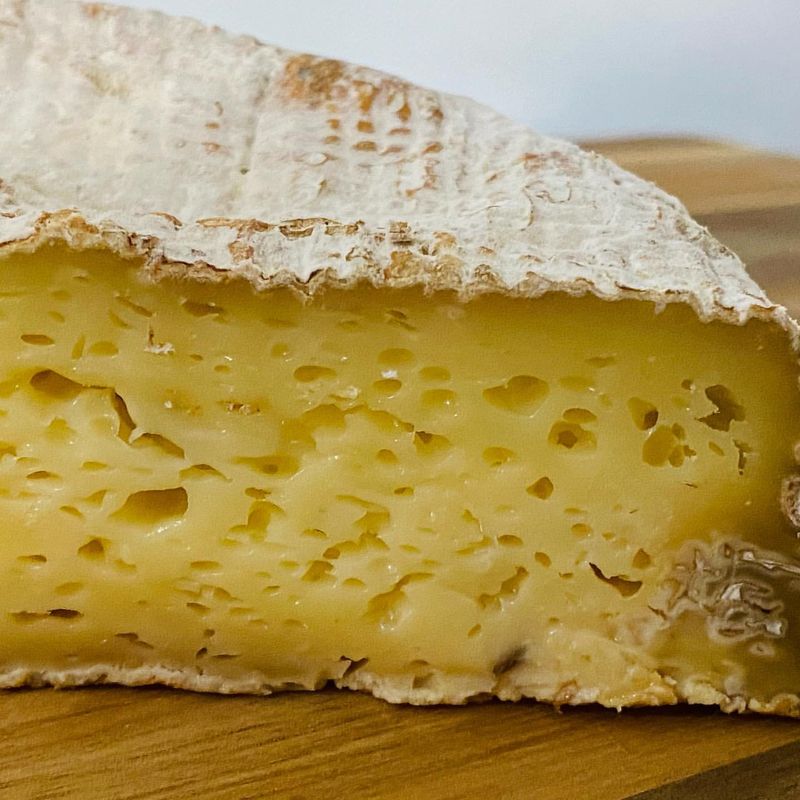
Limburger is famous for its smell, often overpowering before you taste it. It’s an acquired taste, to say the least.
Serve it with caution. Its pungency can dominate a table. If you love it, pair wisely. If not, consider alternatives.
Let it age, but know when to serve. Limburger is bold—make it right, and it’s rewarding. Misstep, and it’s overwhelming.
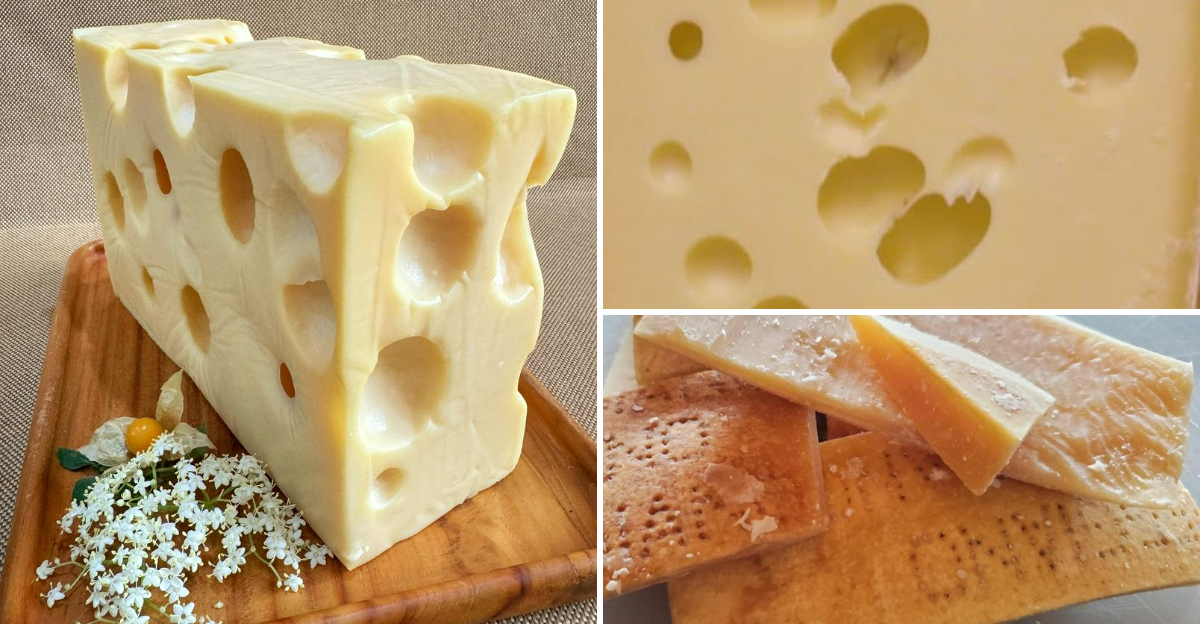
22. Emmental Cheese: Holey But Subtle
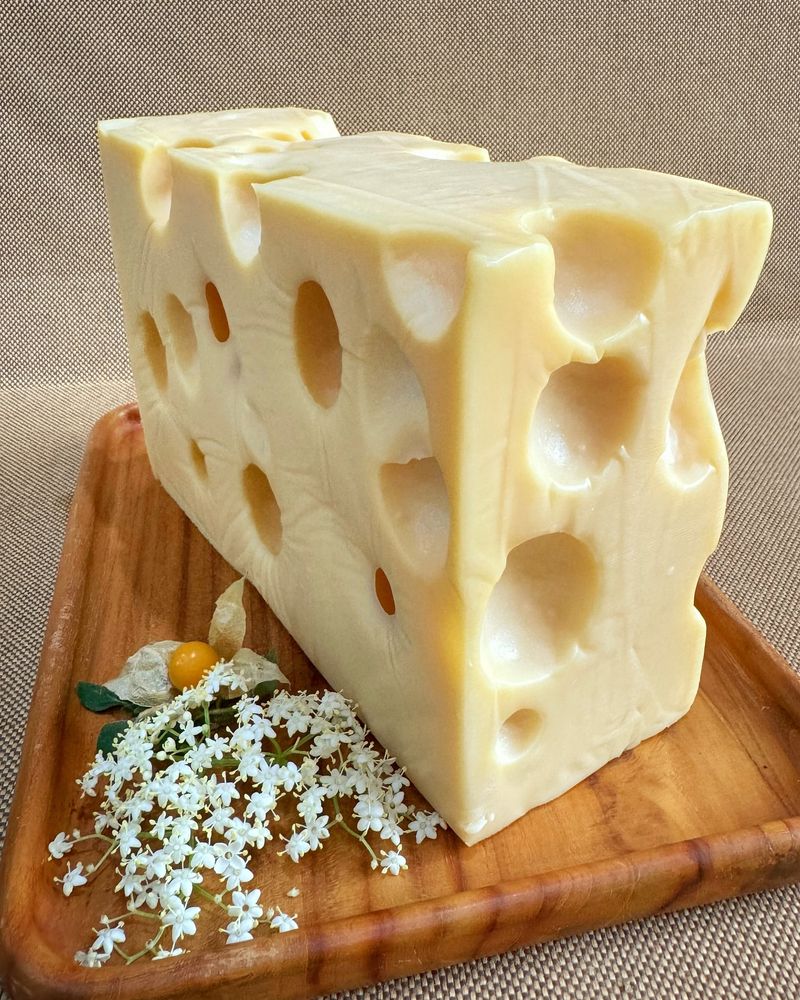
With its signature holes, Emmental is an interesting cheese but can be mild. On a bold sandwich, it might not deliver the punch you expect.
Its nutty flavor is charming but subtle. For stronger flavors, complement it with a bolder cheese.
Use Emmental where its gentleness shines. In the right dish, it’s delightful. But for bold, look elsewhere. Choose your cheese adventure wisely.
23. Havarti Cheese: The Quiet Companion
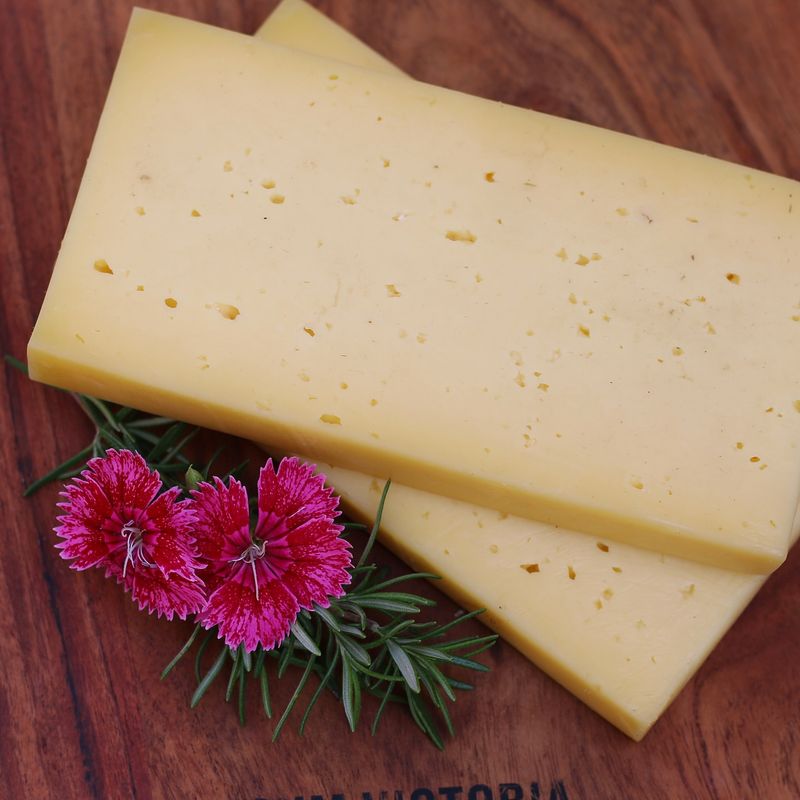
Havarti is smooth and creamy but mild. On a spicy meat platter, it can lose its character, overshadowed by bold flavors.
Let Havarti shine where its subtleties are appreciated. Sandwiches, mild pairings—it’s a gentle delight.
Match your cheese to the mood. Havarti is a soft touch, not for the spice. Pair wisely, enjoy fully. Taste the harmony.
24. Cotija Cheese: Crumble, Don’t Melt
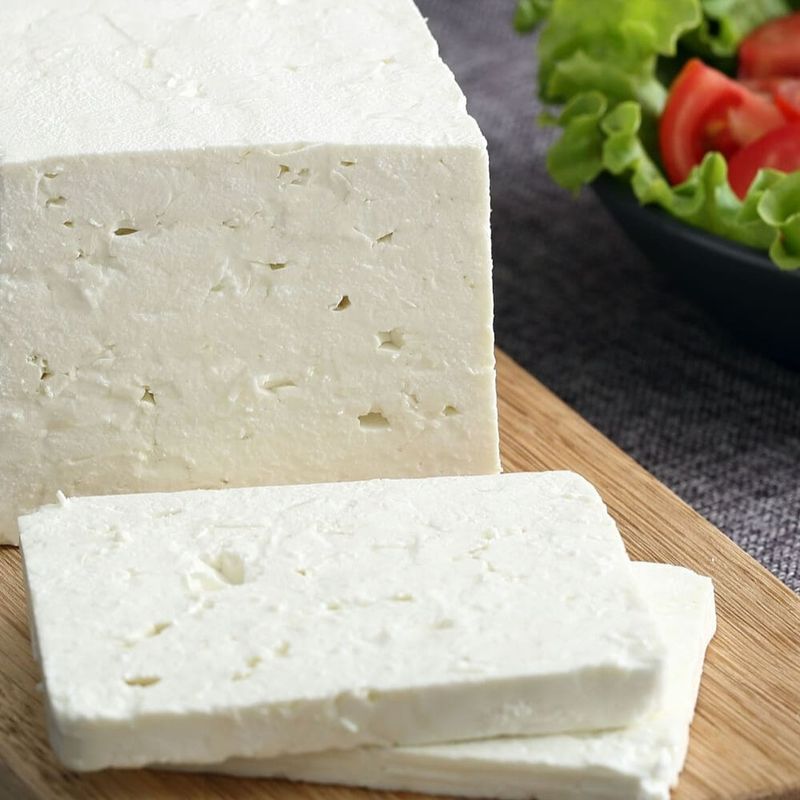
It is a crumbly cheese, perfect for topping, but it doesn’t melt. On hot Mexican dishes, it might not meet expectations.
Use it as a garnish for tacos, salads, where its texture shines. Melting? Not its game.
Know cotija’s strength. Let it finish, not melt. Choose your cheese role. Cotija is a topper, not a melter.
25. Stinky Dragon Cheese: Beware The Unfriendliness
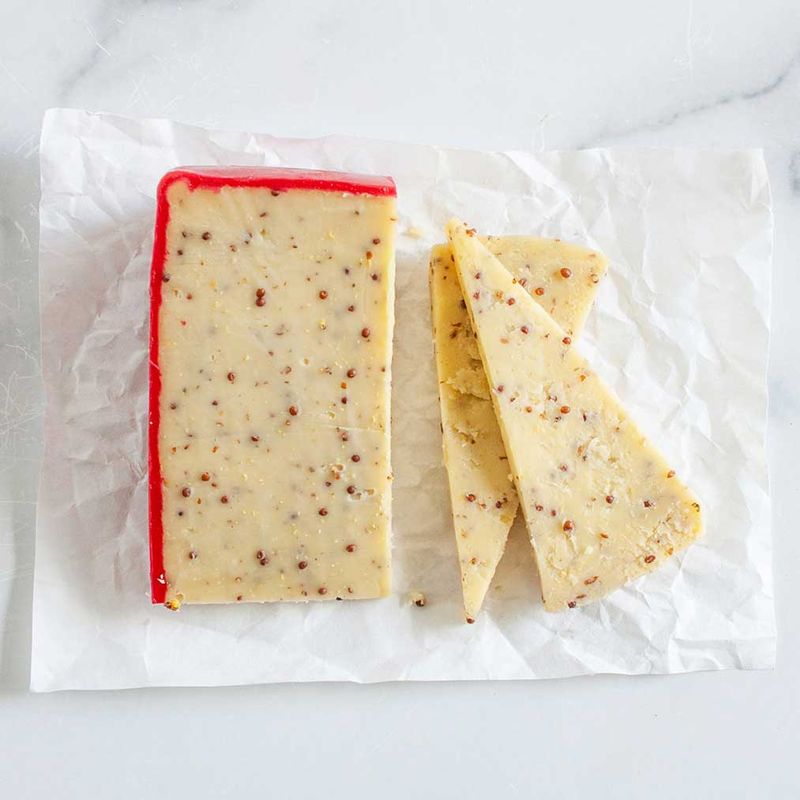
If you’re adventurous, you might have stumbled upon Stinky Dragon Cheese. But beware, this fantastical cheese, though entertaining in appearance, may not be the friendliest to your taste buds. With an aroma that could rival a dragon’s breath, it often overpowers delicate dishes.
Its firm texture can be misleading, as the flavor is anything but subtle.
Consider using it sparingly, perhaps grated over a hearty stew where its boldness can shine. This cheese is best suited for those with a taste for the truly adventurous.