20 Desserts With Histories As Rich As Their Flavors
Let me tell you about my obsession with dessert history. I’ve spent years diving into dusty cookbooks and family recipes. You won’t believe some of these stories.
I’ve gathered 20 of the most fascinating dessert tales that’ll make your next bite even sweeter. Some of these treats started in lavish palaces. Others came from grandmothers’ kitchens during wartime.
Call yourself a dessert detective? A sugar sleuth? Perfect. You’re about to discover secrets that’ll make you the most interesting person at any dinner party.
1. Tiramisu
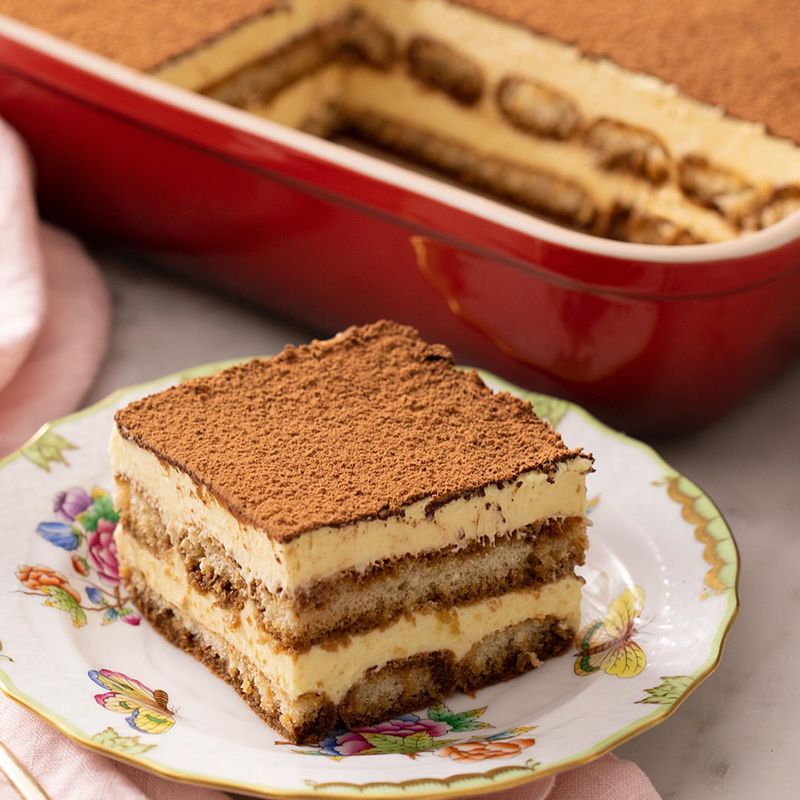
Tiramisu, the quintessential Italian dessert, whispers tales of romance and indulgence. Originally crafted in the luscious landscapes of Veneto, this layered delight was rumored to be a quick energy booster for courtesans. With each spoonful, you taste the harmonious blend of espresso-soaked ladyfingers and creamy mascarpone cheese.
Its name, meaning ‘pick me up,’ perfectly encapsulates its invigorating essence. Imagine sitting in an Italian café, where the air is filled with laughter and the rich aroma of coffee. Tiramisu has traveled far beyond its homeland, charming dessert lovers worldwide.
2. Baklava
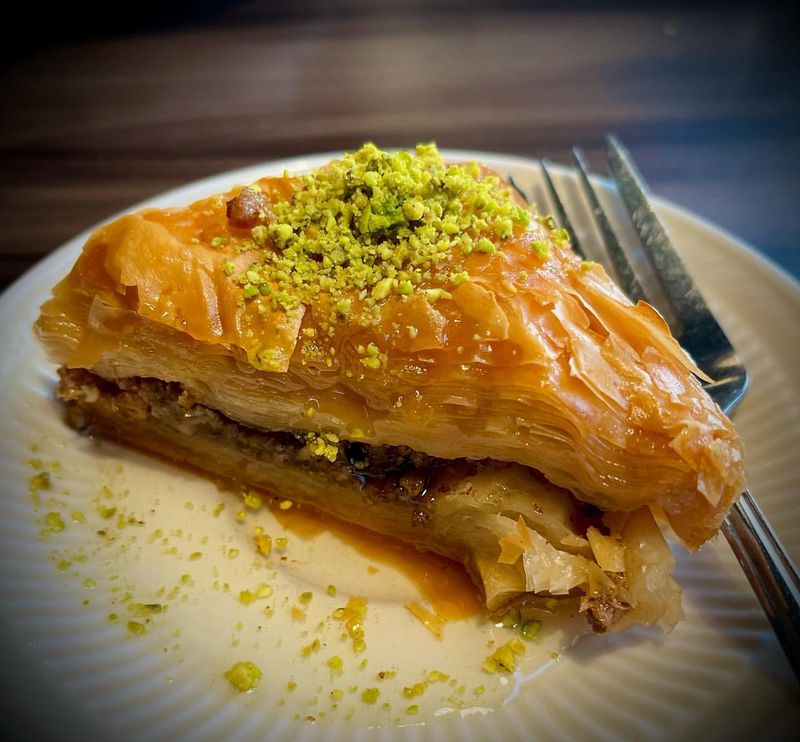
A symbol of celebration in Middle Eastern culture, baklava is as rich in flavor as it is in history. Originating from the ancient kitchens of Turkey and Greece, this dessert is a masterpiece of layered filo pastry, nuts, and honey.
Each piece tells a story of trade routes and cultural exchanges, where spices and recipes were shared and cherished. Imagine the bustling bazaars where the scent of cinnamon and rose water fills the air.
Today, baklava remains a favorite at weddings and festivals, a sweet testament to tradition and community. If you love baklava, wait until you hear how it became a symbol of celebration.
3. Crème Brûlée
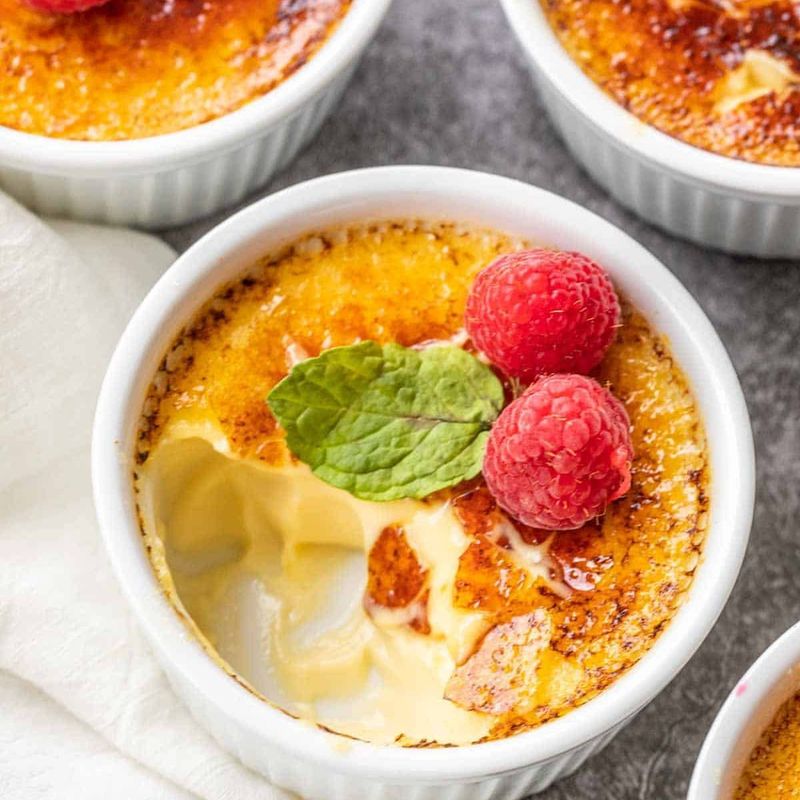
Want to hear something wild? The French and English still fight over who invented crème brûlée. Both swear it’s theirs. Drama!
Here’s what the British say: Trinity College, Cambridge. 1600s. They branded their symbol on desserts with hot iron. Show-offs. They called it “Trinity Cream” back then. The French? They laugh at that story. King Louis XIV drooled over this stuff at Versailles. His chef made it first, they claim. Drama level: royal.
These days you’ll find crazy flavors like matcha or lavender. But I’m telling you – nothing beats classic vanilla. Sometimes the old-school way wins.
4. Macarons
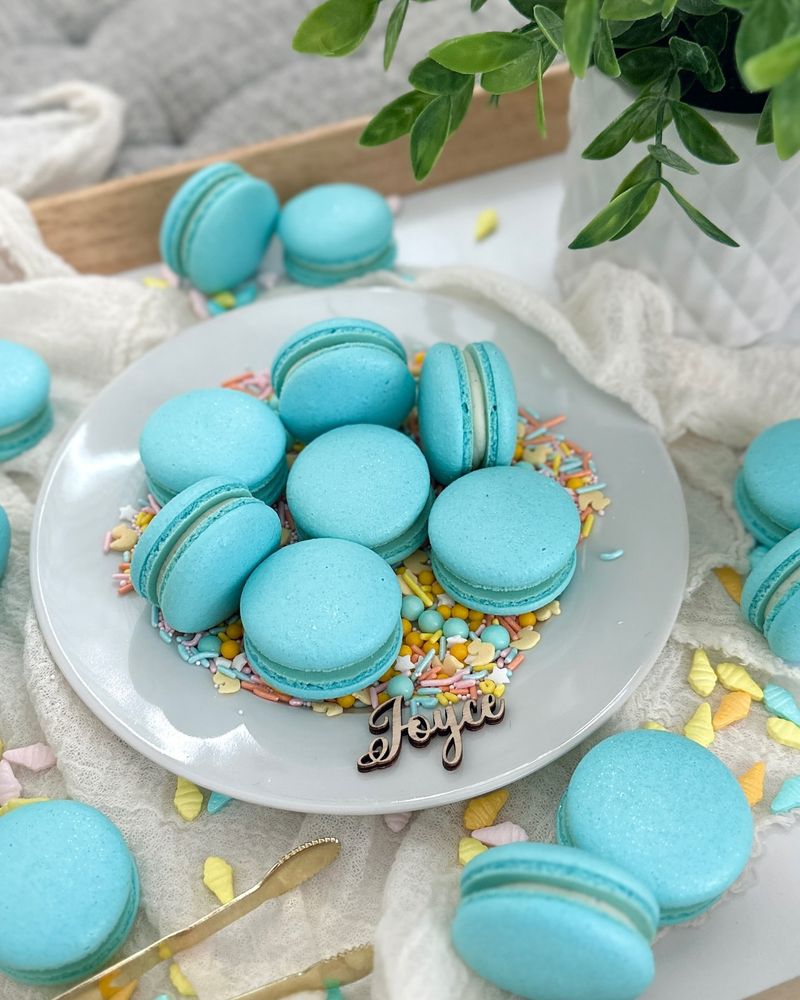
Let’s talk about macarons – they weren’t always this fancy. Italian monks started it all. Just almond cookies, super plain. No filling. No rainbow colors. Just…cookies. Then Catherine de’ Medici brought them to France. Still, they were just simple cookies though.
The macaron you know? That’s pretty new. Two Paris pastry shops still argue about who made the first sandwich-style one. Know why they’re so expensive now? Each one needs perfect temperature, perfect mixing, perfect everything. Most bakers mess up whole batches learning to make them.
5. Mooncake
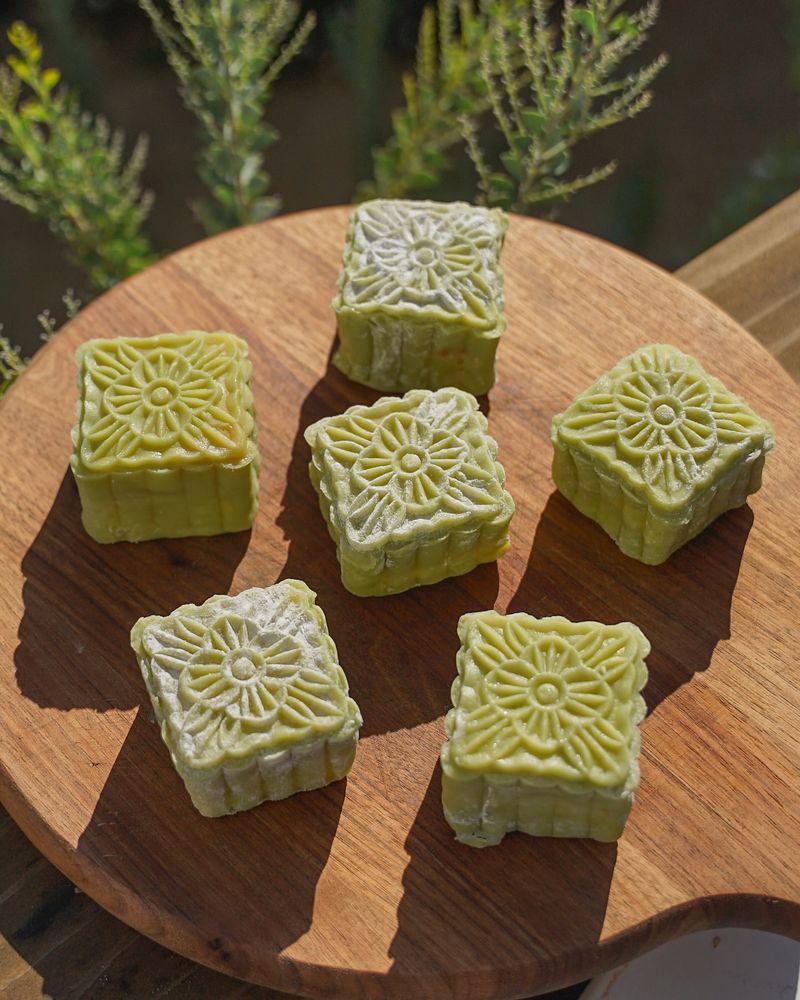
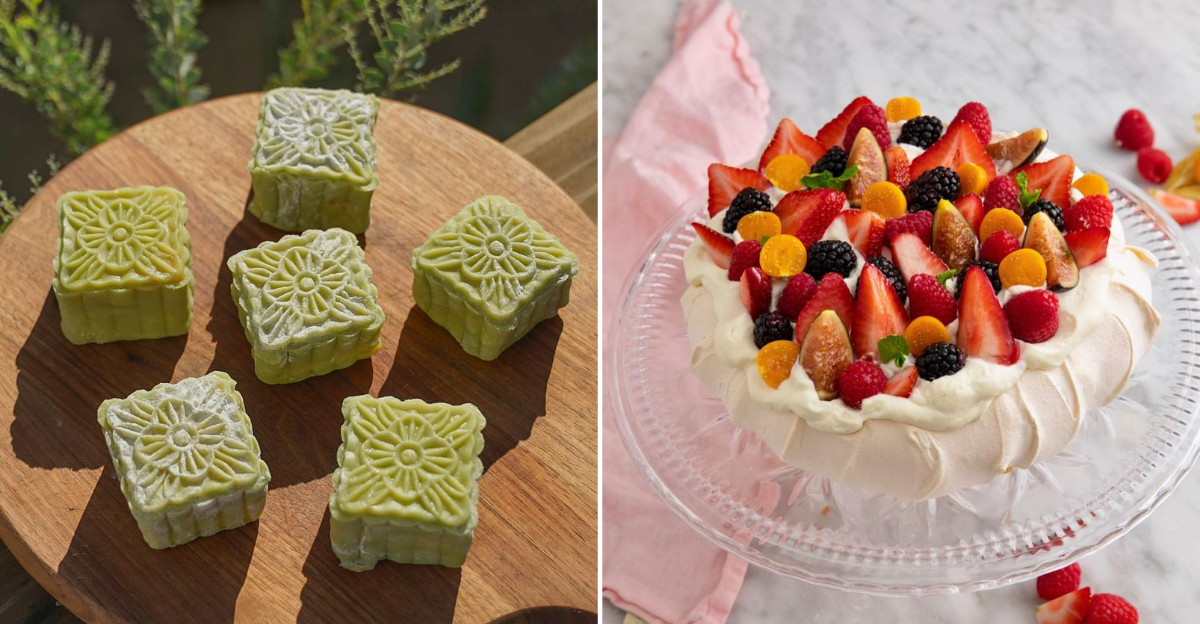
Mooncakes, a staple of the Mid-Autumn Festival, carry with them stories of family and festivity. These round pastries, filled with lotus seed paste or red bean, are more than just desserts—they’re symbols of unity and tradition.
During the festival, families gather to admire the full moon while sharing these sweet treats. The mooncake’s history is steeped in legend, with tales of secret messages hidden within. Today, they continue to bring people together, making each bite a celebration of culture and kinship.
6. Pavlova
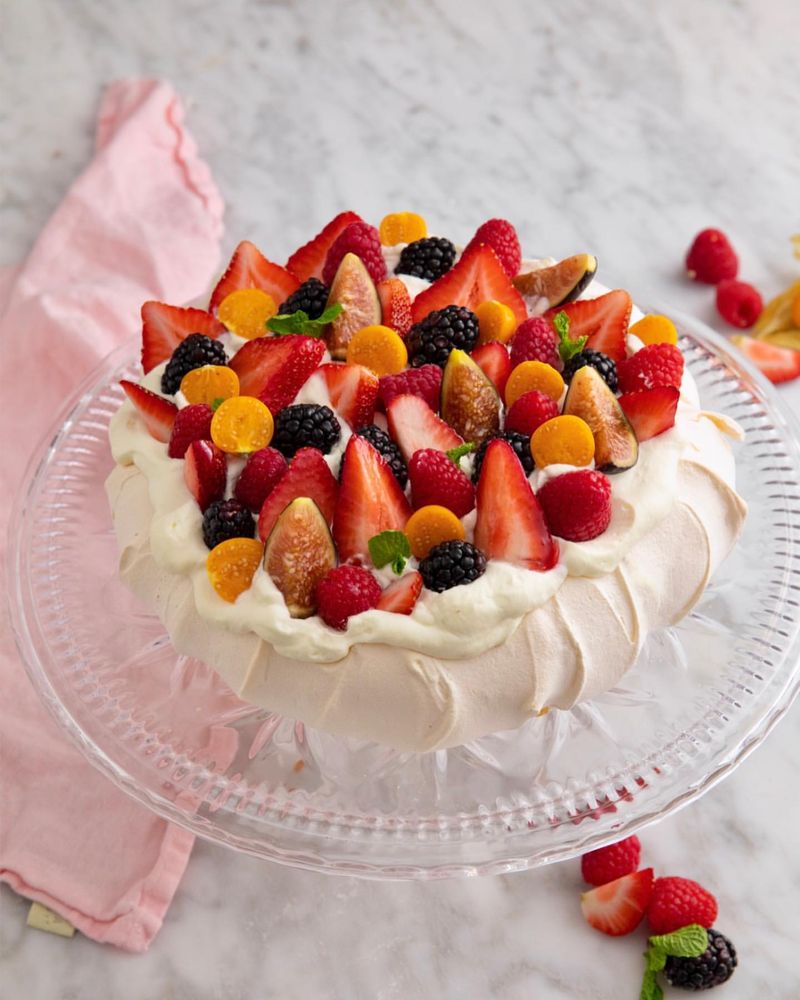
Pavlova, a dessert with a name as graceful as its inspiration, honors the Russian ballerina Anna Pavlova. This meringue-based delight, light and airy, was created in her honor during her tour through Australia and New Zealand.
Its crisp crust and soft, marshmallow-like center are typically adorned with fresh fruits, celebrating the vibrant produce of the region. Though there’s debate over its origin, one thing is clear—Pavlova captures the elegance and spirit of its namesake, dancing its way into dessert hearts worldwide.
7. Sacher Torte
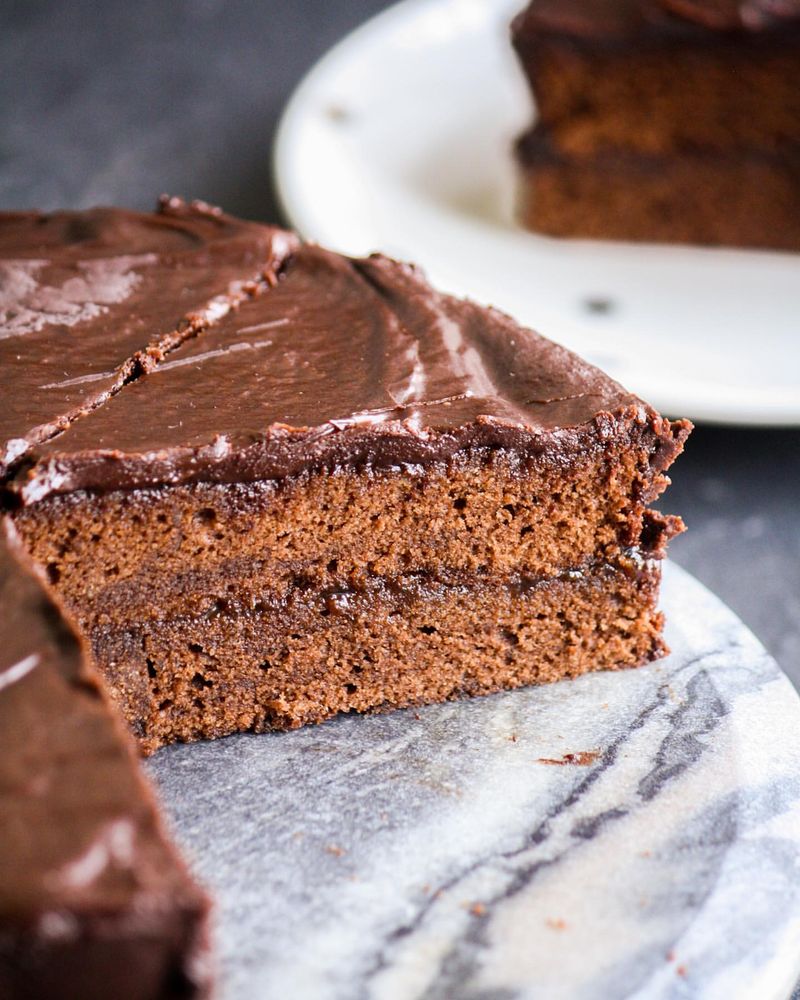
Sacher Torte, Austria’s chocolate masterpiece, carries a legacy of culinary precision and indulgence. Created in 1832 by Franz Sacher for Prince Metternich, this dense chocolate cake layered with apricot jam has become a Viennese symbol.
Its rich texture and smooth, bittersweet flavor make it a favorite for chocolate lovers. Every forkful is a tribute to Austrian craftsmanship, an indulgence that transcends borders and generations.
8. Sticky Toffee Pudding
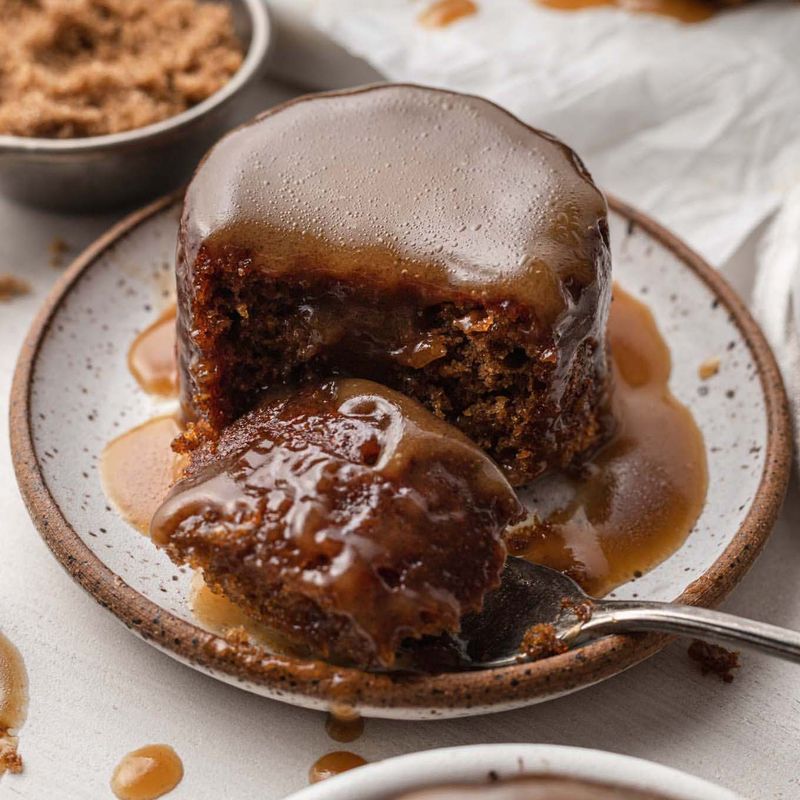
Sticky toffee pudding is not super old, actually. It was born in the 1970s. Francis Coulson from Lake District made the first one at The Sharrow Bay Hotel.
These days, every pub claims they have the best recipe. Some add vanilla. Others swear by treacle. My take? As long as that sauce is flooding the plate, you’re doing it right. It’s not your grandma’s old recipe (unless your grandma worked at Sharrow Bay). But it sure feels like it’s been around forever.
9. Churros
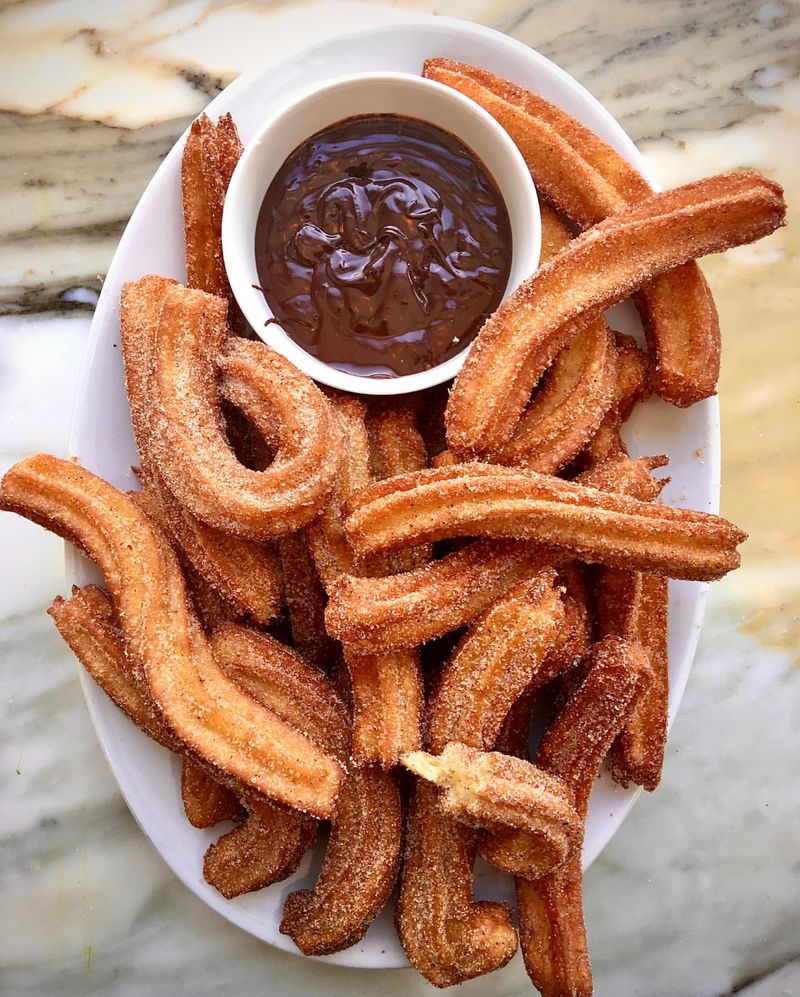
People think they’re Spanish, but actually, Portuguese sailors saw something like them in China. Those sailors brought the idea back to Portugal, then it spread to Spain. The Spanish shepherds made them their own though.
Here’s my favorite part of the story: Spanish shepherds named them after their Churra sheep. The ridged dough actually looks like those sheep’s horns. Pretty clever naming.
The dough’s super basic – just water, flour, and salt. That’s it. No eggs like most pastries. The magic happens in the star-shaped piping tip. Those ridges? They make the outside crispy while keeping the inside soft.
10. Dulce de Leche
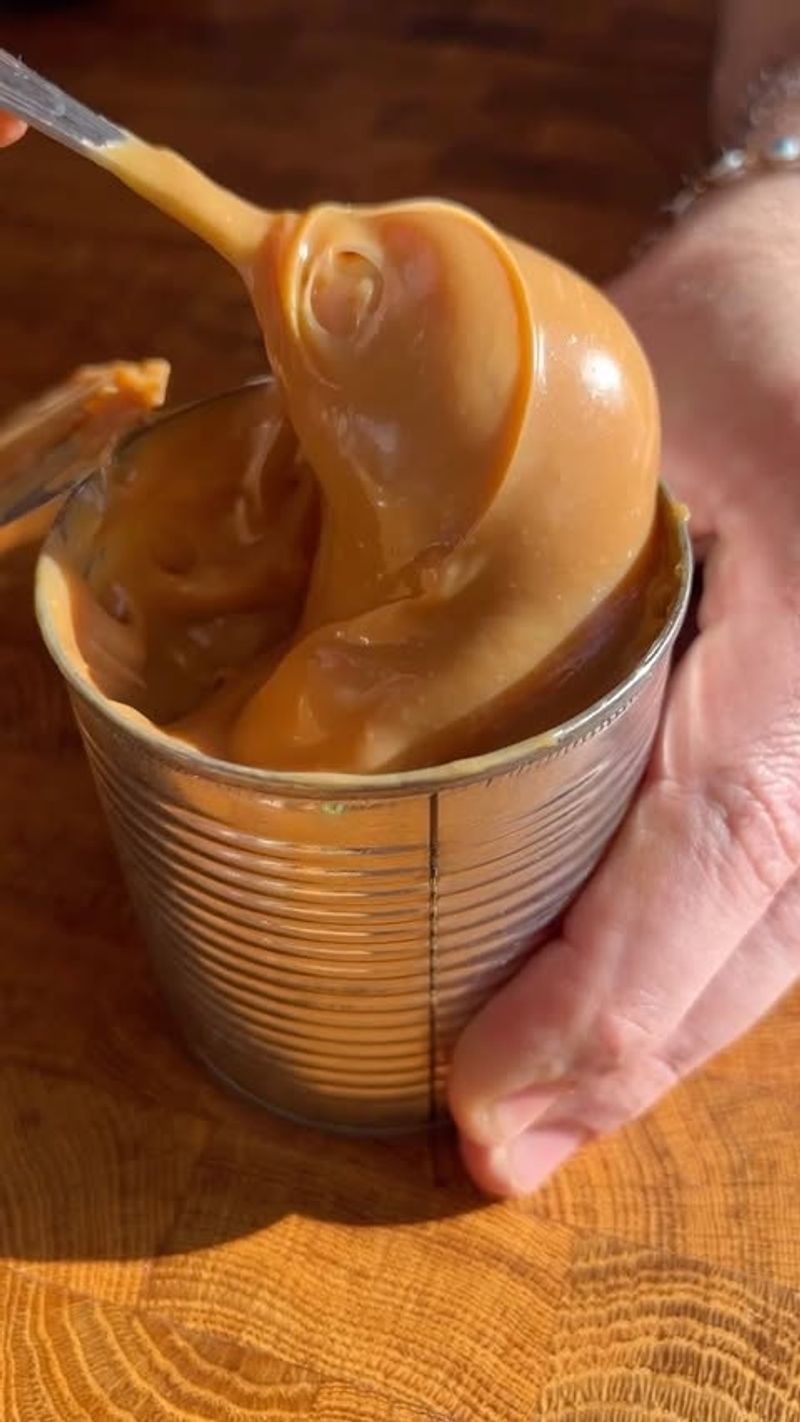
Dulce de leche started in Argentina and Uruguay, somewhere in the 1800s. Both countries still claim it as their own. The most famous origin story? A distracted maid forgot about heating milk with sugar. She came back to find golden caramel. But historians say that’s probably just a nice tale.
Something interesting about the chemistry: it’s called the Maillard reaction. The milk proteins and sugars do this slow dance while heating. That’s what creates that deep amber color and complex flavor. Each country does it differently.
Modern factories speed up the process with pressure and enzymes. But traditional methods still take hours of careful stirring. The slower it cooks, the more complex the flavor gets.
11. Pastel de Nata
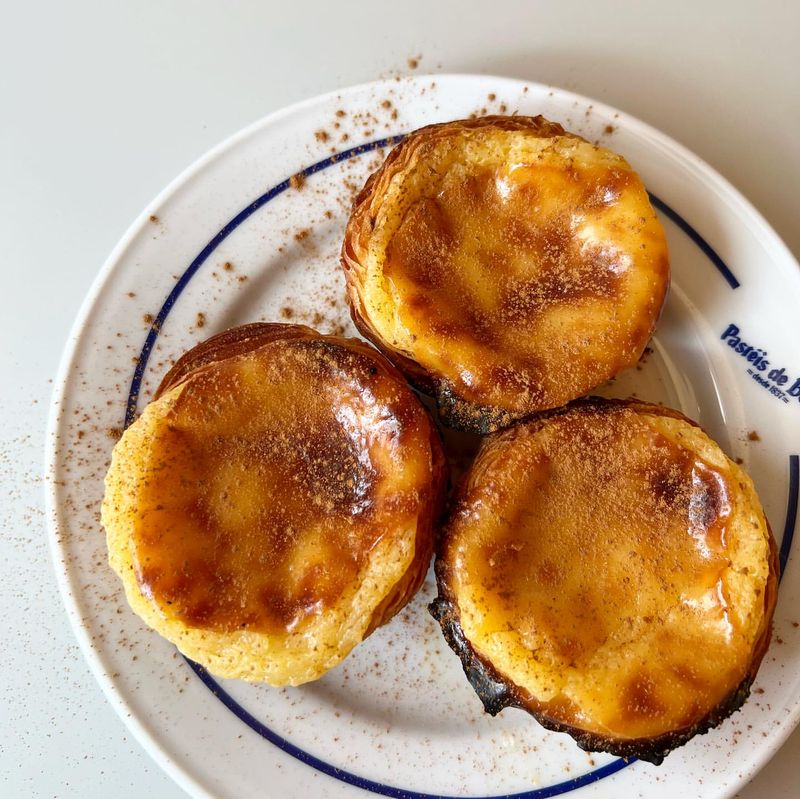
Pastel de Nata, Portugal’s iconic custard tart, is a small wonder with a rich history. These flaky pastries were first crafted by monks in the Jerónimos Monastery, using leftover egg yolks mixed with sugar and cream.
A bite of this tart is like a warm embrace, offering a creamy center wrapped in a crisp shell. Imagine a Lisbon café, where the scent of freshly baked tarts beckons passersby.
Pastel de Nata is more than a dessert; it’s a piece of Portuguese heritage, loved by locals and travelers alike for its simple yet profound deliciousness.
12. Black Forest Cake
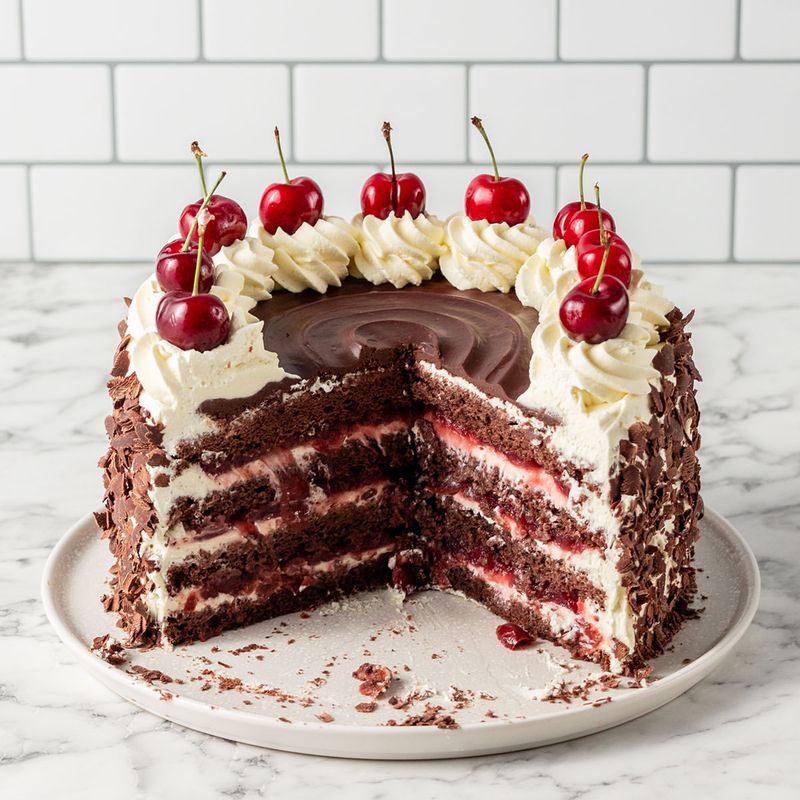
Black Forest Cake isn’t really from the Black Forest. Surprising, right? It was created in 1915 by Josef Keller in Dresden, pretty far from there.
The name comes from Schwarzwälder Kirsch – a cherry liquor from the Black Forest region. That’s the secret ingredient. German law says you can’t call it Black Forest Cake without it.
The original recipe used sour cherries, not sweet ones. And that dark chocolate shaving decoration? It’s meant to look like the bark of Black Forest trees.
13. Mochi
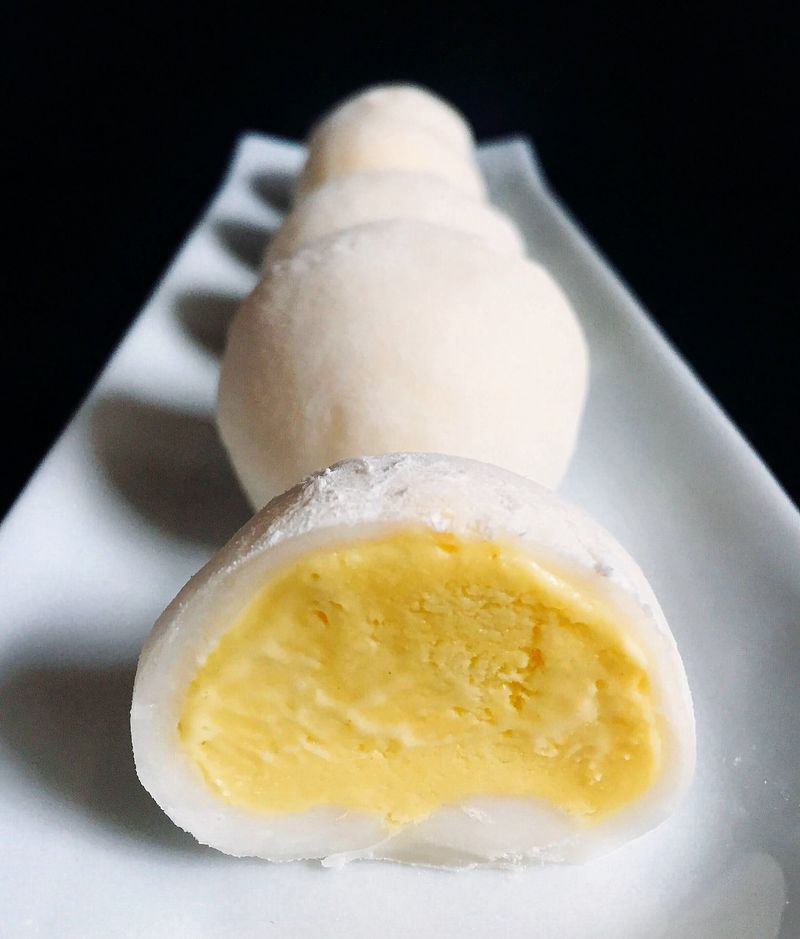
Let me tell you about mochi. The pounding process? It’s called mochitsuki. Two people traditionally do it – one pounds with a wooden mallet while another turns and wets the rice. Pretty dangerous if you mess up the rhythm!
The rice isn’t just any rice. It’s mochigome – super sticky short-grain stuff. Ancient emperors used to eat it for good luck. Some people still make it the traditional way, with huge wooden mortars called usu.
Modern mochi comes in wild flavors now. But traditional ones were pretty simple – just filled with red bean paste or kinako (roasted soybean flour)
14. Tres Leches Cake
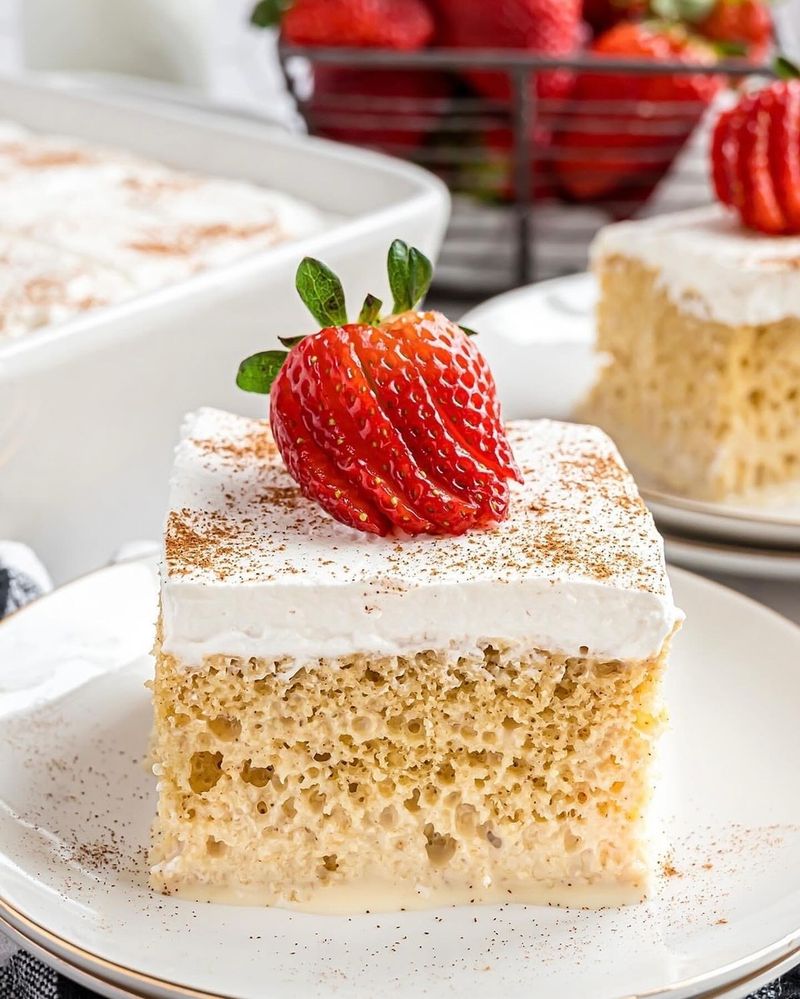
Tres Leches has a weird history. Nobody’s totally sure where it started. Some say Mexico, others Nicaragua. But here’s the real kicker: Nestlé might have invented it to sell more canned milk.
The three milks are whole milk, evaporated milk, and condensed milk. Early recipes used heavy cream instead of whole milk. Even richer, if you can believe it.
The cake doesn’t get soggy despite all that milk. The trick? Using a sponge cake with lots of eggs. Creates this honeycomb structure that holds liquid without collapsing. Every Latin American country does it differently now.
15. Gulab Jamun
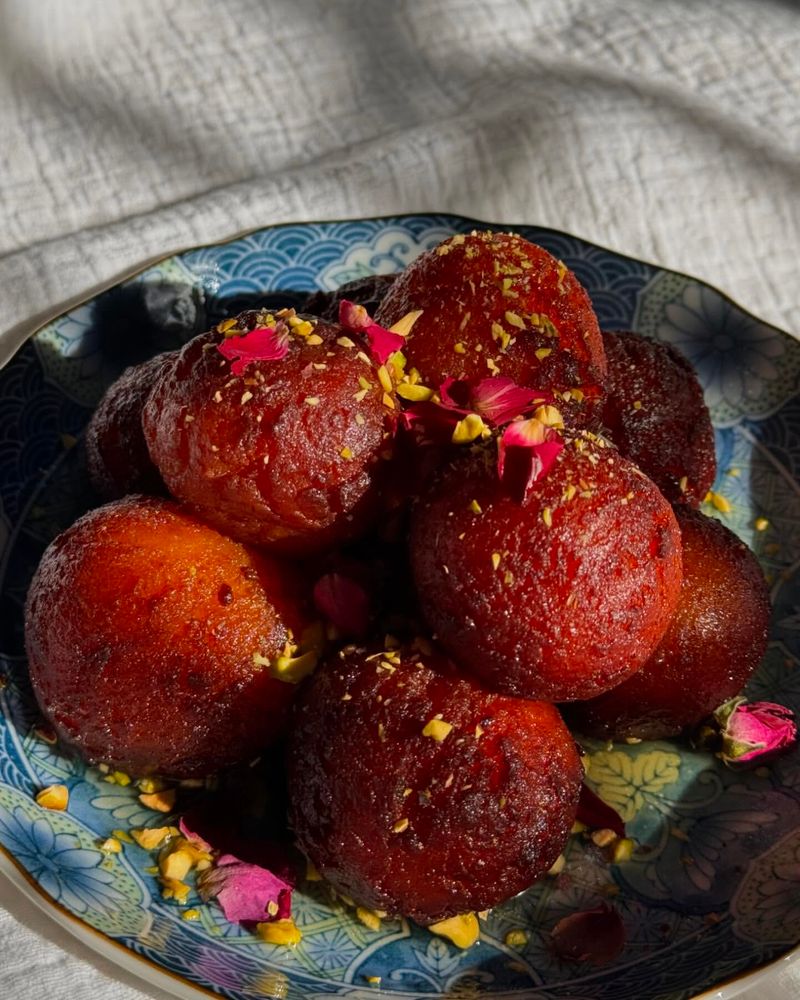
“Gulab” means rose water. “Jamun” is a dark purple fruit – these sweets look just like it. But the recipe? Probably Persian in origin.
The milk solids (khoya) used to be a way to preserve milk. Now it’s the base for tons of Indian sweets. The best ones use fresh khoya – takes hours to make properly.
Modern versions can get pretty creative. Some add chocolate. Others stuff them with nuts. But purists say the original is still the best – just milk solids, a hint of cardamom, and that aromatic syrup.
16. Cannoli
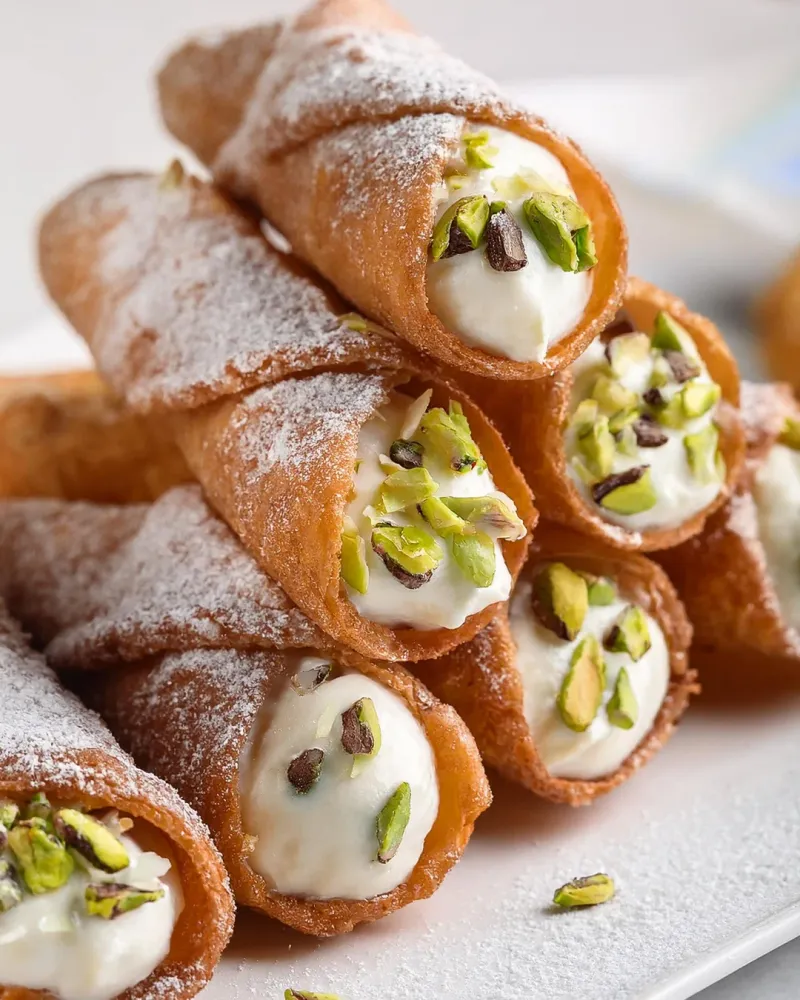
Their name means “little tubes” in Sicilian. They were originally a Carnival treat, made during the Christian festival before Lent.
The filling’s got a story too. Originally it was just ricotta, honey, and maybe some citrus. No chocolate chips, no candied fruit. Those came later. And real Sicilian cannoli? Always sheep’s milk ricotta. Makes them tangier.
17. Lamingtons
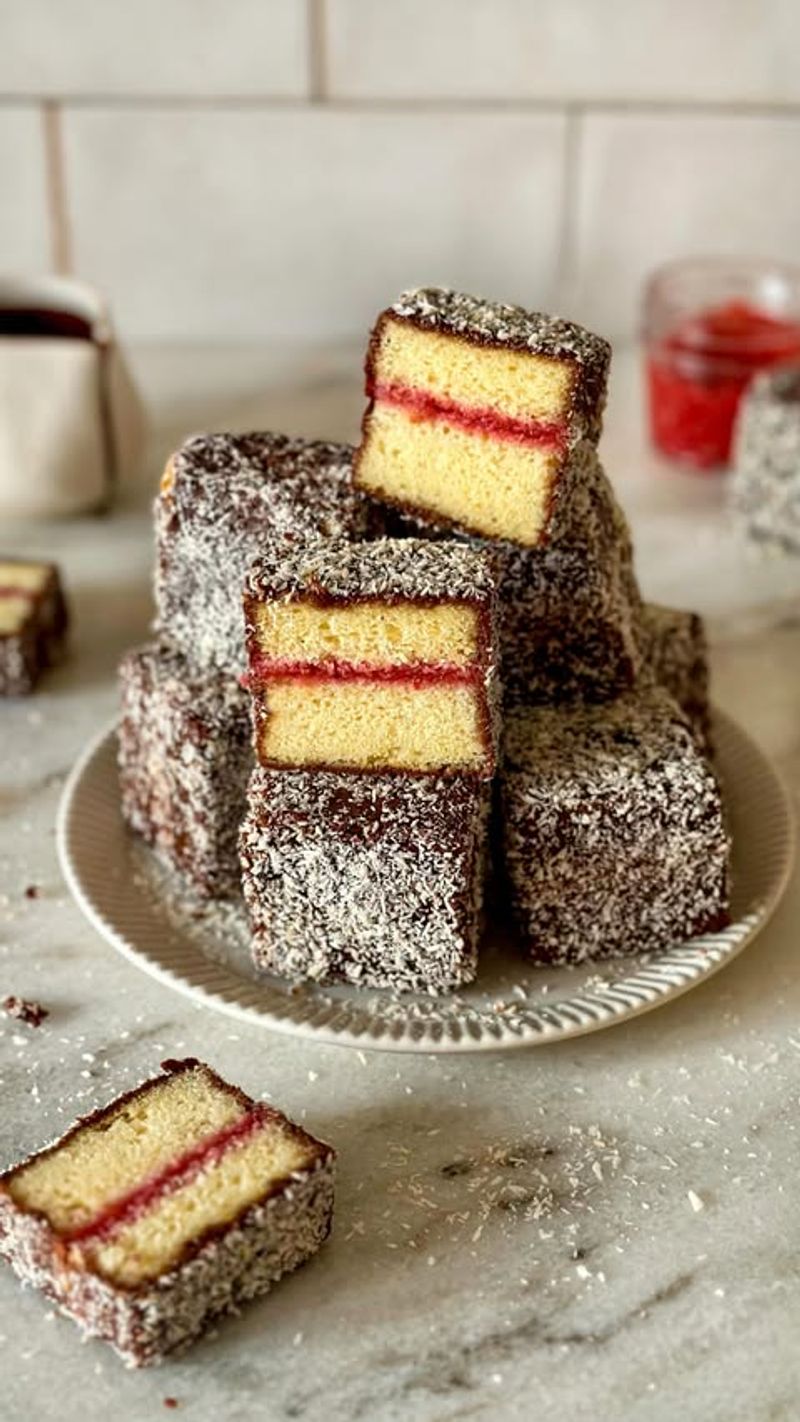
Lamingtons, Australia’s cake squares, offer a sweet taste of nostalgia. These sponge cakes, dipped in chocolate and rolled in coconut, are as beloved as the sunny beaches they’re often enjoyed on.
Originating from Queensland, their creation is attributed to a happy accident, when stale cake was transformed into this iconic treat. Imagine a picnic by the sea, the sun warming your face as you savor each bite.
18. Madeleines
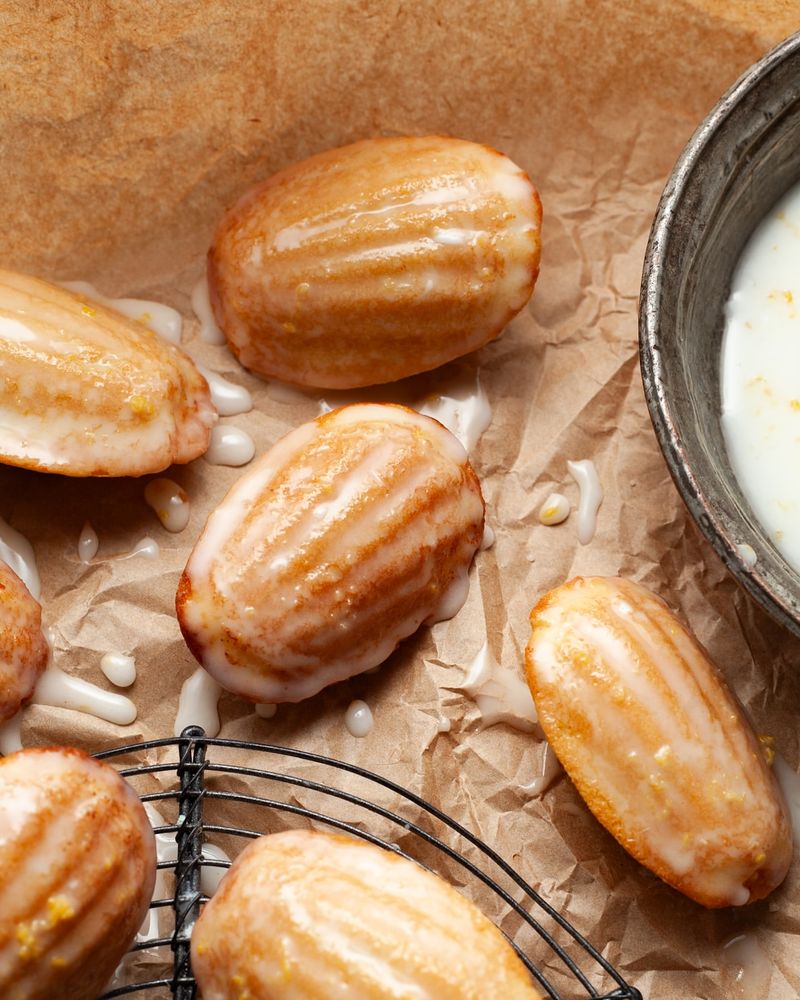
The story goes that a servant named Madeleine saved a fancy dinner party in Commercy, France. The regular cook had quit in a huff. She made these little cakes from her grandmother’s recipe.
Marcel Proust made these famous in his book “In Search of Lost Time.” One bite of a madeleine dipped in tea triggered seven volumes of memories. Talk about a powerful snack!
The real secret? Brown butter. French bakers call it “beurre noisette.” Makes them taste nutty. And that little bump on top? Bakers call it “the bump.” If you don’t get one, something went wrong.
19. Panna Cotta
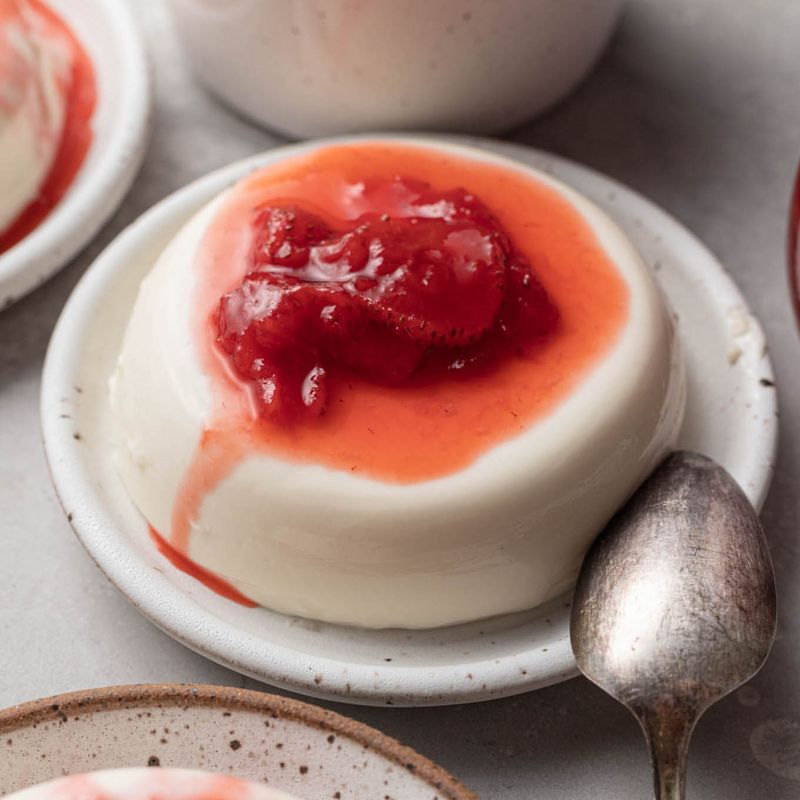
Here’s the thing about panna cotta – it’s surprisingly new. We’re talking 1960s Italy, not ancient Rome. Piedmont dairy farmers made it when they had extra cream.
The tricky part? Getting it just wobbly enough. Too much gelatin? You’ve got rubber. Too little? Soup. The Italians say it should “shake like a woman’s breast” (their words, not mine).
Want to know the old-school way? They used fish bones instead of gelatin. Boiled them down to make natural gelatin. Some fancy restaurants still do this. They say it gives a better texture.
20. Baked Alaska
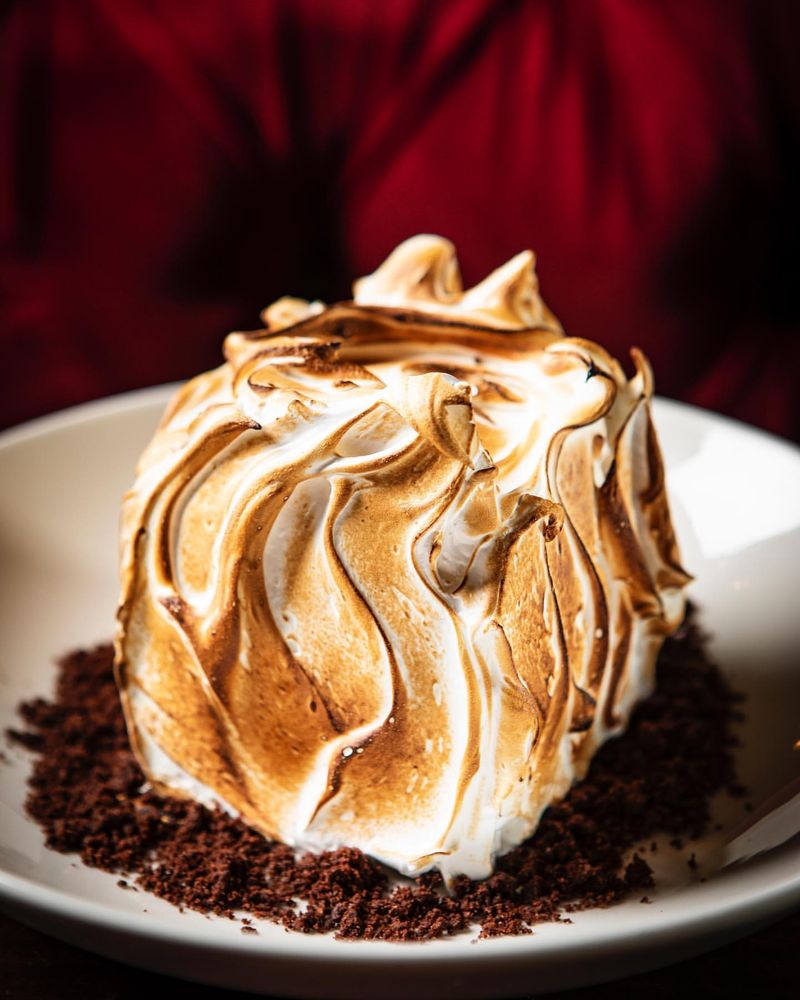
Baked Alaska’s got a great story. Delmonico’s chef Charles Ranhofer created it in 1867. Called it “Alaska, Florida” first – get it? Hot and cold?
There’s a French version called “omelette norvégienne” – Norwegian omelette. The French thought Norway was just that cold.
The secret to not melting the ice cream? Speed. You’ve got about 4 minutes from meringue to table. People used to time fancy dinner parties around this dessert. Some still do.