15 Massachusetts Foods Outsiders Can’t Pronounce Correctly (Or Don’t Understand Fully)
Massachusetts food carries stories as layered as its history. Some dishes trace back to Indigenous roots, while others were born in colonial kitchens.
Over time, quirky nicknames and regional slang became part of the culinary vocabulary. For locals, these names feel as natural as breathing. For visitors, they can be tongue-twisters that spark confusion before the first bite. Others on this list are just confusing by their nature.
Here are 15 Massachusetts foods that often trip up outsiders trying to order like a native.
1. Quahog (Stuffed Clams)
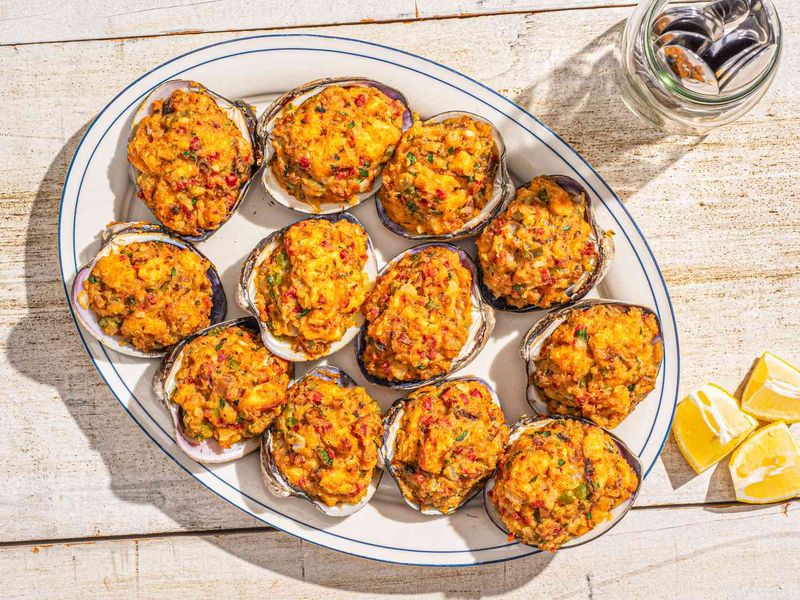
The name comes from the Narragansett word “poquauhock,” but locals shorten it to “ko-hog.” These hard-shell clams are a coastal staple. Stuffed versions, known as stuffies, pack breadcrumbs, herbs, and chopped clam into the shell before baking golden.
Outsiders often stumble over the “qu” and draw out the vowels. For Bay Staters, though, the word is shorthand for summer feasts on the shore.
2. Scrod
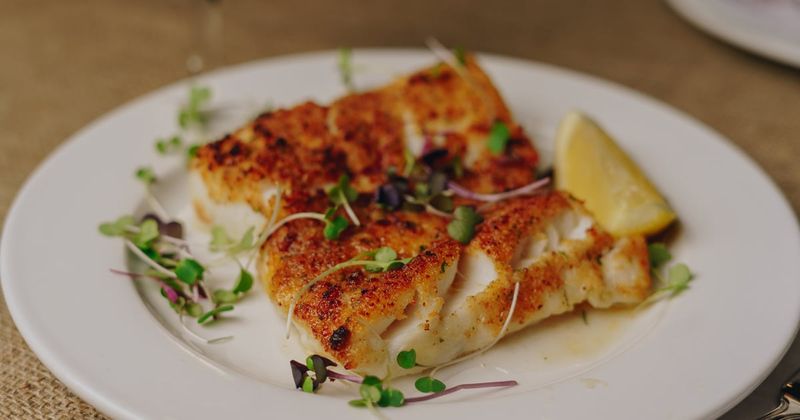
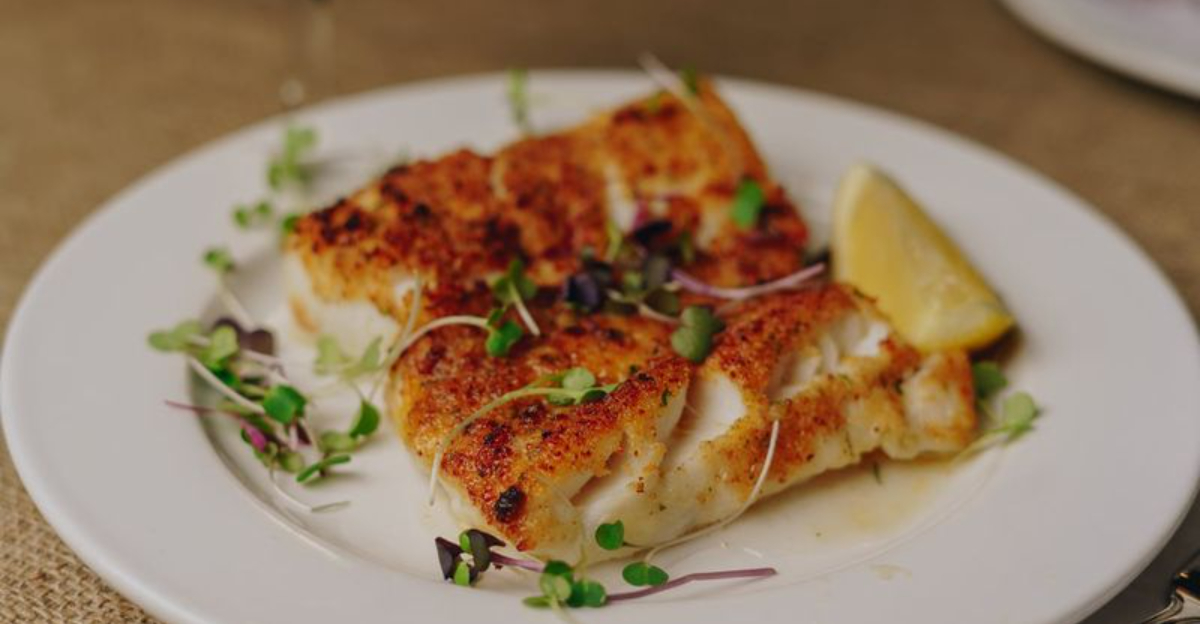
This word describes young whitefish like cod or haddock, often baked with breadcrumbs or broiled with lemon. The term likely comes from old fishing slang, and it stuck around in New England menus. Despite its common use here, many visitors find the word odd or even funny.
Confusion aside, scrod remains a reliable showcase of Massachusetts seafood. Simple preparations let the fish shine, much like the state’s no-nonsense cooking style.
3. American Chop Suey
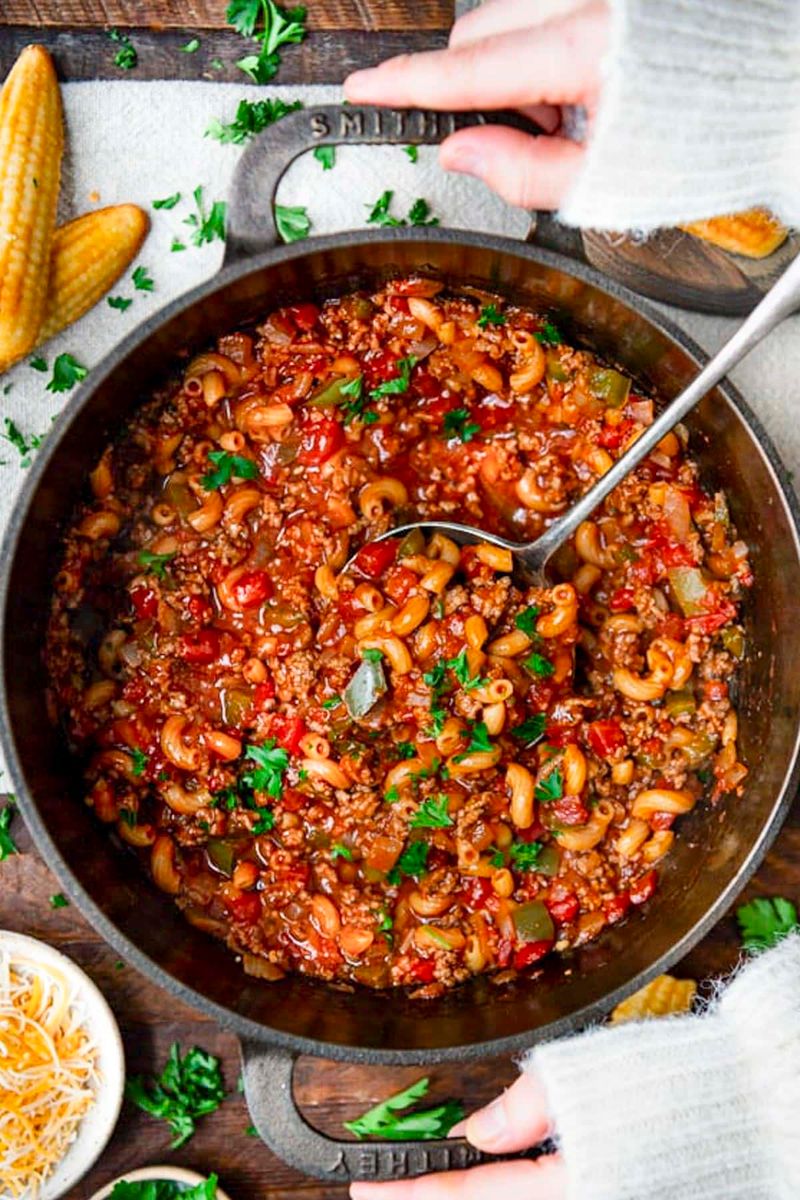
This comforting casserole of macaroni, ground beef, and tomato sauce has little to do with Chinese cuisine. It became popular in New England kitchens for its affordability and ease. The name often confuses outsiders who expect takeout flavors rather than baked pasta.
Still, the dish endures because it tastes like childhood suppers. Massachusetts families have been passing down versions for generations, each with its own twist.
4. Frappes
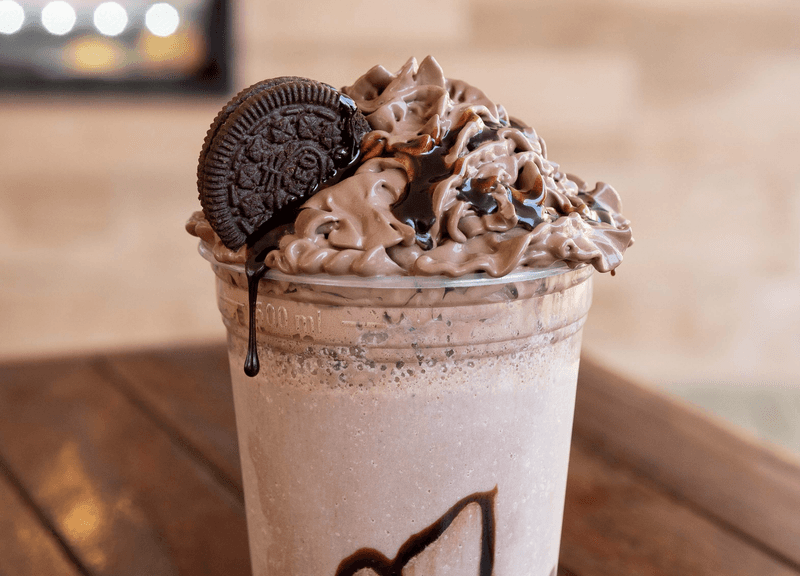
Unlike a milkshake, a frappe always includes ice cream. The thick, frosty drink is New England’s answer to a diner classic. Visitors often pronounce it like the fancy coffee drink, but locals hit the hard “a.”
The difference matters here, where summer isn’t complete without one. Chocolate is the most beloved flavor, though coffee frappe holds its own in Boston.
5. Hoodsie Cups
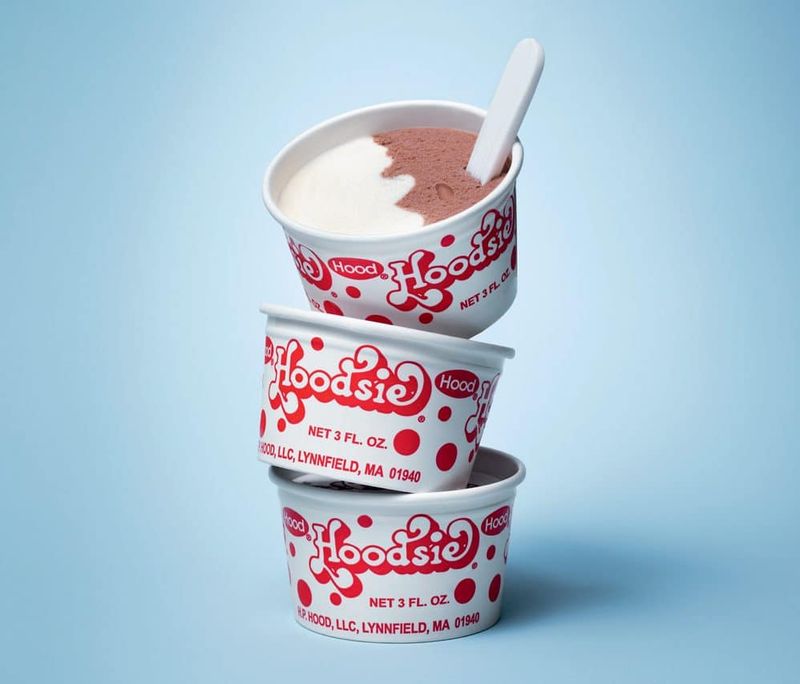
These tiny paper cups of ice cream, half vanilla and half chocolate, have been around since 1947. They come with a flat wooden spoon, making them a nostalgic favorite at birthday parties and school events. Many outsiders struggle with the brand name, sometimes saying it like “hood-zee.”
Massachusetts kids, however, grew up begging for them at corner stores. A Hoodsie isn’t just dessert, it’s a rite of passage.
6. Anadama Bread
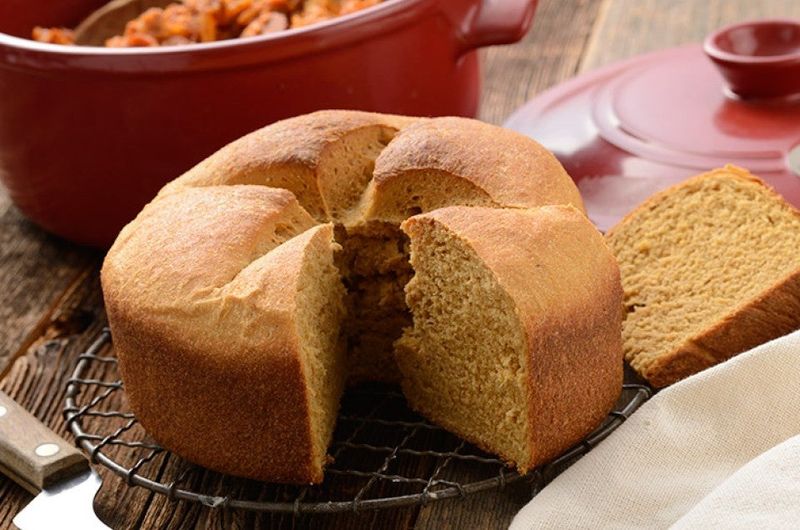
This molasses-rich bread combines cornmeal and wheat flour, giving it a dark, sweet flavor. Its origins are cloudy, though legends tie it to a fisherman cursing his wife, Anna. Outsiders often stumble over the rhythm, unsure where to put the emphasis.
Locals say it with ease, and the loaf’s dense crumb makes it perfect for toasting. Spread with butter, it’s a taste of New England tradition.
7. Johnnycakes
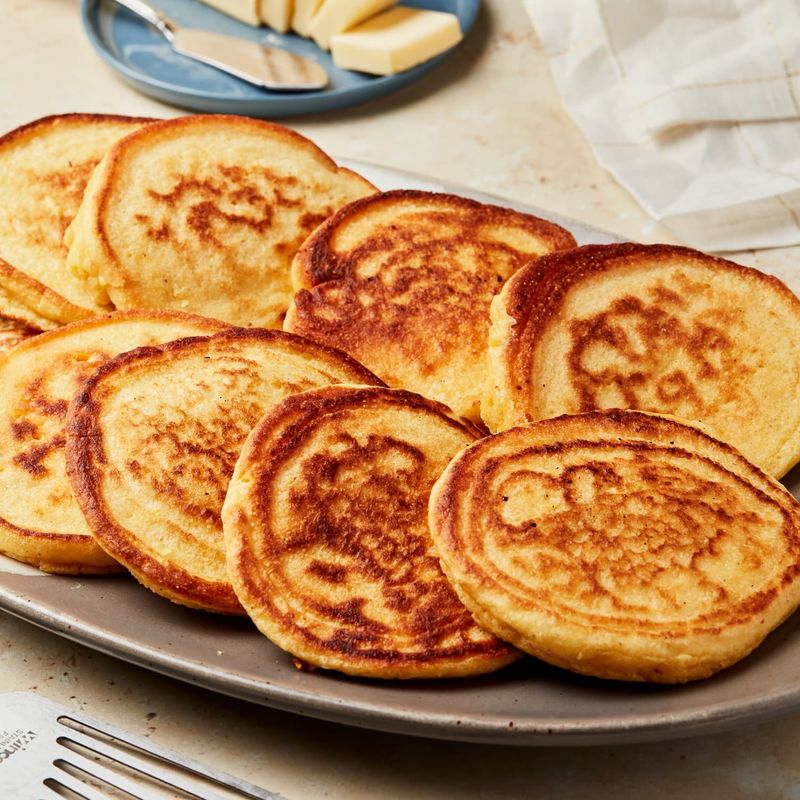
Thin cornmeal pancakes that date back to Indigenous cooking, johnnycakes are crisp-edged and hearty. Some believe the name stems from “journey cakes,” since they traveled well. Non-locals sometimes overthink the spelling, giving the word a stiff, formal sound.
For New Englanders, the name rolls out casually, just like the food. They’re best eaten hot with butter and syrup on a chilly morning.
8. Coffee Milk
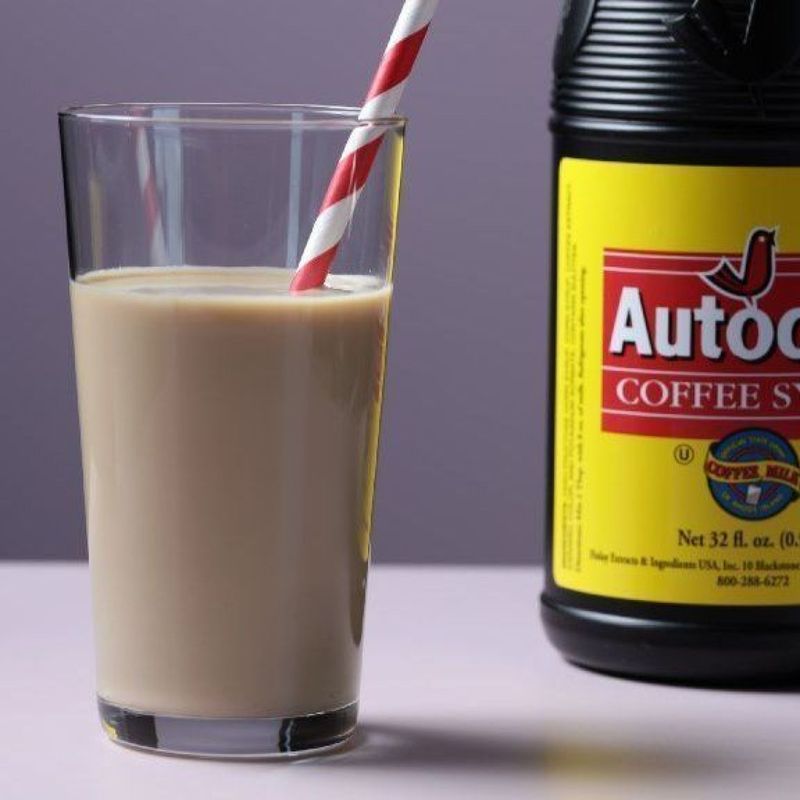
Though better known in Rhode Island, coffee milk shows up across Massachusetts diners. It’s made by mixing coffee syrup with milk, sweet and mild. Outsiders often think it’s coffee with milk, which leads to puzzled faces when it arrives.
The drink feels like childhood nostalgia bottled in a glass. Locals swear by it as the true “state drink” of southern New England.
9. Grape-Nut Custard
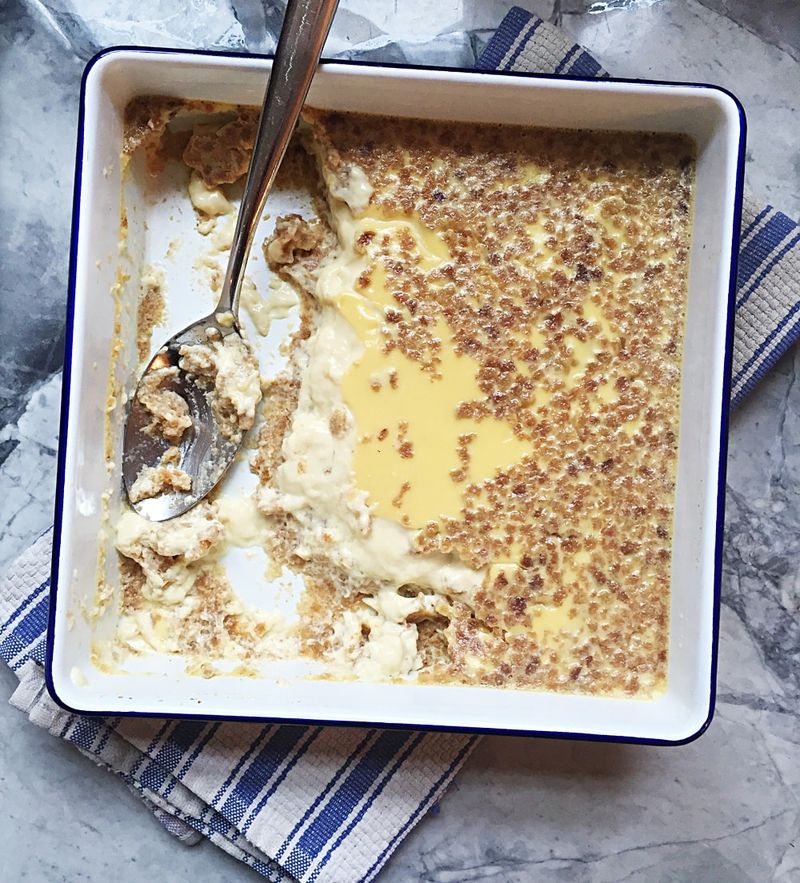
This baked custard includes crunchy cereal that softens into the creamy base, creating a unique texture. The name throws people off, with some assuming it must contain grapes or nuts. Neither are present—it’s simply a New England dessert with a quirky title.
Despite the confusion, it remains a diner favorite. The custard’s old-fashioned sweetness feels timeless on Massachusetts menus.
10. Parker House Rolls
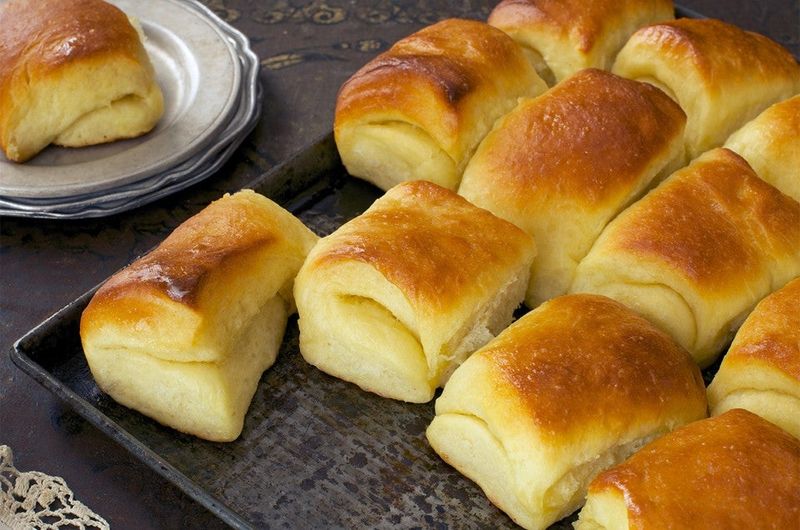
These soft, buttery rolls originated at Boston’s Parker House Hotel in the 1870s. Shaped with a folded seam, they bake into golden pillows with a tender crumb. Visitors sometimes call them “Parkers” or “Parkhouse” rolls, missing the rhythm locals use.
The rolls have since spread nationwide, but their Massachusetts origin gives them special weight. They’re a staple of holiday tables across the state.
11. Cranberry Bog Cake
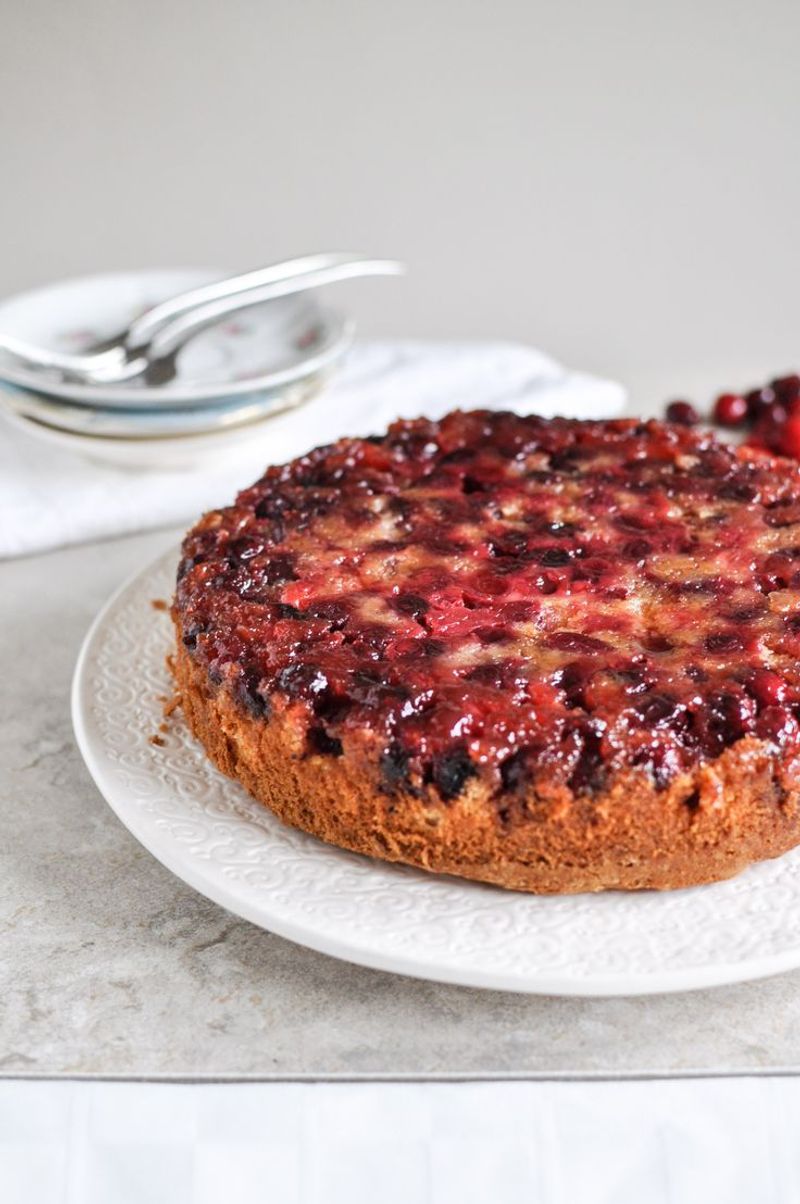
This dessert celebrates Massachusetts’ most famous crop. Tart cranberries are baked into moist cake, often topped with a sweet glaze. Outsiders sometimes stumble over “bog,” giving it an awkward, overemphasized sound.
For locals, the word instantly conjures images of autumn harvests. The cake balances tangy fruit and sugar in a way that feels unmistakably New England.
12. Indian Pudding
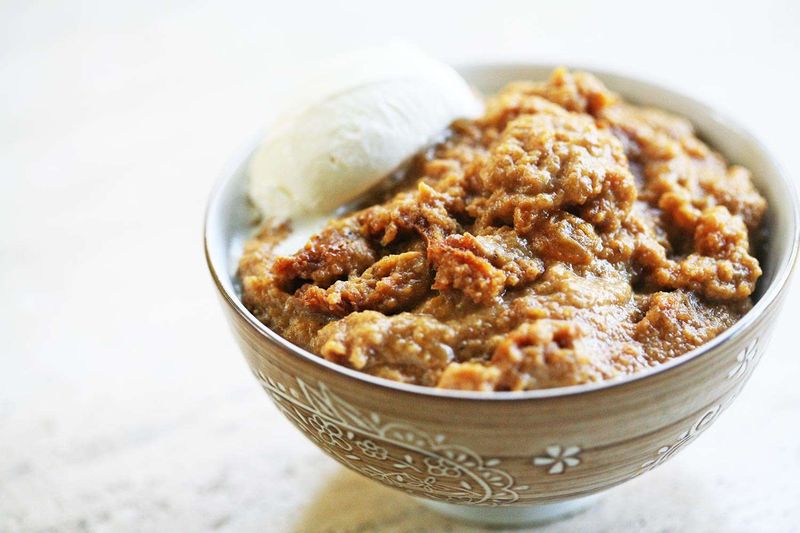
Made with cornmeal, molasses, and spices, Indian pudding traces back to Colonial adaptations of Native dishes. Its texture is thick and porridge-like, baked until golden. Outsiders sometimes hesitate, unsure whether the name is dated or what the dish entails.
For Bay Staters, it’s heritage in a bowl. Warmed with cream or ice cream, it tastes like history sweetened for the table.
13. Boston Cream Pie
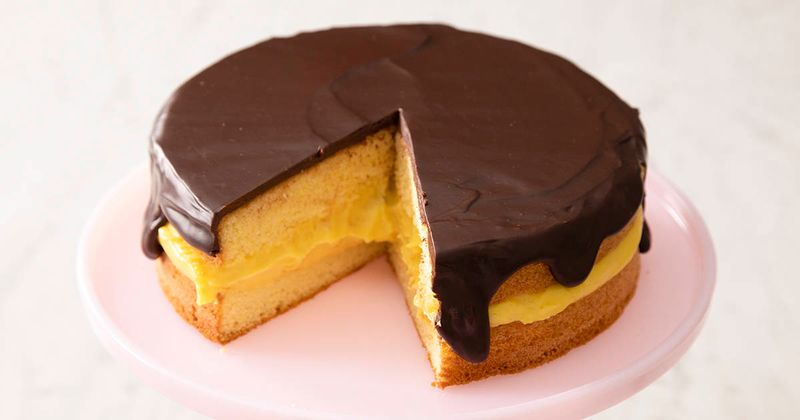
Despite the name, this dessert is cake layered with custard and topped with chocolate glaze. It was first served at Boston’s Parker House Hotel. Outsiders rarely mispronounce “Boston,” but “cream pie” confuses those expecting a traditional pie.
The dish has since become iconic nationwide. Yet it always feels most authentic in its Massachusetts birthplace.
14. Jimmies (Ice Cream Topping)
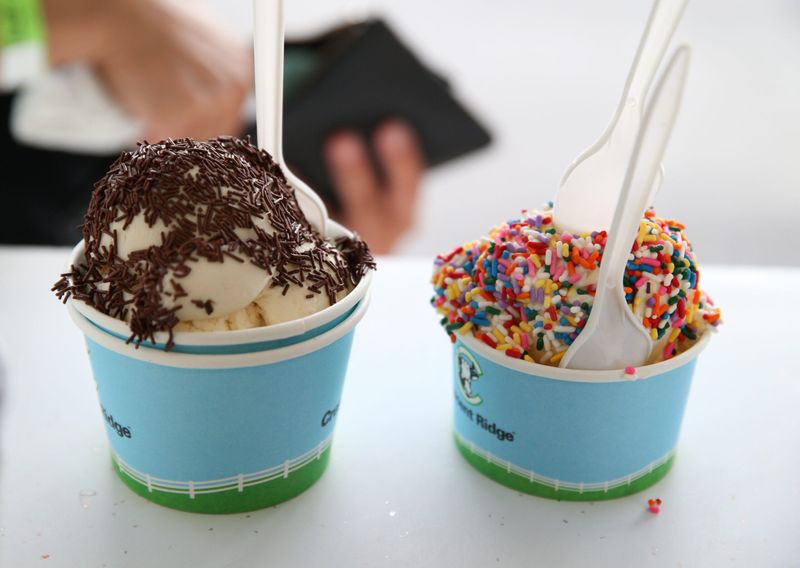
These chocolate sprinkles top ice cream cones across Massachusetts. The name sparks debate outside New England, where most just say “sprinkles.” Visitors often laugh at the word or mishear it as “jimmys.”
For locals, though, “jimmies” is the only acceptable term. They turn an ordinary cone into a classic childhood indulgence.
15. Fluffernutter
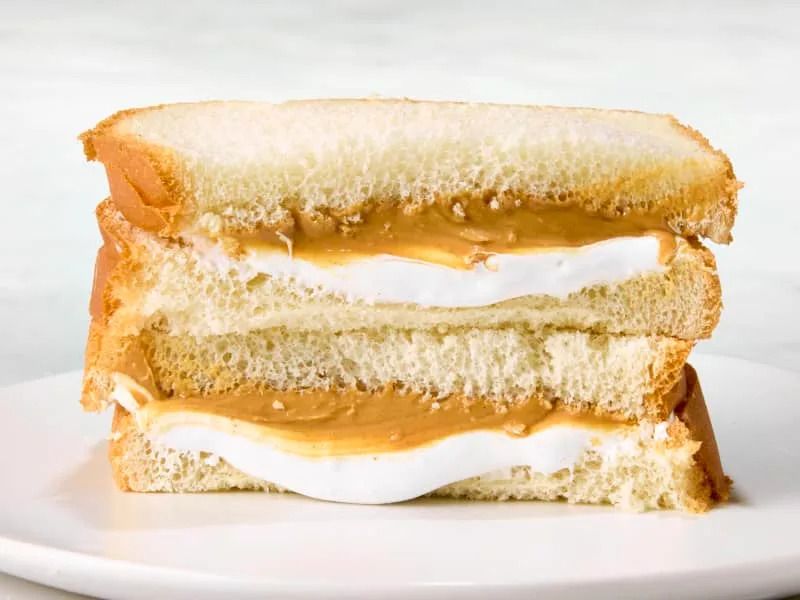
This sandwich of peanut butter and Marshmallow Fluff was born in Somerville. The name combines both ingredients into a playful mouthful. Outsiders often twist their tongues trying to say it smoothly.
Locals, however, grew up with it as a lunchbox staple. Sweet, sticky, and simple, it’s Massachusetts nostalgia pressed between two slices of bread.