20 Fine-Dining Dishes You Shouldn’t Try Making At Home, According To Chefs
Ever thought about bringing the restaurant’s fine-dining experience into your own kitchen? Some dishes, however, are so complex that they’re best savored at a restaurant.
Whether it’s due to intricate techniques, rare ingredients, or specialized equipment, these culinary masterpieces can even challenge seasoned home cooks.
According to chefs, these 20 dishes are better left to the professionals, saving you time and potential frustration.
1. Beef Wellington
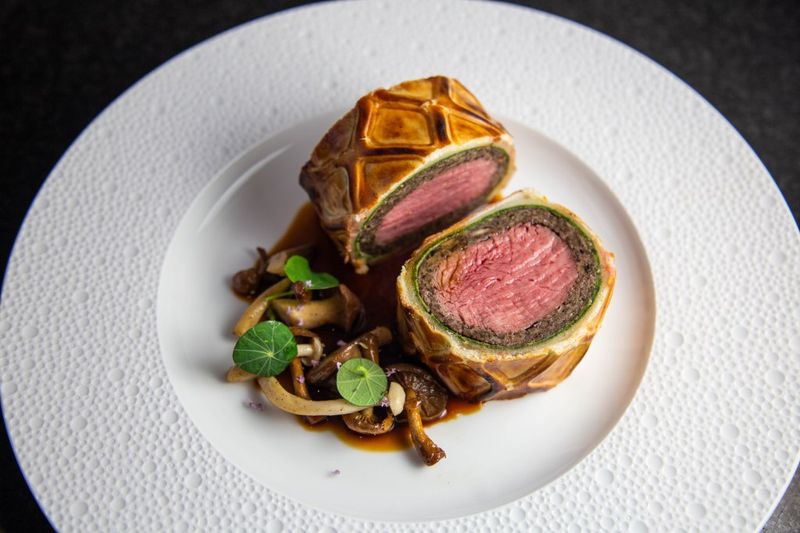
This dish layers tenderloin with mushroom duxelles and prosciutto, then wraps it in puff pastry. But getting the beef medium rare and the pastry crisp is a game of seconds.
You’ll need a meat thermometer, precise searing, and fast wrapping to avoid a soggy bottom. Chefs chill each layer, use specialty cuts, and bake with surgical precision—one mistake, and the whole thing turns to mush.
2. Croquembouche
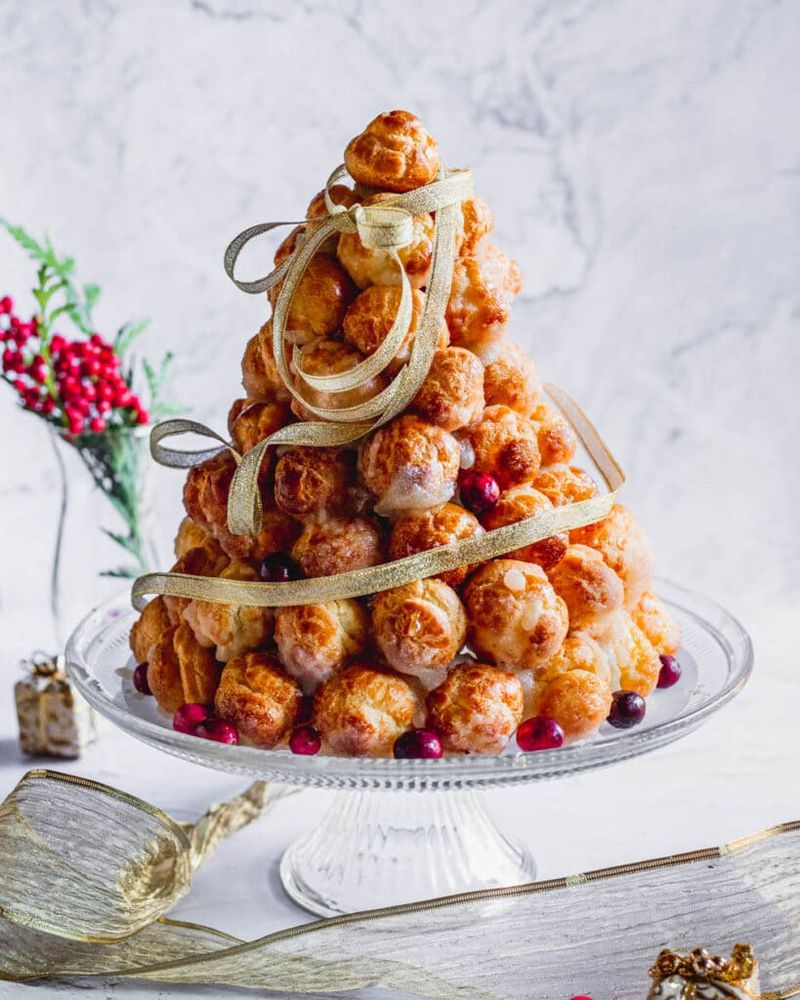
A towering cone of cream-filled choux puffs glued together with molten caramel sounds like a dreamy centerpiece. But it’s a pastry nightmare at home.
Hot sugar sets fast, meaning you have just seconds to position each puff before it hardens or runs. Without a mold, structure, and practice, most home attempts collapse or leave you with burned fingers and a puddle of regret.
3. Duck A L’Orange
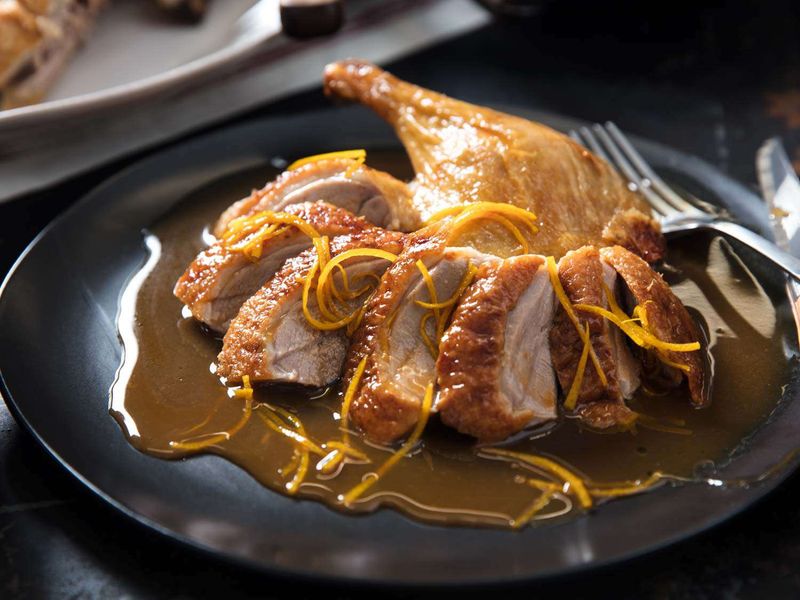
This dish balances crispy duck skin with a rich, citrusy glaze. It demands careful fat rendering and a sauce that doesn’t break or clump.
Roasting duck evenly without overcooking is tough enough, but pairing it with a glossy reduction and elegant plating is another beast. Restaurants rely on duck presses, convection ovens, and specialized carving stations.
4. Ramen From Scratch
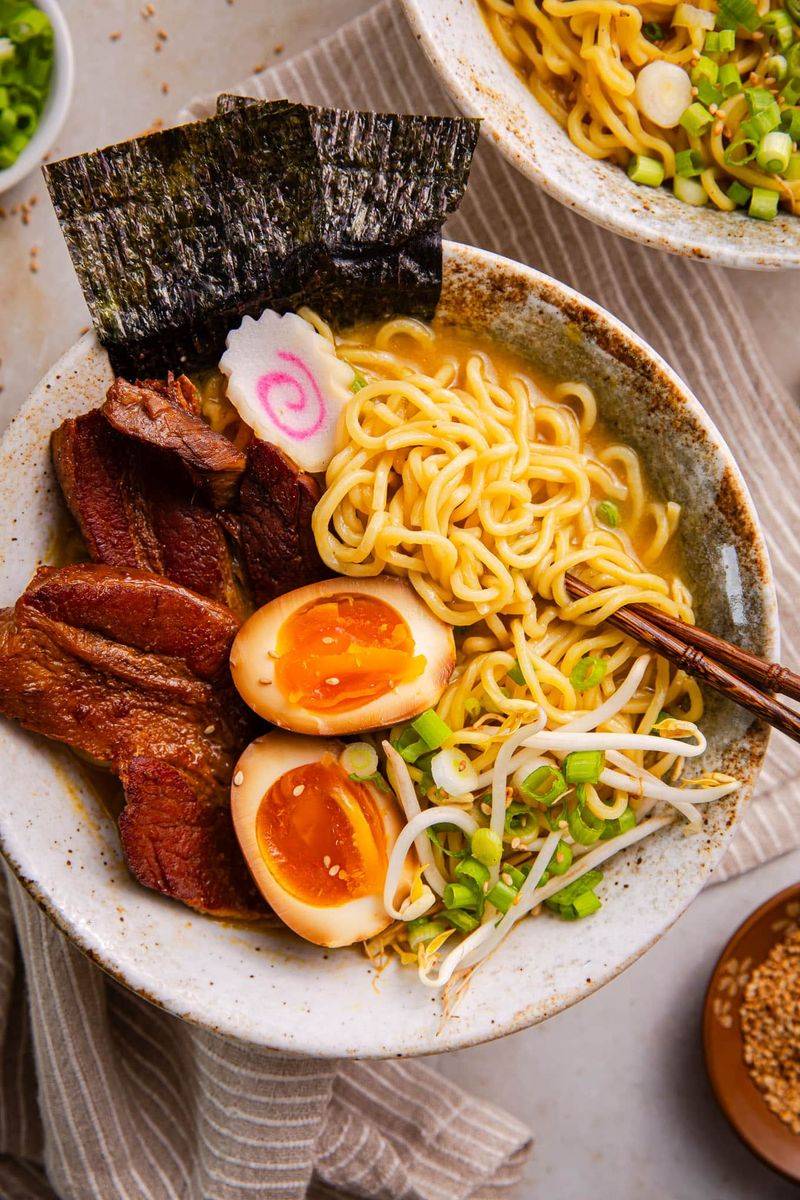
Real ramen isn’t just noodles in broth—it’s an orchestra of long-simmered pork bones, soy-infused tare, marinated eggs, and hand-pulled noodles.
Making every component from scratch can take two days. The noodles alone require high-gluten flour, kneading machines, and a curing process. Without industrial tools and a lot of practice, the homemade version rarely satisfies.
5. Baked Alaska
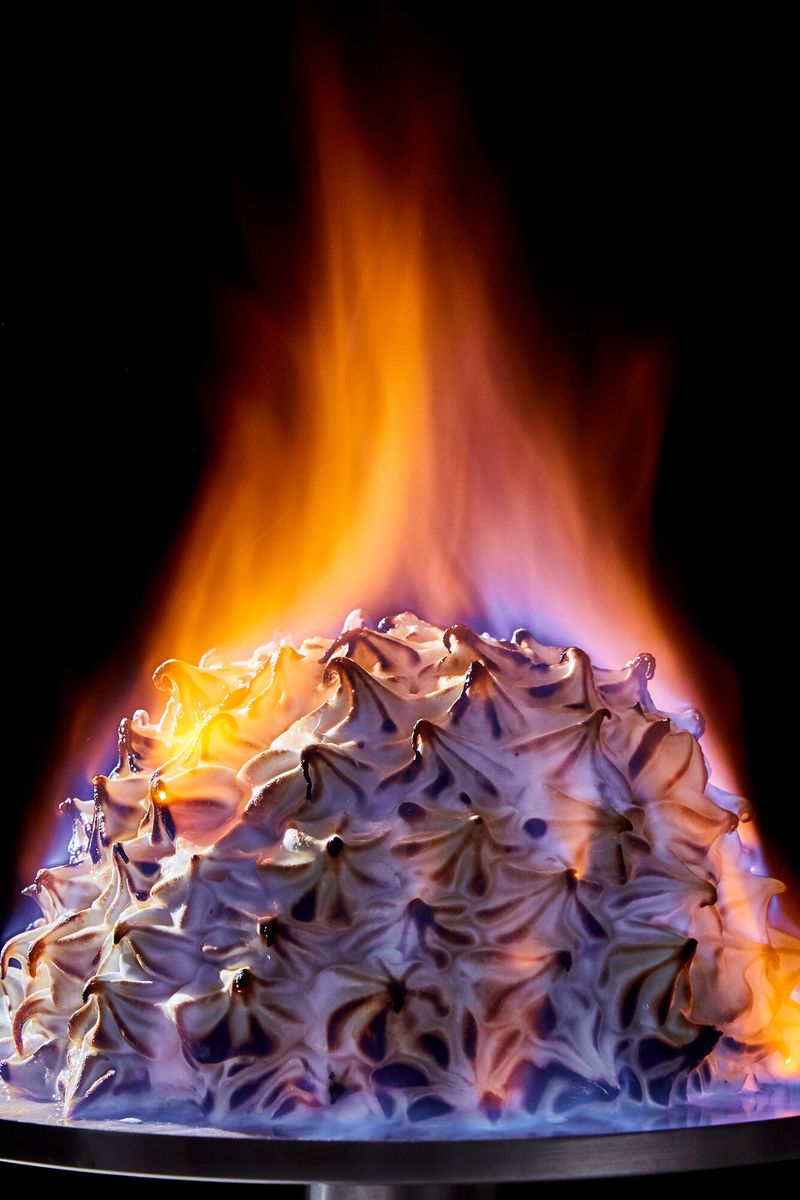
Cake, ice cream, and meringue baked briefly to golden perfection—it’s a dessert that looks like magic. And it’s just as easy to destroy.
The ice cream melts while you torch the meringue unless everything is frozen rock-solid. Without a blast freezer, the timing has to be perfect. Most home ovens just don’t offer the speed or control needed.
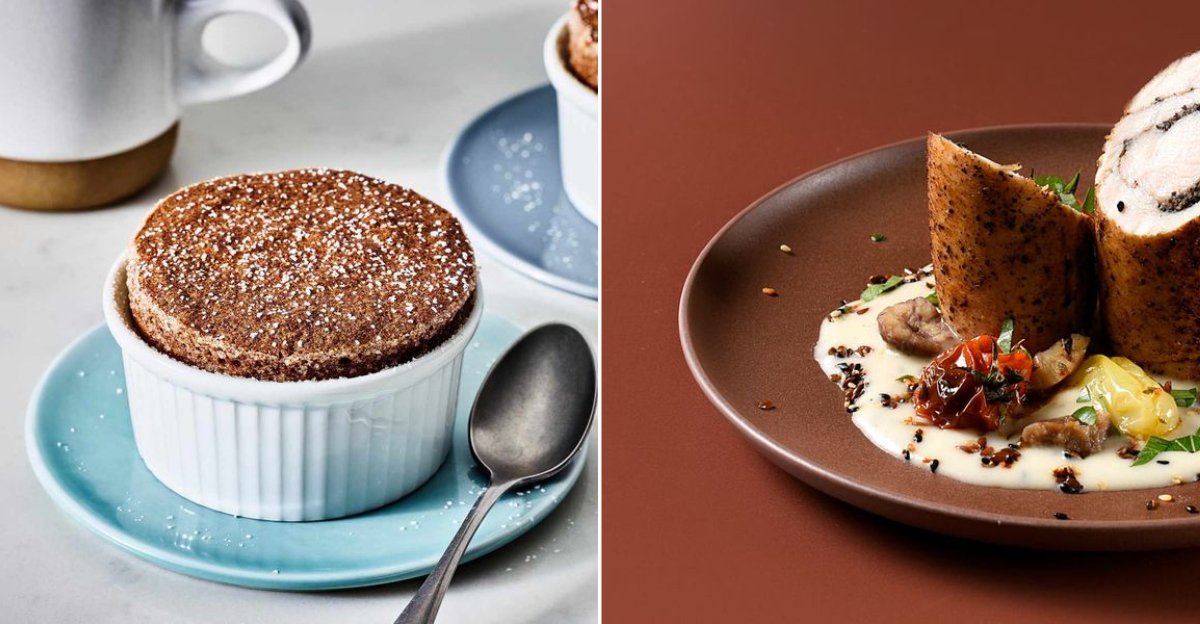
6. Soufflé
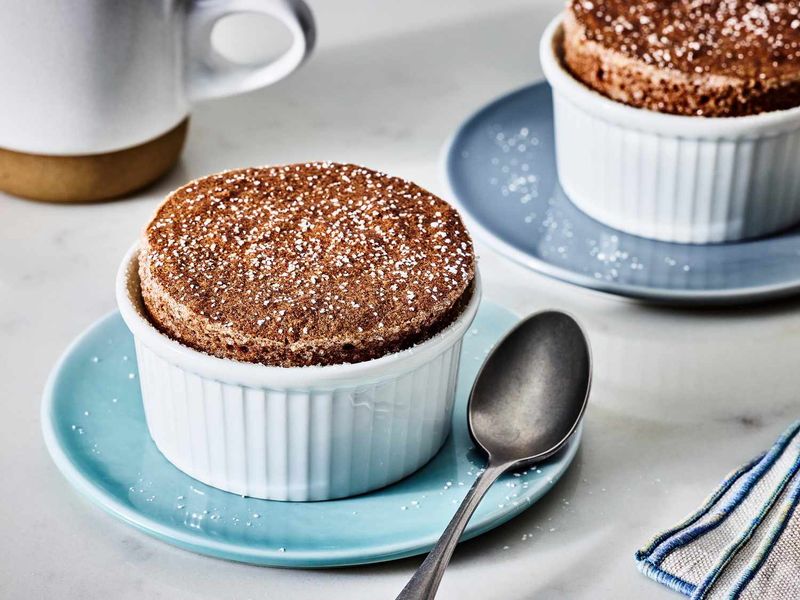
This egg-based masterpiece is a true test of technique. Fold too hard and it flattens, underbake and it oozes, overbake and it cracks.
Even a slight jostle from opening the oven early can cause collapse. Chefs use calibrated ovens, ultra-fresh eggs, and years of experience. At home, soufflés often deflate before reaching the table.
7. Lobster Thermidor
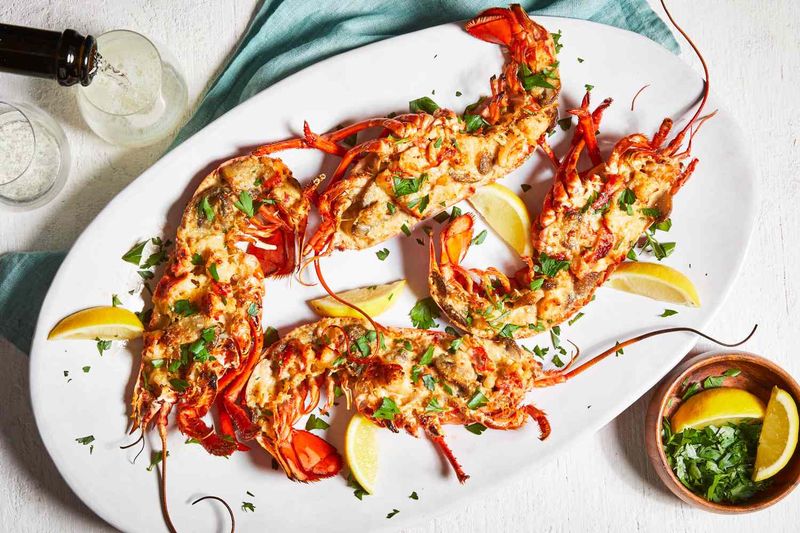
This luxurious dish combines broiled lobster meat with a mustardy, creamy béchamel and cognac, all stuffed back into the shell. Sound complicated? It is.
Lobsters are hard to break down without practice. Timing is key—overcook them and they turn rubbery. Most home cooks lack the confidence, tools, and prep time needed to make this dish sing.
8. Homemade Phyllo Dough Pastries
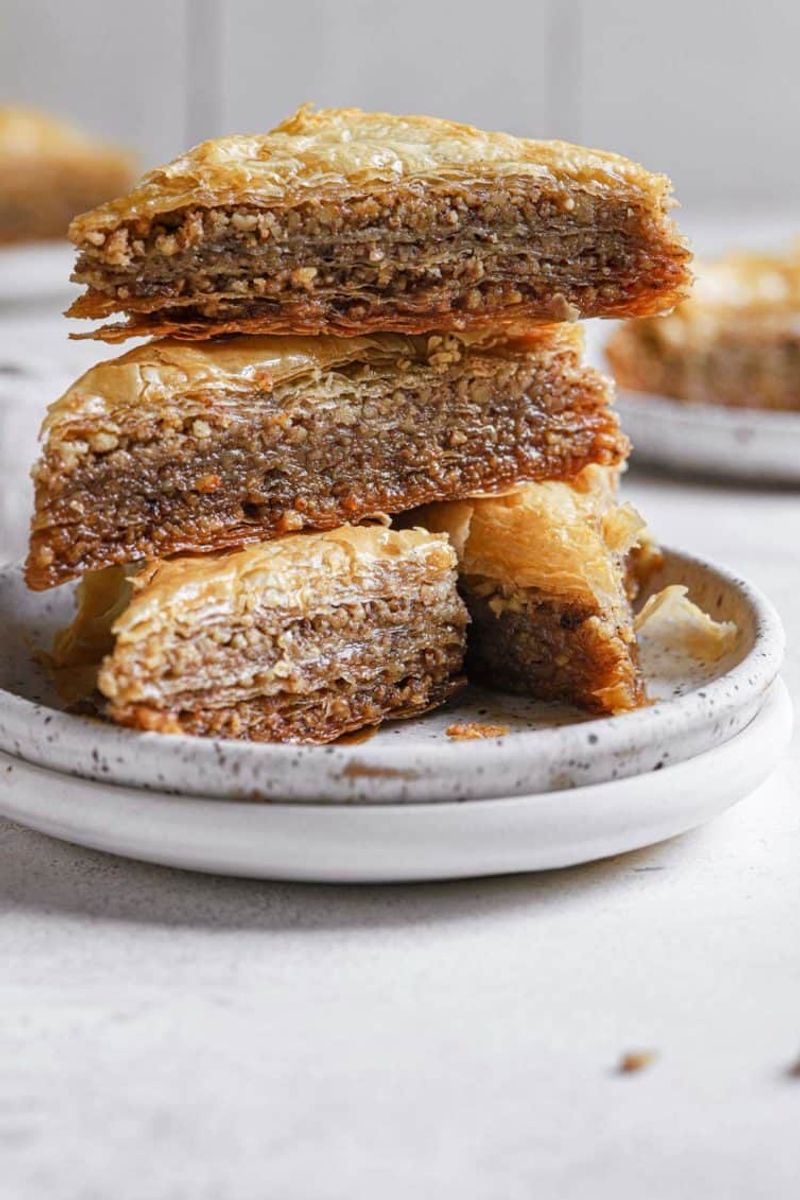
Phyllo must be stretched thinner than paper without breaking. It dries out quickly and requires constant brushing with butter.
Restaurants use humidity-controlled rooms and large rolling tables to make this work. At home, phyllo tears, clumps, or bakes unevenly. Save yourself the tears (and broken layers) and leave it to the pros.
9. Molecular Gastronomy Plates
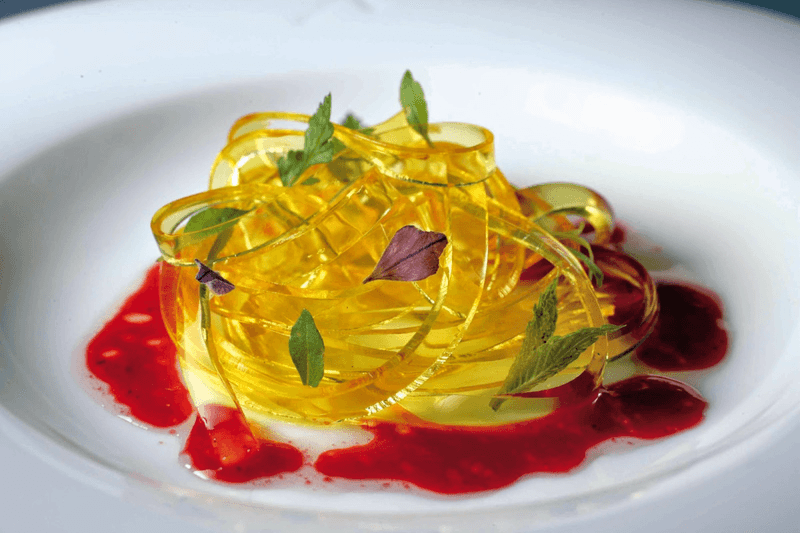
Want to turn liquids into caviar-like pearls? Or make edible smoke? This science-heavy cuisine needs lab tools and food-grade chemicals.
Spherification kits, emulsifiers, thermal baths, and liquid nitrogen aren’t pantry staples. Without training, the results range from silly to dangerous. It’s culinary chemistry, not just cooking.
10. Handmade Xiao Long Bao
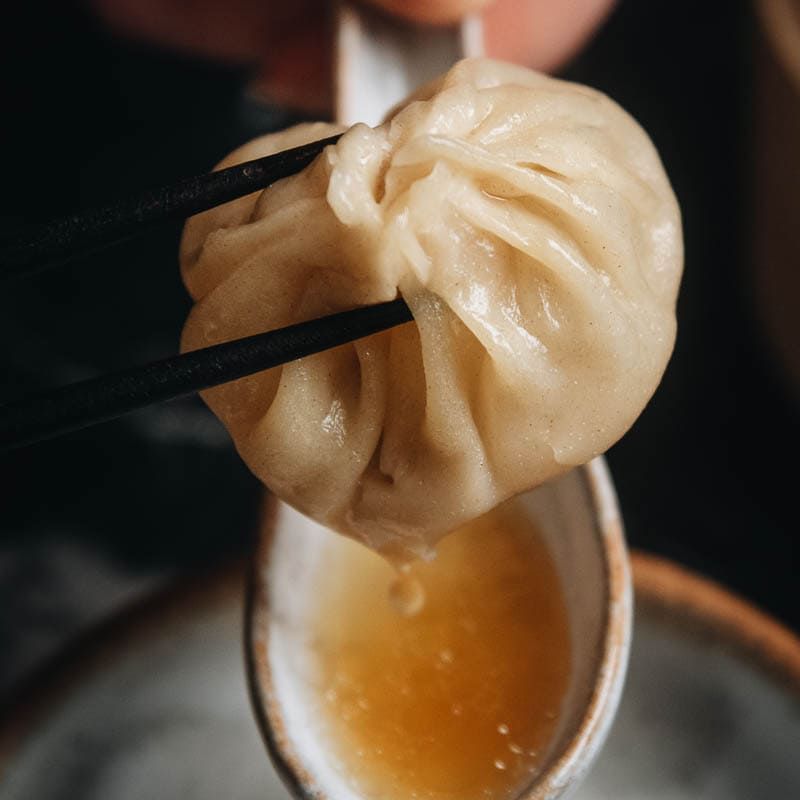
These soup dumplings burst with rich broth the moment you bite in. That magic comes from gelatin that melts during steaming.
To achieve that, the wrapper must be tissue-thin yet strong enough to hold hot soup. Folding each dumpling with uniform pleats at speed is an art few master outside of professional kitchens.
11. Coq Au Vin
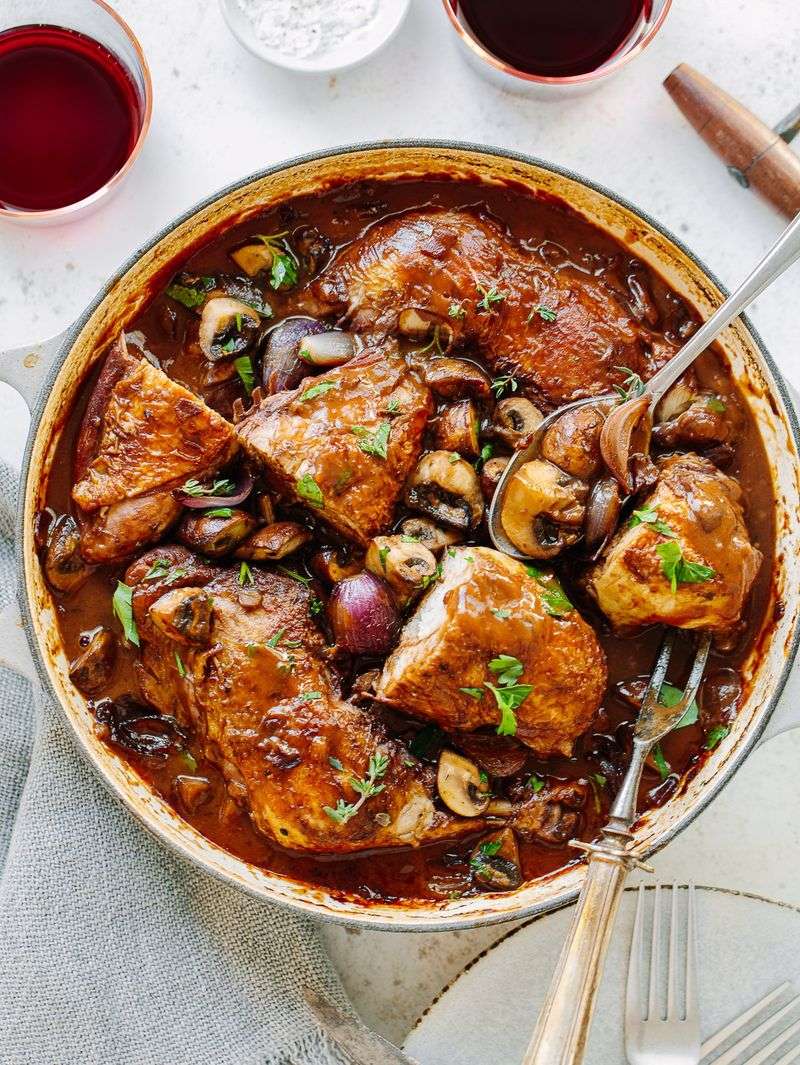
A classic French stew of rooster (or chicken), red wine, mushrooms, and herbs. It sounds cozy—but requires layers of attention.
The meat must be browned without drying out, the wine reduced just right, and the sauce strained to velvety perfection. Restaurants prep this days in advance for flavor depth and texture harmony.
12. Omakase-Style Sushi
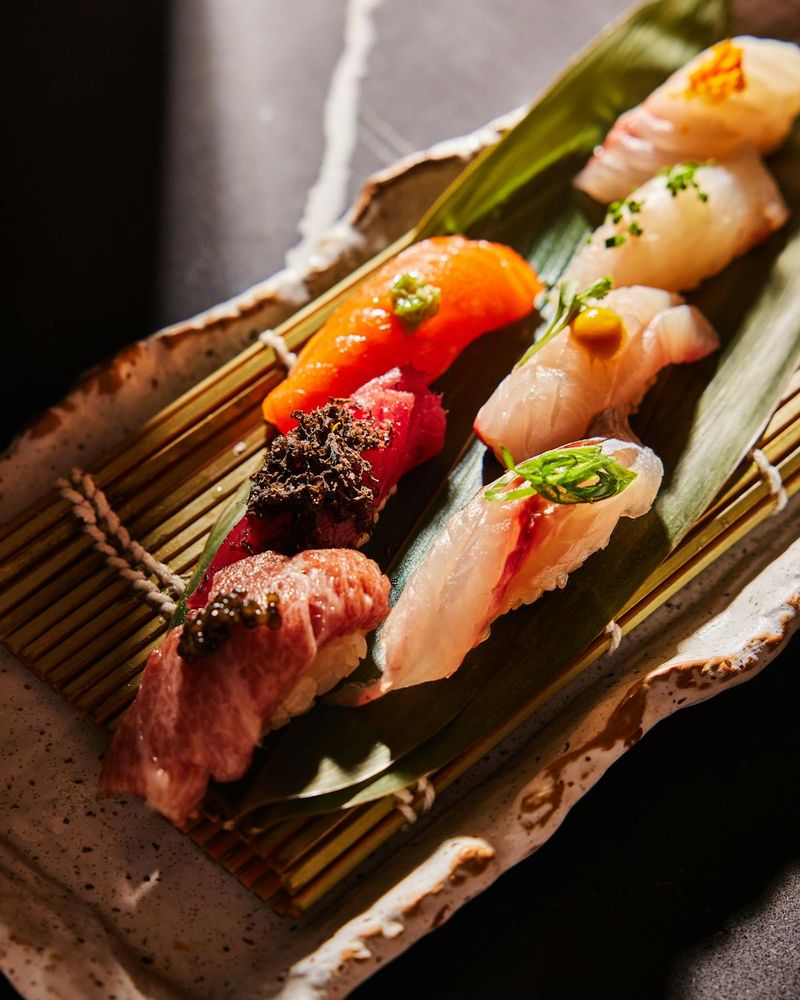
This Japanese dining style involves delicate knife work, precise rice shaping, and impeccably fresh fish. It’s about more than ingredients—it’s trust in the chef.
Cutting raw fish to sashimi-grade thinness is an art. Without sushi rice cookers and years of training, the flavor and balance fall flat. And bad sushi is more than disappointing—it’s dangerous.
13. Salt-Crusted Whole Fish
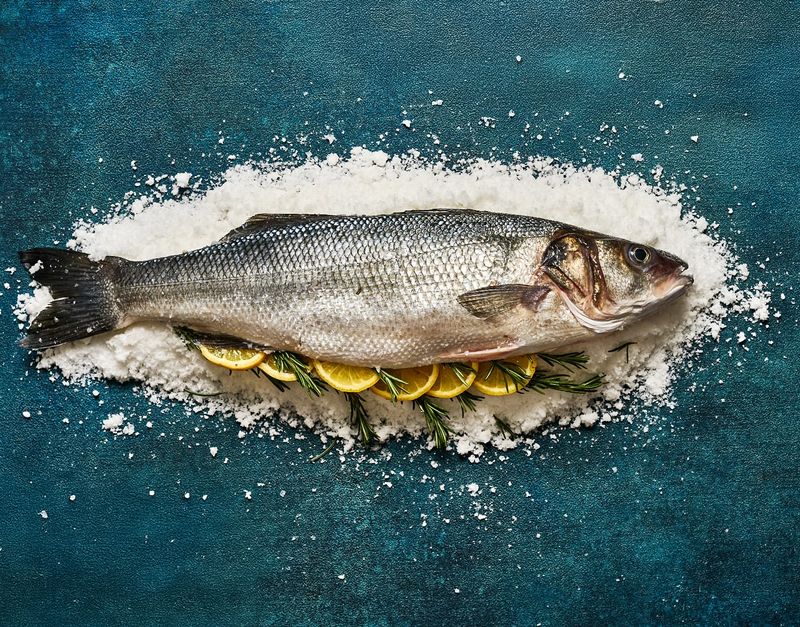
Coating a whole fish in a salt crust keeps it juicy and tender—but also makes it easy to overseason or undercook.
Cracking the crust without mangling the fish takes practice. A little too much pressure, and it flakes apart. Restaurants use special spoons, table-side service, and practiced finesse.
14. Tournedos Rossini
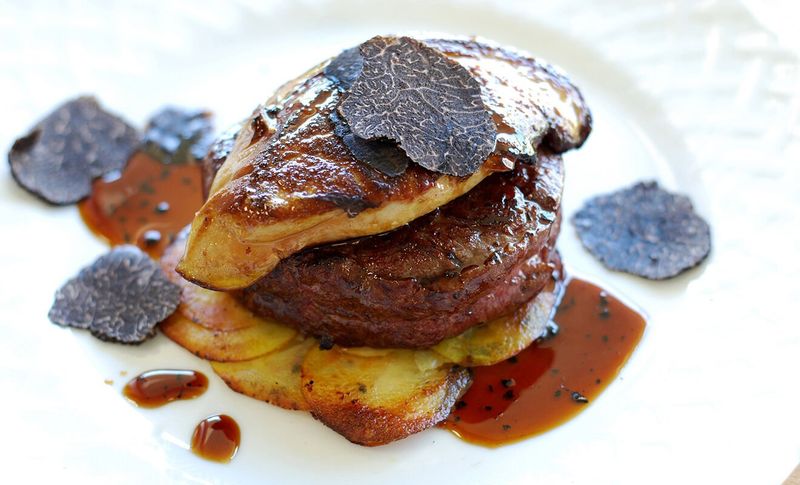
A filet topped with foie gras and truffles, finished with Madeira reduction, is decadence on a plate. But every element must hit perfection.
The foie needs a quick sear, the steak must rest, and the sauce can’t split. Assembling it hot and pretty is nearly impossible in a home kitchen without chaos.
15. Classic French Terrine
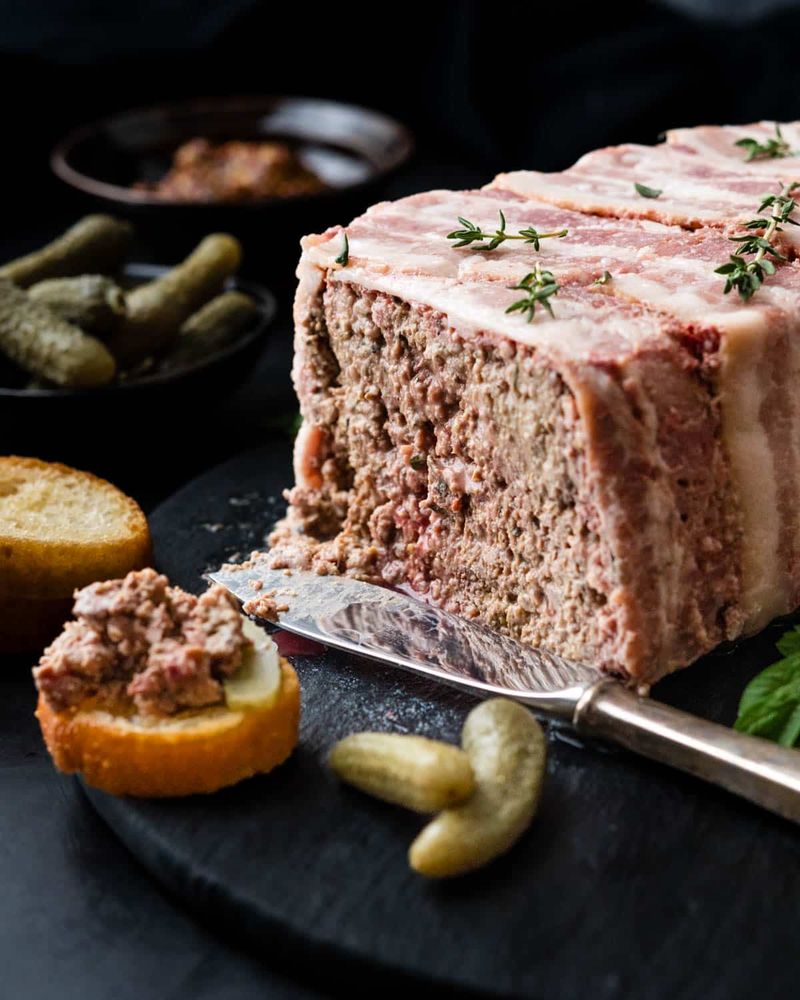
Layered meats and seasonings are packed into molds, slow-cooked, pressed, and chilled. It looks simple, but every step is a minefield.
Air bubbles ruin the texture. Unmolding can crack it. Chefs use heavy-duty molds, vacuum sealers, and precise measurements most home cooks don’t have.
16. Handmade Pasta With Truffle Cream
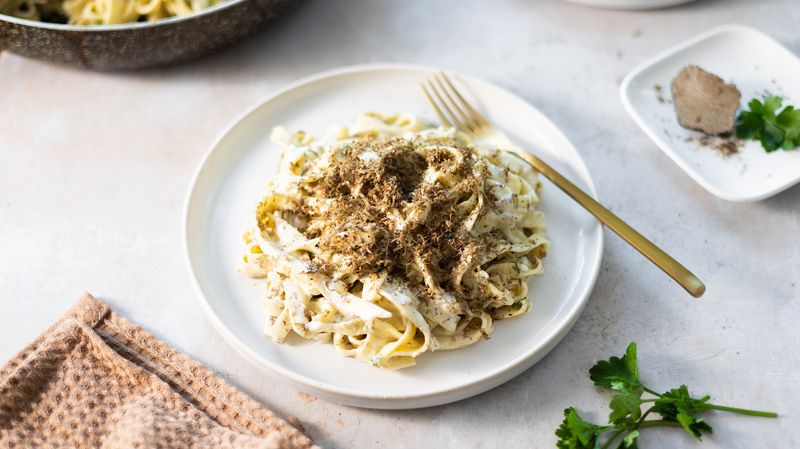
Fresh pasta is temperamental and requires correct hydration, rolling, and resting. Add truffle cream and the stakes go up.
Truffles lose aroma quickly with heat. The sauce needs perfect timing to preserve its earthiness. Done right, it’s pure luxury—but most home versions lack the delicacy.
17. Foie Gras Preparations
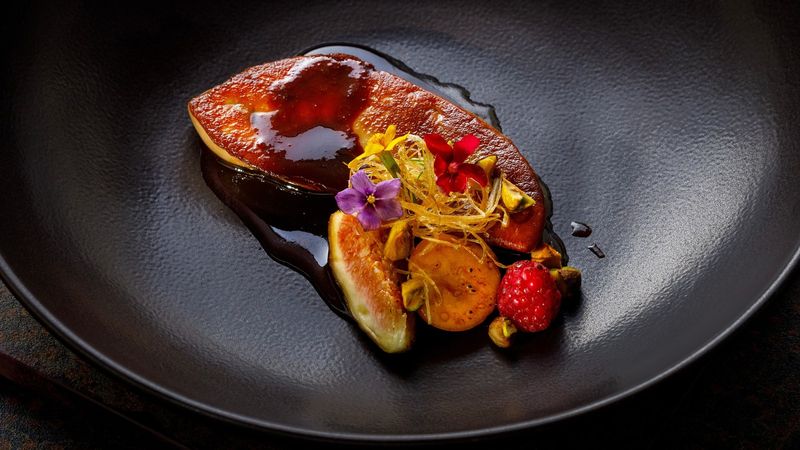
Foie gras melts fast, smokes heavily, and turns to grease with a second too long in the pan. It demands high skill and lightning reflexes.
Cleaning it requires patience and anatomical knowledge. Restaurants sear over intense heat, serve immediately, and balance it with acid or fruit. Doing it at home risks waste and mess.
18. Roulade With Complex Fillings
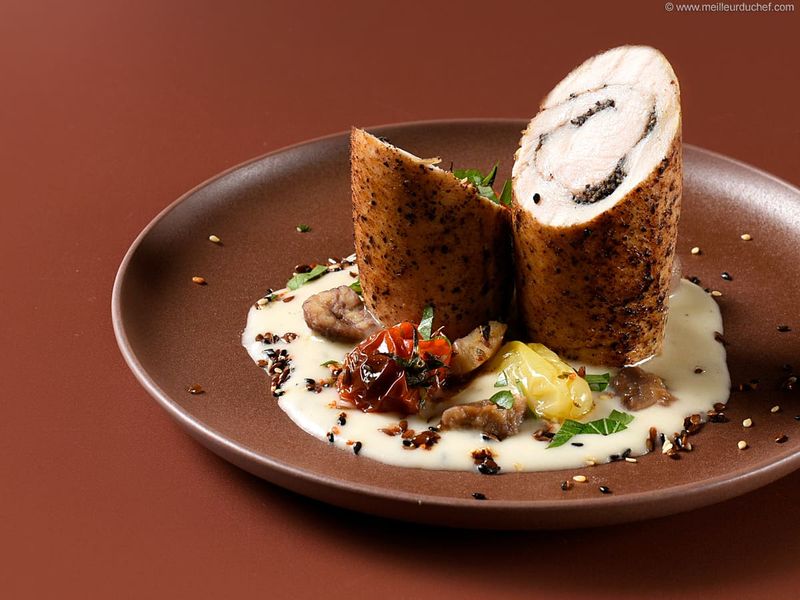
A roulade wraps thin meat or sponge cake around fillings—easy to ruin without tight technique. Rolling, wrapping, and baking all demand precision.
Seams must be sealed. Cooking must be even. Slicing must be clean. One uneven roll and the dish unravels in more ways than one.
19. Consommé
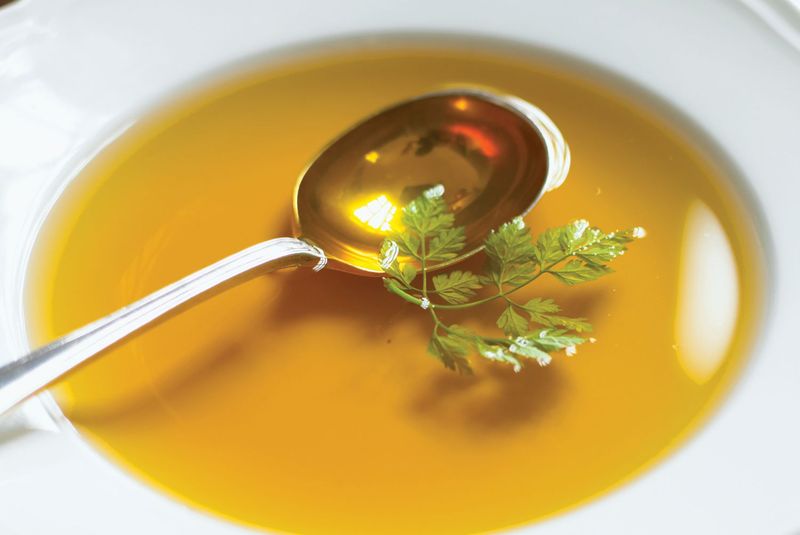
A crystal-clear broth made by clarifying stock with egg whites and mirepoix—consommé takes patience and lab-like discipline.
A small temperature slip clouds the entire batch. Chefs monitor it like a science experiment, skimming constantly and filtering through cheesecloth to reach perfection.
20. Crème Brûlée With Sugar Art
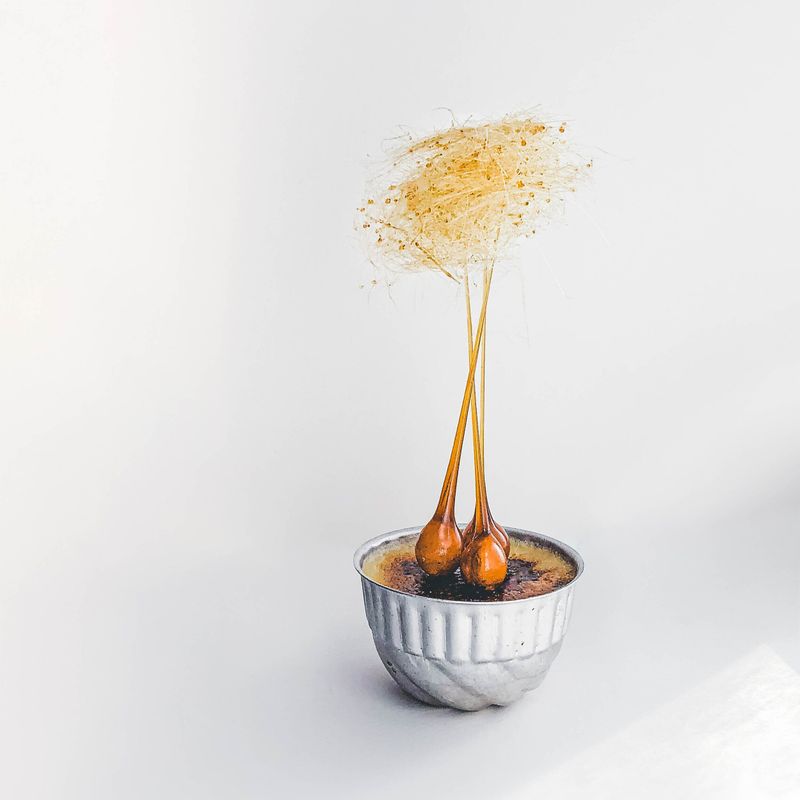
Silky custard with a crisp sugar shell seems doable—until you add sugar work. Torching unevenly scorches the top or leaves it gritty.
Add spun sugar or caramel shards and the risk of burns and stickiness climbs. Restaurants use blowtorches with finesse, and chill times down to the minute.