20 Common Garden Weeds That Are Surprisingly Edible (Would You Eat Them?)
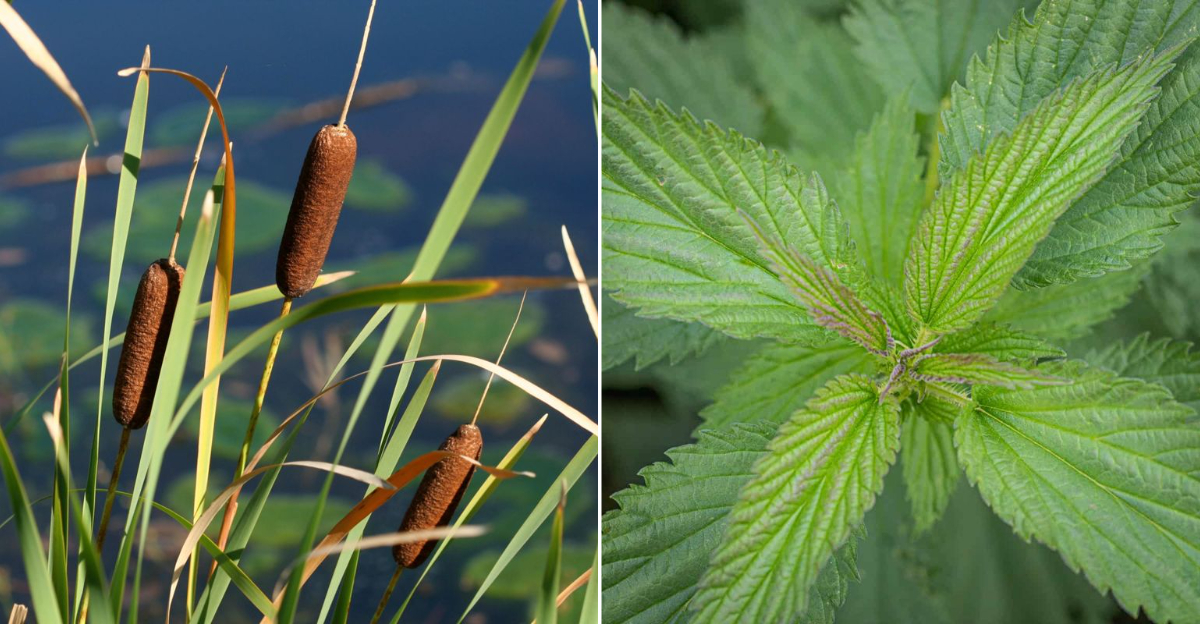
Ever walked through your garden, pulling those pesky weeds and tossing them aside?
What if those ‘nuisances’ could actually be part of tonight’s dinner? Many common garden invaders are not only edible but packed with nutrients that might put your cultivated veggies to shame.
Before you reach for that weed killer, check out these surprisingly tasty uninvited guests in your garden!
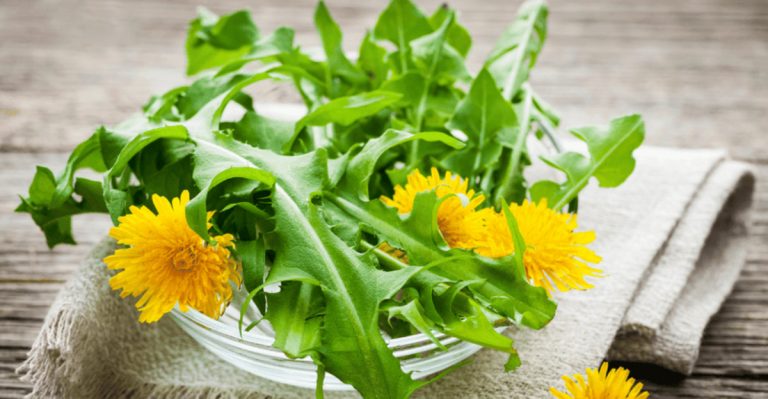
1. Dandelion: The Golden Superstar
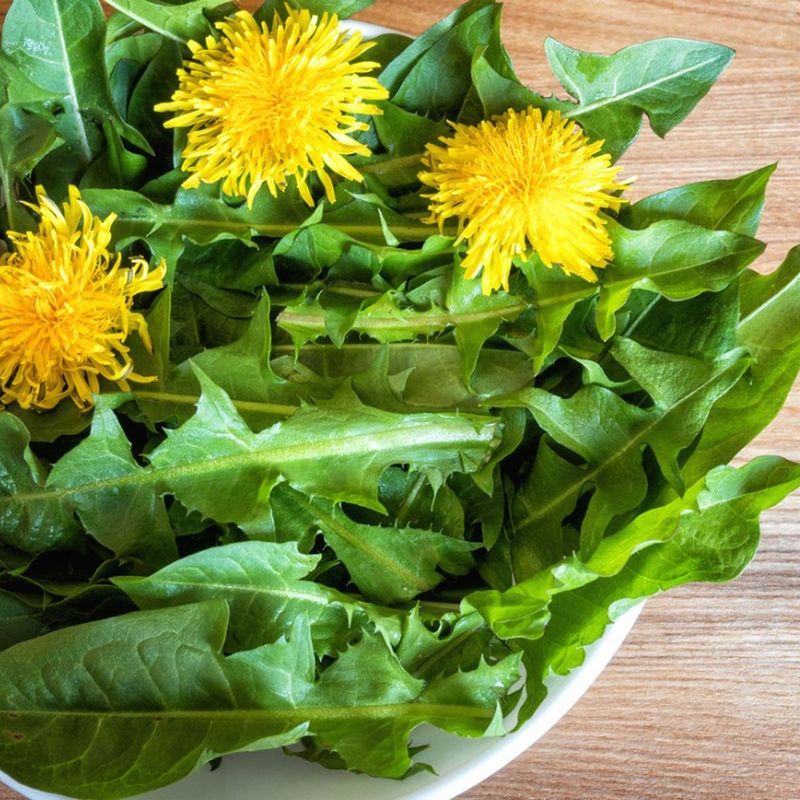
From root to flower, every part of this sunshine-yellow invader is edible! Young leaves make a zesty addition to salads, while the roots can be roasted for a coffee substitute.
The bright flowers? Perfect for homemade wine or fritters. Packed with vitamins A, C, and K, these common lawn dots are nutritional powerhouses disguised as garden pests.
2. Purslane: The Omega-3 Champion
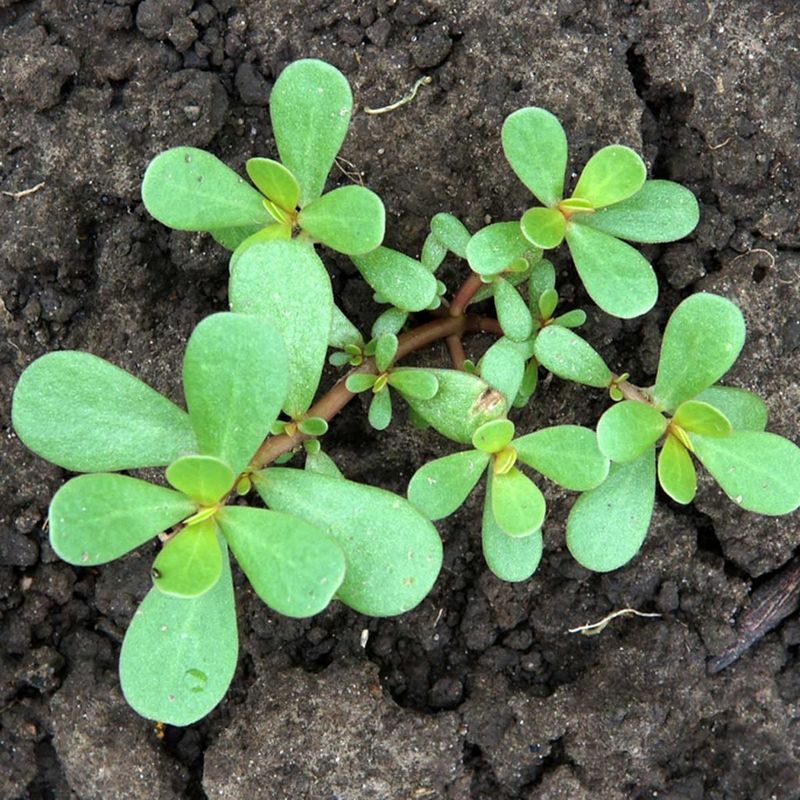
Would you believe this succulent-like ground-hugger contains more omega-3 fatty acids than some fish? Its crunchy texture and slightly lemony flavor make it perfect for summer salads and stir-fries.
Native peoples have harvested purslane for centuries, recognizing its extraordinary nutritional profile. Next time you spot its paddle-shaped leaves spreading across your garden, grab some for dinner!
3. Chickweed: The Delicate Delight
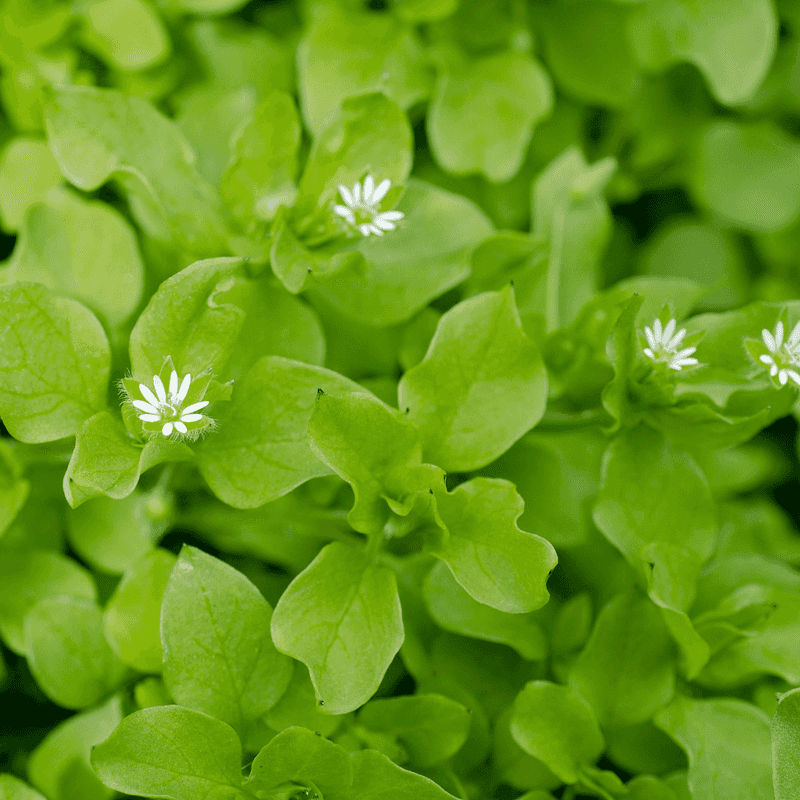
Chickweed’s tender star-shaped flowers and soft leaves create a gentle spinach-like taste that’s surprisingly refreshing. This cool-season annual grows in dense mats that gardeners often curse.
Historically used to treat skin conditions, modern foragers prize it for salads and pesto. Imagine transforming that annoying garden patch into a gourmet wild green that costs a premium at farmers’ markets!
4. Lamb’s Quarters: The Wild Spinach
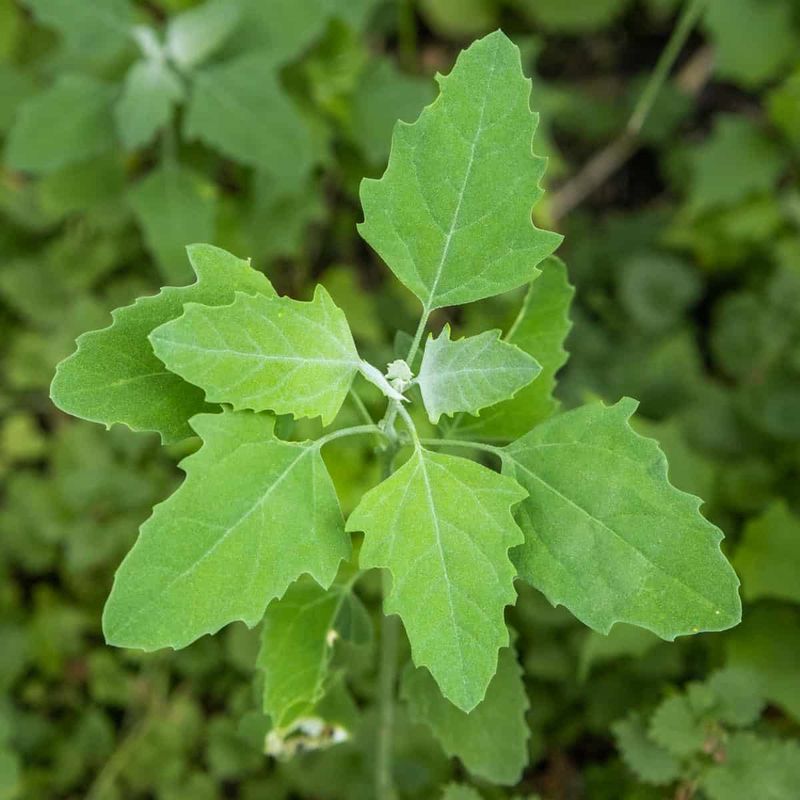
How about replacing expensive supermarket spinach with this free alternative? Lamb’s quarters, with its distinctive dusty-looking leaves, actually contains more calcium, protein, and vitamins B1 and B2 than its cultivated cousin.
Ancient civilizations cultivated this now-forgotten superfood before modern agriculture. Steam it lightly or toss young leaves into salads for a mineral-rich boost to your meals!
5. Stinging Nettle: The Fearsome Nutritionist
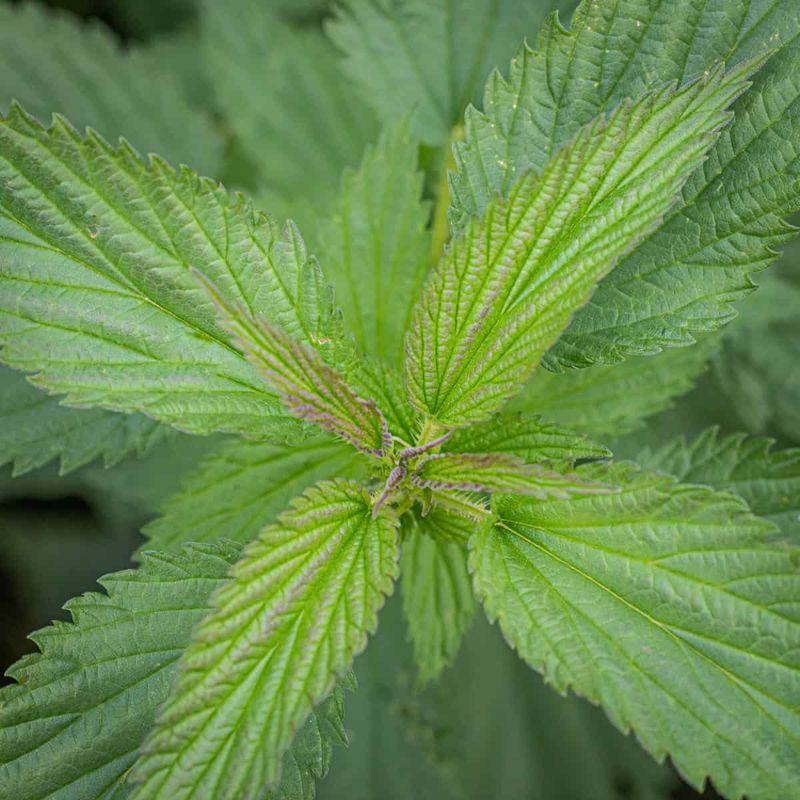
Don’t let the sting scare you away! Once cooked, stinging nettle loses its bite and transforms into a nutrient-dense green with a flavor reminiscent of spinach but more complex.
Medieval Europeans used nettle for everything from soup to fabric. Wearing gloves while harvesting is essential, but the nutritional payoff (iron, calcium, and protein) makes this prickly character worth befriending.
6. Plantain: The First Aid Plant
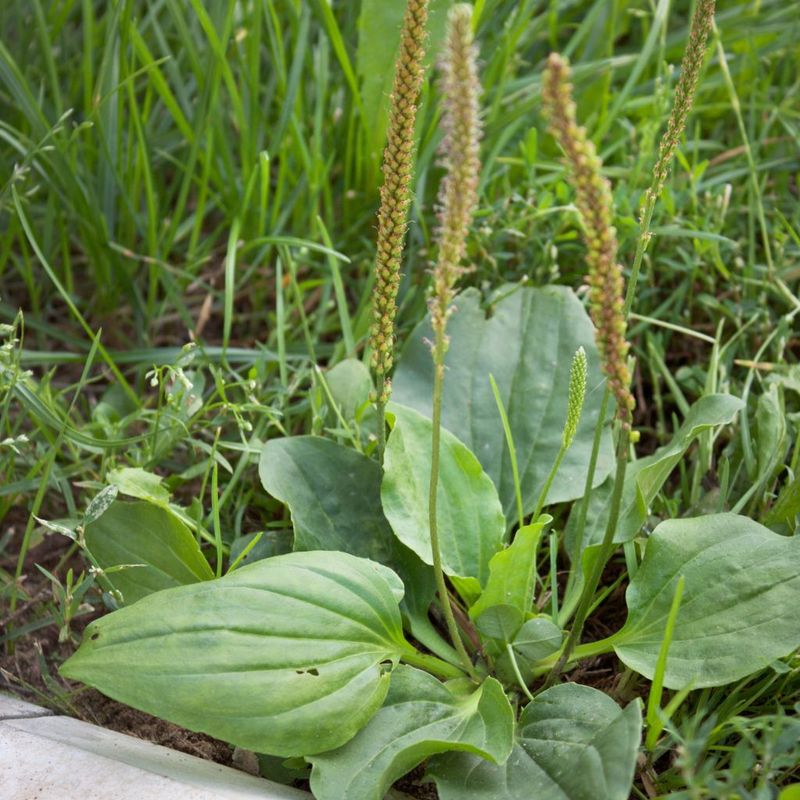
No relation to the banana-like fruit, this common lawn invader with parallel-veined leaves makes a fantastic healing poultice for insect bites. Young leaves offer a mushroom-like flavor when sautéed with garlic. Native Americans called it “white man’s footprint” as it spread with European settlers. Harvest young leaves for a nutritional boost in smoothies or as a cooked green with a unique earthy flavor.
7. Clover: The Lucky Charm
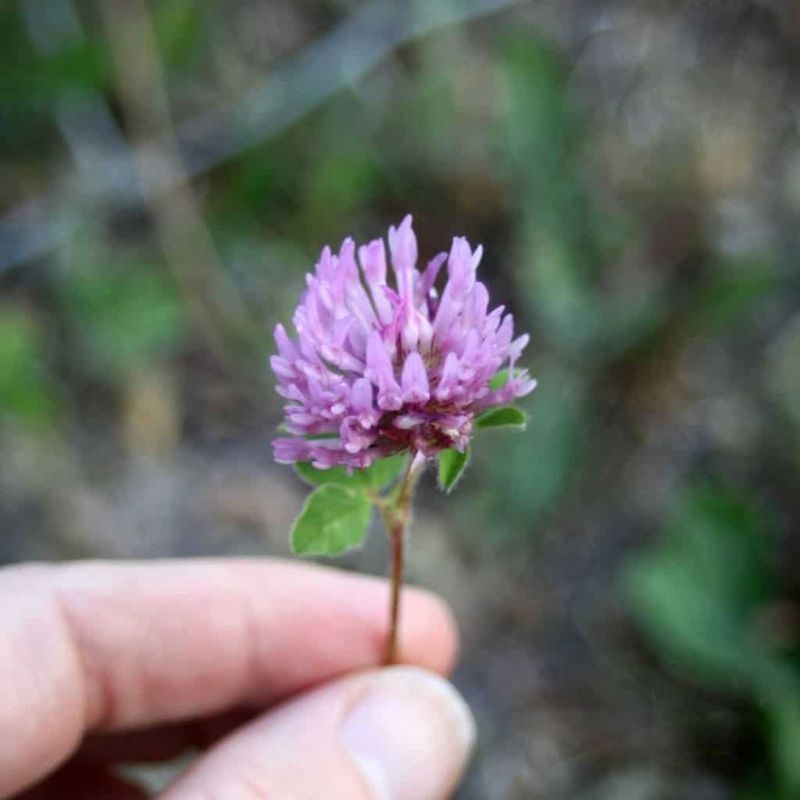
Beyond searching for four-leaf luck, have you considered adding clover to your dinner plate? These nitrogen-fixing plants offer sweet, delicate flowers that can be dried for tea or added fresh to salads.
The leaves, though slightly bitter when raw, become mild when cooked. Native American tribes incorporated clover as both food and medicine. Perhaps your lawn’s white or red clover patches deserve a second look!
8. Violet: The Floral Candy
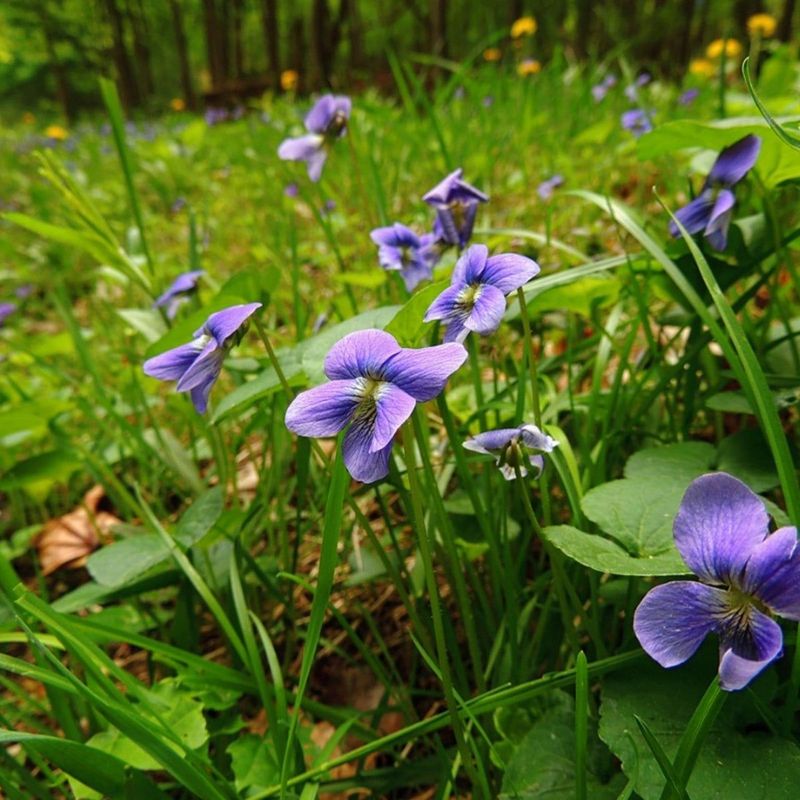
Those charming purple flowers popping up in spring aren’t just pretty faces! Both violet flowers and heart-shaped leaves are edible, with the blossoms offering a sweet, perfumed flavor perfect for decorating desserts. Victorian-era confectioners crystallized violets for cake decorations. The leaves, rich in vitamins A and C, can be added to salads or cooked like spinach for a nutritional boost with a pleasant, mild flavor.
9. Mallow: The Marshmallow Ancestor
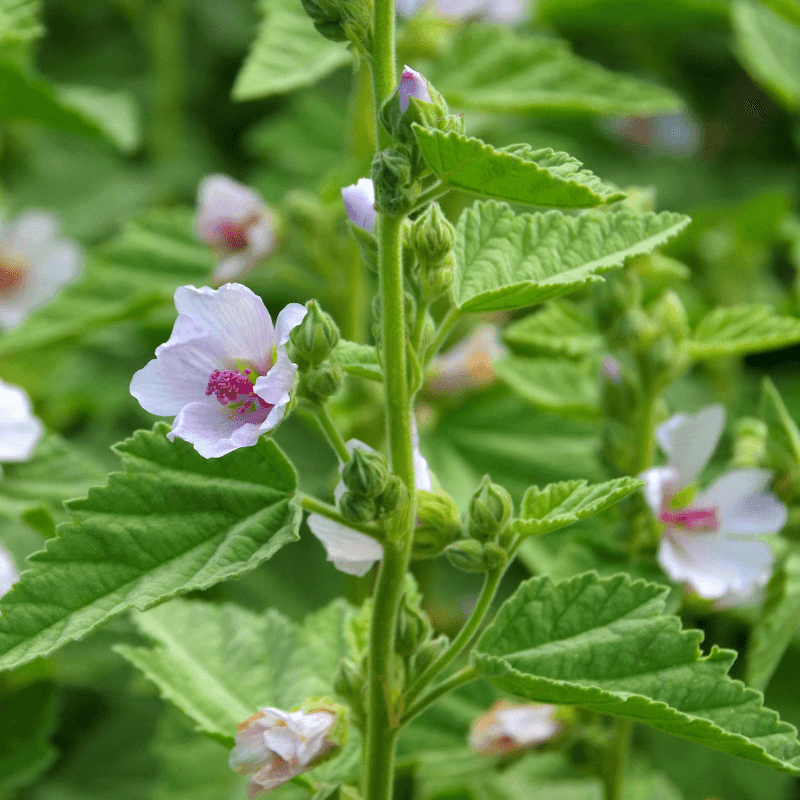
Marshmallows originally came from this plant’s root! Common mallow, with its geranium-like leaves, produces edible leaves, flowers, and seed pods that kids often call “cheeses” for their wheel-like shape.
Ancient Romans enjoyed mallow as a leafy vegetable. The leaves contain a natural mucilage that adds a pleasant thickness to soups and stews – nature’s thickener growing right in your garden paths!
10. Wood Sorrel: The Lemonade Plant
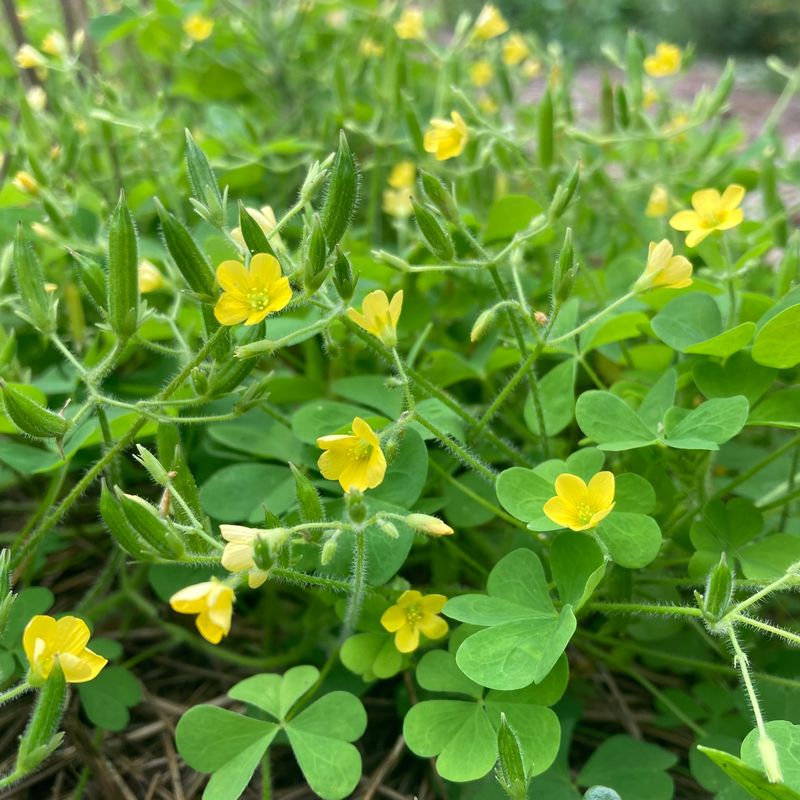
Often mistaken for clover, wood sorrel’s heart-shaped leaflets and yellow flowers pack a surprising lemony punch! Children love nibbling these tart treats during outdoor adventures. The oxalic acid content gives it that refreshing sourness, similar to rhubarb. Perfect for adding zing to salads or as a trail-side pick-me-up, this common garden visitor might become your new favorite secret ingredient for brightening dishes!
11. Amaranth: The Ancient Grain Weed
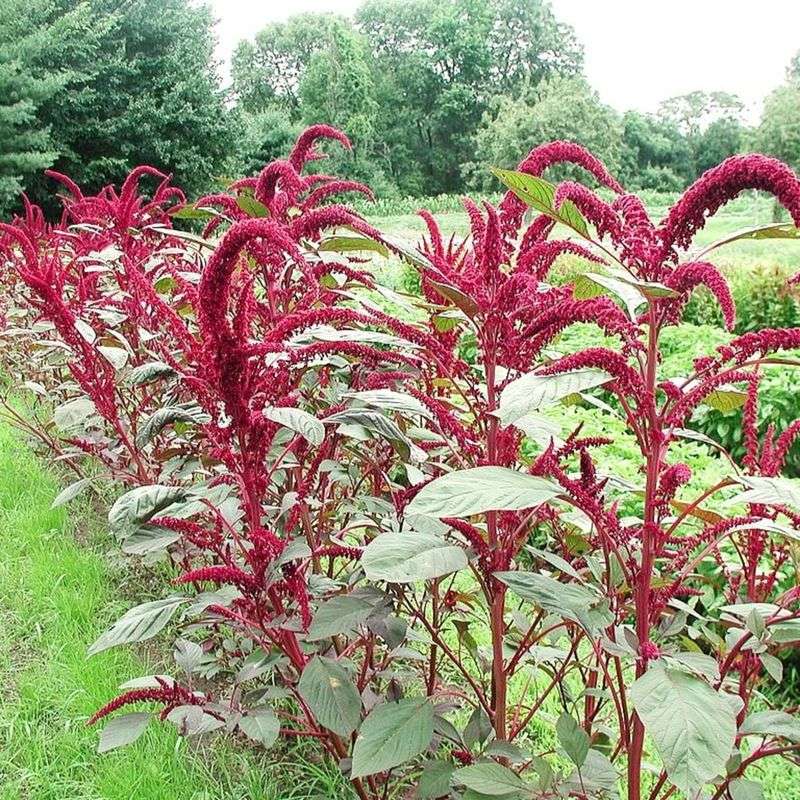
Before becoming a trendy health food, amaranth was considered a royal crop by the Aztecs! The wild version invading your garden offers both edible leaves (similar to spinach) and protein-rich seeds. Young leaves taste delicious when sautéed with garlic and olive oil.
Though harvesting the tiny seeds requires patience, they provide complete protein with all essential amino acids – a powerhouse weed worth cultivating rather than eliminating!
12. Garlic Mustard: The Invasive Delicacy
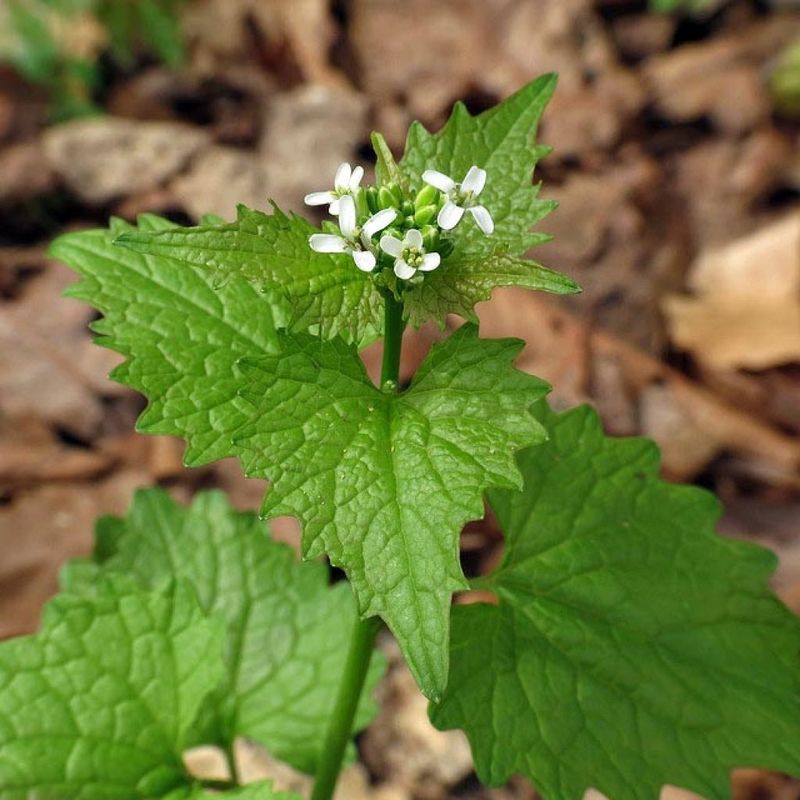
What if eating weeds could help the environment? Garlic mustard, an aggressive invasive species in North America, offers a peppery garlic flavor that early European settlers deliberately brought for cooking.
First-year rosettes make excellent pesto, while second-year plants provide mustardy flowers and seeds. Foraging this plant actually helps native ecosystems recover – talk about guilt-free wild eating!
13. Burdock: The Japanese Favorite
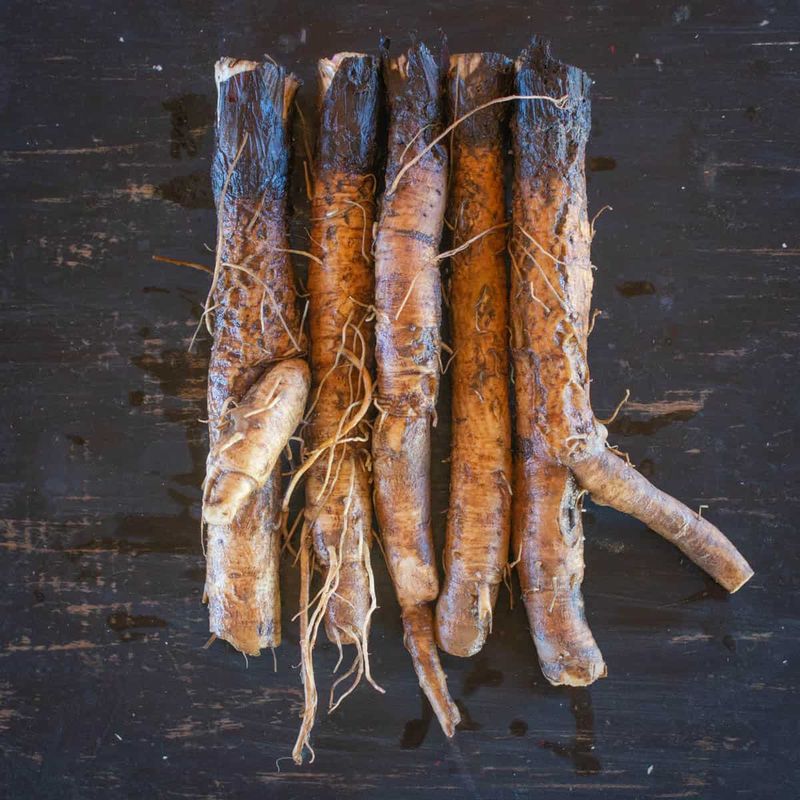
Those annoying burrs that stick to your clothes come from a plant prized in Japanese cuisine! Known as “gobo” in Japan, burdock root offers a sweet, earthy flavor similar to artichoke hearts when properly prepared. First-year plants provide the best harvest before they develop the infamous sticky seed heads. Though requiring some effort to dig up, the long taproot rewards foragers with a versatile vegetable that’s been used in traditional medicine for centuries.
14. Sheep Sorrel: The Tangy Surprise
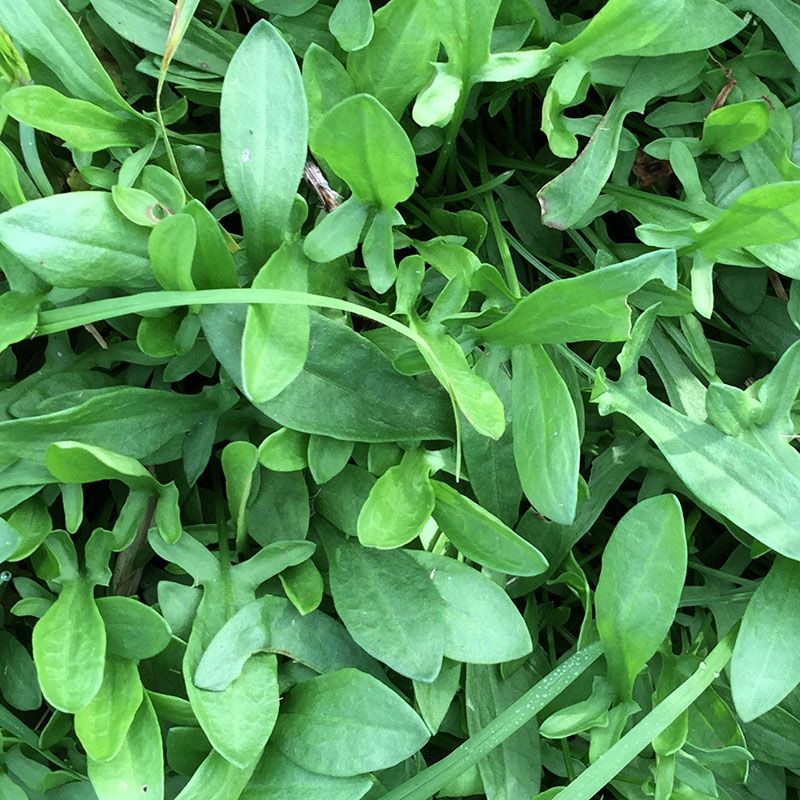
Those arrow-shaped leaves spreading through your lawn harbor a delicious secret – a bright, lemony flavor that chefs pay premium prices for! Sheep sorrel adds a tangy kick to soups and salads.
French cuisine has long celebrated this weed in classic sorrel soup. Like its cousin wood sorrel, it contains oxalic acid giving it that distinctive tartness. Use it sparingly as a flavor accent rather than a main ingredient.
15. Chickory: The Coffee Companion
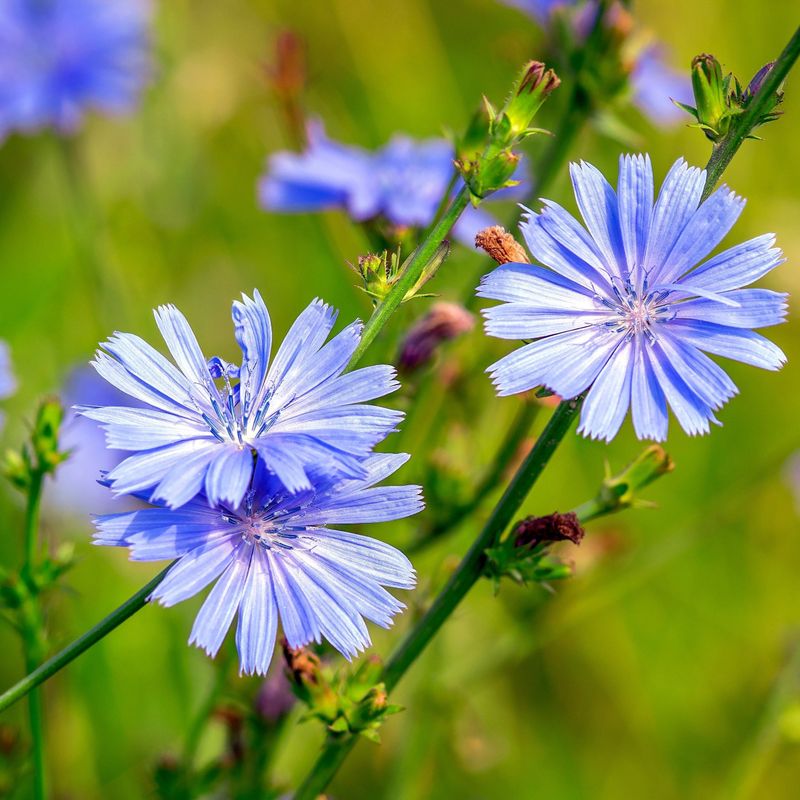
Those brilliant blue flowers alongside highways have a secret – their roots make a fantastic coffee substitute or extender!
During coffee shortages, particularly in New Orleans, chickory root became a beloved alternative. Young leaves taste similar to dandelion greens and can be added to salads or sautéed. The bright blue flowers make beautiful edible decorations for summer dishes. Who knew that roadside beauty could transform your morning brew?
16. Japanese Knotweed: The Rhubarb Impostor
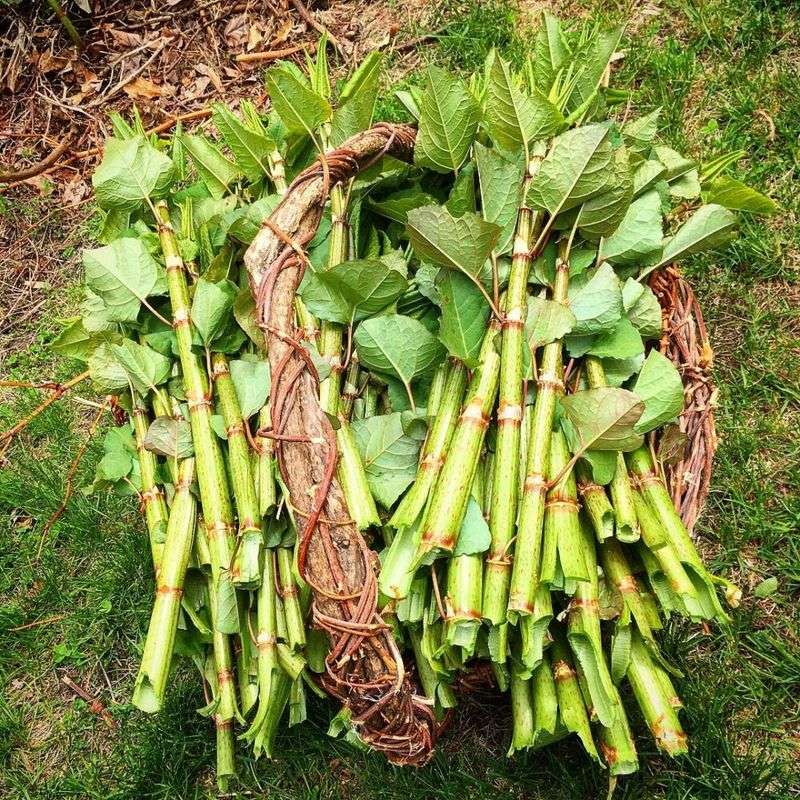
Though environmentalists dread this bamboo-like invader, adventurous foragers celebrate its rhubarb-like taste! Young spring shoots of Japanese knotweed can be harvested and prepared similarly to rhubarb in pies and compotes.
This plant contains resveratrol, the same heart-healthy compound found in red wine. While you should never plant it intentionally, harvesting and eating existing patches might be the tastiest form of ecological control!
17. Queen Anne’s Lace: The Wild Carrot
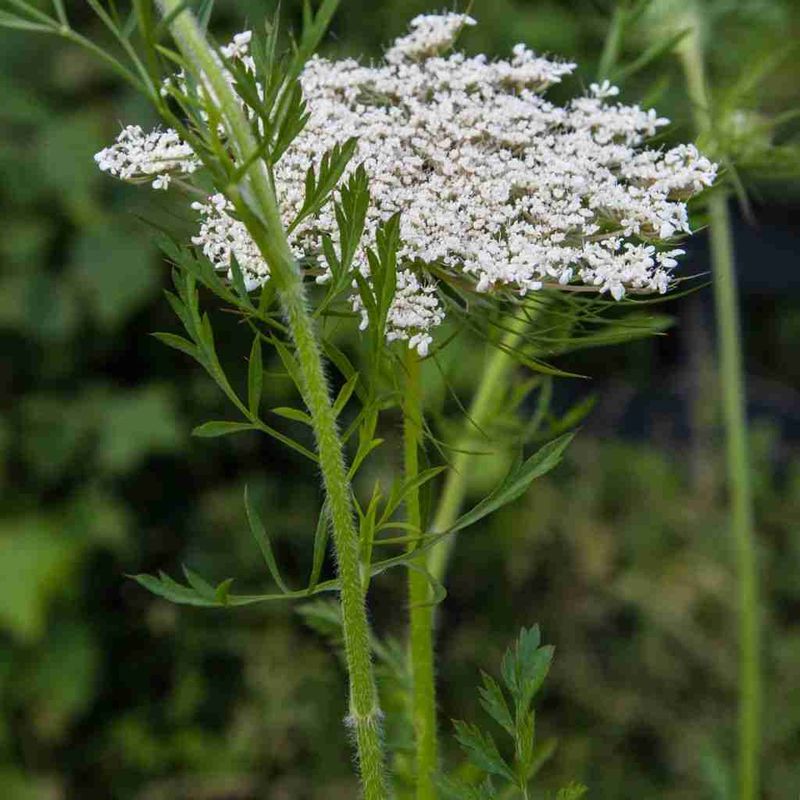
That lacy white flower resembling an intricate doily is actually wild carrot! The root of first-year plants, while smaller than store-bought carrots, offers a concentrated carrot flavor perfect for soups and stews. CAUTION: Only harvest with absolute identification, as it resembles poisonous hemlock. The telltale signs include carrot-scented foliage and a single purple flower in the center of the white umbel – nature’s way of marking this edible treasure.
18. Curly Dock: The Iron Mine
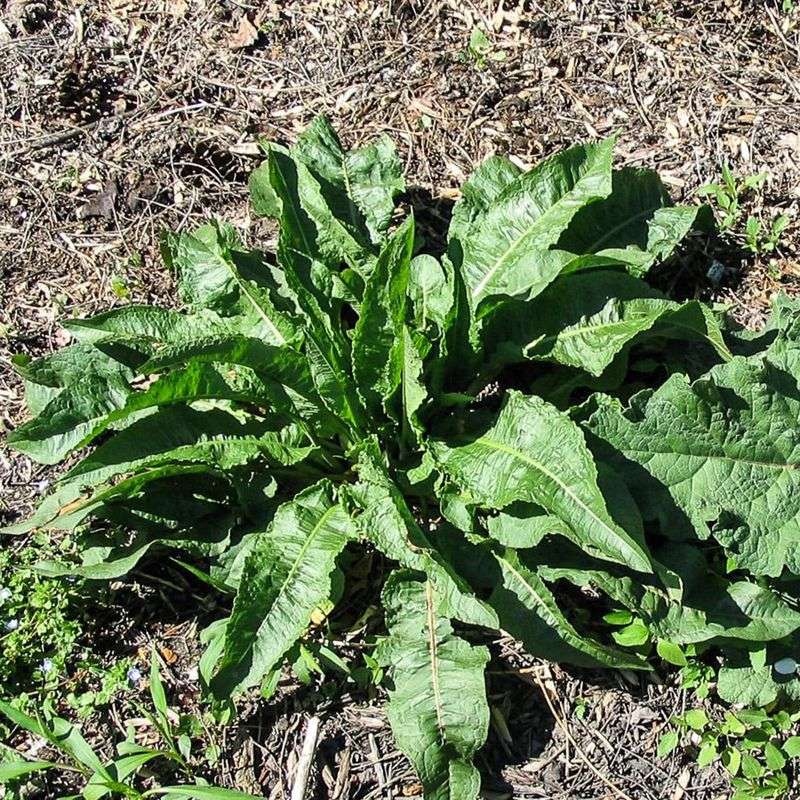
Looking to boost iron intake naturally? Curly dock leaves contain more iron than spinach! The young leaves, harvested before they become too bitter, make excellent additions to mixed cooked greens.
Native Americans utilized the seeds as a grain and the roots for medicinal purposes. The mature reddish-brown seed heads stand out in winter landscapes, making this weed easy to identify year-round for the curious forager.
19. Pineapple Weed: The Ground Apple
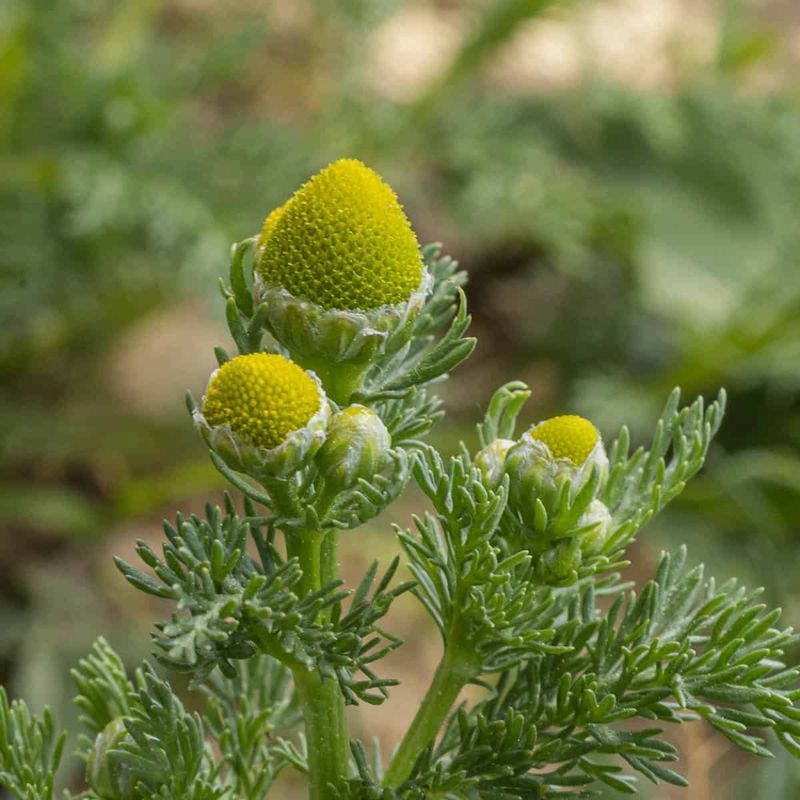
Accidentally step on this low-growing plant and you’ll release a surprising pineapple-apple aroma! Also called wild chamomile, this feathery-leaved weed makes an excellent herbal tea with fruity notes. Indigenous peoples used pineapple weed medicinally for stomach issues and as a pleasant beverage.
Found thriving in compacted soils like pathways and driveways, this resilient little plant transforms neglected areas into aromatic tea gardens!
20. Cattail: The Supermarket Of The Swamp
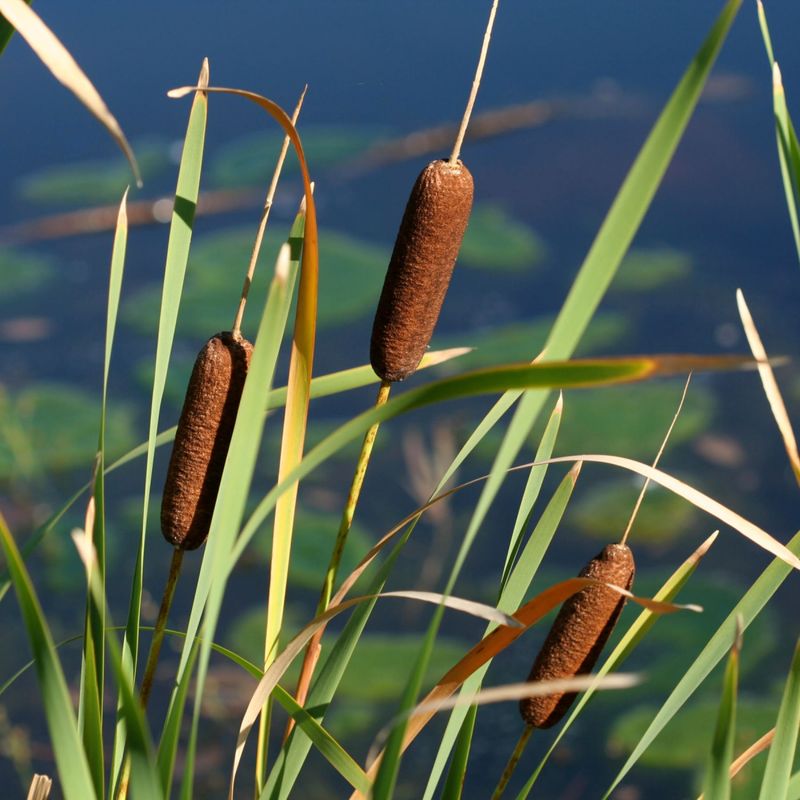
Though not strictly a garden weed, these wetland denizens might appear in damp areas and offer multiple edible parts throughout the seasons! Spring shoots can be eaten like corn on the cob, while pollen makes a nutritious flour substitute.
Indigenous North Americans utilized every part of this plant for food and materials. The starchy roots can be processed into flour, making cattails one of the most versatile wild edibles for survival situations.