20 Must-Have Essential Ingredients For Korean Cooking
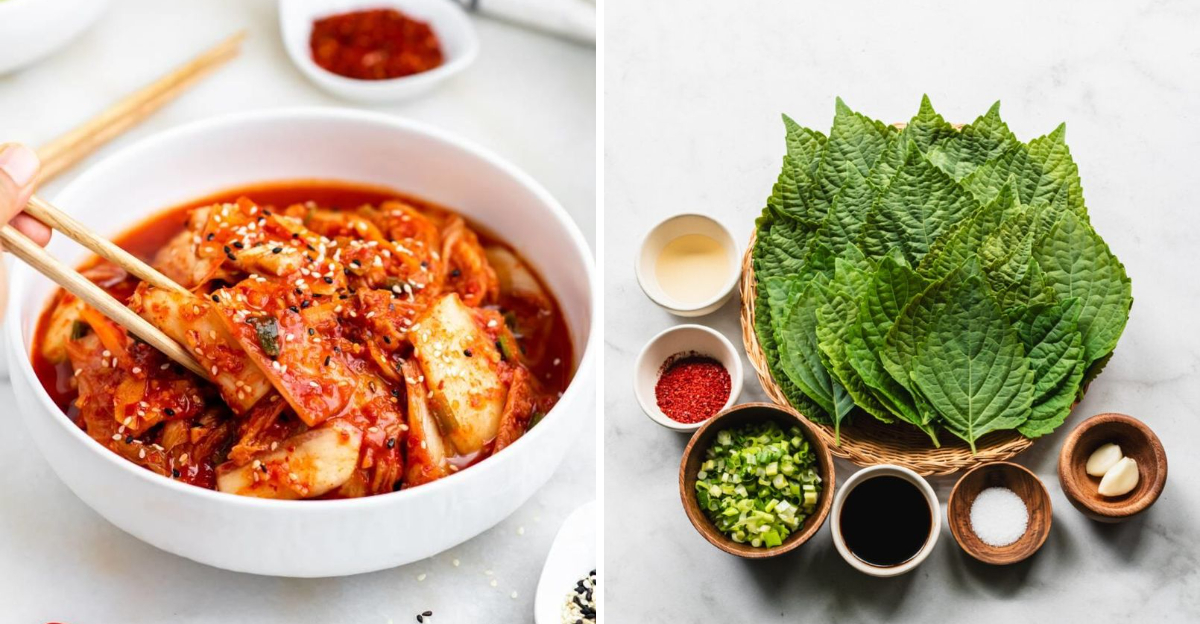
Korean cuisine bursts with bold flavors, colors, and incredible depth that can transform ordinary meals into extraordinary culinary adventures.
Setting up your kitchen with authentic Korean ingredients is the first step to mastering dishes like bibimbap, bulgogi, and kimchi at home.
These 20 essential ingredients will help you create genuine Korean flavors right in your own kitchen.
1. Gochujang (Korean Red Pepper Paste)
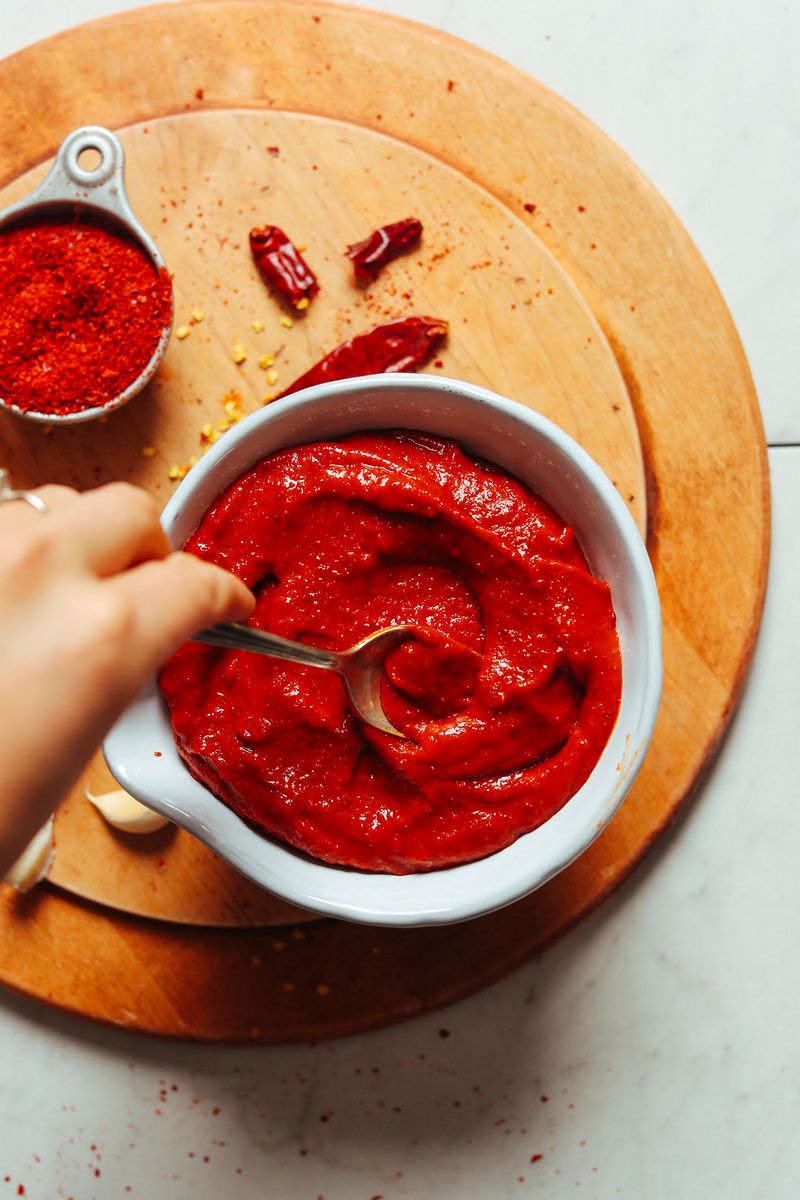
The backbone of Korean cooking! This fermented red chili paste delivers that signature sweet-spicy-umami punch you’ll recognize from classics like bibimbap and tteokbokki.
Made from glutinous rice, fermented soybeans, and red chili powder, gochujang develops complex flavors during its aging process. A little goes a long way!
2. Doenjang (Fermented Soybean Paste)
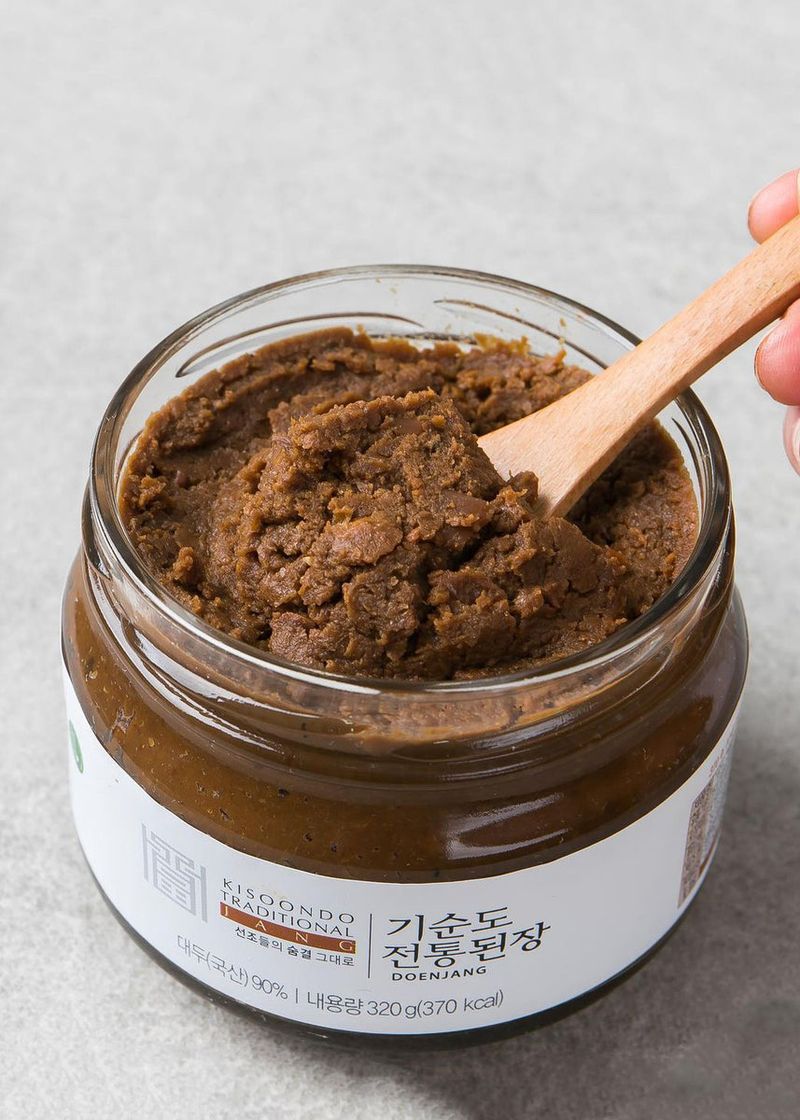
Not to be confused with Japanese miso! Doenjang rocks a funkier, more robust profile that forms the soul of countless Korean soups and stews.
Traditionally made by fermenting soybeans in large earthenware pots called onggi, this paste develops incredible depth over months or even years. Its earthy complexity is absolutely irreplaceable.
3. Kimchi (Fermented Vegetables)
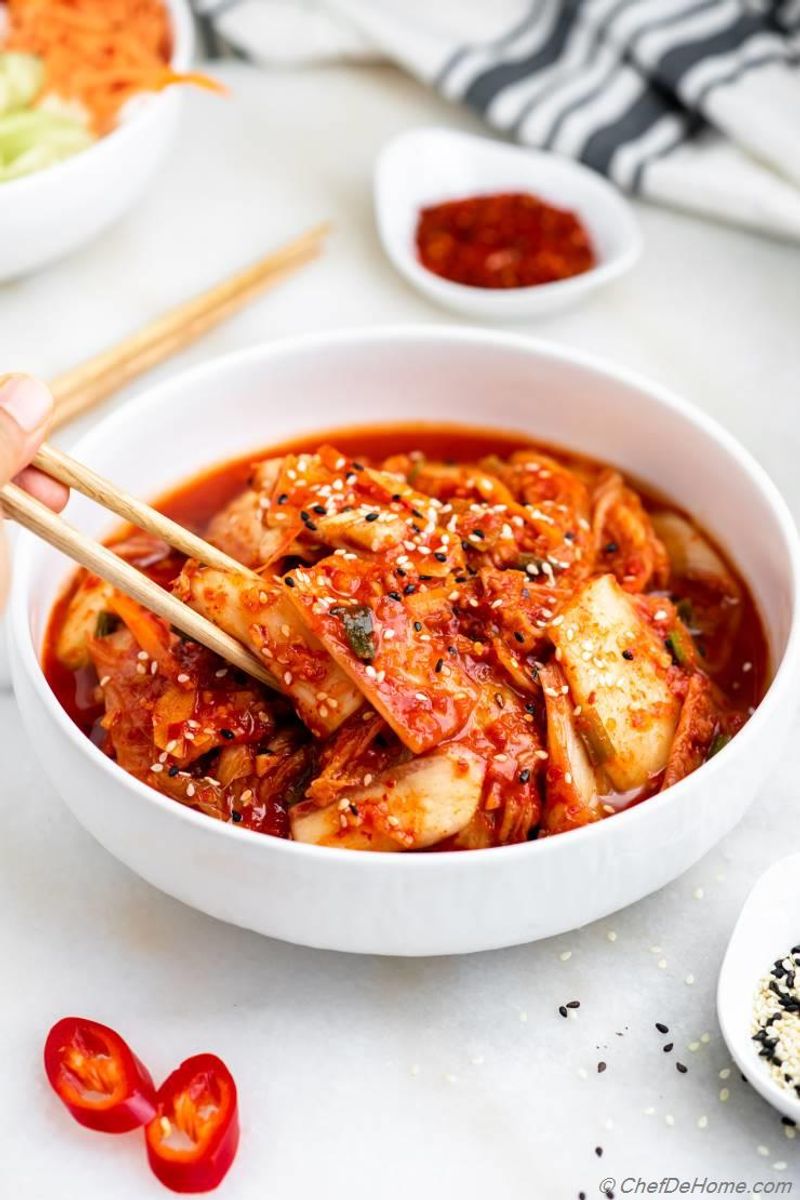
Korea’s national treasure! While you can certainly make your own, having a jar of ready-made kimchi saves time when you’re craving authentic flavor.
Beyond being a side dish, kimchi transforms into magical ingredients for pancakes, stews, and fried rice. The longer it ferments, the more complex and tangy it becomes—true kimchi aficionados appreciate all its stages.
4. Gochugaru (Korean Red Pepper Flakes)
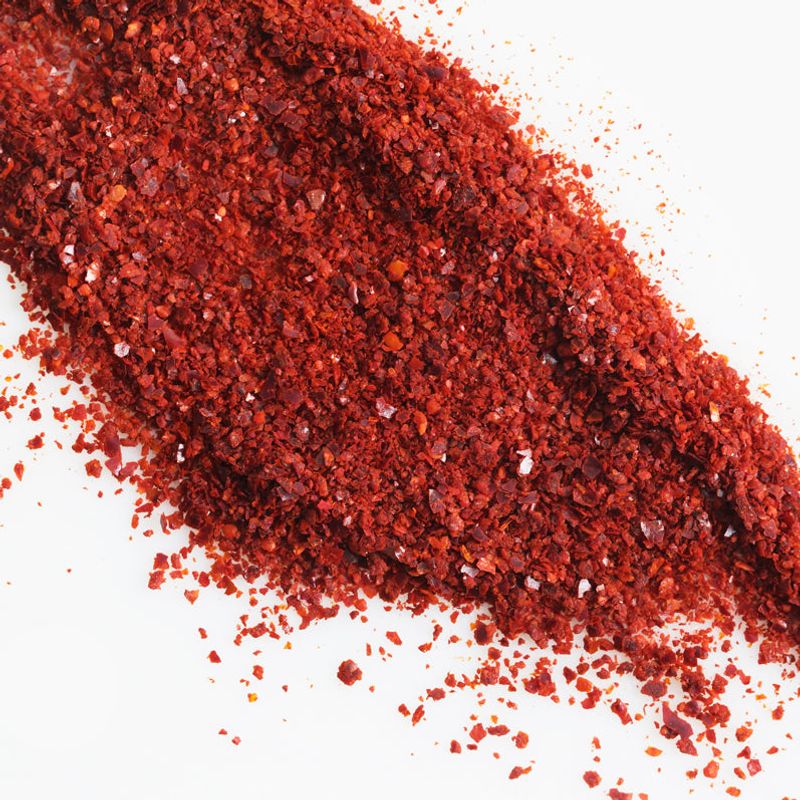
Forget standard red pepper flakes—gochugaru brings a completely different dimension with its sweet, smoky heat that’s less about burn and more about flavor.
These sun-dried, coarsely ground peppers come in varying heat levels. Look for vibrant red flakes with a slightly sweet aroma. They’re absolutely essential for authentic kimchi and countless other Korean favorites.
5. Sesame Oil (Chamgireum)

Liquid gold in Korean cooking! This aromatic finishing oil adds that unmistakable nutty fragrance that makes your taste buds do a happy dance.
Always opt for toasted sesame oil—it’s darker and more fragrant than the raw version. Just a few drops transform simple dishes like bibimbap or even plain rice into something extraordinary. Store it in the fridge to preserve its delicate flavor.
6. Soy Sauce (Ganjang)

Korean soy sauce differs from its Chinese and Japanese cousins with a lighter body and more complex wheat undertones. Soup soy sauce (guk-ganjang) is perfect for clear broths, while jin-ganjang works for marinades.
Quality matters here—artisanal Korean soy sauces are often naturally brewed in traditional clay pots, developing incredible depth over months of fermentation.
7. Rice Vinegar
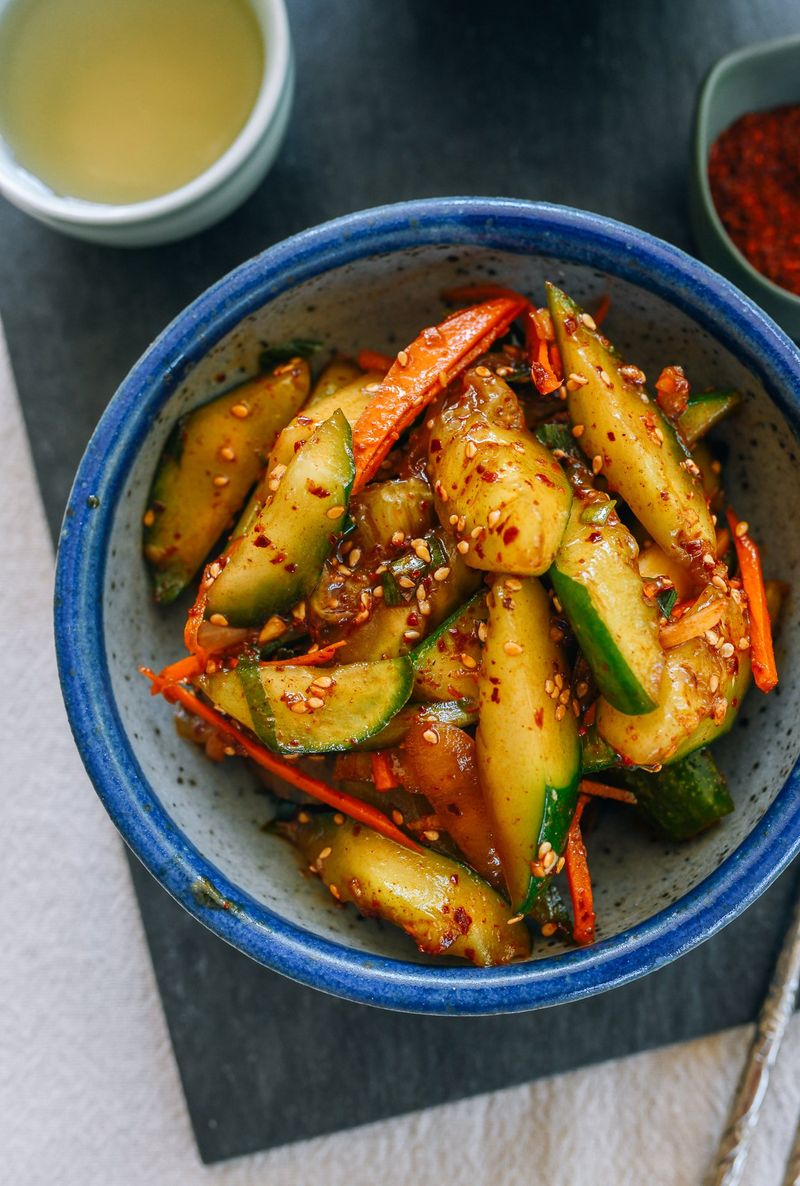
The secret brightening agent! Korean rice vinegar adds that perfect tang to balance rich dishes and cut through fattiness without overwhelming other flavors.
Milder than western vinegars, it’s brilliant in dipping sauces and quick pickles. A splash transforms ordinary vegetables into banchan (side dishes) worthy of a Korean grandmother’s approval. Your taste buds will thank you for this gentle acidity!
8. Perilla Leaves (Kkaennip)
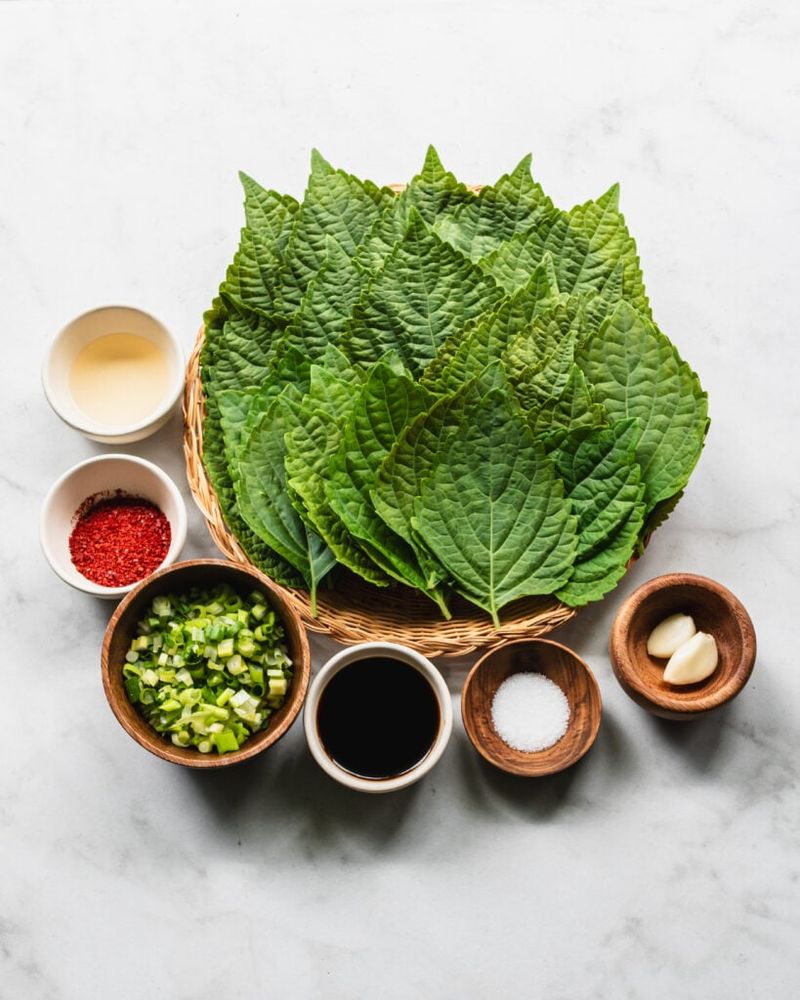
Nature’s flavor bombs! These jagged-edged leaves pack a unique minty-basil-anise punch that’s quintessentially Korean. Fresh is ideal, but don’t panic—many Korean markets offer them pickled or frozen.
Wrap meat in these aromatic leaves for an explosion of flavor, or chop them into pancakes and stews. Their distinctive taste creates that authentic Korean experience you simply can’t replicate with substitutes.
9. Garlic (A Lot Of It!)
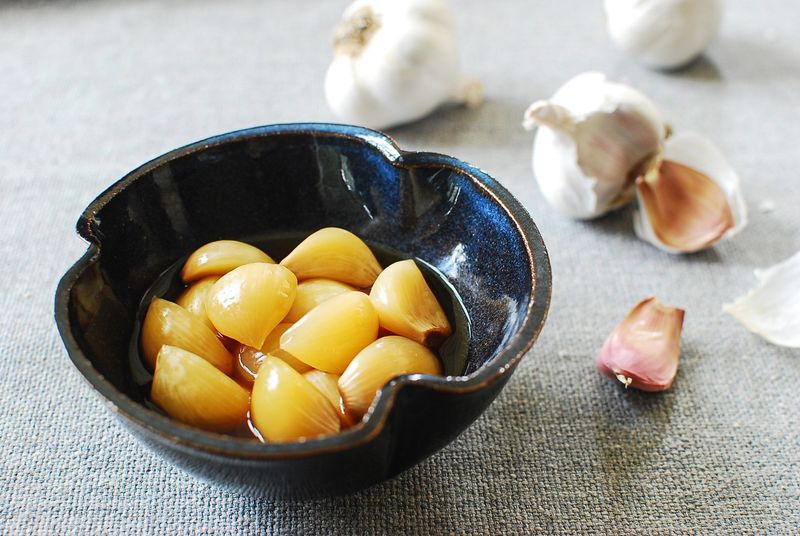
Koreans don’t mess around with garlic—it’s the foundation of practically everything delicious! Keep pre-peeled cloves in your freezer for convenience.
While any garlic works, Korean recipes typically use more than you might expect. That garlicky punch is what gives many Korean dishes their soul-satisfying depth. When a Korean recipe calls for three cloves, they probably mean the massive ones!
10. Green Onions (Scallions)
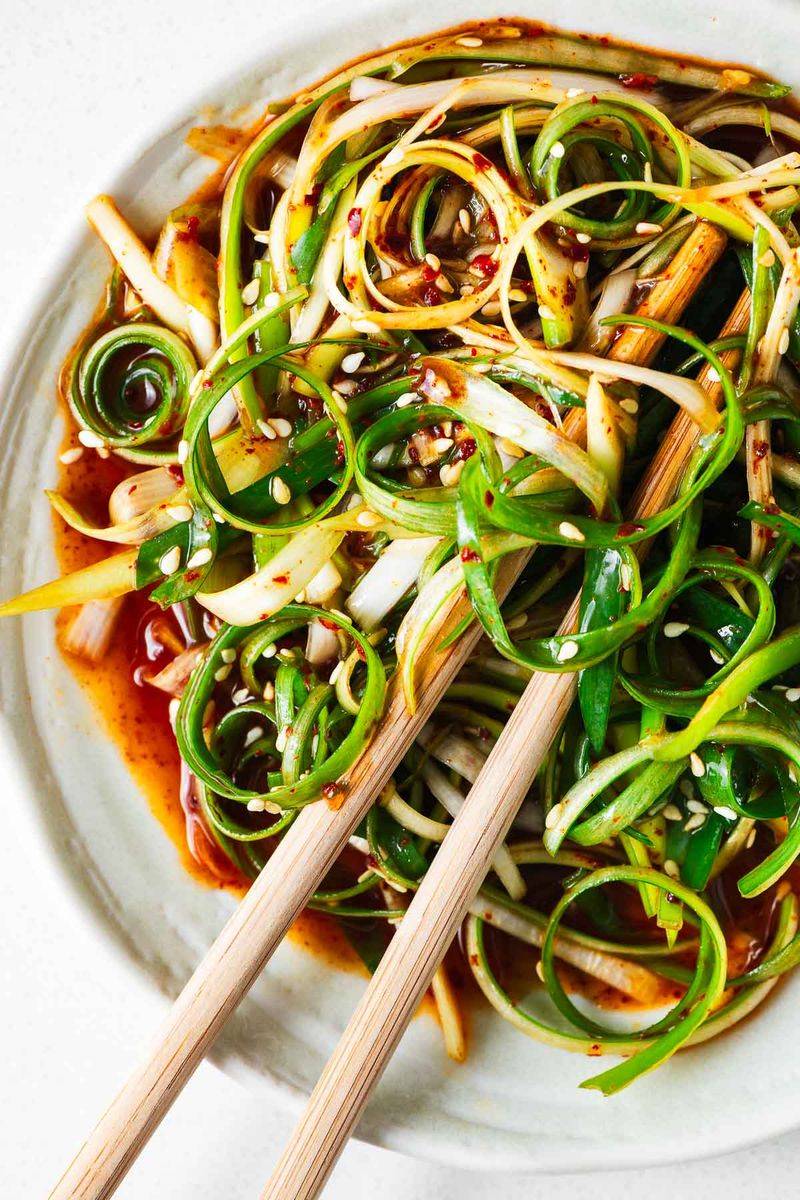
The ultimate garnish and flavor-builder! Koreans cleverly use every part—white bases for cooking, green tops for finishing touches.
Beyond mere garnish, scallions add bright peppery notes to marinades when ground into paste. Try the Korean technique of cutting them into long, thin strips and soaking in ice water—they curl beautifully and taste even better!
11. Anchovy Stock (Myeolchi Yuksu)
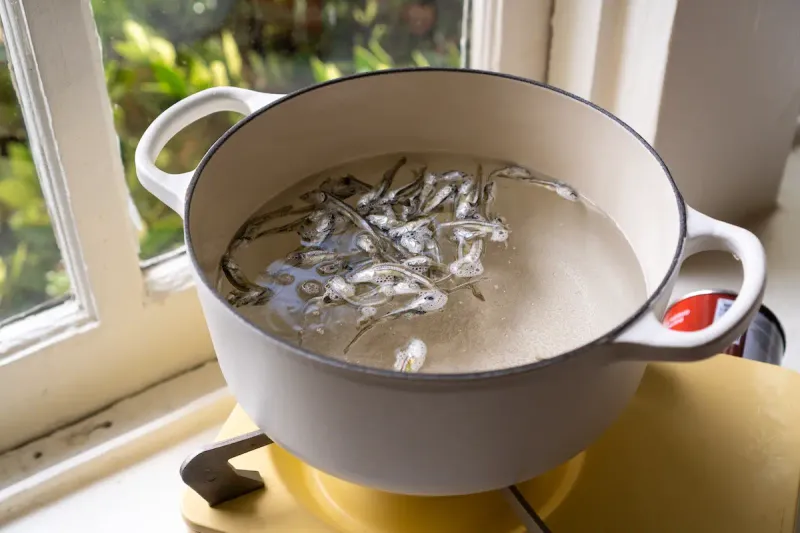
The secret weapon of Korean soups! Dried anchovies and kelp create an umami-rich broth that forms the foundation of countless Korean soups and stews.
Don’t be intimidated—making this stock is incredibly simple. Just simmer the ingredients briefly and strain. For convenience, stock packets containing pre-measured anchovies, kelp, and sometimes mushrooms are available in Korean markets.
12. Korean Pear (Bae)

Nature’s meat tenderizer! These crisp, juicy fruits aren’t just for eating—they’re the secret to perfectly tender bulgogi and kalbi marinades.
Larger than western pears with a distinctive round shape, Korean pears contain enzymes that work magic on tough cuts of meat. Their subtle sweetness balances savory and spicy elements in marinades without making dishes taste fruity.
13. Mirim (Rice Wine)
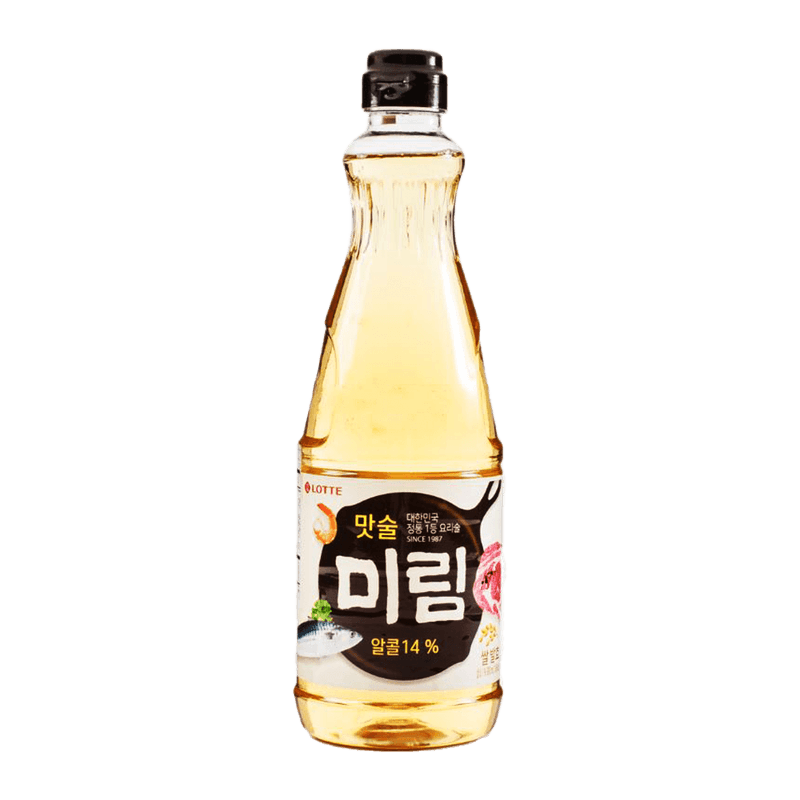
Not just Korean sake! This slightly sweet cooking wine performs culinary magic by tenderizing proteins and eliminating gamey flavors from meat.
Unlike drinking rice wines, mirim is specifically formulated for cooking with lower alcohol content and more sweetness. A splash in marinades or stir-fries adds that elusive depth that makes restaurant dishes taste so good.
14. Seaweed (Gim/Miyeok)
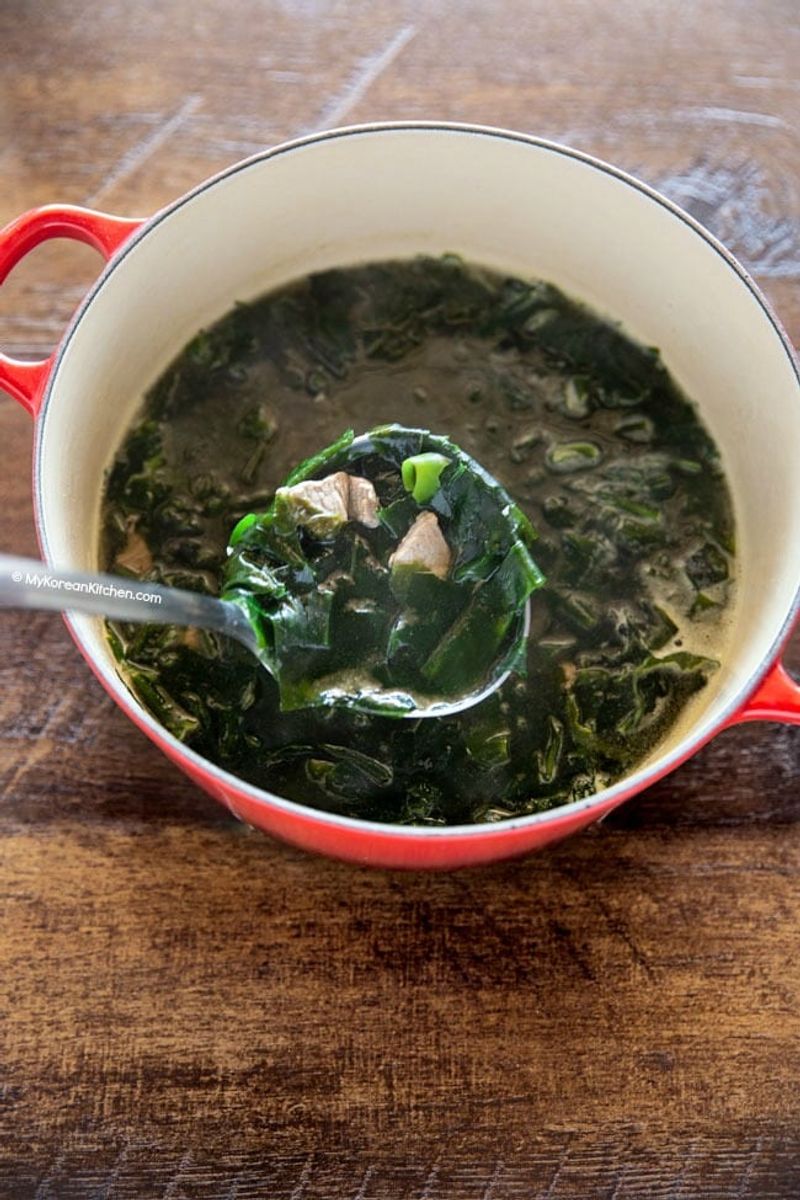
Ocean superfood alert! From crispy gim (nori) sheets for wrapping kimbap to chewy miyeok (wakame) for nutrient-packed soups, Korean cuisine celebrates seaweed in countless forms.
Beyond their distinctive flavors, these sea vegetables pack incredible nutrition. Miyeok soup holds special significance as traditional birthday fare, while roasted gim makes an addictively crispy snack that’s healthier than potato chips.
15. Toasted Sesame Seeds
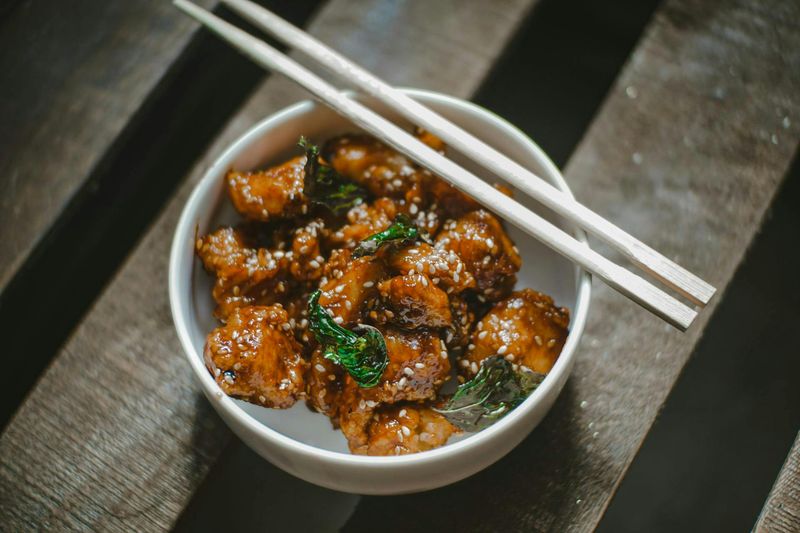
Tiny flavor bombs that elevate everything they touch! These nutty little gems add essential texture and visual appeal as garnish on countless Korean dishes.
Always toast them yourself for maximum flavor—it takes just minutes in a dry pan. Keep them in your freezer to maintain freshness. For extra flavor, try crushing them slightly before sprinkling to release their aromatic oils.
16. Tteok (Rice Cakes)
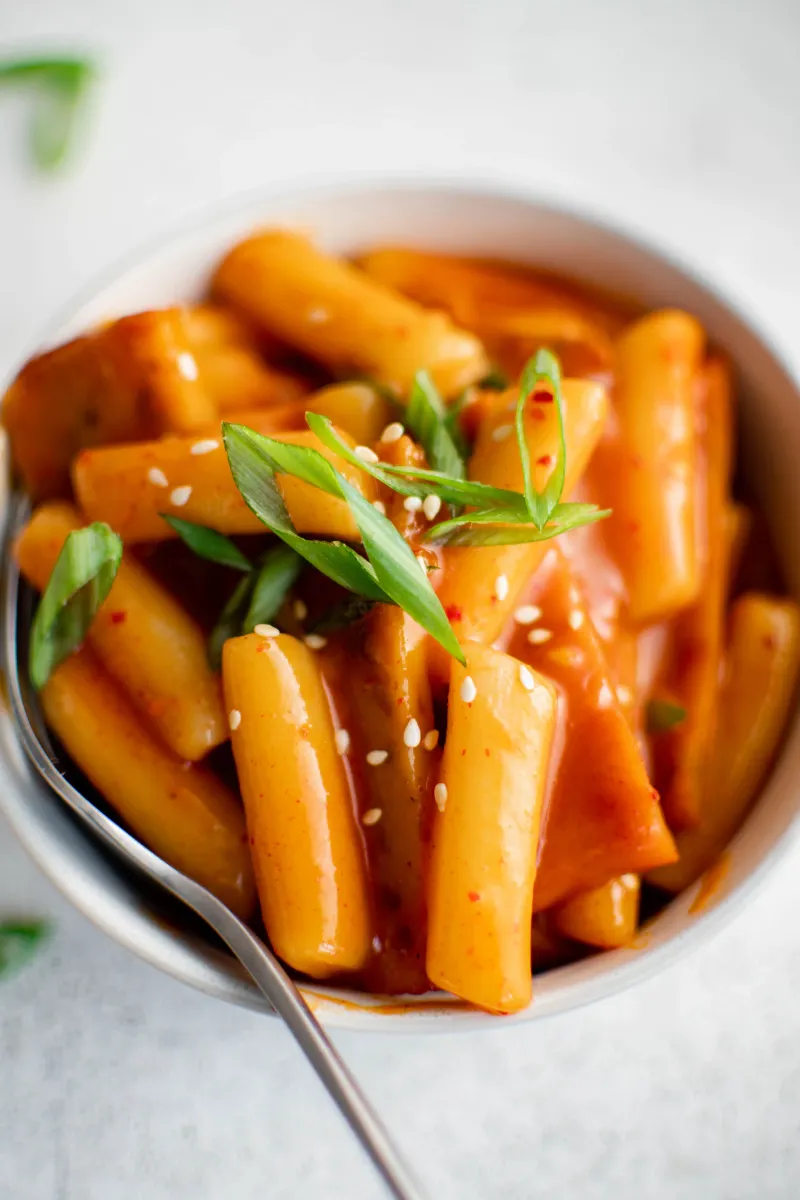
Chewy delights that soak up flavors like nothing else! These glutinous rice cakes come in various shapes, with the cylindrical ones being perfect for the beloved street food tteokbokki.
Store them frozen until needed—they last for months. The pleasing chewy texture creates a uniquely satisfying mouthfeel that’s distinctly Korean. Once you try them, you’ll understand why Koreans are obsessed!
17. Dangmyeon (Sweet Potato Noodles)
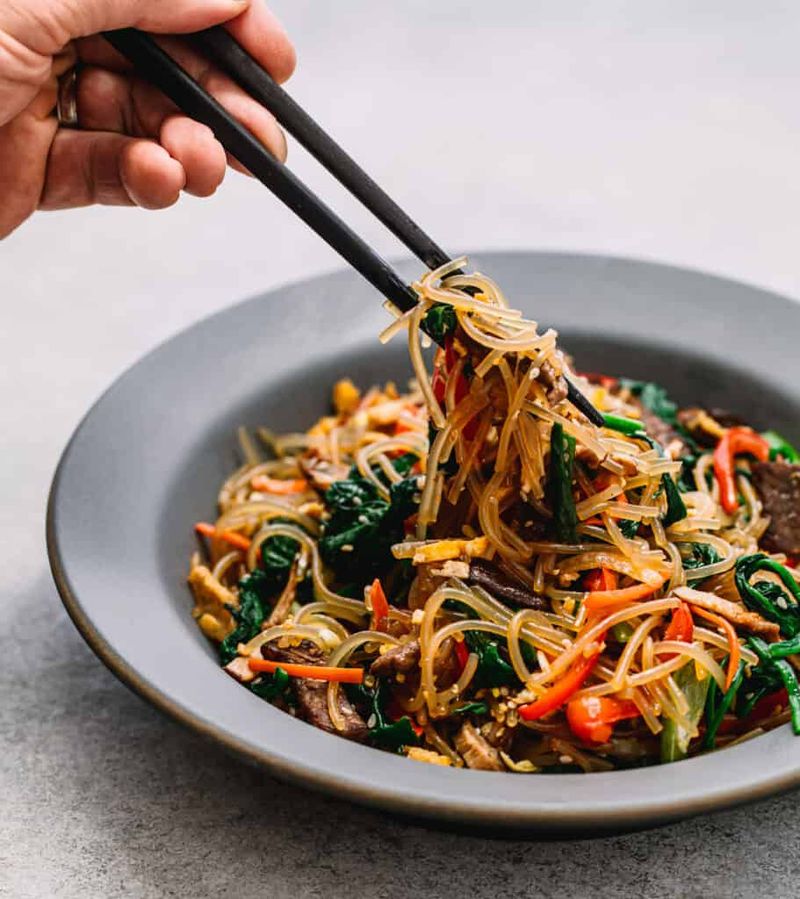
Glass noodles with magical properties! These translucent, springy strands are the star of japchae, absorbing flavors while maintaining their distinctive chewy bounce.
Unlike wheat noodles, dangmyeon won’t get mushy even after sitting in sauce. Their neutral taste makes them perfect flavor carriers. Pro tip: don’t skip the pre-soaking step—it’s essential for achieving that perfect texture.
18. Ginger
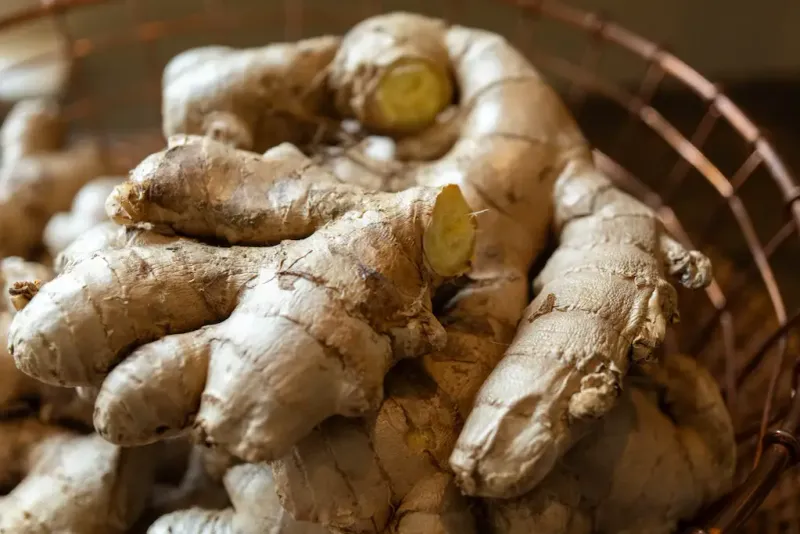
Fresh ginger brings essential warmth and aromatic zest to Korean cooking, especially in meat marinades where it helps neutralize gamey flavors.
Keep a knob in your freezer—it grates easily when frozen and lasts practically forever. The bright, spicy notes balance rich dishes and add complexity to dipping sauces. Korean cooks often use more than you might expect!
19. Dwenjang Jjigae Paste
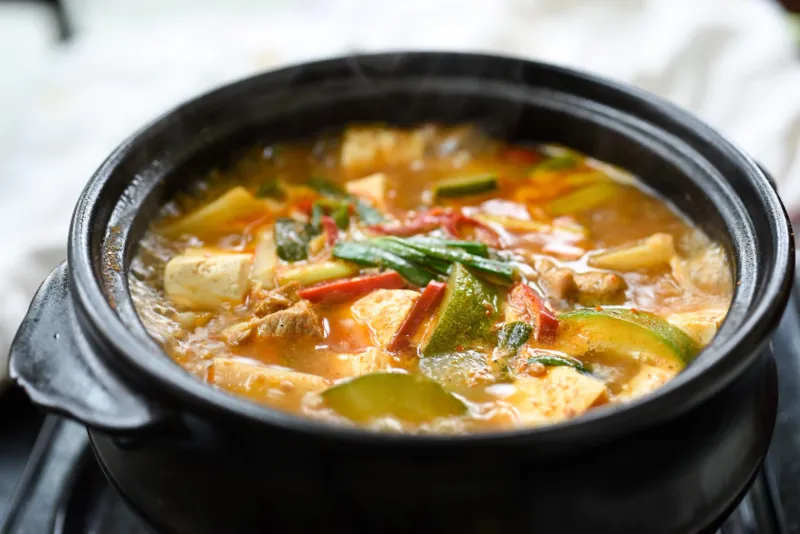
Comfort in a spoonful! This ready-made paste combines doenjang with other essential Korean flavors for quick, authentic stews on busy weeknights.
While purists might mix their own, these convenient pastes offer remarkably authentic flavor. Just add water, tofu, and vegetables for a soul-warming meal in minutes. Your taste buds won’t know the difference from scratch-made!
20. Maesil Cheong (Green Plum Extract)
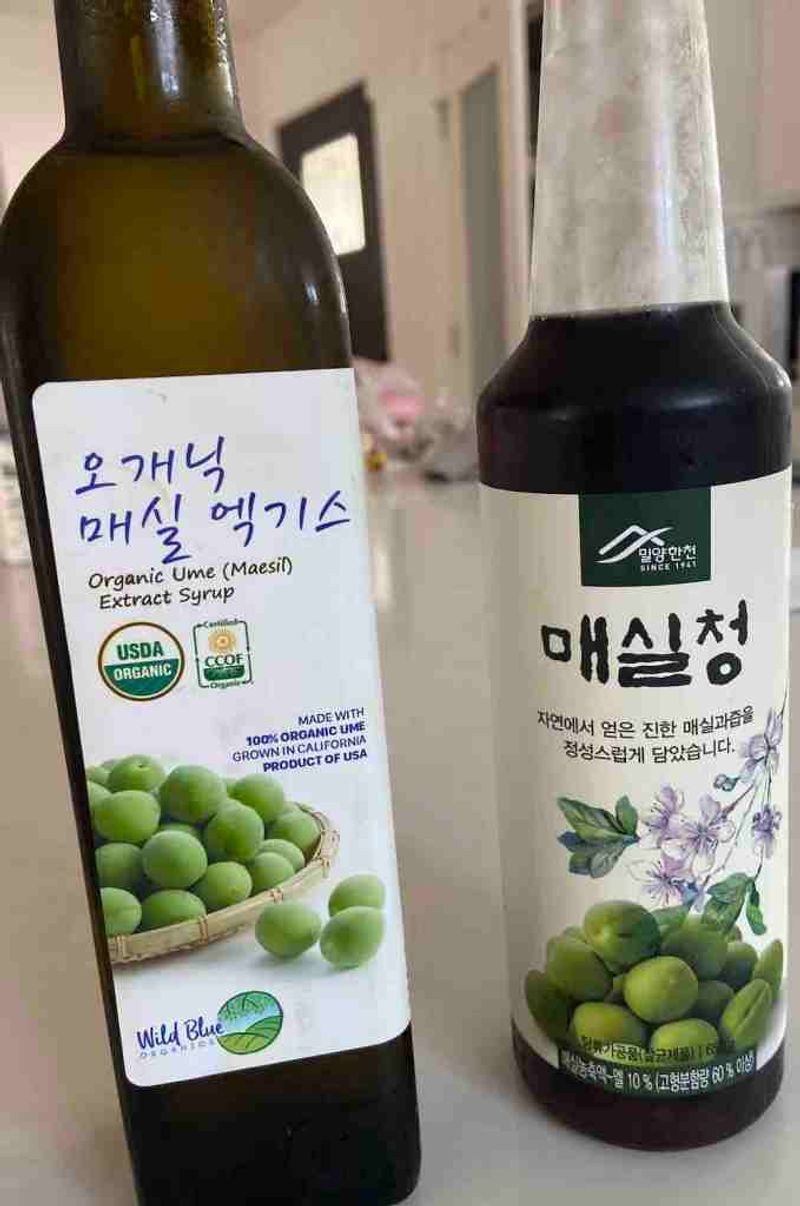
Liquid magic that transforms everything it touches! This sweet-tart syrup made from young green plums adds complexity to marinades, dressings, and even drinks.
Beyond cooking, Koreans use it medicinally for digestive health. Its unique flavor profile—somewhere between honey and fruit preserves with subtle floral notes—adds that mysterious “something extra” to many dishes. A little jar lasts forever!