
11 Super Healthy Breads Dietitians Swear By, And 4 Surprisingly Good-For-You Picks

Bread often gets a bad rap, but not all loaves are created equal. Some are packed with fiber, whole grains, and nutrients that support everything from gut health to sustained energy.
These picks have earned the approval of dietitians who know the difference between an empty carb and a powerhouse slice. If you’re looking to upgrade your bread game, these 15 options are a smart (and tasty) place to start.
1. Ezekiel Bread
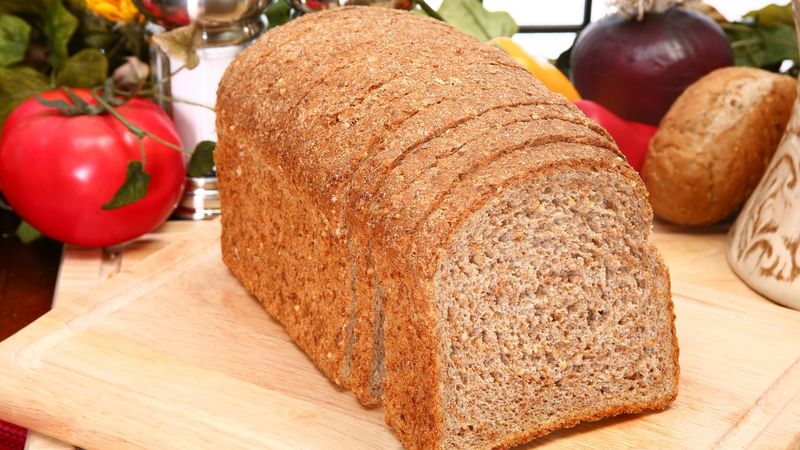
Holy sprouted goodness! Ezekiel bread isn’t just bread—it’s a biblical nutrition powerhouse made from six sprouted grains and legumes: wheat, barley, millet, spelt, lentils, and soybeans.
Unlike its processed cousins languishing on supermarket shelves, this loaf contains no added sugar, preservatives, or artificial nonsense. The sprouting process unlocks nutrients and makes proteins more available to your body.
2. 100% Whole Wheat Bread
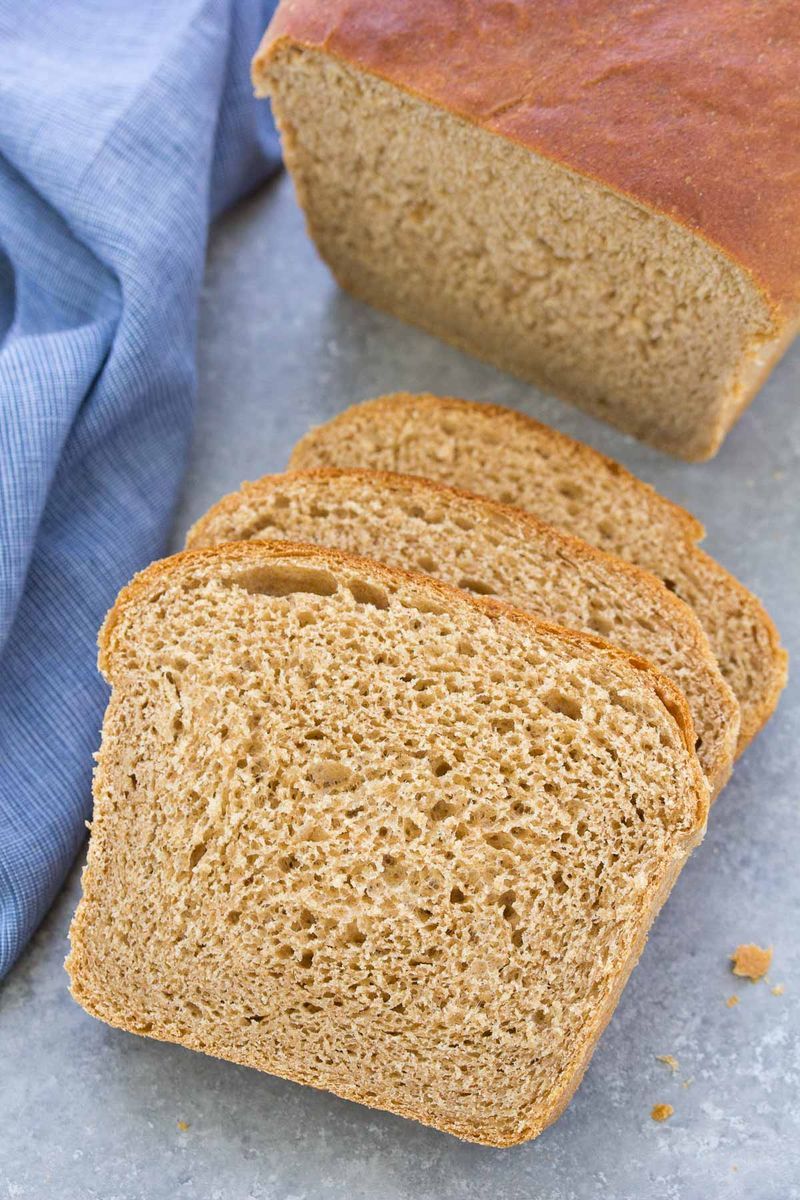
Don’t be fooled by imposters! True 100% whole wheat bread bears little resemblance to that squishy white stuff masquerading as bread. The genuine article contains all three parts of the wheat kernel—bran, germ, and endosperm—giving you the complete nutritional package.
A fiber champion at 3-5 grams per slice, this bread keeps your digestive system running smoothly while maintaining steady energy levels. The rich, slightly nutty flavor comes from wheat’s natural oils found in the germ.
3. Sprouted Grain Bread
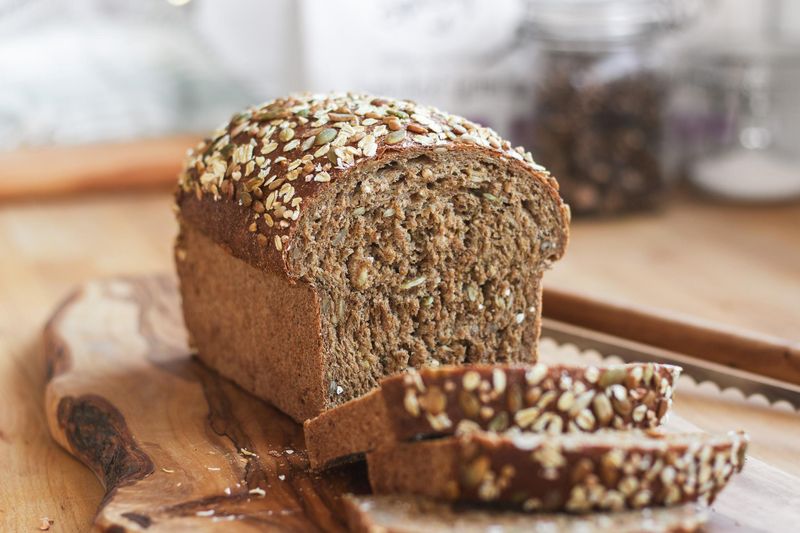
Bread that’s actually alive? Well, almost! Sprouted grain bread begins as germinated whole grains—seeds caught in that magical moment between dormancy and becoming a plant. This sprouting process creates a nutritional explosion, increasing vitamin content and making minerals more bioavailable.
Your digestive system will thank you profusely. The sprouting breaks down phytic acid and enzyme inhibitors that normally make grains harder to digest. Many people who struggle with regular bread find sprouted varieties easier on their stomachs.
4. Rye Bread
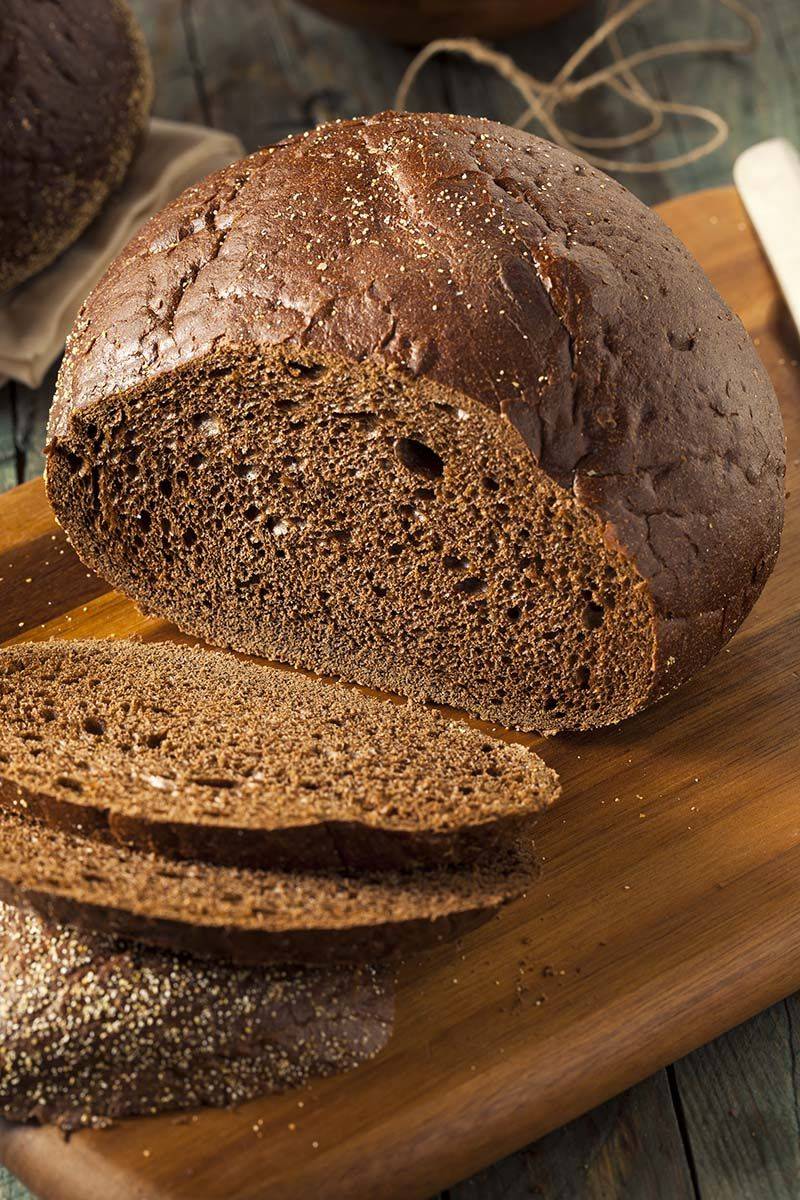
Scandinavians know a thing or two about survival—just look at their bread! Dense, dark rye has sustained Northern Europeans through brutal winters for centuries. This isn’t your deli’s wimpy “rye with caraway” but the real-deal pumpernickel-style loaf that could double as a doorstop.
The secret to rye’s health halo? Its unique fiber profile contains arabinoxylans, special fibers that deliver extraordinary benefits for gut health and blood sugar management. Studies show rye bread creates less of an insulin spike than even whole wheat.
5. Oat Bread
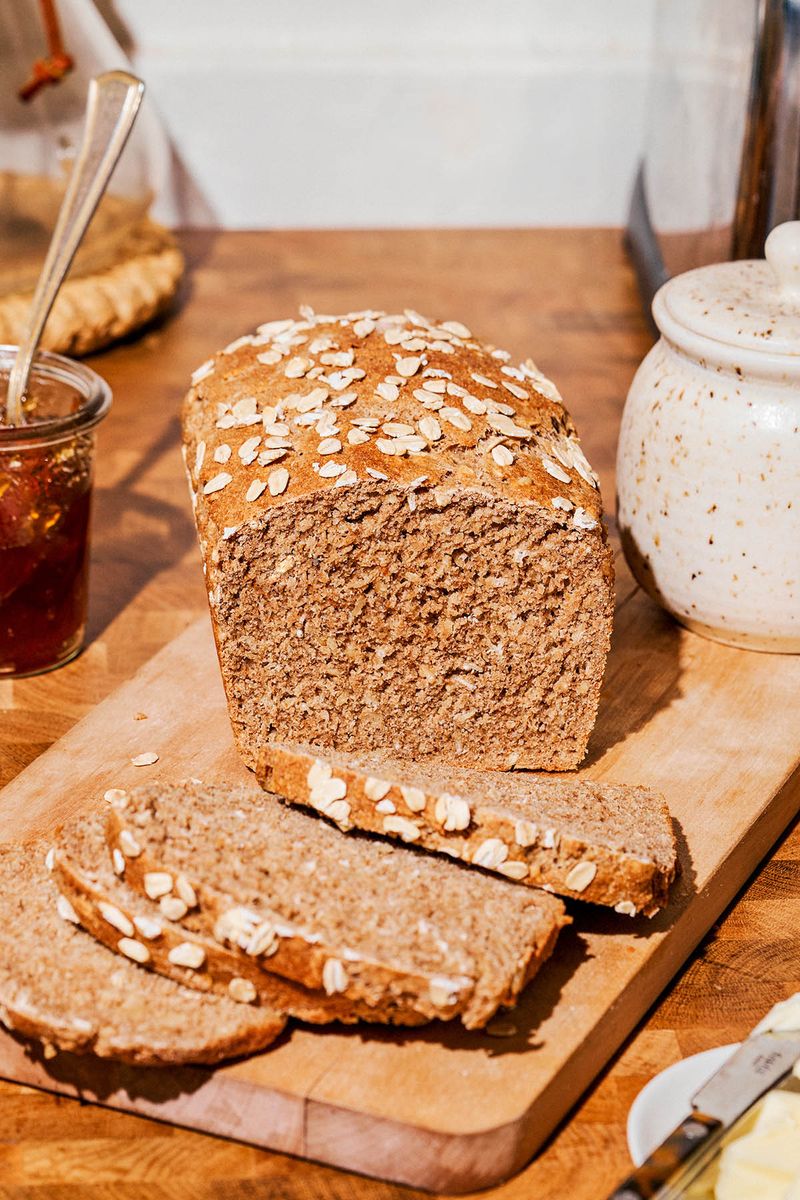
Forget everything you thought you knew about oats! This isn’t just for breakfast anymore. Oat bread harnesses the heart-healthy power of beta-glucans—soluble fibers scientifically proven to lower cholesterol—in a satisfyingly soft loaf.
Beta-glucans create a gel-like substance in your digestive tract that traps cholesterol and carries it out of your body. One study found eating oats regularly could lower bad cholesterol by up to 10%!
6. Flaxseed Bread
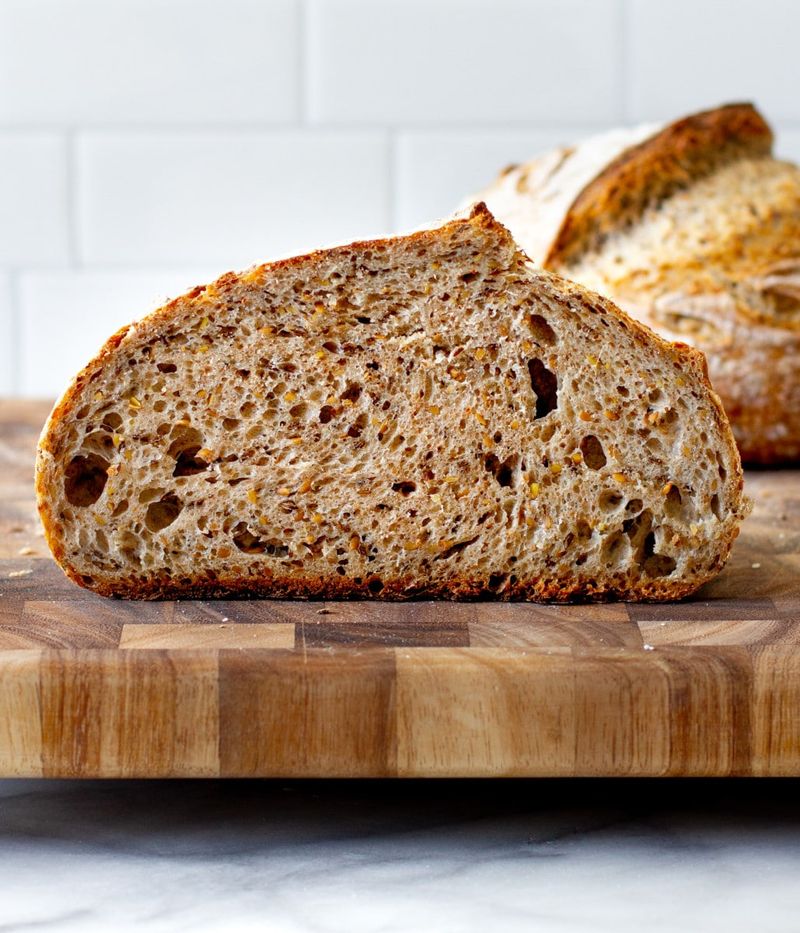
Omega-3 fatty acids in bread form? Absolutely! Flaxseed bread packs those brain-boosting, inflammation-fighting essential fats into each slice, delivering nutrition that most breads can only dream about. Those tiny seeds are nutritional dynamite!
Beyond the omega-3s, flaxseed contains lignans—plant compounds with antioxidant properties that may help fight certain cancers. The high fiber content (both soluble and insoluble) makes this bread especially filling and satisfying, helping curb those between-meal munchies.
7. Chia Seed Bread
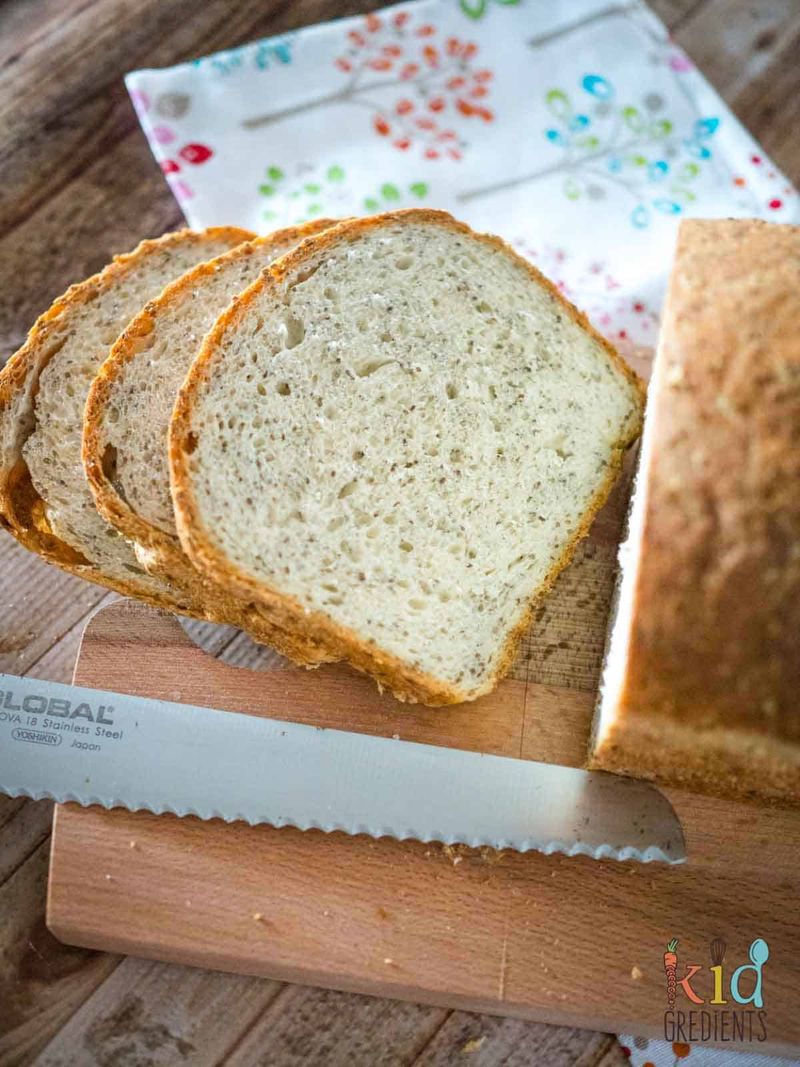
Superfood alert! Those tiny black seeds studding this bread aren’t just for decoration—they’re nutritional powerhouses packing more omega-3s than salmon (gram for gram). Chia seed bread brings ancient Aztec wisdom to your modern breakfast table.
When chia seeds meet moisture, they form a gel-like coating that slows digestion, stabilizes blood sugar, and creates that “I’m satisfied” feeling for hours. This bread delivers a whopping dose of fiber—both soluble and insoluble—supporting everything from heart health to digestive regularity.
8. Sourdough Bread
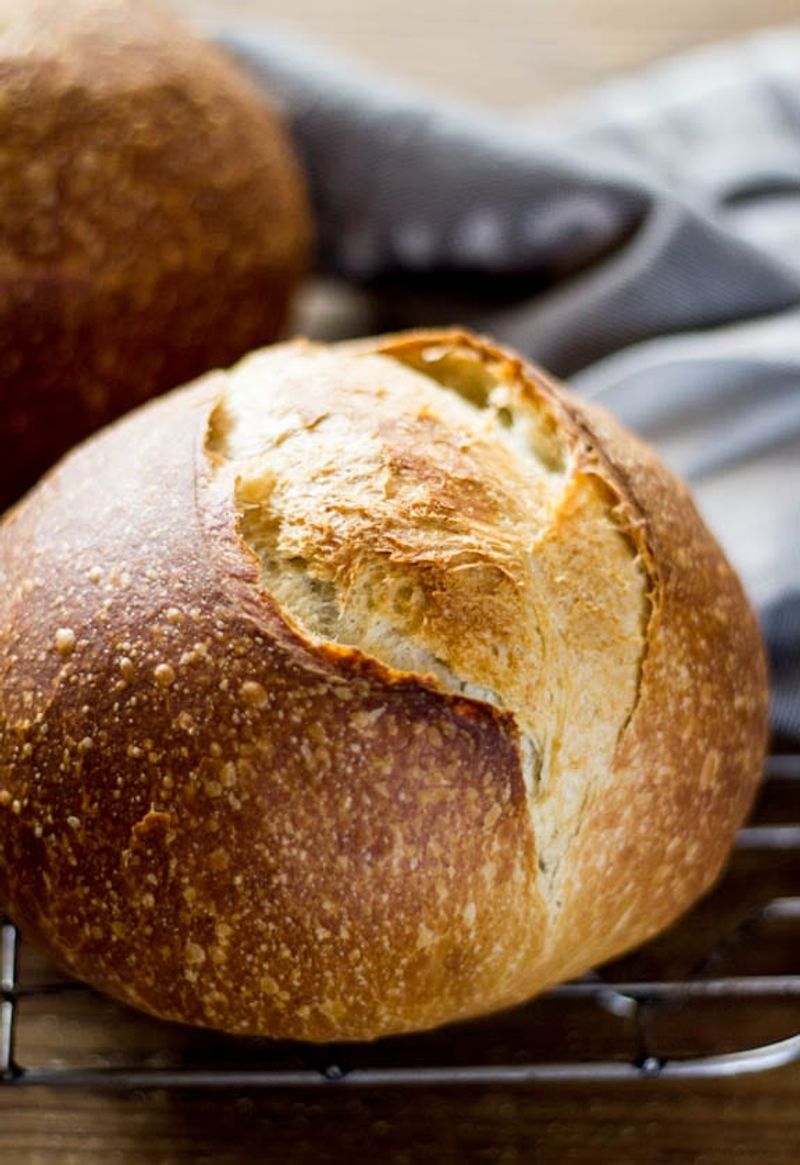
Pandemic baking trend? Try ancient fermentation miracle! Sourdough’s tangy perfection comes from wild yeast and beneficial bacteria that pre-digest the flour, creating a bread that’s easier on your gut than any commercial loaf could hope to be.
The long fermentation process breaks down gluten proteins and phytic acid (an anti-nutrient that blocks mineral absorption), making nutrients more available and the bread more digestible. Many people with mild gluten sensitivity can enjoy sourdough when other breads cause discomfort.
9. Multigrain Bread
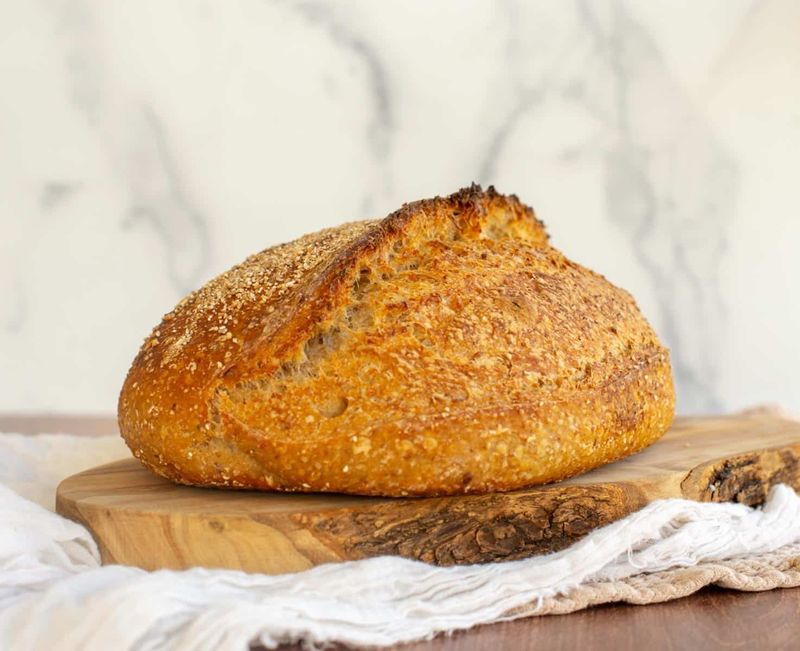
Variety isn’t just the spice of life—it’s the nutritional jackpot of bread! Authentic multigrain loaves combine wheat, barley, oats, millet, flax, and other grains to create a symphony of complementary nutrients that single-grain breads simply can’t match.
Each grain brings its own nutritional superpower to the party. Barley offers betaglucans for heart health, millet provides magnesium for muscle function, and quinoa delivers complete protein. This diverse grain profile creates a more balanced amino acid spectrum than any single grain could provide.
10. Quinoa Bread
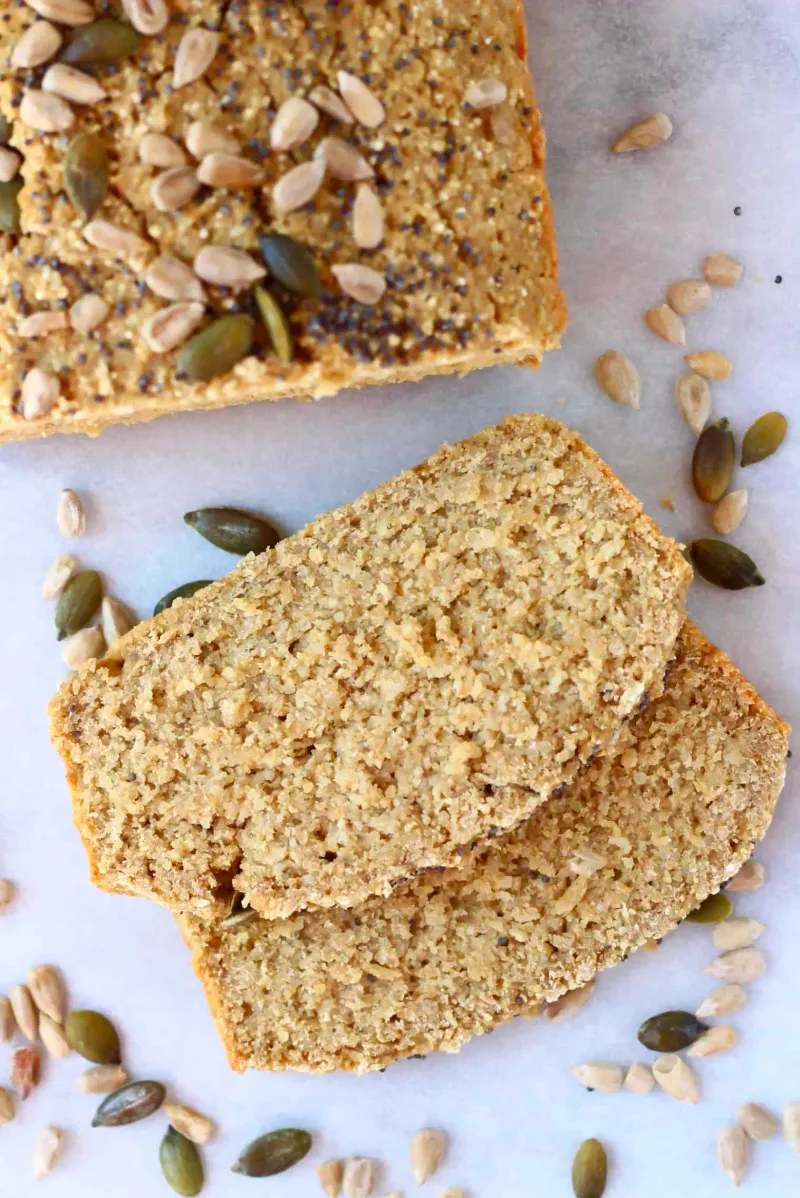
Protein in bread? You bet! Quinoa bread harnesses the power of this South American pseudograin (technically a seed) to create a loaf with complete protein—containing all nine essential amino acids your body can’t produce on its own.
Beyond protein, quinoa delivers a mineral bonanza including magnesium, potassium, zinc, and iron. The gluten-free nature of quinoa makes this bread a potential option for those avoiding wheat, though check labels carefully as many varieties blend quinoa with wheat flour.
11. Buckwheat Bread
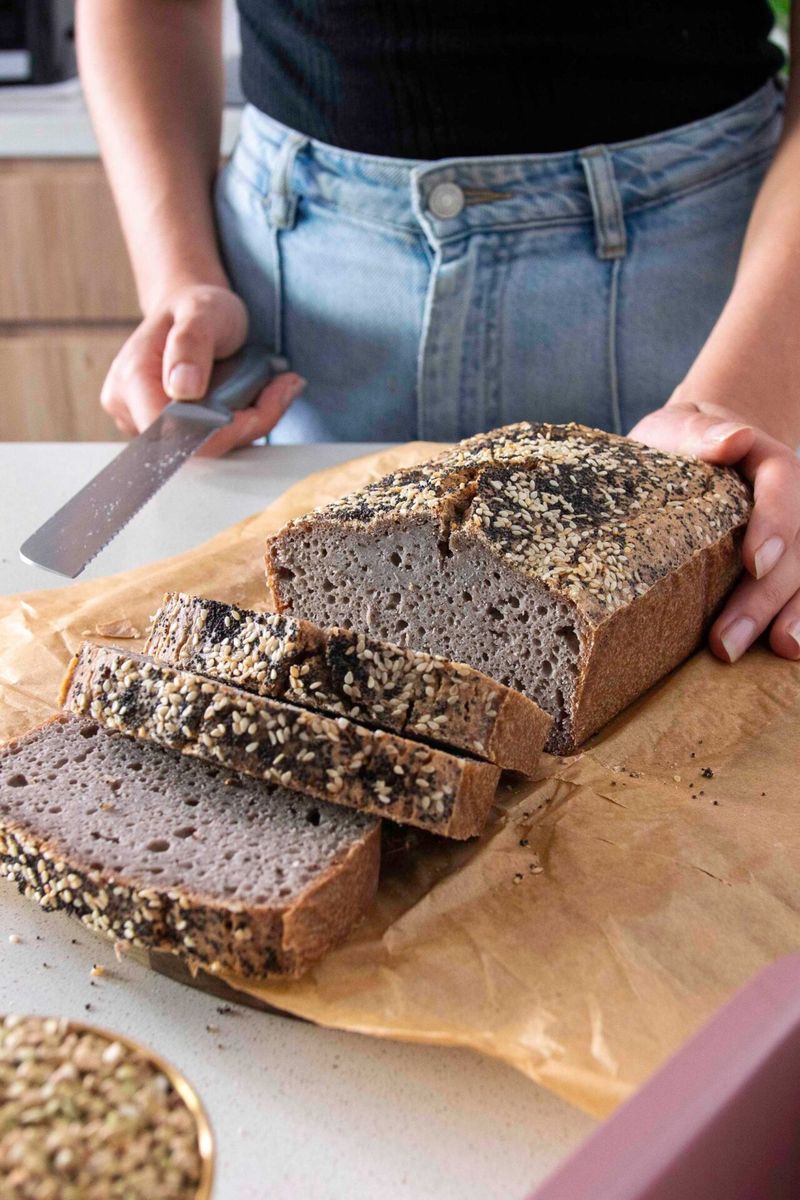
Plot twist: buckwheat isn’t wheat at all! This triangular seed is actually related to rhubarb, making buckwheat bread naturally gluten-free and perfect for those avoiding traditional grains. Its distinctive earthy, slightly bitter flavor creates bread with character that stands up to bold toppings.
Nutritionally speaking, buckwheat brings rare plant-based complete protein to the table, along with resistant starch that feeds your beneficial gut bacteria. The unique antioxidant rutin supports circulation and heart health in ways other breads simply can’t match.
12. Spelt Bread

Ancient grains make a modern comeback! Spelt, wheat’s 9,000-year-old cousin, creates bread with a complexity and depth that modern wheat varieties can only envy. This ancient grain hasn’t been modified like modern wheat, retaining its original nutritional profile.
Higher in protein and fiber than regular wheat, spelt delivers a nutrient-dense experience with more minerals—especially manganese, phosphorus, and niacin. Many people who struggle with modern wheat sensitivity find spelt more digestible, possibly due to its different gluten structure.
13. Almond Flour Bread
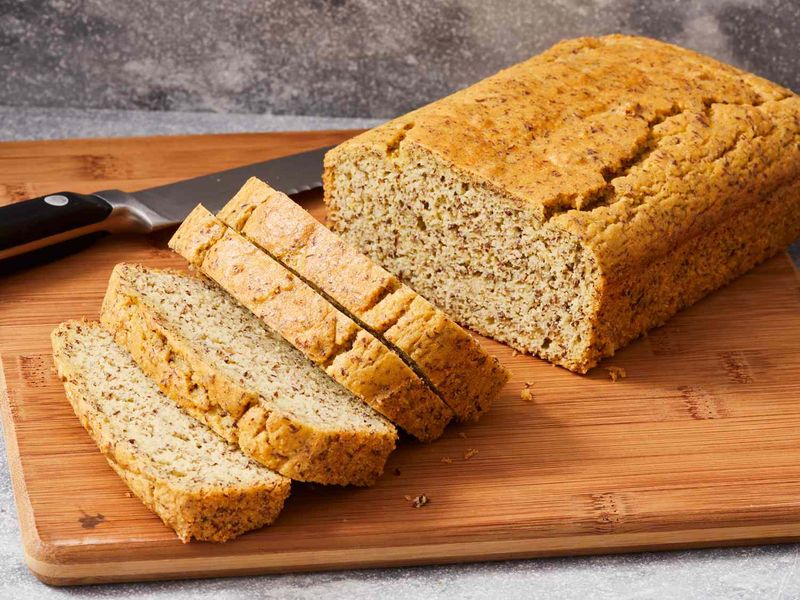
Keto enthusiasts, rejoice! Almond flour bread delivers the satisfaction of a sandwich without the carb overload. Made from ground blanched almonds, this bread packs serious protein and healthy fats while keeping carbs to a minimum.
Nutritionally, it’s a completely different animal than grain-based breads. Rich in vitamin E, magnesium, and heart-healthy monounsaturated fats, almond flour bread supports stable energy levels without blood sugar spikes. The high protein content (about 6 grams per slice) makes it surprisingly filling.
14. Coconut Flour Bread
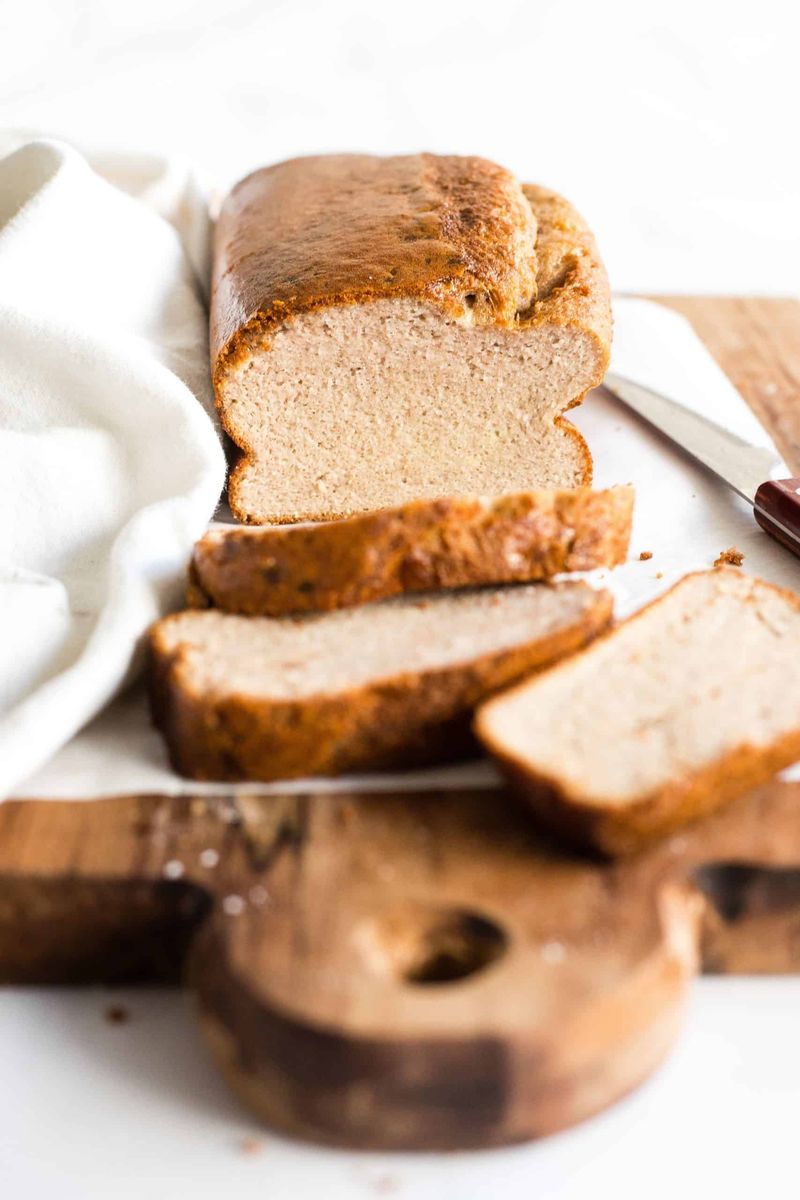
Tropical vibes meet bread science! Coconut flour bread transforms the byproduct of coconut milk production into a fiber-rich, grain-free alternative that’s revolutionizing gluten-free baking. Just one slice delivers nearly 20% of your daily fiber needs!
Unlike other gluten-free options that spike blood sugar, coconut flour has a remarkably low glycemic impact. Its unique composition slows carbohydrate absorption, making it a smart choice for blood sugar management. The subtle coconut undertone adds complexity without overwhelming other flavors.
15. Gluten-Free Brown Rice Bread
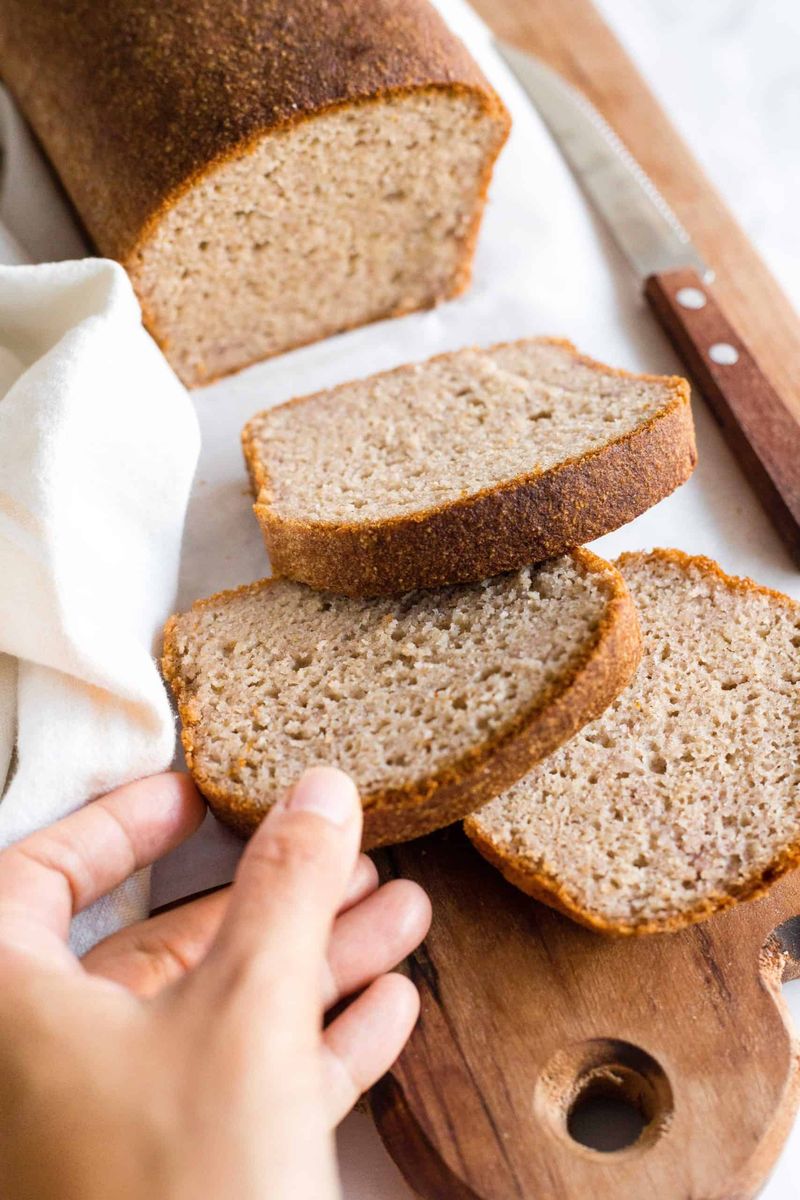
Finally—gluten-free bread that doesn’t taste like cardboard! Brown rice bread offers celiac sufferers and gluten-avoiders a wholesome option that maintains the fiber and nutrients often missing in white rice alternatives. The complex carbohydrates provide steady energy rather than quick spikes.
Brown rice contains the bran and germ layers of the grain, delivering essential minerals like selenium, manganese, and magnesium that support everything from thyroid function to bone health. Many varieties incorporate xanthan gum or psyllium husk to mimic gluten’s binding properties without the digestive distress.