15 Iconic Greek Desserts That Deserve More Hype Than Baklava
Baklava may get all the attention, but Greek cuisine has a whole lineup of desserts that are just as unforgettable—if not more. Think syrup-soaked semolina cakes, custard-filled pastries wrapped in buttery phyllo, and chewy sesame delights passed down through generations.
These sweets are rich in flavor, steeped in tradition, and far too often overlooked. It’s time to shine a spotlight on the confections that truly deserve a place in the dessert hall of fame.
1. Galaktoboureko
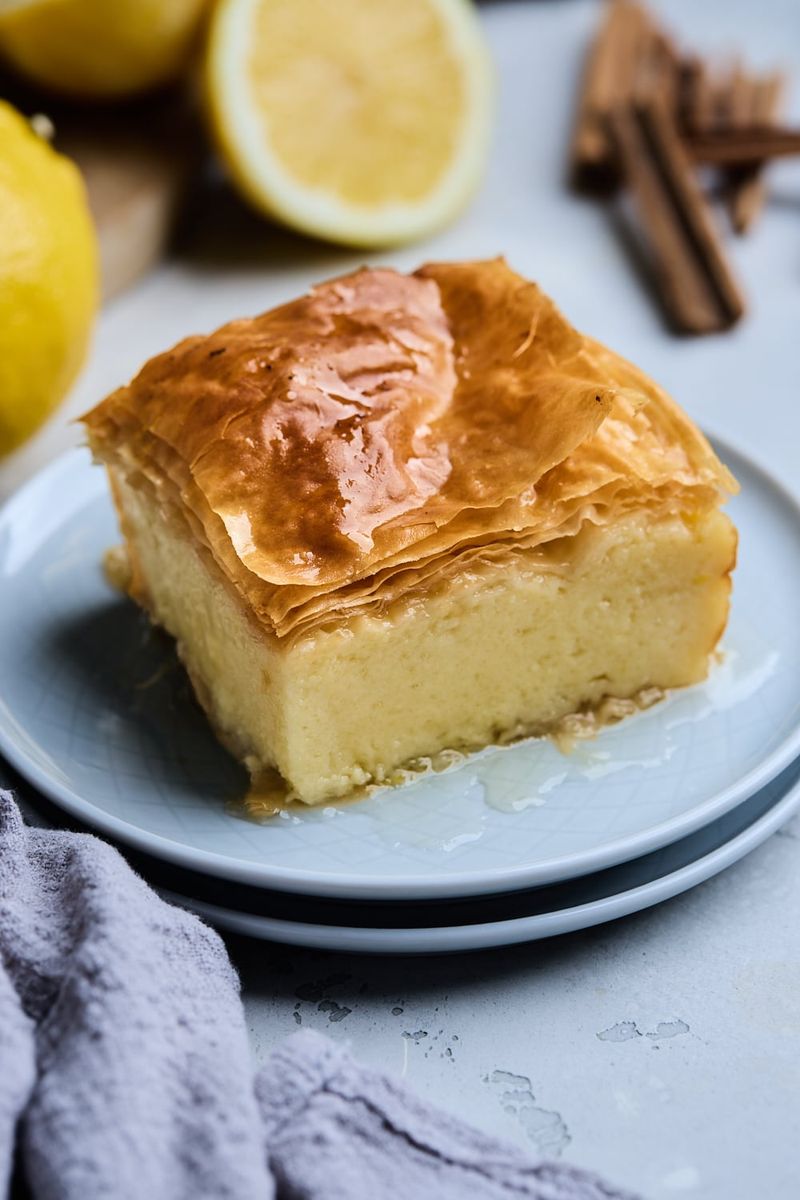
Forget everything you thought you knew about custard desserts! Galaktoboureko reigns supreme with its silky semolina custard trapped between crispy phyllo sheets, all drenched in a citrus-infused syrup that seeps into every layer.
The contrast between the flaky exterior and the velvety interior creates a textural masterpiece that’s been making Greeks swoon for generations. Each bite delivers a perfect balance of sweetness and richness.
2. Loukoumades
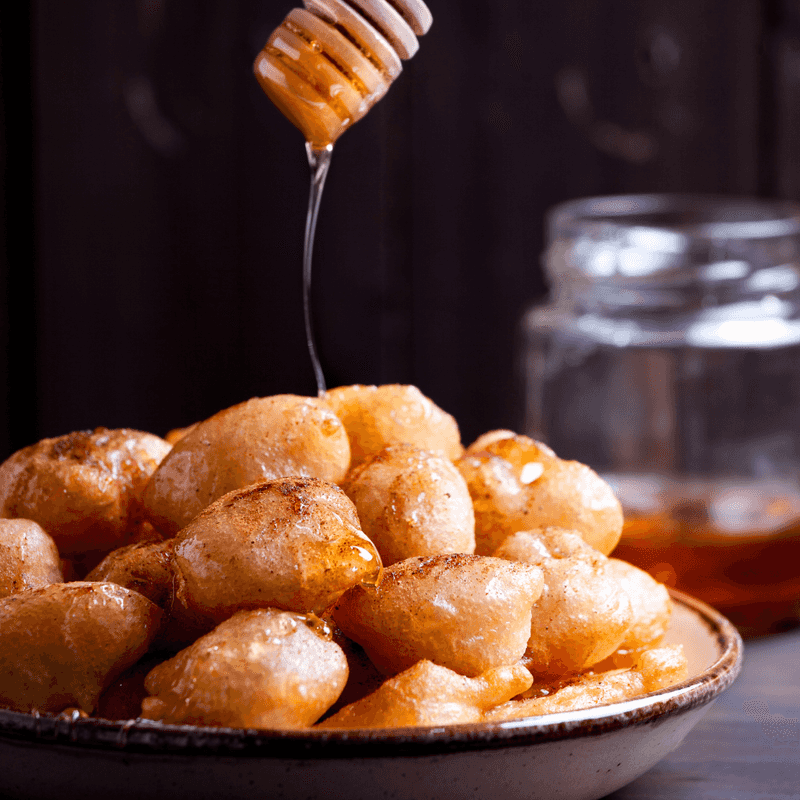
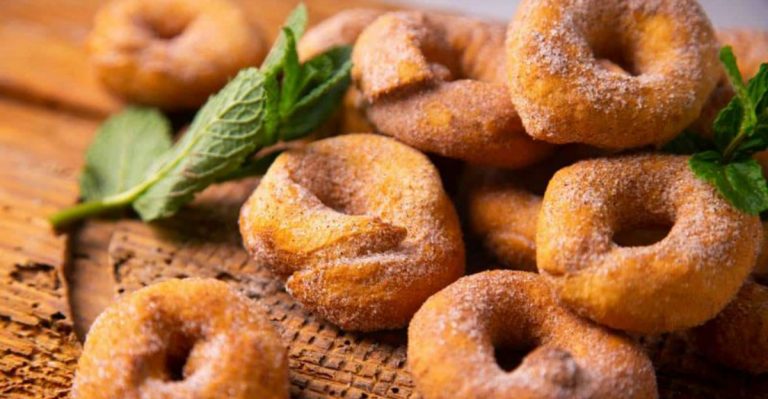
Golden, crispy, and swimming in honey – loukoumades are the Greek answer to donut holes, but with a serious upgrade! These fluffy spheres of fried dough get dunked in honey syrup, then showered with cinnamon and sometimes chopped nuts.
Dating back to the first Olympic Games in 776 BC, winners received these ‘honey tokens’ as prizes. Talk about a medal worth competing for!
3. Kataifi
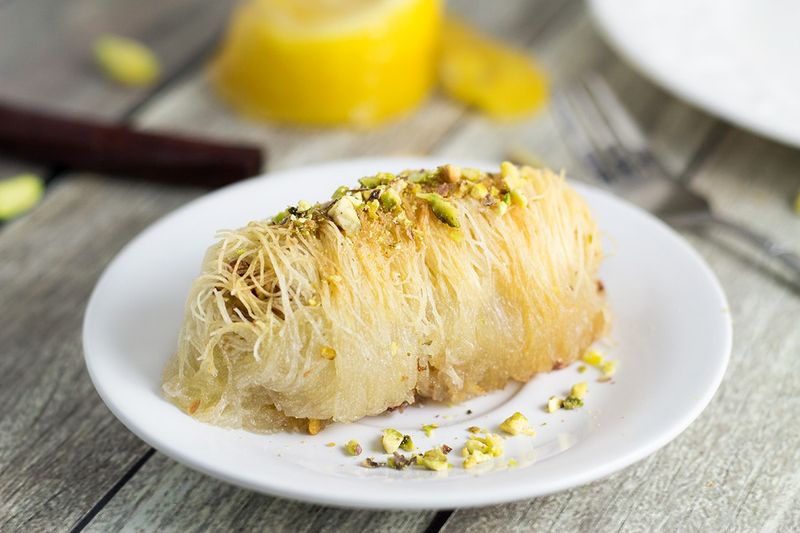
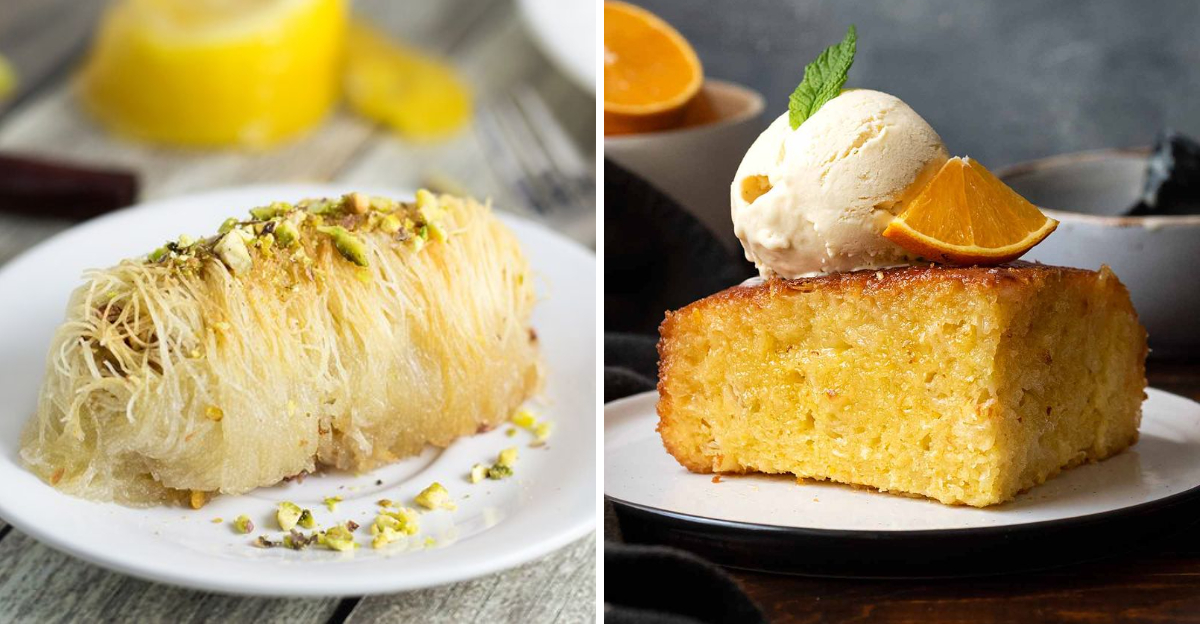
Shredded phyllo strands wrapped around crushed nuts – kataifi looks like it was styled by a pastry chef with serious bedhead! This architectural marvel of Greek baking features thin, hair-like pastry strands that crisp up beautifully while protecting a treasure trove of spiced nuts inside.
After baking to golden perfection, the whole creation gets soaked in sweet syrup. The result? A dessert with more layers of texture than a Greek epic poem.
4. Ravani
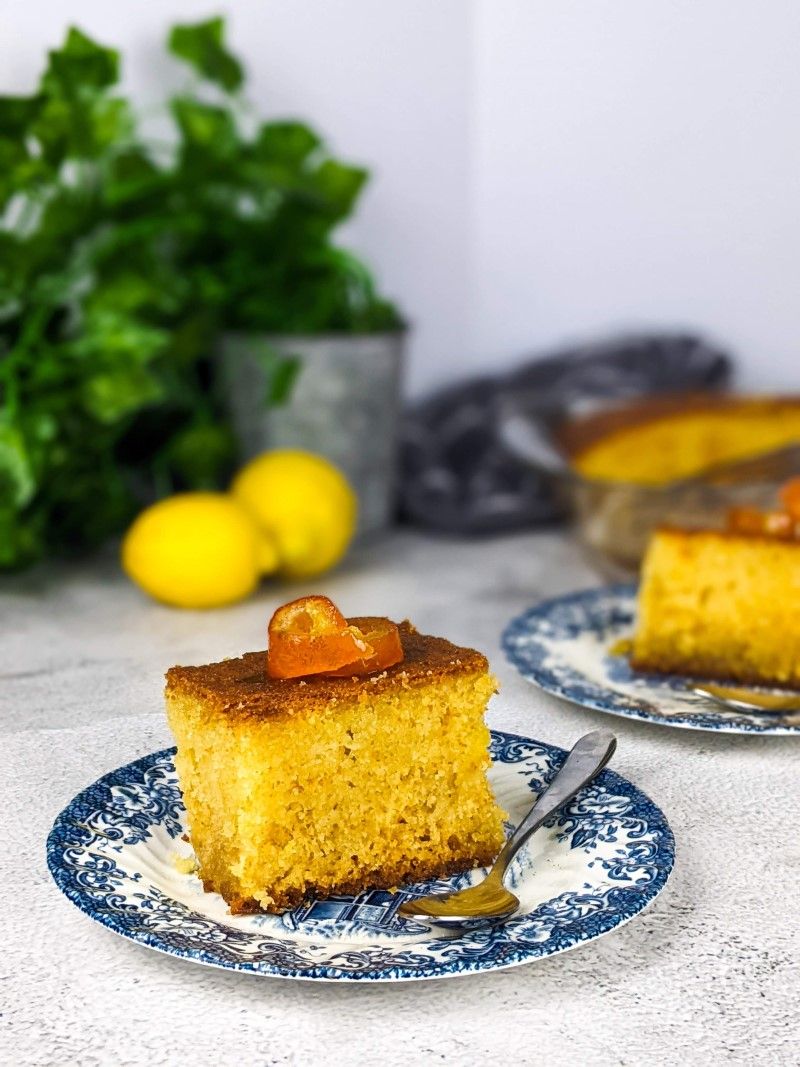
Sunshine captured in cake form – that’s ravani for you! This impossibly moist semolina cake soaks up sweet syrup like nobody’s business, creating a dessert that practically melts on your tongue.
Fragrant with citrus zest and sometimes coconut, ravani proves that simplicity can be spectacular. The cake’s dense-yet-light texture comes from semolina flour, giving it a distinctive grainy quality that semolina enthusiasts go wild for.
5. Bougatsa
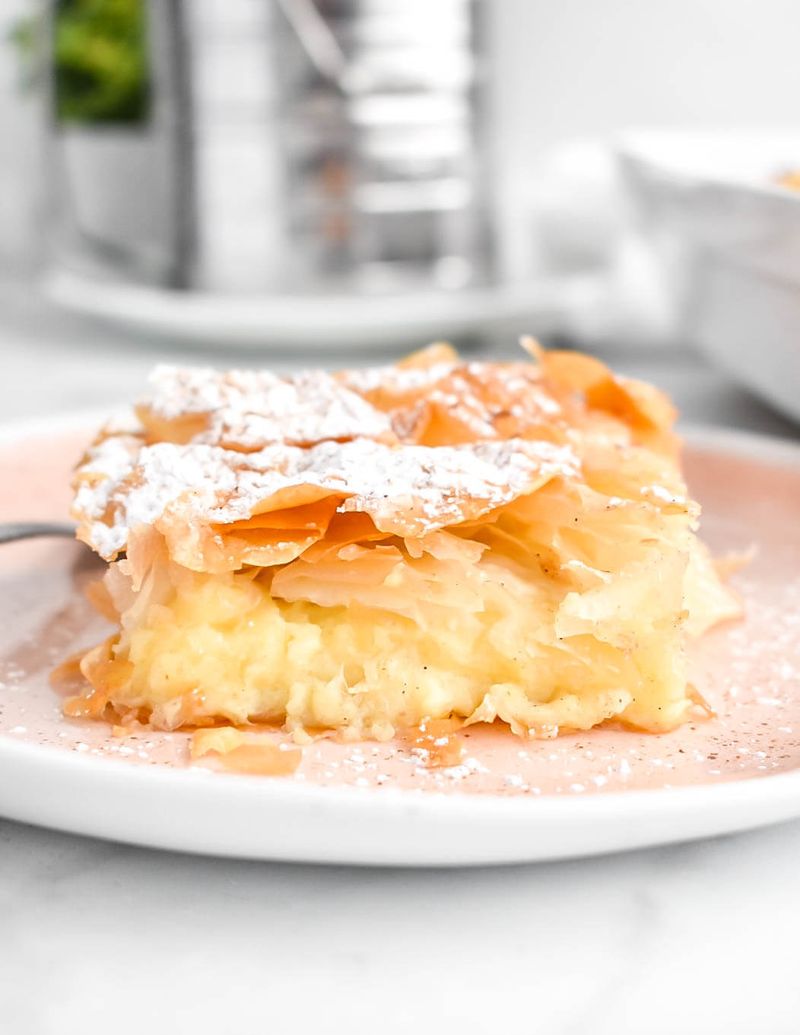
Who said dessert can’t be breakfast? Greeks certainly didn’t! Bougatsa boldly blurs the line with its creamy semolina custard filling sandwiched between paper-thin phyllo sheets, all dusted generously with powdered sugar and cinnamon.
Morning commuters in Thessaloniki grab these warm parcels on their way to work, proving that starting your day with something sweet is practically a cultural institution. The contrast between the flaky exterior and smooth filling creates a textural paradise.
6. Halvas
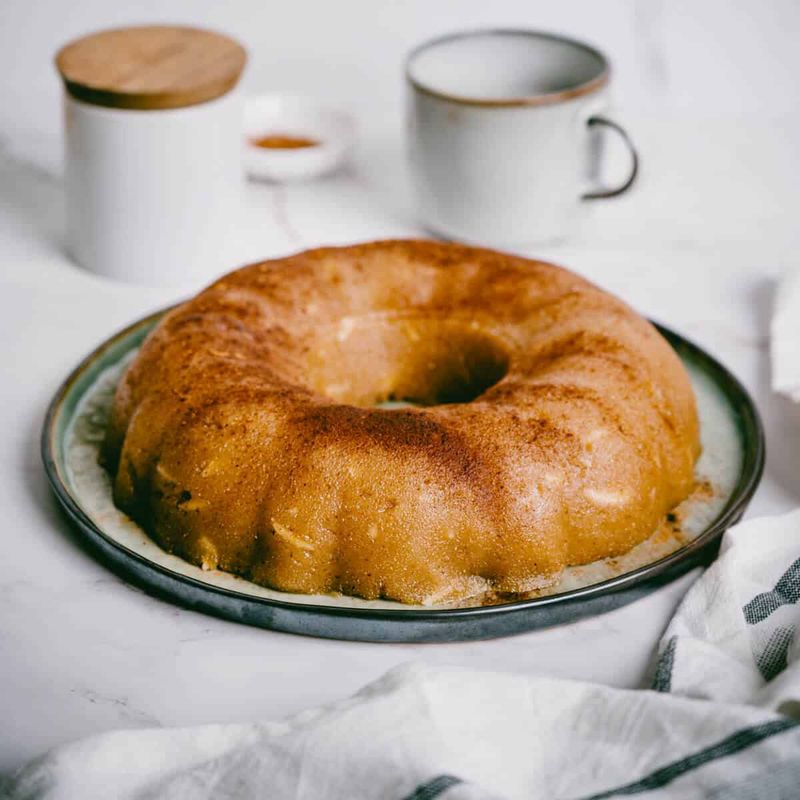
Not to be confused with its tahini-based namesake, Greek halvas transforms humble semolina into a dessert worthy of the gods! This dense, sweet semolina cake gets its distinctive flavor from caramelized sugar and plenty of butter, often studded with nuts or raisins for extra texture.
Orthodox Greeks whip up halvas during Lent when animal products are off-limits (there’s a vegan version with olive oil). The dessert’s humble appearance hides its complex flavor – nutty, sweet, and slightly toasty.
7. Portokalopita
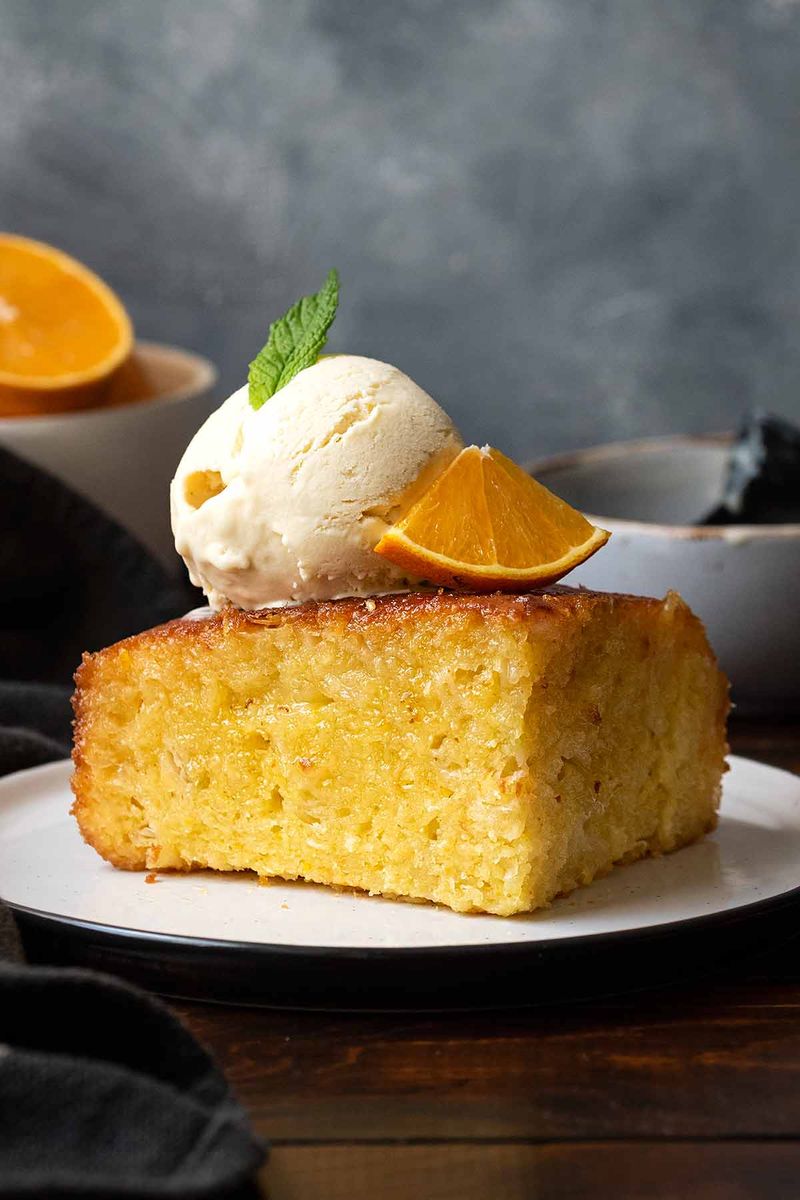
Scraps never tasted so good! Portokalopita ingeniously uses torn, dried phyllo sheets mixed into orange-infused batter, creating a cake with mysterious pockets of texture and flavor. After baking, this citrus bombshell gets drenched in sweet syrup.
The name literally means ‘orange pie,’ but calling this a pie is like calling the Parthenon ‘just a building.’ The fragrance alone – orange zest, cinnamon, and honey – will transport you straight to a Greek island taverna.
8. Diples
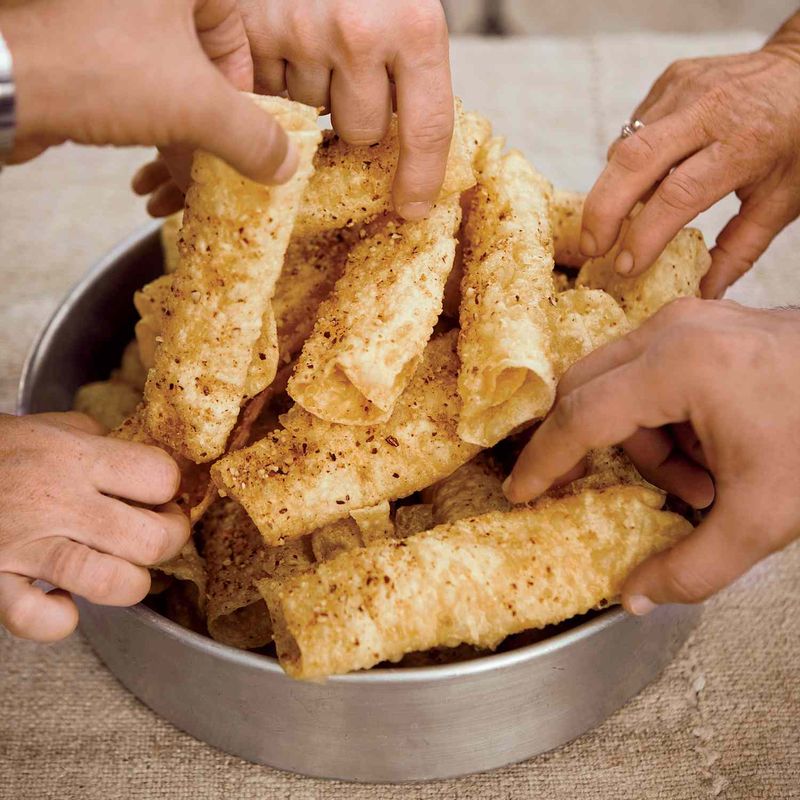
Watching someone make diples is like witnessing culinary magic – thin sheets of dough folded and twisted into delicate ribbons, then flash-fried until they bubble and curl like waves on the Aegean. The grand finale? A generous drizzle of honey and scattered walnuts.
These crispy, sweet treats feature prominently at Greek weddings and Christmas celebrations. Their name comes from the Greek word for ‘fold,’ though creating these requires much more skill than simple folding!
9. Melomakarona
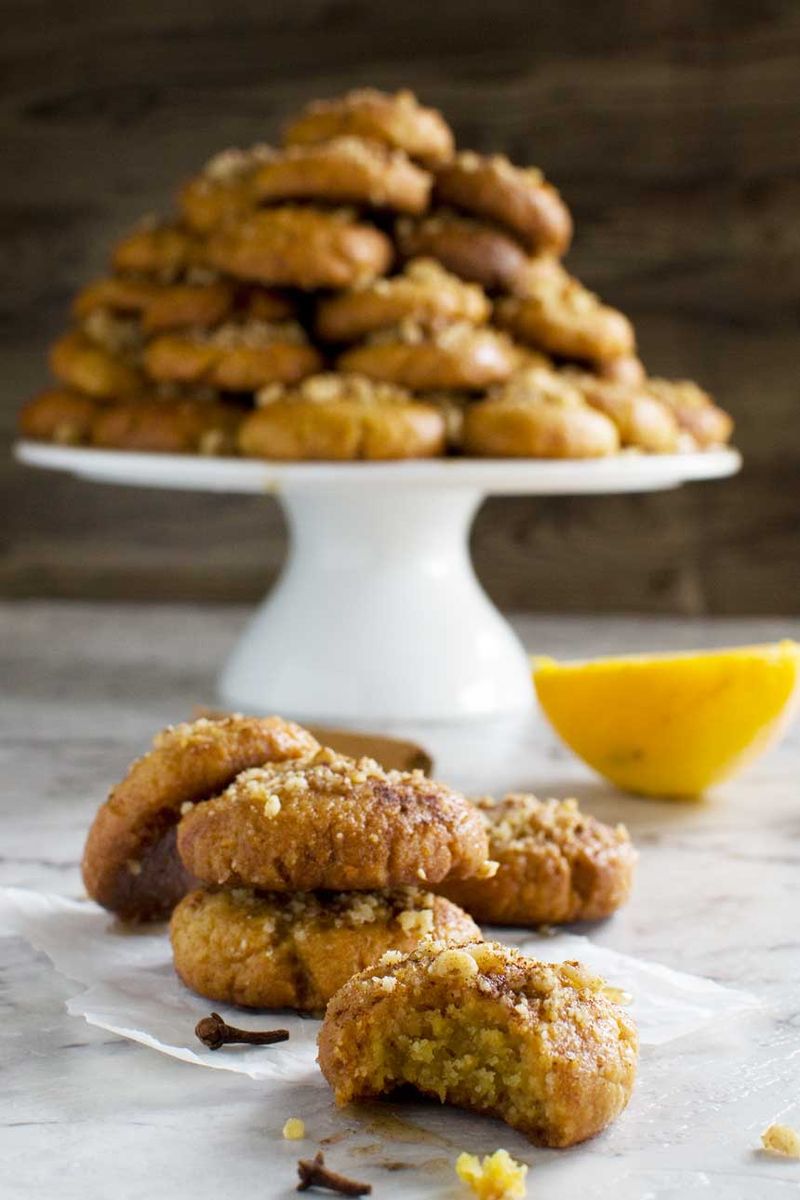
Christmas in Greece smells exactly like melomakarona baking! These oval-shaped cookies pack an aromatic punch with orange, cinnamon, and cloves before taking a divine bath in honey syrup. The final flourish? A generous sprinkling of crushed walnuts.
Soft, moist, and intensely fragrant, these cookies somehow manage to capture the essence of Greek Christmas in each bite. Orthodox families prepare trays upon trays during the holiday season, competing for neighborhood bragging rights.
10. Kourabiedes
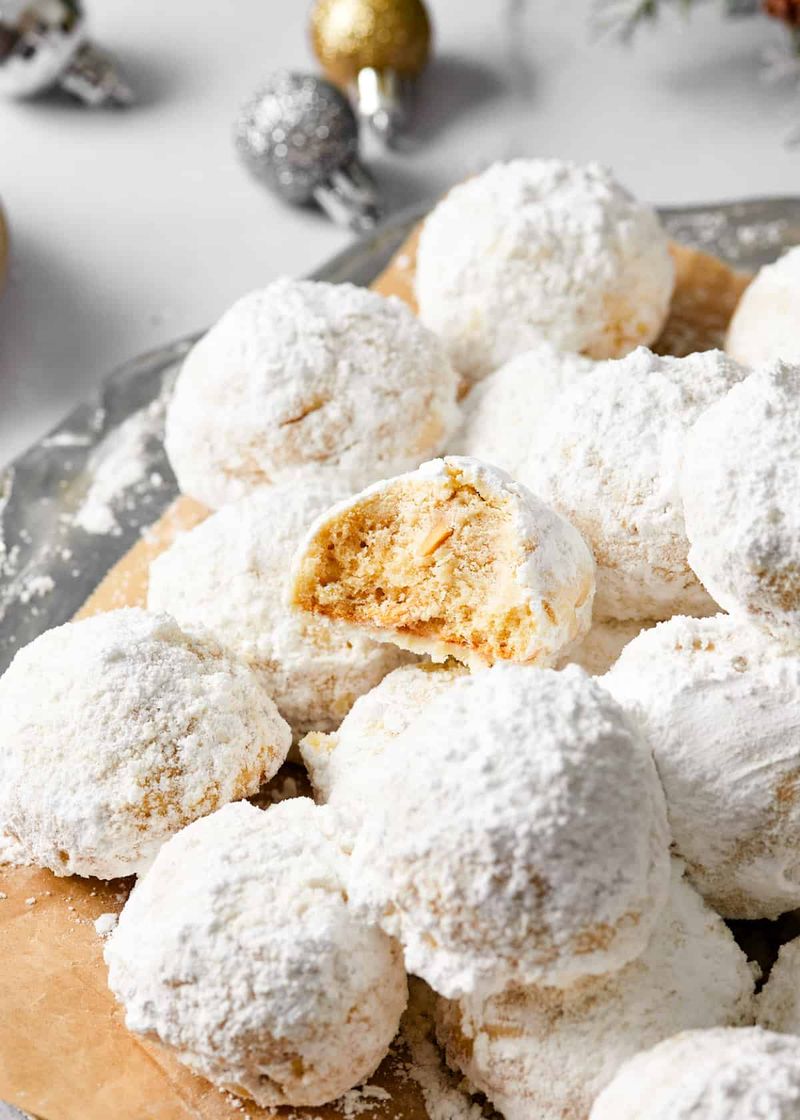
Avalanche alert! Kourabiedes are butter cookies so thoroughly buried in powdered sugar that eating one without leaving evidence on your clothes requires ninja-level skills. These melt-in-your-mouth shortbread cookies hide toasted almonds inside their tender crumb.
Traditional Greek weddings feature these treats alongside melomakarona during Christmas. The secret to their ethereal texture? Beating the butter until it’s practically floating.
11. Loukoumi
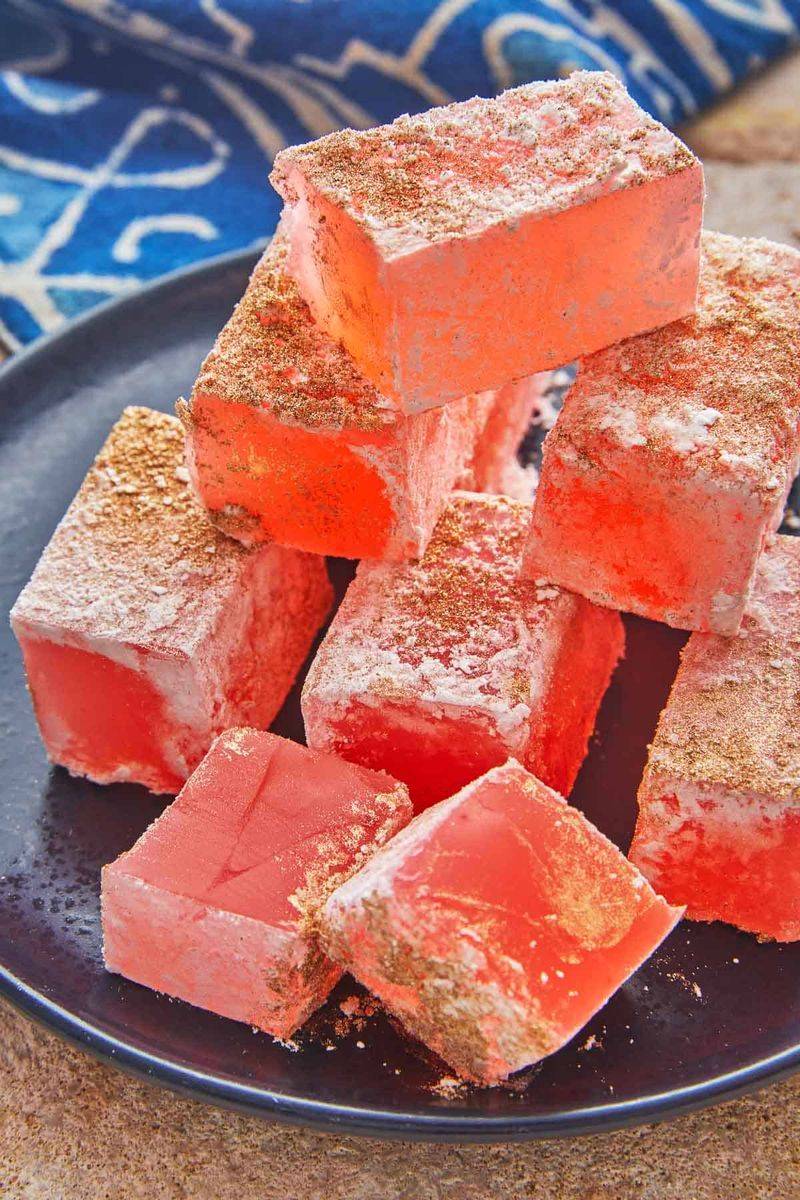
Narnia’s White Witch knew exactly what she was doing when she tempted Edmund with Turkish Delight! Greeks call it loukoumi, and these gem-like cubes of perfumed gel have been seducing sweet tooths for centuries.
Flavored with rosewater, bergamot, or mastiha (a pine-like resin from Chios island), these chewy delights get dusted with powdered sugar to prevent sticking. The texture is uniquely bouncy – somewhere between jelly and gummy candy, but infinitely more sophisticated.
12. Rizogalo
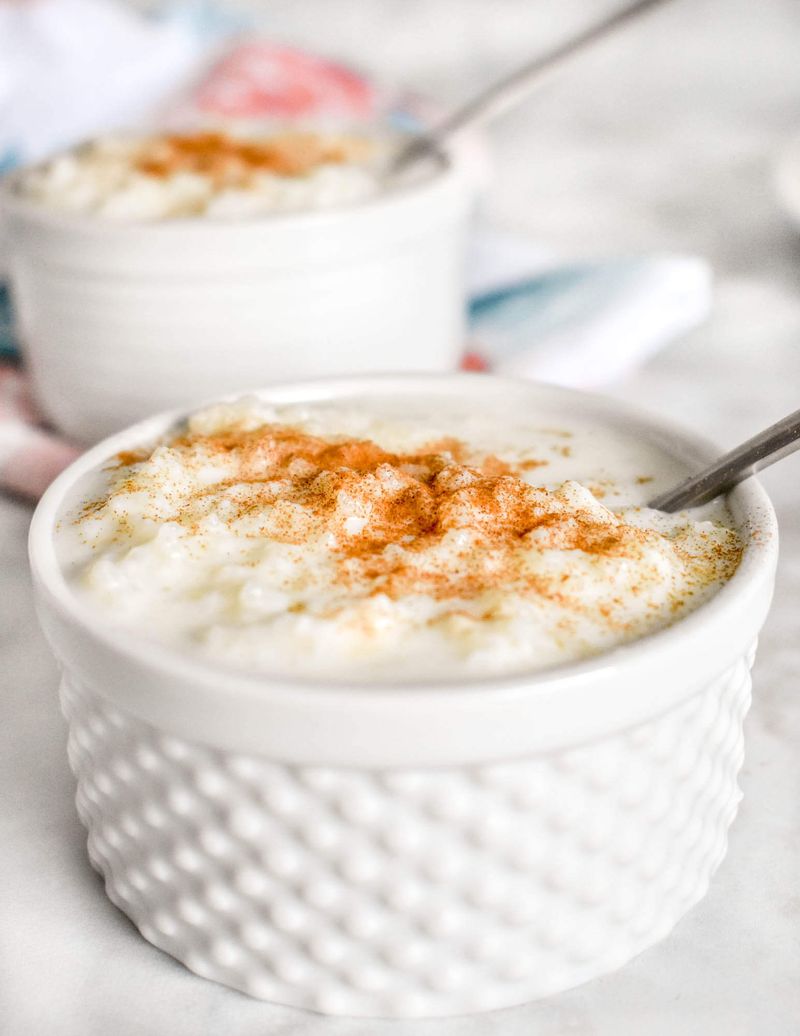
Grandmothers across Greece swear their rizogalo recipe is the best, and honestly, they might all be right! This velvety rice pudding simmered slowly with milk and sugar becomes something far greater than the sum of its humble parts.
Finished with a dusting of cinnamon in a distinctive crosshatch pattern, rizogalo serves as both comfort food and artistic expression. The secret lies in constant stirring and patience – rushing rizogalo is considered culinary sacrilege.
13. Yogurt With Honey And Walnuts
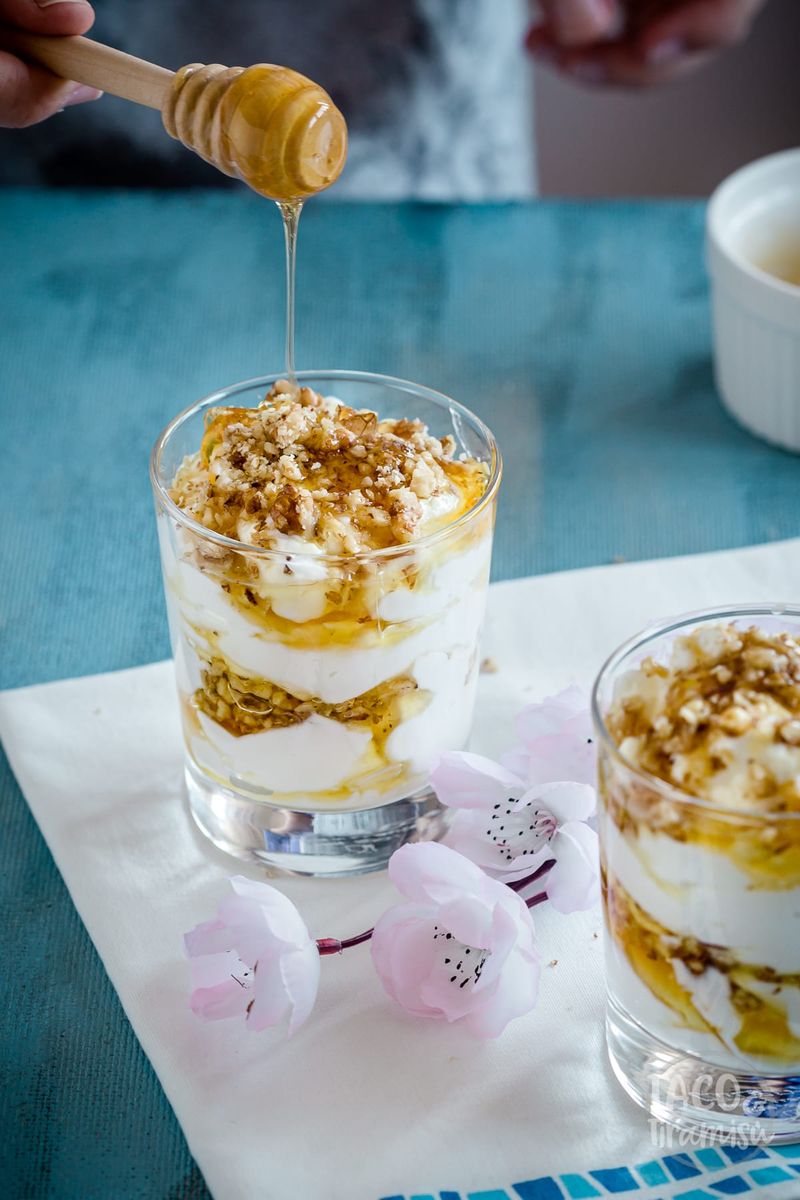
Sometimes the simplest combinations create the most profound flavors! Thick, tangy Greek yogurt topped with amber honey and crushed walnuts represents Greek dessert philosophy at its purest – let quality ingredients shine without fussy techniques.
The yogurt must be proper Greek style – strained until thick enough to stand a spoon in it. The honey should be local, preferably thyme honey with its distinctive herbal notes. And the walnuts? Freshly cracked for maximum flavor.
14. Karydopita
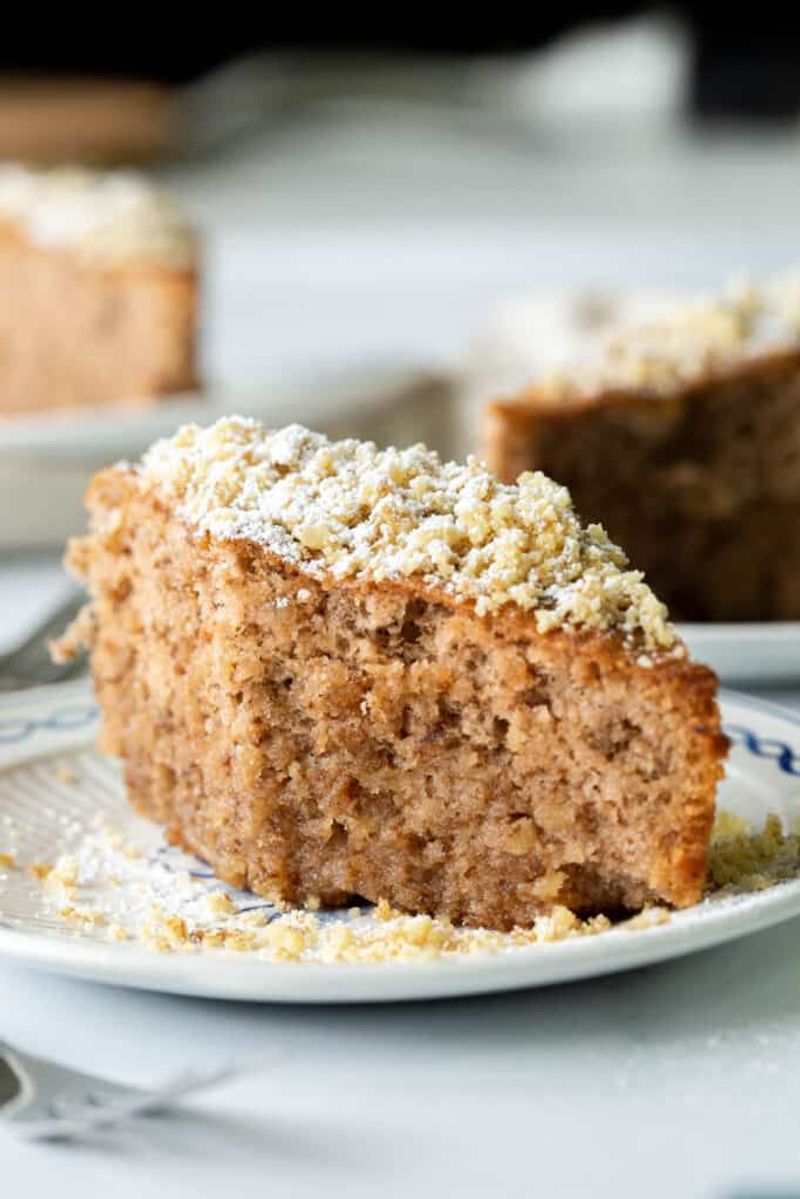
Cinnamon, cloves, and walnuts team up to create karydopita – a spice-forward cake that’s essentially a sponge designed to absorb obscene amounts of honey syrup! Every Greek yiayia (grandmother) guards her version like a state secret.
The cake itself is dense with ground walnuts, creating a rich, nutty base that stands up beautifully to the sweet syrup bath it receives hot from the oven. Some versions incorporate brandy or cognac for an extra flavor dimension.
15. Mastiha Submarine
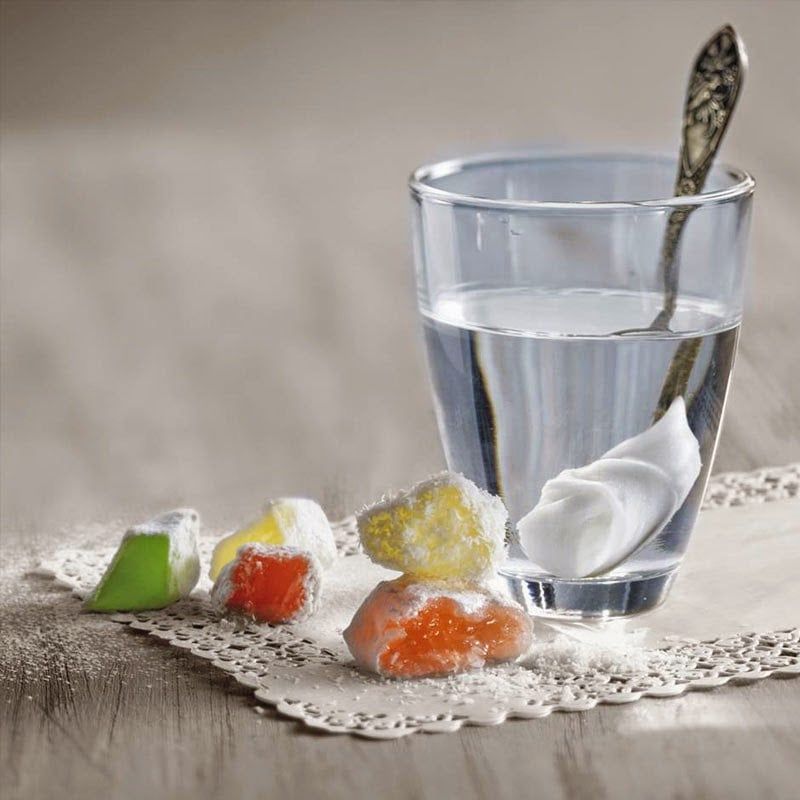
Imagine a glistening white candy that looks like solidified moonlight, served on a spoon and submerged in ice-cold water. Welcome to the submarine (ypovríchio) – possibly Greece’s most unusual sweet treat!
Made from mastiha, a resin with subtle pine and anise notes harvested exclusively on Chios island, this chewy candy transforms when dunked in water. The ritual involves slowly sucking the candy while sipping the flavored water – a multi-sensory experience that’s refreshingly different.