Dietitians Name The 9 Worst Breads For Your Health, And 9 Smart Swaps

Ah, bread. The comforting cornerstone of sandwiches, toast, and frankly, life itself.
For many of us, it’s virtually a food group of its own. But what if your daily loaf is doing more harm than good?
We’ve consulted with dietitians who’ve pulled back the curtain on the nine worst breads for your health. But they’re not leaving you in the lurch; they’ve also offered nine deliciously smart swaps.
1. White Bread: The Refined Villain

That fluffy white slice might seem innocent, but it’s stripped of nearly all nutritional value during processing. The refining process removes the bran and germ, leaving just the starchy endosperm.
Without fiber to slow digestion, white bread causes rapid blood sugar spikes and crashes. Your body processes it almost like pure sugar!
2. Cinnamon Raisin Bread: Sugar Bomb In Disguise
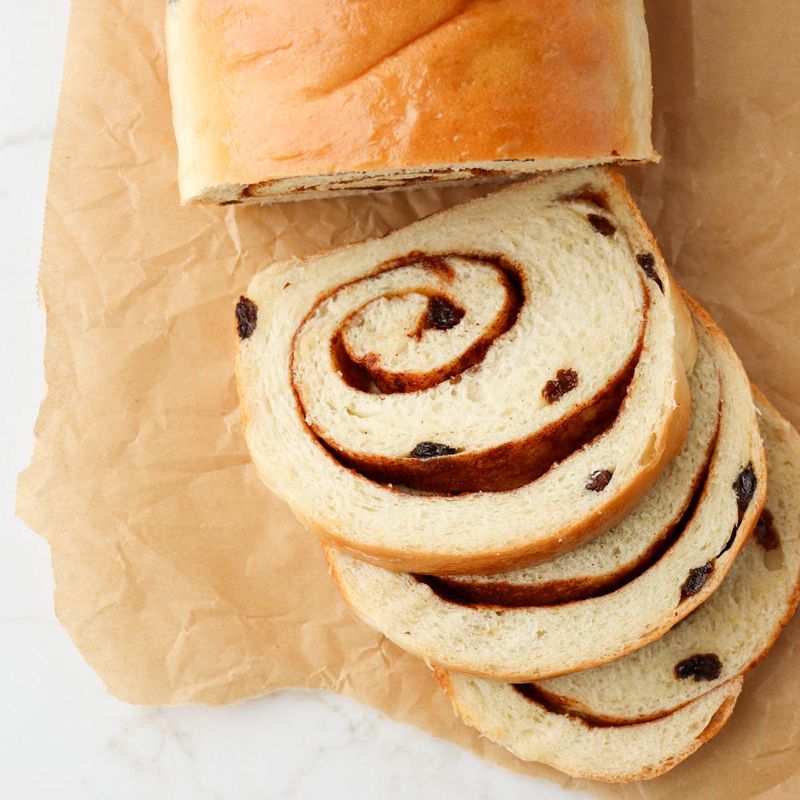
Don’t be fooled by those innocent-looking raisins! A typical slice contains up to 3 teaspoons of added sugar—that’s before you even think about adding jam or honey.
Morning toast shouldn’t taste like dessert. The combination of refined flour and sweeteners makes this a breakfast choice that’ll leave you hungry again in no time.
3. Bagels: The Calorie Crater
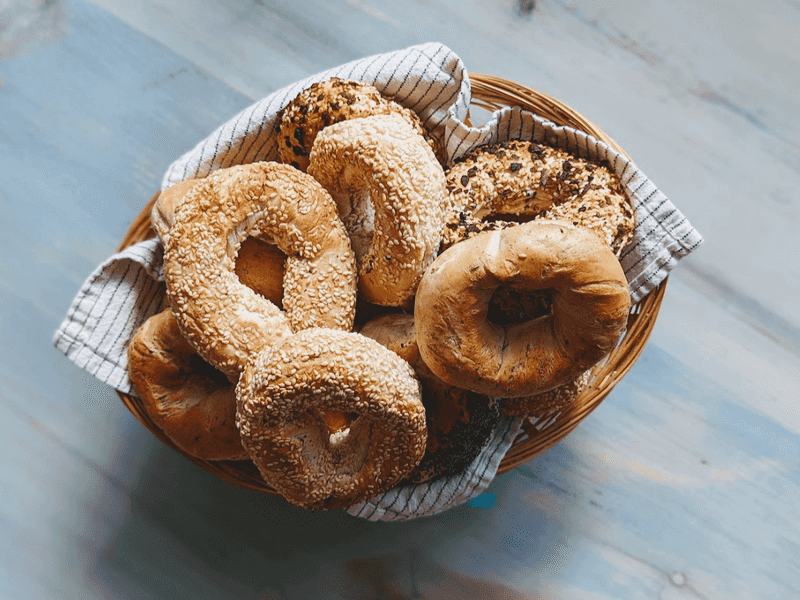
Ever wonder why that morning bagel leaves you feeling like you swallowed a brick? One typical deli bagel equals roughly 4-5 slices of bread in calories and carbs!
The dense texture comes from a unique boiling process that creates that chewy exterior but also concentrates the calories. Most commercial versions add extra sugar and preservatives too.
4. Texas Toast: Buttery Trouble
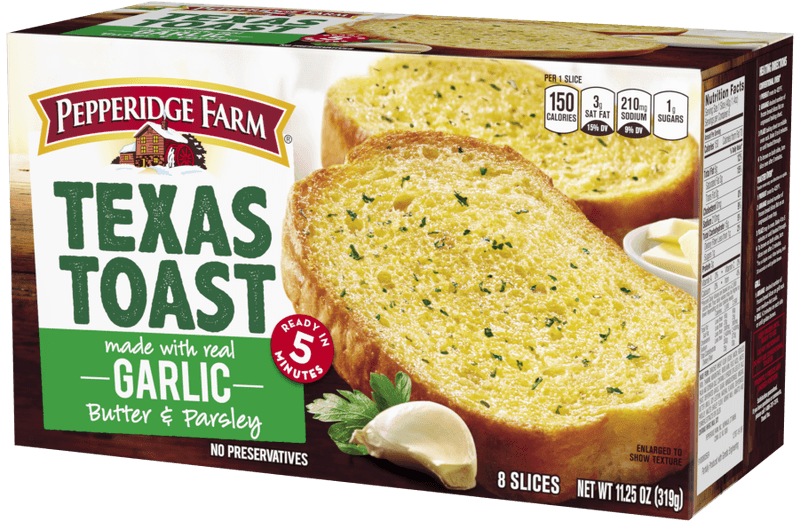
Those thick, golden slices might make amazing garlic bread, but they’re a nutritional nightmare. Each piece contains nearly double the calories of regular bread thanks to added butter, oil, and extra thickness.
The refined white flour base offers minimal fiber or nutrients. Just two slices can deliver nearly a quarter of your daily calorie needs!
5. Focaccia: Oil-Soaked Sponge
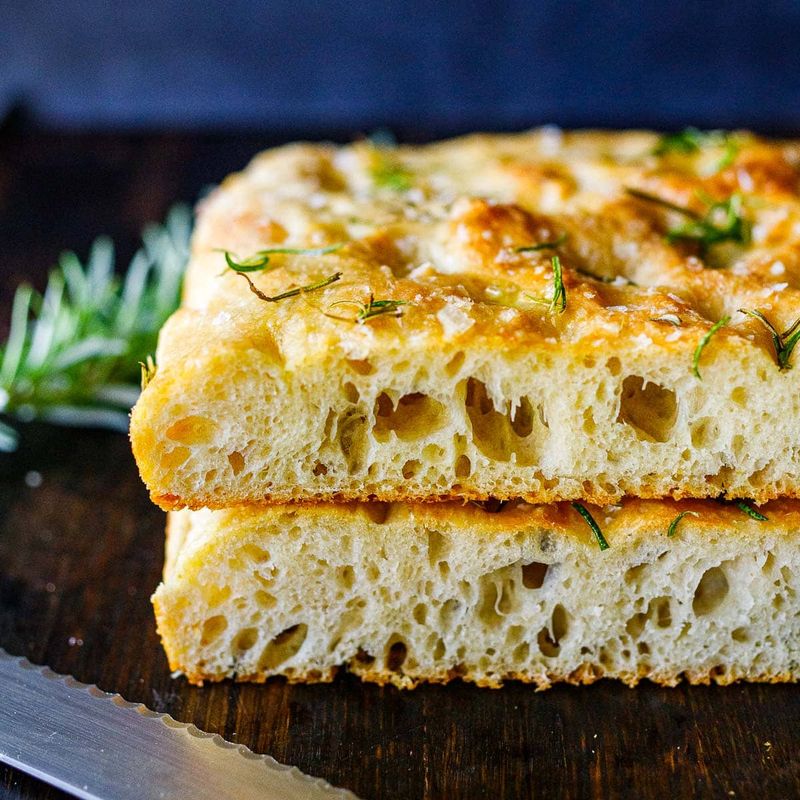
This Italian favorite might transport your taste buds to Tuscany, but each piece can contain up to 4 tablespoons of oil! That’s a whopping 400+ calories before you’ve even made it a sandwich.
The dimpled surface actually serves as tiny pools for collecting even more oil. Many commercial versions pile on extra salt too, making it a blood pressure concern.
6. Brioche: Breakfast Or Dessert?

With its golden color and pillowy texture, brioche seduces many health-conscious eaters. The truth? It’s basically cake masquerading as bread!
Traditional recipes call for generous amounts of butter, eggs, and sugar. A single brioche bun can contain more fat than a chocolate chip cookie.
7. Cheese Bread: Hidden Fat Trap

Who doesn’t love the gooey satisfaction of melted cheese in every bite? Unfortunately, your waistline might not share your enthusiasm. Some varieties pack more saturated fat than a fast-food burger!
The cheese isn’t just on top—it’s often kneaded throughout the dough, making it impossible to scrape off. Many commercial versions use processed cheese with extra sodium and additives.
8. Croissants: Flaky Fat Layers
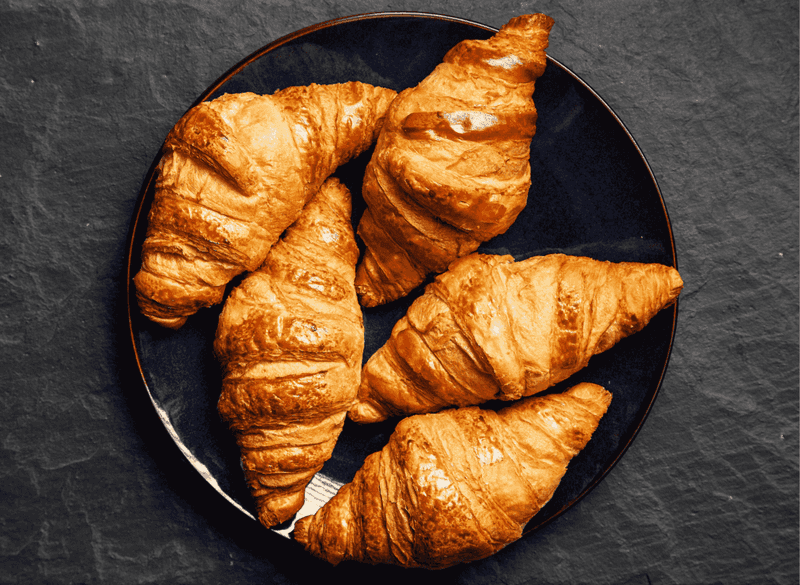
Those beautiful, buttery layers that make croissants so irresistible? They’re created by folding dough with butter sheets repeatedly—sometimes using an entire stick per batch!
A plain croissant contains more fat than six strips of bacon. The refined flour base means you’re getting minimal nutrition with your fat splurge. Talk about a breakfast that’ll weigh you down!
9. Garlic Bread: Sodium Overload
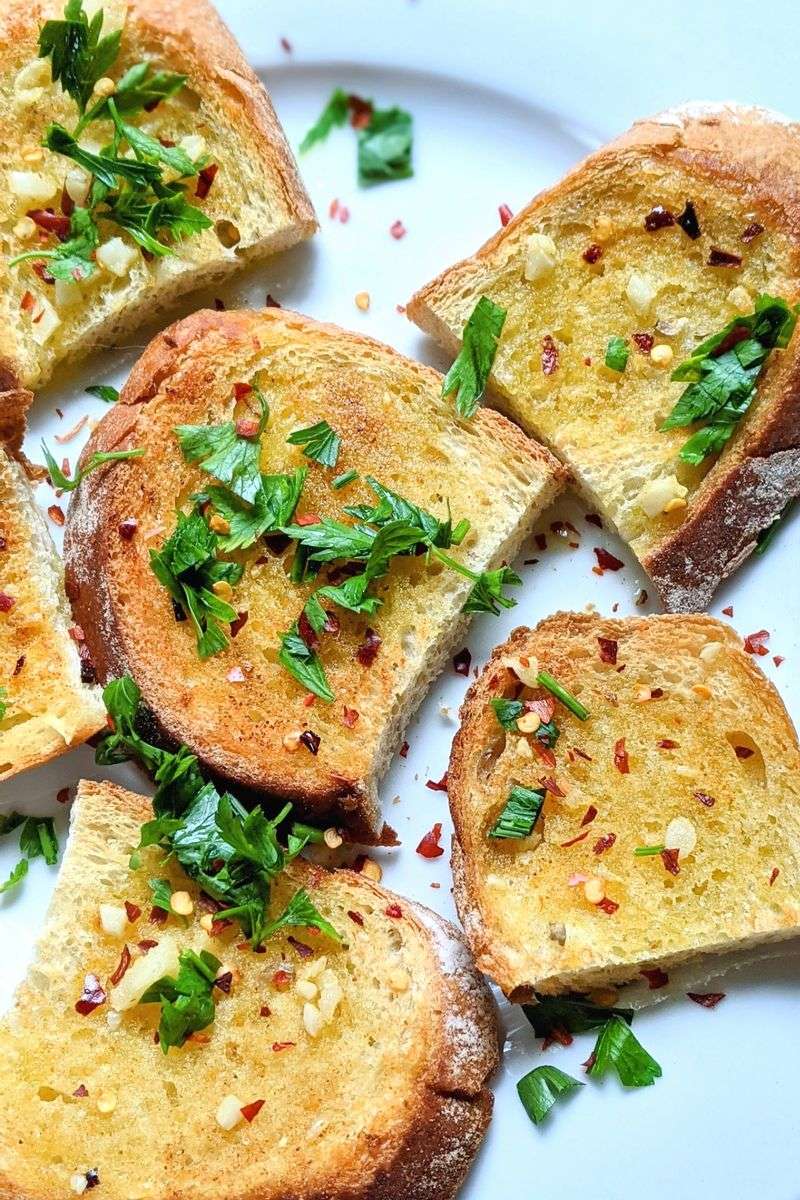
That aromatic side dish completing your pasta night comes with a price tag: sodium, and lots of it. Commercial versions can contain up to 400mg of sodium per slice!
Beyond salt, the butter or margarine spread delivers a hefty dose of saturated fat. Most versions use white bread as a base, adding minimal nutritional value to this flavor-packed indulgence.
10. SWAP: Sprouted Grain Bread
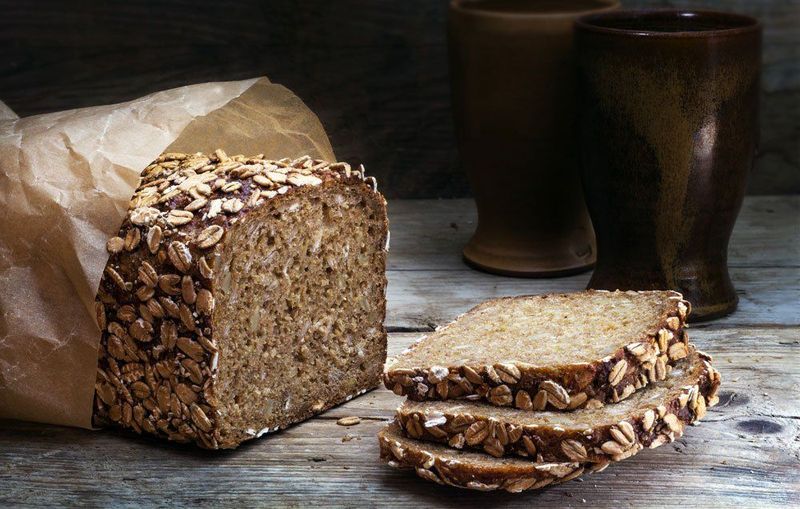
Unlike regular whole wheat, sprouted grains have been allowed to germinate, unlocking additional nutrients and making them easier to digest. Ezekiel bread is the most famous example!
The sprouting process increases protein content while reducing phytic acid that can block mineral absorption. Many people with mild gluten sensitivities find they can tolerate sprouted varieties better.
11. SWAP: Sourdough Bread
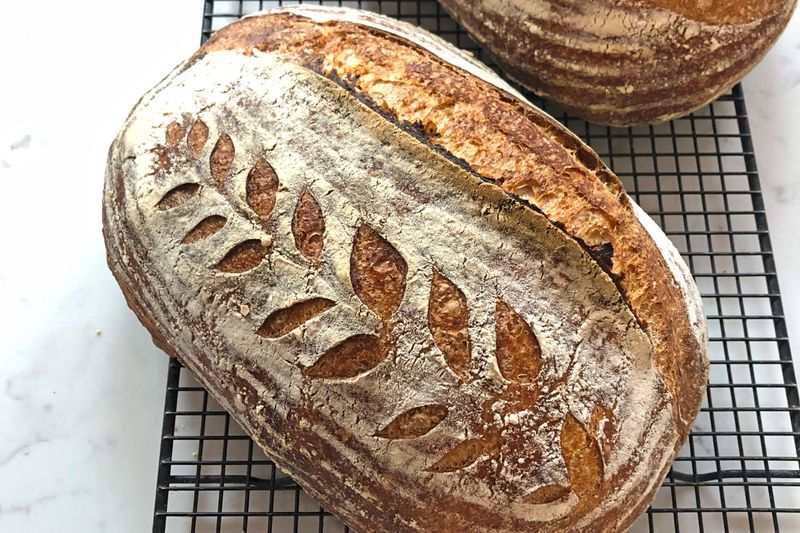
Not just trendy, sourdough’s fermentation process creates natural probiotics that benefit gut health. The longer fermentation time breaks down gluten proteins and reduces phytic acid.
This ancient breadmaking method produces a lower glycemic response than most other breads. Translation? Your blood sugar stays more stable, keeping energy levels consistent and hunger at bay longer.
12. SWAP: Whole Grain Rye Bread
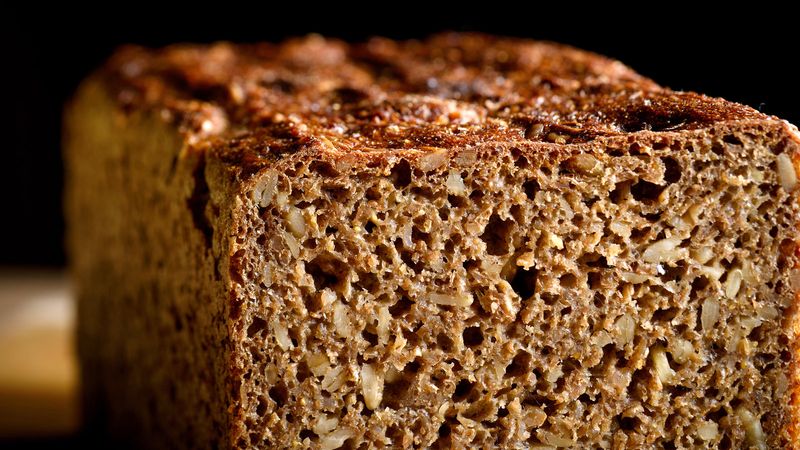
Dense, dark, and delicious, real rye bread packs more fiber than most other varieties. Swedish studies show it creates greater feelings of fullness, helping you naturally eat less throughout the day.
Rye contains unique fibers called arabinoxylans that feed beneficial gut bacteria. Just watch out for “rye bread” that’s actually mostly wheat flour with caramel coloring—check that ingredient list!
13. SWAP: Pumpernickel Bread
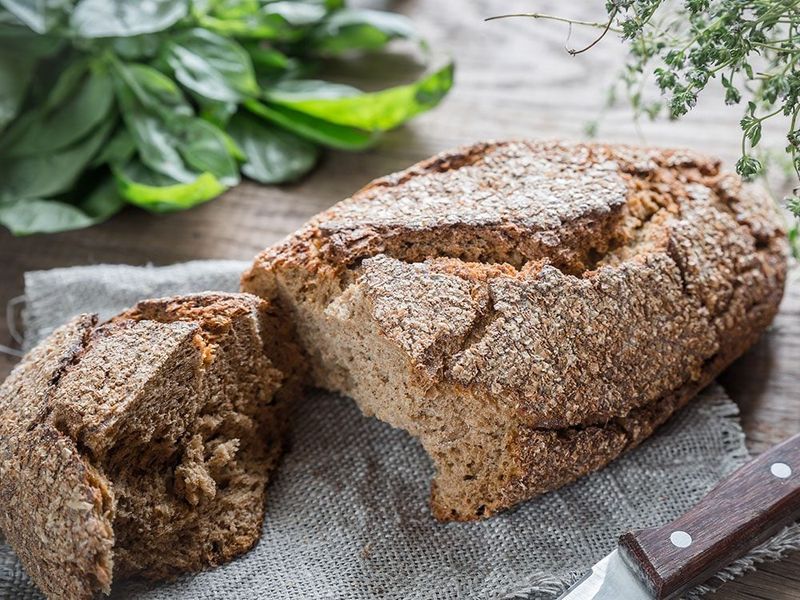
This German classic isn’t just distinctive in flavor—it’s a nutritional powerhouse! Made from coarsely ground rye and baked slowly at low temperatures, pumpernickel has a lower glycemic index than almost any other bread.
The dark color comes naturally from the Maillard reaction during baking, not from added colorings. Its dense texture means you’ll likely eat less while feeling more satisfied.
14. SWAP: Flaxseed Bread
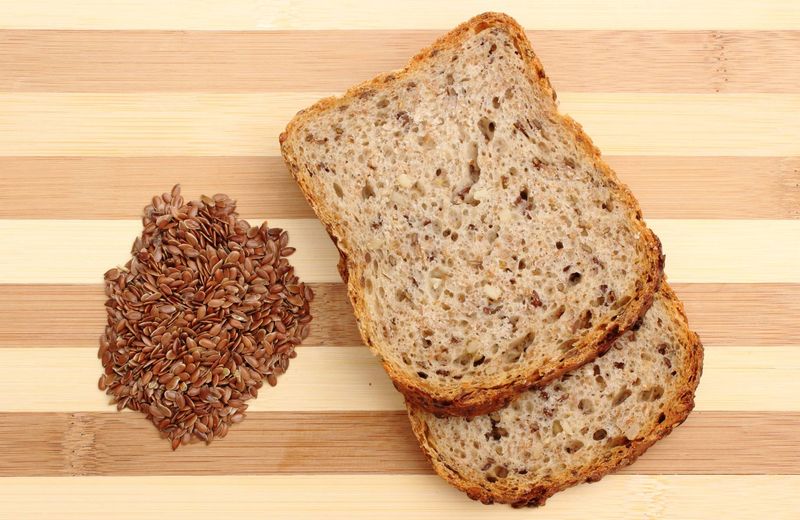
Looking for omega-3 fatty acids in your sandwich? Flaxseed bread delivers! These tiny seeds pack a powerful nutritional punch, offering heart-healthy fats typically found in fish.
Beyond omega-3s, flaxseeds contain lignans that may help reduce cancer risk. The combination of protein, fiber, and healthy fats creates a bread that actually supports weight management rather than sabotaging it.
15. SWAP: Oat Bread
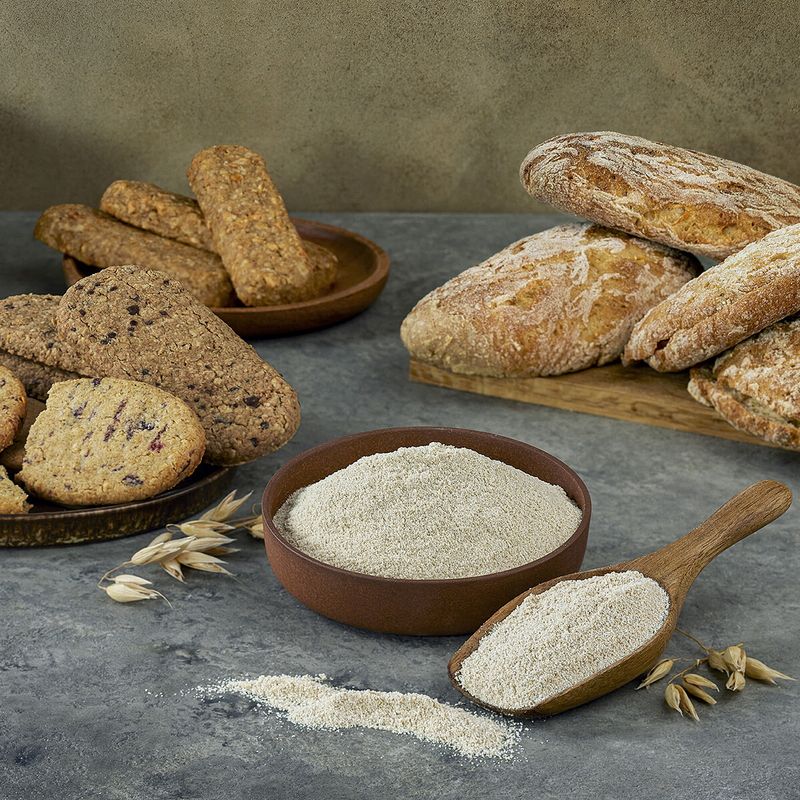
Craving comfort food that won’t spike your blood sugar? Oat bread features beta-glucan fiber that’s scientifically proven to help lower cholesterol levels.
The soluble fiber creates a gel-like substance in your digestive tract that slows carbohydrate absorption. Look for versions where oats are the first ingredient, not just sprinkled on top of regular wheat flour.
16. SWAP: Whole Wheat Pita
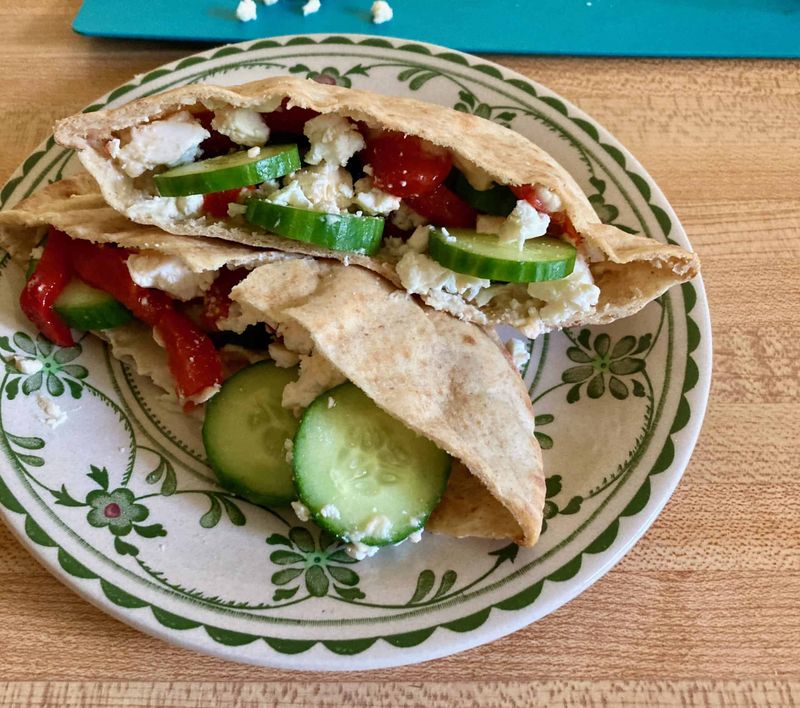
Perfect for portion control, whole wheat pitas offer built-in serving sizes that prevent mindless munching. The pocket design lets you stuff in veggies and lean protein without excessive bread.
A 6-inch whole wheat pita contains roughly half the calories of two standard bread slices. The compact size makes it perfect for lunch boxes or quick meals without the carb overload.
17. SWAP: Thin-Sliced Whole Grain Bread
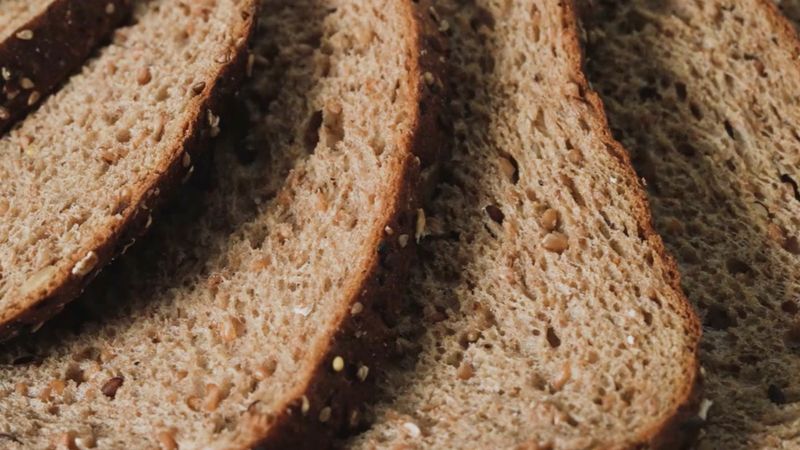
Who says you need thick slices for a satisfying sandwich? Thin-sliced whole grain varieties offer all the nutrition at roughly 70 calories per slice instead of 110+.
The thinner profile actually highlights your fillings better—letting you taste more of that avocado or turkey. Many brands offer versions with added seeds and grains for extra protein and fiber without extra bulk.
18. SWAP: Homemade Bread
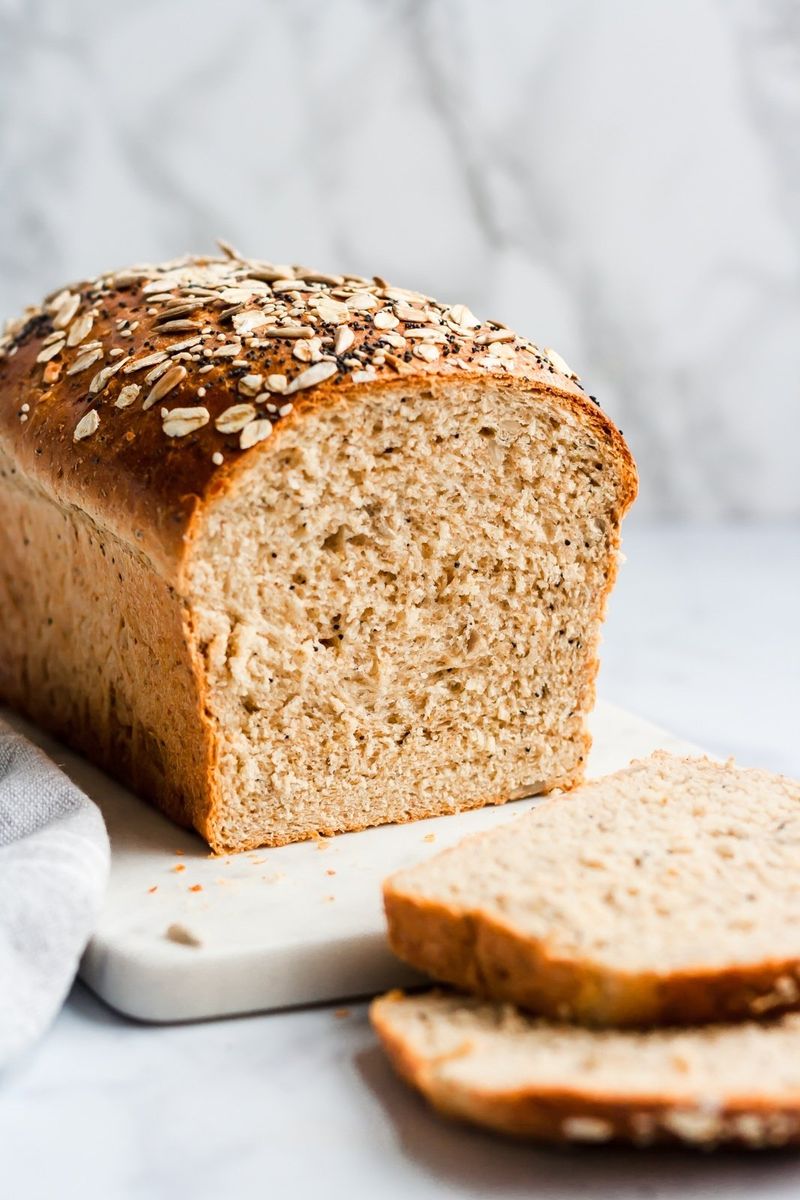
Nothing beats knowing exactly what’s in your food! Homemade bread eliminates mystery preservatives, excess sodium, and hidden sugars found in commercial varieties.
Modern bread machines make the process nearly foolproof. You can experiment with ancient grains like spelt or kamut, adjust sweetness levels, and create custom recipes tailored to your dietary needs and taste preferences.