
Why It’s Time To Stop Storing Canned Tuna In The Pantry
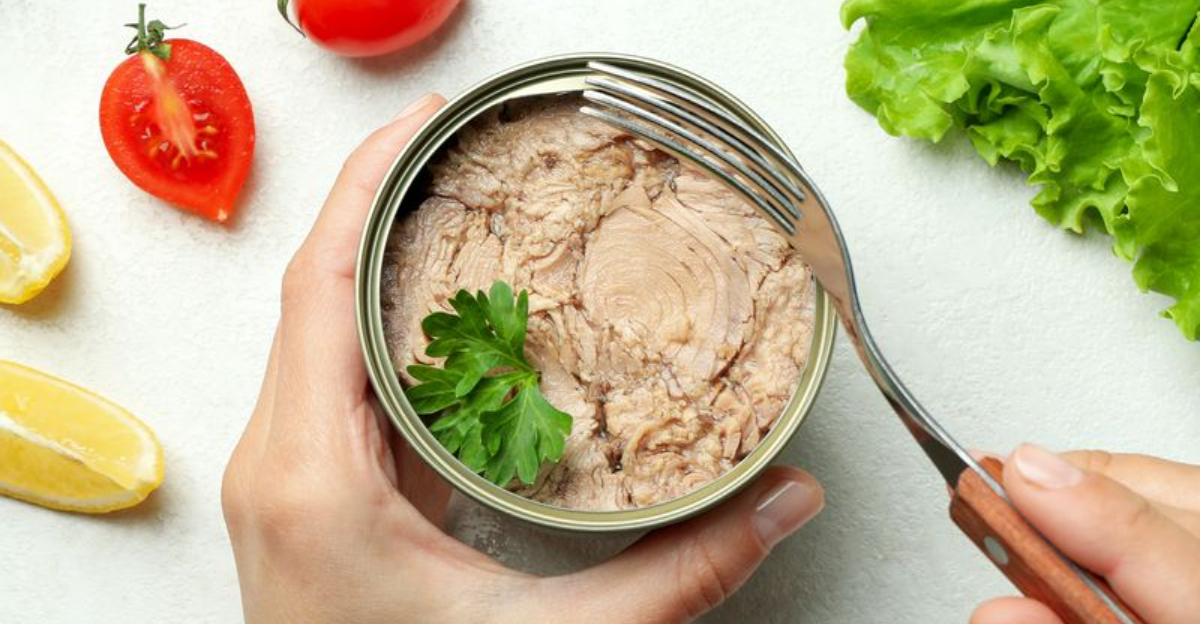
Most of us have always tossed our canned tuna into the pantry without a second thought. It seems logical – shelf-stable food goes on shelves, right? But this common kitchen habit might actually be hurting your tuna’s flavor, safety, and your wallet.
Ready to rethink where you stash those silver tins?
1. Temperature Swings Destroy Flavor
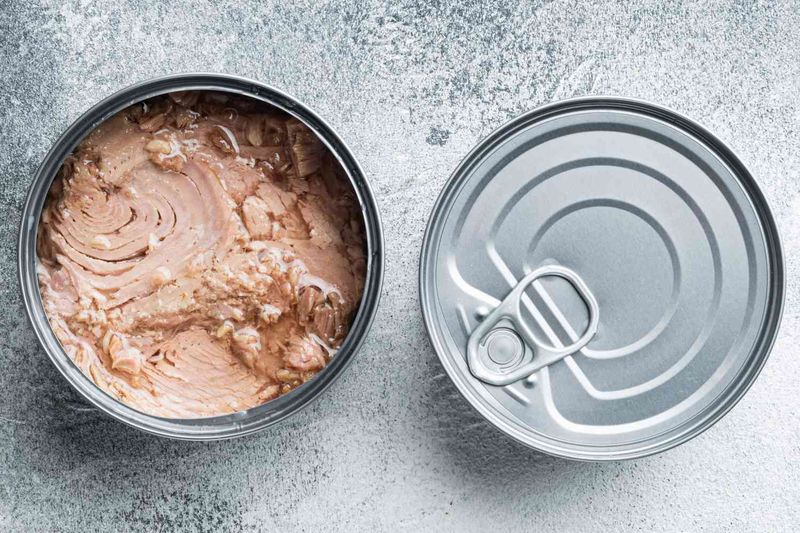
Pantries experience wild temperature fluctuations that canned tuna absolutely hates! Hot summer days turn your storage space into a flavor-killing sauna.
The delicate oils in tuna break down faster at inconsistent temperatures. Refrigeration maintains that just-caught taste consistently.
2. Refrigeration Extends Shelf Life
Shocking fact: refrigerated tuna lasts nearly twice as long as pantry-stored cans! The cold environment slows oxidation processes dramatically.
While manufacturers claim 3-5 years of pantry shelf life, refrigeration can push that boundary further. Why settle for adequate preservation when optimal storage is just a fridge shelf away?
3. Better Texture After Opening
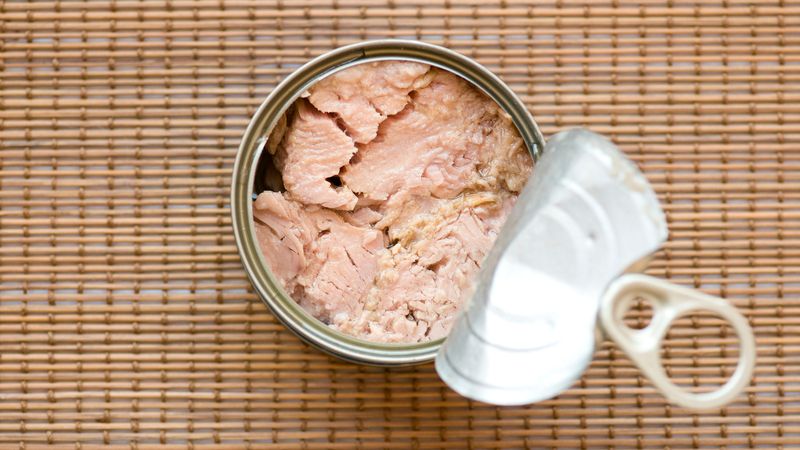
Ever notice how room-temperature tuna falls apart into mushy flakes? Cold storage firms up the protein structure!
Pre-chilled tuna maintains its chunk integrity when you pop that lid. For salads, sandwiches, or casseroles, you’ll get perfect bite-sized pieces instead of tuna mush.
4. Prevents Botulism Risk
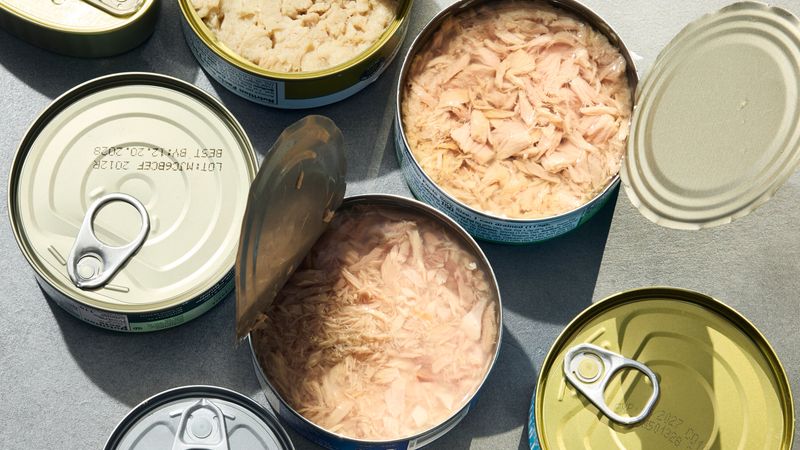
Botulism spores lurk in low-acid canned foods like tuna. These deadly bacteria thrive in warm environments above 50°F.
Refrigeration keeps temperatures below the danger zone where these spores activate. While commercial canning processes are reliable, why gamble with your family’s health?
5. Reduces Mercury Concerns
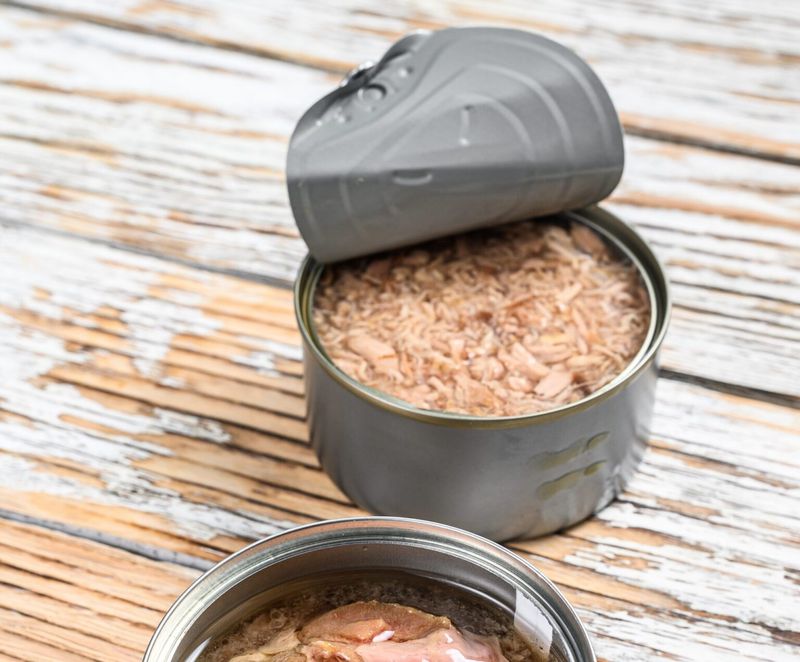
Mercury doesn’t vanish after canning! This toxic heavy metal becomes more bioavailable at higher temperatures.
Cooler storage helps stabilize mercury compounds in tuna, potentially reducing absorption rates when consumed. Scientists haven’t conclusively proven this effect.
6. Stops Oil Separation
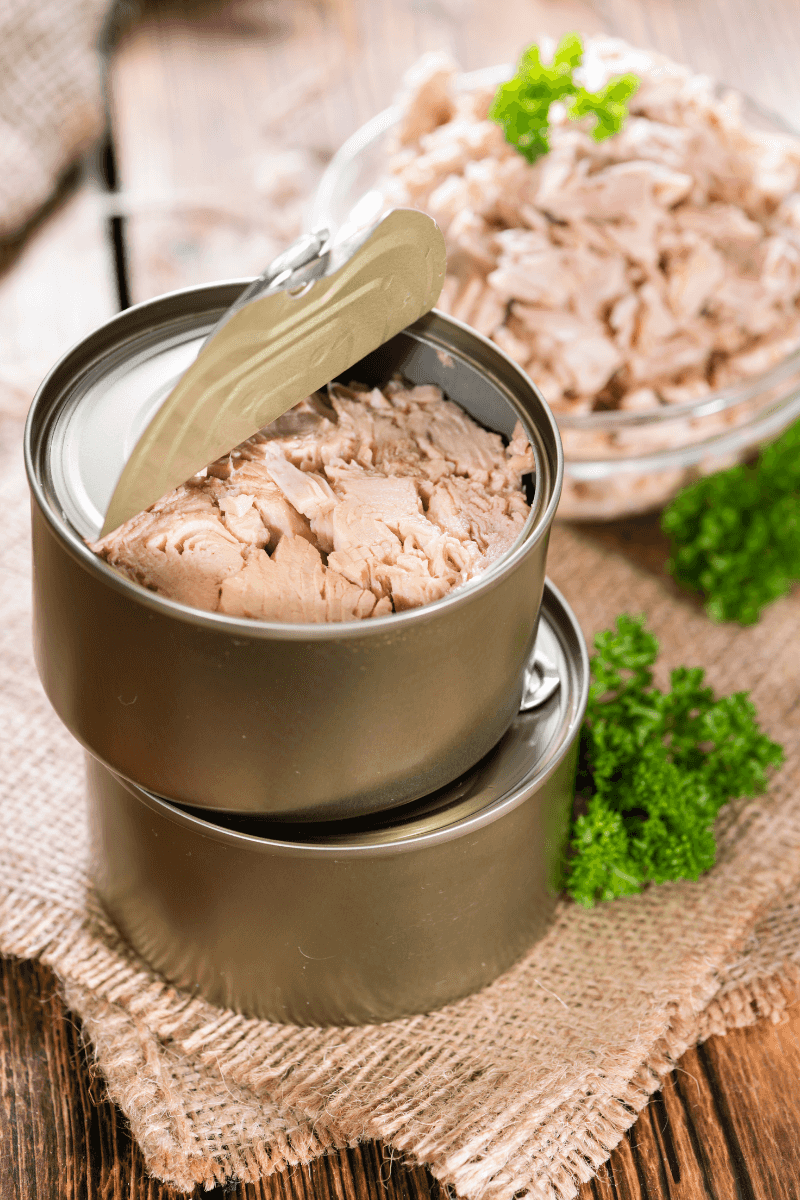
Nothing worse than opening tuna to find a pool of separated oil! Heat accelerates this unappetizing phenomenon.
Cold temperatures keep oils properly emulsified within the fish protein matrix. Your tuna stays uniformly moist rather than having dry chunks floating in oil puddles.
7. Prevents Pantry Leaks
Leaky tuna cans create fishy-smelling nightmares! Heat expansion in pantries increases internal pressure on seals.
Refrigeration keeps pressure stable, reducing the chance of microscopic leaks that contaminate neighboring foods. The cold temperature contains the smell and prevents that horrifying “what died in here?” pantry hunt.
8. Preserves Omega-3 Fatty Acids

Those heart-healthy omega-3s you’re eating tuna for? They’re deteriorating in your warm pantry! These delicate compounds break down rapidly in heat.
Cold storage dramatically slows oxidation of these beneficial fats. You’re literally preserving the nutritional value of your food with proper storage.
9. Eliminates Pantry Odors

Face it—tuna cans emanate fishy smells even before opening! Microscopic amounts of volatile compounds escape through can seams.
These odor molecules become more active at room temperature, permeating your pantry with that unmistakable fish market aroma. Refrigeration slows molecular movement.
10. Improves Taste After Opening

Half-used tuna cans become science experiments in minutes at room temperature! Bacteria multiply exponentially above 40°F.
Starting with refrigerated tuna means you’re fighting fewer microbes from the get-go. Transfer leftovers to glass containers and they’ll stay fresh days longer than their pantry counterparts.
11. Reduces BPA Exposure
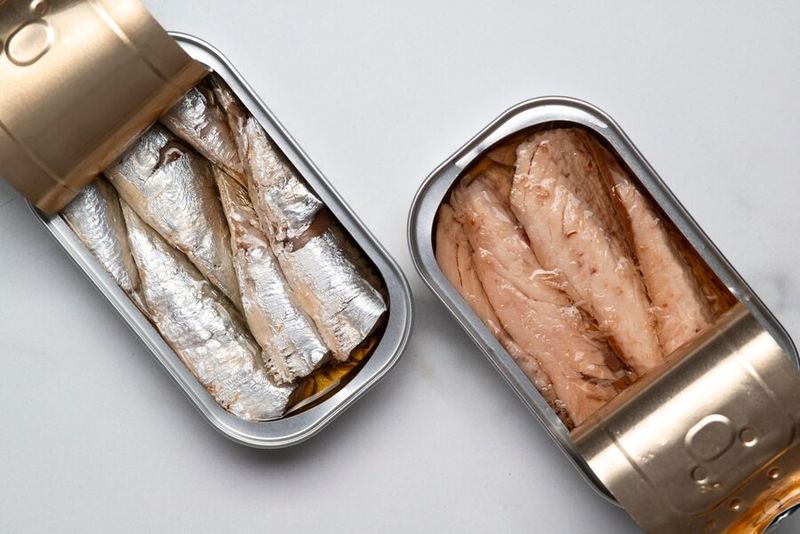
Many can linings contain BPA, which leaches more rapidly at higher temperatures. This controversial chemical mimics estrogen in your body!
Refrigeration dramatically slows this migration process. Studies show BPA leaching increases up to 55% faster in warm environments.
12. Prevents Histamine Formation
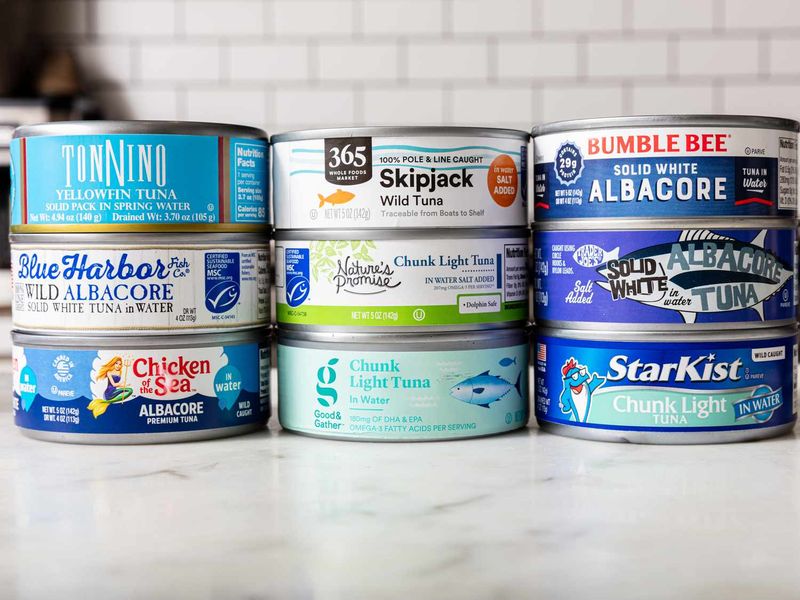
Histamine poisoning from tuna isn’t just about freshness before canning! Even canned fish continues slow bacterial processes.
These bacteria convert amino acids into histamine, which causes allergy-like symptoms and scombroid poisoning. Cold temperatures halt this conversion almost completely.
13. Makes Emergency Prep Smarter

Power outage? Grab tuna from the fridge first!
Cold cans maintain safe temperatures longer during emergencies. Refrigerated tuna doubles as both food and mini ice pack during disasters. Strategic preppers know refrigerated canned goods provide critical extra hours of cold chain maintenance for medications and perishables when power fails.
14. Avoids Pantry Pests

Pantry moths and beetles are magnetically attracted to fishy scents! Even sealed cans emit trace aromas these pests can detect.
Refrigeration eliminates the thermal signature that helps insects locate food sources. Plus, most pantry invaders can’t survive refrigerator temperatures.
15. Enhances Recipe Results
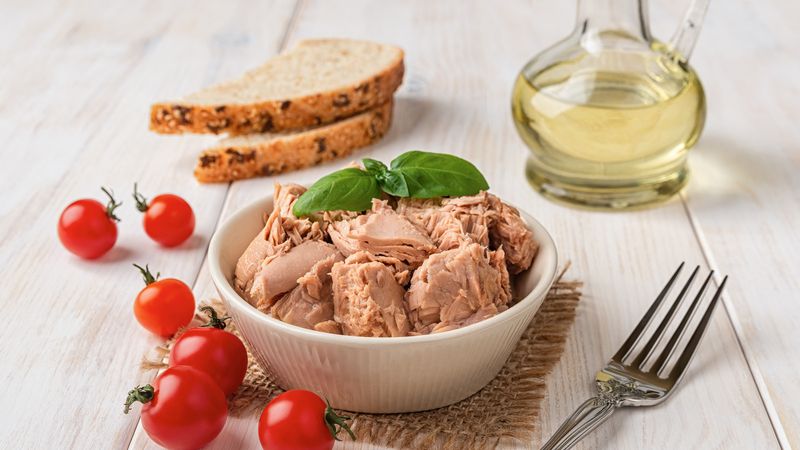
Cold tuna performs differently in cooking! Chilled protein holds its shape better when mixed into hot dishes.
Professional chefs refrigerate canned proteins before adding them to warm recipes. The temperature differential creates textural magic—chunks stay intact rather than dissolving into the sauce.
16. Frees Up Valuable Pantry Space
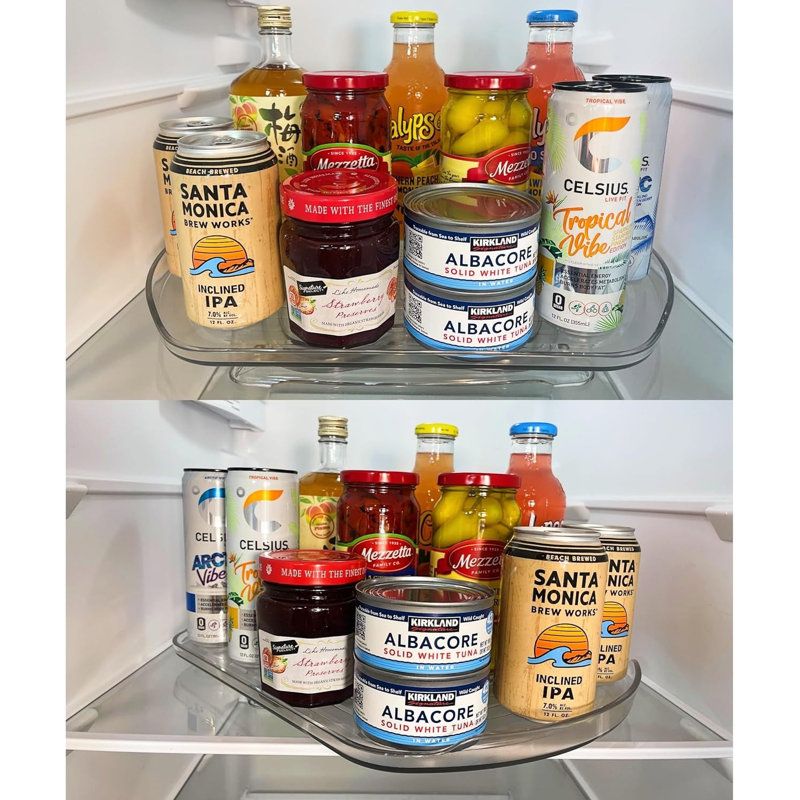
Pantry real estate is precious! Moving tuna to the refrigerator door shelves instantly creates space for bulkier dry goods.
Most refrigerators have underutilized door storage perfect for canned items. This organizational hack optimizes your kitchen storage footprint.