9 Foods That Interfere With Vitamin D Absorption
Vitamin D plays a crucial role in keeping our bones strong and our immune system working well. While sunshine helps our bodies make this important vitamin, what we eat can actually stop our bodies from using it properly.
Some foods can get in the way of vitamin D doing its job in our bodies. Let’s look at nine everyday foods that might be secretly sabotaging your vitamin D levels.
1. Processed Food
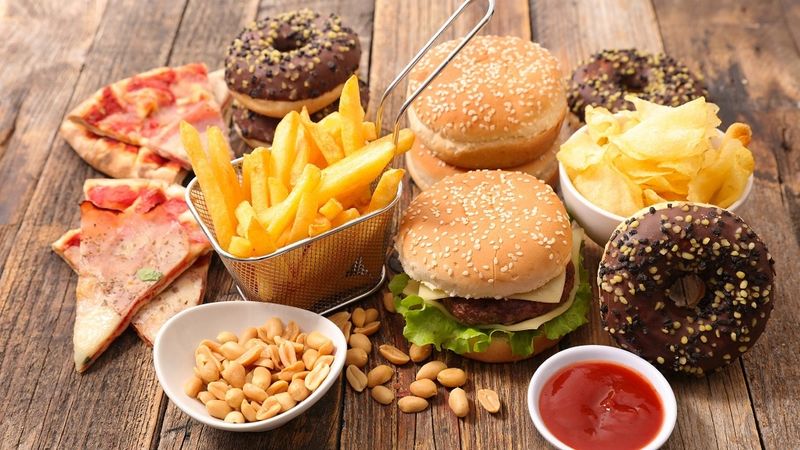
Ever wonder why that box of mac and cheese might be undermining your health beyond just the empty calories? Processed foods packed with preservatives, artificial colors, and sodium create the perfect storm for vitamin D interference.
The high sodium content forces your kidneys to excrete calcium, which vitamin D helps absorb. Meanwhile, those chemical preservatives bind to vitamin D molecules, essentially putting them in handcuffs before they can do their job.
2. Alcohol

That weekend cocktail habit? It’s throwing a wrench in your vitamin D machinery. Alcohol doesn’t just give you a hangover—it actively disrupts how your liver processes vitamin D, turning it from a useless form into the active type your body needs.
The liver damage from regular drinking creates a double whammy: it both prevents vitamin D activation and speeds up the breakdown of whatever vitamin D you do have. Just two drinks daily can reduce vitamin D levels by up to 30%!
3. Caffeine

Coffee lovers, brace yourselves! Your beloved morning brew might be secretly sabotaging your vitamin D status. Caffeine increases urination frequency, which flushes out calcium—the very mineral vitamin D works to help your body absorb and use.
Research shows that for every cup of coffee you drink, your body can lose up to 5mg of calcium. When caffeine triggers your body to dump calcium, vitamin D gets confused—with nothing to help absorb, it can’t do its job properly.
4. High-Oxalate Foods
Spinach might be Popeye’s secret weapon, but its high oxalate content is kryptonite for vitamin D absorption! These leafy greens, along with rhubarb, beets, and certain nuts, contain compounds called oxalates that bind to calcium in your digestive tract.
When oxalates trap calcium, they create a domino effect—vitamin D has no calcium to help absorb, rendering it practically useless. The irony? Many high-oxalate foods are otherwise super healthy!
5. Low-Fat Diets
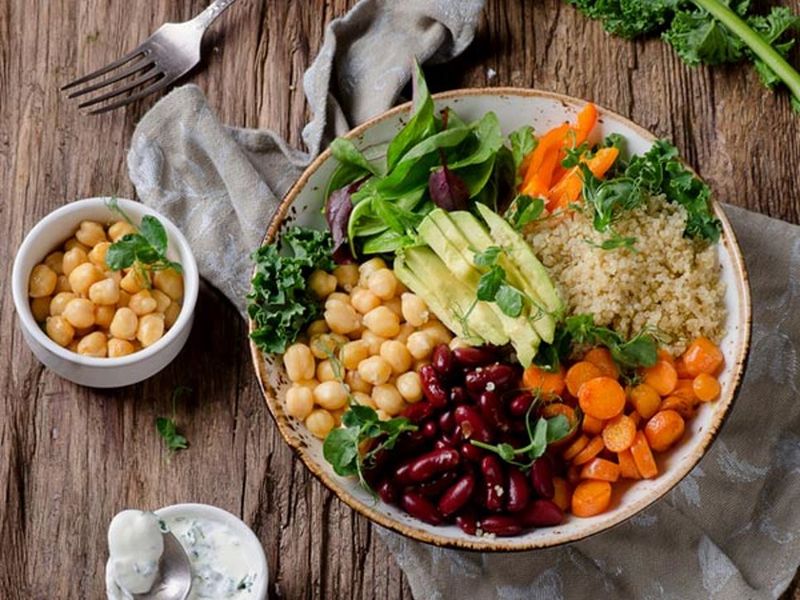
Shocking truth: that fat-free diet might be starving your body of vitamin D! Unlike water-soluble vitamins that dissolve easily, vitamin D is fat-soluble—meaning it needs dietary fat to be properly absorbed and transported through your bloodstream.
Studies show people following strict low-fat diets have up to 50% lower vitamin D levels than those eating moderate amounts of healthy fats. Without fat in your meal, vitamin D molecules just pass through your system unused, like celebrities without VIP access.
6. Artificial Sweeteners
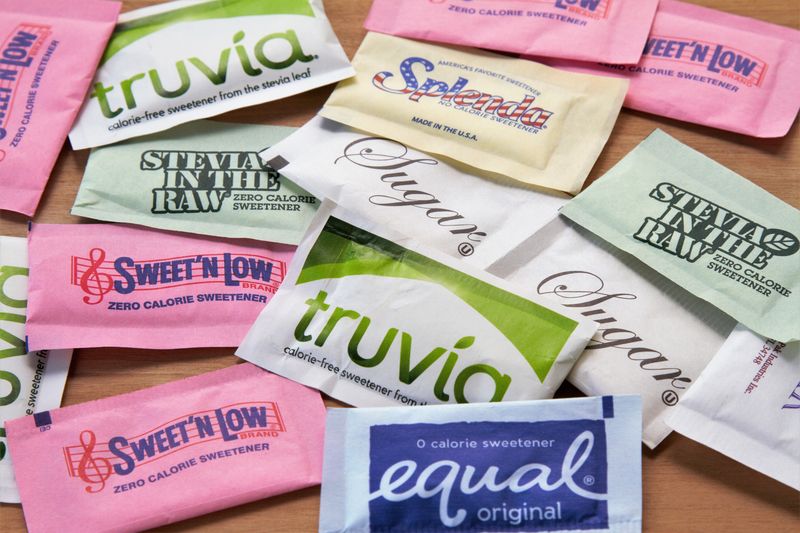
Think you’re doing your body a favor with those zero-calorie sweeteners? Think again! Artificial sweeteners like aspartame, sucralose, and saccharin don’t just mess with your taste buds—they disrupt your gut microbiome, the community of beneficial bacteria that helps process nutrients including vitamin D.
These chemical compounds alter the pH of your digestive tract, creating an environment where vitamin D absorption becomes increasingly difficult. Lab studies show rats consuming artificial sweeteners had significantly lower vitamin D utilization than control groups.
7. Raw Cruciferous Vegetables
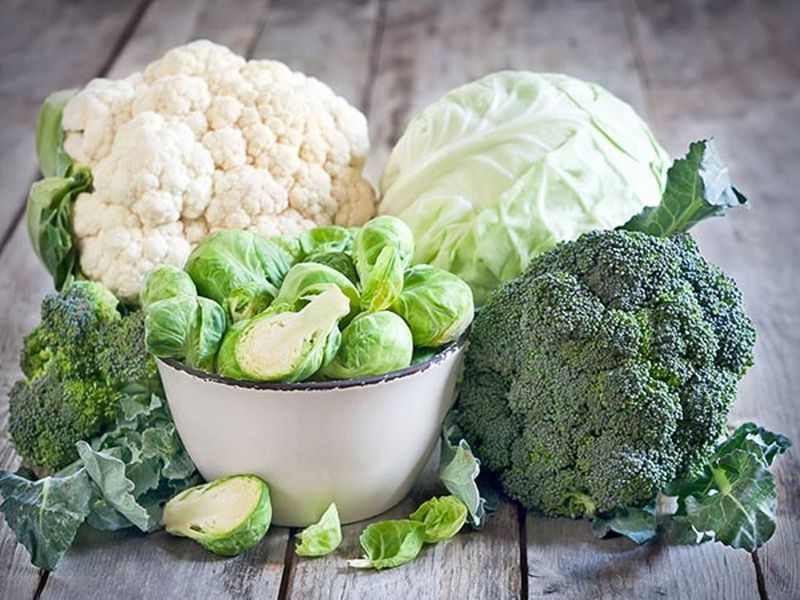
Broccoli, kale, and cauliflower might be nutrition superstars, but eating large amounts raw comes with a surprising downside! These cruciferous vegetables contain compounds called glucosinolates that, when consumed in large quantities without cooking, can interfere with thyroid function.
Why does this matter for vitamin D? Your thyroid helps regulate how efficiently your body uses this vital nutrient. When thyroid function slows, vitamin D activation and utilization plummet alongside it.
8. High-Fiber Foods
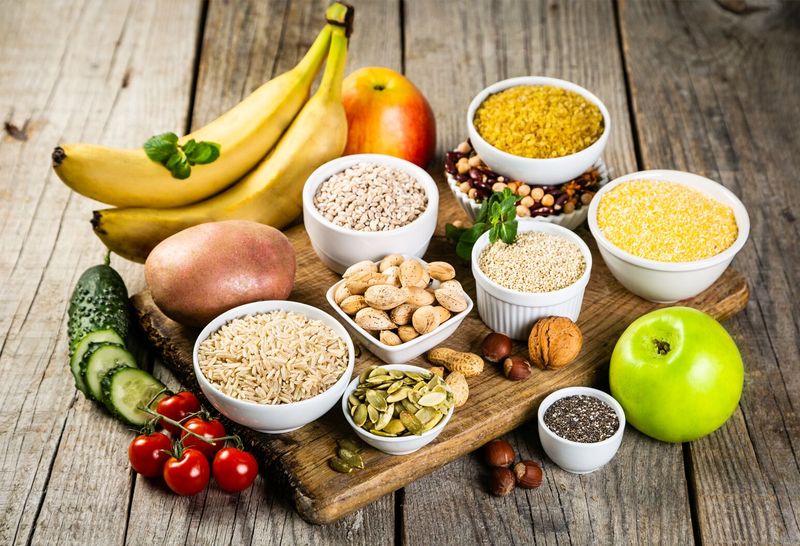
Fiber is the digestive superhero we all need—except when it goes overboard and starts kidnapping vitamins! Certain high-fiber foods like wheat bran, whole grains, and some legumes contain a specific type of fiber that acts like a broom, sweeping through your digestive tract too quickly.
This rapid transit time means vitamin D doesn’t get enough contact with intestinal walls for proper absorption. Studies show people consuming extremely high-fiber diets (over 50g daily) without balancing other nutrients often show deficiencies in fat-soluble vitamins including D.
9. High-Phytate Foods
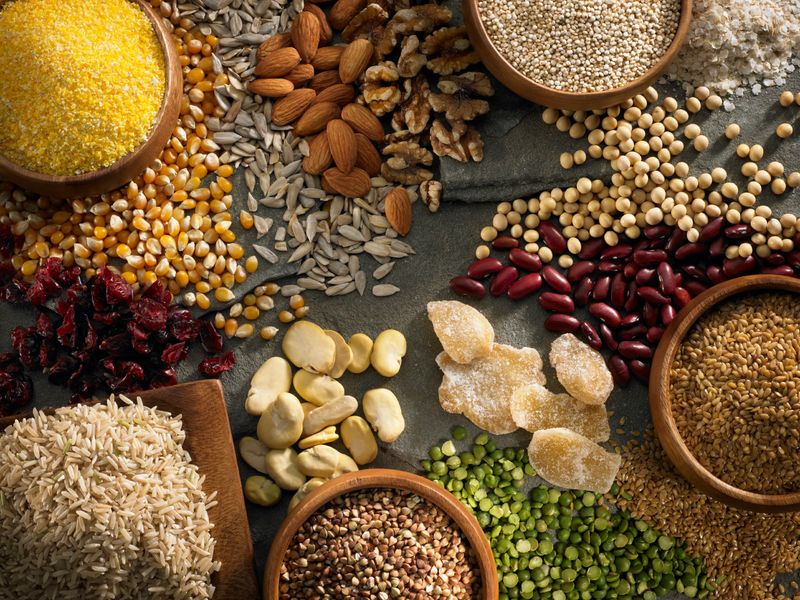
Whole grains and beans pack a nutritional punch, but they’re hiding a secret saboteur called phytic acid! This compound acts like a powerful magnet, binding to minerals including calcium and zinc—both crucial partners in vitamin D’s absorption process.
When phytates trap these minerals, they create insoluble compounds your body can’t break down or absorb. The end result? Your vitamin D is left without its essential mineral helpers, significantly reducing its effectiveness.