20 Vegetarian Asian Recipes You Can Make At Home
Savory, spicy, sweet, and umami-rich—Asian cuisine offers a world of flavor without needing meat to shine. Across bustling night markets and quiet home kitchens, vegetables take center stage in dishes that are anything but boring.
These recipes celebrate tofu that sizzles, noodles that slurp, and sauces that cling just right. If your weeknight dinners need a refresh, these 20 vegetarian Asian recipes bring bold, satisfying tastes straight to your table.
1. Crispy Vegetable Spring Rolls
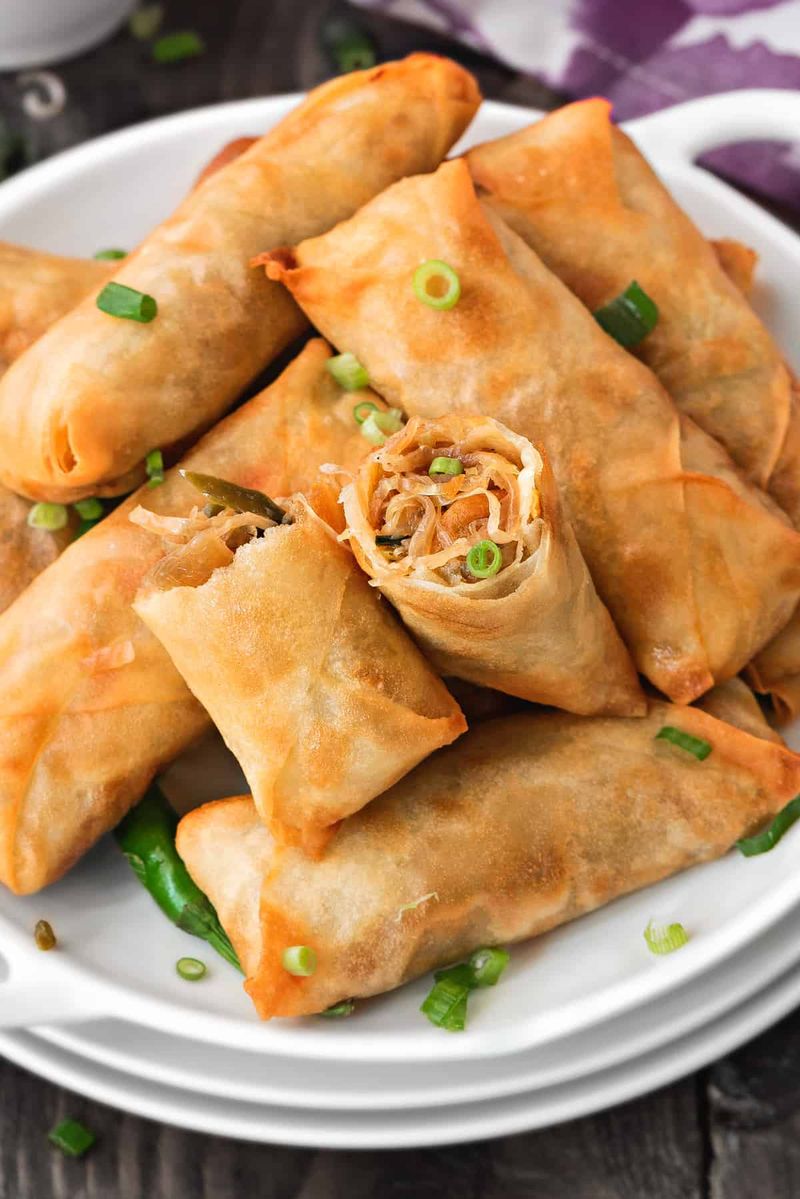
Forget takeout! These homemade spring rolls shatter with a satisfying crunch that no delivery service can maintain. Stuffed with a rainbow of julienned carrots, cabbage, mushrooms, and bean sprouts, they’re lighter and fresher than their restaurant counterparts.
The secret? Double-wrapping the filling ensures no disappointing soggy tears. A quick dip in sweet chili sauce creates the perfect balance of heat and sweetness.
2. Mapo Tofu Without Meat
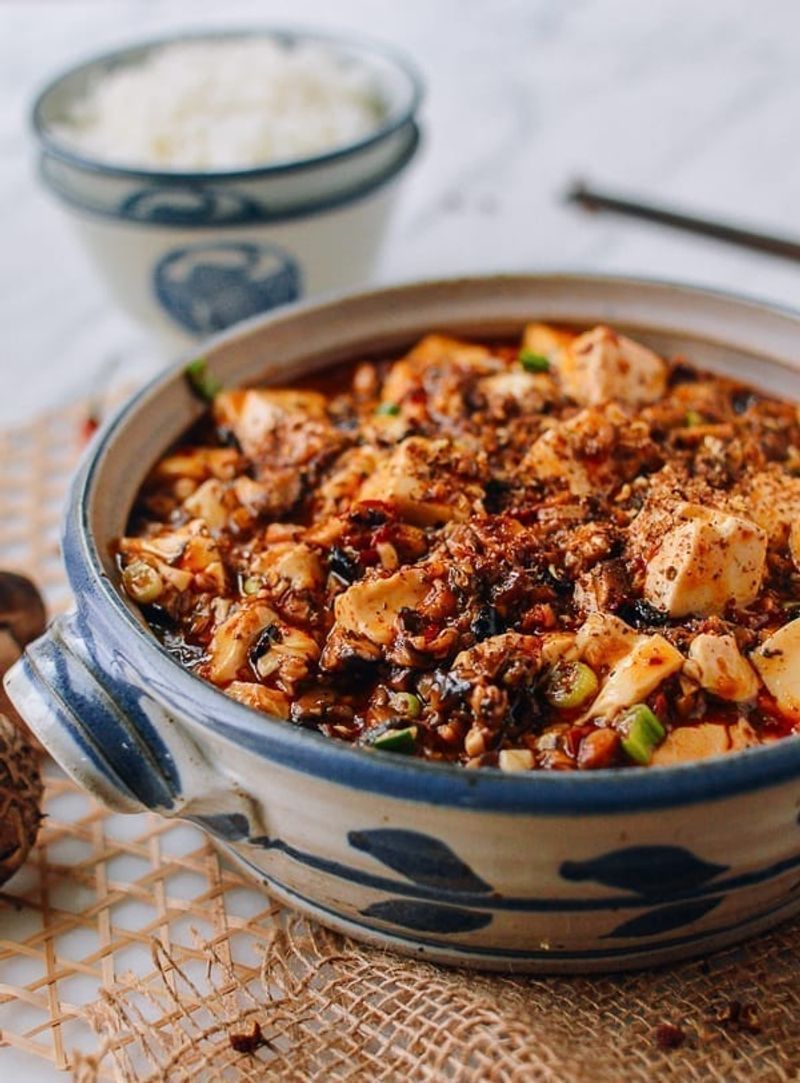
Sichuan’s famous face-numbing dish goes vegetarian without losing an ounce of its soul-satisfying punch. Silken tofu cubes float in a glossy scarlet sauce that tingles your lips with the signature málà (numbing-spicy) sensation that’s addictively good.
Fermented black beans and doubanjiang (spicy bean paste) create the complex umami foundation that makes meat unnecessary. The secret weapon? Sichuan peppercorns toasted until fragrant, then ground fresh.
3. Pad Thai With Tofu
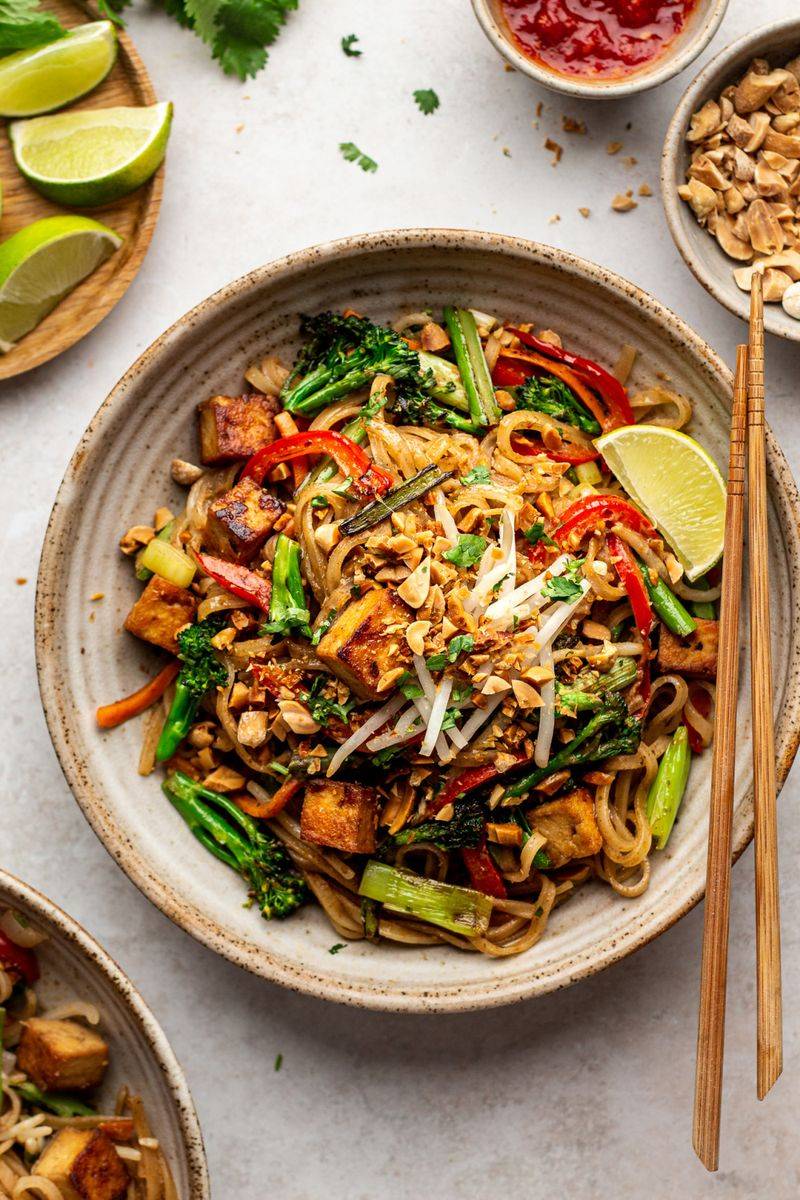
Bangkok street food magic happens in your kitchen with this noodle dish that balances sweet, sour, salty and umami in perfect harmony. Chewy rice noodles tangle with crispy-edged tofu that’s been pressed and marinated for maximum flavor absorption.
The sauce is where home cooks often stumble – ditch the ketchup shortcuts! Real tamarind paste, palm sugar and good-quality soy sauce create that authentic tang that makes pad thai irresistible.
4. Korean Kimchi Pancakes
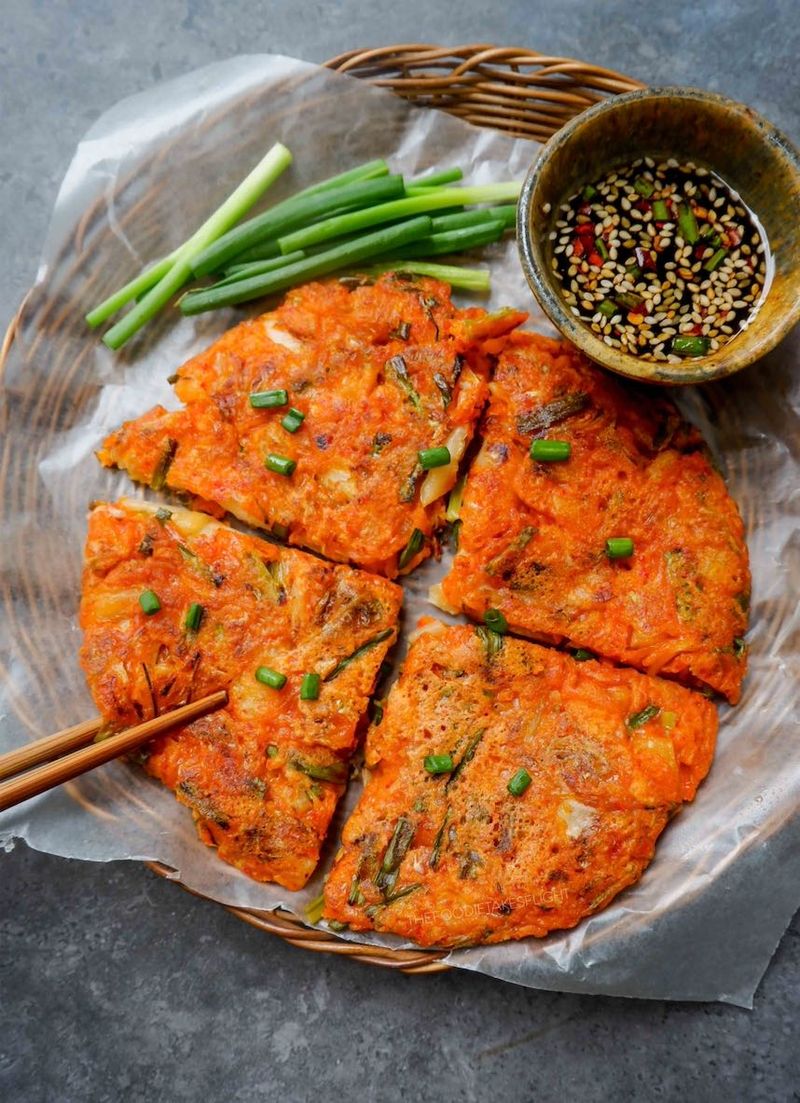
Rainy day comfort food straight from Seoul’s playbook! These savory pancakes (kimchijeon) sizzle dramatically in the pan, creating a crust that’s shatteringly crisp while maintaining a tender, slightly chewy interior studded with tangy kimchi.
Use older, more fermented kimchi for the deepest flavor punch. The batter isn’t fussy – rice flour gives it that signature texture, but all-purpose works in a pinch. Just don’t overmix! Rip these pancakes into irregular pieces rather than neat slices – that’s how Koreans do it.
5. Japanese Vegetable Tempura
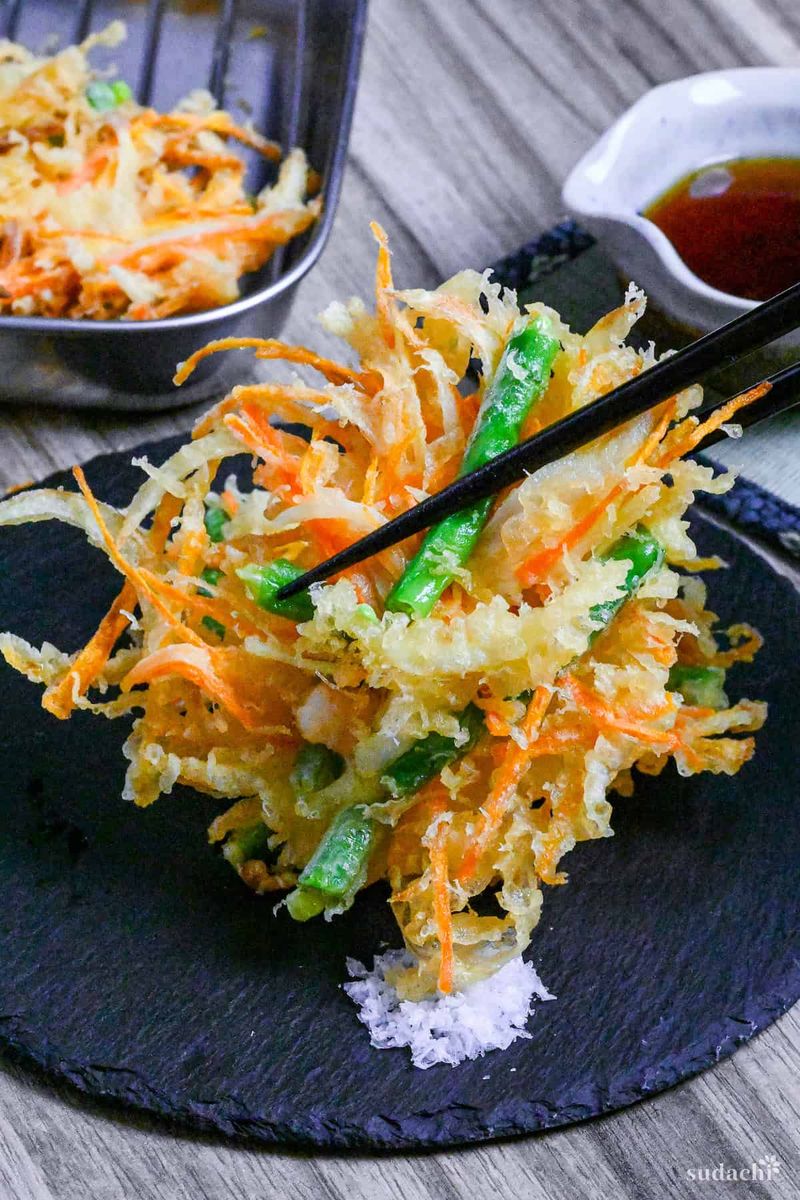
Holy grail of home cooking: achieving that ethereal, lacy tempura batter that shatters like glass! The secret isn’t complicated ingredients but ice-cold water and minimal mixing. Sweet potatoes transform into candy-like morsels while shiitake mushrooms become meaty umami bombs.
Your oil temperature is non-negotiable – 340°F creates that magical bubble pattern without greasiness. The dipping sauce (tentsuyu) should be subtle – good dashi, mirin, and soy in perfect balance. Arrange your tempura on a rack, not paper towels!
6. Vegetarian Pho
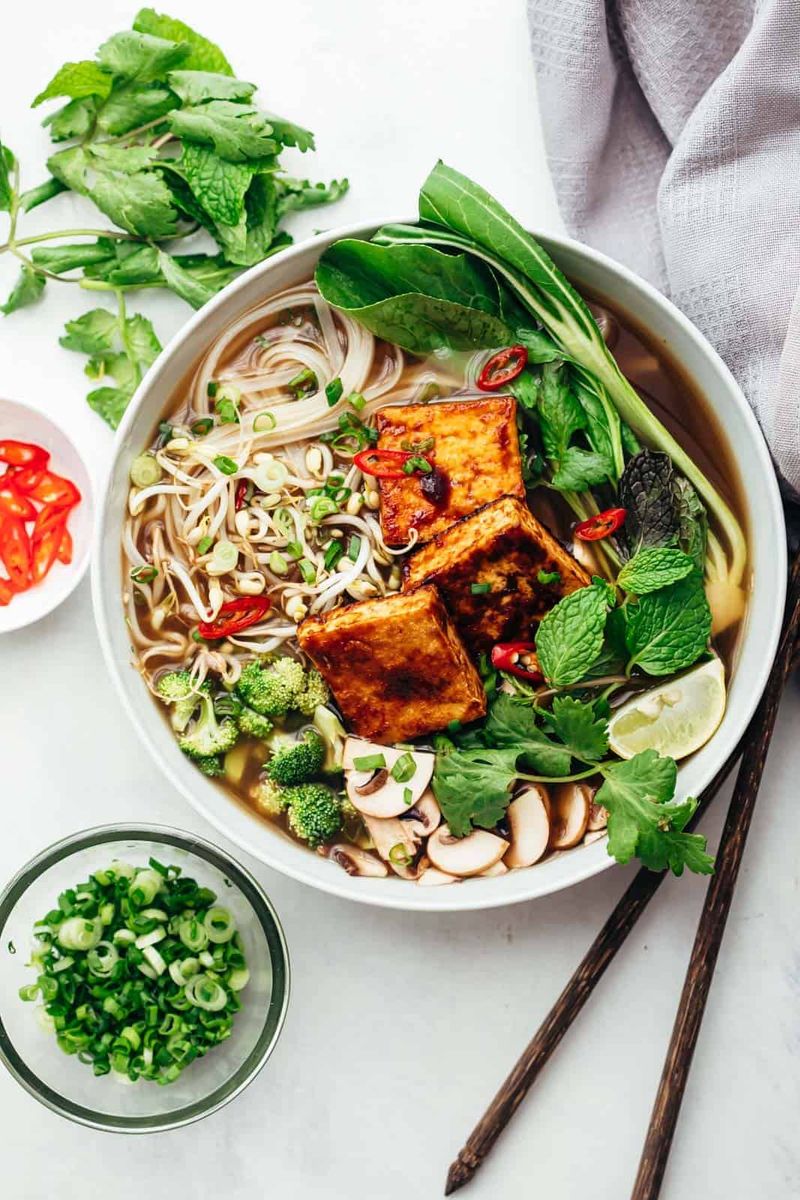
Crack the code of Vietnam’s soul-warming soup without meat! The broth is everything – charred onions and ginger create that distinctive sweetness, while star anise, cinnamon, and cloves infuse aromatic magic during a slow simmer.
Mushrooms aren’t just meat substitutes; they’re umami powerhouses. Use a mix of shiitake, oyster, and king trumpet for complex flavors and varied textures. The rice noodles should maintain that perfect bite – slightly chewy, never mushy. The herb plate isn’t optional garnish; it’s essential!
7. Vegetable Gyoza Dumplings
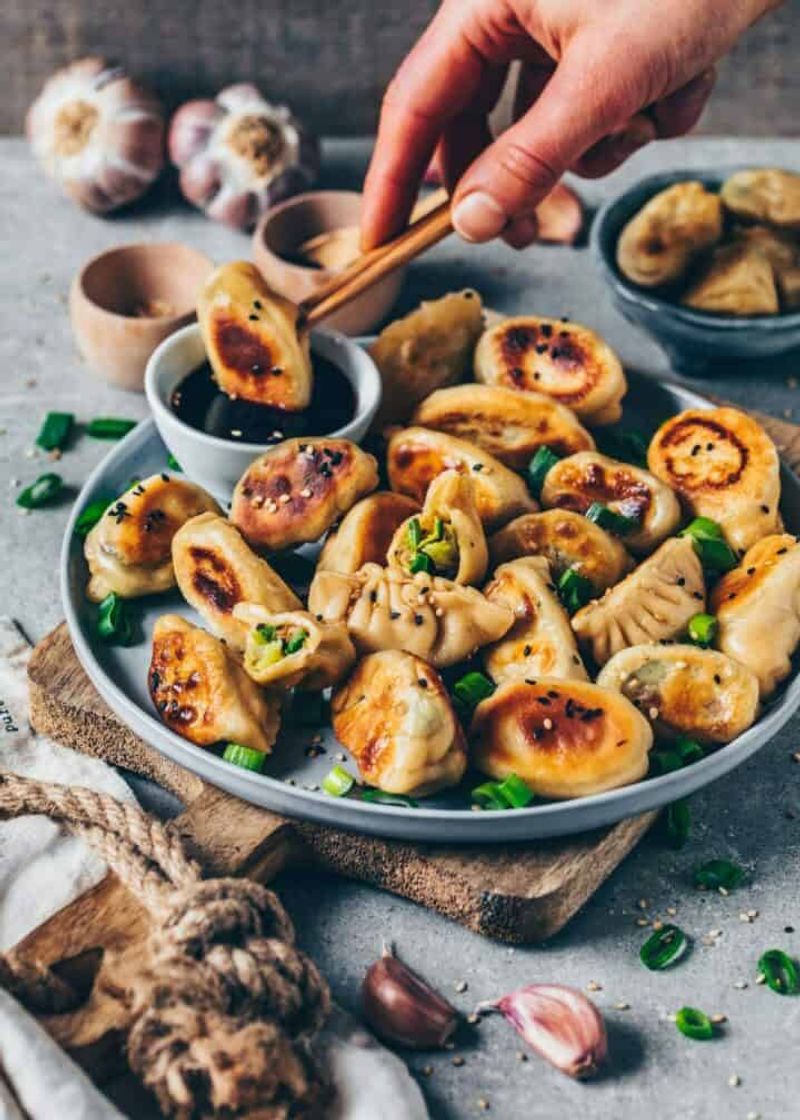
Crimping these pleated pockets of joy becomes strangely therapeutic once you find your rhythm! The filling balances cabbage, mushrooms, carrots, and garlic chives – finely chopped but not pulverized into mush. Texture matters!
Master the three-stage cooking method for dumpling perfection: First, the sear (for that irresistible crispy bottom), then a splash of water and quick cover (to steam the wrapper to translucence), finally uncover to evaporate remaining moisture (ensuring no soggy bottoms).
8. Vegetarian Bibimbap
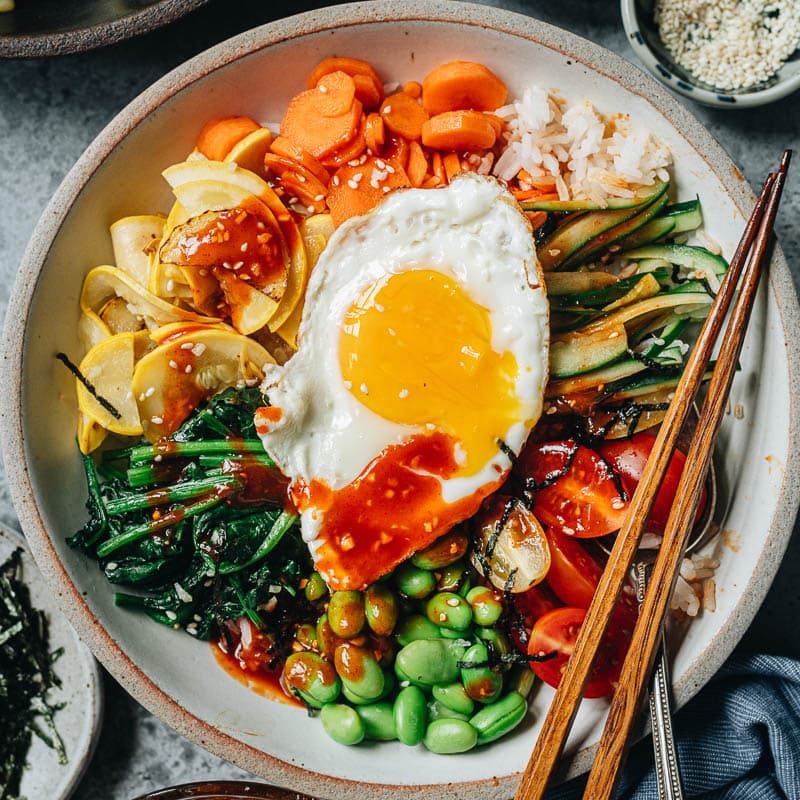
Korea’s ultimate comfort food is basically a choose-your-own-adventure in a bowl! The magic happens when you stir everything together, breaking the sunny-side-up egg to create a silky sauce that coats each grain of rice.
Banchan (side dishes) are the stars here – each vegetable should be seasoned individually rather than tossed together. Spinach with sesame oil, carrots with rice vinegar, mushrooms with soy sauce – these distinct flavor profiles create a harmonious riot in your mouth.
9. Thai Green Curry With Vegetables
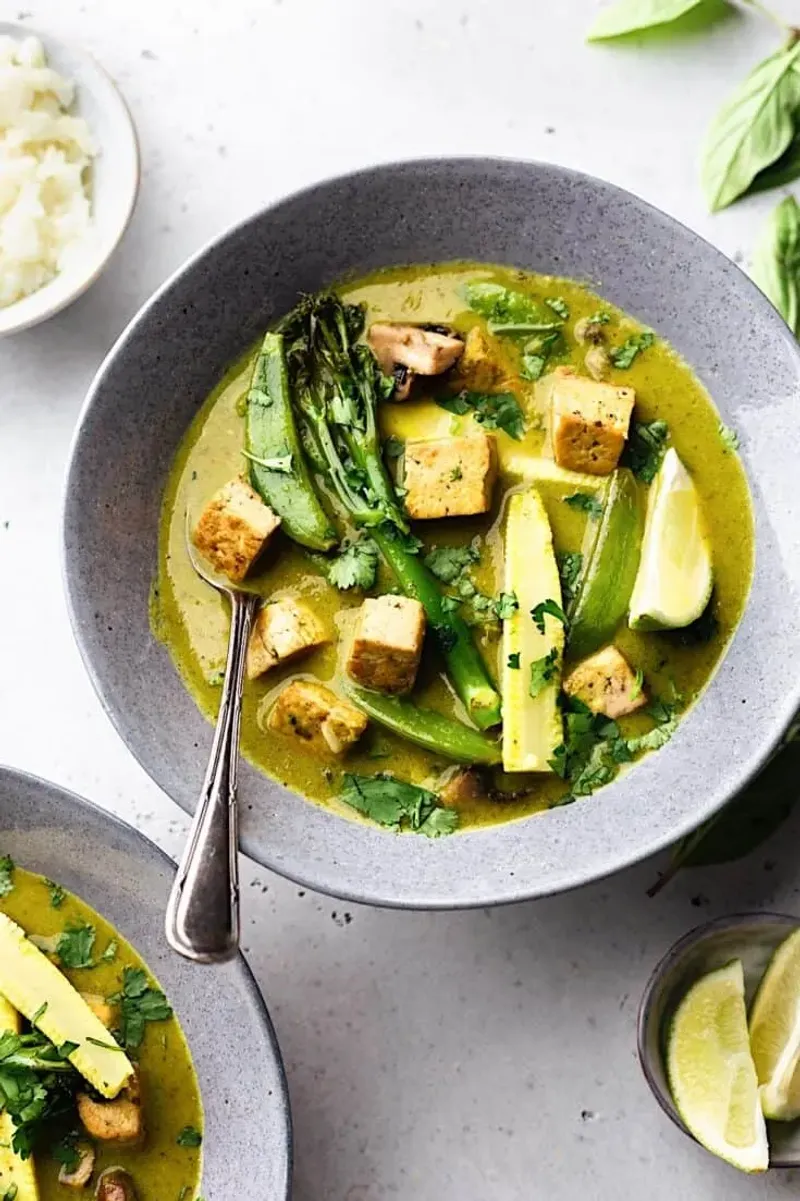
Skip those sad jarred curry pastes! Pounding fresh lemongrass, galangal, Thai chilies, and kaffir lime leaves transforms this dish from decent to transcendent. Your kitchen will smell like a Bangkok street market in the best possible way.
Coconut milk quality matters enormously here – look for brands without gums or stabilizers for that silky-smooth mouthfeel. The vegetables should maintain their vibrant colors and slight crunch; soggy vegetables are culinary heartbreak.
10. Chinese Hot And Sour Soup
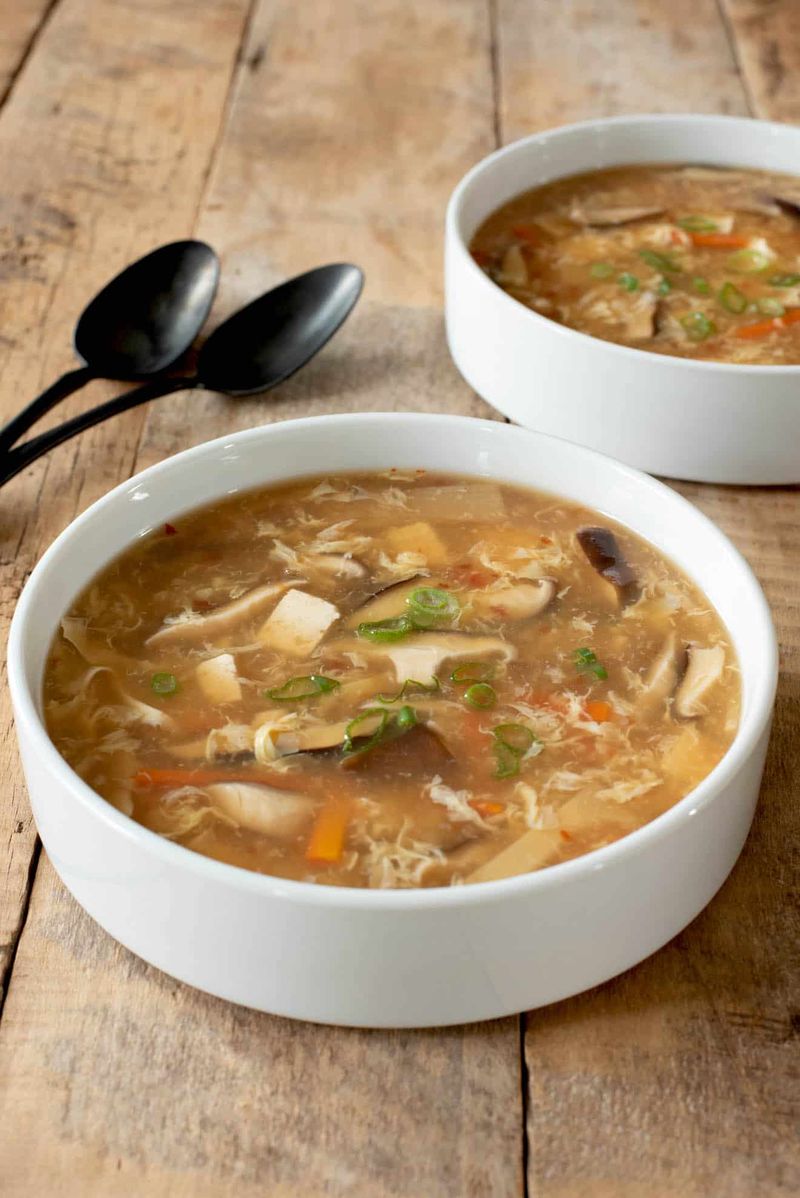
Banish winter blues with this penicillin of Chinese cuisine! The balance between vinegar’s tang and white pepper’s gentle heat creates that signature hot-and-sour profile that clears sinuses and lifts spirits.
Wood ear mushrooms aren’t negotiable – their unique crunch against the silky tofu creates textural magic. The egg ribbons should be delicate wisps, not chunky scrambled bits; the secret is drizzling beaten egg slowly into a gentle whirlpool.
11. Vegetable Biryani
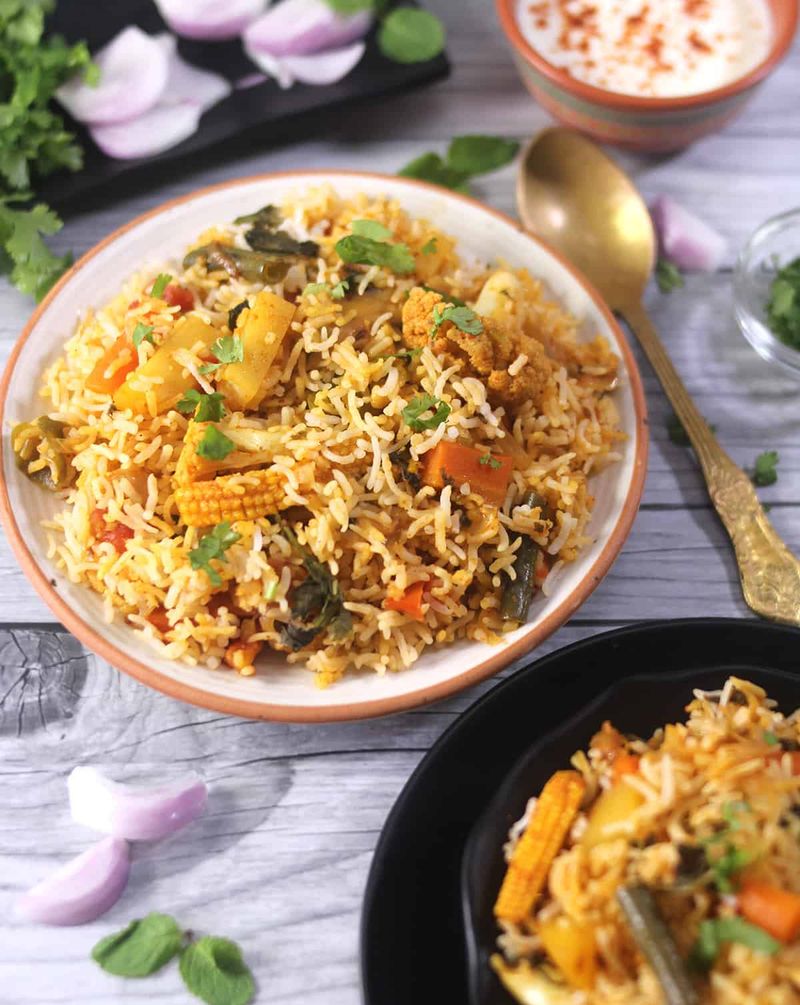
Patience rewards you with this aromatic rice dish where each grain remains distinct yet infused with complex spices. The key technique? Layering partially cooked basmati with sautéed vegetables, then sealing the pot with dough before slow-cooking – this ‘dum’ method traps every molecule of flavor.
Toast whole spices until they pop and dance before grinding – pre-ground spices create mere shadows of what this dish can be. The vegetables should maintain their integrity, not dissolve into mush.
12. Vietnamese Fresh Spring Rolls
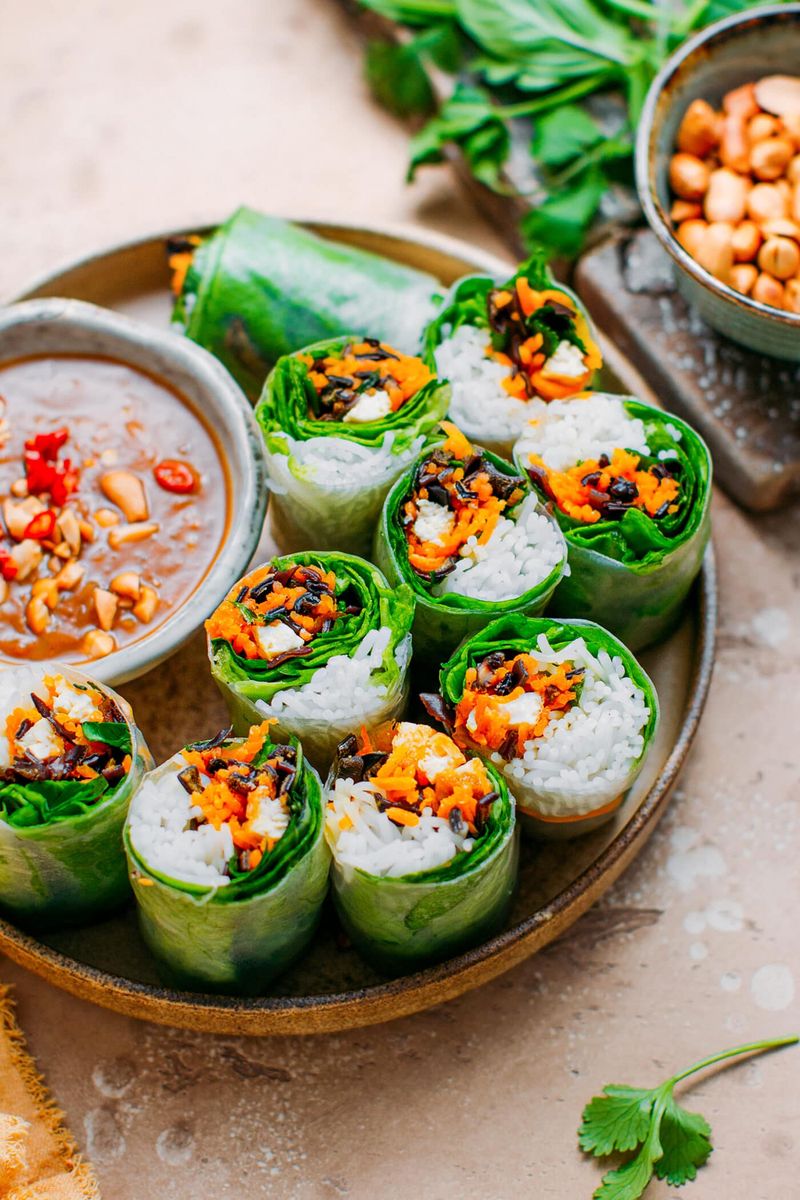
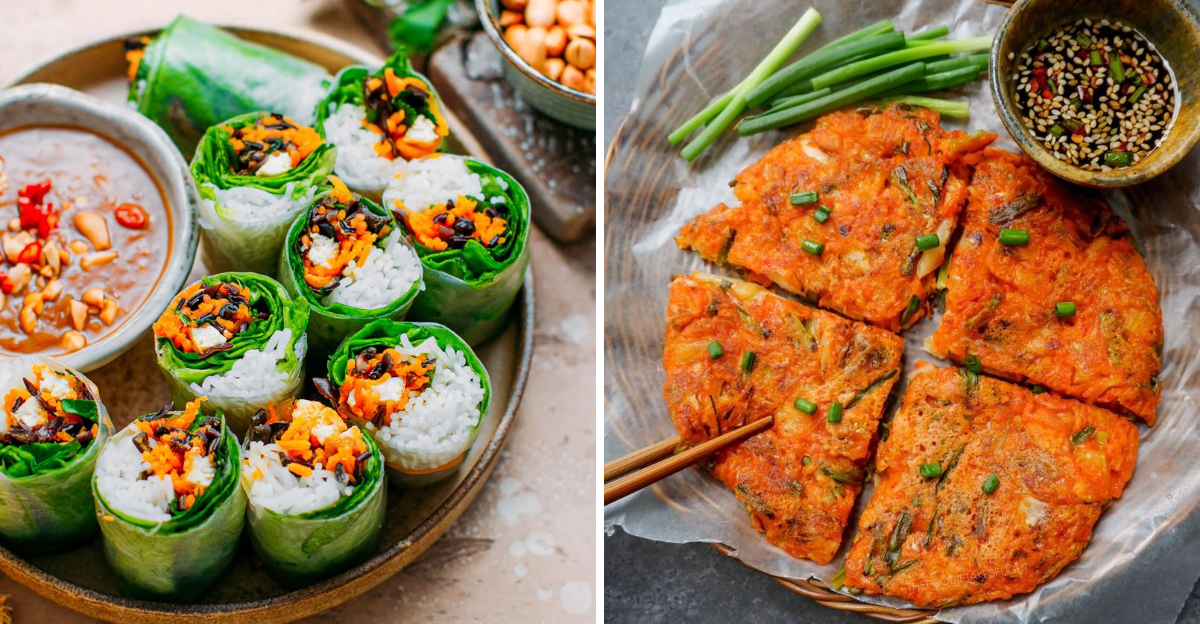
Summer captured in a translucent rice paper wrapper! Unlike their fried cousins, these rolls celebrate raw ingredients in their purest form. The rice paper should maintain that perfect tacky-but-not-sticky texture – dip quickly, don’t soak!
Layer herbs directly against the wrapper so their beauty shines through like an edible stained glass window. Vermicelli noodles should be room temperature and well-drained to prevent soggy disappointment.
13. Vegetable Miso Ramen
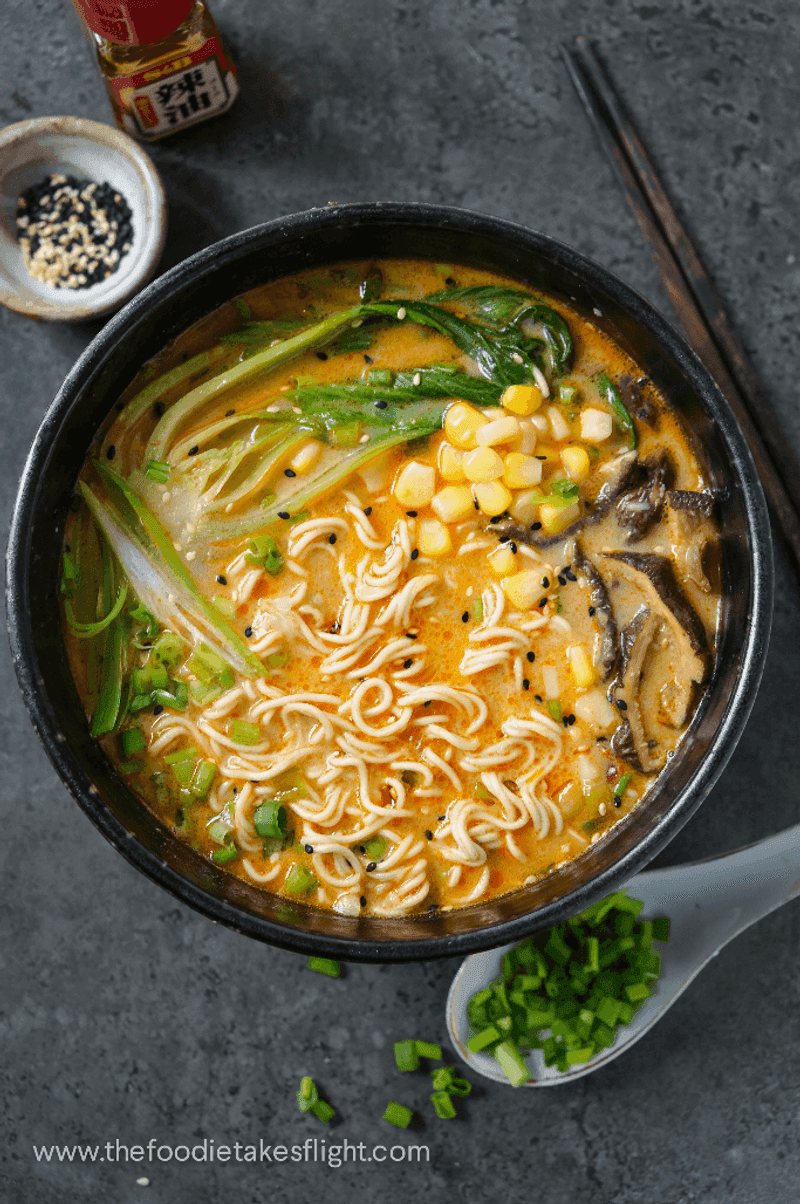
Ramen shop secrets revealed! The broth is your canvas – kombu and dried shiitakes create that elusive umami depth without meat. Caramelized onions add natural sweetness while white miso provides creamy body without heaviness.
Treat your toppings with respect: perfectly jammy eggs (6 minutes, 30 seconds precisely), corn kernels quickly blowtorched for smoky sweetness, and nori added at the last second to maintain its crispness.
14. Vegetable Manchurian
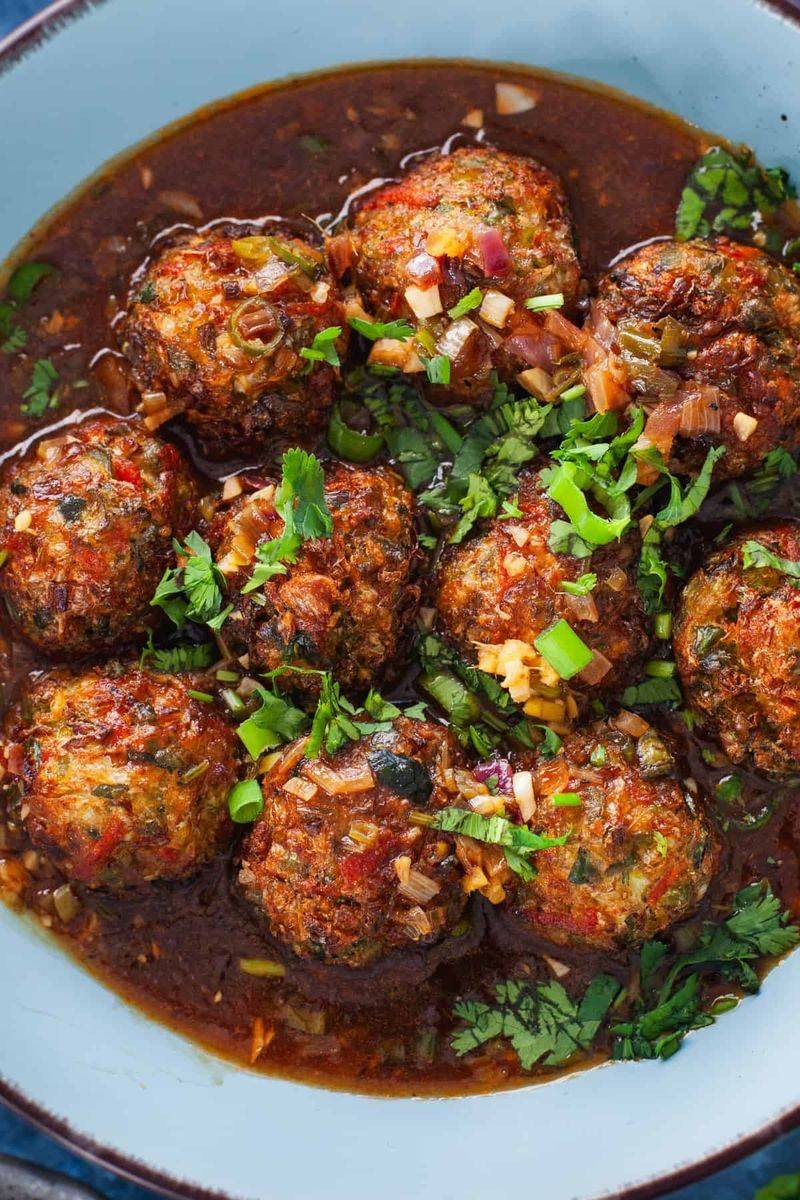
Indo-Chinese fusion at its finest! These vegetable dumplings defy gravity – crispy exteriors yield to impossibly light, fluffy centers. The secret? Squeezing every drop of moisture from the grated vegetables before mixing with the binder.
The sauce should coat each dumpling like glossy lacquer – dark soy for color, rice vinegar for tang, and a hint of ketchup for that quintessential Indo-Chinese sweetness. Cornstarch slurry is your best friend for achieving that perfect clingy consistency.
15. Vegetarian Sushi Rolls
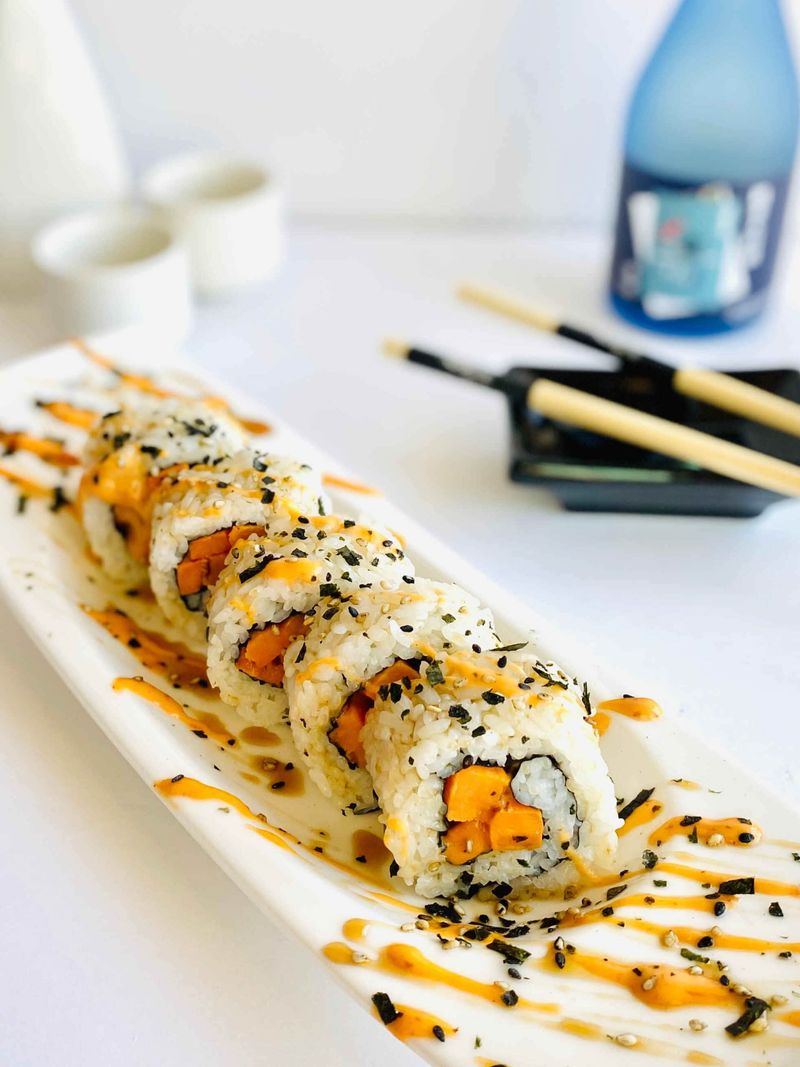
Perfectly seasoned rice is non-negotiable! The vinegar-sugar-salt ratio should create that subtle tang that makes your taste buds dance without overwhelming the fillings. Cool the seasoned rice by fanning, not refrigerating – texture matters!
Beyond cucumber and avocado lies a world of vegetarian filling possibilities. Roasted sweet potato with a whisper of maple creates unexpected magic. Pickled daikon adds electric brightness while tempura asparagus provides that satisfying crunch factor.
16. Nepalese Vegetable Momos
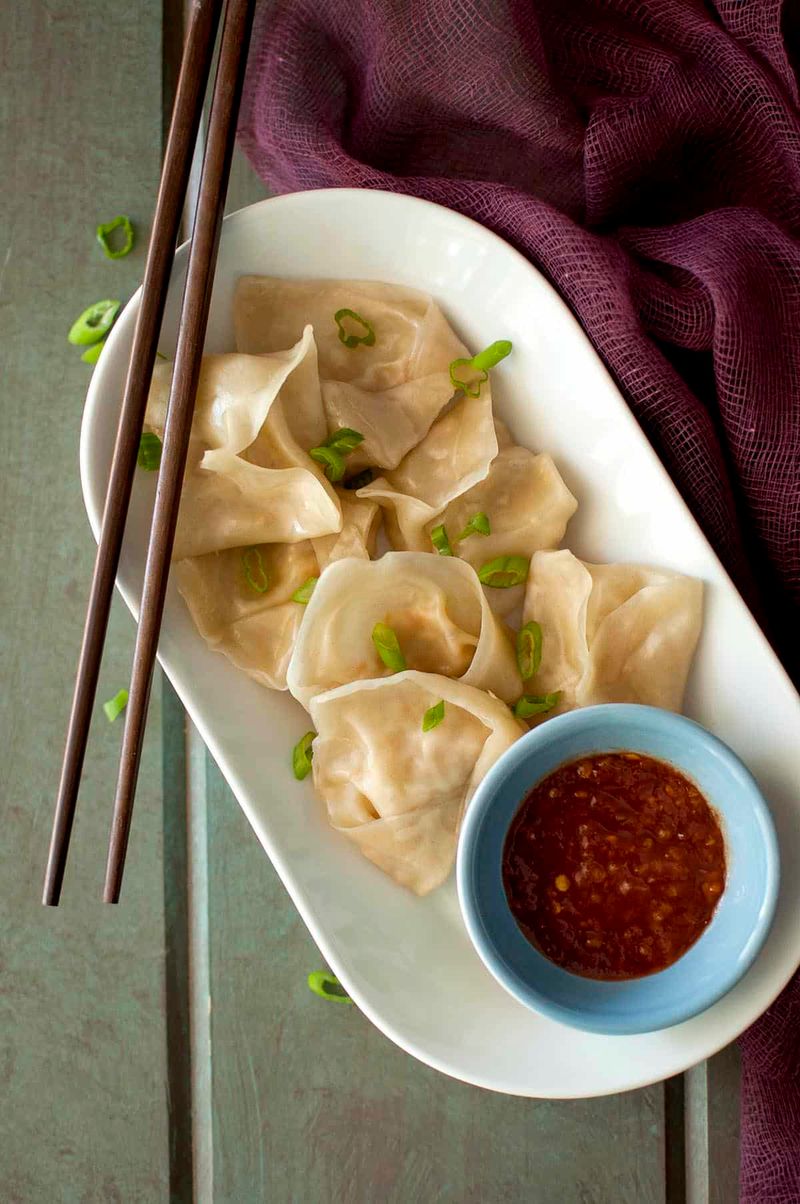
These Himalayan dumplings inspire fierce loyalty among those who’ve tasted authentic versions! The dough should be slightly thicker than gyoza wrappers but still tender – achieving that perfect chew factor that makes momos distinctive.
The filling combines finely chopped cabbage, carrots, onions and cilantro with a warming spice blend of cumin, coriander and timur (Sichuan peppercorn’s Nepalese cousin). Each pleat of the crescent-shaped wrapper isn’t just decorative – it creates texture variations when steamed.
17. Indonesian Gado-Gado
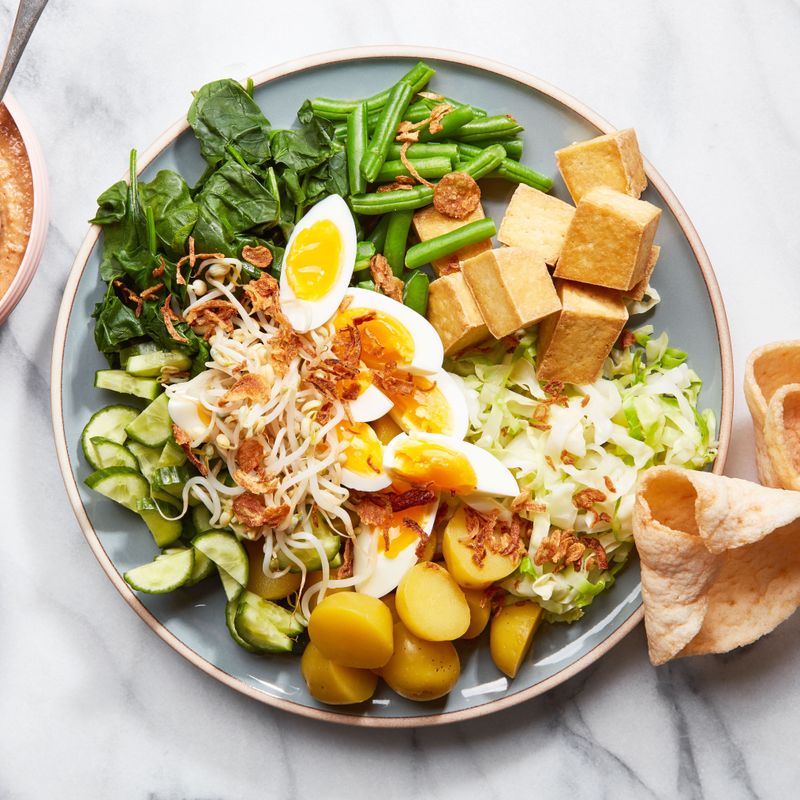
Indonesia’s most famous salad throws boring lettuce-based concoctions into sharp relief! This riot of textures combines blanched vegetables, fried tofu, boiled potatoes and crispy tempeh – each maintaining its distinct character rather than wilting into submission.
The peanut sauce reigns supreme – hand-ground for superior texture, with tamarind for tang, palm sugar for caramel notes, and chili for gentle heat. Proper Indonesian versions include kaffir lime leaves and galangal for that transportive aroma that supermarket peanut sauces can’t touch.
18. Chinese Vegetable Chow Mein
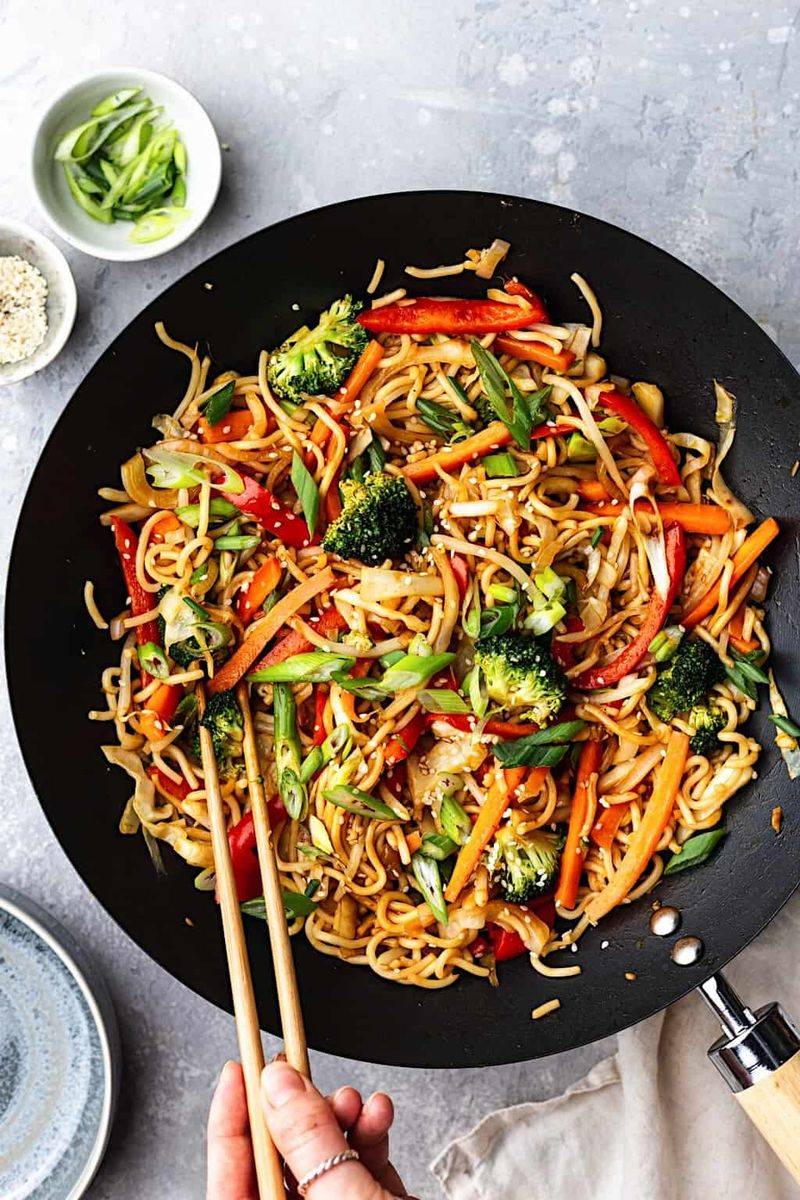
Wok wizardry transforms humble ingredients into takeout legend! The noodles must achieve that magical texture – tender with slightly crispy edges that only comes from proper wok hei (breath of the wok). Boil them just shy of done, then finish in the wok.
Vegetable cutting technique isn’t fussy precision but strategic purpose – matchstick carrots and celery cook at the same rate, while snow peas and bean sprouts need mere seconds of heat. The sauce should be light yet flavorful, coating each noodle strand without pooling at the bottom.
19. Japanese Vegetable Curry
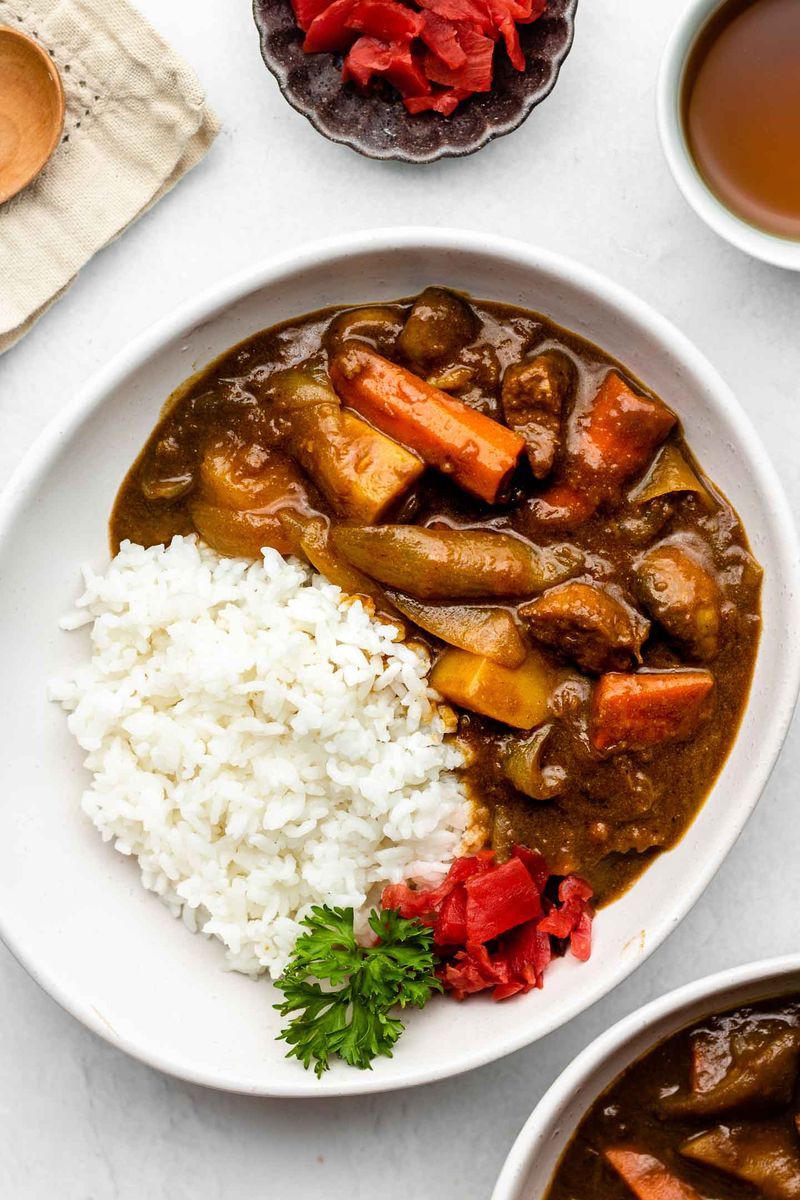
Japanese curry stands apart with its velvety, slightly sweet profile that’s more comfort food than spice adventure! The roux is everything – butter and flour cooked until it smells like toasted nuts, then mixed with curry powder that’s been bloomed in oil to awaken dormant flavors.
Chunky vegetables maintain their identity – potato cubes with slight resistance, carrots with sweetness concentrated through slow simmering, and green peas added at the last minute for vibrant color pop. The secret ingredient? Grated apple provides natural sweetness and helps tenderize the vegetables.
20. Taiwanese Scallion Pancakes
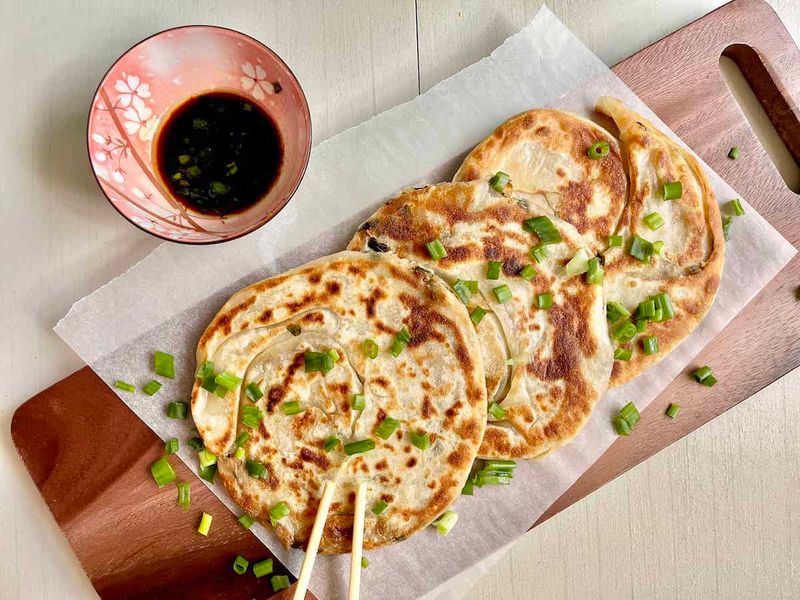
Lamination isn’t just for croissants! These flaky discs achieve their signature layers through a unique rolling technique that creates dozens of paper-thin sheets separated by sesame oil and scallions. The dough should rest twice – once after mixing and again after rolling – for maximum tenderness.
The scallions must be fresh and abundant – they’re the star, not a garnish. Cut them lengthwise instead of chopped rings for those dramatic green streaks throughout each layer. The dipping sauce balances black vinegar’s tang with soy sauce’s umami and a whisper of sugar.