15 Foods You Should Avoid While On Vacation
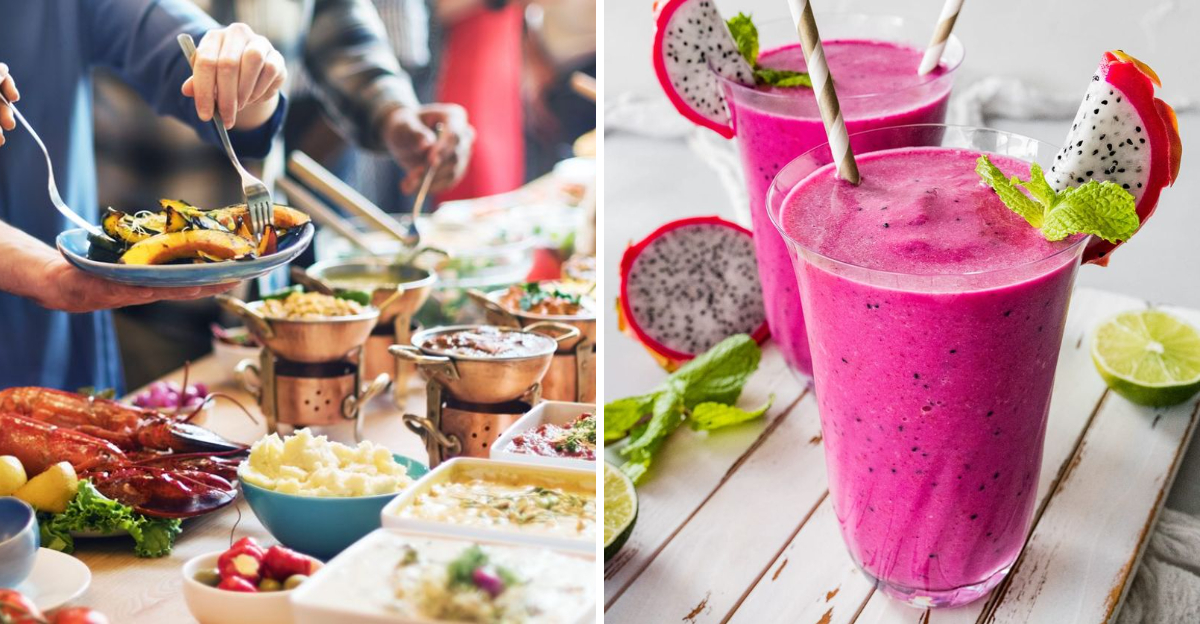
Exploring new cuisines is one of travel’s greatest joys, but not every local delicacy deserves a spot on your plate. Food poisoning can derail your carefully planned itinerary, turning dream vacations into nightmare hospital visits.
Before you dive into that tempting street food or exotic dish, consider these potentially problematic foods that might be better admired from afar than consumed during your precious vacation days.
1. Unpasteurized Dairy Products
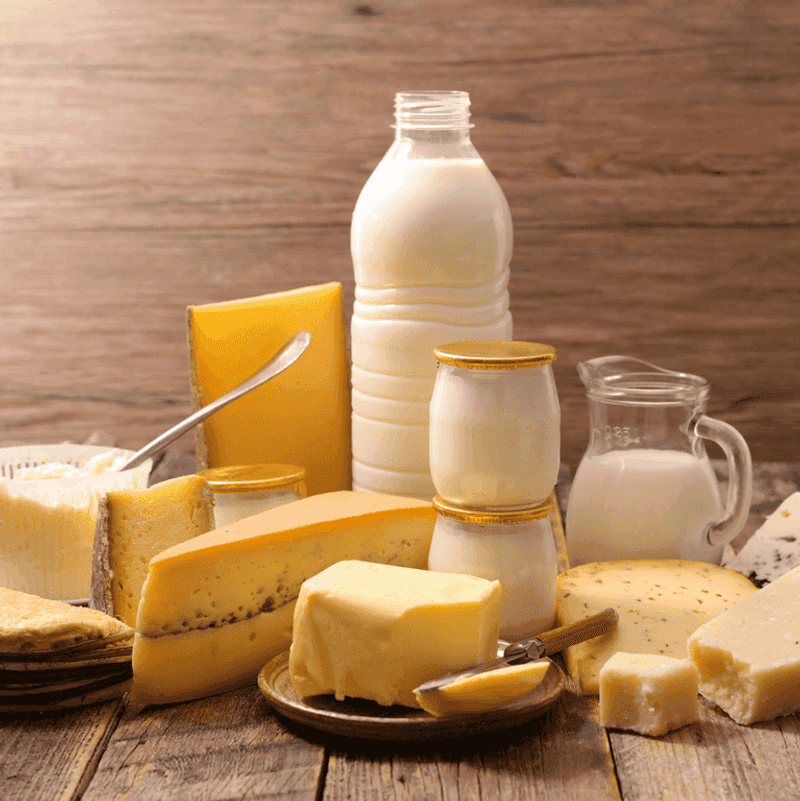
Raw milk cheeses and unpasteurized dairy might be authentic local treasures, but they harbor bacteria that your tourist tummy isn’t prepared to handle. In countries with less stringent food safety regulations, these products frequently cause severe digestive distress.
The bacteria lurking in these creamy delights—like Listeria and E. coli—don’t announce their presence with odd smells or tastes. They silently multiply until they’ve colonized your intestines.
2. Roadside Fruit Smoothies
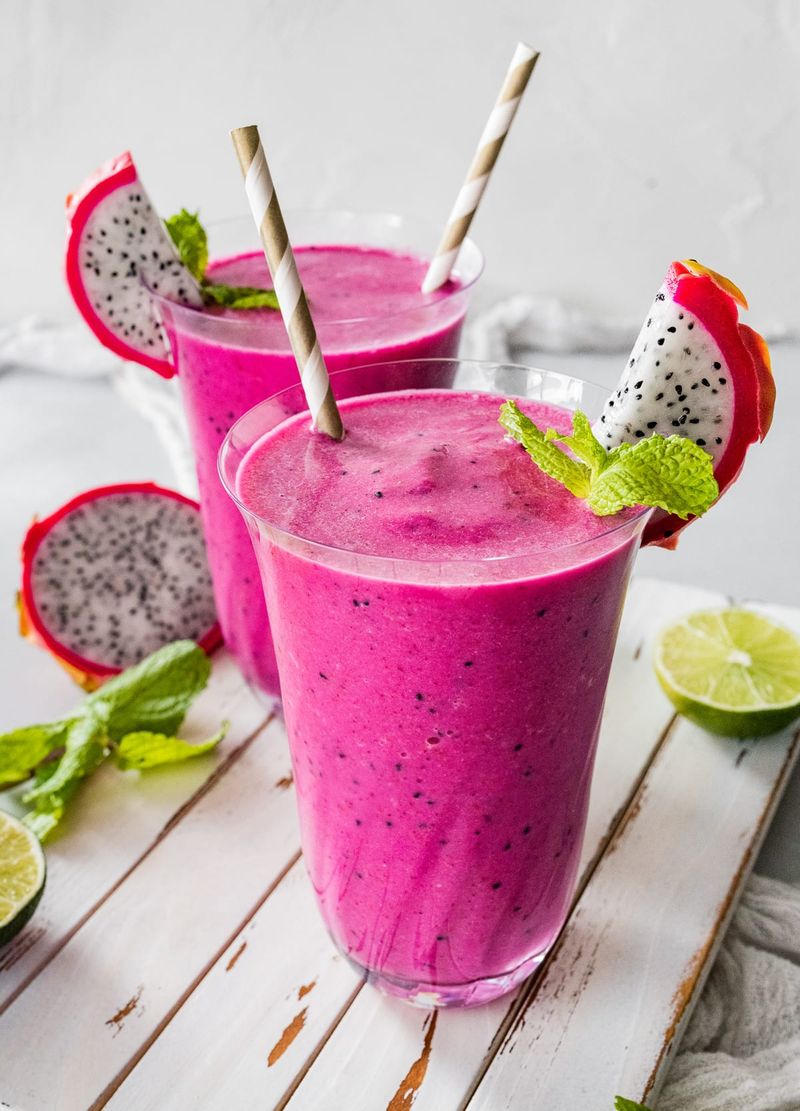
Colorful fruit smoothie stands beckon with promises of refreshing, healthy treats. What they don’t advertise is the ice made from local tap water that could contain microorganisms your system has never encountered.
Many vendors use unwashed fruits or prepare drinks with ungloved hands. The blenders rarely receive thorough cleaning between orders, creating a bacterial playground.
3. Buffet Food Past Its Prime
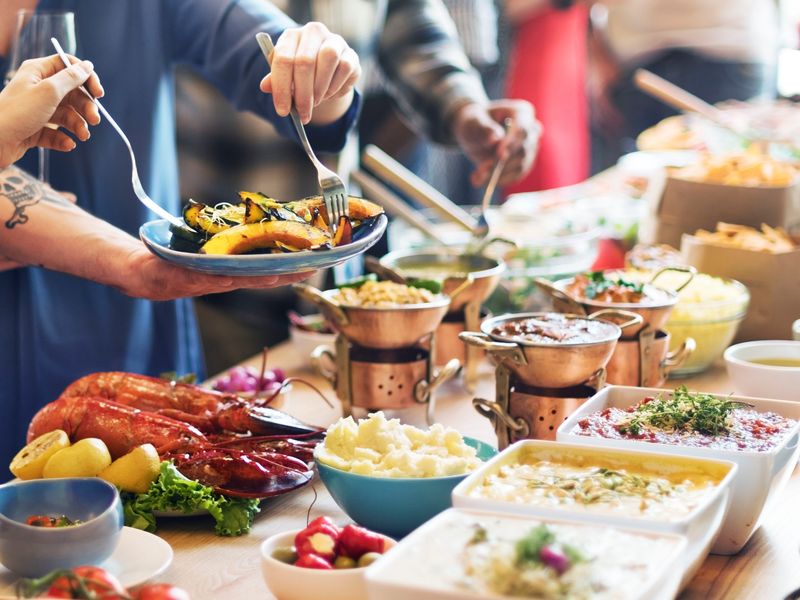
Hotel buffets sitting under heat lamps for hours create perfect conditions for bacterial growth. That eggs Benedict that looked appealing at 7 AM becomes a microbial metropolis by 10 AM, especially in tropical climates where bacteria multiply faster than tourist selfies.
Foods containing mayonnaise, dairy, and seafood are particularly dangerous when they hit the temperature danger zone. Resort buffets often prioritize appearance over proper temperature maintenance.
4. Tap Water and Ice Cubes
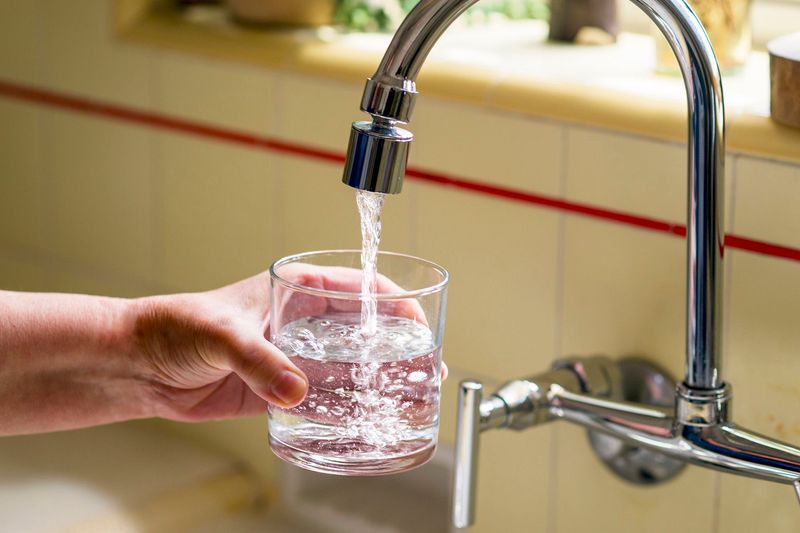
Technically not a food, but tap water causes more vacation illnesses than any actual food item. Different regions have different microbes that locals have built immunity to—but your gut hasn’t gotten that memo.
Those innocent ice cubes in your cocktail might as well be tiny bacterial time bombs. Even brushing teeth with tap water introduces enough microorganisms to trigger digestive rebellion.
5. Pre-Cut Fruit Platters
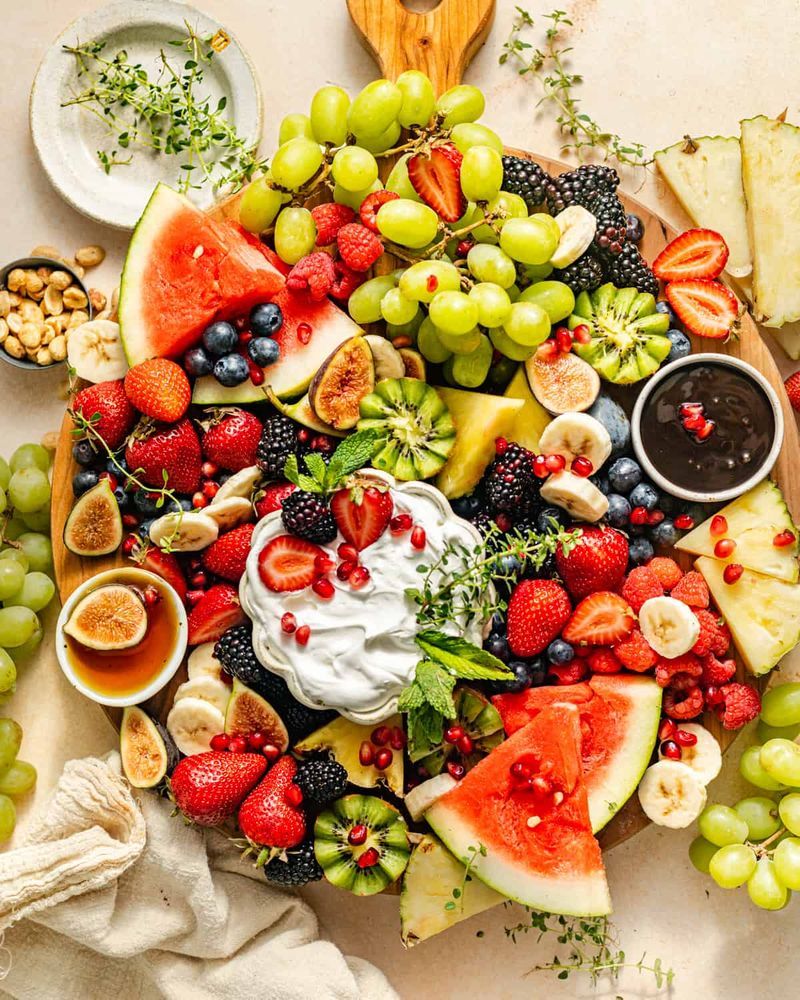
Those beautiful fruit platters at markets and beachside vendors look like healthy vacation treats. The problem? Once fruit is cut, its protective skin barrier disappears, creating an open invitation for bacteria.
Vendors rarely have proper refrigeration or sanitary cutting conditions. Fruit sits in the heat, collecting flies and microbes while waiting for hungry tourists.
6. Undercooked Street Meat
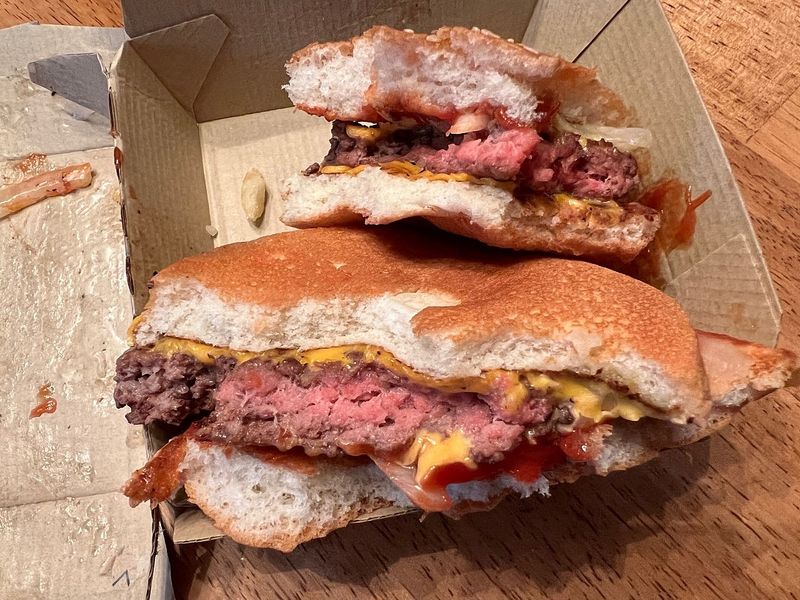
Street meat skewers sizzling over makeshift grills create some of travel’s most tempting aromas. Unfortunately, the char marks on the outside don’t guarantee safe temperatures inside where parasites and bacteria might still be hosting their own vacation.
Vendors often pre-cook meats partially, then finish them quickly for customers. This practice leaves dangerous cold spots in the center of thicker cuts.
7. Uncooked Shellfish
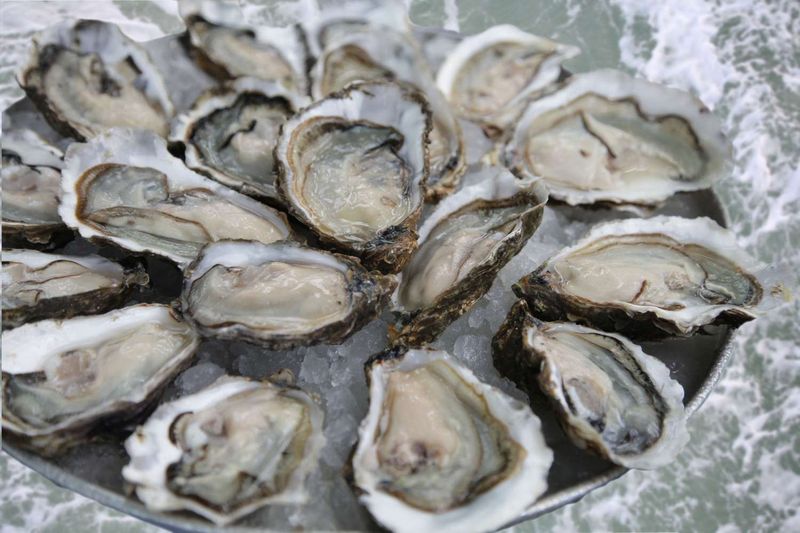
Raw oysters and clams might be gourmet delicacies, but they’re also filter feeders that concentrate whatever pollutants exist in their environment. That includes bacteria, viruses, and toxins that cooking would normally destroy.
Even in developed countries with strict food safety standards, shellfish cause thousands of illnesses annually. In areas with less regulation, the odds worsen dramatically.
8. Unwashed Fresh Vegetables
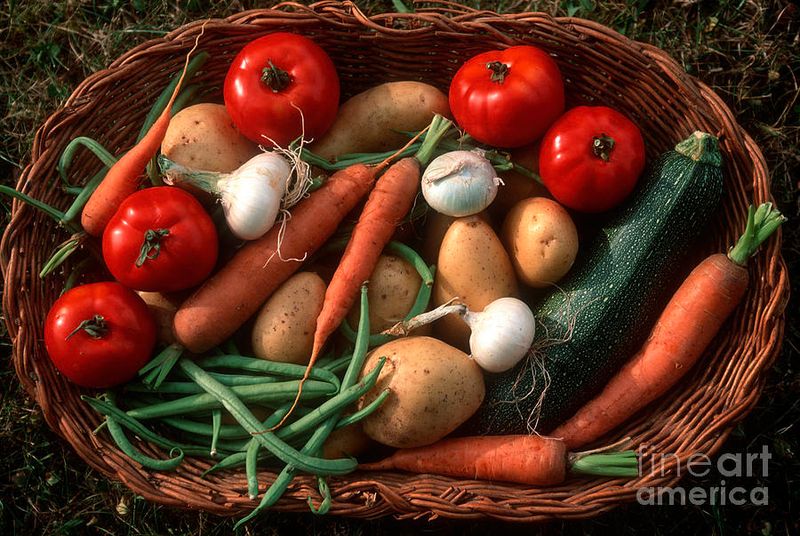
Fresh salads sound like the perfect light meal in tropical heat, but uncooked vegetables often harbor soil-borne parasites and bacteria. Many countries use human waste as fertilizer, creating direct pathways for parasites to reach your intestines.
Local water used to rinse produce might introduce the very pathogens you’re trying to avoid. Even fancy restaurants sometimes skip proper vegetable sanitation procedures.
9. Roadside Mayo-Based Salads
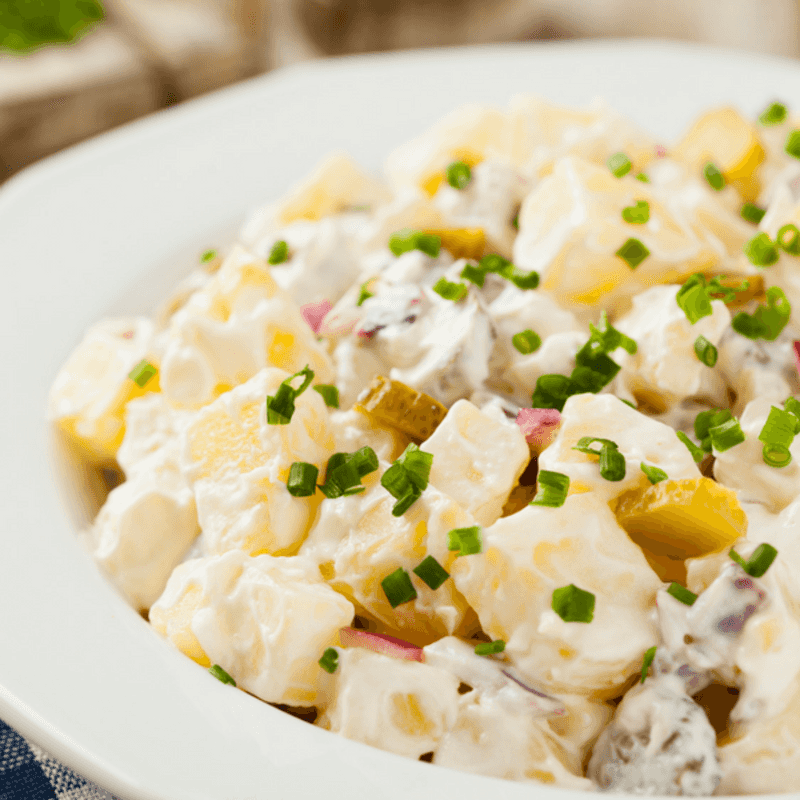
Potato salad, coleslaw, and other mayo-dressed side dishes are bacterial breeding grounds when left unrefrigerated. Mayo creates perfect conditions for rapid bacterial growth, especially in warm climates where temperatures accelerate the process.
Street vendors and small cafes rarely maintain proper cold chains. That creamy salad might have been sitting at dangerous temperatures for hours before reaching your plate.
10. Exotic Game Meat
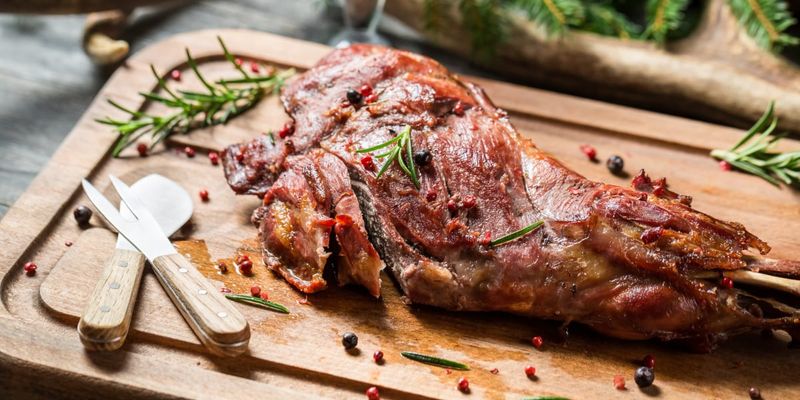
Trying rare exotic meats might seem adventurous, but many carry unique parasites and pathogens not found in conventional livestock. Bushmeat and uncommon game animals often lack the safety inspections required for commercial meats.
Some regions serve endangered species illegally, creating ethical concerns alongside health risks. Preparation methods may not account for the specific cooking requirements needed to neutralize unusual pathogens.
11. Unwashed Or Unpeeled Fruits
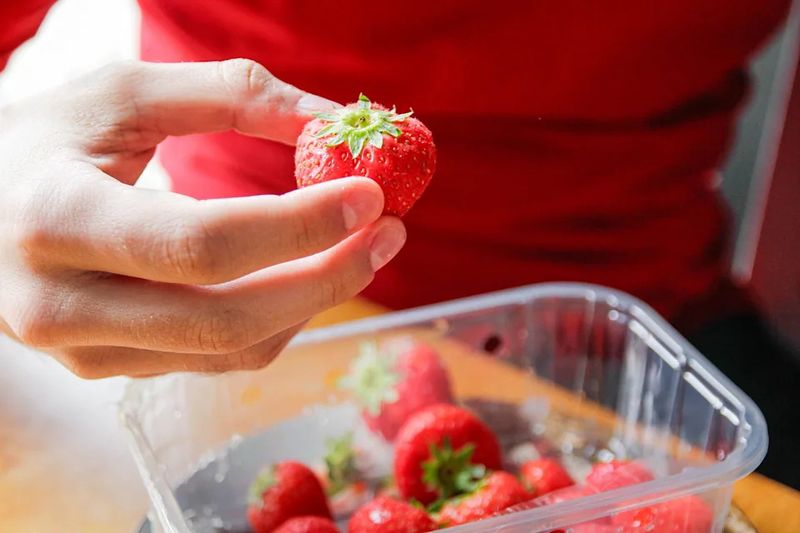
Market stalls overflowing with colorful local fruits tempt travelers seeking healthy snacks. But fruits with edible skins often harbor pesticides, bacteria, and parasites on their surfaces that local water rinses won’t remove.
Vendors frequently handle fruits with unwashed hands after touching money. In regions with limited sanitation, produce may be exposed to contaminated water during growing or transportation.
12. Reheated Rice Dishes
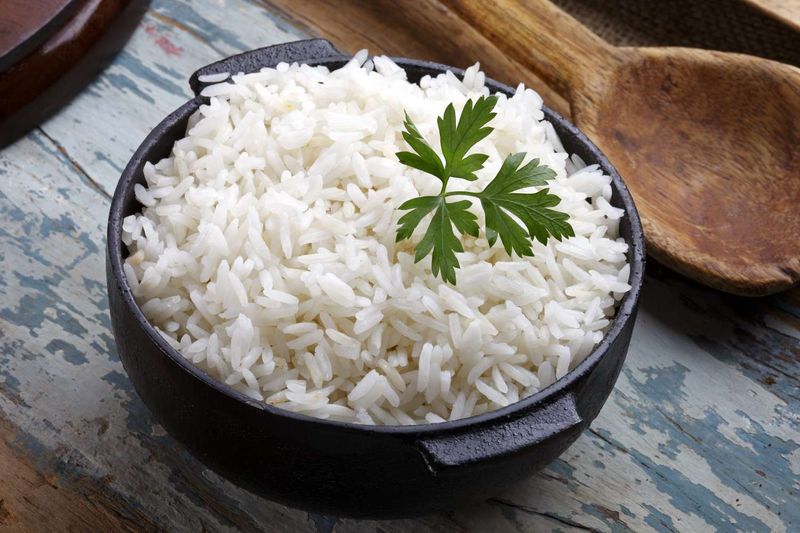
Rice harbors Bacillus cereus, bacteria whose spores survive cooking and multiply rapidly at room temperature. Reheated rice from buffets or street vendors often sits for hours in the danger zone, allowing toxin production that causes severe vomiting and diarrhea.
Even upscale restaurants sometimes prepare rice in advance, storing it improperly before reheating. The resulting toxins can’t be destroyed by reheating, creating an invisible threat.
13. Buffet Seafood
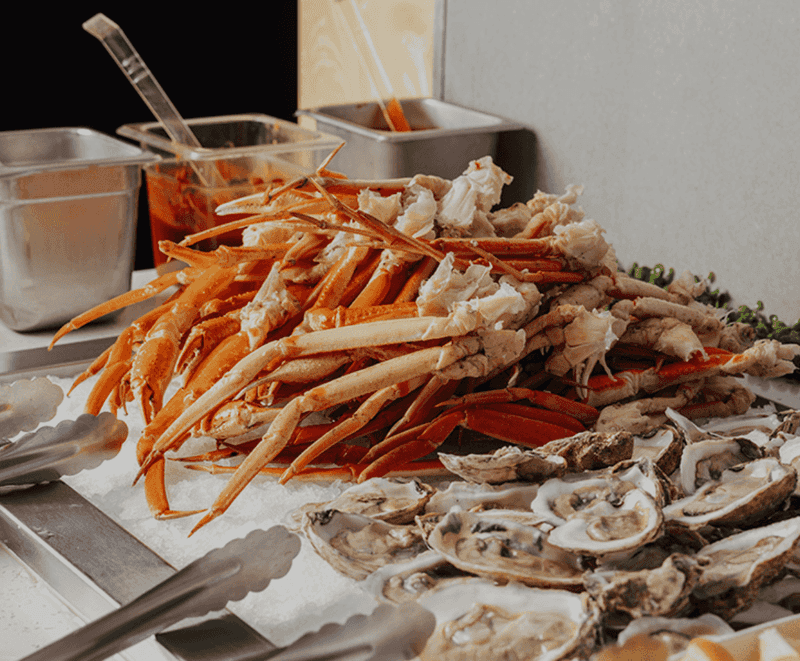
Seafood deteriorates faster than virtually any other protein, making buffet presentations particularly risky. That elegant shrimp display might have crossed the safety threshold hours ago, especially if temperature control is inconsistent.
Many tropical destinations feature seafood prominently but lack cold-chain infrastructure. Even high-end resorts sometimes struggle with proper seafood handling in remote locations.
14. Unpasteurized Fruit Juices
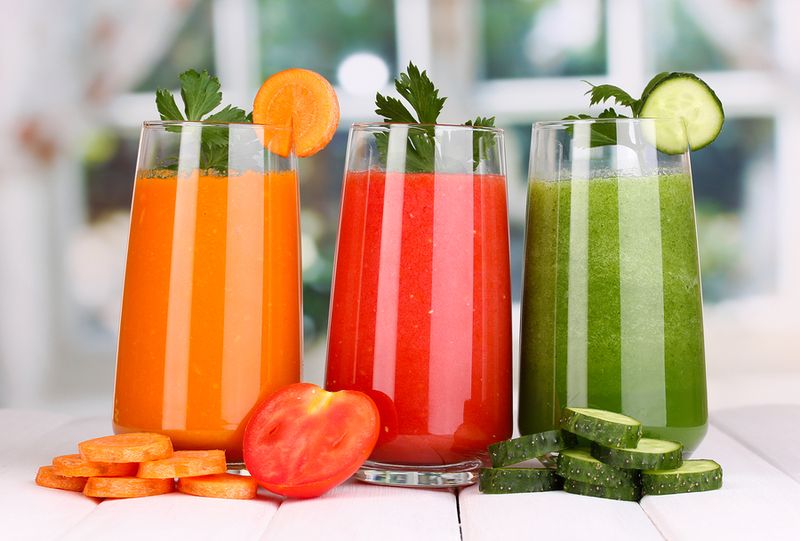
Freshly squeezed juices from street vendors promise authentic flavor experiences but deliver unpasteurized pathogen potential. Without heat treatment, juices can harbor harmful bacteria from the fruit’s surface, the vendor’s hands, or contaminated equipment.
In tropical countries, vendors rarely sanitize juicing equipment between customers. The residue from previous orders creates a bacterial slurry that contaminates each new serving.
15. Communal Condiments
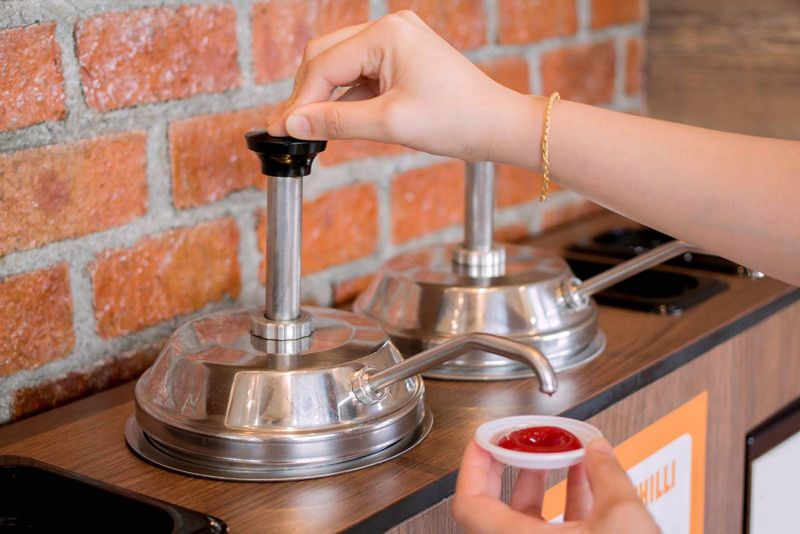
Those shared ketchup bottles and open salsa containers on restaurant tables collect germs from every diner who touches them. Studies have found that restaurant condiment containers harbor more bacteria than toilet seats in the same establishments.
Open containers sitting at room temperature allow bacteria to multiply throughout the day. Many restaurants refill containers rather than replacing them, allowing contamination to build over time.