30 Tips For Cooking Excellent Eggs

If you’ve ever found yourself puzzled in the kitchen, unsure how to achieve that perfect egg dish, you’re not alone.
Cooking eggs to perfection is both an art and a science. Eggs are versatile, but mastering their nuances can elevate your breakfast game to new heights.
Here are 30 unique and practical tips to transform your egg-cooking skills, ensuring every dish you prepare is nothing short of excellent.
1. Choose Fresh Eggs
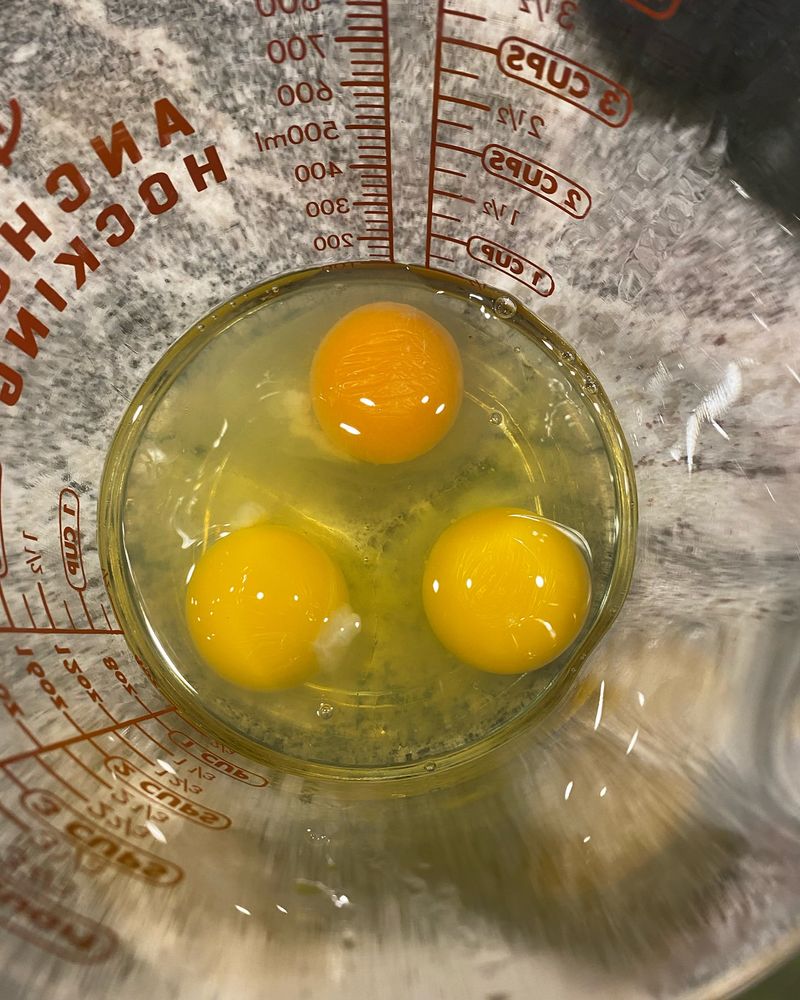
How do you know if your eggs are fresh? If they sink in water, they’re fresh; if they float, maybe not. Fresh eggs deliver better texture and taste for any dish. Fresher whites whip up more robust meringues. It’s advisable to buy from trusted sources, preferably within a week of laying.
When in doubt, perform a quick freshness test before cooking. Hence, always keep track of the date and quality of your eggs. Remember, fresher eggs make for a superior culinary experience, whether you’re poaching or scrambling them.
2. Proper Storage
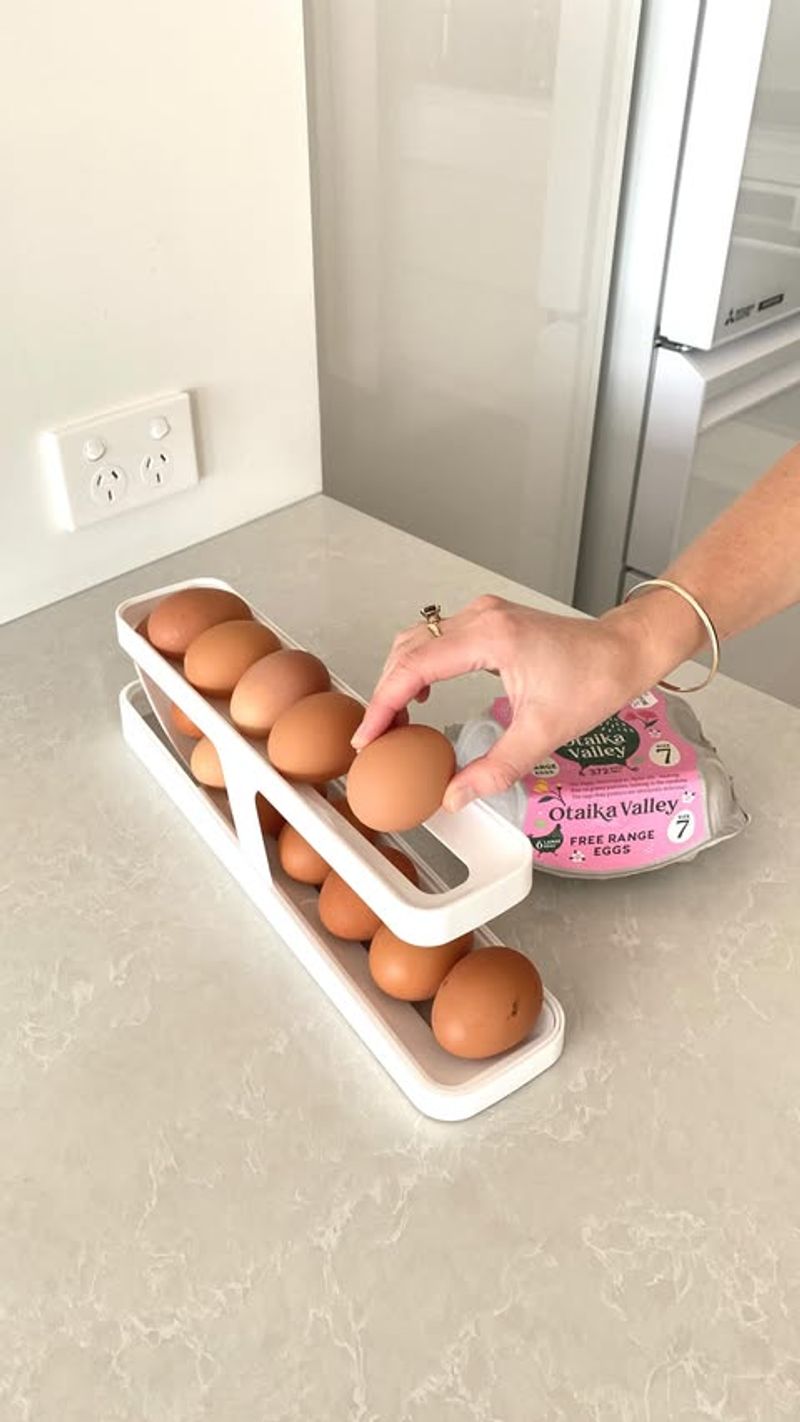
Where are your eggs best stored? Always keep them in their carton in the coldest part of the fridge, not the door. This prevents temperature fluctuations that could spoil them faster. However, avoid washing eggs before storing, as this can remove their protective coating.
It’s important to ensure eggs aren’t exposed to strong odors, as they can absorb them. If you wish to extend their shelf life, consider storing eggs with the pointed end down. This method keeps the yolk centered and maintains freshness.
3. Crack With Confidence
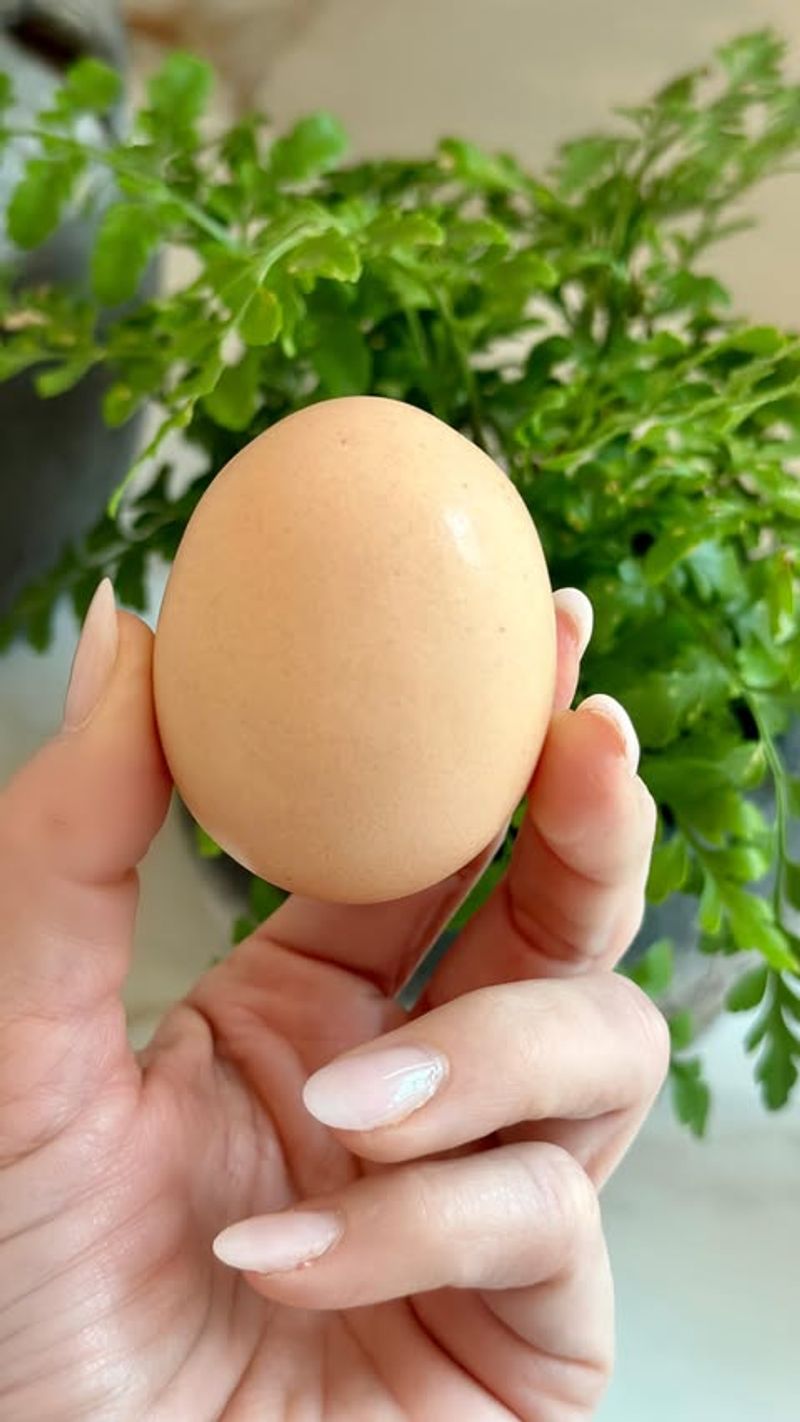
Cracking an egg isn’t as simple as it seems. For minimal mess, tap it on a flat surface rather than an edge. This prevents tiny shell fragments from falling into the bowl. If you find shell bits in your mix, use the larger shell to scoop them out.
Additionally, always crack eggs into a separate bowl before adding to your dish, ensuring no shells sneak in. By mastering this technique, you’ll maintain a clean cooking area and a shell-free meal.
4. Master The Art Of Boiling

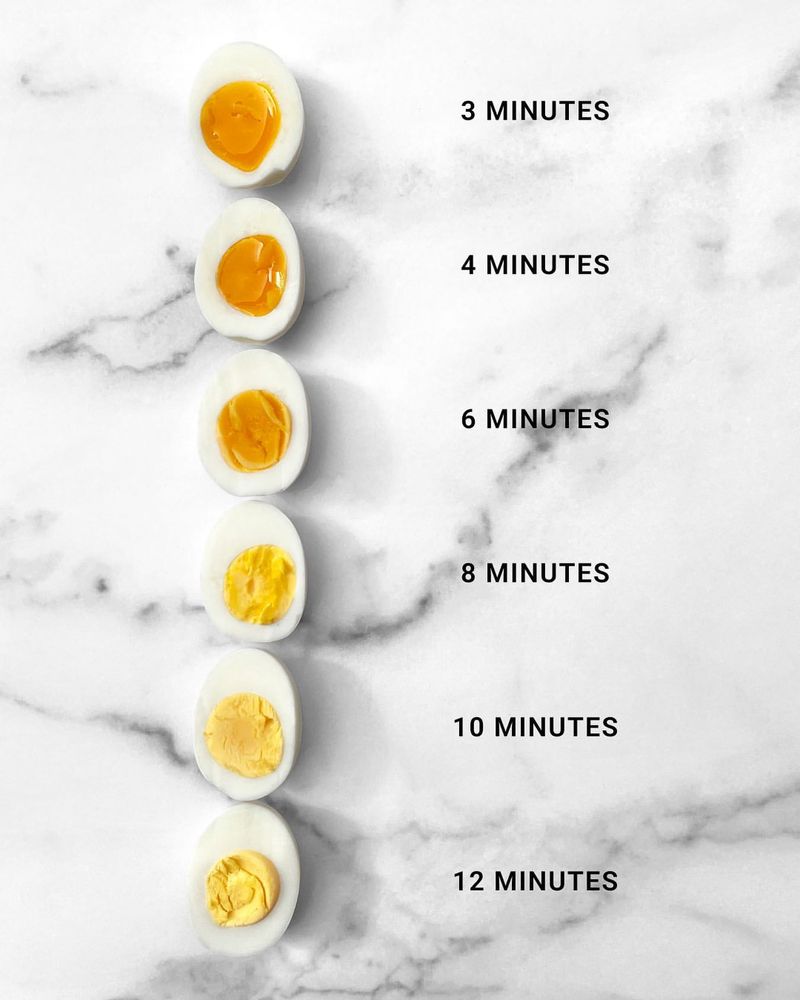
Where should you start when boiling eggs? Begin with cold water, allowing the eggs to heat gradually. This prevents cracking. Once boiling, adjust the heat to a simmer. For soft-boiled eggs, cook for 5-7 minutes; for hard-boiled, extend to 9-12 minutes.
To easily peel, transfer them immediately to an ice bath. Cooling halts cooking and loosens shells. For perfectly centered yolks, gently stir the water early on. Thus, mastering the boiling technique ensures consistently delightful boiled eggs.
5. Perfect Poaching Technique
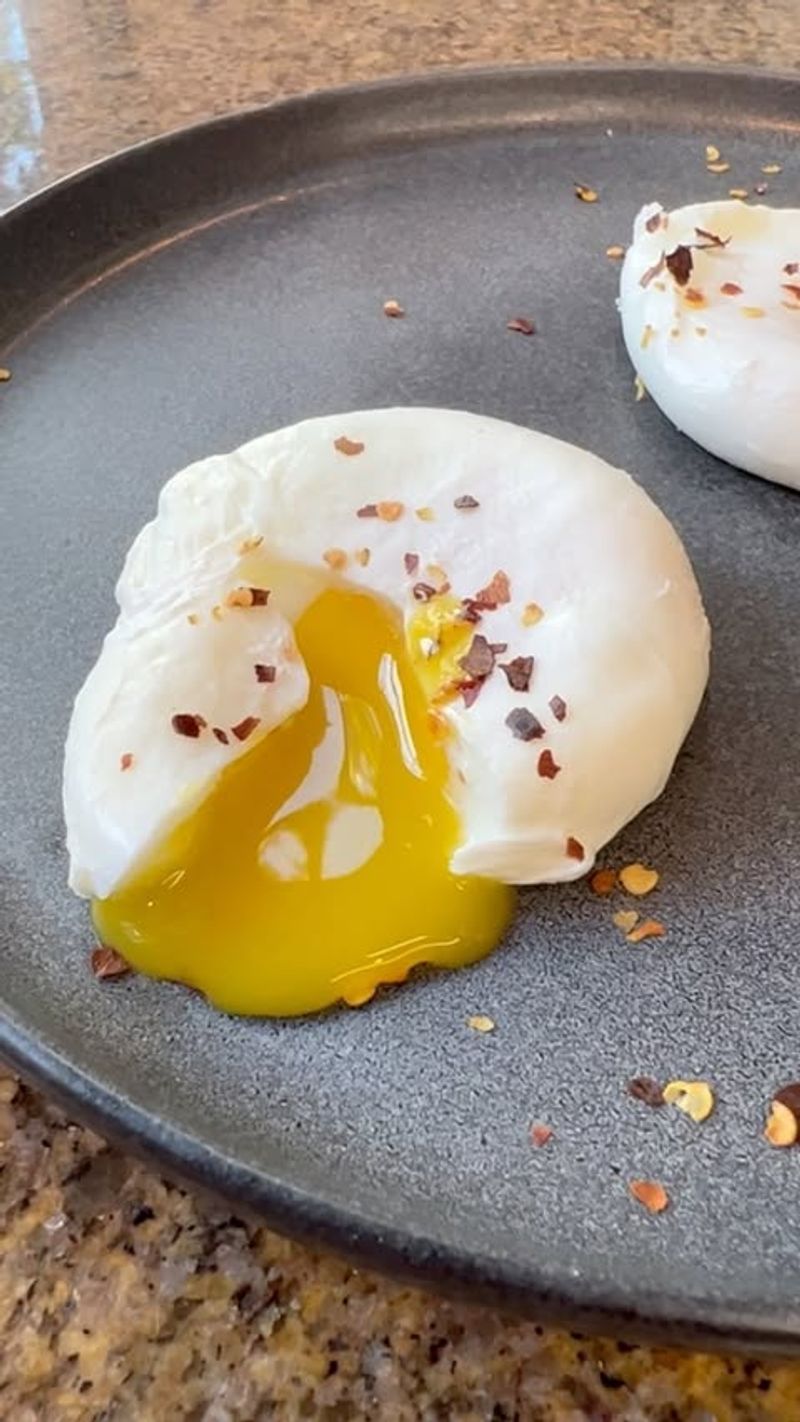
If perfect poached eggs elude you, try this technique. First, add a splash of vinegar to simmering water. It helps the whites coagulate quickly. Create a gentle whirlpool with a spoon and slide your egg in, allowing it to wrap around the yolk.
Cook for about 3-4 minutes for a runny center. To retrieve, use a slotted spoon. Rest them briefly on a paper towel to remove excess water. With practice, poaching becomes less daunting, yielding delectable results every time.
6. Scrambling To Perfection
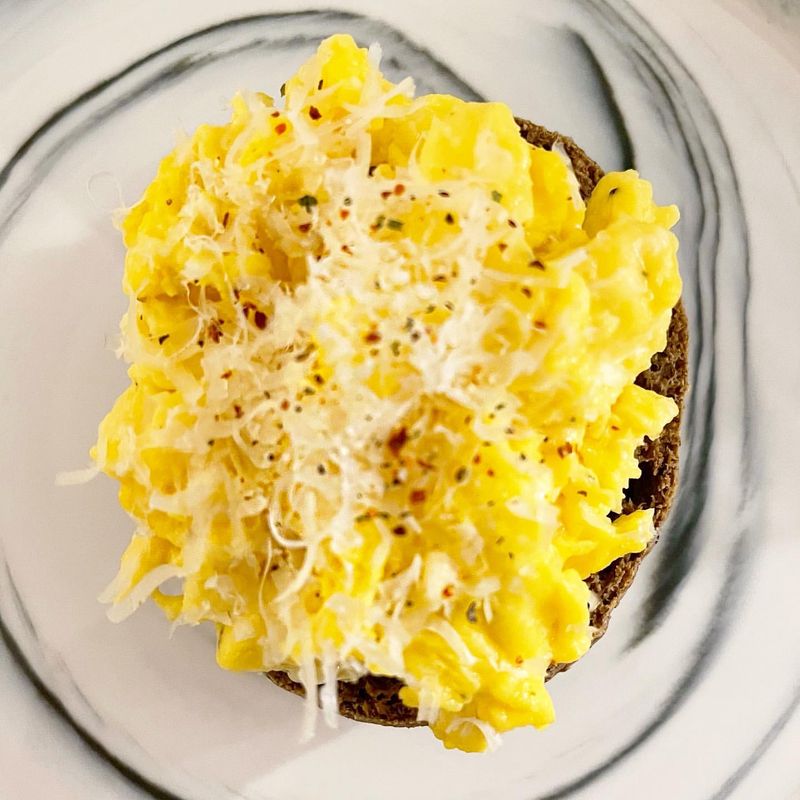
How do you achieve creamy scrambled eggs? Start with a non-stick pan and low heat. Whisk eggs thoroughly with a touch of milk or cream for fluffiness. Gently stir with a spatula, letting curds form. Remove from heat when slightly runny—carryover cooking will finish the job.
Add butter towards the end for richness. Never rush the process. For extra flavor, try seasoning just before serving. Hence, patience and gentleness are key to sumptuous scrambled eggs.
7. Frying The Perfect Sunny-Side Up
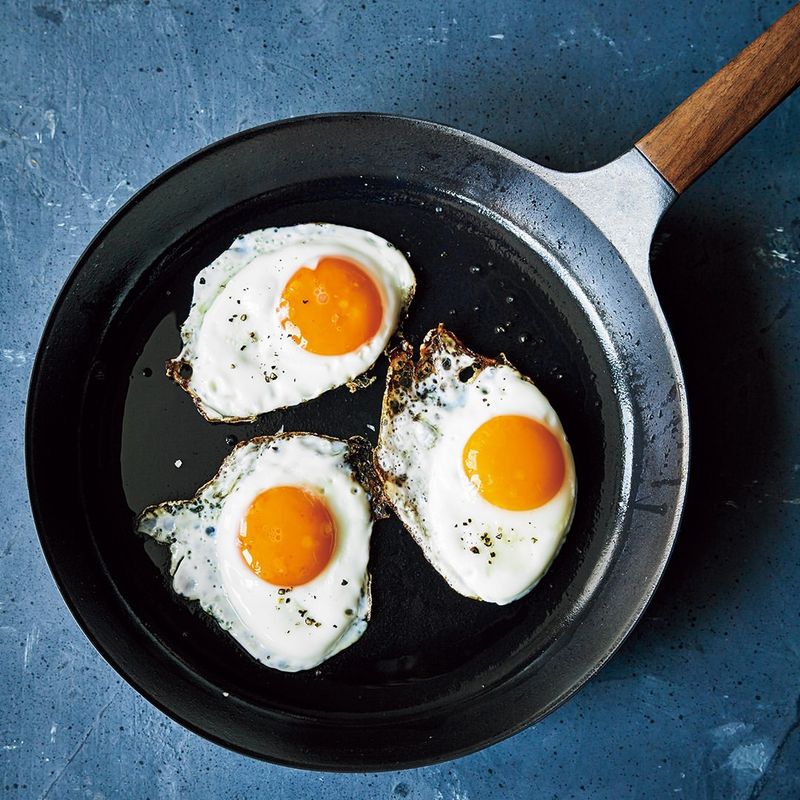
However, frying eggs requires some finesse. Heat a non-stick pan over medium-low and add a small amount of oil or butter. Crack the egg in gently, ensuring the yolk remains intact. Cover the pan briefly, allowing steam to cook the whites thoroughly while leaving the yolk runny.
Spoon hot oil over the whites for crispiness. For easy removal, slide a spatula gently underneath. Mastering this technique results in a beautifully crispy and delicious sunny-side up egg.
8. Omelet Excellence
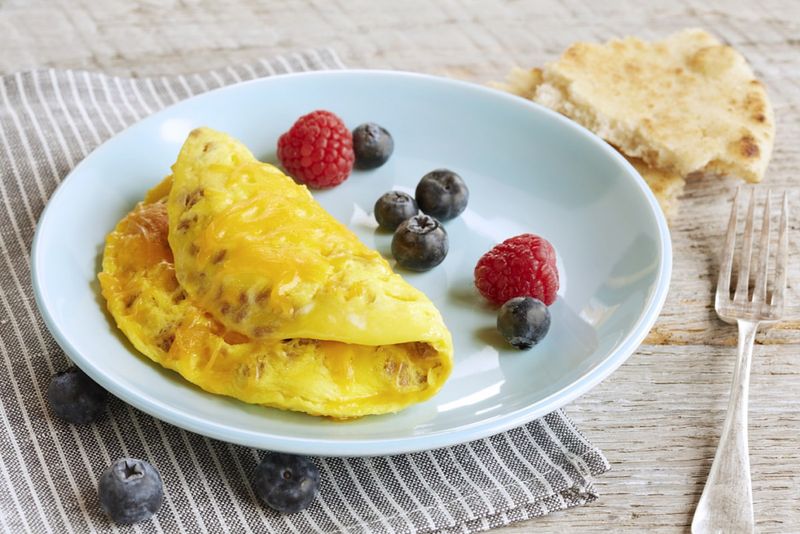
If you’ve struggled with omelets, focus on technique. Begin with thoroughly beaten eggs in a hot, greased pan. Pour eggs in, swirling to coat evenly. As they set, gently lift edges, letting uncooked eggs flow underneath. Add fillings once the top is slightly runny, then fold carefully.
Cook until just set, avoiding dryness. A touch of butter enhances flavor and texture. Experiment with fillings for variety. Proper technique ensures an omelet that’s fluffy and flavorful, making each bite a delight.
9. Soft Vs. Hard Scramble
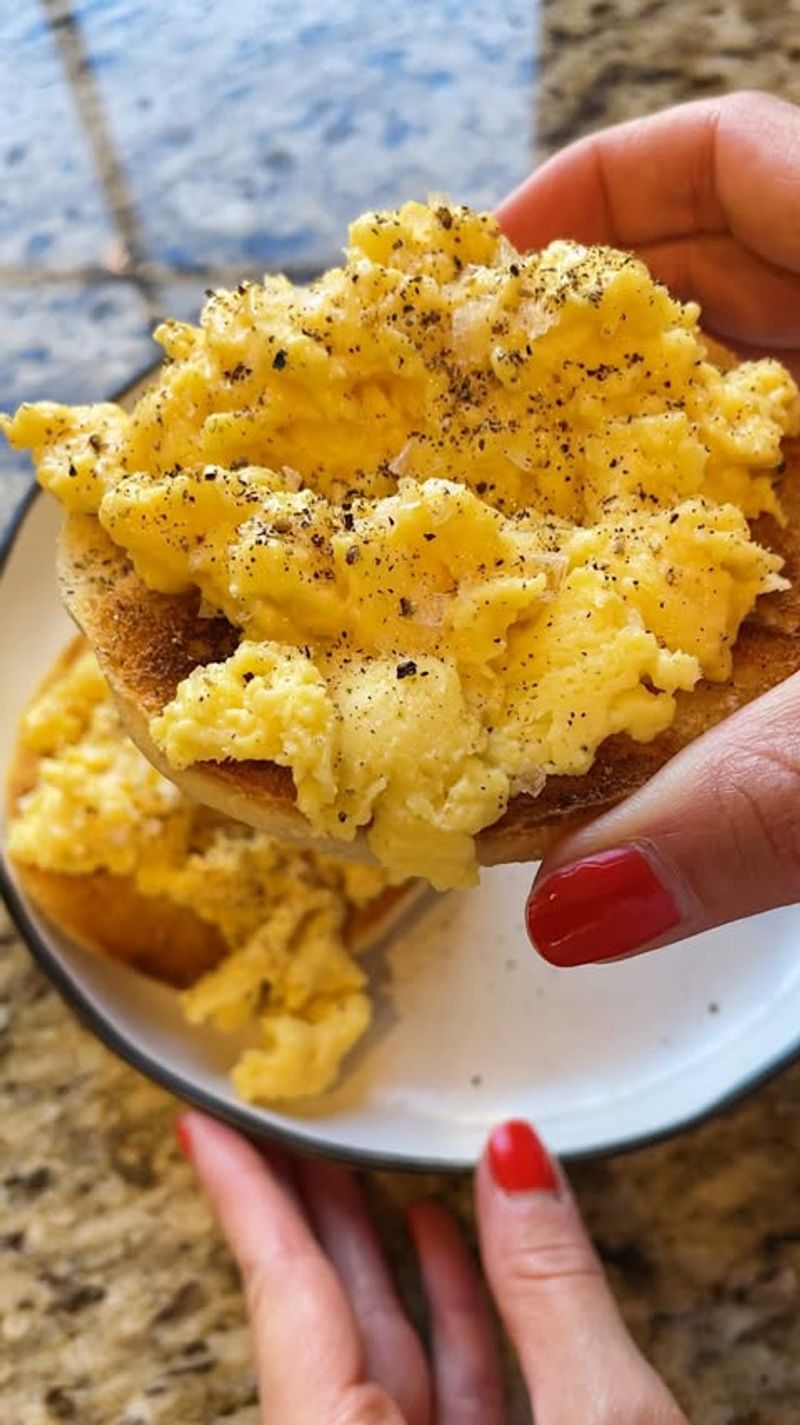
Where do you fall in the soft vs. hard scramble debate? A soft scramble is creamy and custard-like, achieved by stirring constantly over low heat. Remove from heat while still slightly runny. For a hard scramble, cook over medium heat, allowing larger curds to form, stirring less often.
Both have their culinary merits. Soft scrambles are elegant, while hard scrambles provide heartiness. Understanding your preference and mastering both techniques adds diversity to your egg repertoire.
10. Seasoning Secrets
However, seasoning can transform simple eggs into a culinary masterpiece. Salt is essential, but when to add it makes a difference. For scrambled eggs, season just before serving to avoid moisture loss.
Try pepper, paprika, or even a hint of curry powder for extra flair. Fresh herbs like chives or parsley add freshness and color. Cheese or salsa introduces depth and complexity. If experimenting with international flavors, consider spices like turmeric or za’atar. Remember, seasoning elevates eggs from ordinary to extraordinary.
11. Baking Eggs In The Oven
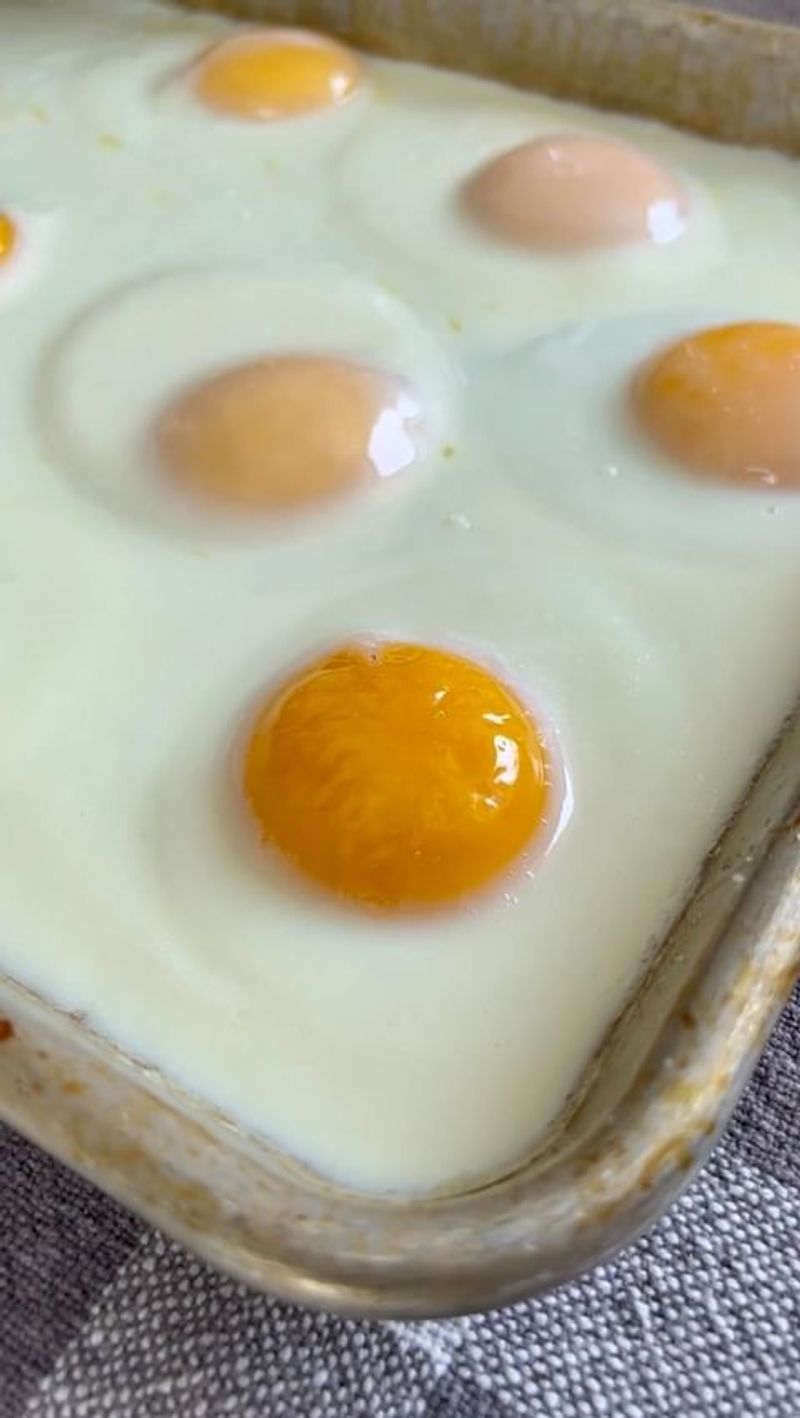
If you’ve never baked eggs, you’re in for a treat. Preheat your oven and use ramekins greased with butter or oil. Crack eggs directly into them, adding cream, cheese, and herbs as desired. Bake until whites set and yolks reach preferred doneness.
It’s an effortless way to cook multiple servings. The result is a creamy, luxurious dish perfect for breakfast or brunch. Baking brings out different textures and flavors in eggs, making this method a delightful alternative to stovetop cooking.
12. Coddling Eggs
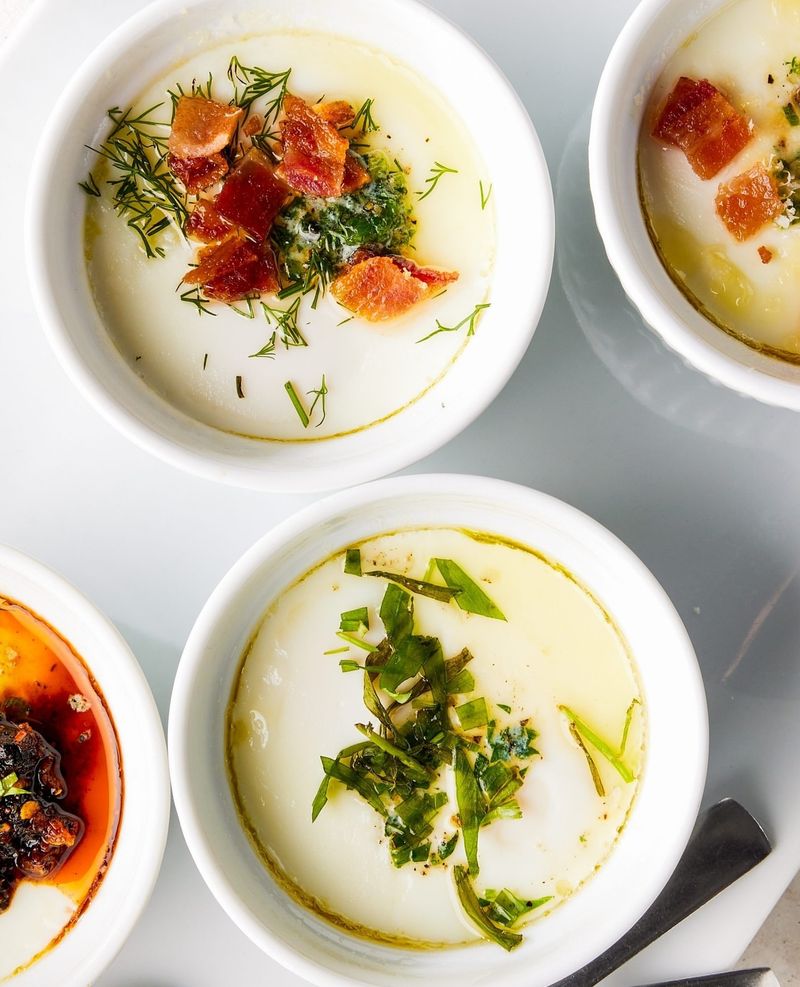
Coddling is an elegant, often overlooked technique. Use an egg coddler or ramekin, lightly buttered inside. Crack egg into it, seasoning as desired. Seal with a lid or foil and submerge in simmering water. Cook until whites set and yolks remain silky.
This gentle method offers a delicate texture, perfect for serving alongside toast. Coddled eggs combine the richness of poached eggs with the convenience of baking. Experiment with seasonings for a sophisticated breakfast. Hence, coddling adds a touch of refinement to your egg cooking.
13. Perfecting The Frittata
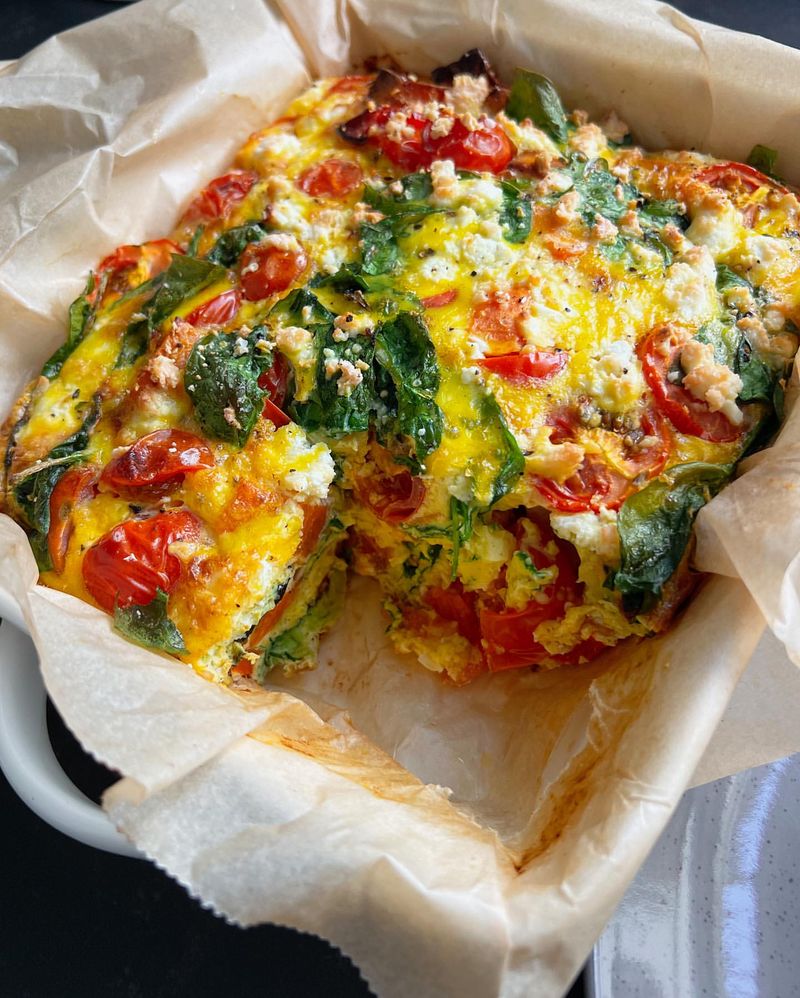
Where does a frittata stand in your breakfast rotation? It’s a versatile Italian dish easily adapted to any palate. Begin by sautéing vegetables in a skillet, then pour beaten eggs over. Cook until edges set, then transfer to the oven to finish. This ensures even cooking without flipping.
Add cheese or meat for added flavor. Slice and serve warm or cold. Frittatas are ideal for using leftover ingredients creatively. Thus, mastering this dish adds a hearty, flavorful option to your breakfast menu.
14. Making Shakshuka
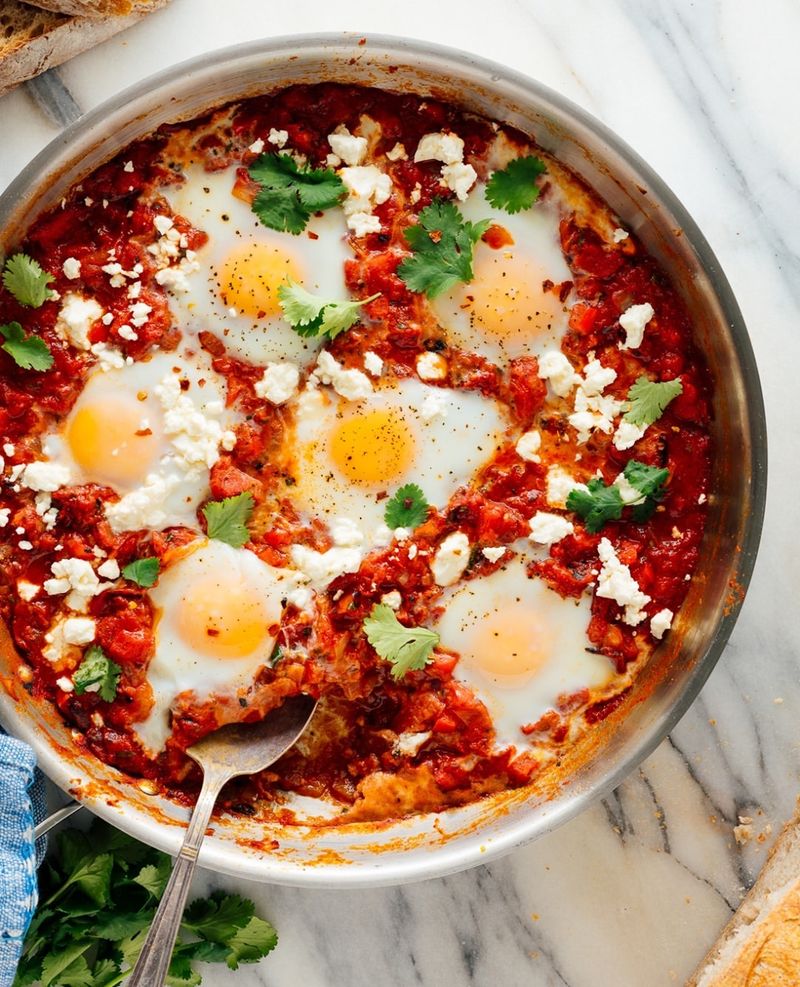
Have you tried Shakshuka? This North African dish pairs poached eggs with a spicy, flavorful tomato sauce. Begin by cooking onions, peppers, and spices in a pan, then add tomatoes. Once the sauce thickens, create wells and crack eggs into them.
Cover and cook until whites are set. Garnish with cilantro and feta for added taste. It’s a comforting, one-pan meal perfect for any time of day. Shakshuka’s flavors and inviting presentation make it a family favorite. It offers a twist on traditional egg dishes.
15. Eggs Benedict Mastery
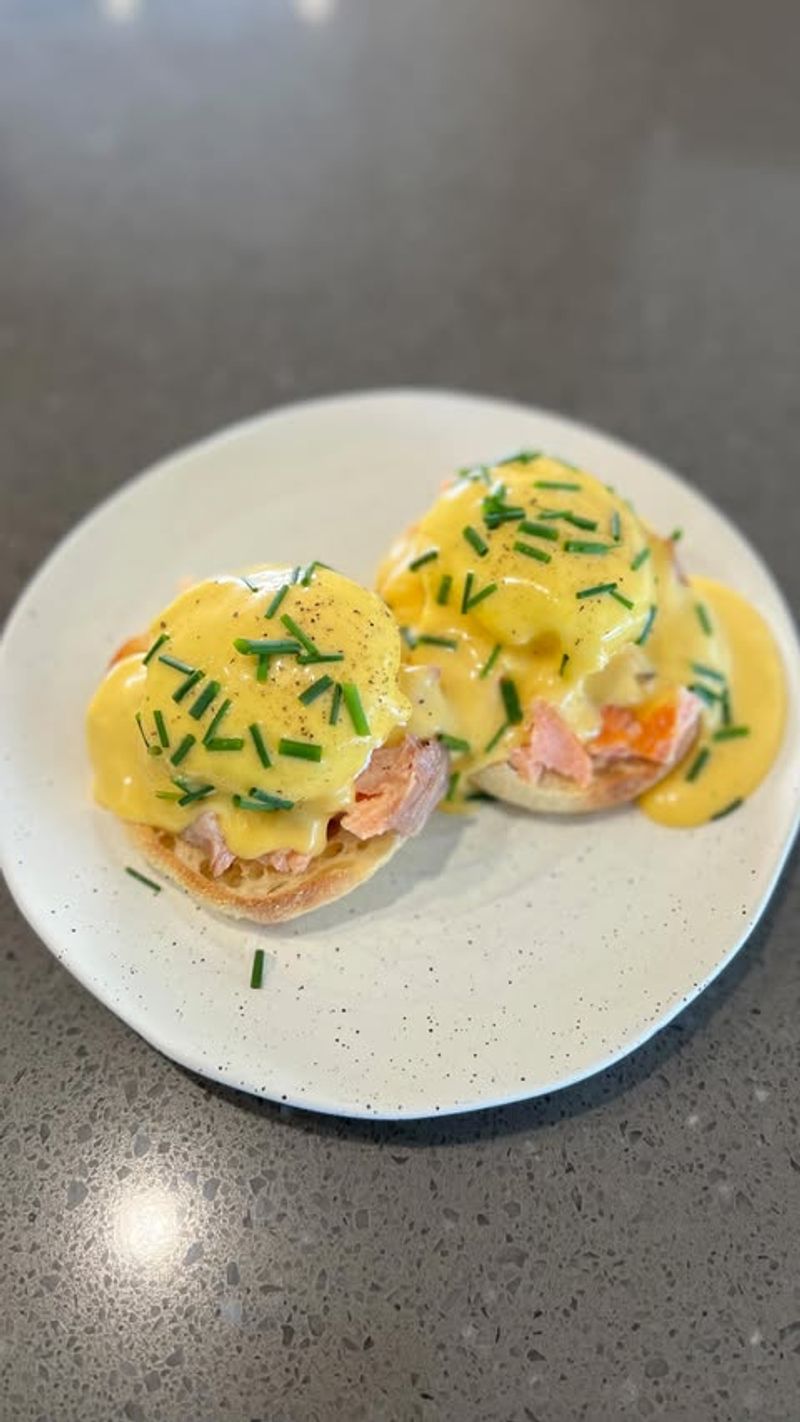
Eggs benedict may seem daunting, but break it down. Begin with poached eggs, then prepare a simple hollandaise sauce. Whisk together egg yolks, lemon juice, and melted butter over low heat. Toast English muffins and layer with Canadian bacon.
Top with poached eggs and drizzle with hollandaise. Finish with a sprinkle of paprika for color. It’s a classic brunch dish that impresses guests. Mastering each component ensures a harmonious, delectable result. With practice, eggs benedict becomes a elegant addition to your culinary repertoire.
16. Deviled Eggs Delight
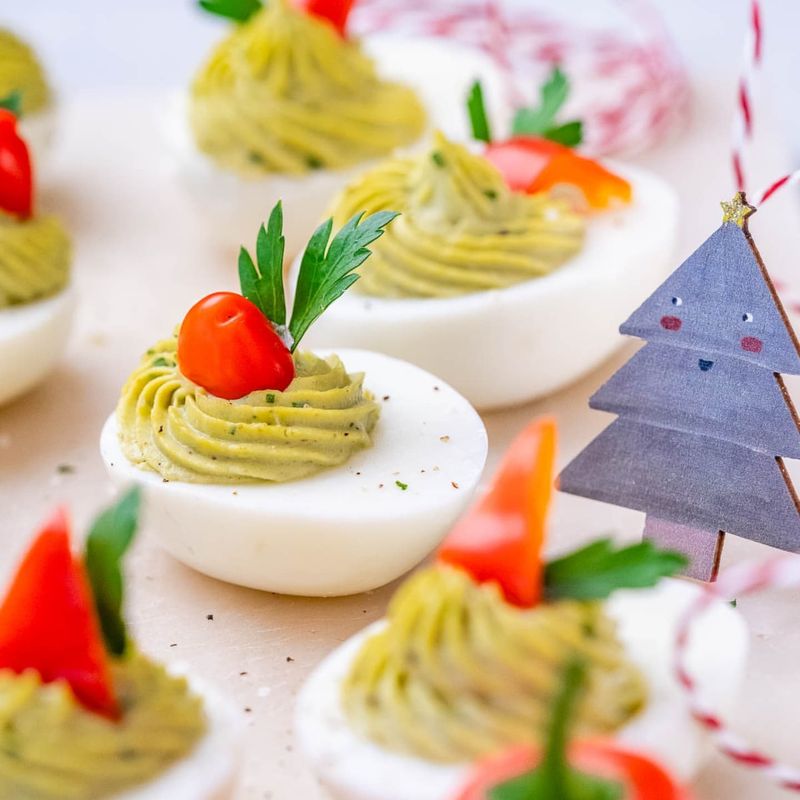
Deviled eggs are a timeless appetizer. Start by hard-boiling eggs, then cool and peel. Halve eggs and remove yolks, mixing them with mayonnaise, mustard, and seasoning. Pipe or spoon mixture back into whites. Garnish with paprika, herbs, or bacon bits for flair.
Deviled eggs offer versatility in flavor variations, from spicy to tangy. They’re perfect for parties or potlucks, providing a bite-sized burst of flavor. When preparing deviled eggs, creativity is key to enhancing their appeal. Thus, they remain a crowd-pleaser at any gathering.
17. Steamed Egg Custard
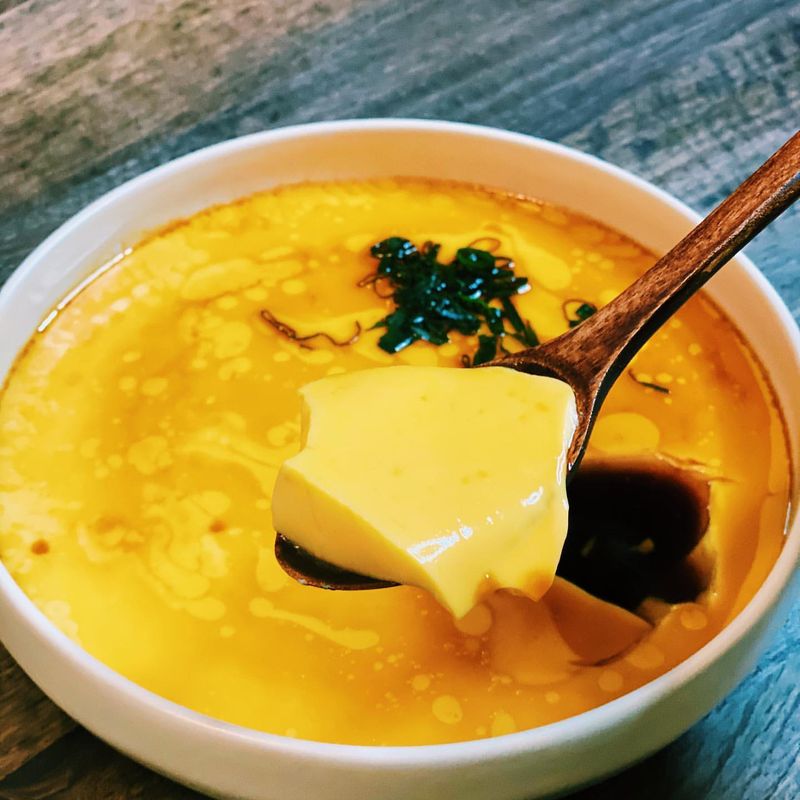
Were you aware of the delicate nature of steamed egg custard? This Asian-inspired dish requires gently whisked eggs combined with broth. Strain mixture into a bowl and steam until just set. It’s crucial to maintain low, consistent heat for a smooth texture.
Garnish with green onions or soy sauce for flavor. This dish offers a silky, savory alternative to traditional egg preparations. Steamed egg custard’s unique taste and texture make it a delightful option for those seeking something different.
18. Egg Drop Soup
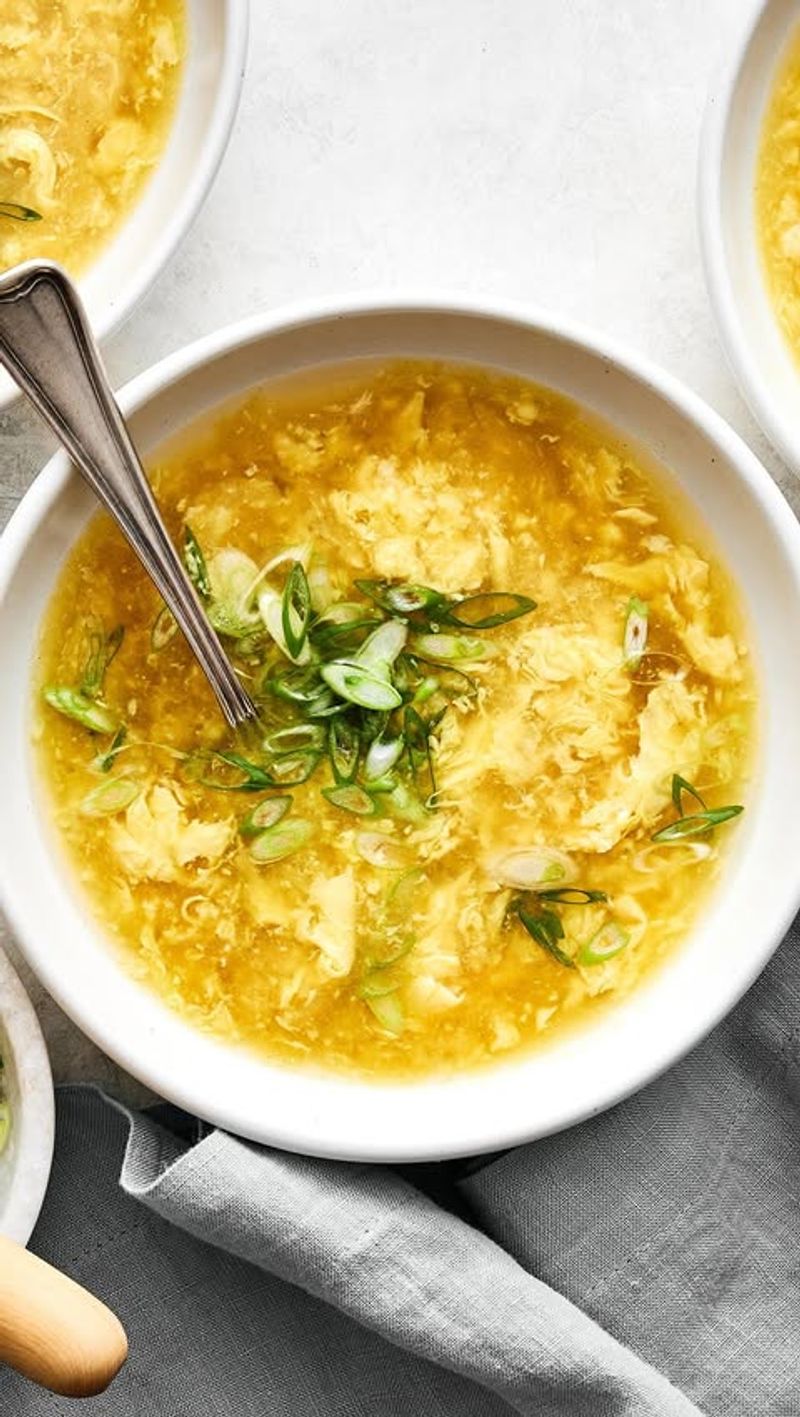
We all love comforting soups, and egg drop soup is a simple delight. Begin by heating chicken broth with ginger and scallions. While simmering, slowly stir in beaten eggs, creating silky ribbons. Season with soy sauce and white pepper for depth.
It’s a quick, nourishing dish ideal for chilly days or when you crave something warming. The gentle egg ribbons add a touch of elegance to the broth. Egg drop soup’s simplicity and warmth make it a beloved comfort food around the world.
19. Egg-Based Sauces
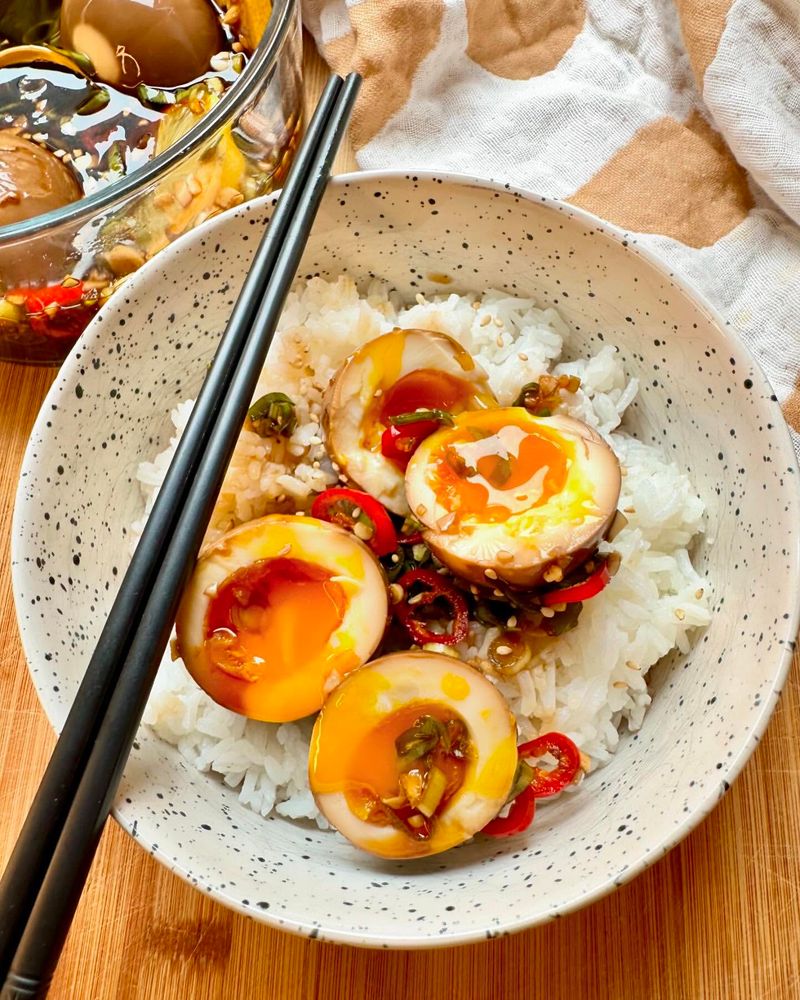
Classics like Hollandaise or Béarnaise require precise techniques. Whisk egg yolks with acid, like lemon juice or vinegar, over low heat. Slowly incorporate melted butter, achieving a creamy emulsion. These sauces elevate dishes, from eggs benedict to grilled fish.
Mastery demands practice but yields rewarding results. Besides, experimenting with flavors, like adding herbs or spices, personalizes these classics. Understanding the role of eggs in these sauces opens a realm of culinary possibilities.
20. Whisk In Soda
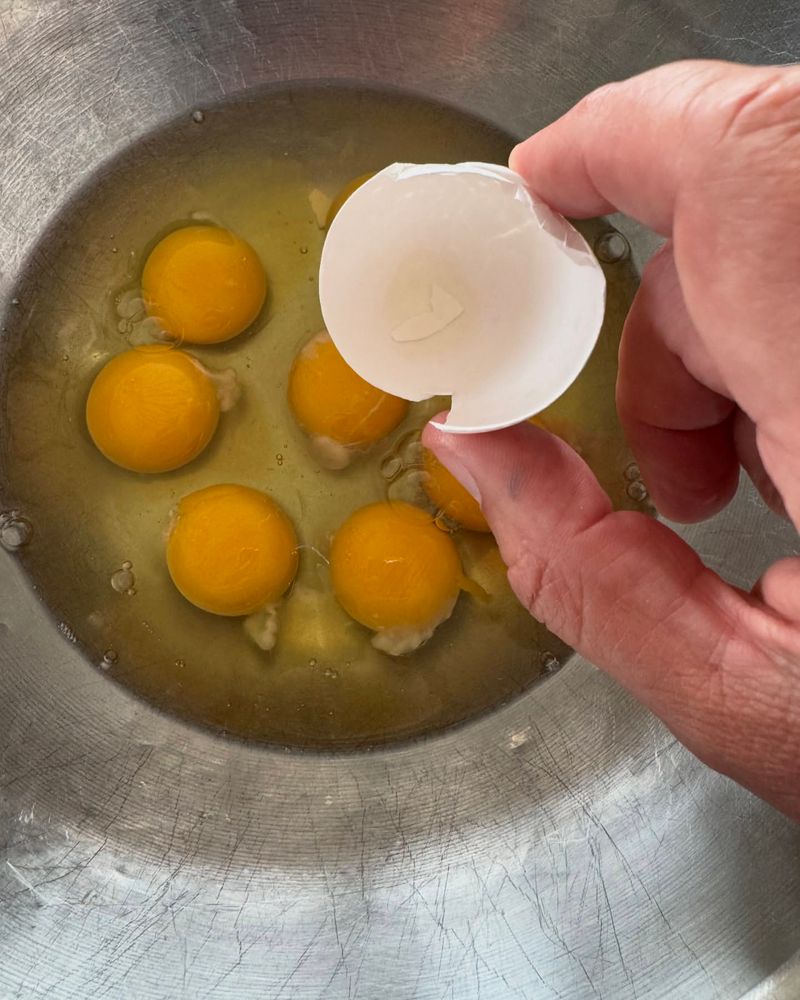
Ever considered mixing soda with eggs? It might sound odd, but adding a splash of carbonated water or soda to your beaten eggs can result in an unexpectedly fluffy texture. This technique works wonders for scrambled eggs or omelets.
The carbonation introduces tiny bubbles that expand during cooking, creating a lighter dish. Experiment with different flavors of soda for a fun twist!
21. Eggs In A Jar
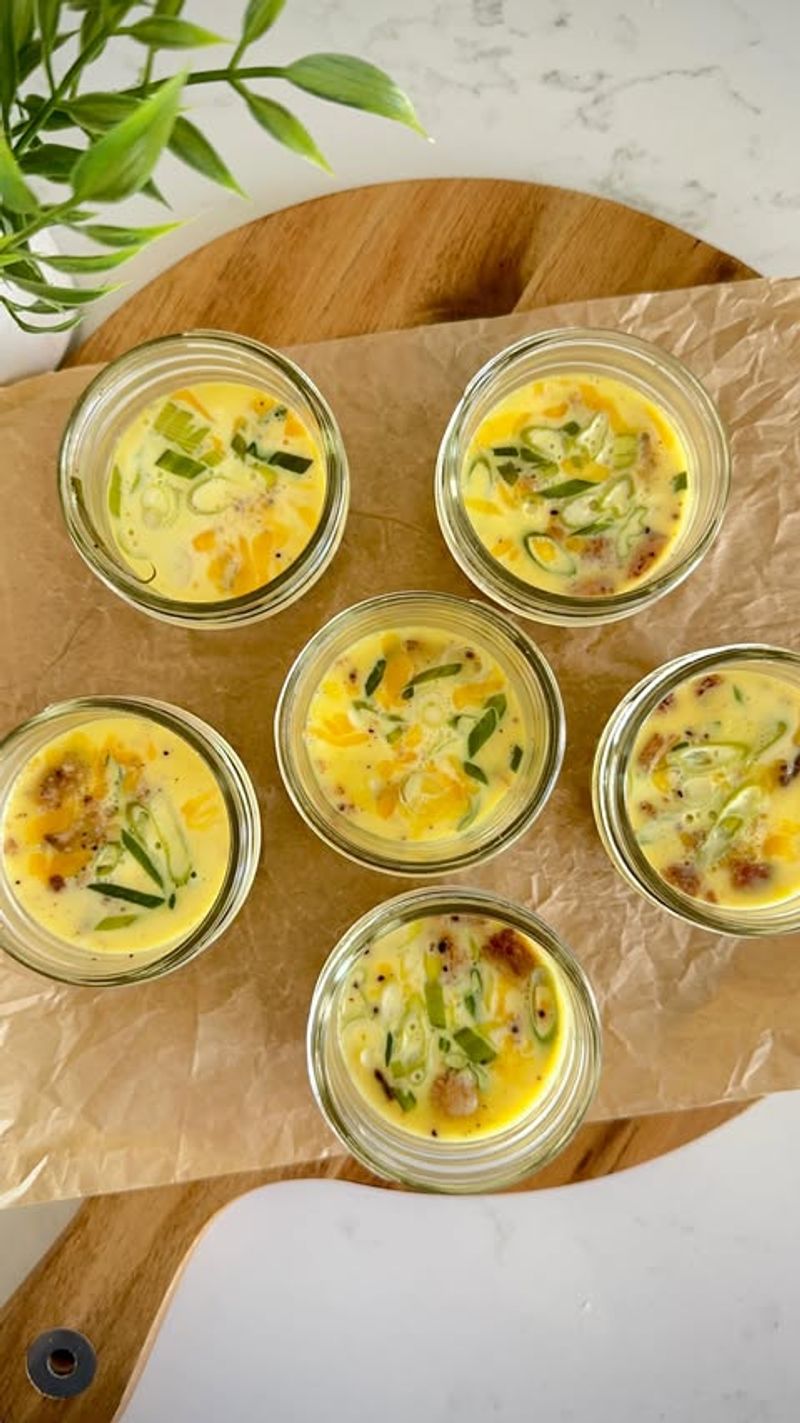
Cooking eggs in a jar offers a portable breakfast option. Simply crack eggs into a mason jar, add your favorite ingredients like cheese, herbs, or veggies, and give it a good shake to mix. Place the jar in a pot of simmering water and let the eggs cook gently.
This method not only locks in flavors but also allows for easy transportation. Perfect for those busy mornings, this technique ensures a nutritious meal on-the-go. Customize your jar to suit your taste, making breakfast both convenient and delicious.
22. Eggshell Artistry
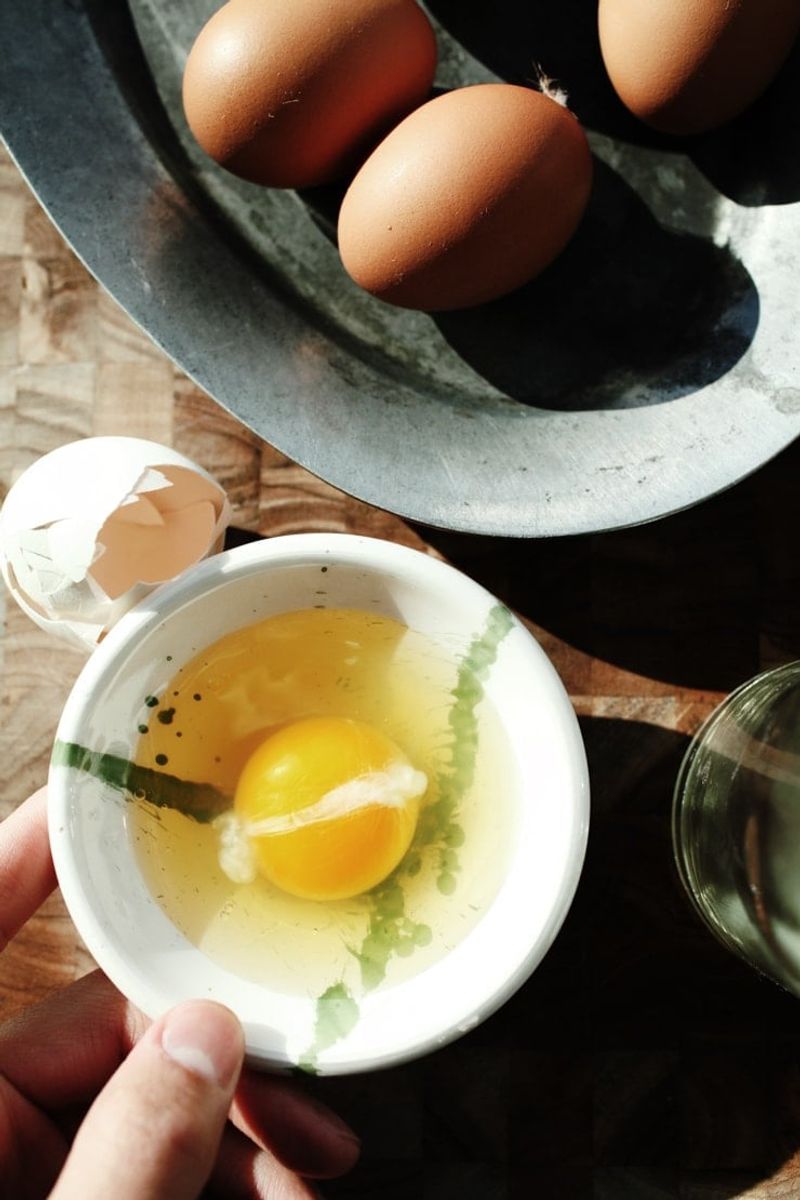
Eggshells aren’t just waste; they can be transformed into beautiful art pieces. After using the eggs, clean and dry the shells carefully, preserving their shape. Paint them with colorful designs or intricate patterns.
This creative activity not only recycles waste but also provides a therapeutic outlet for artistic expression. Organize an eggshell painting session with friends or family, making it an entertaining and environmentally friendly way to repurpose kitchen leftovers.
23. Egg Whites In Ice Cubes
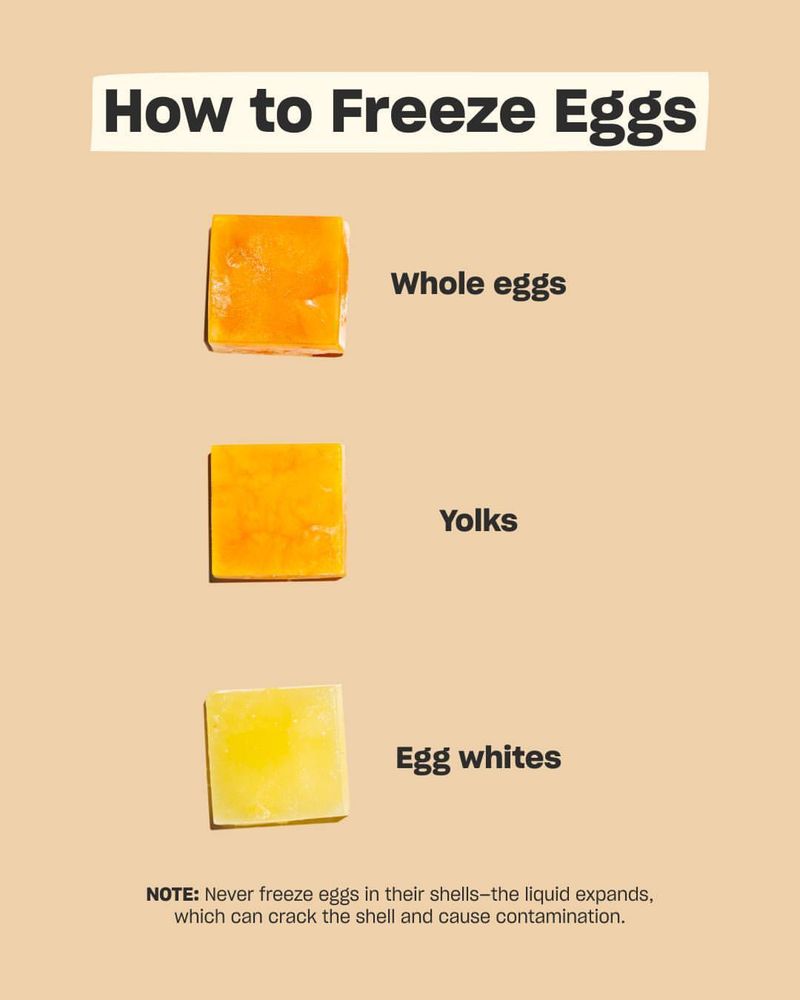
Using ice cubes to freeze egg whites can open a world of culinary possibilities. By separating egg whites and storing them in ice cube trays, you can have perfectly portioned amounts ready for any dish. Imagine crafting a meringue without cracking fresh eggs, using just what you need.
This approach also enhances convenience, reducing waste by preserving unused whites. Additionally, these frozen whites blend seamlessly into batters and frostings, making them a hidden gem for bakers.
24. Egg Yolk Pickling
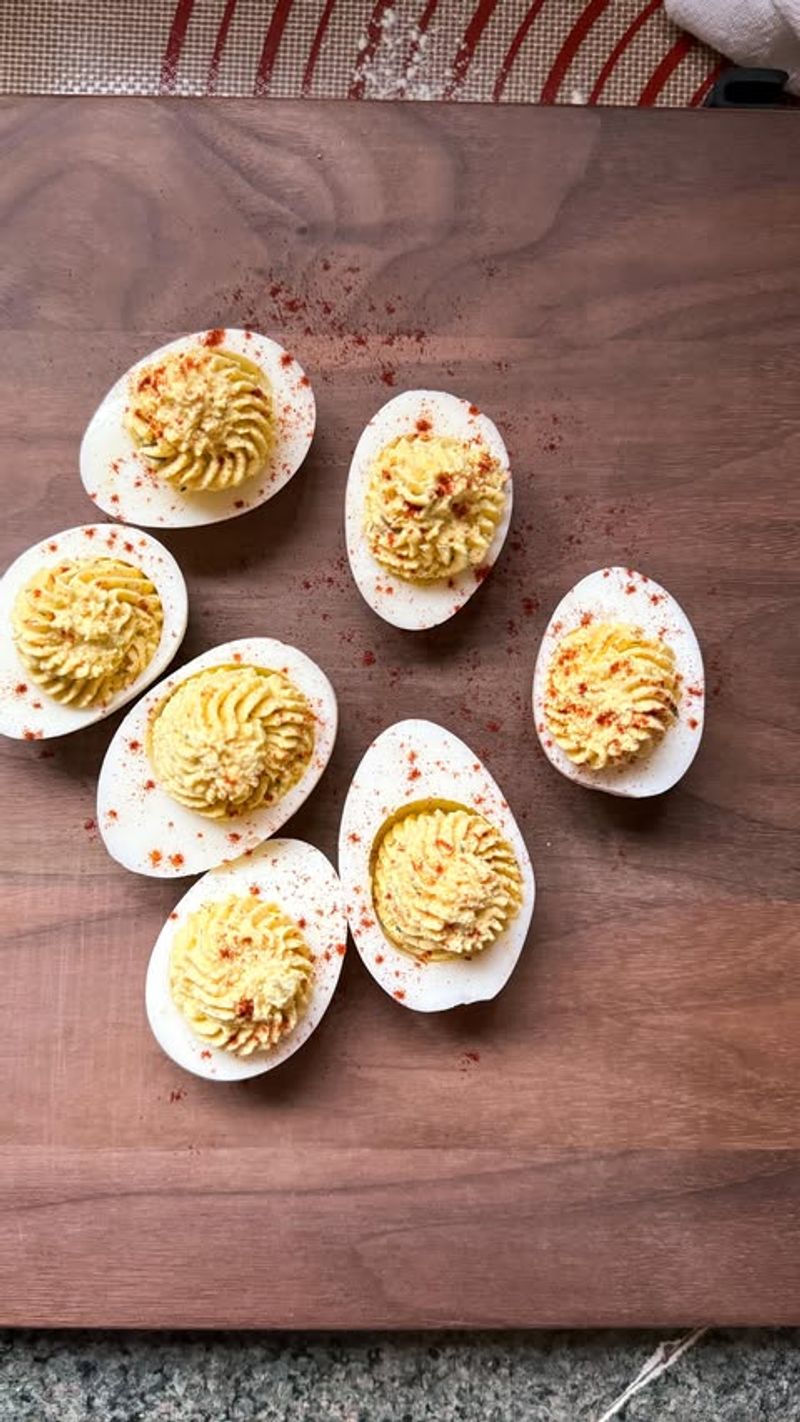
Pickling egg yolks turns them into umami-packed flavor bombs. Submerging yolks in a brine of soy sauce, vinegar, and spices transforms their texture and taste. After days of pickling, they emerge as savory delicacies that enhance salads, ramen, or charcuterie boards.
The process infuses them with deep, complex flavors, adding a gourmet twist to your dishes. Experiment with different spices to create unique profiles. This method preserves yolks but also elevates their culinary potential.
25. Eggshell Infused Broth
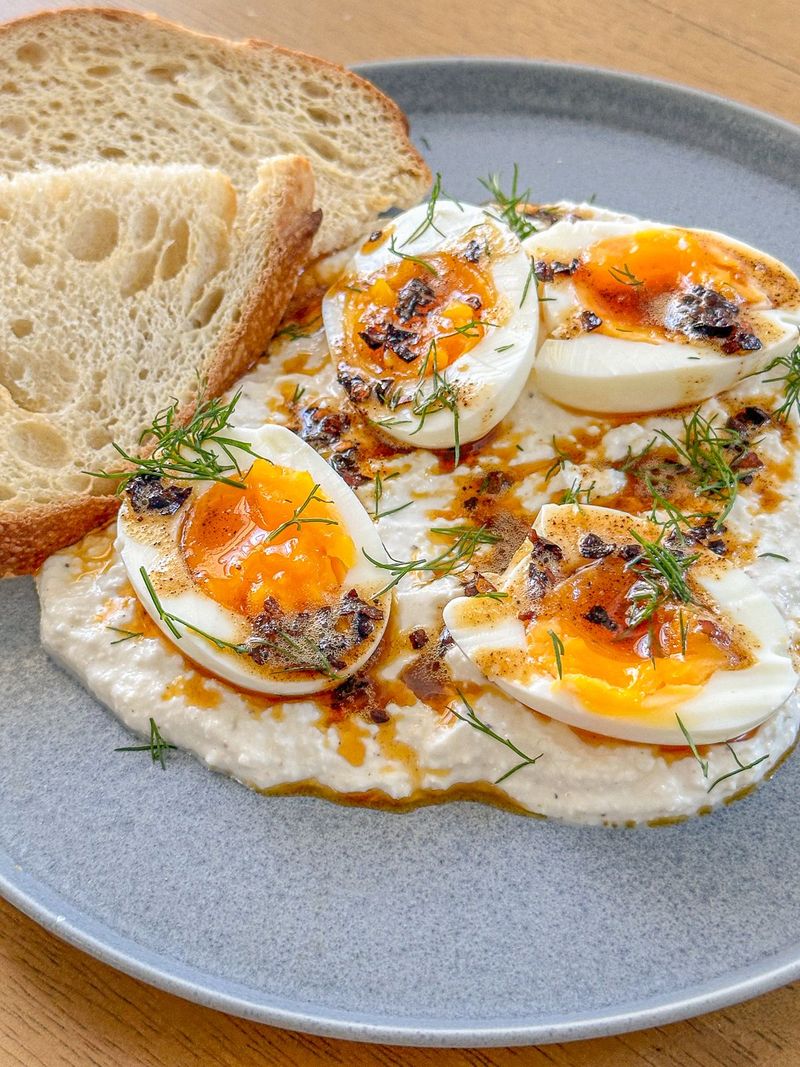
Eggshells can infuse broth with rich flavor and nutrients. Adding cleaned eggshells to your simmering stock enhances calcium content and deepens taste. This unexpected ingredient acts as a natural thickener, providing a velvety texture to soups and stews.
It’s an eco-friendly way to utilize every part of the egg. Allow the shells to cook for several hours, then strain them out before serving. The result is a nutrient-rich broth with a subtle, earthy taste.
26. Tea-Infused Boiled Eggs
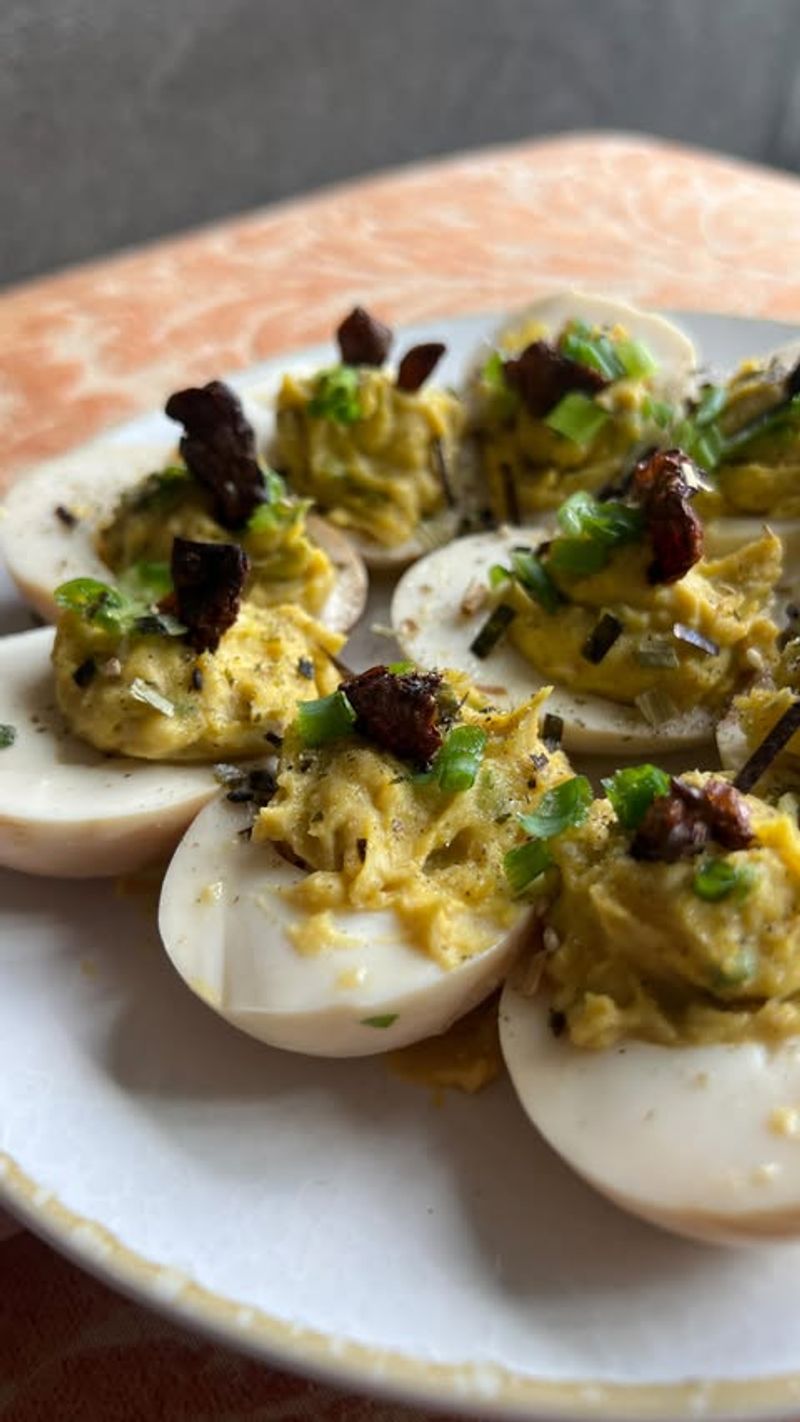
Tea-infused boiled eggs blend the elegance of tea with the simplicity of eggs. Boiling eggs in black tea, along with spices like star anise and cinnamon, imparts a fragrant aroma. The marbled appearance adds visual appeal, making them a feast for the eyes, too.
These eggs are perfect for snacks, salads, or as a unique appetizer. Whether using green tea for a subtle taste or chai for a spiced delight, this technique offers endless culinary exploration.
27. Egg Clouds In Soup
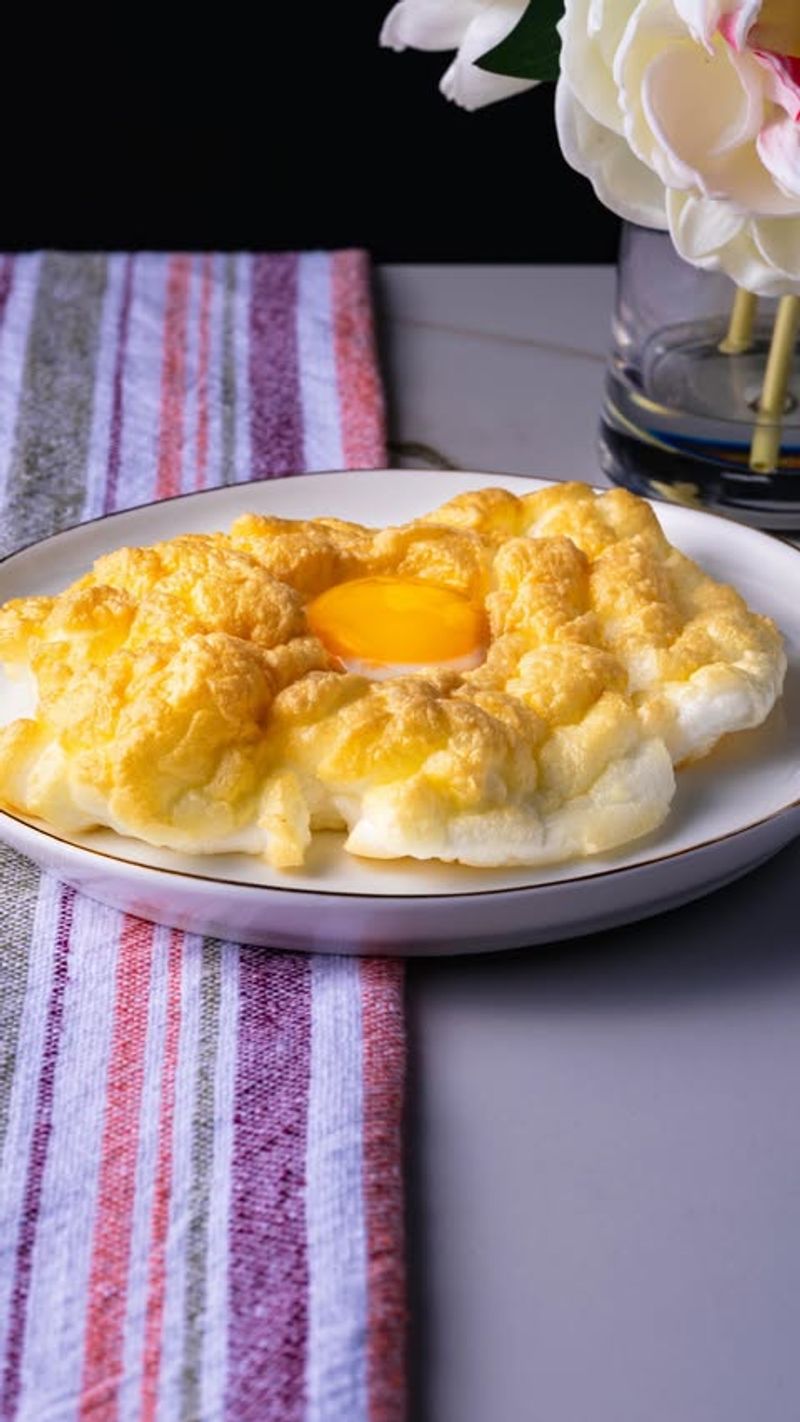
Creating egg clouds transforms ordinary soup into a whimsical culinary masterpiece. Beating egg whites to stiff peaks and carefully folding them into simmering broth creates fluffy, cloud-like textures. These delightful puffs add a visual and textural contrast, elevating your soup experience.
They’re airy, light, and full of charm, making even simple broths feel gourmet. This imaginative technique invites experimentation, allowing you to play with flavors and textures while enjoying the art of cooking. It’s a captivating way to serve eggs.
28. Chili-Chocolate Egg Scramble
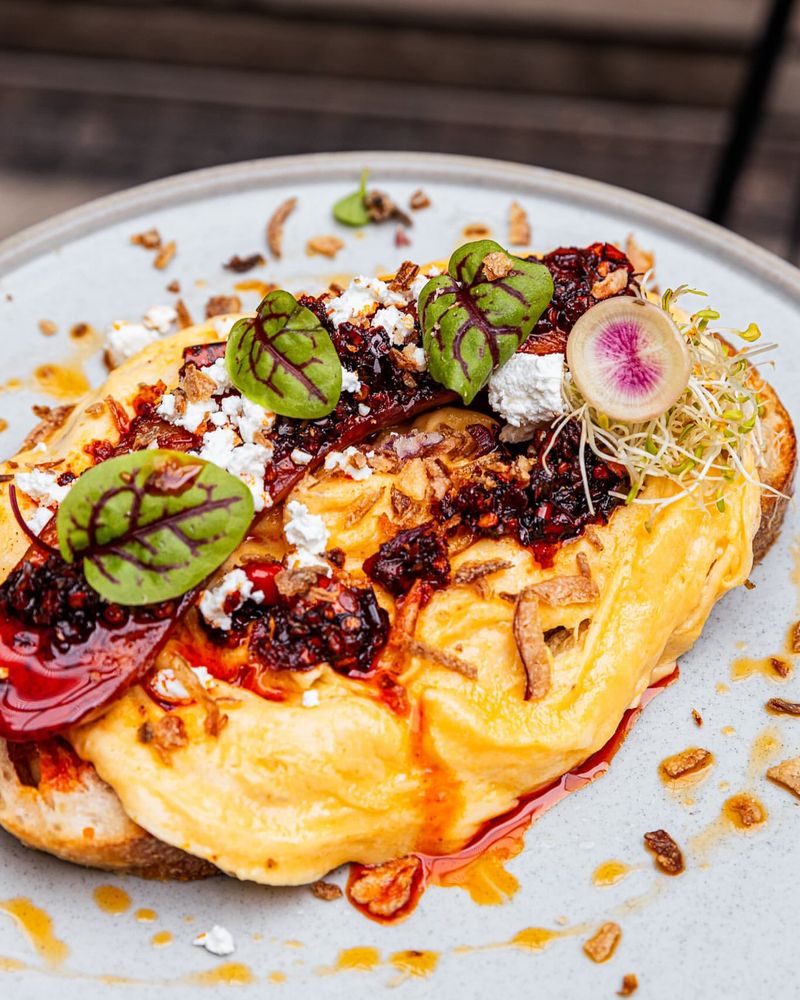
For those who love culinary adventures, chili-chocolate scrambled eggs offer an unexpected delight. Adding a hint of chili powder and cocoa to your scramble creates a unique blend of sweet, spicy flavors. This daring combination surprises the palate, offering a playful twist on traditional scrambled eggs.
Pair with fresh herbs or a sprinkle of cheese for extra complexity. This bold experiment in flavor invites creativity and courage, challenging conventional breakfast norms in the most delicious way.
29. Eggshell Planters
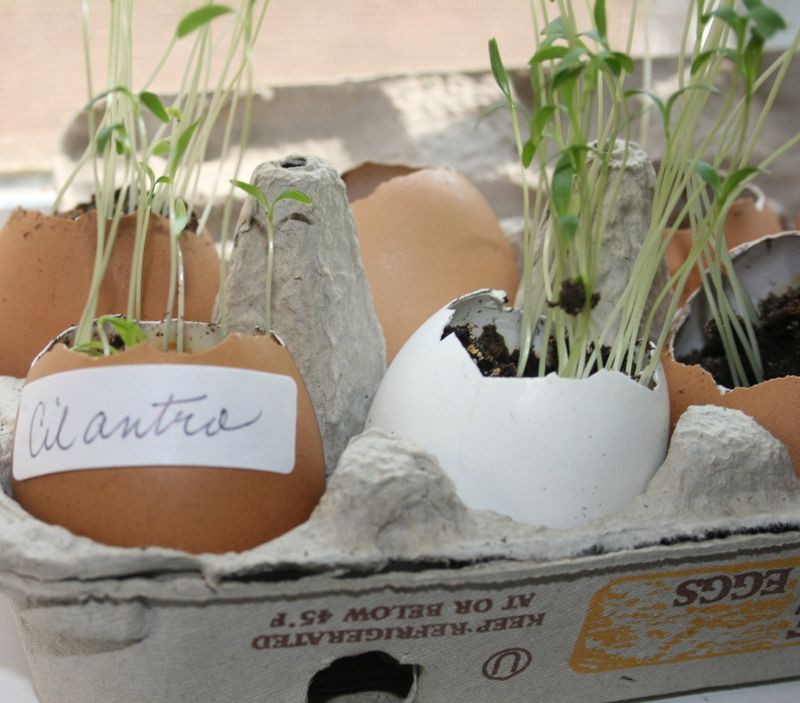
Repurposing eggshells as planters connects cooking with sustainability. Cleaned eggshells filled with soil make perfect mini pots for herbs and small plants. This eco-friendly method offers a fun and educational activity for kids, teaching them about recycling and growth.
The calcium-rich shells provide natural nourishment, promoting plant health. Place the eggshell planters in a sunny spot, and watch your culinary garden thrive. It’s a simple yet impactful way to incorporate sustainability into your kitchen.
30. Spiced Egg Lattes
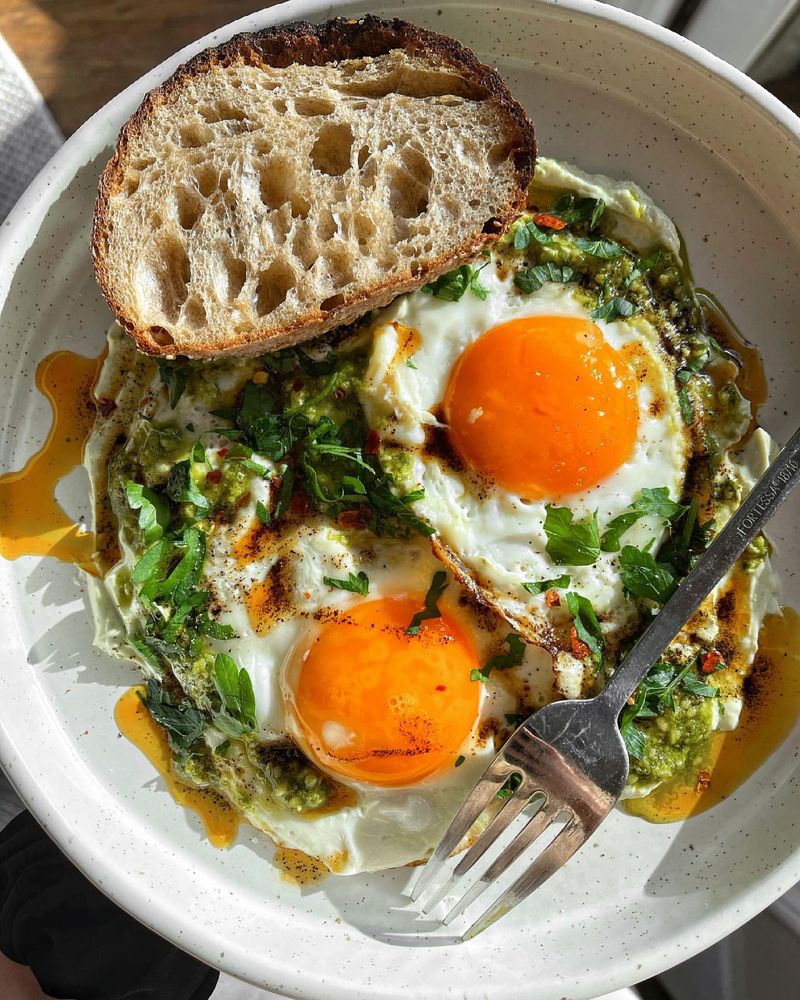
Spiced egg lattes blend frothy delight with spicy warmth. Whisking eggs with milk and spices creates a rich, creamy base for lattes. Infused with cinnamon, nutmeg, or even cardamom, these beverages offer a cozy alternative to ordinary coffee.
Garnish with a sprinkle of spice for an aromatic finish. This inventive drink combines the comfort of eggs with the traditional charm of lattes, offering a unique experience for those looking to try something extraordinary.