12 Texas Specialties Outsiders Mispronounce And Texans Proudly Correct
Texas has a language all its own, especially when it comes to food and local specialties. Visitors often stumble over these uniquely Texan terms, much to the amusement of locals.
Nothing identifies an outsider faster than mispronouncing these Texas treasures, so consider this your crash course in speaking like a true Texan.
1. Brisket (BRIS-ket, not BRIS-set)
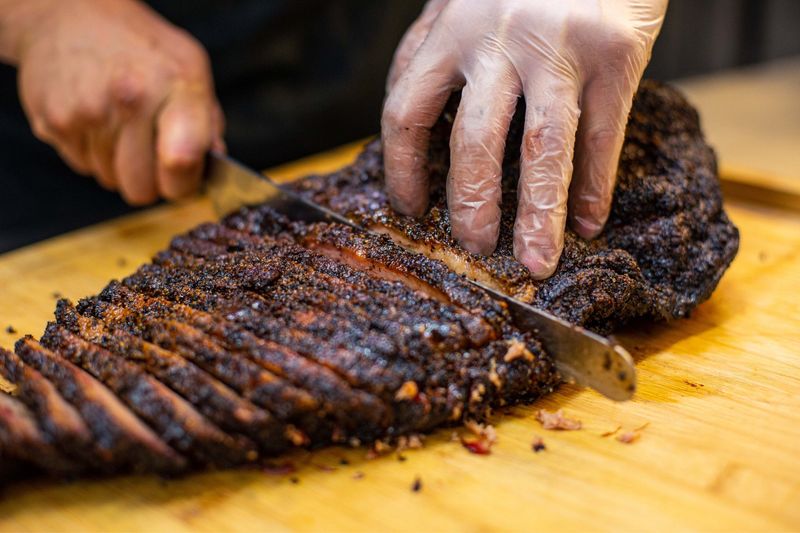
The king of Texas barbecue gets butchered in pronunciation almost as often as it gets smoked to perfection. Many visitors say “BRIS-set” instead of the correct “BRIS-ket” with a hard ‘k’ sound.
Texas pitmasters take their slow-smoked beef seriously – it’s practically the state’s unofficial meat. Pronounce it wrong at a barbecue joint, and you’ll get a friendly but firm correction before your plate hits the table.
2. Kolache (koh-LAH-chee, not kuh-LAH-chee)
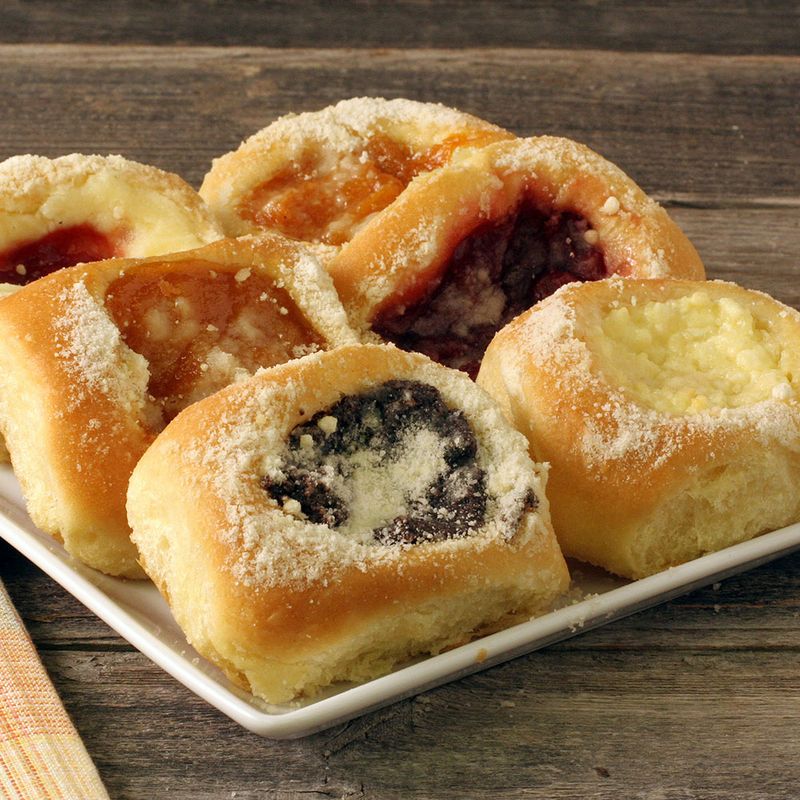
These Czech-inspired pastries have become breakfast staples across Texas. The first syllable should have an ‘oh’ sound, not an ‘uh’ sound that many non-Texans use.
Found in bakeries and donut shops statewide, these pillowy delights come filled with fruits, cheeses, or meats.
The meat-filled variety (properly called klobasniky) are particularly Texan, though even locals often lump them together under the kolache name.
3. Sopapilla (soh-pah-PEE-yah, not soh-puh-PIL-uh)
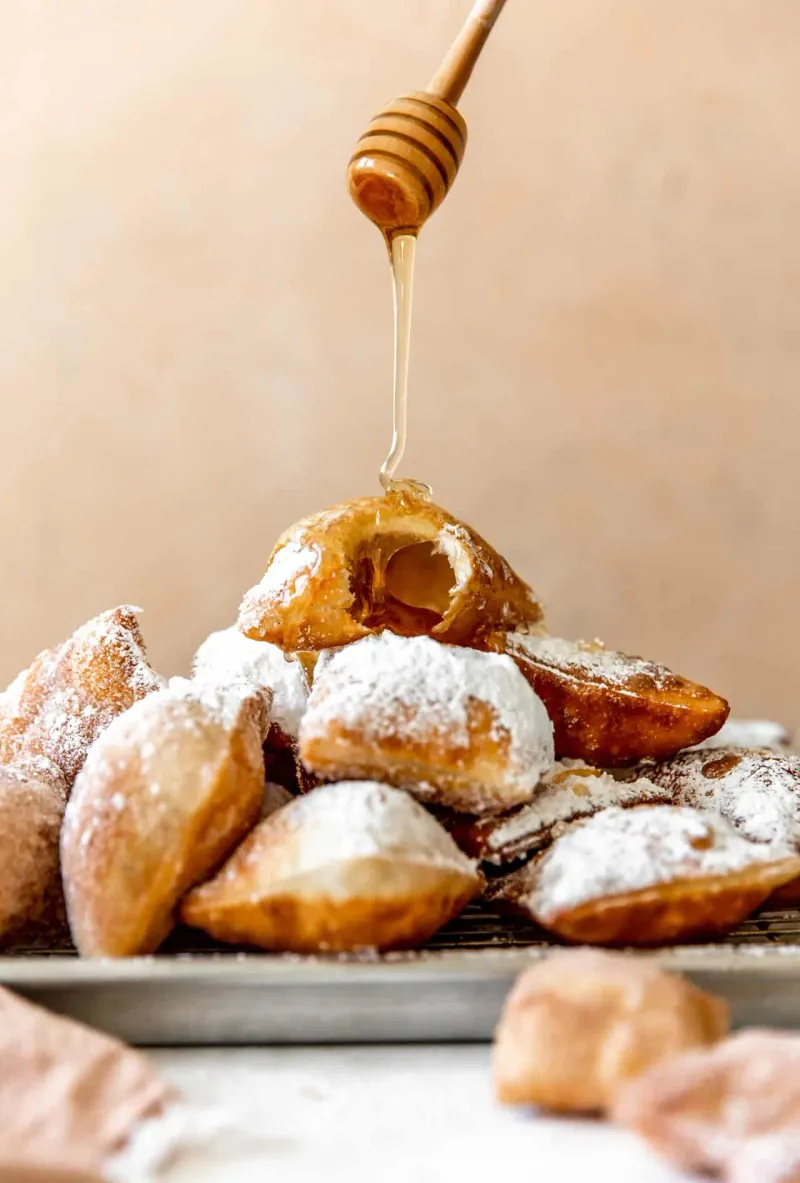
This fried pastry puff dusted with cinnamon sugar trips up many tongues. The emphasis belongs on the third syllable with a long ‘e’ sound, not the second syllable with a short ‘i’.
Texans love drizzling these hollow pillows with honey, which seeps into the airy pockets. The treat originated with Spanish settlers but has become a quintessential ending to Tex-Mex meals throughout the state, leaving sticky fingers and smiles in their wake.
4. Barbacoa (bar-bah-KOH-ah, not bar-buh-KOY-uh)
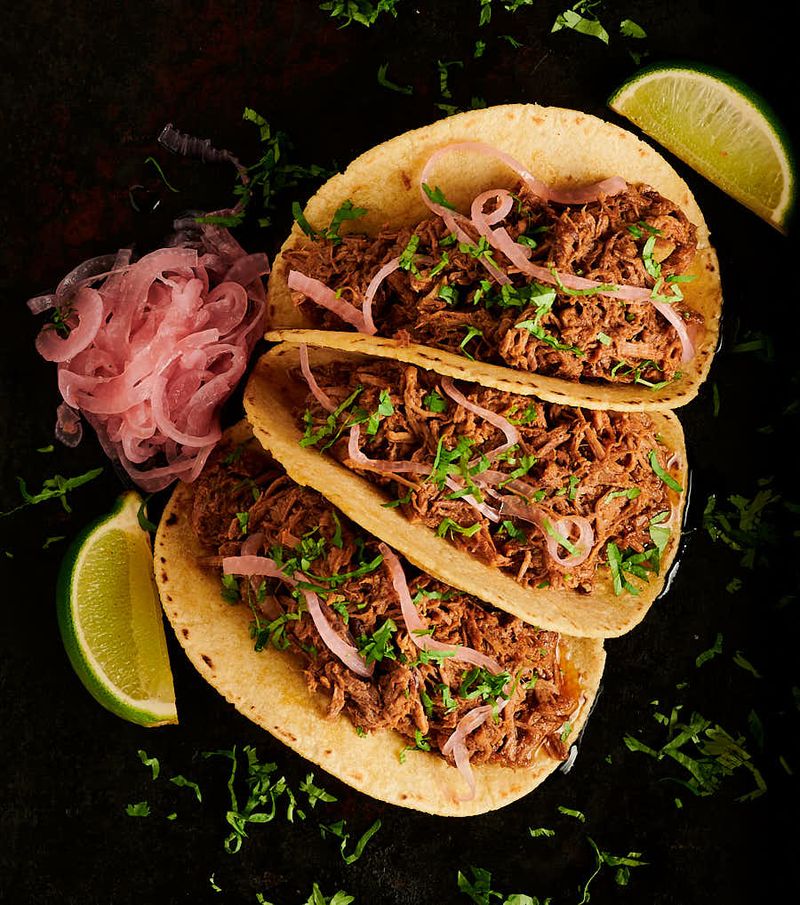
This traditional Mexican meat preparation confuses many visitors who try to add an extra ‘y’ sound. The final syllables should be pronounced “KOH-ah” rather than “KOY-uh.”
Made traditionally from beef cheek meat and slow-cooked until meltingly tender, barbacoa is a weekend breakfast tradition in South Texas.
Served with fresh corn tortillas, cilantro, onions, and lime, it’s worth waking up early for – and worth learning to pronounce correctly.
5. Fajita (fuh-HEE-tuh, not fuh-JEE-tuh)
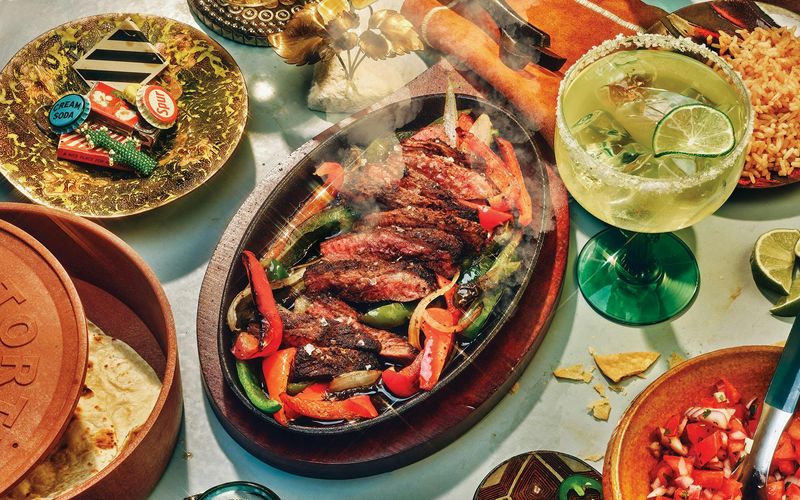
The ‘j’ sound that outsiders often use is a dead giveaway. True Texans use the Spanish pronunciation with an ‘h’ sound, making it “fuh-HEE-tuh.”
Originally made from skirt steak (the word literally means “little belt” in Spanish), fajitas sizzle on hot platters in Tex-Mex restaurants statewide.
The distinctive sound and smell of fajitas passing through a restaurant dining room never fails to make heads turn and mouths water.
6. Queso (KEH-so, not KWEH-so)
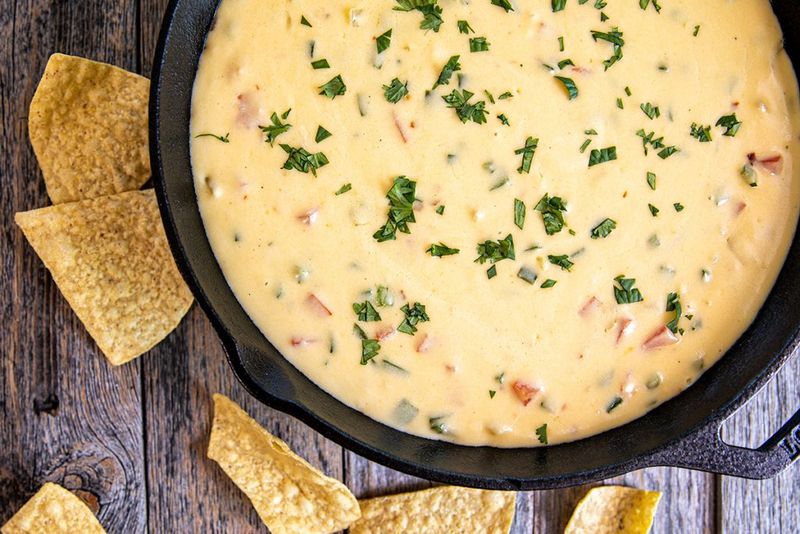
Texas’ beloved cheese dip gets an unnecessary ‘w’ sound from outsiders. Skip the ‘w’ and simply say “KEH-so” to blend in with the locals.
This melted yellow cheese dip studded with peppers is practically a religion in Texas. Unlike Mexican queso fundido, Texas queso is typically made with processed cheese for that signature smooth texture.
Texans debate endlessly about which restaurant serves the best version, but they all agree on how to pronounce it.
7. Menudo (meh-NOO-doh, not meh-NEW-doh)
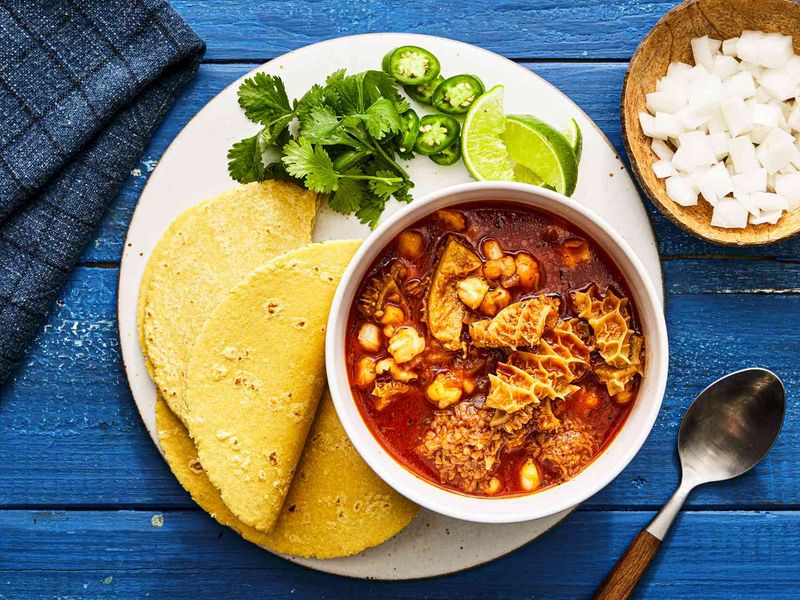
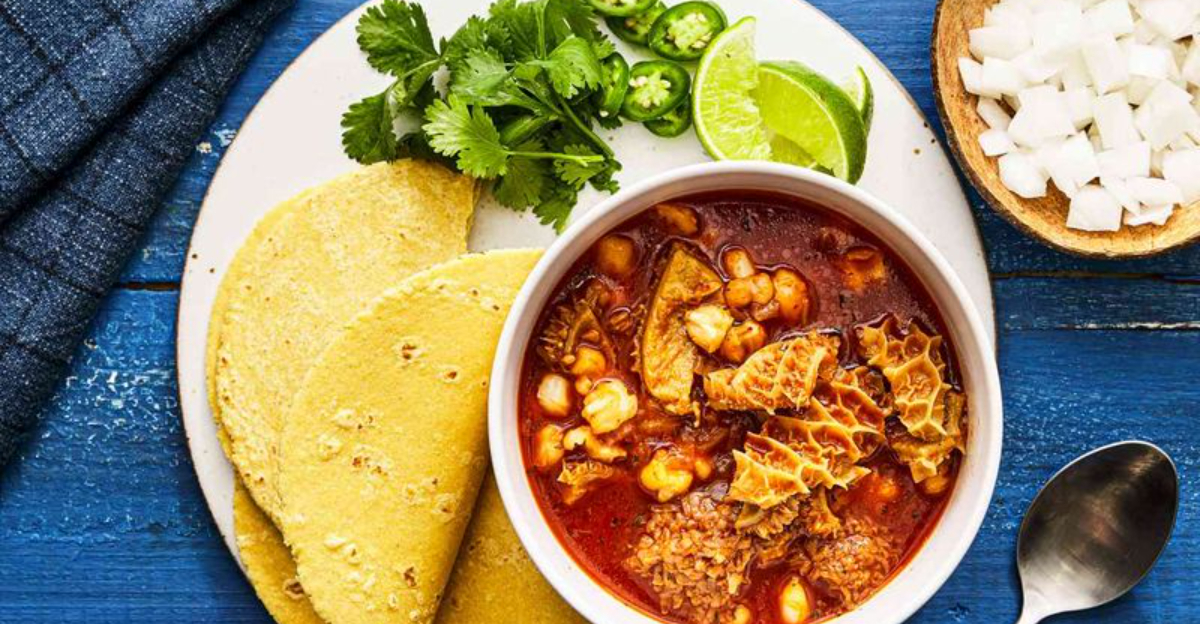
This traditional Mexican soup gets mispronounced with an English ‘new’ sound in the middle. The correct pronunciation uses a Spanish ‘u’ sound, making it “meh-NOO-doh.”
Made with tripe (beef stomach) and hominy in a red chile broth, menudo is famous as a hangover cure. Many Texan families gather on weekend mornings for this hearty soup, garnished with lime, cilantro, and onions.
8. Pan de Campo (pahn deh KAHM-po, not pan dee CAM-po)
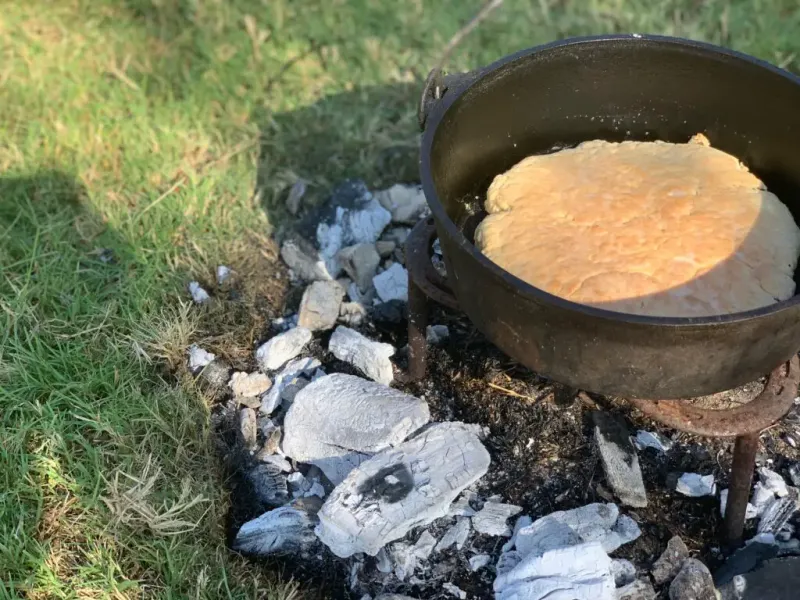
The official state bread of Texas deserves proper pronunciation. The ‘a’ sounds should be soft as in “father,” not flat as in “pan.”
This cowboy bread was traditionally cooked in cast iron over campfires by vaqueros and ranch hands. Simple ingredients of flour, baking powder, salt, and lard create a hearty bread that sustained cowboys on cattle drives.
9. Tamale (tuh-MAH-leh, not tuh-MAH-lee)
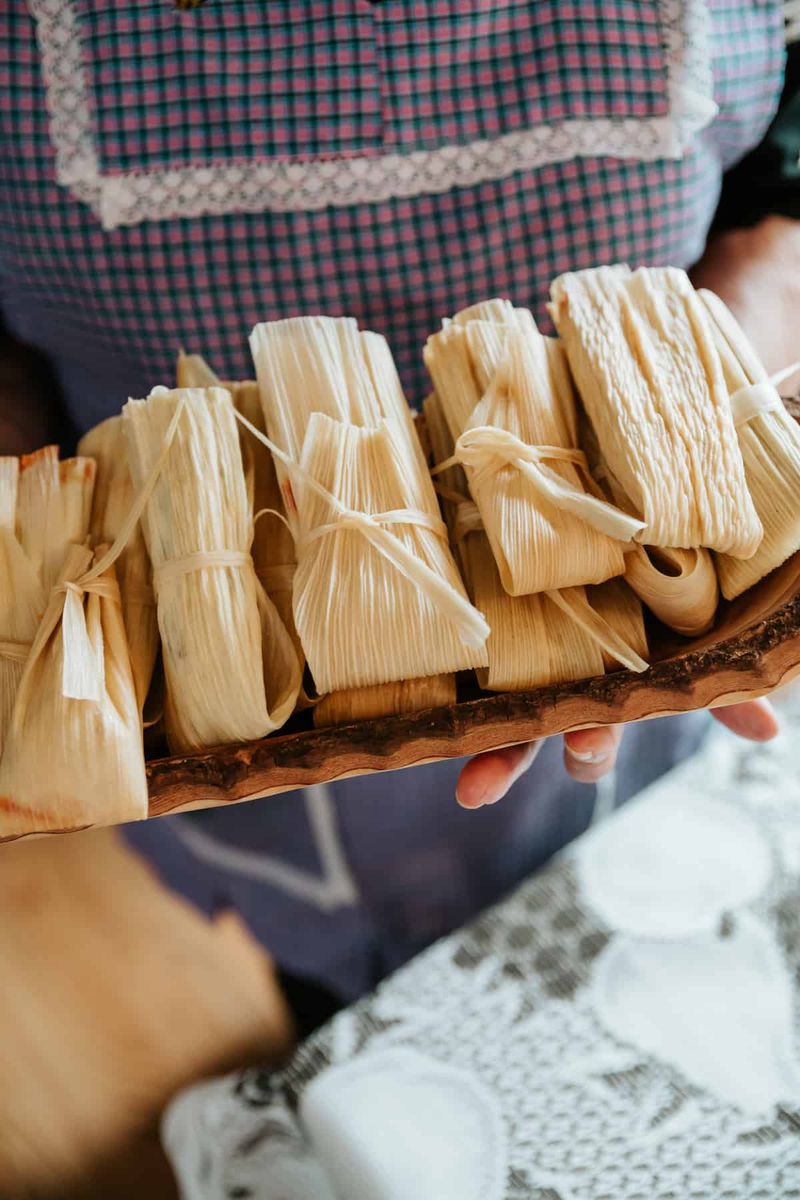
A single corn husk-wrapped delight is a “tamale” (tuh-MAH-leh), not a “tamali.” And definitely not a “tamal,” which is actually correct in Spanish but not how Texans say it.
Tamale-making gatherings called tamaladas are holiday traditions for many Texan families.
The labor-intensive process of spreading masa on corn husks and filling them with seasoned meat creates not just food but family bonds.
10. Churro (CHOO-roh, not CHUR-oh)
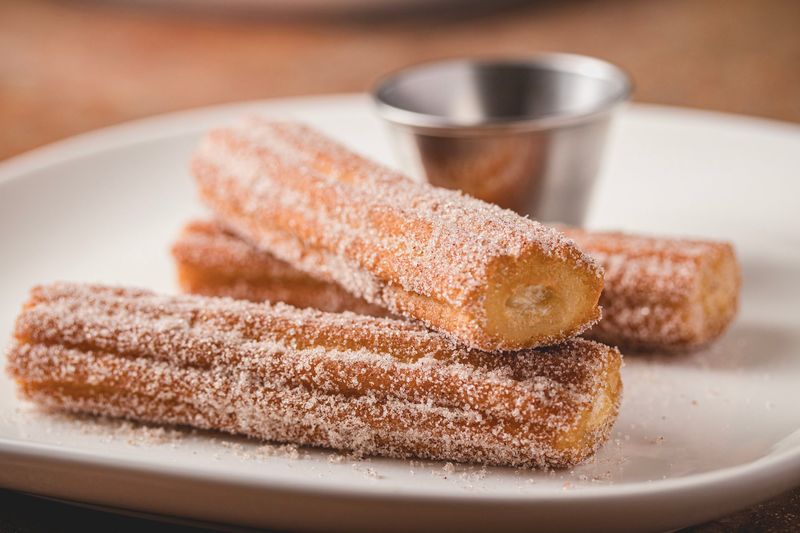
These fried dough pastries get a peculiar American twist in pronunciation. Say “CHOO-roh” with a proper Spanish ‘u’ sound, not “CHUR-oh” with an English ‘ur’ sound.
Crispy on the outside, soft on the inside, and coated with cinnamon sugar, churros appear at Texas fairs, festivals, and Mexican bakeries.
While traditionally dipped in chocolate or cajeta (goat’s milk caramel), many Texans enjoy them plain or with a sprinkle of extra cinnamon sugar for good measure.
11. Carne Guisada (CAR-neh gee-SAH-dah, not CAR-nay gee-SAW-dah)
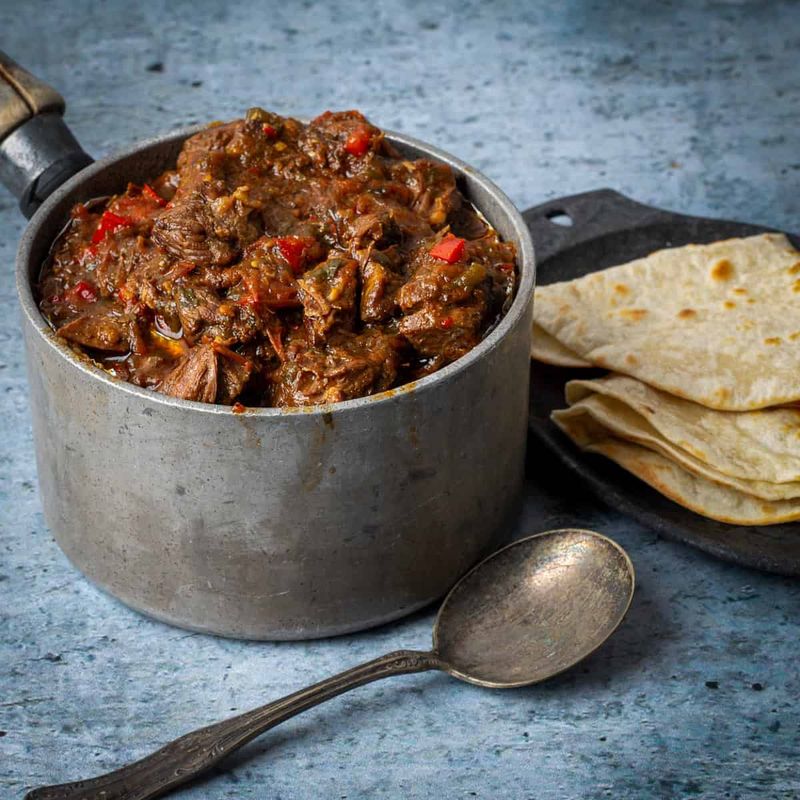
This savory beef stew gets mangled when visitors say “CAR-nay” instead of “CAR-neh” and “gee-SAW-dah” instead of “gee-SAH-dah.” The final ‘a’ should be pronounced like in “father.”
Chunks of beef simmered slowly with tomatoes, peppers, and spices create a thick, gravy-like Tex-Mex classic.
Perfect for spooning into warm flour tortillas, carne guisada appears on breakfast and dinner tables throughout South Texas. The comforting dish bridges Mexican cooking traditions with Texan heartiness.
12. Pozole (poh-SOH-leh, not poh-ZOH-lee)
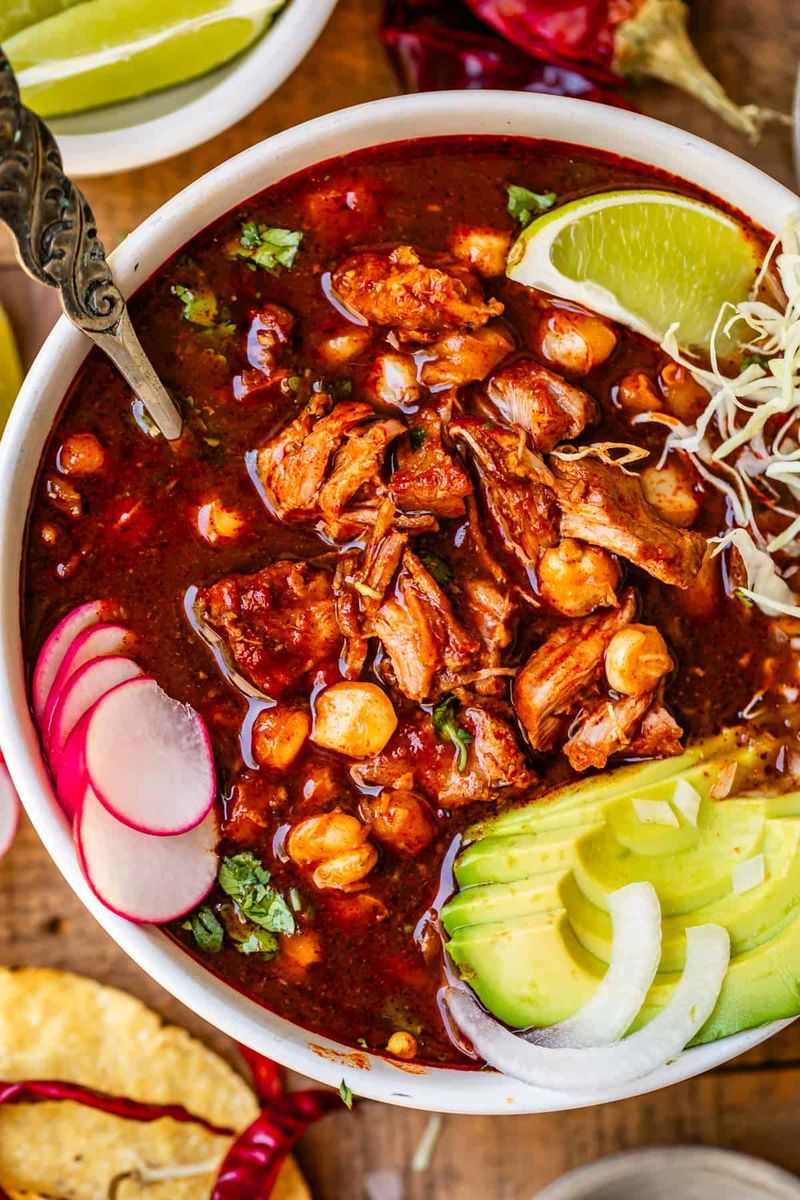
This hominy stew gets a pronunciation makeover from non-Texans who say “poh-ZOH-lee” with a ‘z’ sound and long ‘e’ ending. The correct form uses an ‘s’ sound and ends with “leh.”
This hearty Mexican soup combines hominy corn with pork or chicken in a flavorful broth. Texas variations often include both red chile and green tomatillo versions.
Topped with shredded cabbage, radishes, and lime, pozole transforms from simple stew to celebrated feast, especially during cold weather or celebrations.