What To Know Before Sampling Grapes At The Grocery Store

Ever been tempted to sneak a grape while shopping?
Those juicy little orbs practically beg to be tasted before buying. But hold up—there’s actually a right and wrong way to sample grapes at the grocery store.
Before you pop one in your mouth, here are five things you should know about this common but complicated shopping habit.
1. Ask Permission First

Contrary to popular belief, sampling isn’t automatically allowed everywhere. Many stores have specific policies about pre-purchase tasting.
A quick check with nearby staff can save you from awkward confrontations or side-eye from other shoppers. Remember: what’s acceptable at Farmer’s Market might be frowned upon at fancy grocers.
2. Wash Before You Munch

Grape skins harbor pesticides, handling residues, and sometimes even tiny bugs invisible to the naked eye. Yikes!
Most produce sections have small sinks or water dispensers specifically for this purpose. Give those babies a quick rinse before popping them in your mouth—your immune system will thank you later.
3. One Grape Is Enough

Grabbing a handful crosses the line from sampling into snacking (or worse—stealing). A single grape tells you everything you need to know about sweetness and texture.
Store owners calculate their profits assuming minimal sampling, not free grape buffets! The one-and-done rule keeps everyone happy while still letting you make an informed purchase.
4. Dispose Of Stems Properly
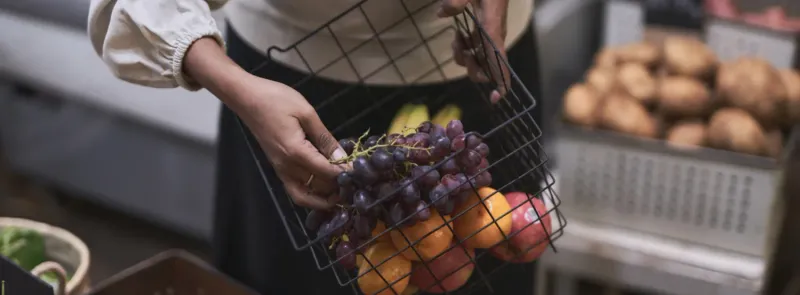
Nothing screams “amateur grape sampler” like abandoned stems scattered across produce displays! Where do those grape stems go after tasting?
Look for small waste bins near sampling areas, or hold onto them until you find a trash can. Pro tip: tucking stems into your pocket is better than leaving grape crime evidence throughout the store.
5. Buy What You Sample
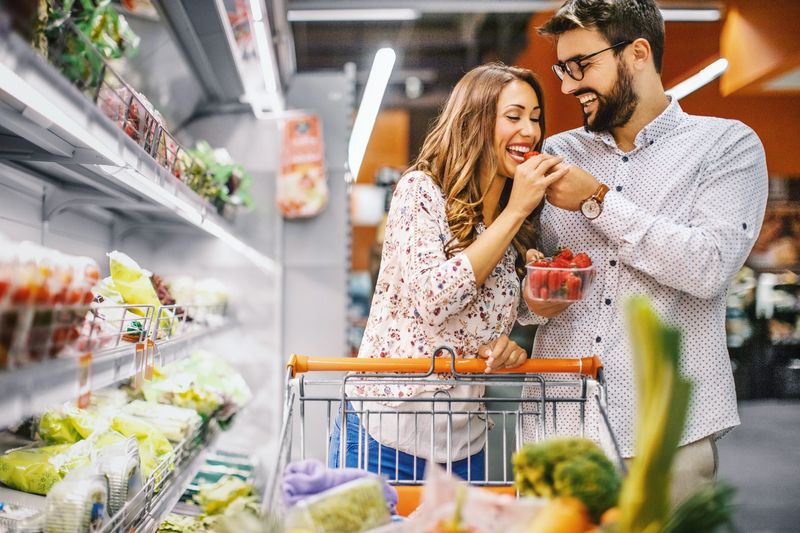
Sampling creates an unwritten contract between you and the store. If you taste it and it’s good—you should buy it!
Walking away after declaring “too sour” or “not what I wanted” feels tacky to everyone watching.
Good grape karma means supporting the stores that allow sampling by actually purchasing what you’ve previewed.
6. It Adds Up Over Time
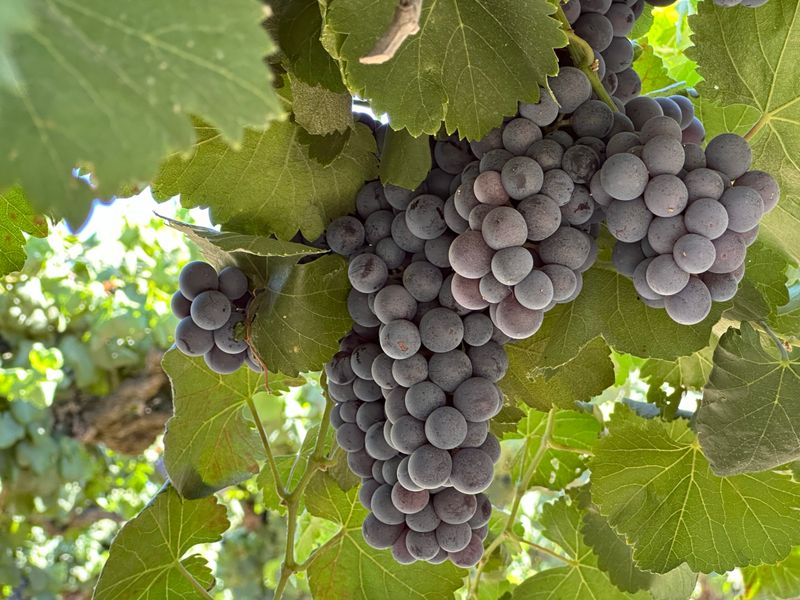
At first glance, grabbing a grape or two might seem harmless. But when dozens of shoppers do the same thing daily, it leads to significant product loss for stores.
That missing weight adds up quickly, cutting into profits and inventory. Ultimately, those small bites can contribute to higher prices for all customers.
7. Etiquette Matters
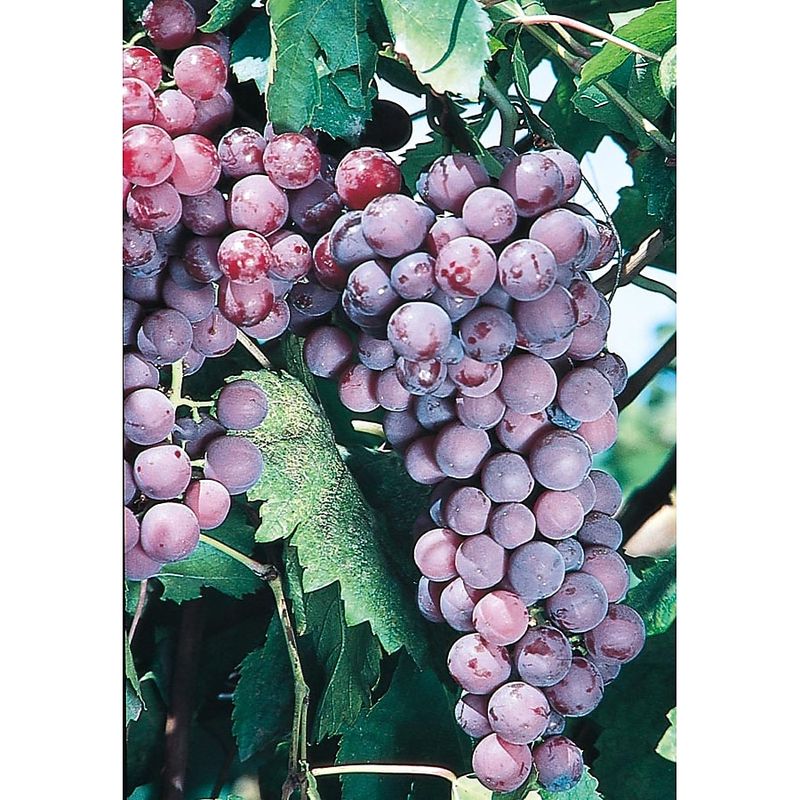
Sampling food you haven’t purchased crosses a line of basic grocery store etiquette. It’s not just a rule—it’s about showing respect for the workers who stock the shelves and the customers who expect clean, untouched produce.
Taking without paying creates a ripple effect of carelessness. A little courtesy goes a long way in shared public spaces.