20 Restaurant Red Flags You Should Never Ignore
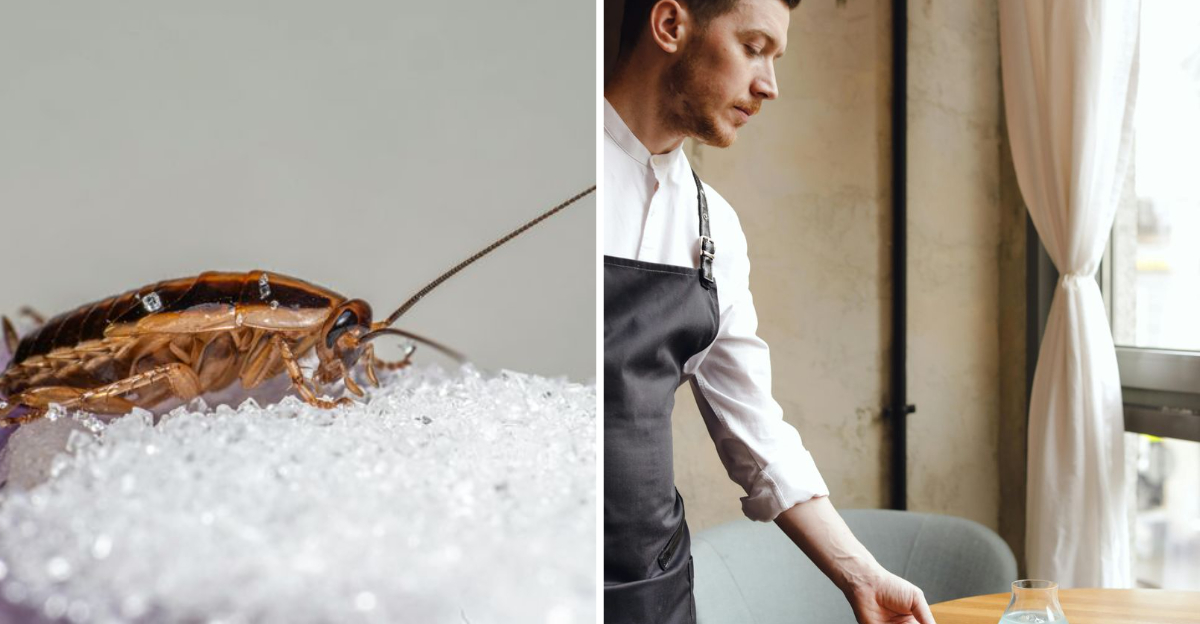
Not all restaurants are worth your time (or your appetite). I’ve had my fair share of dining disasters—sticky tables, mysterious smells, and meals that made me question my life choices.
The truth is, there are warning signs that can tell you before you take that first bite whether a place is worth staying or if you should make a swift exit.
From questionable cleanliness to shady menu tricks, these 20 red flags can make or break your meal.
1. Unpleasant Smell

The first red flag is the smell—if it smells off or unpleasant when you walk in, it’s time to reconsider. A stale or foul odor can indicate poor sanitation or spoiled food. Trust your nose; it rarely lies.
In a well-maintained establishment, the air should be inviting, filled with appetizing aromas. If something seems off, it might be a sign of underlying issues.
When in doubt, follow your instinct.
2. Dirty Restrooms
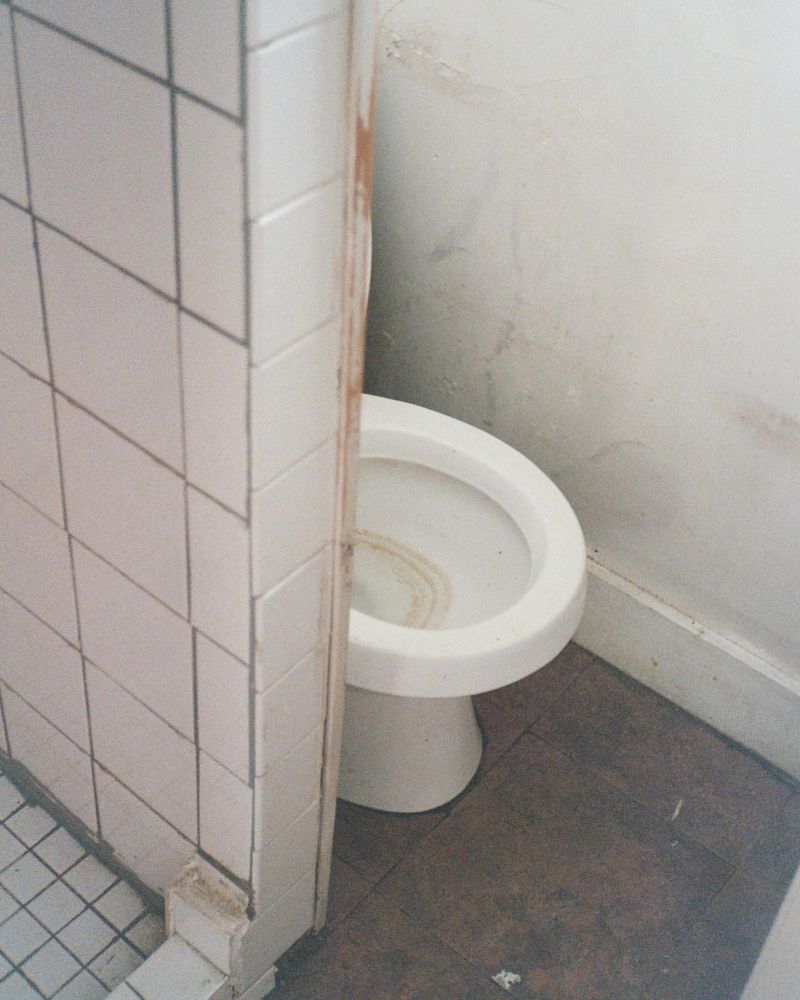
Dirty restrooms scream neglect. If the place where hygiene is paramount isn’t clean, imagine what the kitchen looks like. Gross!
A well-maintained restroom reflects the restaurant’s overall cleanliness standards. You deserve a clean and sanitary environment when dining.
If a restaurant can’t manage its restrooms, it’s probably not managing its kitchen well either. Move on to a place that values cleanliness.
3. Rude Servers
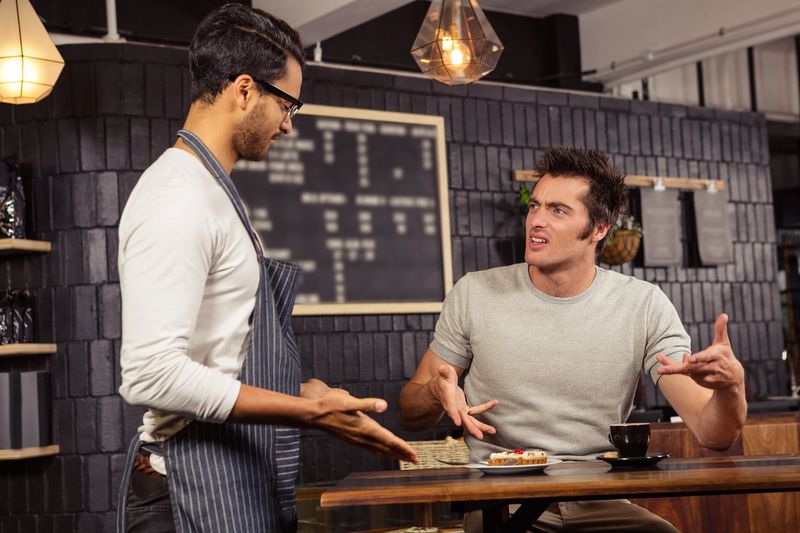
Rude servers? Big red flag. If the staff can’t be polite, chances are the kitchen isn’t any better. Politeness is a basic expectation.
Friendly, attentive service suggests a well-run establishment. Rudeness can signal dissatisfaction behind the scenes.
Dining should be a pleasant experience, not marred by hostility. Pay attention to how you’re treated—it’s a reflection of the restaurant’s values.
4. Sticky Menus
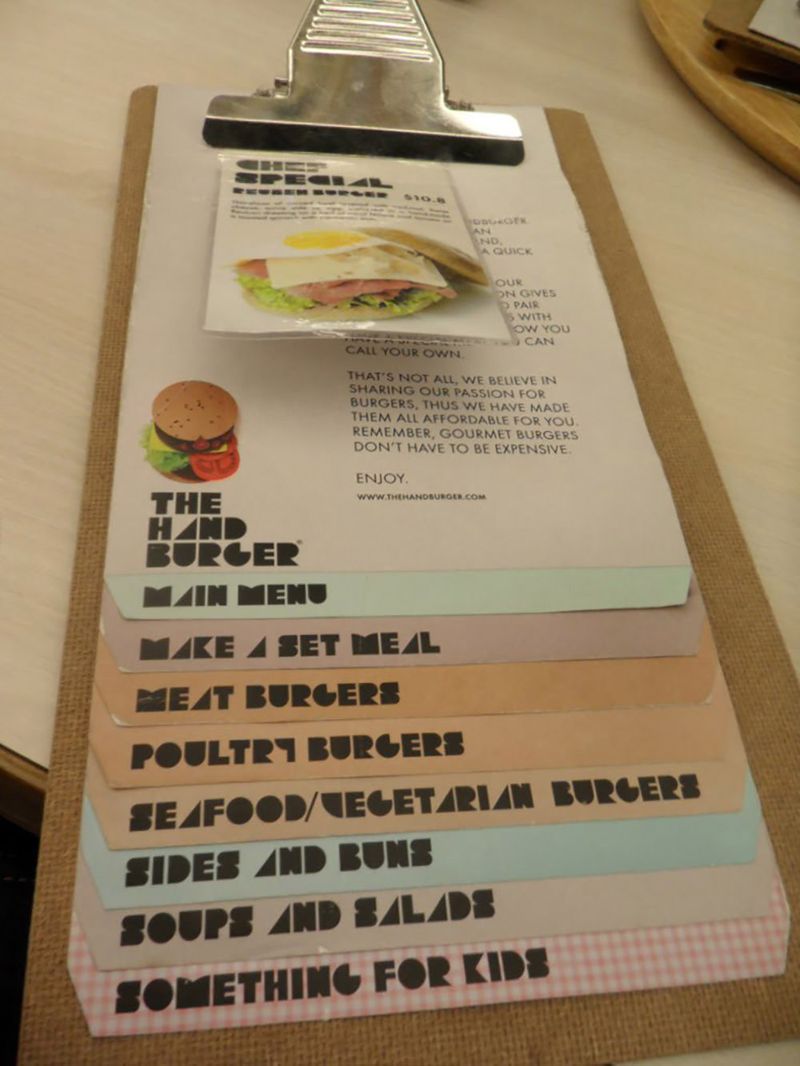
Sticky menus are a no-go. If menus aren’t clean, what else might be overlooked? It’s a small detail, but it speaks volumes.
Menus should be clean and easy to handle. Sticky or dirty menus are a sign of neglect. Consider it a warning sign.
Cleanliness in small details often reflects the overall state of a restaurant.
5. Unattended Tables
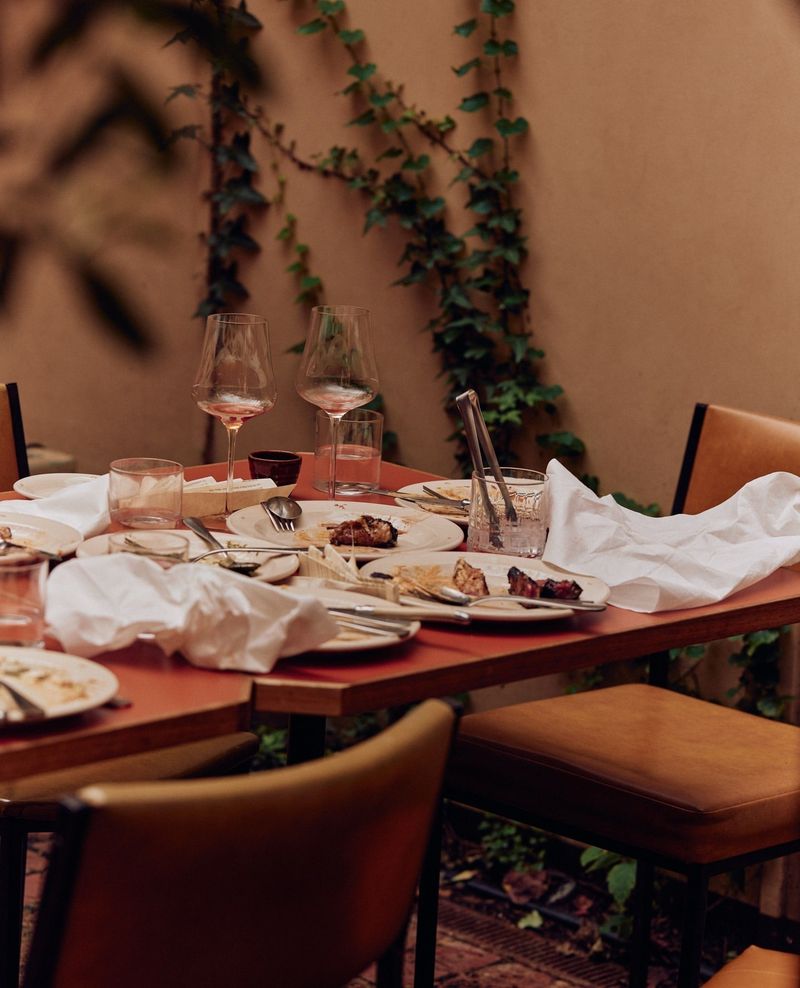
Tables left dirty for too long are a problem. It shows a lack of care and organization by the staff.
A tidy table is a basic expectation. If tables remain unclean, it suggests staff may be overwhelmed or apathetic.
You deserve a clean, welcoming space. Don’t settle for less when choosing where to eat.
6. Noisy Environment
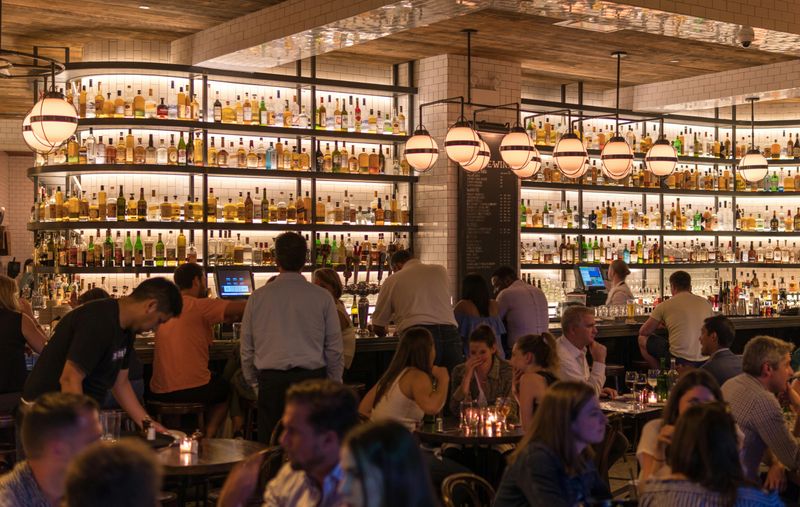
Excessive noise can ruin your meal. If you can’t hear yourself think, it might not be the best choice.
Noise levels should enhance the dining experience, not detract from it. Comfort matters. Seek a place where conversation flows easily.
Your dining environment should be pleasant and relaxing.
7. Unclear Menu
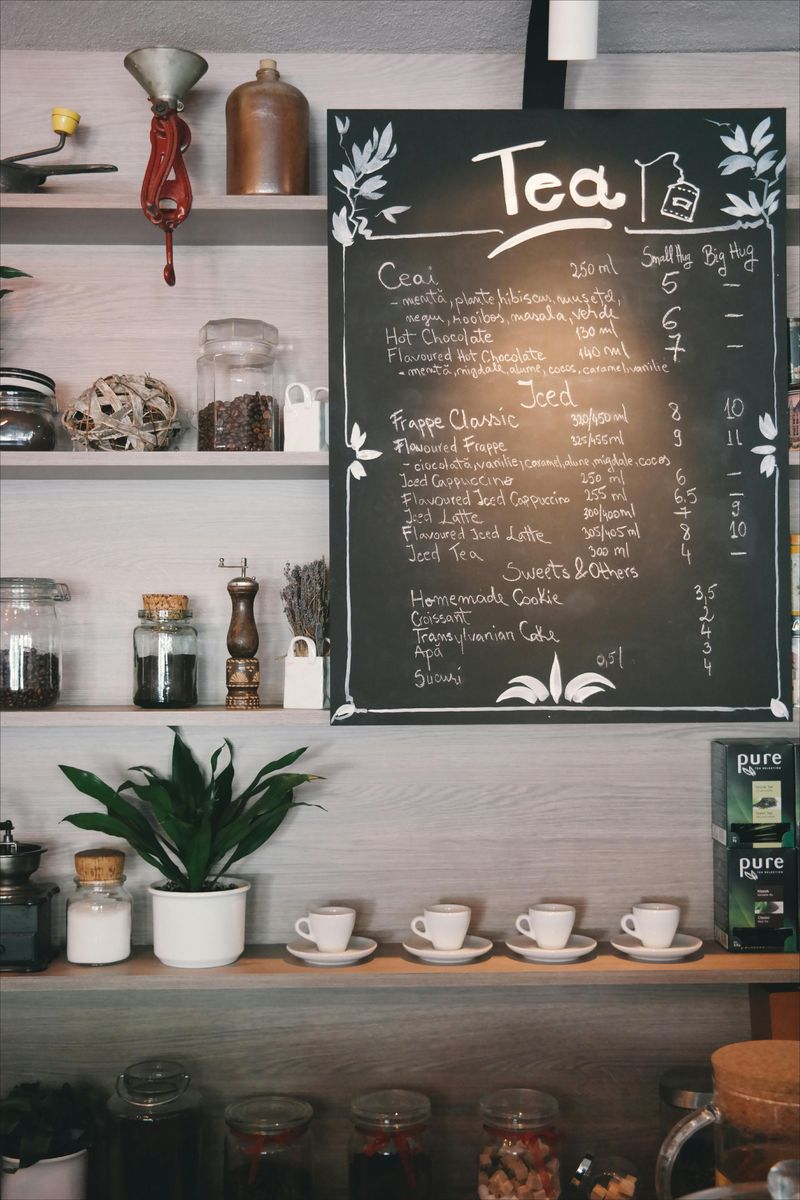
An unclear menu is a headache. If you can’t tell what you’re ordering, it’s a problem.
Menus should be straightforward, with clear descriptions and pricing. Confusion can lead to disappointment.
Choose a place where the menu is transparent and easy to navigate. Clarity is key to a great dining experience.
8. Long Wait Times
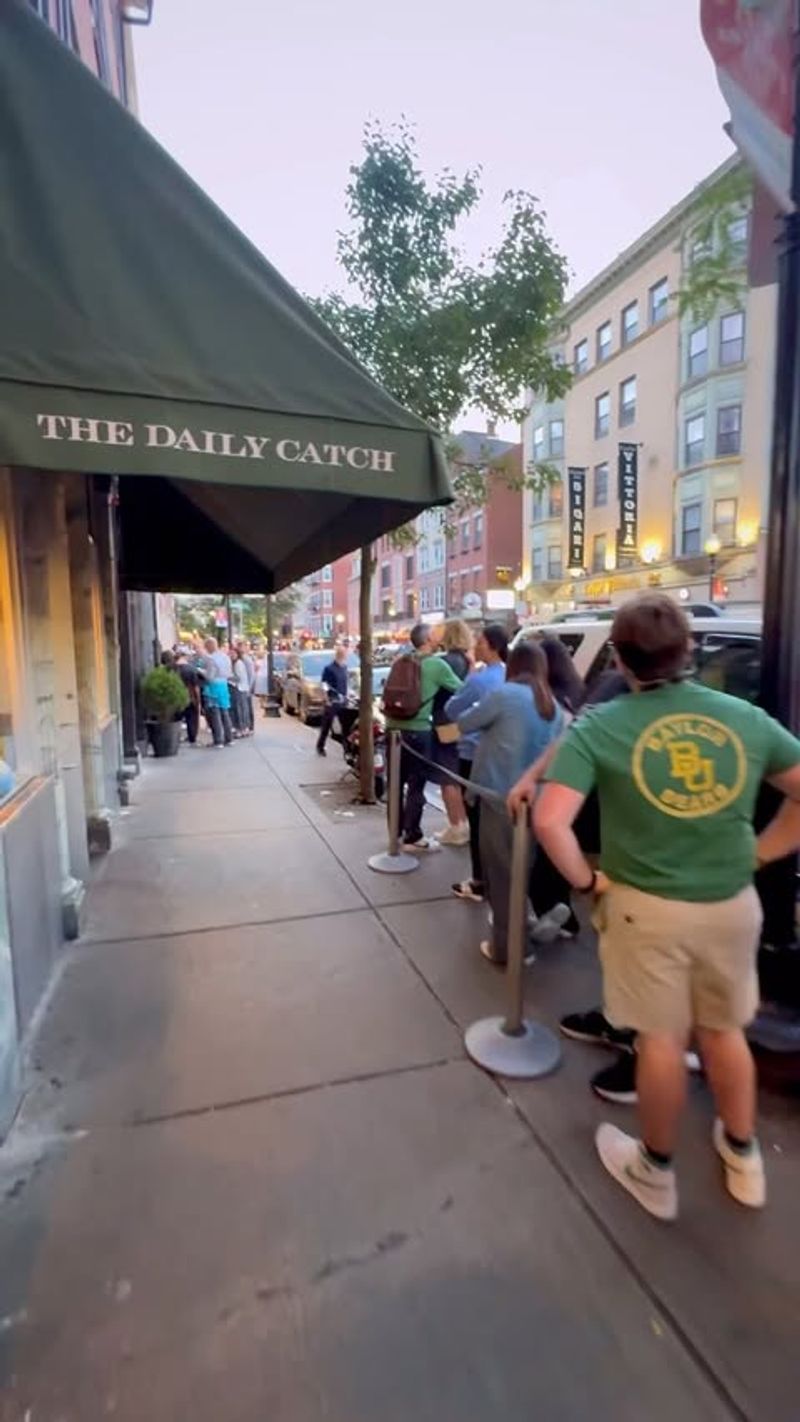
Endless waiting isn’t worth it. If service is slow before you even order, beware.
Efficient service is crucial. Long waits might mean understaffing or disorganization. Opt for a restaurant where your time is valued. A seamless experience is vital to enjoy your meal.
9. Strange Menu Items
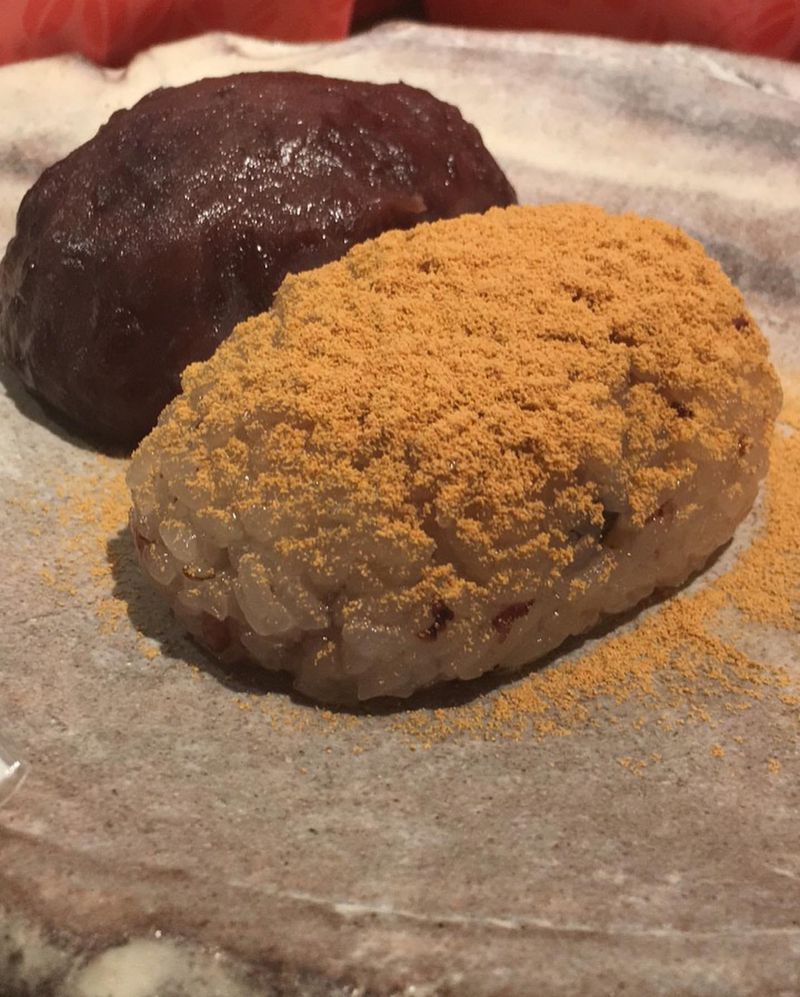
Odd menu items can be a gamble. If things seem strange, it may be a sign of a kitchen lacking focus.
Menus should make sense and reflect the restaurant’s theme. Weird combinations might not be worth the risk.
Go with your gut. Choose places with well-thought-out, appealing selections.
10. Visible Pests

Pests are a serious no-no. If you spot any, it’s time to leave.
Restaurants must adhere to strict hygiene standards. Pests indicate a major lapse. Your health is a priority. Don’t compromise—choose a cleaner, safer dining environment.
11. Overly Bright Lighting
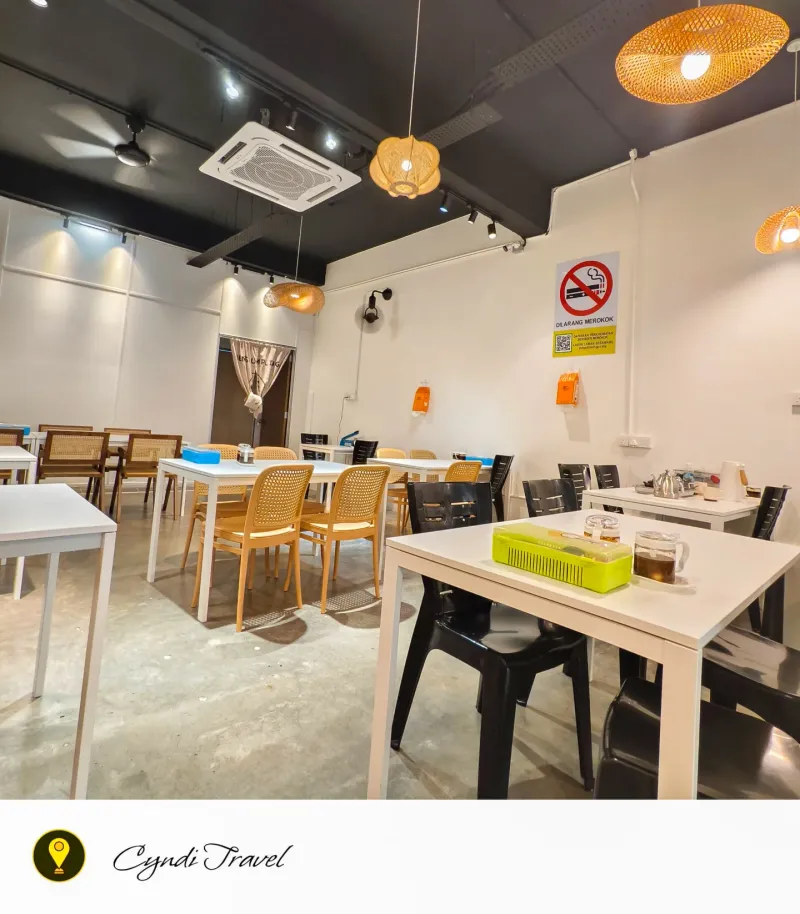
Harsh lighting can kill the mood. If it feels more like a hospital than a cozy eatery, reconsider.
Lighting sets the tone. It should be warm and inviting, not glaring or uncomfortable. Seek a place with ambiance that complements the meal. Comfort enhances the dining experience.
12. Limited Payment Options
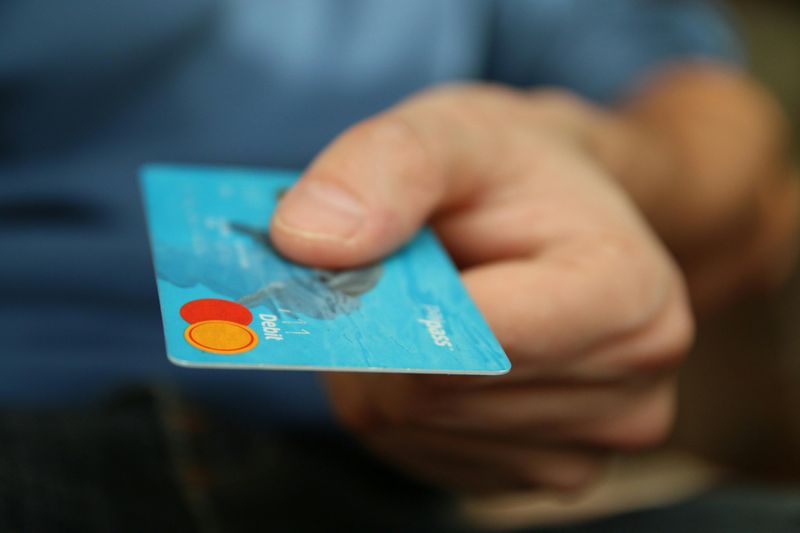
Cash-only can be inconvenient. In this digital age, accommodating multiple payment methods is expected.
Limited options might suggest outdated practices. You shouldn’t face hassles at checkout.
Choose modern, flexible establishments. Your convenience should always be a priority.
13. Unfriendly Host
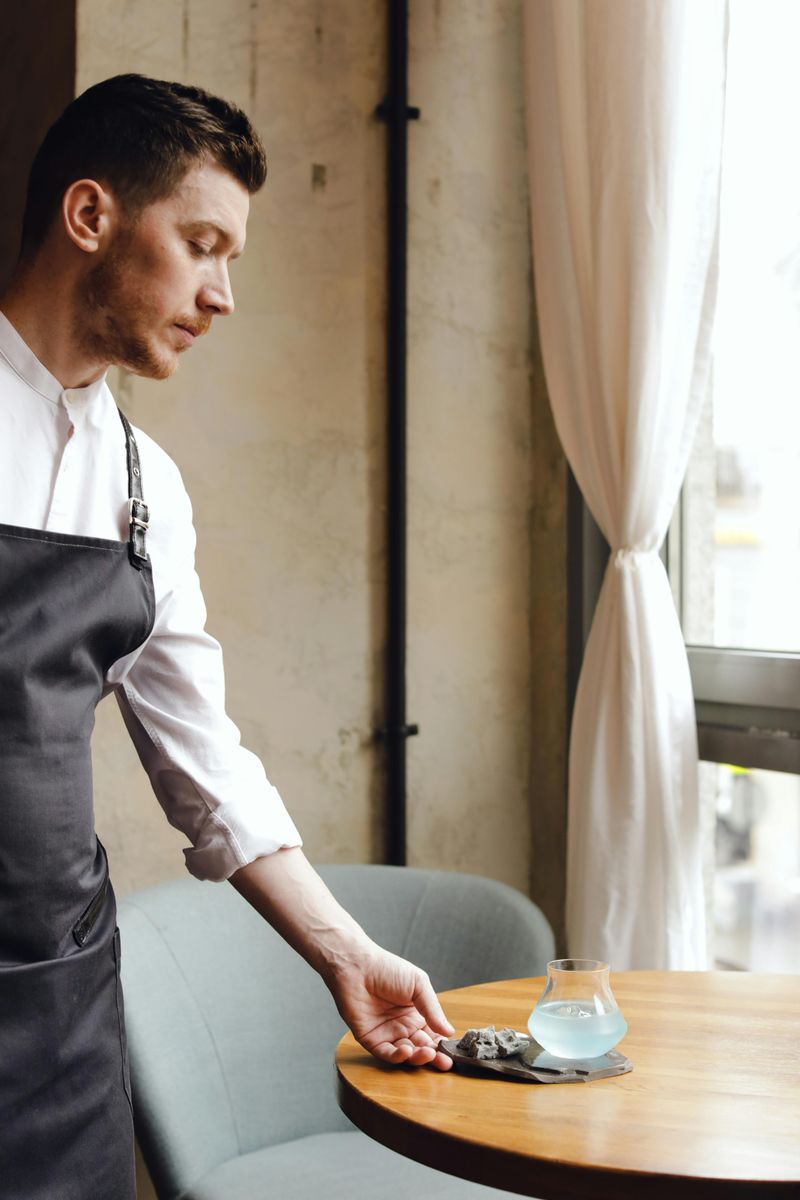
A dismissive host sets the wrong tone. First impressions matter.
A friendly welcome is crucial. An unwelcoming demeanor could reflect deeper issues. Select a restaurant where hospitality is valued. Your dining experience starts at the door.
14. Overpriced Items
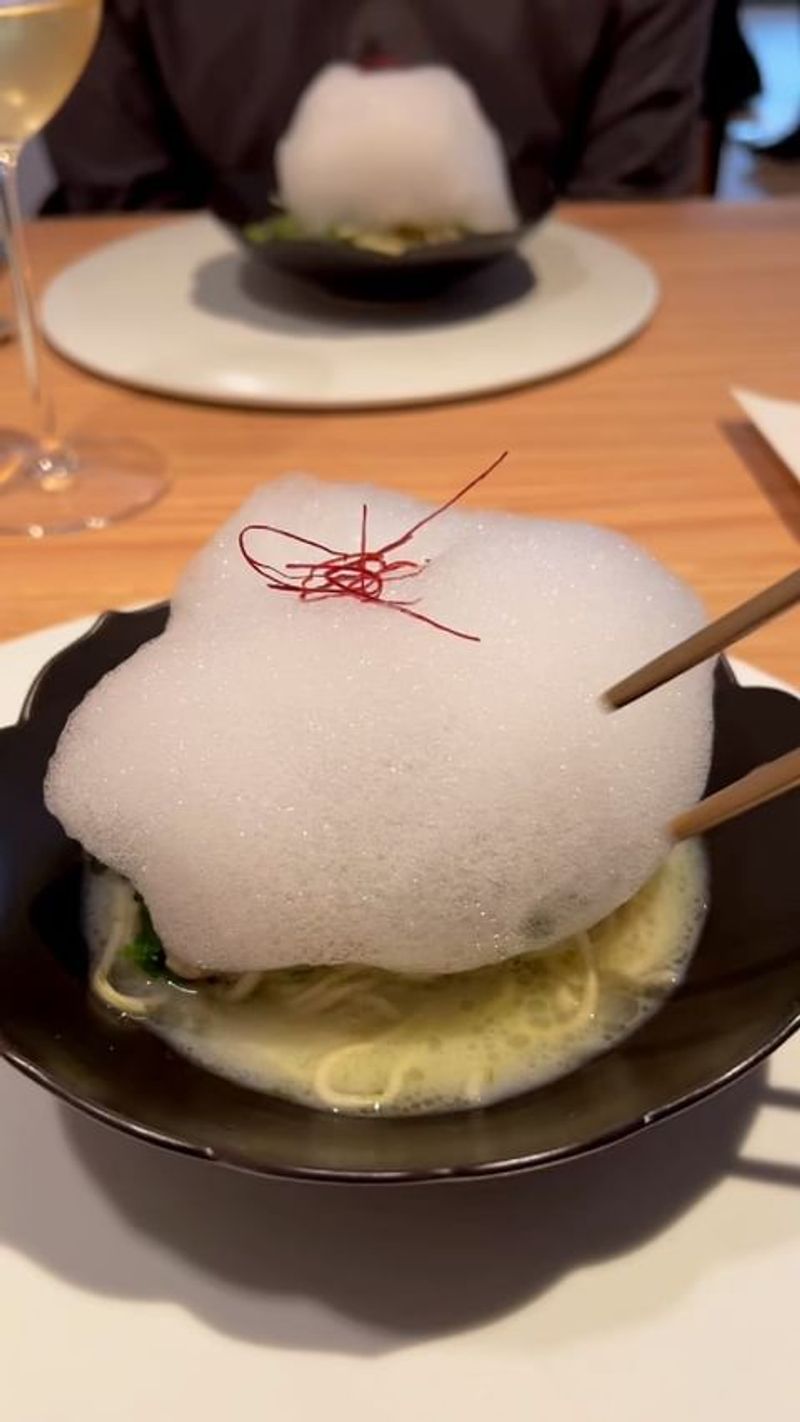
Overpricing is another red flag. If prices seem inflated, question why.
Quality should match cost. Overpriced food might not deliver on taste or experience. Be wise—seek value for your money. Dining should feel rewarding, not regrettable.
15. Inconsistent Food Quality
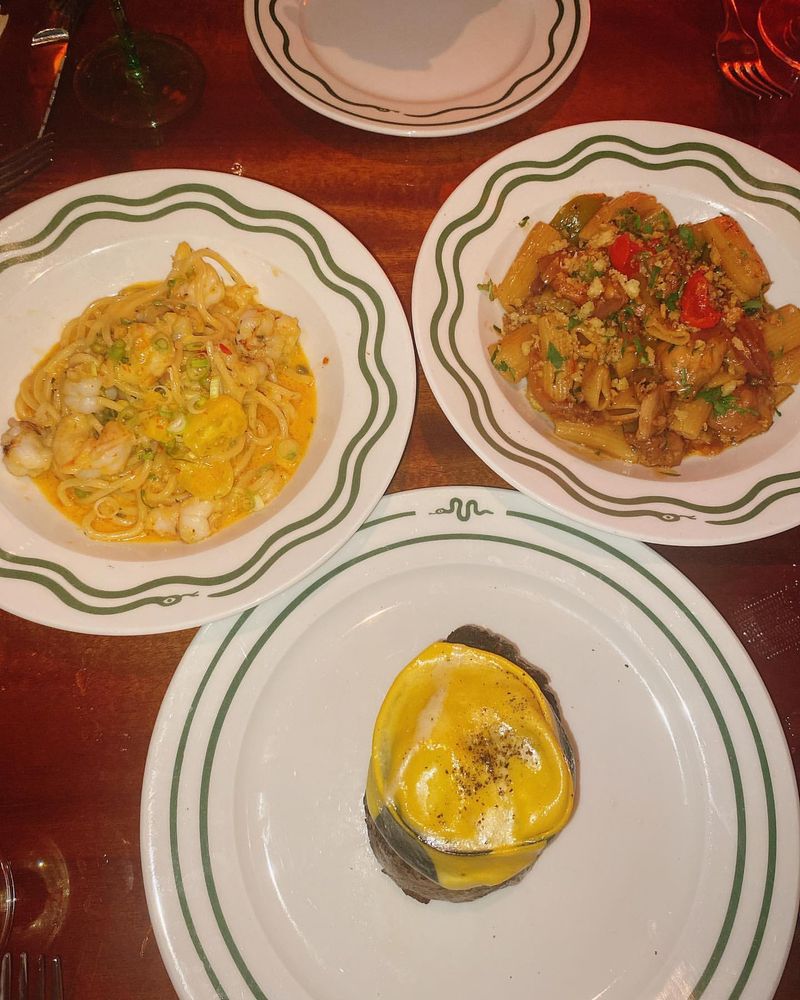
Inconsistency can be frustrating. If the food quality varies, it’s a red flag.
Consistency is key to satisfaction. You should expect the same standard every visit. Embrace trustworthiness. Choose restaurants known for delivering quality every time.
16. Unorganized Layout
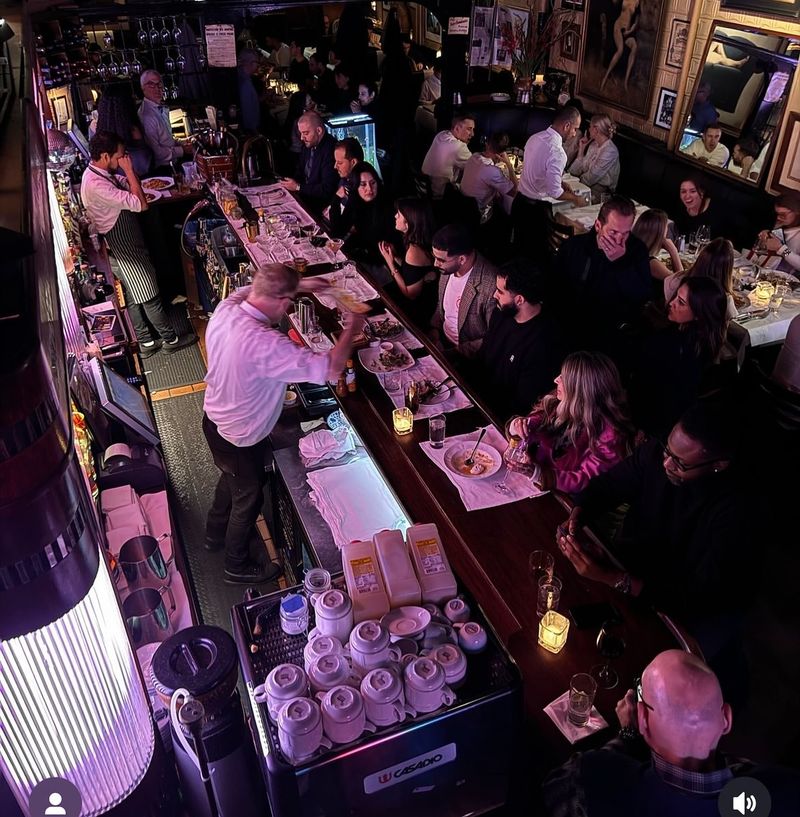
A chaotic layout disrupts your meal. If navigating the space feels awkward, it’s a problem.
Layout affects comfort and flow. It should never hinder your experience. Enjoy a stress-free meal by selecting well-organized spaces. Comfort and ease matter.
17. Mismatched Decor
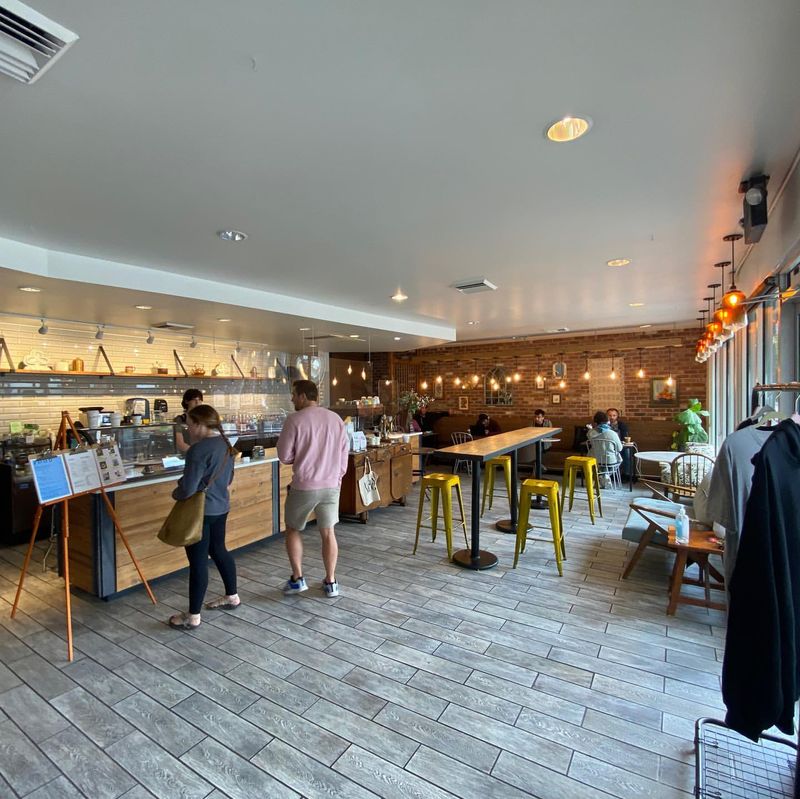
Mismatched decor can be distracting. It signals a lack of cohesion.
The ambiance should complement the dining experience. Confusion detracts from enjoyment. Seek harmony. Choose places where the decor enhances the atmosphere and meal.
18. Unlabeled Allergens
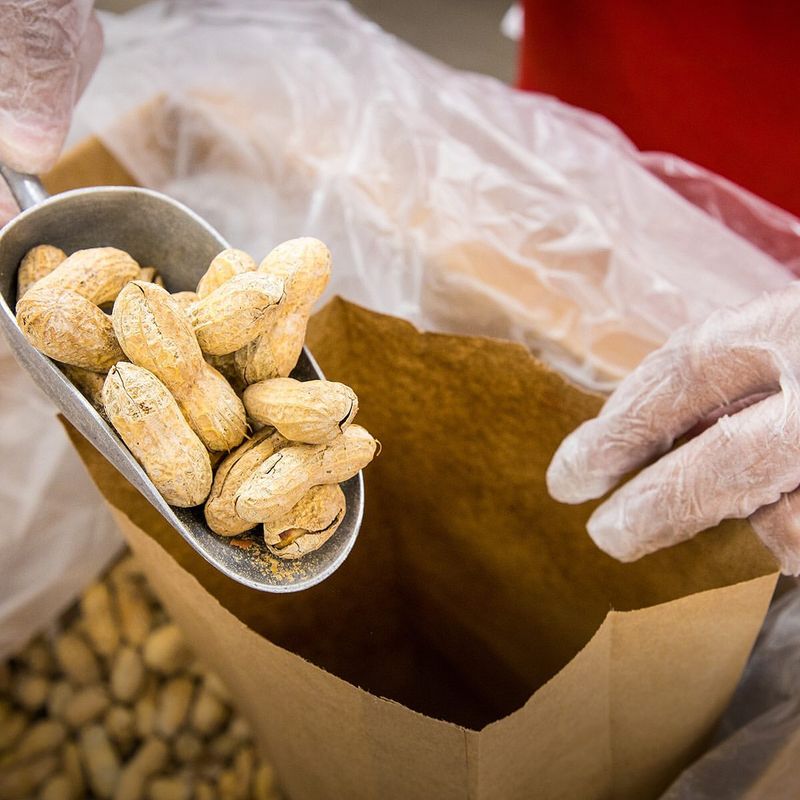
Unlabeled allergens are a risk. If allergens aren’t clearly marked, it’s a serious oversight.
Safety should be top priority. Diners need confidence in what they consume. Put your health first and choose eateries that make allergen information obvious.
19. Unappetizing Presentation
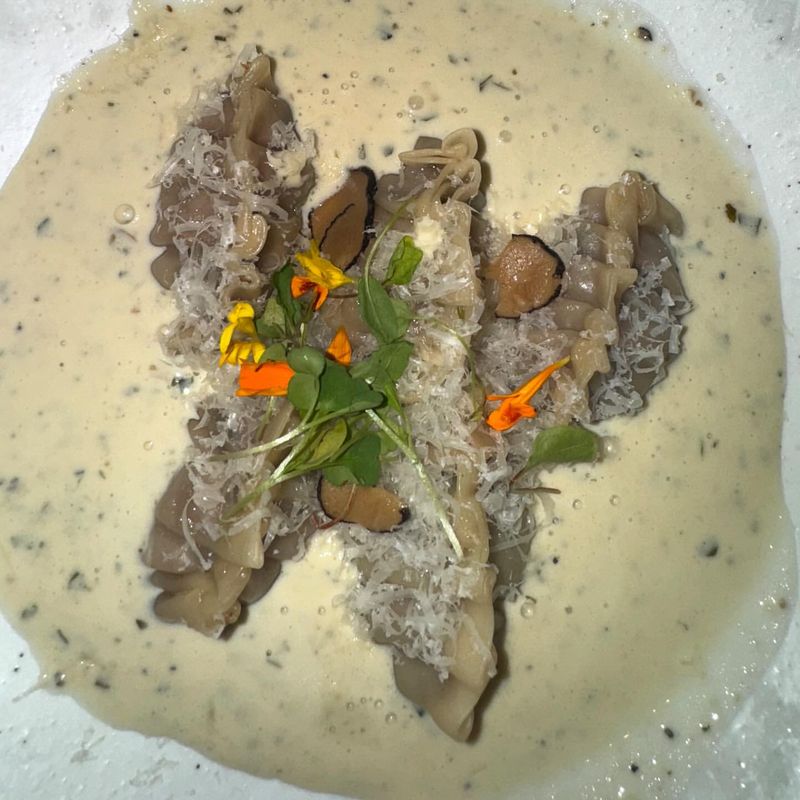
Presentation matters. If the food looks unappetizing, it might not taste great either.
Visually appealing dishes enhance your dining experience. Lack of care shows in presentation. Select places that value aesthetics. A well-presented meal is a joy to eat.
20. Uncomfortable Seating
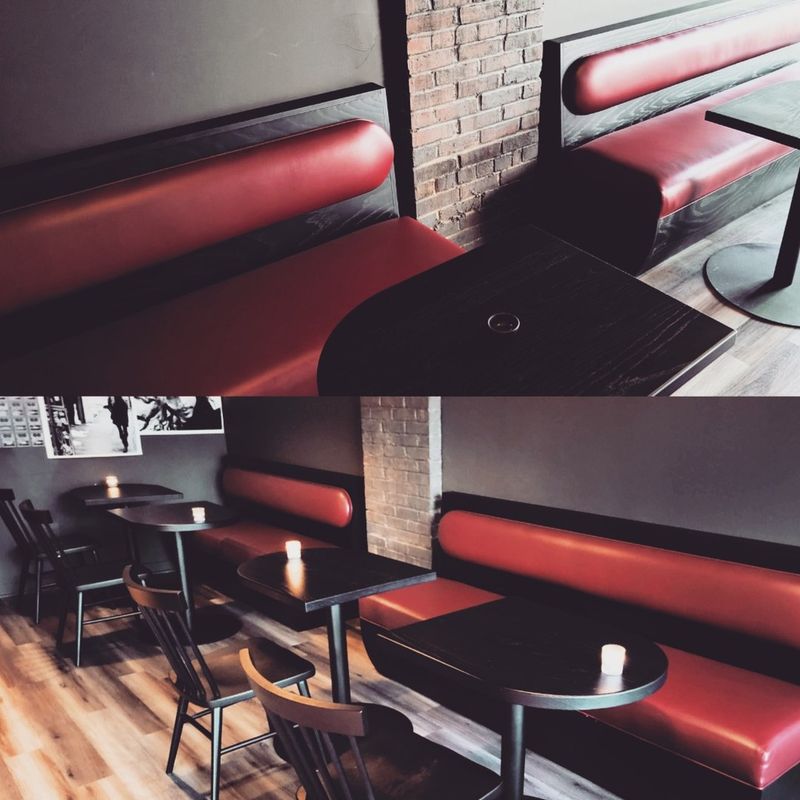
Seating should be comfortable. If chairs are worn or awkward, it detracts from the meal.
Comfortable seating complements a relaxing dining experience. Anything less is a distraction. You should always prioritize comfort when visiting a restaurant. Choose places where you can enjoy your meal in ease.