Why Restaurant French Fries Always Taste So Much Better Than Homemade
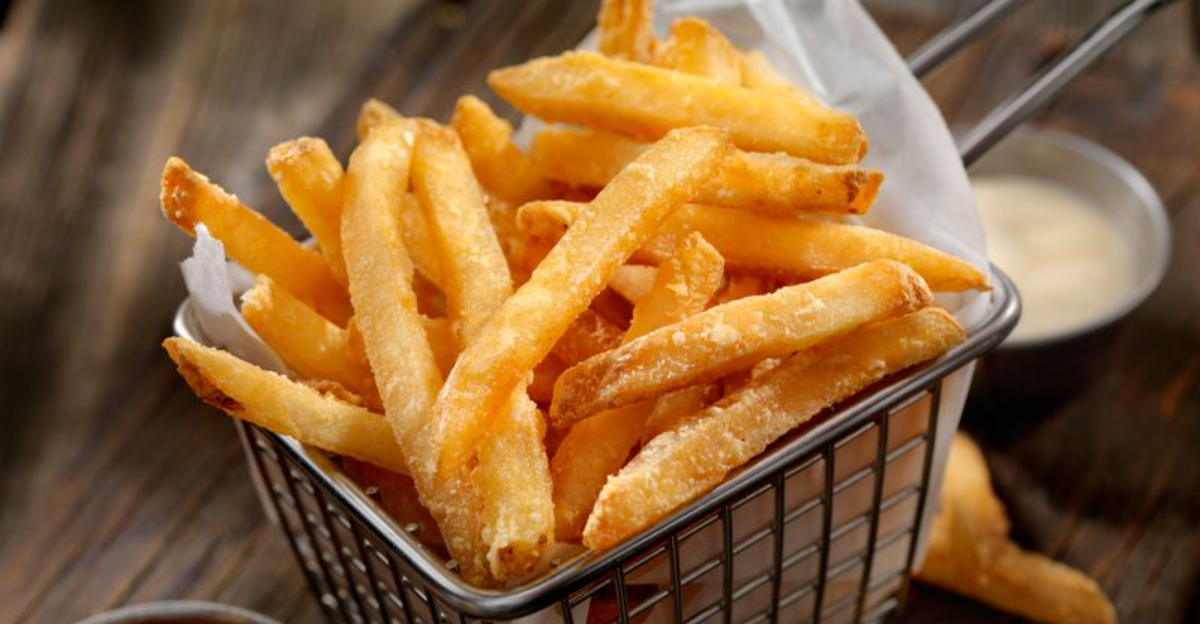
There’s a special place in our hearts (and bellies) for restaurant French fries. They’re the sidekick that often steals the show, the golden-brown beacon of comfort.
But why, oh why, do our homemade attempts consistently fall short of their crispy, fluffy glory?
1. Double-Frying Magic
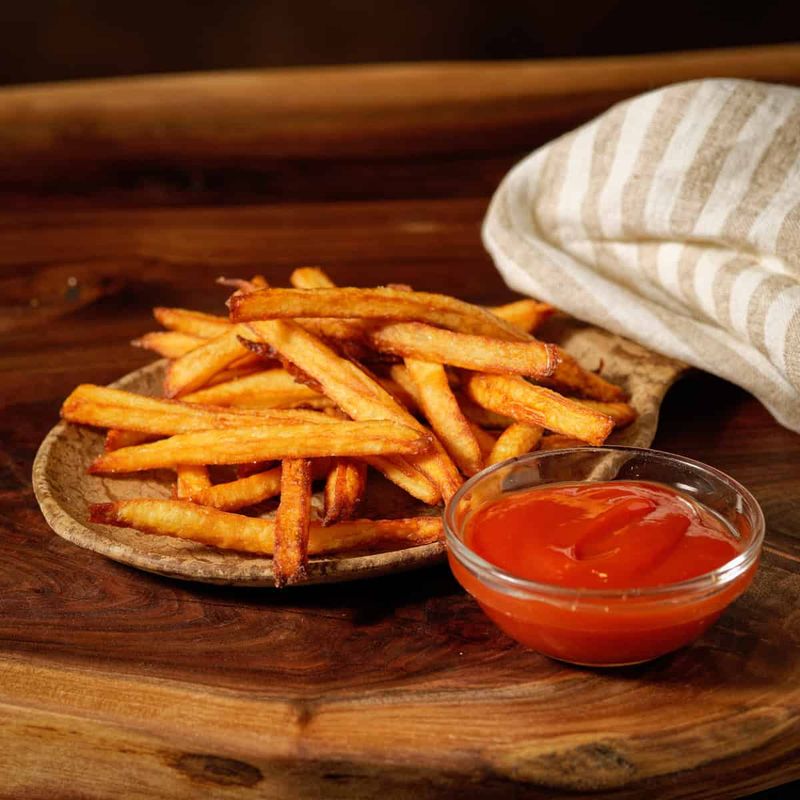
Restaurant chefs don’t just fry potatoes once – they give them a luxurious double-dip treatment! The first fry cooks the inside, while the second creates that legendary crispy exterior.
This technique delivers that perfect contrast between fluffy interior and crunchy shell that’s nearly impossible to achieve at home without proper timing and temperature control.
2. Commercial Fryers Hit Higher Temperatures
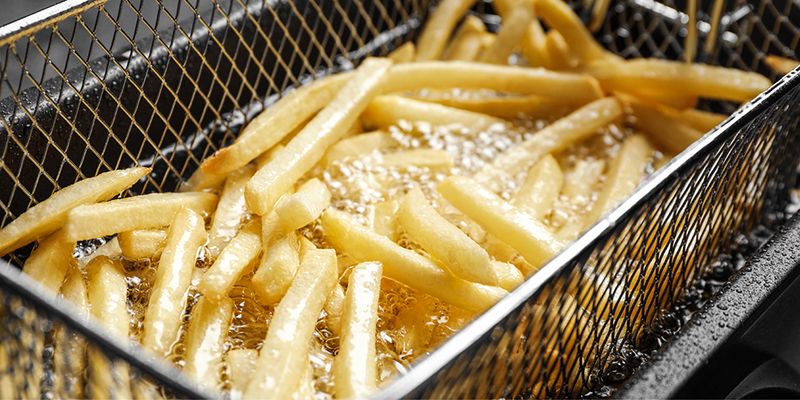
Your home stovetop simply can’t compete with the fierce heat of commercial fryers. Restaurant equipment reaches and maintains temperatures between 350-375°F consistently, creating that perfect crisp.
Home deep fryers often struggle with temperature drops when food is added, resulting in soggy, oil-soaked disappointments instead of crispy golden perfection.
3. Special Potato Varieties
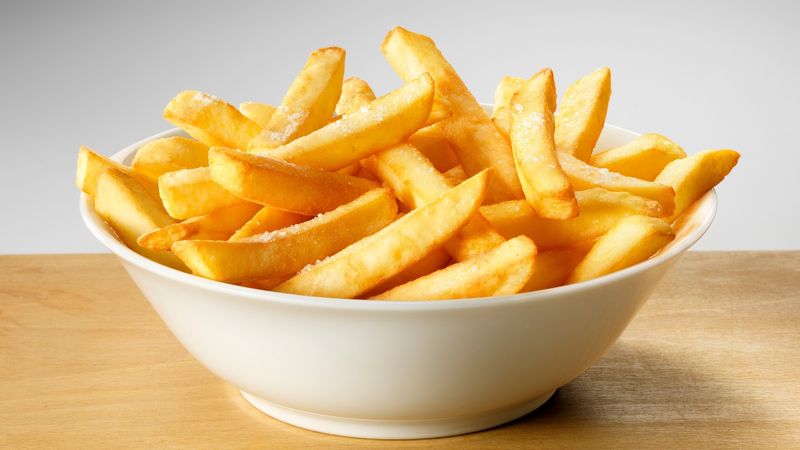
Not all potatoes are created equal! Restaurants carefully select specific varieties like Russet Burbanks or Kennebecs that have the ideal starch content for frying.
Premium potatoes create that magical combination of crispy outside and fluffy inside. Meanwhile, the random potatoes from your grocery store might be too waxy or too moist for perfect fries.
4. The Secret Soaking Step
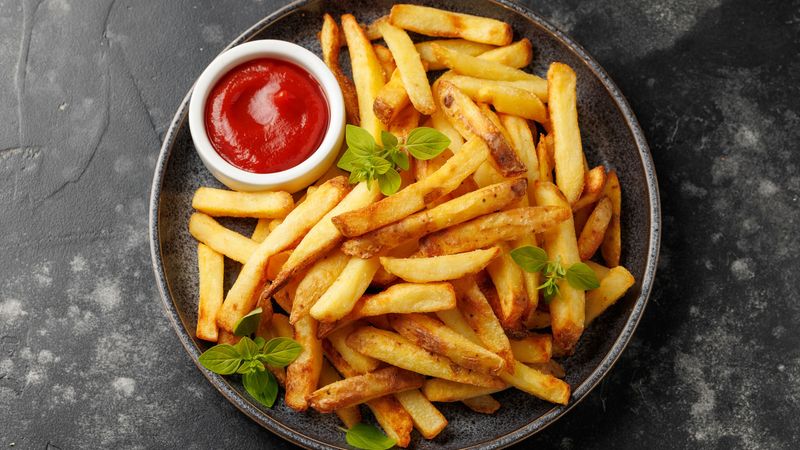
Behind the scenes, restaurant fries take a long, cold bath before cooking. Soaking potatoes in water removes excess starch and prevents fries from sticking together.
Some places even use vinegar-water solutions to strengthen the potatoes’ cell walls! This prep work takes hours that most home cooks simply don’t invest in their french fry adventures.
5. Oil Quality And Filtration Systems
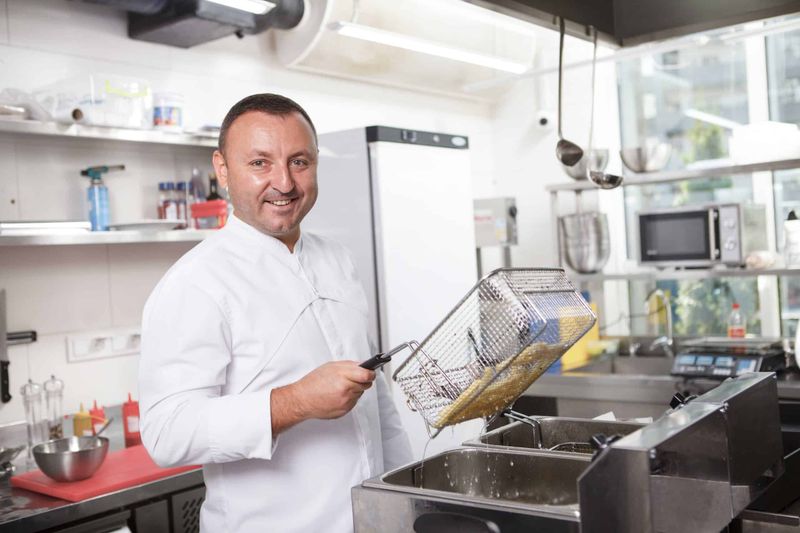
Restaurants use specialized oil blends with higher smoke points and neutral flavors specifically designed for frying. Plus, they filter their oil regularly to remove food particles.
Your home cooking oil might be great for sautéing but probably can’t handle the high-heat demands of perfect french fries. Clean, fresh oil makes a world of difference in taste!
6. Perfect Salting Technique
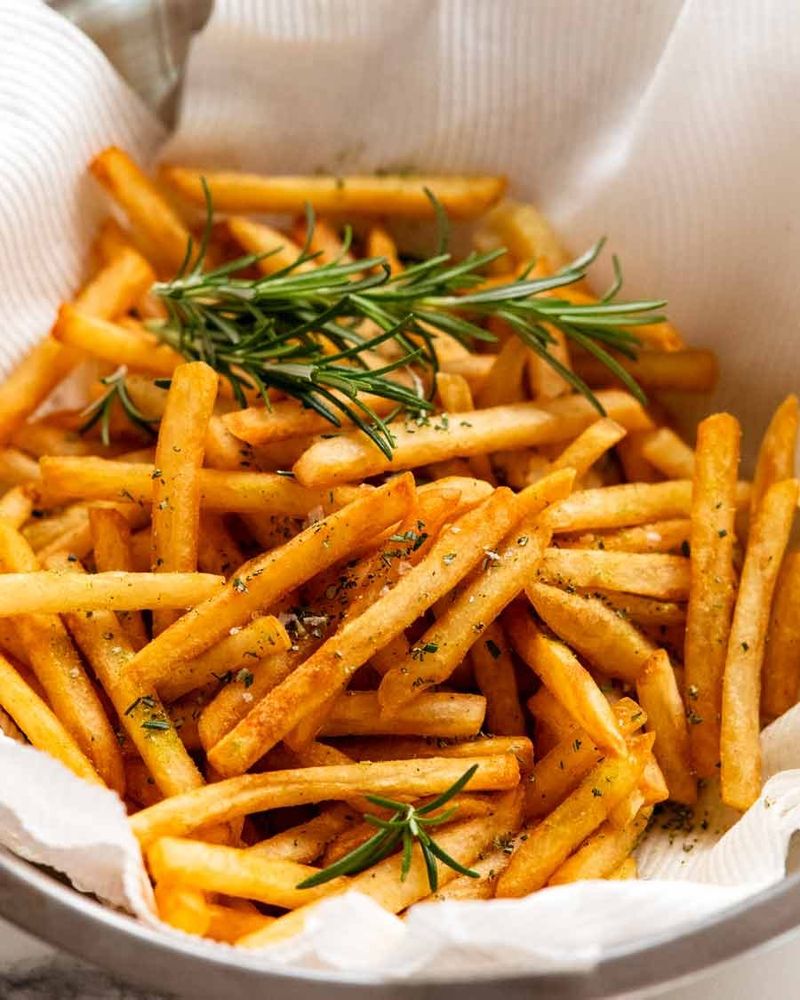
Timing is everything! Restaurants salt fries immediately after they exit the fryer, when a microscopic layer of steam helps the salt stick perfectly to each fry.
At home, we often wait too long or salt too early. Plus, many restaurants use fine kosher salt that adheres better than regular table salt, creating that irresistible savory coating.
7. Frozen Fry Advantage
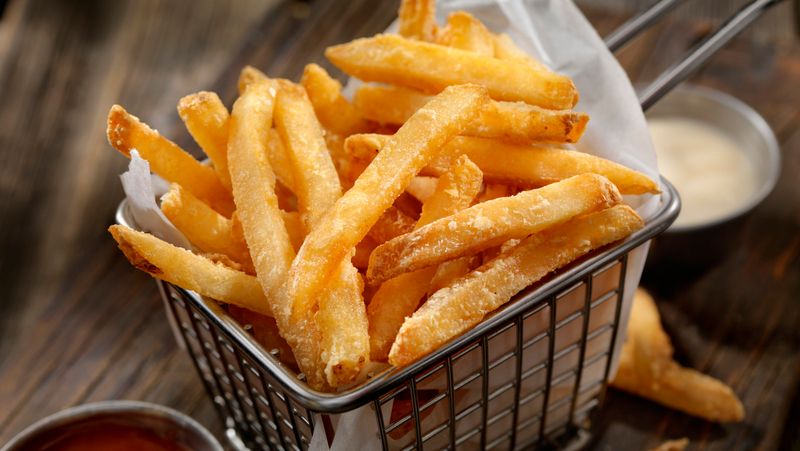
Surprisingly, many top restaurants use frozen fries! These aren’t your average freezer-section potatoes – they’re partially cooked using industrial techniques impossible to replicate at home.
Manufacturers use pressure systems and flash-freezing to create tiny ice crystals that actually improve texture. The freezing process also breaks down cell walls in ways that benefit the final product.