20 Purple Fruits And Vegetables To Add Color To Your Plate
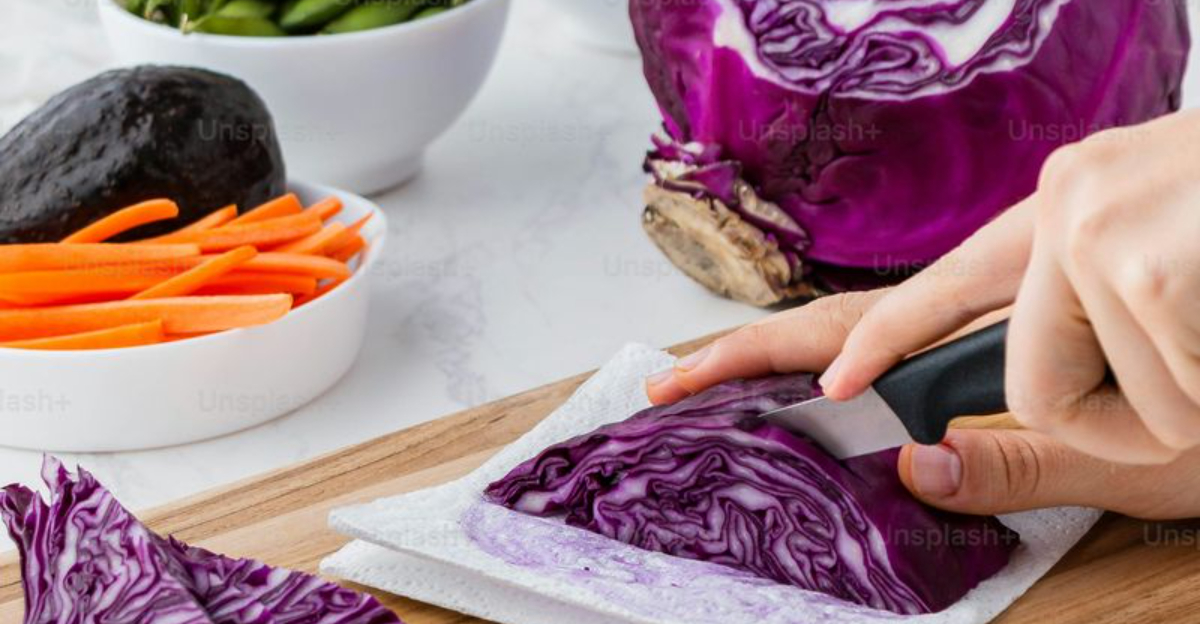
Purple fruits and veggies are not only stunning to look at, but they also pack a powerful nutritional punch. Bursting with antioxidants, vitamins, and minerals, these colorful foods can elevate any meal.
Whether you’re looking to add a pop of color or boost your health, this list of 20 purple foods will inspire your culinary creations.
Explore these delicious options and discover how they can brighten your plate and enhance your well-being.
1. Purple Cabbage
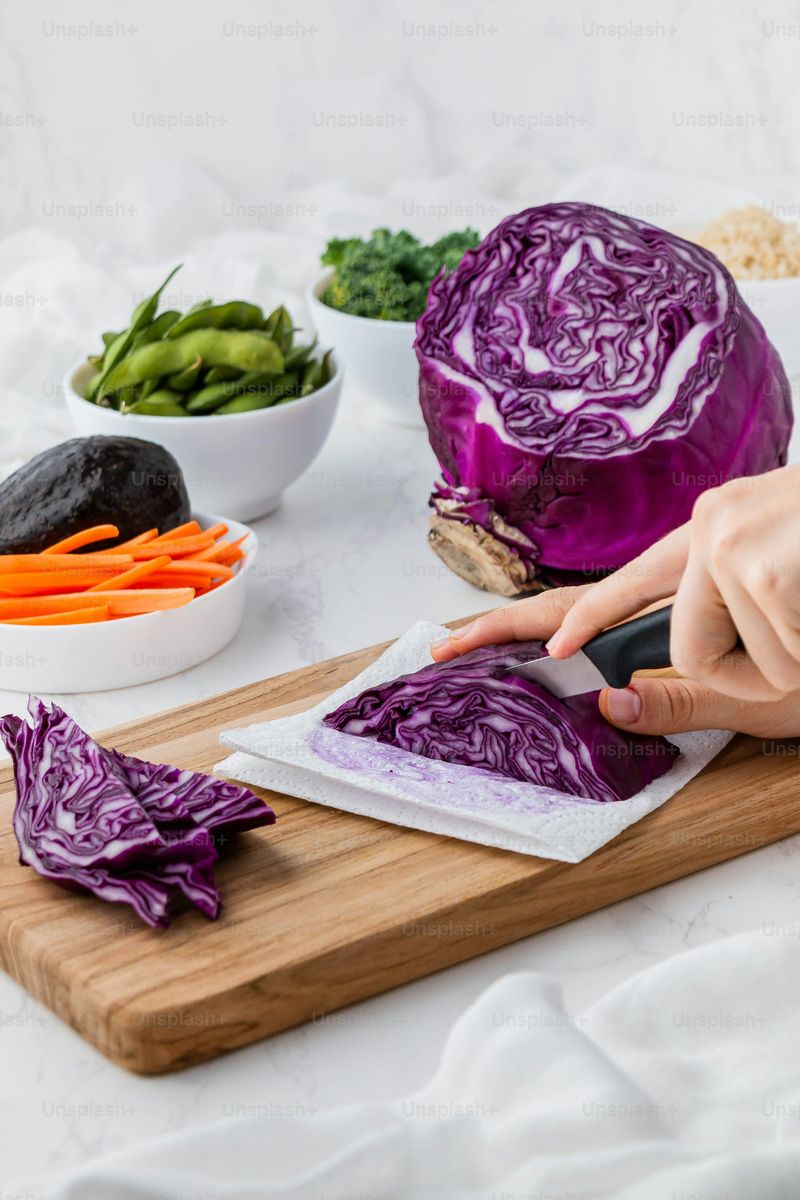
With its tightly layered leaves and jewel-toned hue, purple cabbage is one of the easiest ways to add color and crunch to meals. Shredded raw, it brings a peppery snap to slaws and salads, while braising softens it into something gently sweet.
It’s packed with vitamin C, fiber, and antioxidants. Roast it in wedges with olive oil and vinegar for a caramelized, tangy side that brightens the whole plate.
2. Eggplant
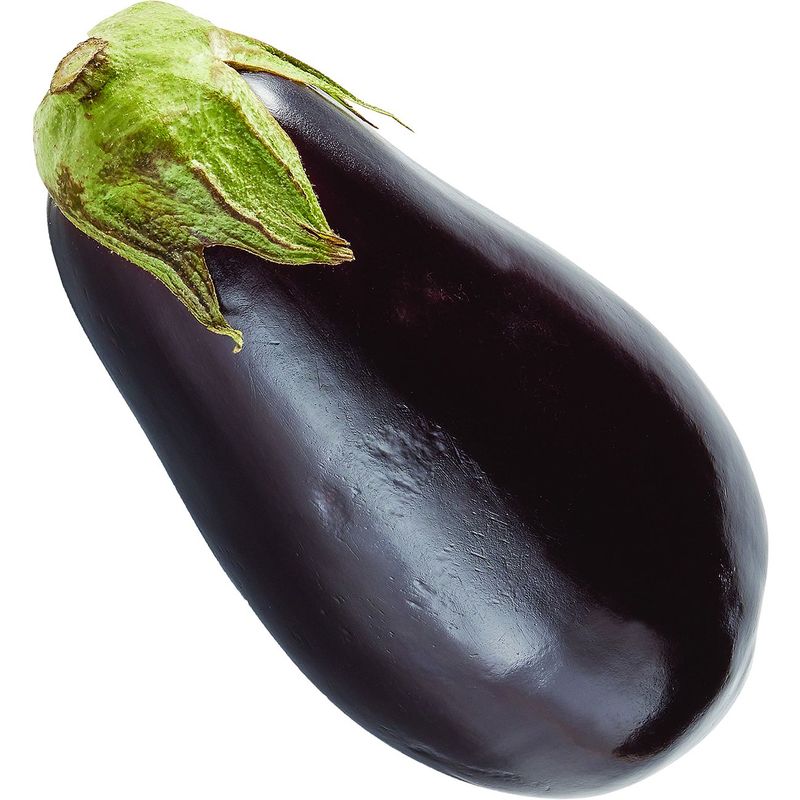
This glossy purple nightshade is beloved around the world, from Italian eggplant parmesan to smoky Middle Eastern baba ghanoush. Its flesh is spongy and porous, absorbing sauces and spices like a dream.
Grill it until charred, layer it in casseroles, or stew it until silky. Eggplant adds depth and warmth wherever it goes.
3. Purple Carrots
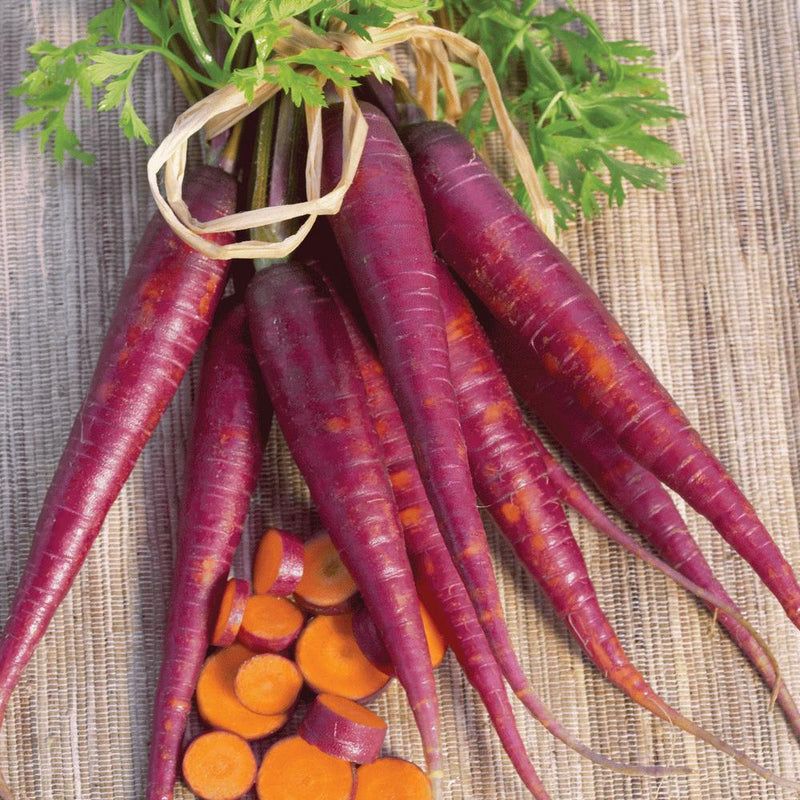
Purple carrots aren’t just pretty—they’re also rooted in history. Carrots were originally purple before the orange variety took over. These heritage roots have an earthy sweetness with a peppery undertone.
They retain their vivid color when roasted and bring bold contrast to crudité platters. Plus, they’re rich in anthocyanins for added antioxidant power.
4. Blackberries
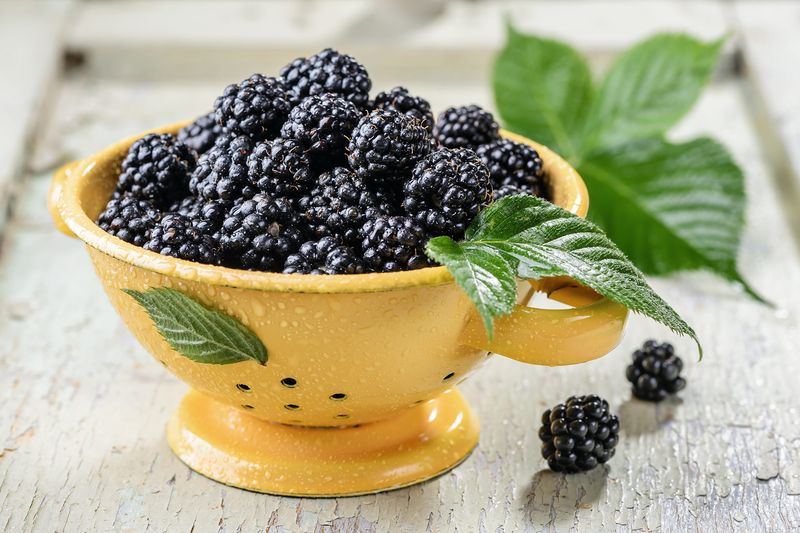
Juicy and complex, blackberries offer a sweet-tart flavor with a hint of woodsy depth. Their inky hue hints at high levels of vitamin C and polyphenols.
Good in crumbles, tossed in yogurt, or muddled into drinks, they lend boldness and brightness to both sweet and savory dishes.
5. Purple Cauliflower
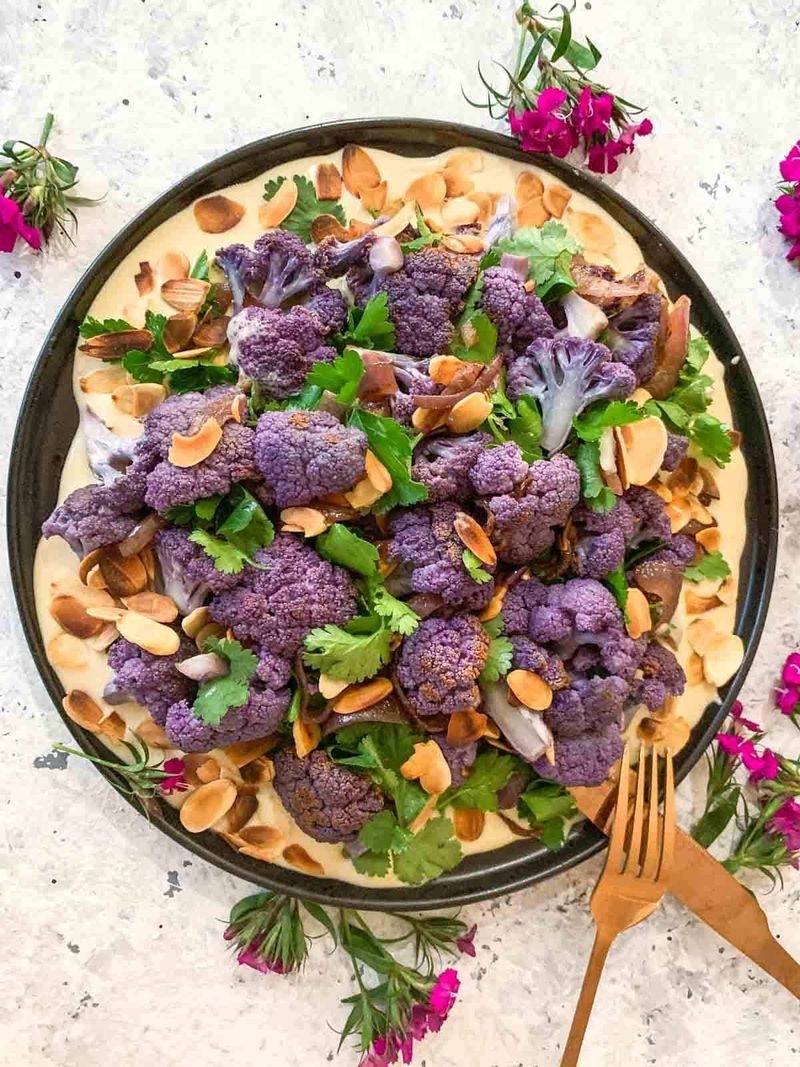
Purple cauliflower is as nutritious as it is striking, with a color that comes from the same antioxidant found in red cabbage and blueberries. The flavor is mild and nutty.
Roast it until the edges crisp, mash it like potatoes, or serve it raw for crunch. It transforms the simplest dish into something visually exciting.
6. Plums
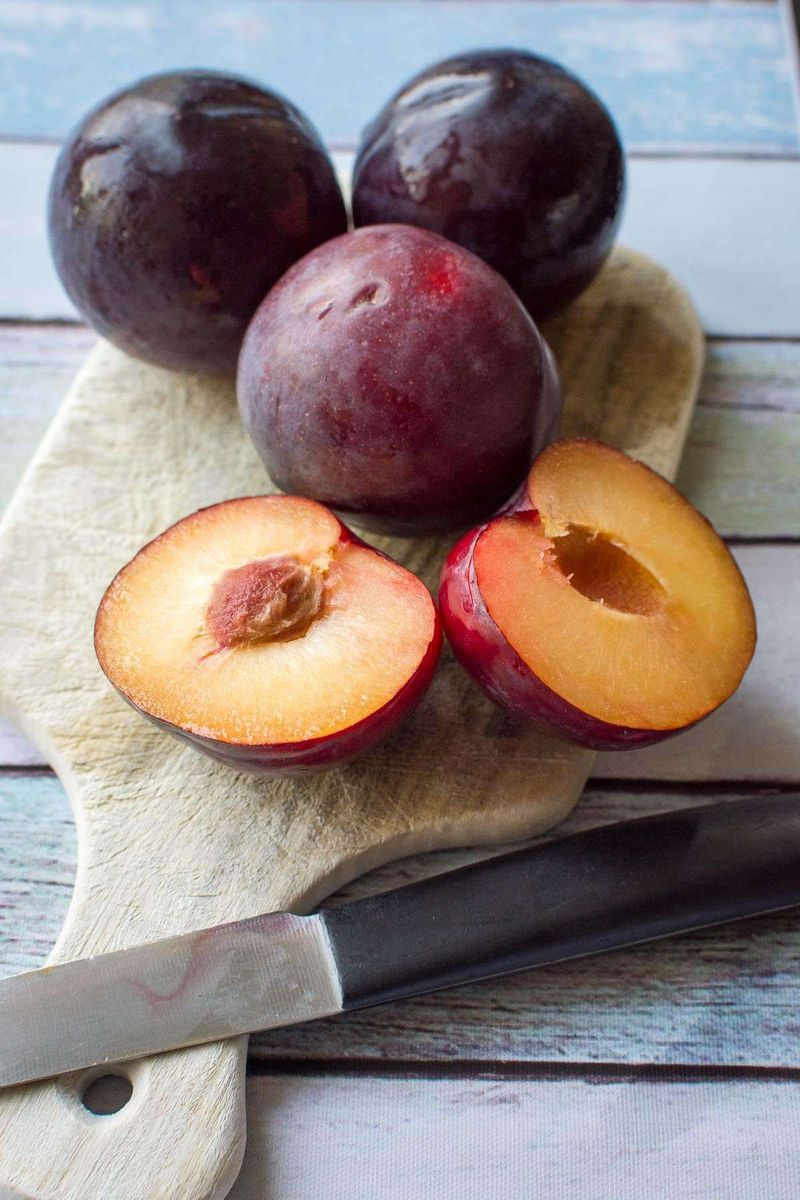
Soft-skinned and juicy, plums range from deeply tart to lusciously sweet. The skin offers a gentle astringency that balances the honeyed flesh inside.
Bake them into rustic galettes or simmer into jam. Their sunset-purple color deepens as they ripen, making them both beautiful and delicious.
7. Purple Sweet Potatoes
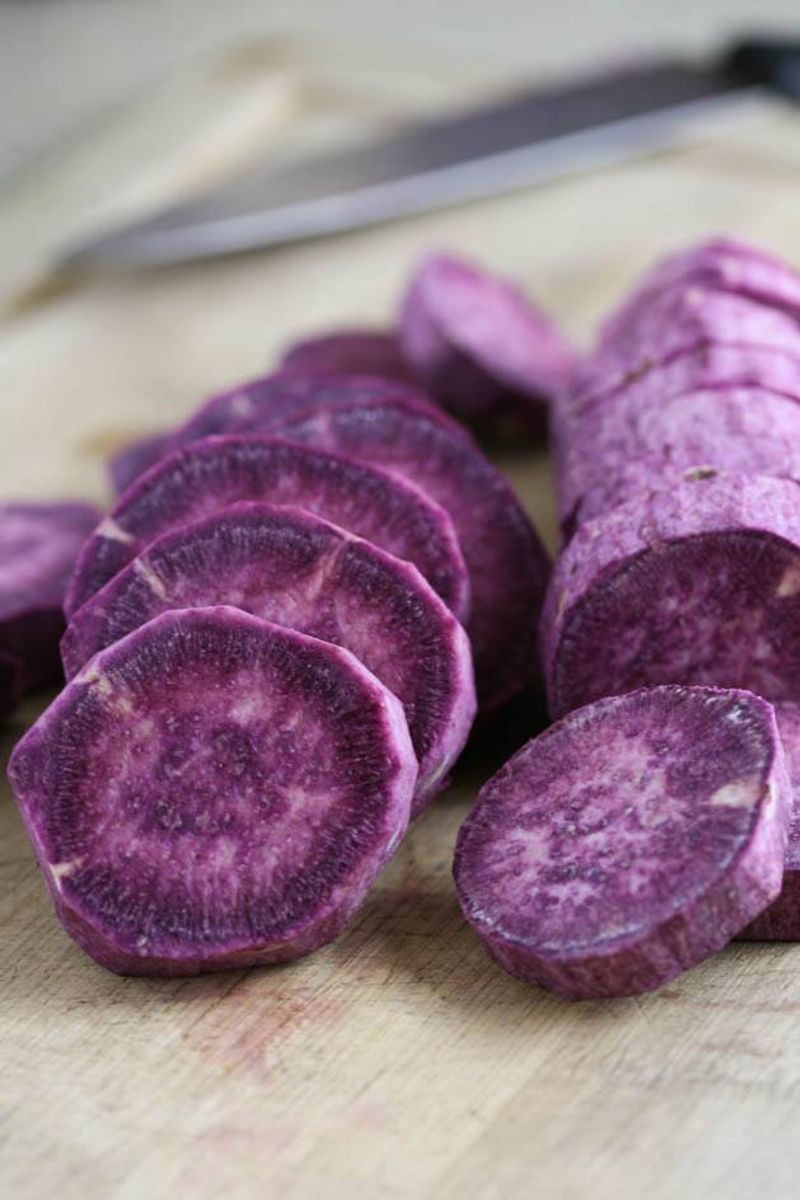
With their vibrant lavender flesh and earthy-sweet flavor, purple sweet potatoes are a feast for the eyes and the belly. Their dense texture holds up well to roasting and baking.
Try them in pies, mash them with coconut milk, or slice them into oven fries. They’re loaded with fiber, potassium, and antioxidants.
8. Concord Grapes
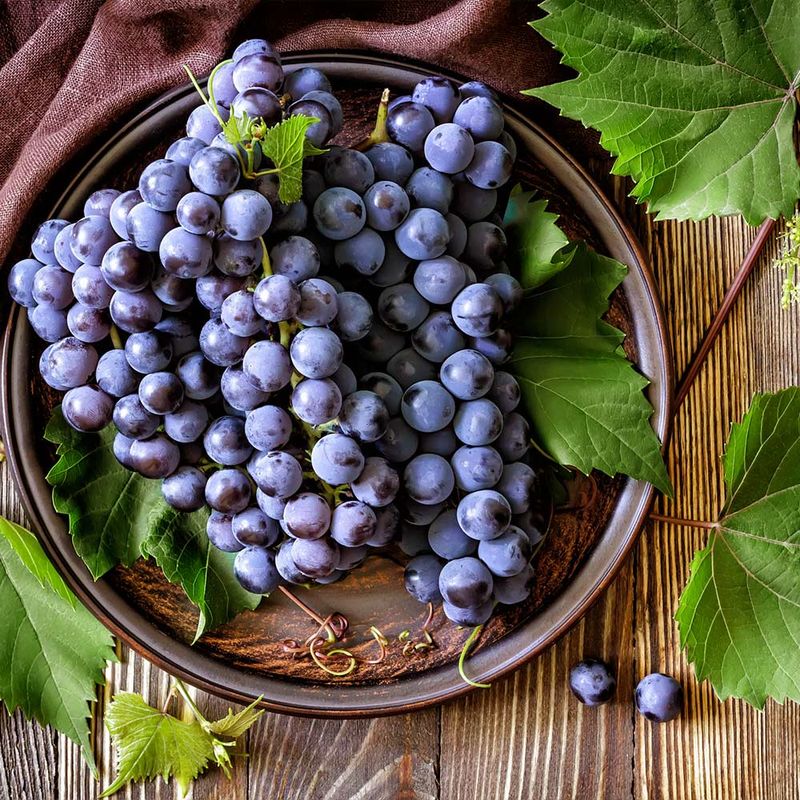
Famous for their punchy, floral aroma, Concord grapes are the backbone of many juices and jellies. Their thick skins burst with musky sweetness.
Eat them fresh when in season or reduce them into syrup for desserts and glazes. Each bite is a juicy explosion of summer nostalgia.
9. Purple Asparagus
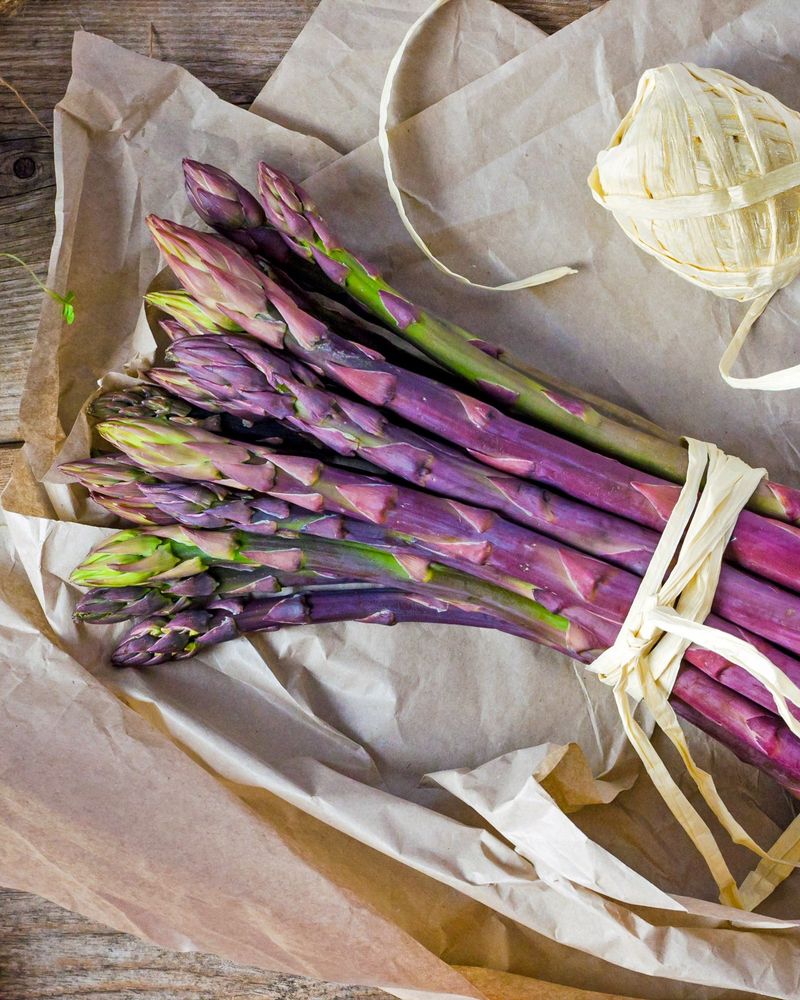
This spring vegetable grows in colorful spears that are slightly sweeter and more tender than their green cousins. The purple color comes from anthocyanins.
Steam them lightly to preserve the hue, or toss them on the grill for smoky complexity. Their elegance makes them a dinner-party favorite.
10. Elderberries
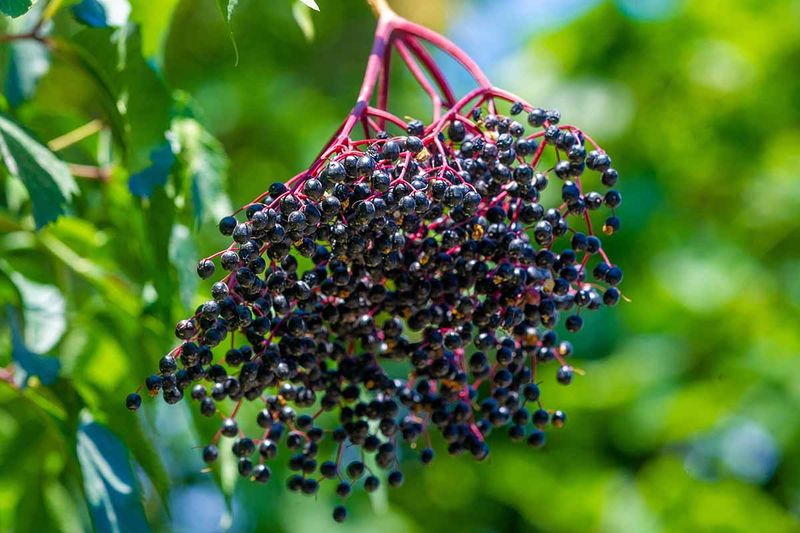
Tiny and tart, elderberries are too astringent to eat raw but shine in syrups, jams, and wellness tonics. They’re long prized for their immune-boosting properties.
Simmer them with honey and cinnamon for a homemade syrup or use them in baked goods. A little goes a long way in both flavor and health benefits.
11. Figs
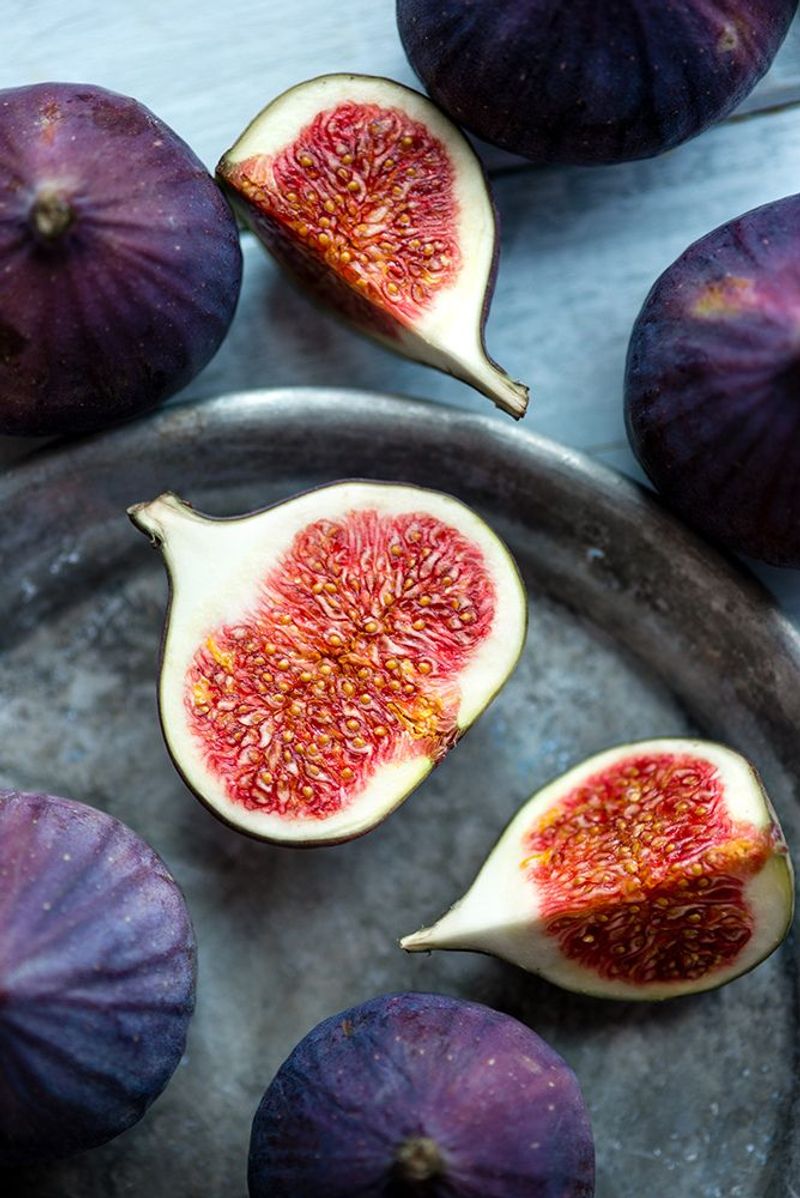
Figs are soft, lush, and honey-sweet with a whisper of berry flavor. Their purple skin conceals a pink, seed-speckled interior that oozes richness.
Serve them fresh with cheese, bake them into tarts, or roast them with balsamic glaze. Their texture and depth make them unforgettable.
12. Purple Kale
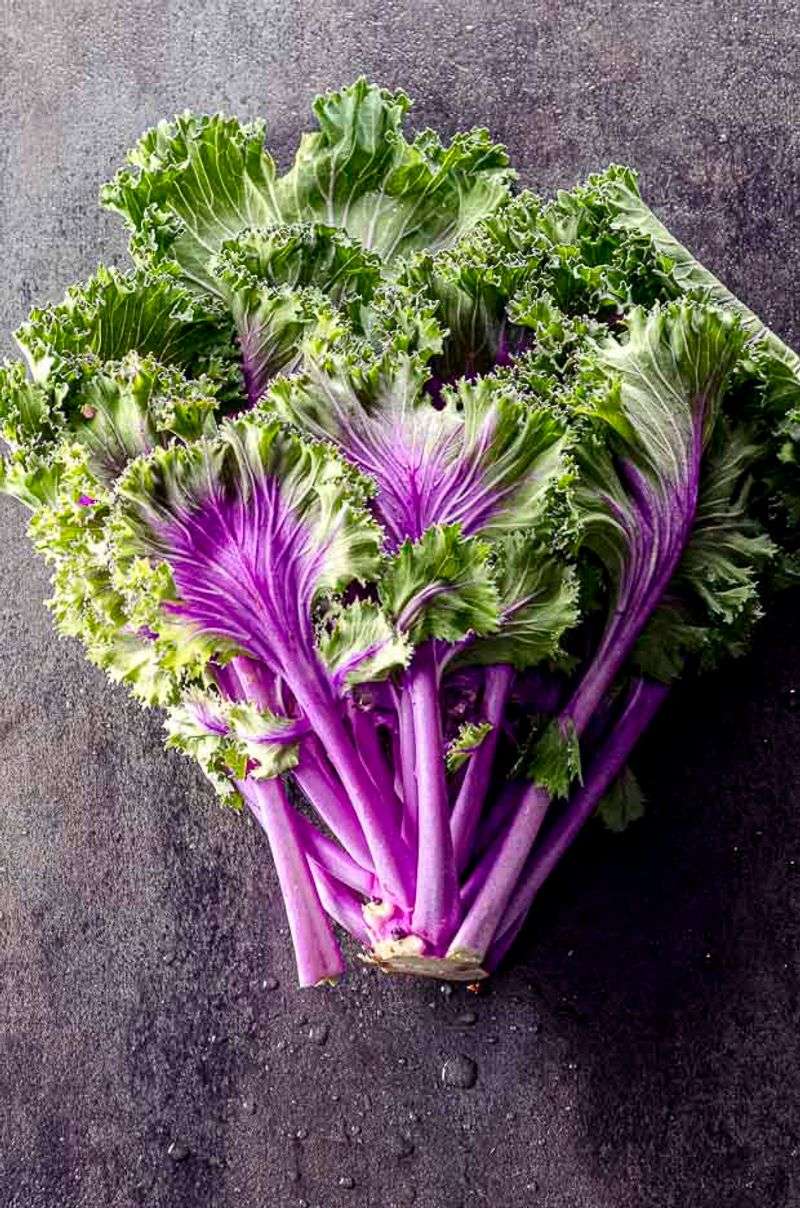
This sturdy green gets a moody makeover with leaves tinged in deep violet. It’s as nutritious as it is beautiful, offering iron, calcium, and powerful antioxidants.
Use it in soups, roast it into chips, or massage it for raw salads. Its bold color and hearty bite make it a favorite for winter cooking.
13. Purple Bell Peppers
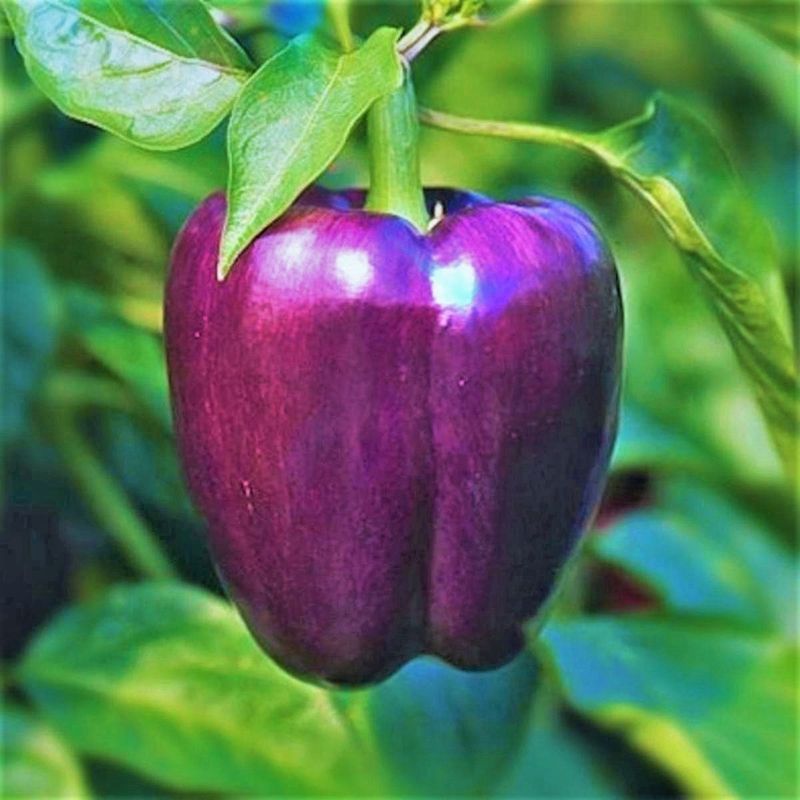
Milder and less sweet than red peppers, these beauties still bring crunch and color to any dish. They’re best enjoyed raw to preserve their purple pigment.
Slice them into salads or stuff them with grains and beans. Their crisp bite adds freshness without overpowering other flavors.
14. Passion Fruit
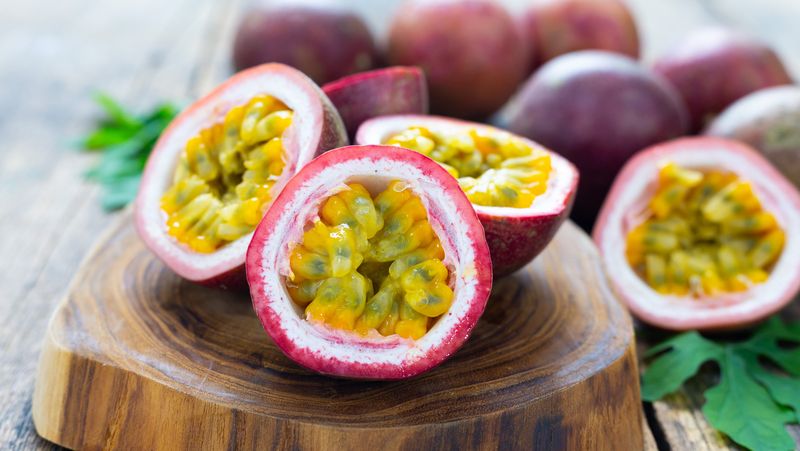
This wrinkly purple orb hides a glowing golden pulp inside, dotted with edible seeds. The flavor is tropical, floral, and sharply tart.
Scoop it over yogurt, swirl it into cocktails, or drizzle it onto cakes. Its fragrance alone is enough to brighten the kitchen.
15. Acai Berries
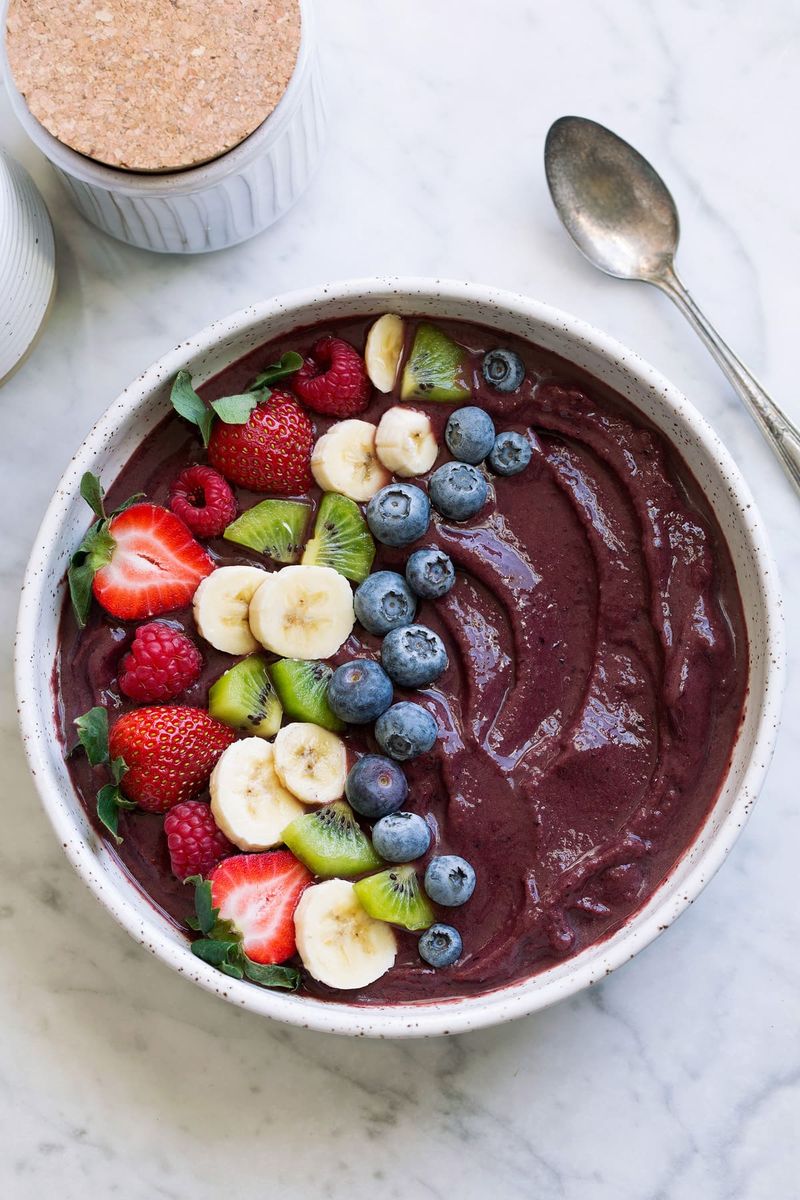
These small, dark purple berries grow on Amazonian palms and are rarely eaten fresh outside their native region. You’ll often find them frozen or powdered.
Blend them into smoothies or bowls with banana and granola. Their deep, earthy flavor offers more richness than typical berries.
16. Purple Tomatoes
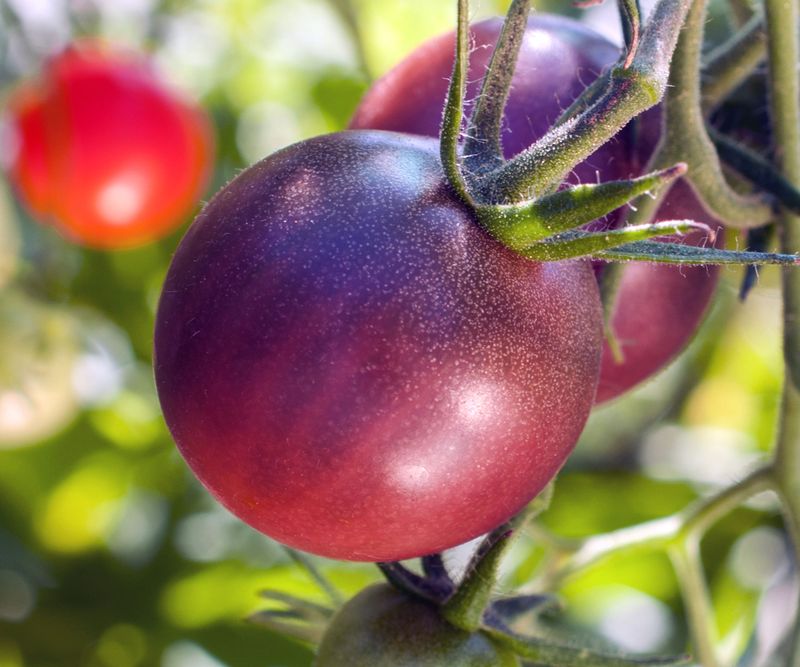
Heirloom varieties like Cherokee Purple or Indigo Rose offer complex, wine-like flavors. Their flesh is juicy with a satisfying balance of sweet and savory.
Slice them for sandwiches or caprese salads. Their richness makes them ideal for sauces and slow-roasting too.
17. Blueberries
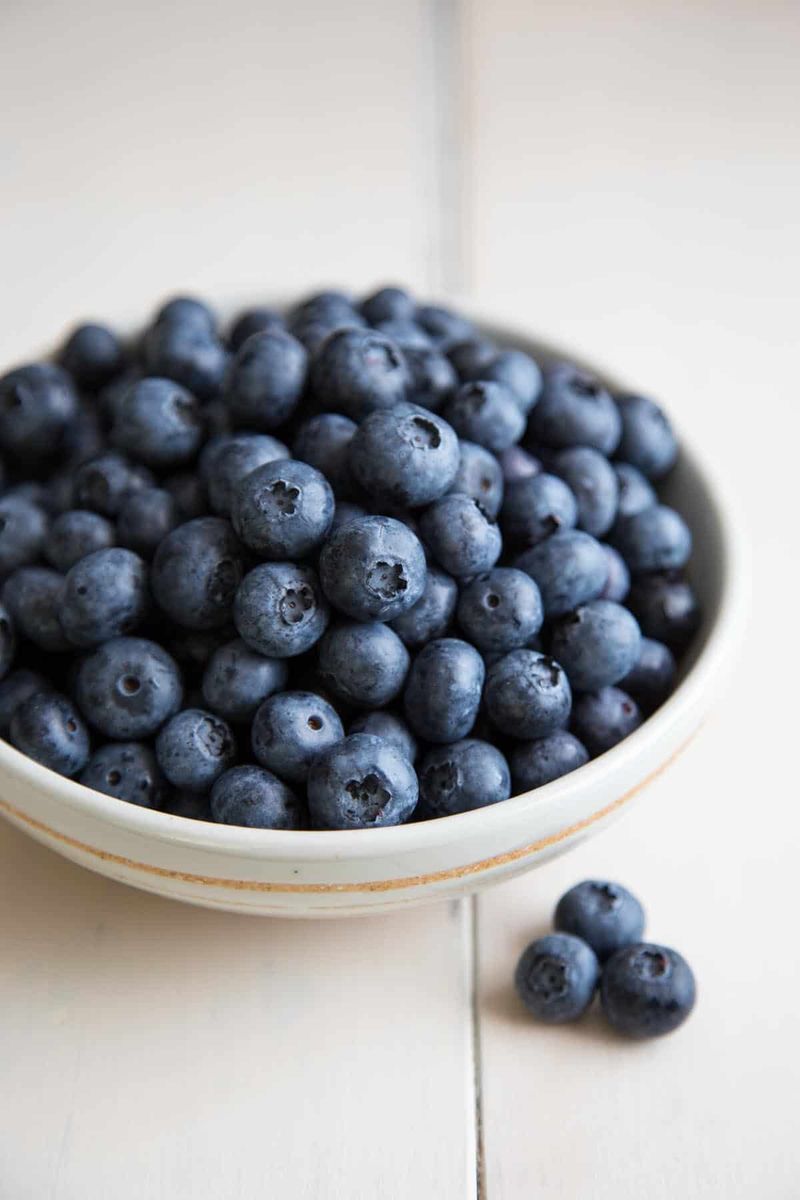
Often more purple than blue, blueberries are one of the most antioxidant-rich foods around. Their sweet, tangy burst makes them endlessly snackable.
Sprinkle them over cereal, bake them into muffins, or simmer them into jam. Their versatility is unmatched.
18. Red Cabbage Microgreens
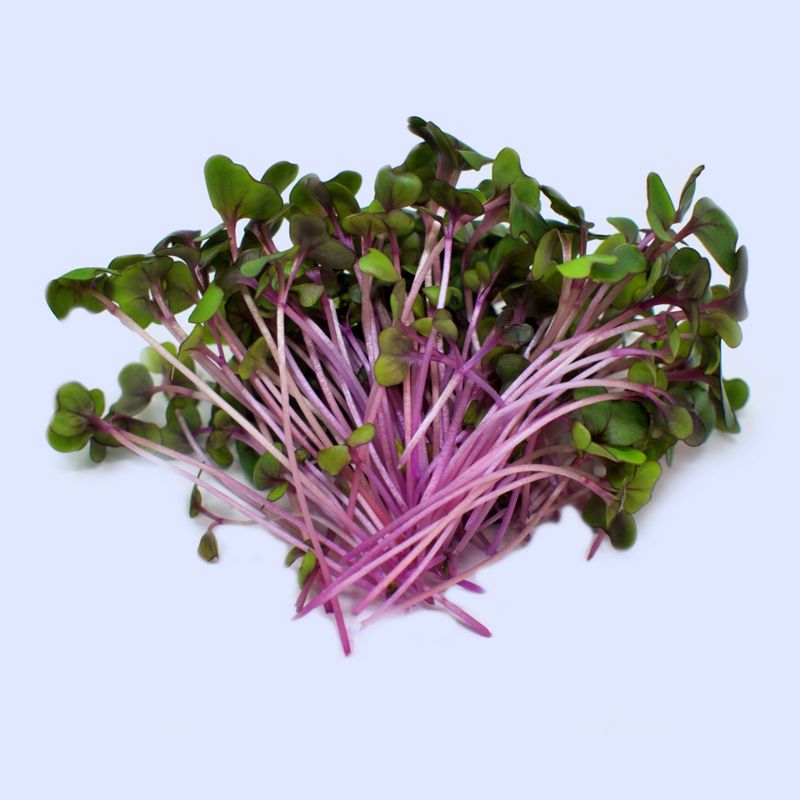
These tiny shoots pack a bold peppery kick and a splash of vivid purple. They’re also high in vitamins A, C, and E.
Use them as a garnish on soups, tacos, or avocado toast. Their tender texture and zesty bite bring dishes to life.
19. Purple Basil
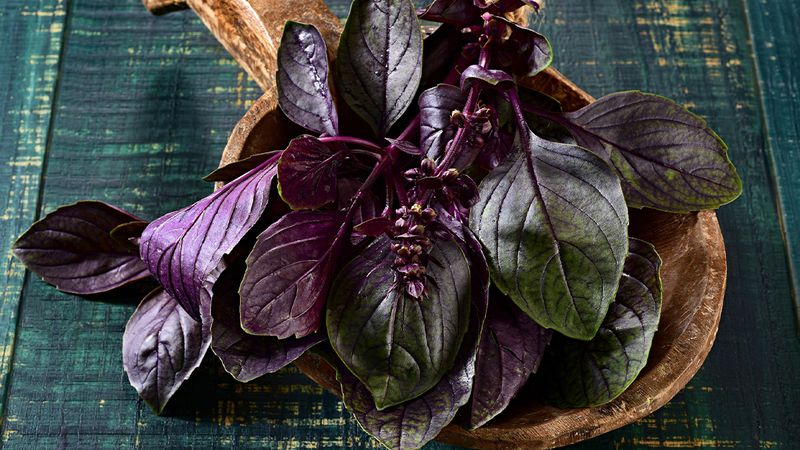
More dramatic than its green cousin, purple basil offers a slightly sharper flavor and aromatic clove-like notes. It turns heads in salads and sauces.
Use it in pesto for a colorful twist or float it in drinks for visual flair. Both ornamental and delicious, it’s a garden gem.
20. Ube
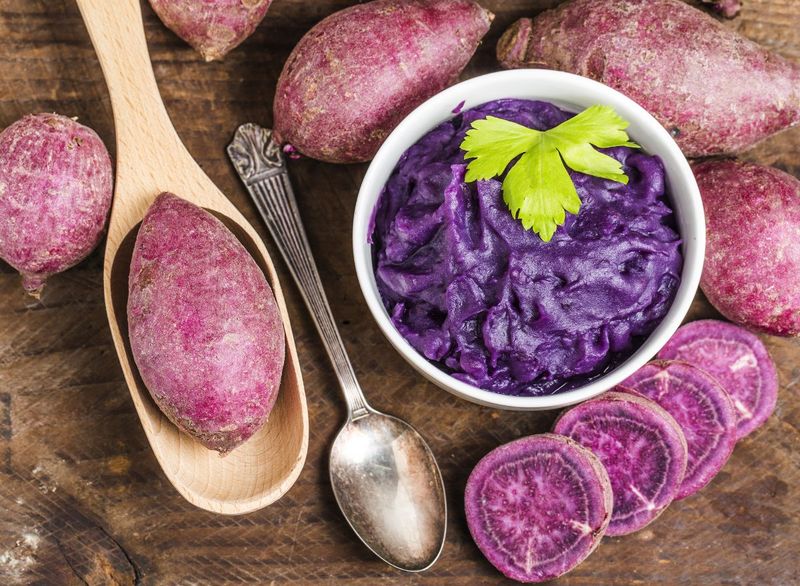
A Filipino favorite, ube is a purple yam with a rich, nutty sweetness and smooth texture. It’s become a darling of the dessert world.
Whip it into cakes, ice cream, or jams. Its vivid color and mellow flavor make it a natural showstopper in any sweet treat.