
24 Nutritious Foods That Can Lead To Overdose, According to Experts
When it comes to healthy eating, most of us assume that more is better. However, even nutritious foods can pose risks when consumed in excess.
Join me as we explore 24 healthy foods that, surprisingly, can cause an overdose. You’ll be amazed at how some of your favorite health foods might backfire if not eaten in moderation.
Let’s embark on this journey to better understand the fine line between enough and too much.
1. Spinach

If you’re a spinach enthusiast, you might be at risk of oxalate overload. Despite its leafy goodness, spinach is rich in oxalates, compounds that can lead to kidney stones if consumed excessively. Though it packs a punch in nutrients, moderation is key.
Have you ever thought about balancing your greens? It’s crucial to vary your diet with other veggies to avoid potential health pitfalls. Remember, a diverse diet ensures a wealth of nutrients without the risk of overconsumption.
2. Carrots
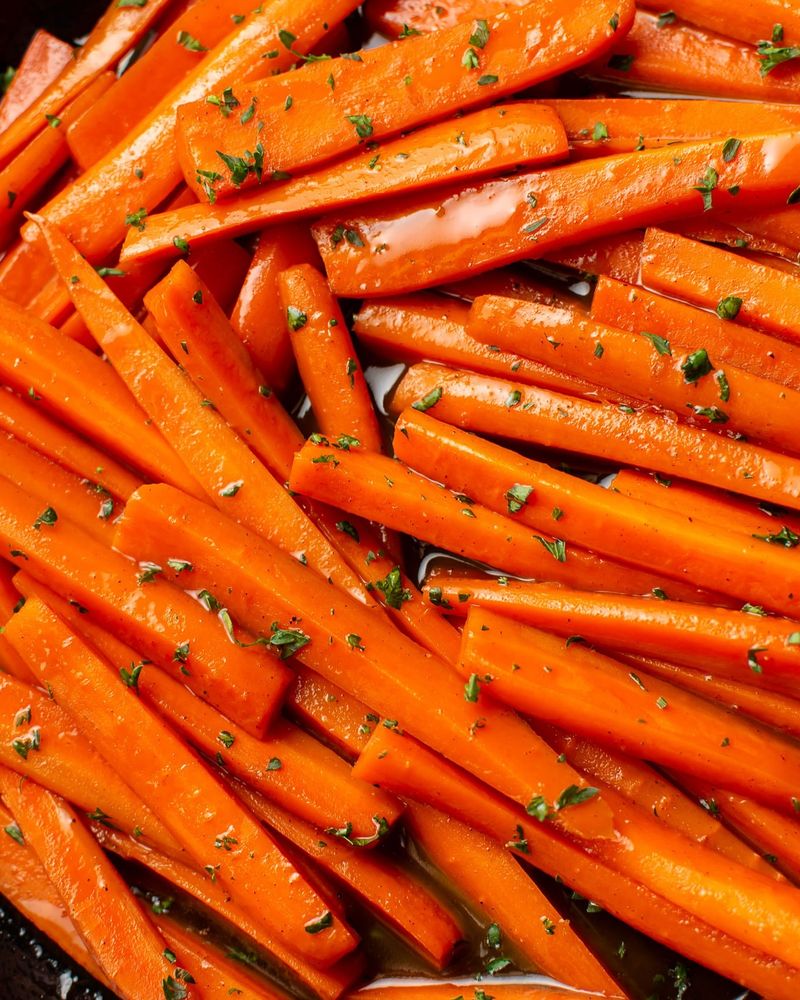
Carrots are a fantastic source of beta-carotene, but too much can lead to carotenemia. This benign condition turns your skin orange! Intriguing, right? While it won’t harm you, it might not match your desired skin tone.
How often do you think about the potential effects before indulging in your favorite snack? Next time, consider mixing in other colored veggies to keep your diet balanced and your skin naturally glowing.
3. Brazil Nuts
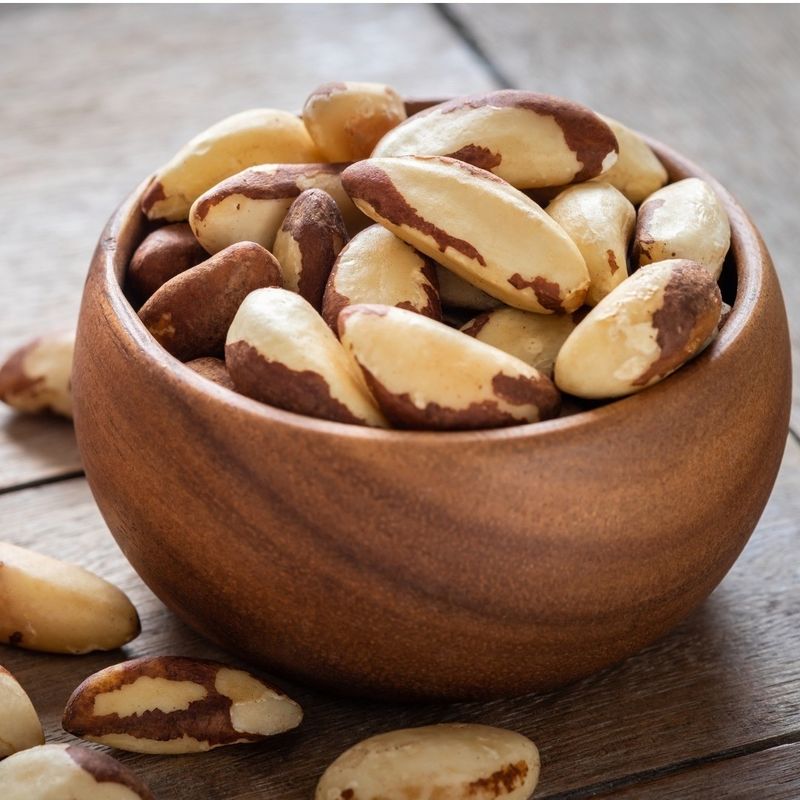
Brazil nuts are selenium powerhouses, but consuming them excessively can lead to selenium toxicity. Symptoms include hair loss, nail brittleness, and even nerve damage. Ever wondered how many nuts are enough? Experts recommend only a few per day.
It’s fascinating how a small food item holds such potent nutrients, isn’t it? Keep this in mind the next time you reach for those crunchy delights. Moderation is essential to enjoy the benefits without the drawbacks.
4. Tuna

Have you ever considered the mercury content in tuna? Consuming too much can result in mercury poisoning, affecting your nervous system. While tuna is a great protein source, variety is vital. H
ow about trying other fish like salmon or sardines to lower mercury exposure? It’s an excellent way to ensure you’re getting omega-3s without the risk.
Remember to enjoy your seafood responsibly by keeping an eye on both portion sizes and frequency.
5. Tomatoes
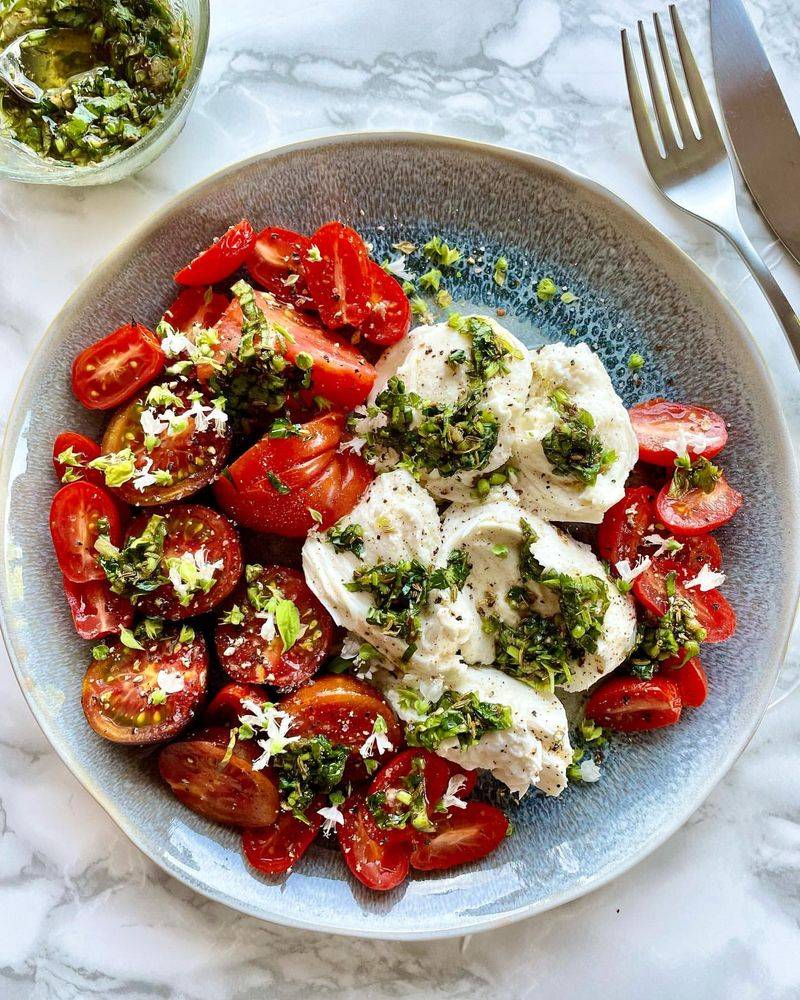
Tomatoes are rich in lycopene, which offers numerous health benefits. However, too much lycopene may cause digestive issues such as bloating and diarrhea. Have you ever felt uneasy after a tomato-heavy meal? It might be the lycopene talking.
Consider pairing tomatoes with other fruits to diversify your nutrient intake. This way, you can enjoy their vibrant taste without overloading your system. Balance is the secret to making the most of tomatoes’ goodness.
6. Avocado

Avocados are deliciously rich in healthy fats, but they’re calorie-dense. Consuming them excessively can lead to unwanted weight gain. Where do you draw the line with this creamy delight? It’s all about portion control.
Try incorporating avocados into a balanced diet, perhaps as a garnish or spread. This approach lets you savor their flavor without going overboard. Embrace the goodness of avocados wisely and enjoy their benefits in moderation.
7. Brown Rice

Though brown rice is a healthier choice than white, it contains arsenic, which can accumulate to toxic levels with overconsumption. Have you ever paid attention to your rice portions? It’s a gentle reminder to vary your grains, such as quinoa or barley, to minimize arsenic intake.
Balancing different grains not only adds variety to your meals but also ensures you’re not overloading on any one nutrient. Enjoy brown rice as part of a diverse dietary landscape.
8. Oranges
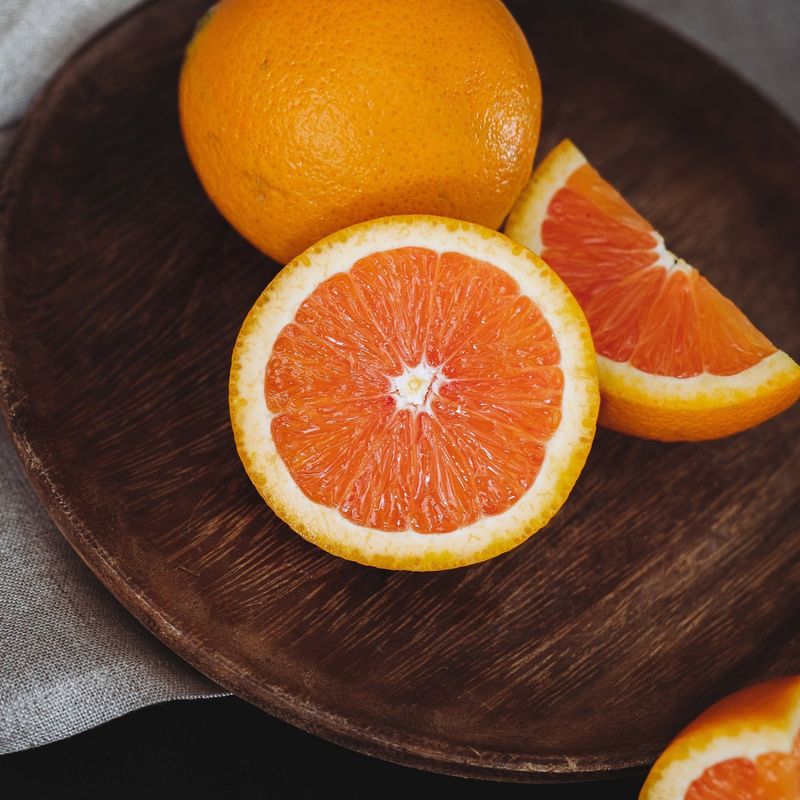
Oranges are packed with vitamin C, but too many can upset your stomach. Have you ever experienced a citrus overload? The acidity may lead to heartburn or acid reflux.
To maintain balance, mix in other fruits such as berries or apples. This way, you enjoy a wide range of vitamins without discomfort. Keep your citrus intake in check for a harmonious relationship with these juicy gems.
It’s all about enjoying variety while savoring your favorites.
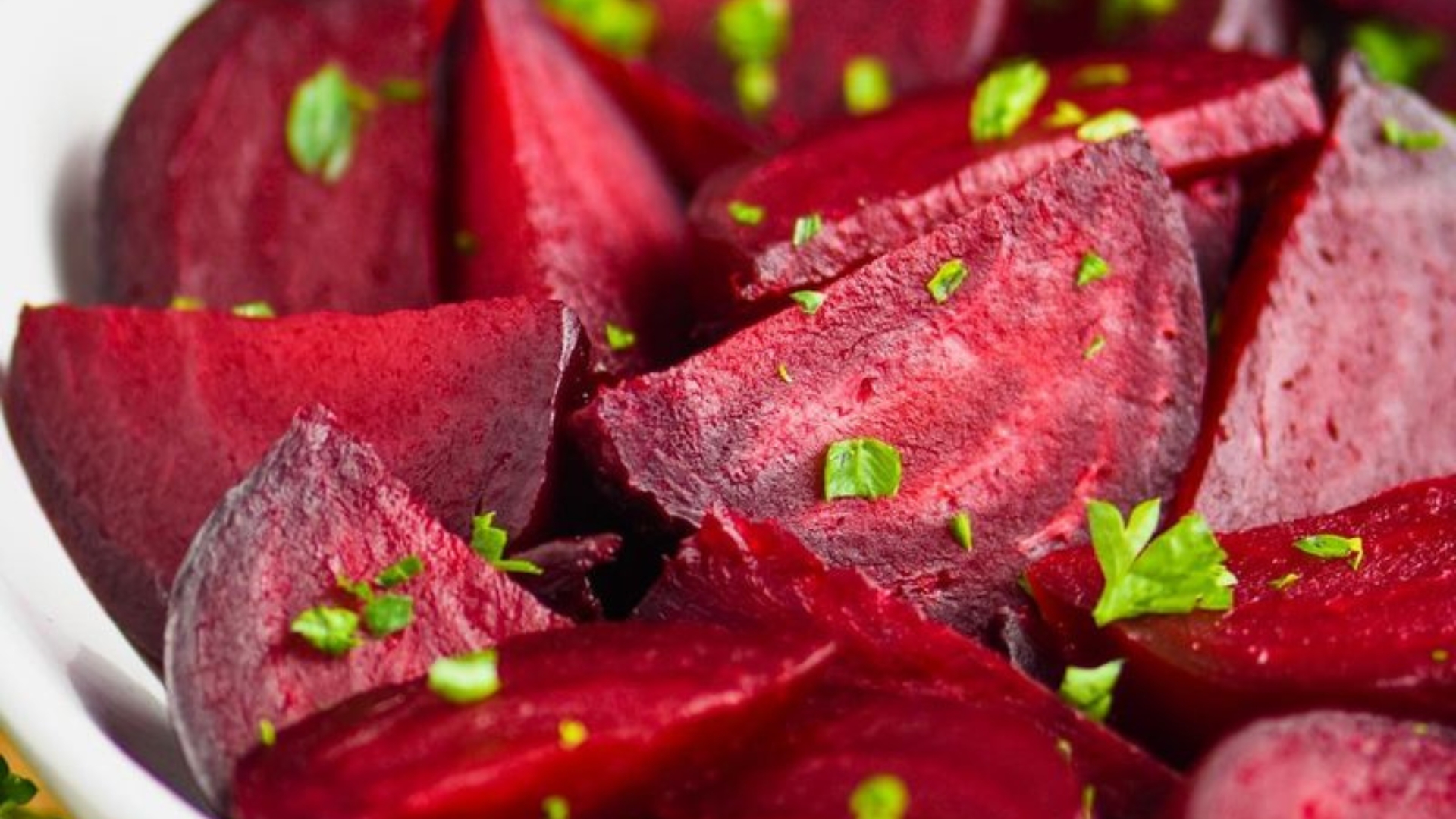
9. Beets
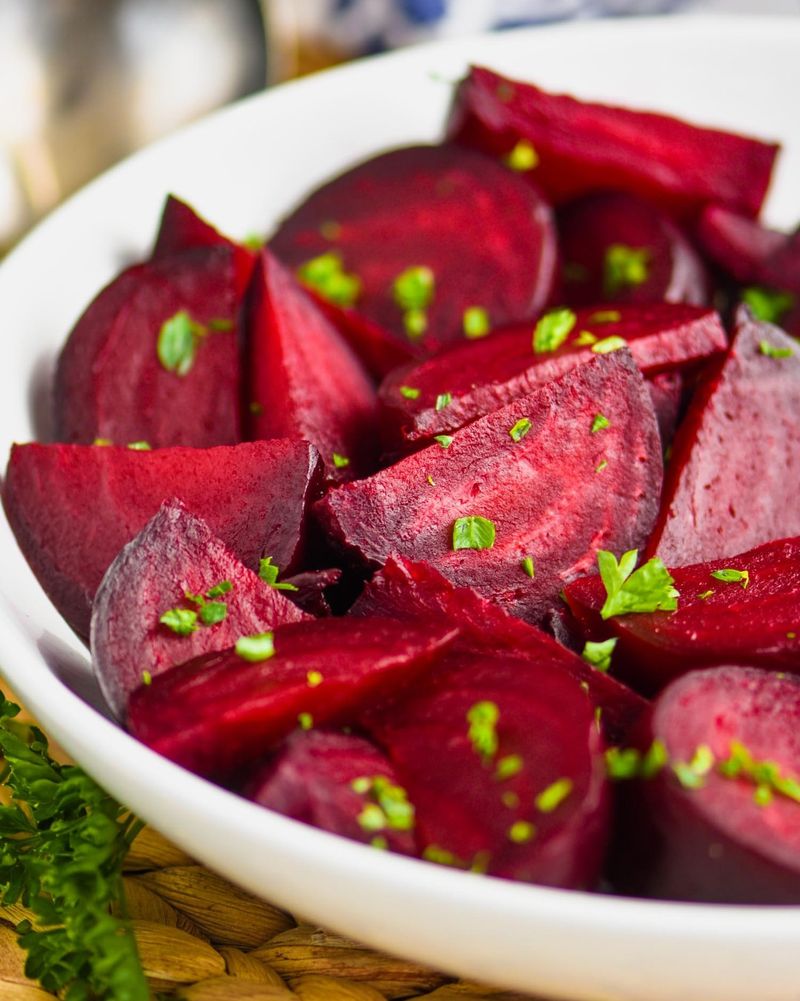
Beets are nutrient-rich, yet their high oxalate content may lead to kidney stones if overconsumed. Have you ever considered mixing them with other root vegetables like carrots or parsnips? This not only adds flavor diversity but also reduces oxalate exposure.
Roasting them can bring out their sweetness, offering a delightful culinary experience. Balance is the key to enjoying beets’ vibrant color and taste without the health risks.
10. Broccoli
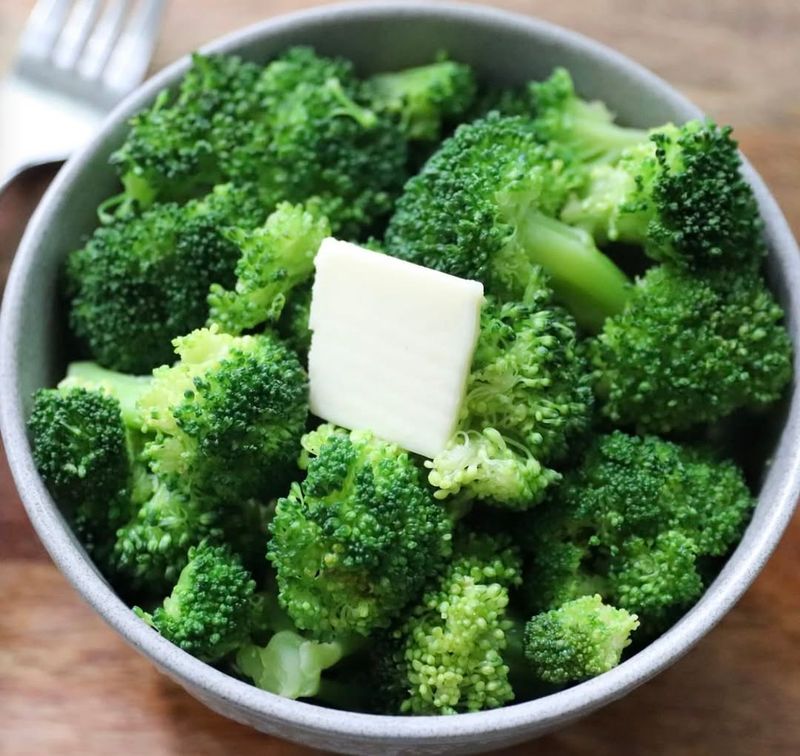
Broccoli is a cruciferous superstar, but too much might lead to thyroid issues due to its goitrogen content. Ever wondered how much is too much? Balancing with other veggies like carrots or bell peppers can mitigate these effects.
Have you tried steaming them to enhance their flavors? Diversifying your greens is a savvy approach to ensure you’re getting a wide array of nutrients without potential complications. Embrace the green goodness with mindfulness.
11. Kale
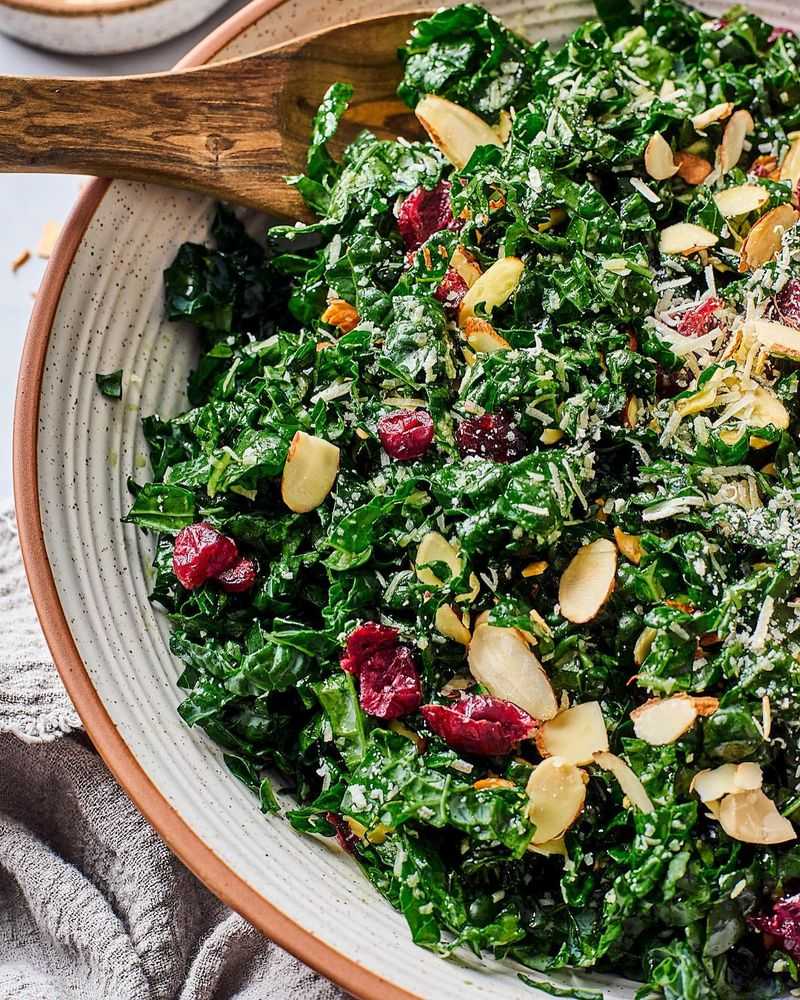
Kale is lauded for its nutritional benefits, but it’s also high in oxalates, which may lead to kidney stones if overconsumed. Have you ever pondered on how much kale fits into a balanced diet? It’s a good idea to mix in other greens, like spinach or arugula, to vary your nutrient intake.
This strategy offers a range of flavors while keeping your health in check. Balance is the key to enjoying kale’s vibrant taste without worry.
12. Cinnamon

Cinnamon is a spice that adds warmth, but too much can cause liver damage due to coumarin. Have you ever considered this spice’s potency? Using it sparingly ensures safety while enjoying its flavors.
Why not try alternatives like nutmeg or cardamom for variety? This keeps your spice rack exciting and your dishes delicious without risk. Savoring cinnamon in moderation allows you to appreciate its essence without overindulgence.
13. Soy Sauce

Soy sauce is a flavor enhancer, yet it’s high in sodium. Consuming excessive amounts can lead to high blood pressure. Have you ever thought about sodium’s impact on your health? Opt for low-sodium versions, or use it sparingly to enjoy its taste responsibly.
It’s fascinating how a simple swap can make a difference. Maintaining awareness of your intake helps you enjoy soy sauce without compromising your well-being.
14. Nutmeg
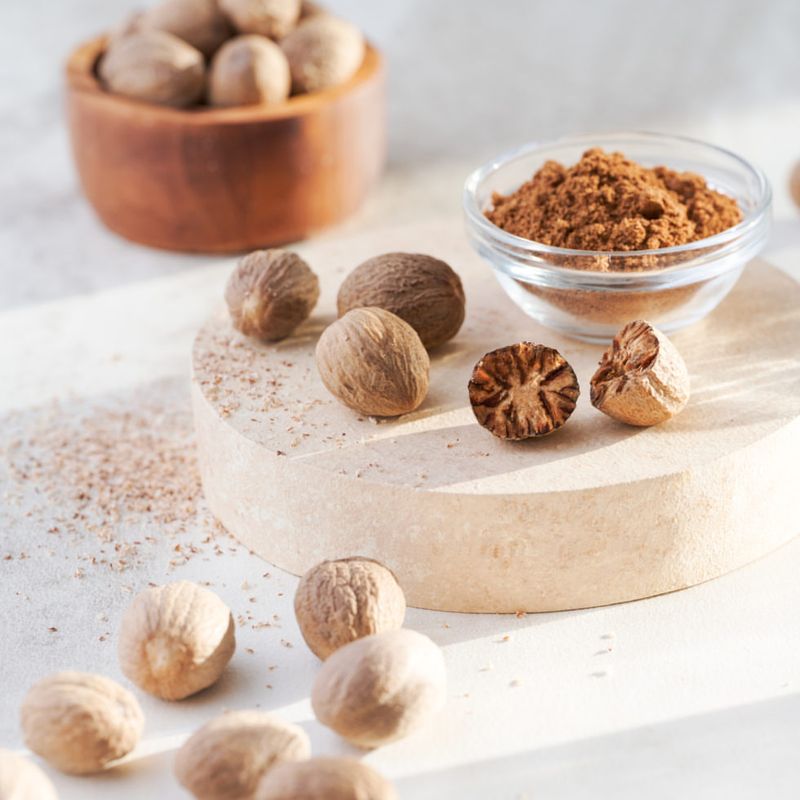
Nutmeg is a delightful spice, but it contains myristicin, which can be toxic in large amounts. Have you ever heard of nutmeg intoxication? It’s a rare condition but a reminder to use this spice wisely. A pinch is often sufficient to elevate a dish’s flavor.
Why not explore other spices like cinnamon or allspice for variety? This way, you can enjoy nutmeg’s unique taste without overdoing it. Moderation ensures a safe and flavorful journey.
15. Chili Peppers
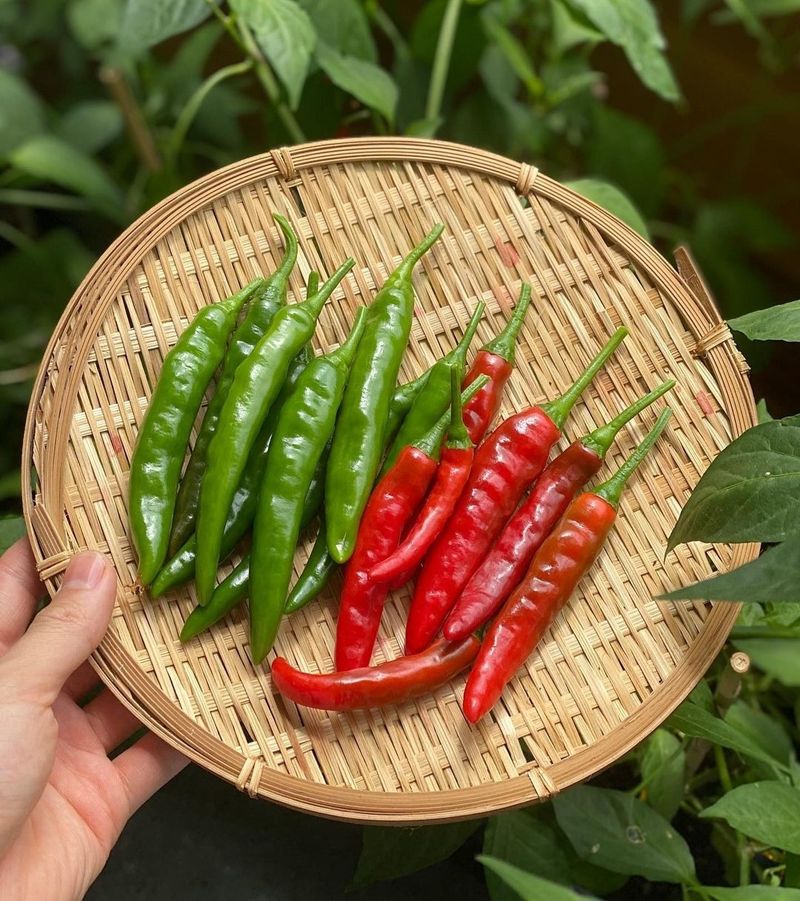
Chili peppers bring a spicy kick to your meals, but too much capsaicin may cause stomach irritation. Have you ever felt the burn? It’s an indicator to moderate your intake. Balancing with milder ingredients can offer relief while maintaining flavor complexity.
How about experimenting with different spice levels to find your comfort zone? This approach lets you enjoy the fiery essence of chili peppers without overwhelming your palate.
16. Garlic
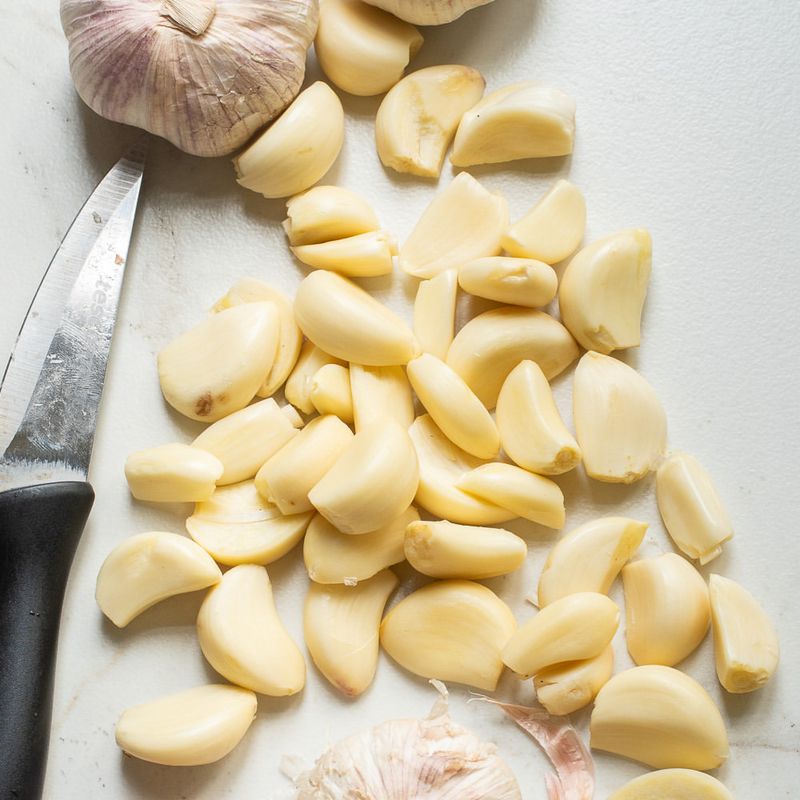
Garlic is celebrated for its health benefits, yet too much can lead to digestive discomfort. Ever noticed how potent garlic can be? Incorporating it moderately keeps your dishes tasty and your stomach happy.
Trying roasted garlic might offer a milder alternative. This way, you can relish garlic’s flavor without the intensity. Exploring different preparation methods ensures a diverse culinary experience while maintaining garlic’s delightful essence.
17. Almonds
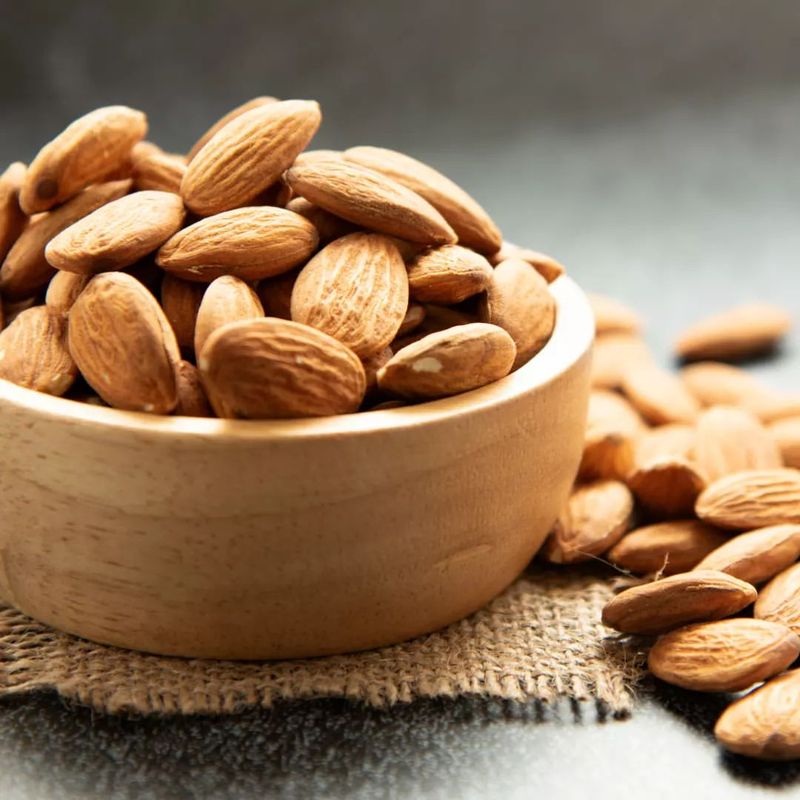
Almonds are nutrient-dense but can cause digestive issues when consumed in excess. Have you ever experienced discomfort after a handful too many? It’s a sign to moderate your intake. Incorporating a mix of nuts in your diet offers variety and balance.
How about trying walnuts or pistachios for a change? This way, you can enjoy the benefits of almonds without overdoing it. Remember, a balanced approach keeps your diet exciting and healthy.
18. Oats
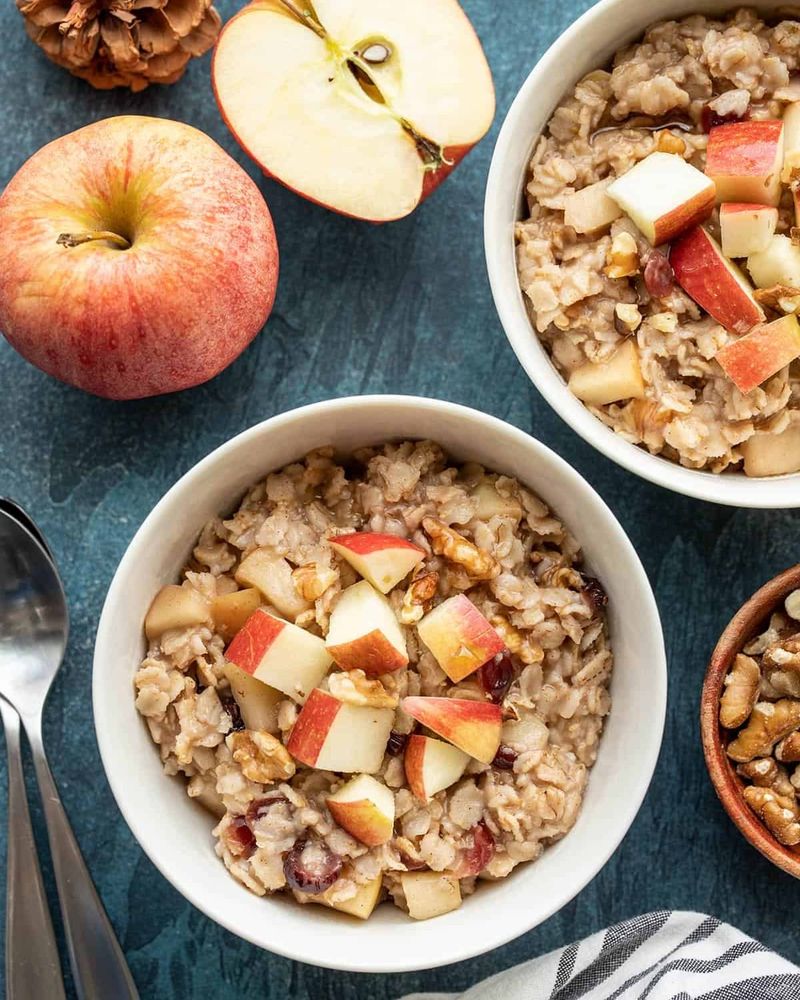
Oats are a heart-healthy option but may lead to digestive issues when consumed in large amounts. Have you ever felt bloated after a hearty oatmeal breakfast? It might be time to reconsider your portion sizes.
Mixing oats with other grains like quinoa or amaranth can offer variety and reduce digestive discomfort. Embrace the nourishing qualities of oats while maintaining a balanced approach to your morning routine.
19. Liver
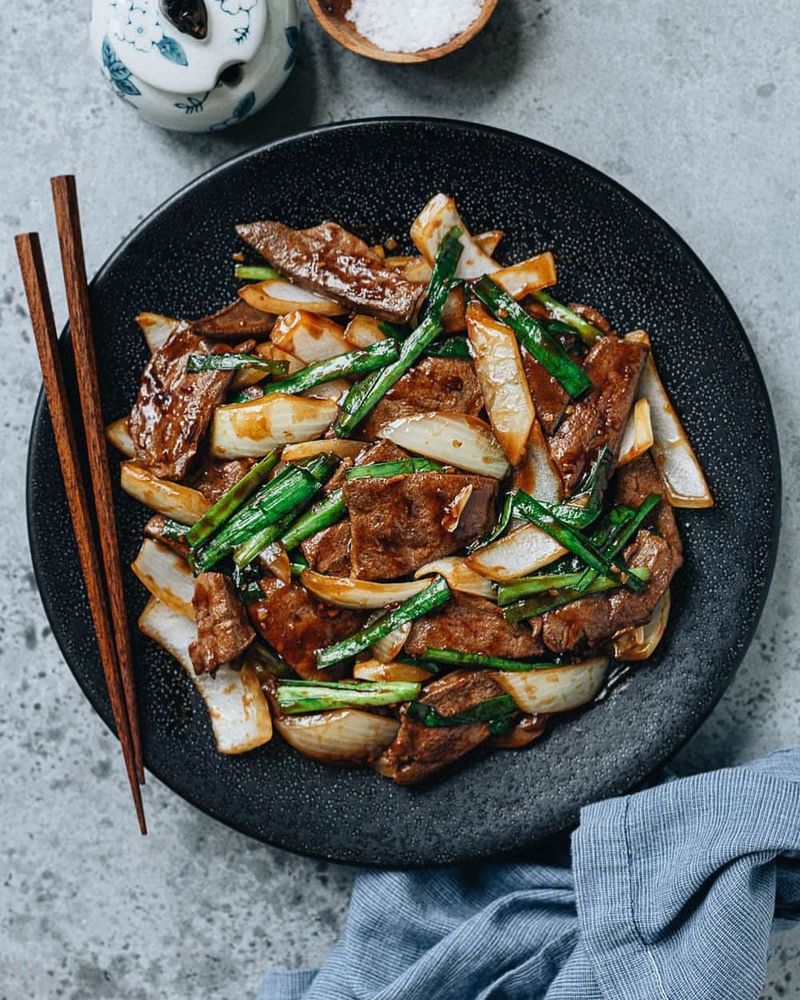
Liver is iron-rich, but consuming it excessively can lead to vitamin A toxicity. Have you ever thought about the balance between nutrients? It’s crucial to enjoy liver in moderation, perhaps as a special treat rather than a regular meal.
Pairing it with other protein sources can ensure a well-rounded diet. This approach helps you savor liver’s unique taste without the associated risks. Moderation ensures the benefits of liver without overconsumption.
20. Watermelon
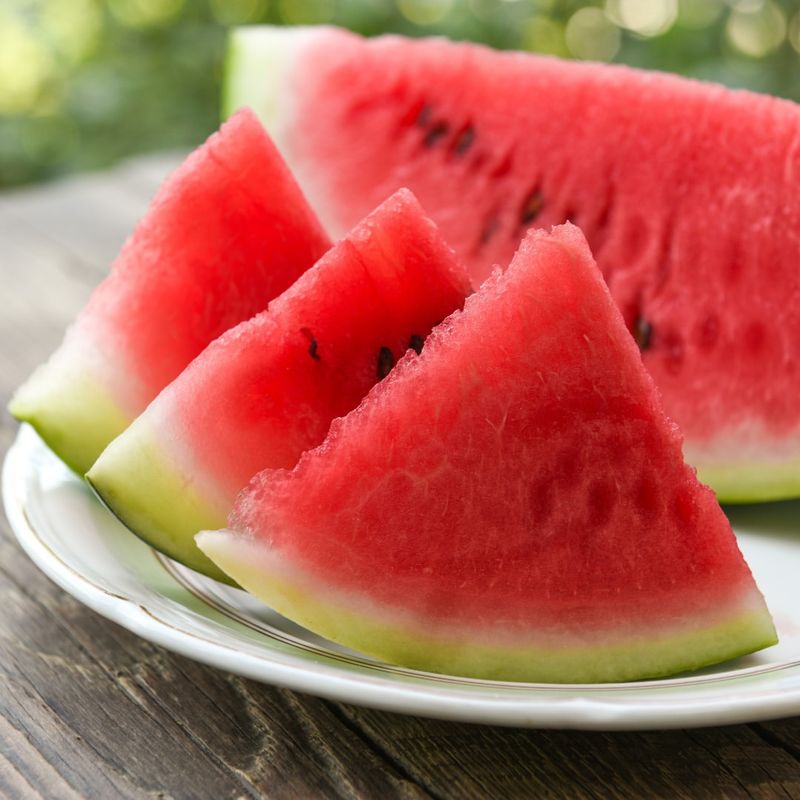
Watermelon is hydrating and delicious, yet too much can lead to digestive discomfort due to its high water content. Ever wondered why moderation matters even with fruits? Balancing your intake with other fruits ensures variety without overloading your system.
How about enjoying watermelon in a fruit salad to mix up flavors? This approach lets you relish its juicy goodness without going overboard. Embrace variety for a refreshing and balanced diet.
21. Chia Seeds
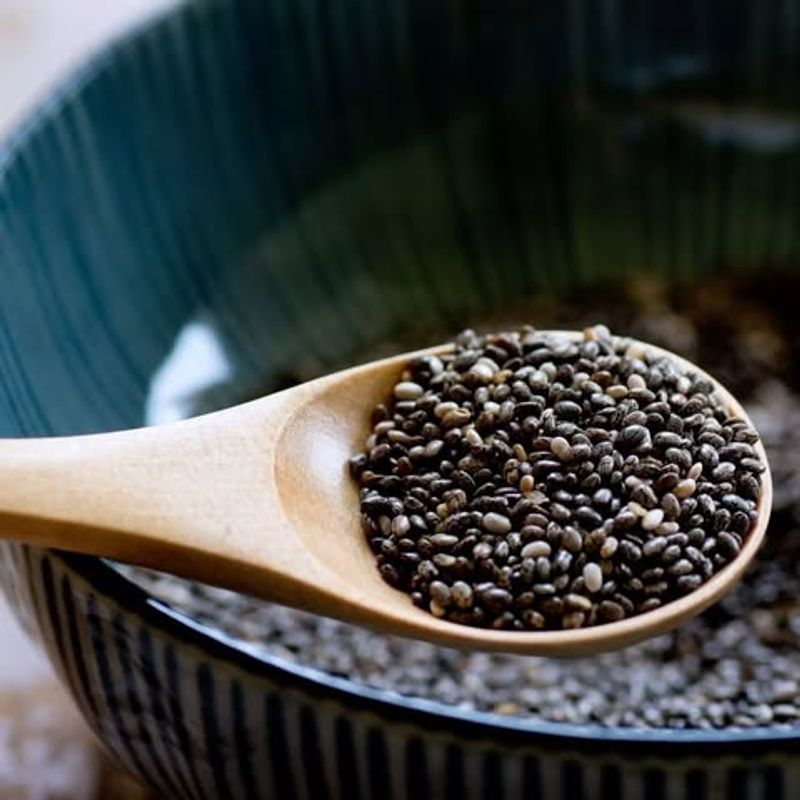
Chia seeds are a fiber powerhouse, but excess consumption might cause digestive issues. Have you ever added too many to your smoothie? It could be the reason for discomfort. Moderating your intake ensures you reap their benefits without drawbacks.
Try incorporating chia seeds with other toppings like nuts or fruits. This not only adds flavor variety but also balances your nutrient intake. Enjoying chia seeds in moderation keeps your diet both exciting and gentle.
22. Pomegranate
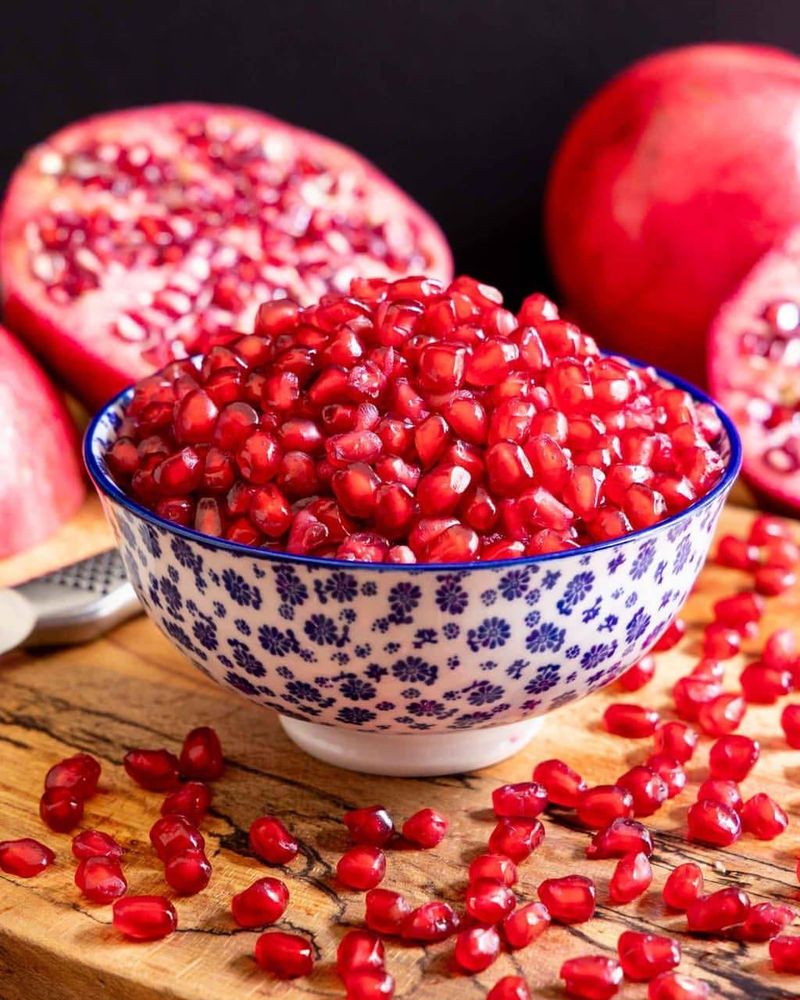
Pomegranates are antioxidant-rich, yet too much can lead to digestive troubles. Have you ever experienced discomfort after indulging in these juicy seeds? It’s a reminder to enjoy them mindfully.
Balancing with other fruits can offer variety and reduce potential issues. How about mixing pomegranate seeds into a salad for a burst of flavor? This approach lets you enjoy their benefits without overloading your system. Embrace diversity for a delightful and balanced experience.
23. Coconut Water

Coconut water is hydrating and packed with electrolytes, but overconsumption can lead to an electrolyte imbalance. Have you ever thought about the balance between refreshment and moderation? It’s essential to enjoy coconut water responsibly, especially after intense workouts.
Mixing it with regular water can help maintain equilibrium. This way, you can savor its tropical taste without potential side effects. Balance ensures you stay refreshed and healthy.
24. Cherry Tomatoes
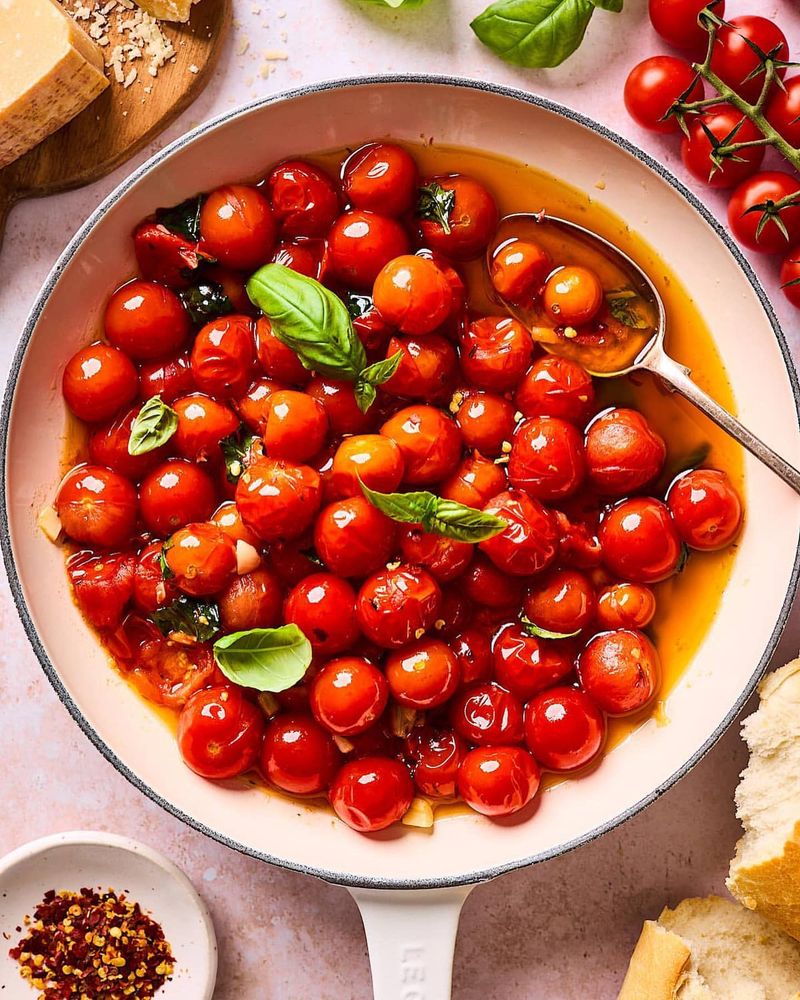
Cherry tomatoes are delightful, but too many can cause acid reflux due to their acidity. Have you ever considered balancing their consumption with other less acidic veggies? This can mitigate potential digestive discomfort.
Enjoying cherry tomatoes in a mixed salad can offer a variety of flavors while keeping acidity in check. It’s a gentle reminder to savor these juicy morsels in moderation. Embrace a balanced approach for a harmonious culinary experience.